Choosing the right end mill flute count is crucial for machining success. Different flute counts impact material removal rates and surface finishes. Industry data shows that a higher flute count often provides finer surface finishes, while fewer flutes excel in chip removal. Understanding this balance enhances operational efficiency.
According to the cutting tool industry reports, a three-flute end mill is often ideal for aluminum, providing a good compromise between chip clearance and surface quality. Conversely, a two-flute design may be better suited for softer materials. Knowing how to choose the right end mill flute count means considering the specifics of your material and desired finish.
Engineers highlight the importance of matching the flute count to the machine's capabilities. Misalignment between chosen tools and machine setups can lead to inefficiencies. Many manufacturers overlook this detail, resulting in subpar outcomes. The nuanced decision-making around flute count requires careful analysis and experience to achieve optimal results.
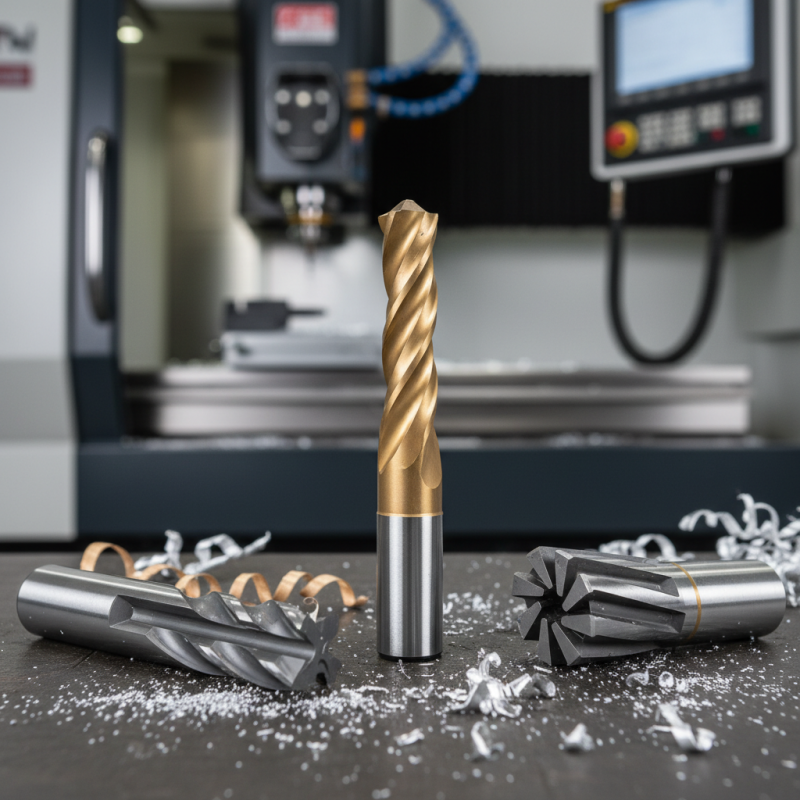
When milling materials, the flute count of an end mill is crucial. Flute count determines how effectively the tool removes chips and manages cutting forces. Higher flute counts, such as six or more, can increase surface finish quality. However, they may also result in slower chip removal. This balance is vital for achieving the desired outcome.
Flute design affects milling efficiency. Fewer flutes allow for greater chip clearance, making them ideal for softer materials. In contrast, more flutes often contribute to smoother finishes on harder materials. Choosing the right flute count requires careful consideration of both the material and project specifics. It’s essential to assess the material properties, tooling advancements, and the machining environment.
In practical terms, one might encounter situations where the choice is not clear. Sometimes, a higher flute count may seem beneficial but leads to unexpected tool wear. Recognizing this can be a challenge. Experimenting with different flute counts can help in understanding their impact on your unique projects, allowing for ongoing improvement and adjustment. This exploration emphasizes the importance of learning from each milling experience.
When selecting an end mill, flute count plays a crucial role. Different materials require specific flute counts for optimal performance. For instance, softer materials like aluminum often perform best with a two-flute end mill. This design facilitates efficient chip removal, preventing clogging. Additionally, it allows for faster cutting speeds.
On the other hand, harder materials such as steel benefit from end mills with four or more flutes. These tools provide increased strength and stability during machining. However, they may not remove chips as effectively. This can lead to overheating and reduced tool life.
In some projects, the right balance is key. Consider the complexity of the cut and material type. Experimenting with different flute counts can yield insights into performance. Each project often demands a unique approach and fine-tuning of flute selection. Adjusting your choice can improve the machining process significantly. Every detail matters, and learning from each project helps refine your technique over time.
When selecting an end mill, the flute count is critical. Flute count affects cut quality and surface finish significantly. Research indicates that a higher flute count generally yields smoother finishes. However, this can also lead to chip removal challenges. According to industry analysis, three-flute end mills often provide a good balance between chip removal and surface finish in aluminum machining.
Using a two-flute end mill might enhance chip evacuation in softer materials. In contrast, a four-flute end mill excels in achieving fine surface finishes but may struggle with heat dissipation. The choice depends on the specific project demands and materials. A recent study showed that increasing flutes on stainless steel reduced critical cutting speed, which is crucial for time-sensitive projects.
Reflecting on the impact of flute count, it's evident that there's no one-size-fits-all solution. Users often report a trade-off between cut quality and efficiency. It's essential to evaluate material type, machining parameters, and desired outcomes thoroughly. Experimentation is sometimes needed to find the optimal flute count for each unique application.
Choosing the right end mill flute count can significantly impact your machining efficiency. The flute count often determines how well the end mill can manage chip removal. For projects requiring high-speed machining, a lower flute count, such as two or three, can be beneficial. Fewer flutes allow for larger chip pockets and improved chip evacuation, preventing overheating.
When considering feed rates, a higher flute count could be better for materials requiring more precision, like aluminum. Four to five flutes can offer smoother finishes at lower speeds. However, increased flutes mean less space for chips, which can lead to blockages if feed rates are too high. Be cautious; finding the right balance is crucial.
**Tips:** Monitor the temperature of the material during machining. If it heats up too quickly, consider adjusting the flute count or feed rate. Experimenting is essential; every material has its unique behaviors. You may need to reflect on your choices to find the optimal setup for your specific project. Adjustments based on trial and error can lead to significant improvements in overall machining performance.
| Flute Count | Machining Speed (RPM) | Feed Rate (IPM) | Material Type |
|---|---|---|---|
| 2 Flute | 6000 | 20 | Aluminum |
| 3 Flute | 5000 | 15 | Plastic |
| 4 Flute | 4000 | 10 | Steel |
| 5 Flute | 3500 | 8 | Titanium |
When selecting the right end mill flute count, consider the type of milling machine you will use. Different machines, like CNC routers and manual mills, perform better with specific flute counts.
For example, CNC routers typically benefit from higher flute counts, such as four or even six flutes. This enhances chip removal and allows for faster feed rates, making it ideal for softer materials.
On the other hand, manual mills usually work well with two-flute end mills. These flutes offer better chip clearance and are less prone to clogging. This is important when working with harder materials, as it allows for smoother operations and a more controlled cutting process.
It's vital to understand the material you're working with. If you're unsure, experimenting with different flute counts can provide insights into the optimal choice for your specific project.
: Flute count is crucial for selecting end mills. It affects chip removal and cutting speeds.
Two-flute end mills work best for soft materials like aluminum. They help in efficient chip removal.
Four or more flutes are better for harder materials. They offer strength but may struggle with chip removal.
An improper flute count can lead to overheating, reducing tool life. This is important to consider.
Yes, CNC routers benefit from higher flute counts. Manual mills work well with two-flute end mills.
Yes, experimenting helps identify the best flute count for various projects. Each project is unique.
The complexity of a cut can change the needed flute count. Balancing this is essential for effective machining.
Adjusting flute counts can improve performance. It's important to refine techniques over time.
If unsure, try different flute counts to see what works best for your material and machine setup.
Choosing the right end mill flute count is crucial for achieving optimal milling outcomes. Understanding flute count—defined as the number of helical grooves on the end mill—affects the cutting efficiency, material removal rate, and overall finish quality of the workpiece. Different materials require specific flute counts; for instance, softer materials may work well with fewer flutes, while harder materials can benefit from higher flute counts.
Moreover, the impact of flute count on cut quality and surface finish cannot be overstated. A properly selected flute count enhances machining speed and feed rate, enabling smoother operations. It's also essential to consider the type of milling machine being used, as certain configurations perform better with particular flute counts. Overall, knowing how to choose the right end mill flute count is key to maximizing performance and achieving superior results in your milling projects.

Tier Tool