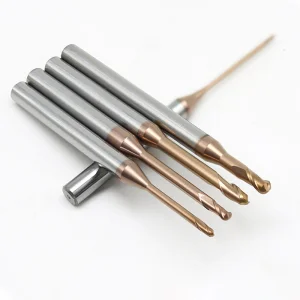
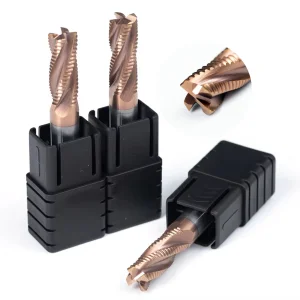
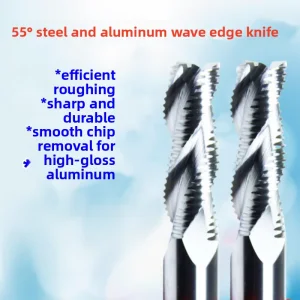
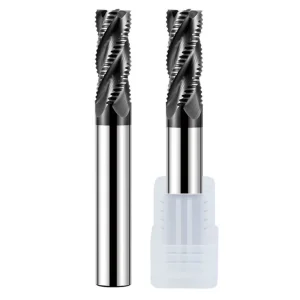
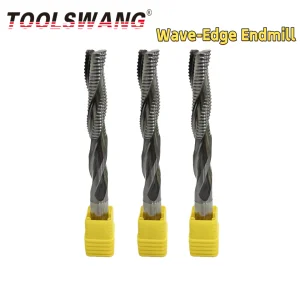
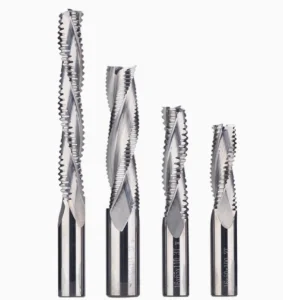
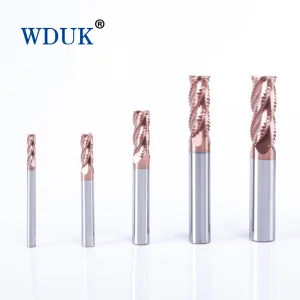
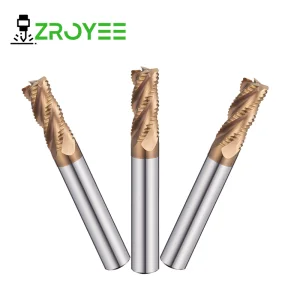
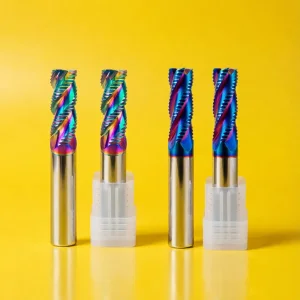
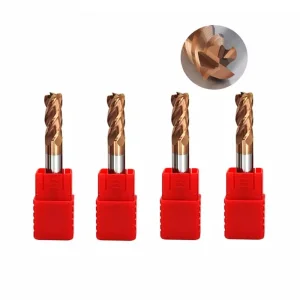
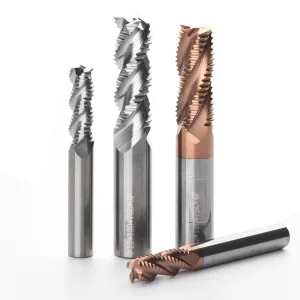
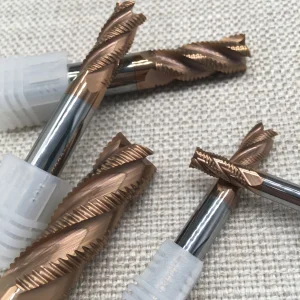
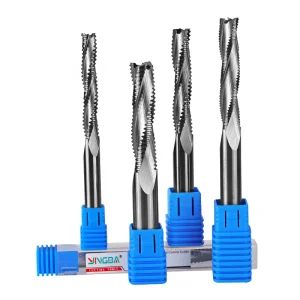
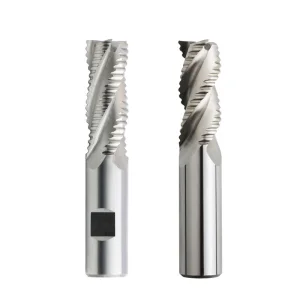
Explore our leading collection of corrugated and wave-profile roughing tools designed to maximize material removal rates while minimizing harmonics.
Established in 2008, Suzhou Tier Tool Co., Ltd. is a national high-tech enterprise specializing in the design, manufacturing, and technical support of precision solid carbide cutting tools. With over a decade and a half of technical mastery, we have established our reputation as a trusted manufacturing partner rather than simply a tooling supplier.
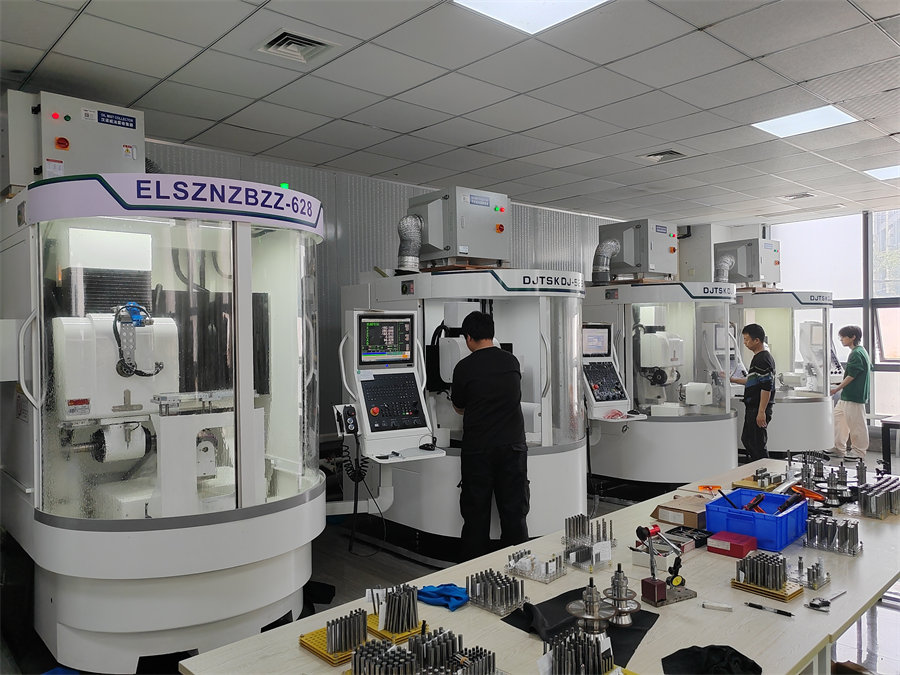
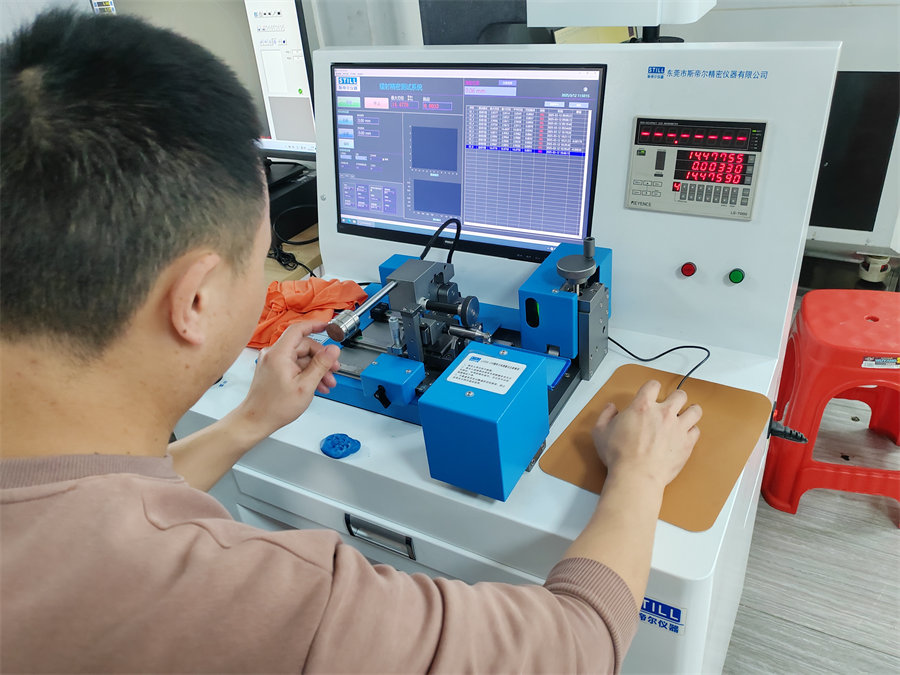
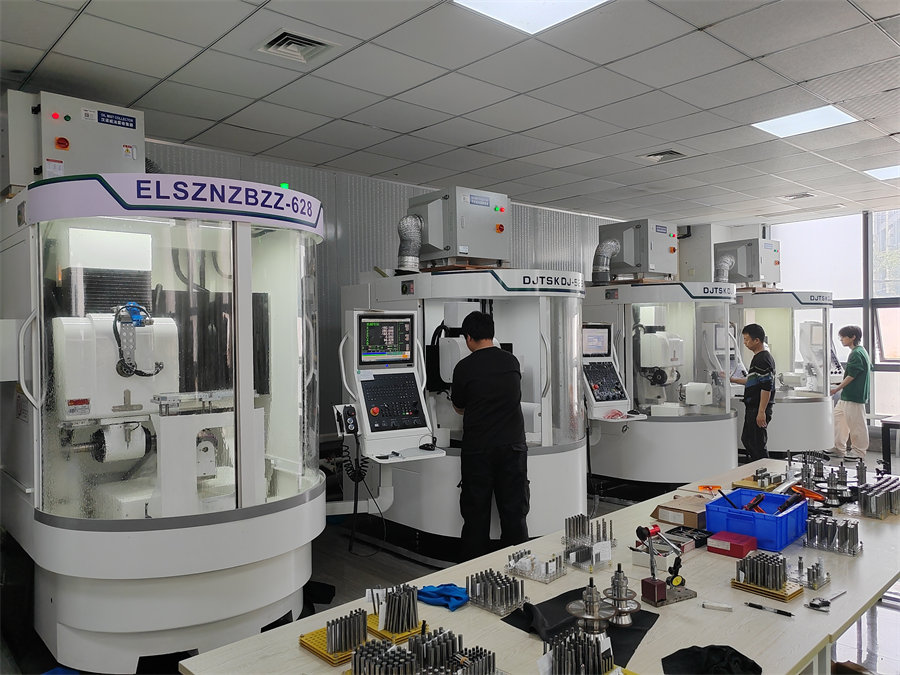
Through continuous technological innovation and manufacturing excellence, our systems focus on delivering high-performance, high-efficiency cutting solutions for demanding applications in automotive, aerospace, precision engineering, and mold fabrication. We operate advanced CNC grinding centers and high-precision testing chambers, enabling complete control over raw materials, micro-geometries, and coating standards.
In modern CNC machining, cycle time reduction and tool longevity are critical vectors for cost optimization. Standard flat-flute end mills often fail during heavy roughing phases due to continuous chip formations, localized thermal accumulation, and severe harmonic resonance (chatter). The implementation of the **Roughing Wave Edge End Mill** (commonly termed the corrugated or ripple end mill) directly addresses these vulnerabilities.
The core advantage of a wave-edge profile lies in its non-linear cutting geometry. By incorporating a precise sinusoidal profile along the cutting flutes, the tool breaks the width of the cut into smaller, discrete segments. Instead of generating a long, continuous chip that can wrap around the spindle or clog the flutes, the wave configuration ensures:
"By breaking the shear zone into segmented sinusoidal paths, the wave-edge design alters the contact frequency, effectively neutralizing harmonic frequencies before they develop into chatter."
To maintain structural stability under high feed rates, Tier Tool utilizes premium sub-micron and nano-grain tungsten carbide substrates. The cobalt binder ratio is meticulously calibrated (typically between 10% to 12%) to optimize the balance between hardness (wear resistance) and toughness (fracture resistance).
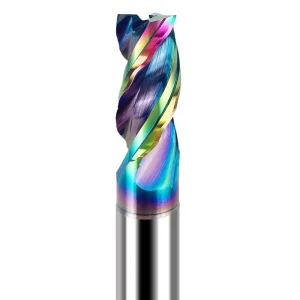
Advanced PVD (Physical Vapor Deposition) coatings are integrated to withstand high-temperature oxidation during dry or minimal-quantity lubrication (MQL) milling:
| Coating Type | Microhardness (HV) | Max Service Temp (°C) | Primary Application Target |
|---|---|---|---|
| AlTiN (Aluminum Titanium Nitride) | 3200 | 900°C | Alloy Steels, Tool Steels, Cast Iron |
| TiSiN (Titanium Silicon Nitride) | 3800 | 1100°C | Hardened Steels up to 68 HRC, Dry Machining |
| DLC (Diamond-Like Carbon) | 5000+ | 500°C | Aluminum Alloys (6061/7075), Non-Ferrous Metals |
| Uncoated / Bright Finish | 1800 (Substrate) | - | Soft Wood, Thermoplastics, Rapid Prototyping |
Aligning raw manufacturing capabilities with global corporate standards and localized compliance frameworks.
Aerospace giants processing Titanium alloys (such as Ti-6Al-4V) and Inconel require tooling that manages extreme thermal stresses. Our 3-flute and 4-flute TiSiN coated wave-edge end mills allow operations to run at elevated speeds while retaining edge sharpness.
In the automotive sector, high-volume production of cast iron engine blocks and alloy steel shafts benefits from our optimized chip-breaking structures, which reduce downtime for tool changeovers and prevent machine damage due to chip nesting.
Milling pre-hardened tool steels (HRC 50-68) requires exceptional heat management and edge stability. Tier Tool's 4-flute corrugated mills divide the cut depth evenly, minimizing tool deflection when cutting deep cavities.
By combining high-rigidity core configurations with optimized variable helix angles, mold makers achieve precise rough profiles that minimize the stock volume remaining for finish passes, accelerating overall production cycles.
Procurement managers in North America, Europe, and the Asia-Pacific region demand more than just competitive unit pricing. Modern manufacturing procurement focuses on the **Total Cost of Ownership (TCO)**, tool life consistency, and localized logistics support. Key pillars of Tier Tool's partnership model include:
Precision tolerance control down to ±0.005mm ensures that replacement tools operate exactly like the original, avoiding CNC program recalibrations.
All materials and processes conform to ISO 9001:2015 quality frameworks, RoHS environmental standards, and standard export regulations.
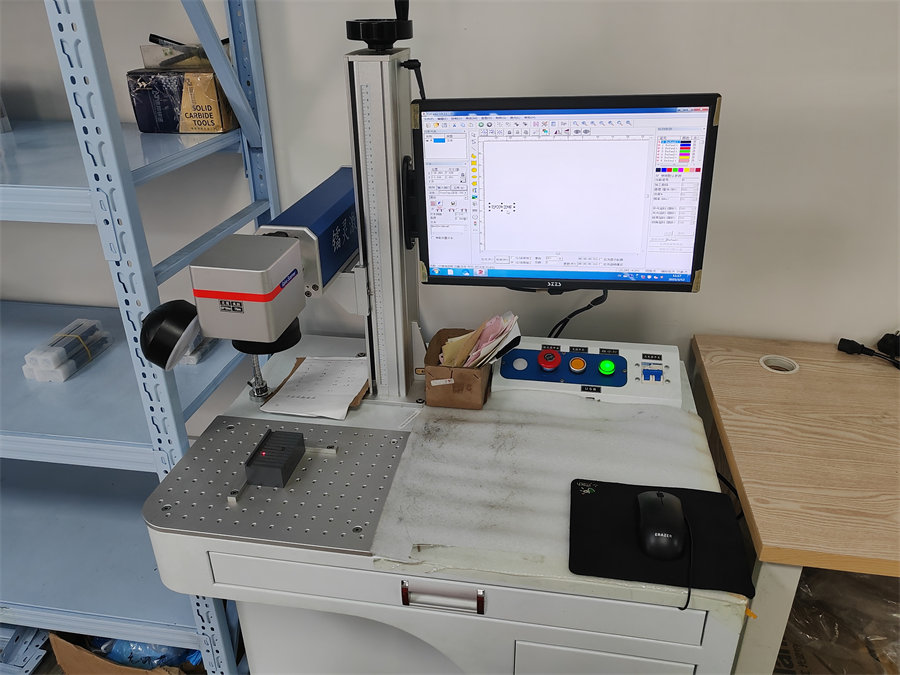
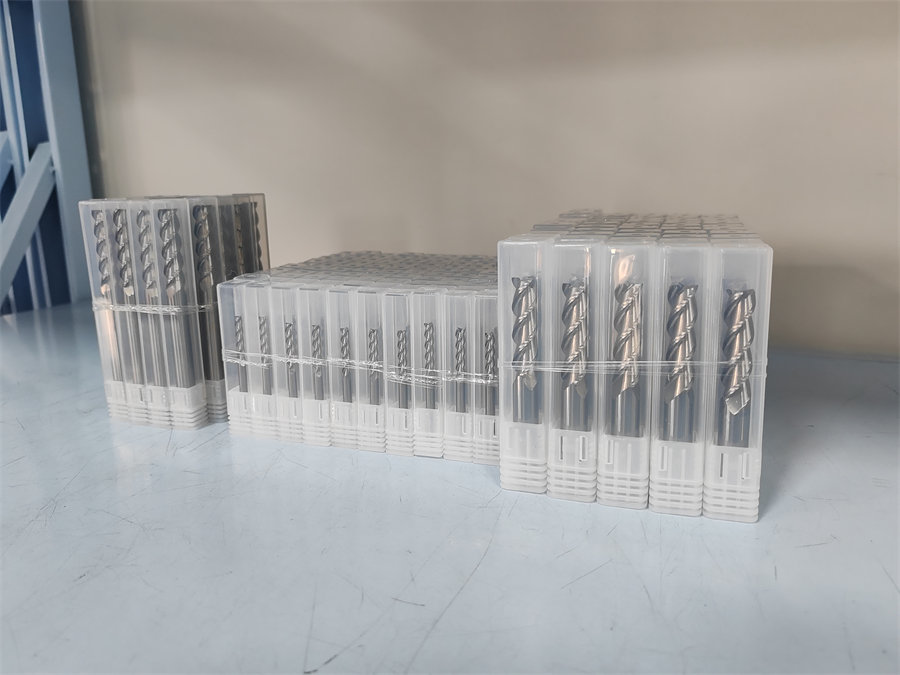
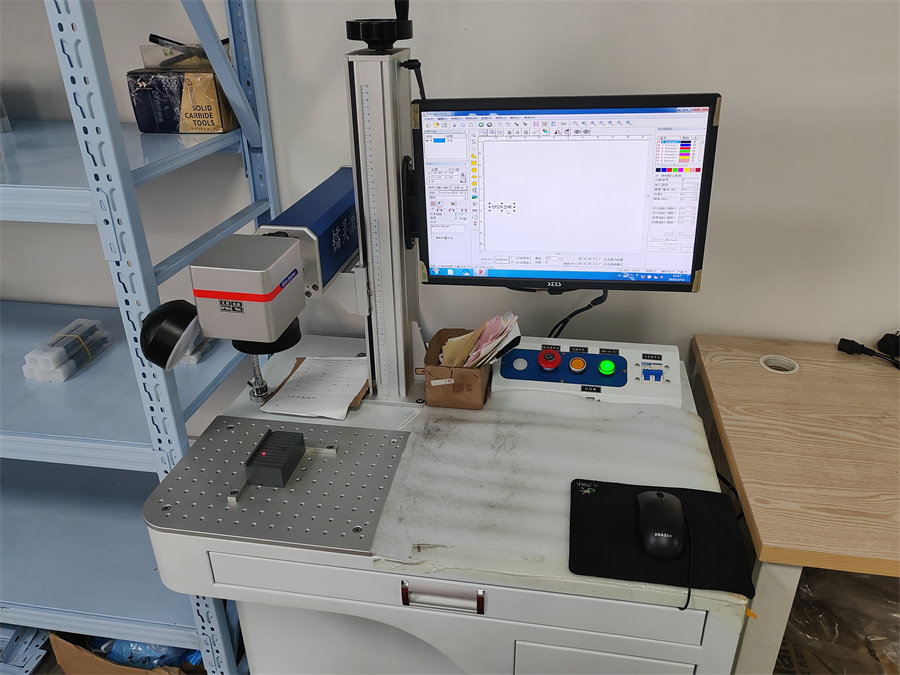
We work directly with industrial distributors and tool brands to supply custom geometries, tailored laser markings, and branded packaging structures.
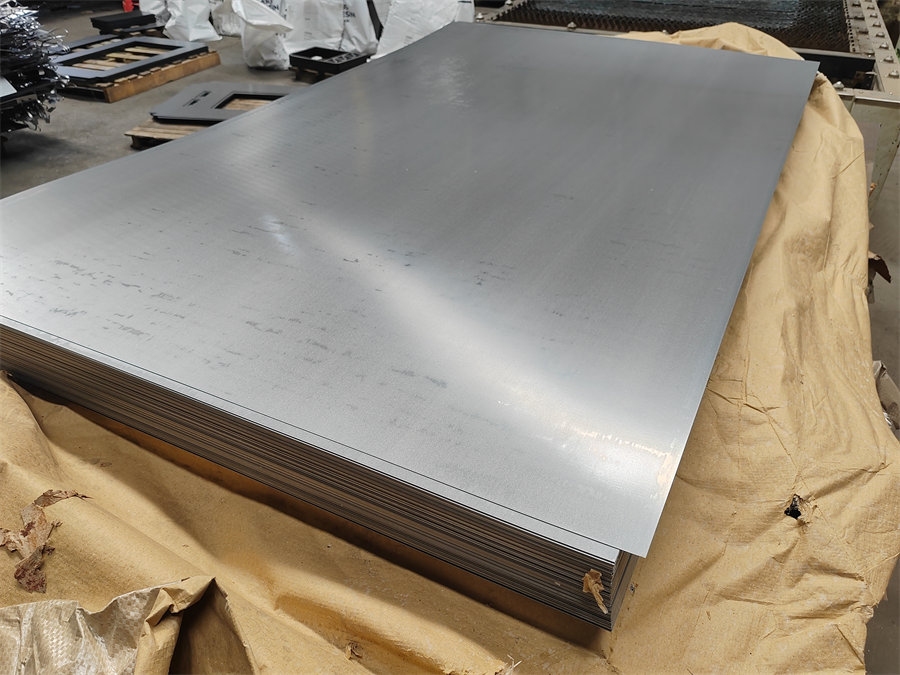
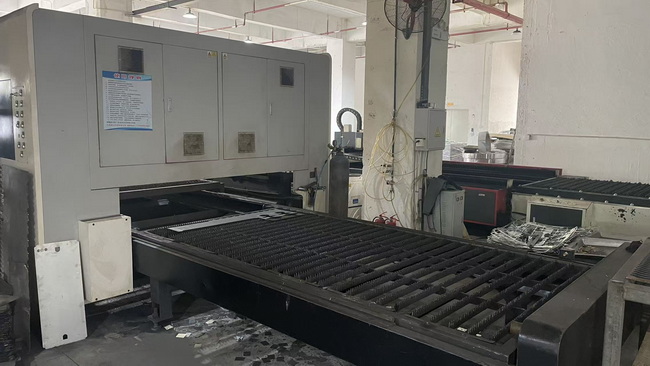
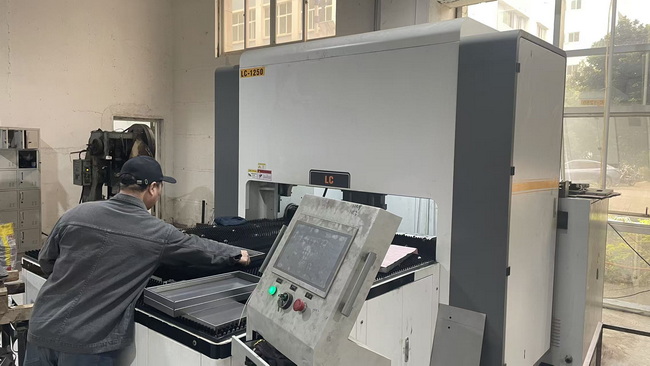
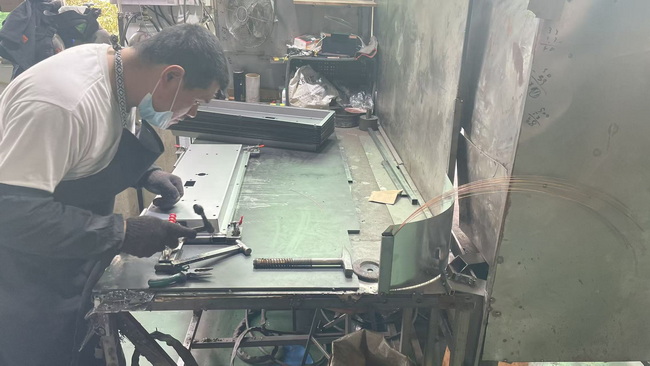
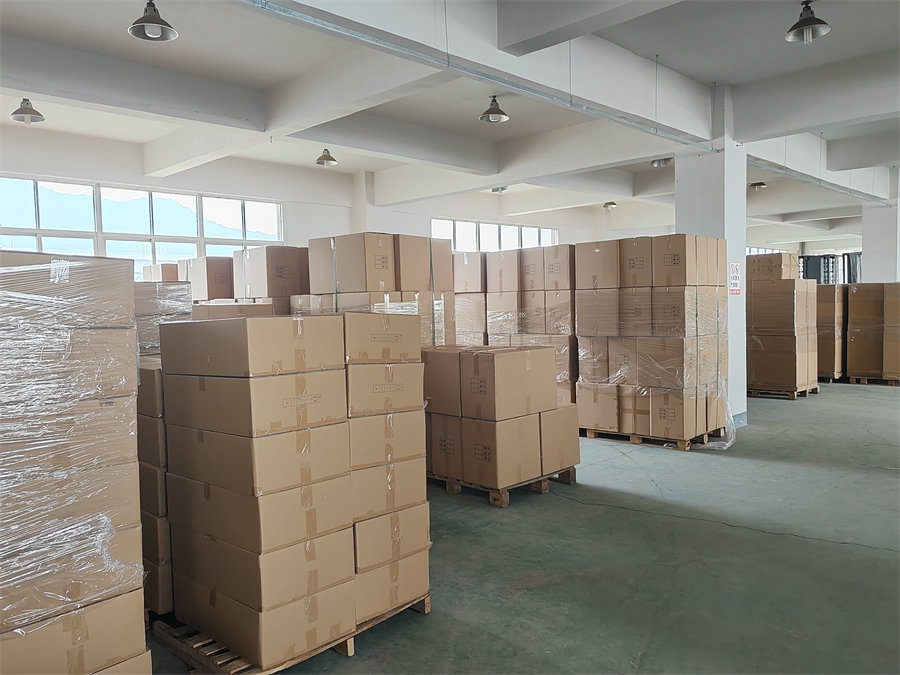
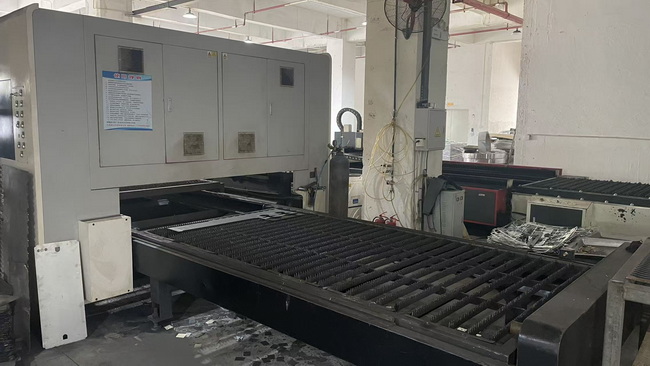
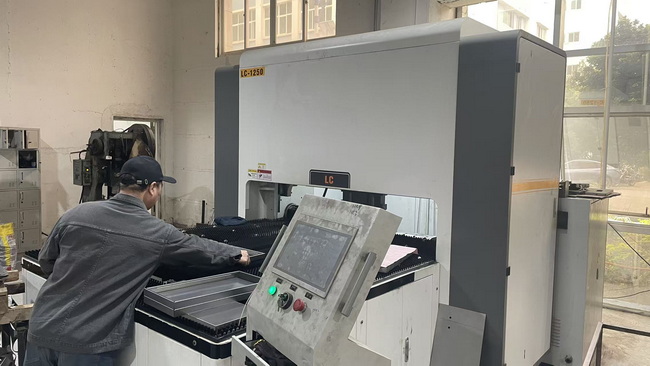
Inside Suzhou Tier Tool: Our strict production controls and testing protocols ensure that every wave edge end mill satisfies strict tolerances.
Industrial milling processes are transitioning toward high-speed, autonomous, and sensor-driven ecosystems. At Suzhou Tier Tool Co., Ltd., our engineering division is proactively developing the next generation of wave edge configurations to align with these macro trends:
Standard wave end mills utilize a constant wavelength. Our upcoming product line implements a variable wave pitch along the flute length. This irregular vibration signature interrupts resonant cycles, improving surface finishes on thin-walled structural designs.
By leveraging machine learning algorithms that model stress distribution under high-load trochoidal paths, we are redesigning the core taper of our end mills to maximize rigidity in the shank transition zone, reducing tool deflection.
Our research into multi-component high-entropy alloy coatings (HEACs) aims to deliver surface hardness ratings exceeding 4200 HV with thermal breakdown thresholds up to 1200°C. This will enable dry, continuous roughing of titanium and nickel-based superalloys.
Clear, direct technical answers to assist shop floor engineers and tooling procurement specialists in selection and optimization.
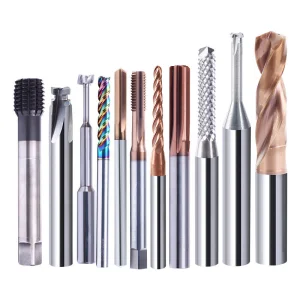
Complete your procurement requirements with our high-durability, long-reach, and specialty wave edge configurations.
 Tier Tool