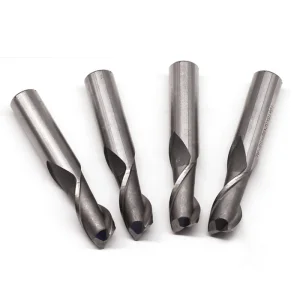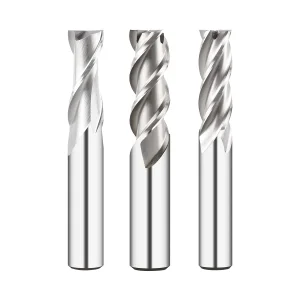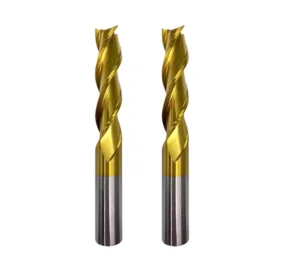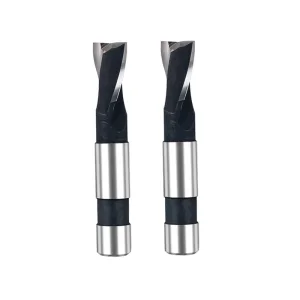
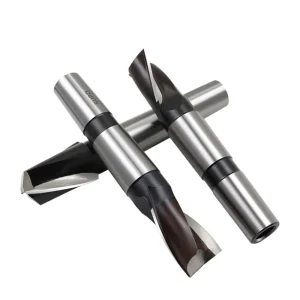
How modern high-precision mechanical transmission systems depend on exact keyseat milling geometries for operational success.
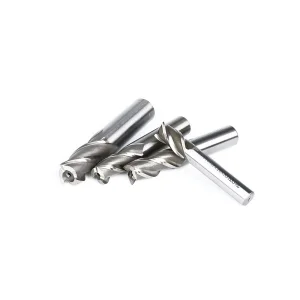
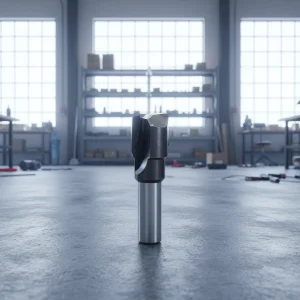
In the globalized industrial manufacturing landscape, the transmission of mechanical power relies fundamentally on rotating shafts, gears, pulleys, and coupling assemblies. To ensure slip-free rotational torque transmission under high stress and varying thermal conditions, the engineering sector integrates woodruff keyways, T-slots, and straight keyseats. The machine tools dedicated to producing these keyways are Straight Shank Keyseat End Mills. Today, the demand for these cutters is expanding, fueled by growth in the automotive drivetrain, heavy machinery, aerospace turbine, and marine propulsion sectors.
Historically, standard milling operations utilized basic slotting cutters, but contemporary automated CNC setups demand tools that feature extreme dimensional repeatability and prolonged wear resistance. Global consumption reports demonstrate a pronounced shift toward high-performance materials. High-speed steel (HSS) still retains importance in maintenance, repair, and overhaul (MRO) applications, while solid tungsten carbide and cobalt-alloyed steels (M35/M42) dominate mainstream manufacturing processes. The global industrial marketplace requires a stable, high-output supply network capable of providing both standardized ANSI/DIN-compliant keyway cutters and customized, non-calibration profiles to accommodate bespoke mechanical designs.
Technical guidelines for supply chain managers, engineering directors, and industrial distributors sourcing keyseat tools.
For automated lights-out manufacturing operations, tool life predictability is paramount. Global buyers look for consistent carbide grades and advanced multi-layer coatings (like AlTiN or TiAlN) that delay flank and crater wear.
Keyseat widths must align with standard shaft fits (e.g., clearance, transitional, or interference fits). Sourced cutters must achieve width tolerances under +0.000 / -0.002 inches to prevent loose keys and catastrophic rotational failure.
Standard off-the-shelf tools often fall short when specialized slot depths or custom corner radii are required. Modern procurement calls for factory partnerships that deliver customized blueprints and tool samples in under 7 days.
Purchasing managers must balance initial procurement costs against the Total Cost per Part (TCP). While HSS-Co8 and M35 keyseat cutters offer cost-effective options for low-volume production or softer materials, high-volume CNC automotive lines necessitate solid carbide configurations. Solid carbide keyseat cutters deliver up to 5 times the cutting speed and 10 times the tool life compared to traditional steel variants. Furthermore, the selection of the correct shank style (straight shank vs. Weldon flat shank vs. tapered shank) determines the rigidity of tool holding, directly impacting runout, surface finish, and tool longevity.
Emerging engineering shifts in raw substrates, specialized geometries, and physical vapor deposition (PVD) coating layers.
Standard carbide tools are vulnerable to micro-chipping when cutting hard materials or during interrupted cuts. Modern factories utilize submicron and ultra-fine micrograin carbide substrates with grain sizes ranging from 0.2μm to 0.5μm. This grain structure yields an optimal combination of high hardness and rupture toughness, enabling tools to withstand high shock levels when engaging keyways on cylindrical shafts.
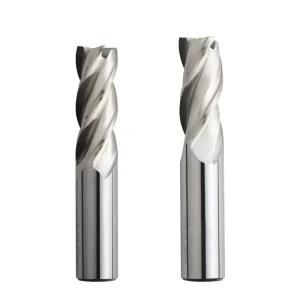
Traditional straight-tooth keyseat cutters often generate harmonics and chatter during machining, leading to wavy surface finishes. Emerging designs feature a staggered-tooth arrangement with alternating right-hand and left-hand axial rake angles. This design distributes cutting forces, suppresses vibration, promotes efficient chip evacuation, and maintains dimensional accuracy across deep slotting processes.
At high cutting speeds, friction at the keyway corners generates elevated localized temperatures. Applying advanced Physical Vapor Deposition (PVD) coatings, such as AlTiN (Aluminum Titanium Nitride) and TiSiN (Titanium Silicon Nitride), forms a protective surface layer. This coating exhibits hot-hardness up to 900°C and helps prevent thermal cracking, oxidation, and material build-up on the cutting edges.
How automated production systems, digital quality management, and logistical integration yield reliable tooling supply chains.
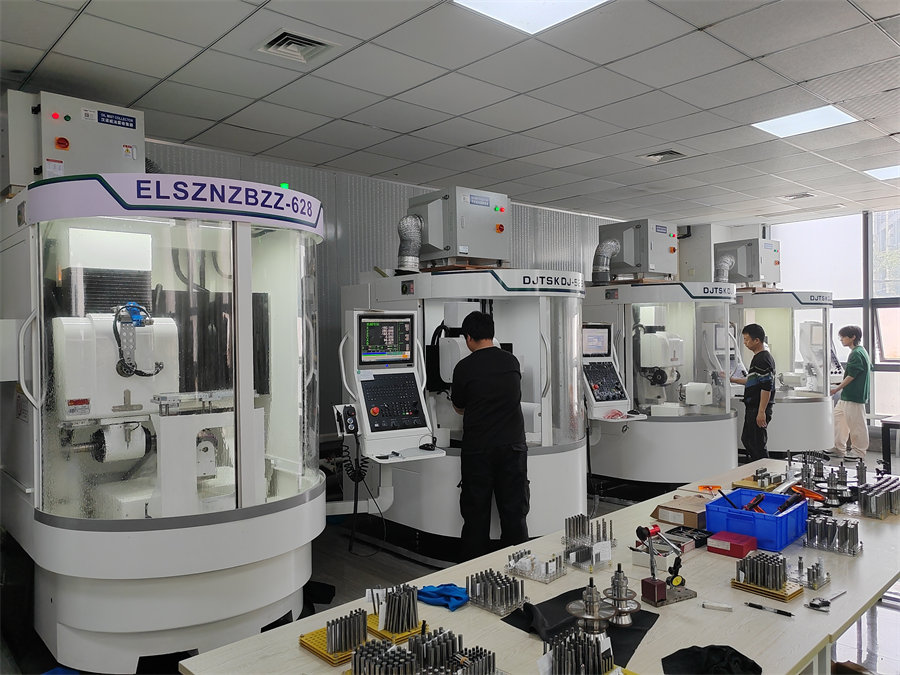
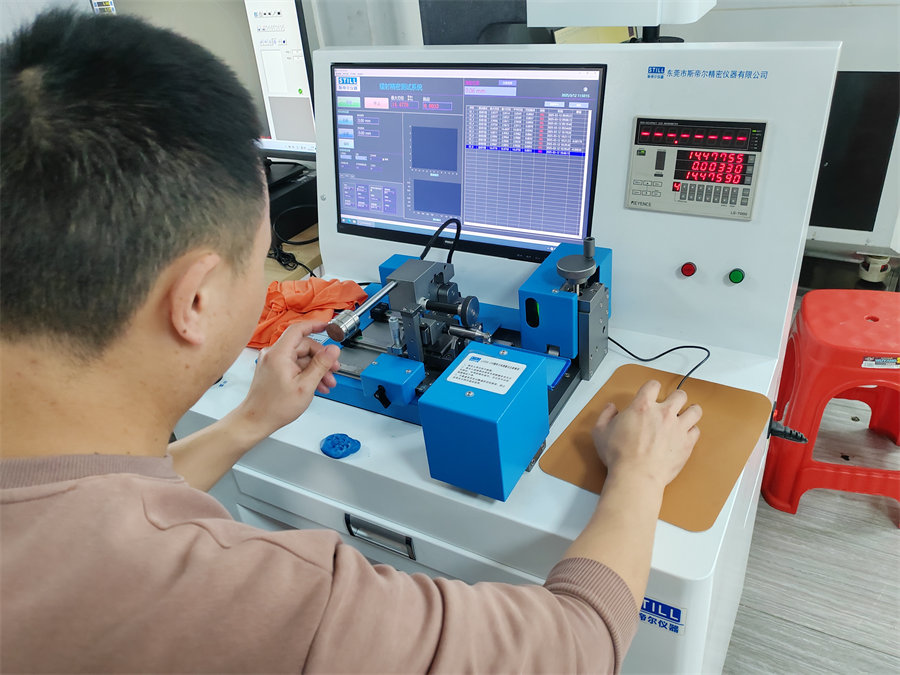
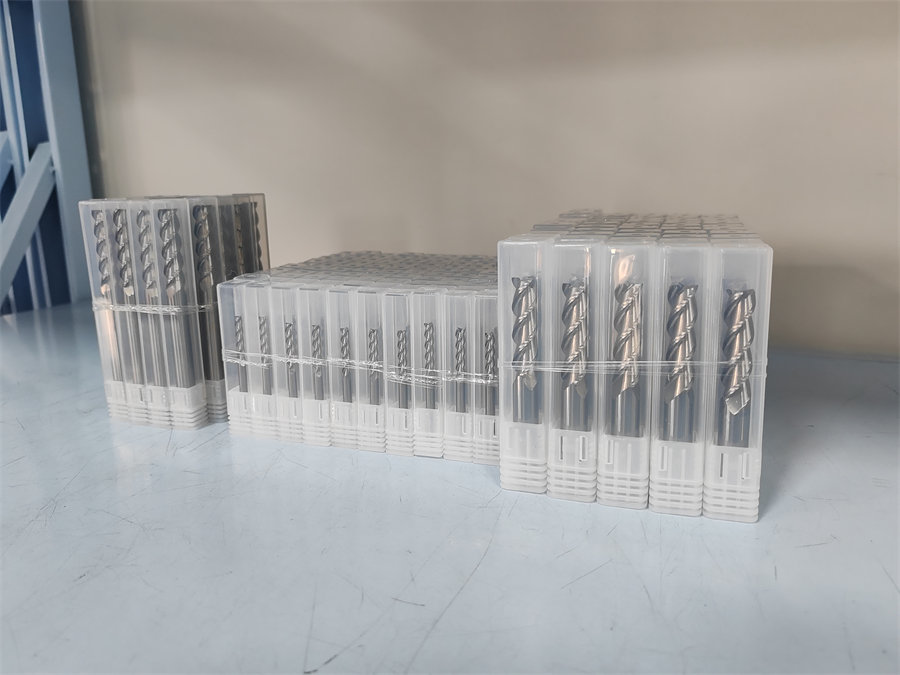
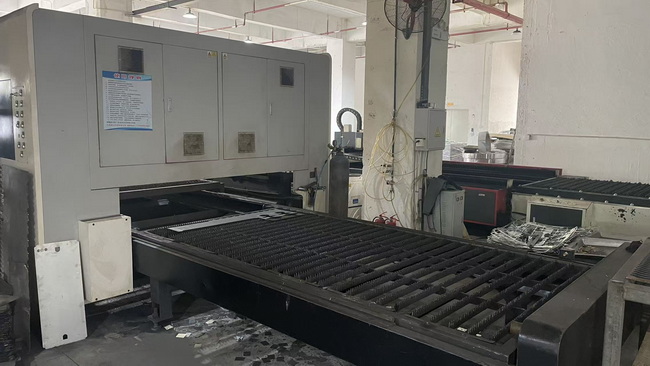
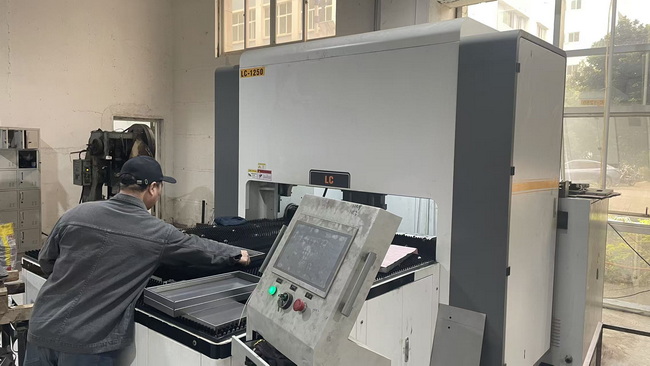
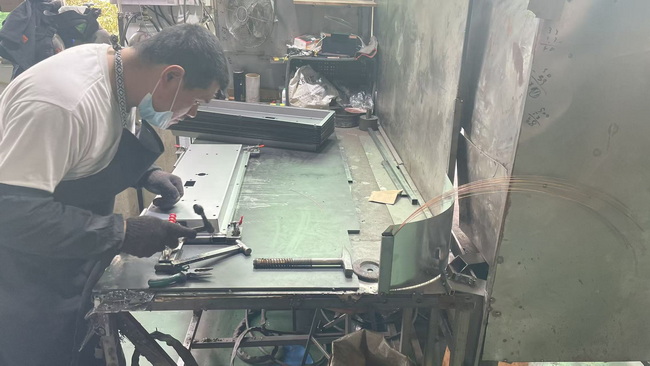
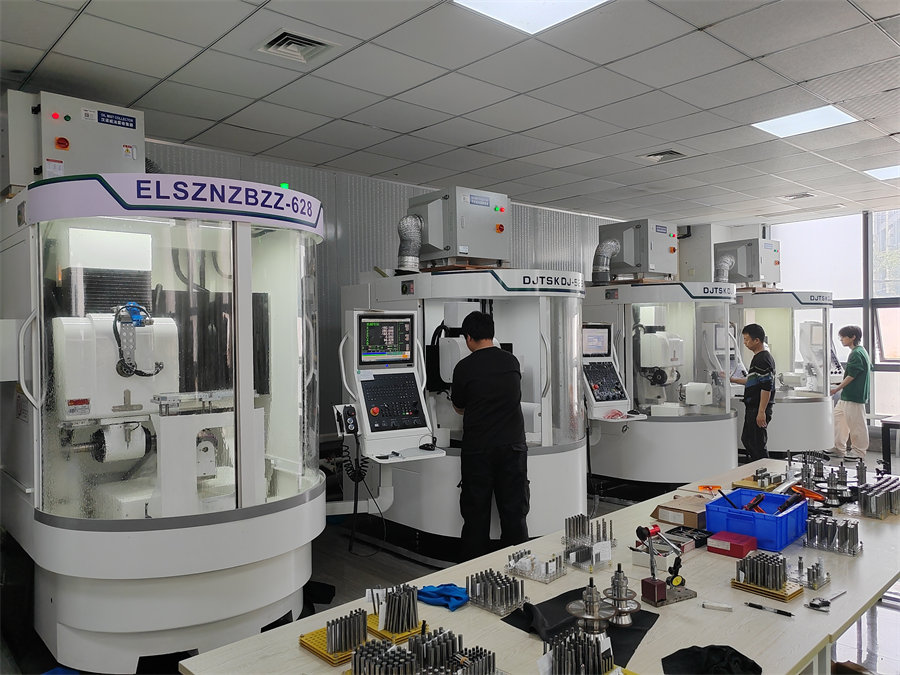
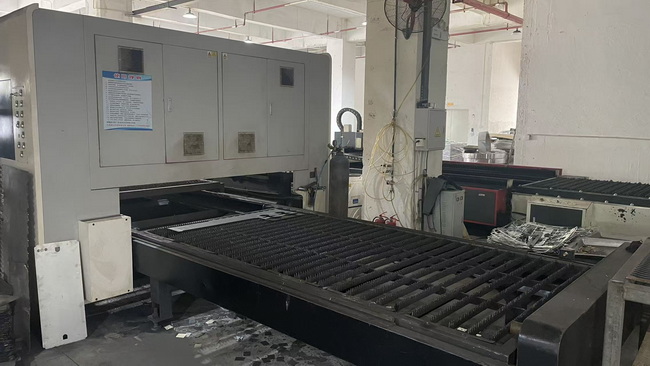
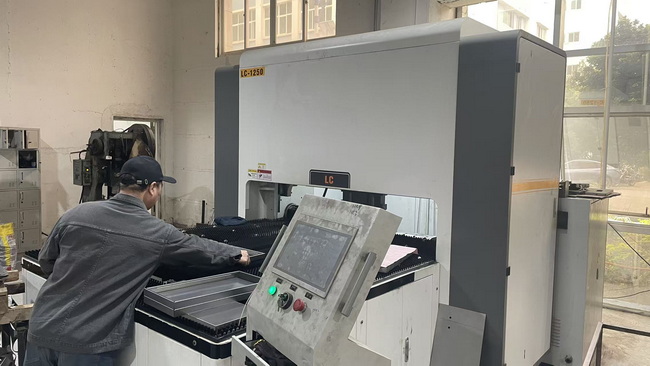
China's manufacturing sector has evolved from labor-intensive assembly lines to automated Factory 4.0 production environments. High-precision tooling manufacturers, exemplified by Suzhou Tier Tool Co., Ltd., lead this transition. By integrating CNC tool grinding platforms (such as Walter and ANCA) with advanced laser metrology, these factories manufacture carbide cutting tools to exacting specifications. This manufacturing framework supports consistent tolerances, minimizing variations between production runs.
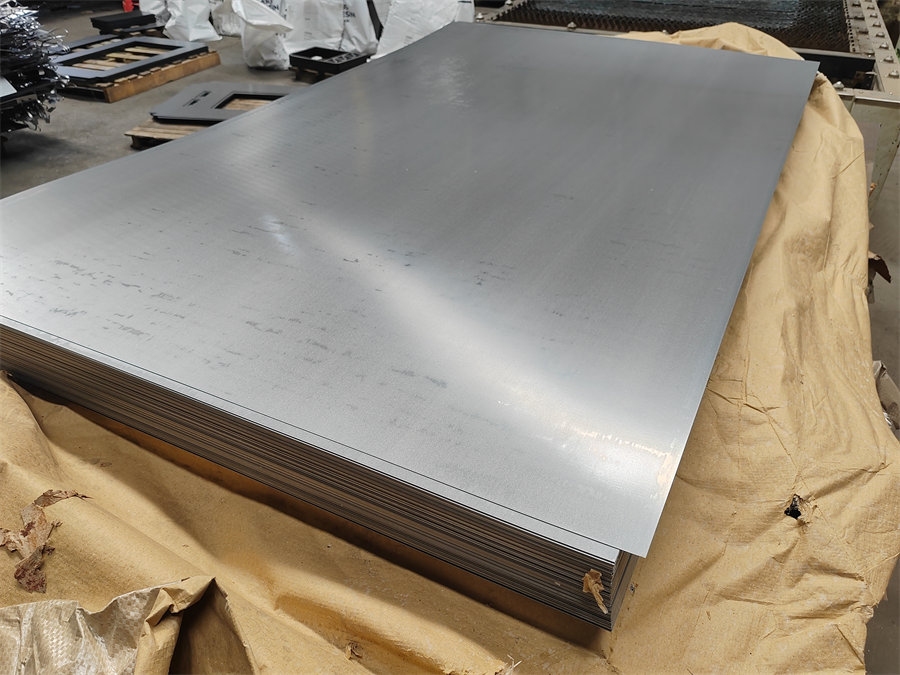
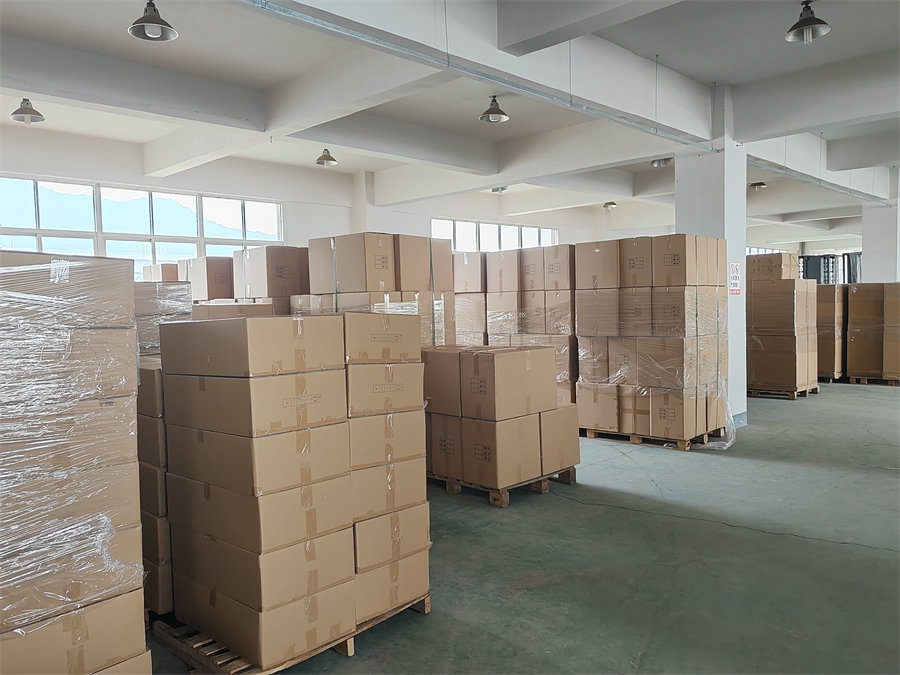
Supply chain resilience is a key advantage of modern Chinese tooling factories. Thanks to a localized ecosystem containing raw tungsten powder refineries, advanced coating centers, and integrated logistics, factories maintain short lead times. Even during global supply shocks, these facilities continue to operate, ensuring international buyers receive their custom orders within predictable timeframes. The integration of digital ERP systems allows for real-time tracking of orders, from raw material inspection to final export clearance, guaranteeing transparency and predictability.
How keyseat end mills perform under actual workshop conditions across different engineering domains.
In electric vehicle (EV) motor assembly, motor shafts must transmit rapid torque changes without mechanical failure. Precision woodruff keyways are machined using carbide-tipped, AlTiN-coated keyseat end mills. The application demands a width runout under 0.005mm to avoid play in the key insert. Standardizing on high-precision keyway end mills reduced component vibration during testing, lowering reject rates by 14%.
Marine environments require large, corrosion-resistant shafts made of stainless steels or specialized bronze alloys. In these applications, heat dissipation and chip removal are critical challenges during deep keyseat milling operations. Machinists utilize cobalt-containing HSS end mills (such as M35 or HSS-Co8) paired with heavy cooling lines. The cobalt alloy enhances tool life under constant friction, while the staggered flute profile prevents chip re-cutting, preserving the shaft's structural integrity.
During localized MRO (Maintenance, Repair, and Overhaul) operations, technicians often face worn keyways on heavy pumps. Standard carbide tools can break easily under manual or semi-automated repair setups. In these conditions, 2-flute straight shank HSS end mills provide the necessary elasticity. This allows operators to re-cut keyway channels in hardened materials without risking sudden tool breakage.
A national high-tech enterprise specializing in precision solid carbide cutting tools since 2008.
Suzhou Tier Tool Co., Ltd. was established in 2008 and is a national high-tech enterprise specializing in the design, manufacturing, and technical support of precision solid carbide cutting tools. Since its foundation, Tier Tool has been deeply committed to the precision machining industry, focusing on delivering high-performance, high-efficiency cutting solutions for hole-making and metalworking applications. Through continuous technological innovation and manufacturing excellence, the company has earned the trust of customers across a wide range of industries worldwide.
To ensure high levels of precision and consistency, Tier Tool has invested in advanced manufacturing equipment and production technologies. The company operates multiple imported CNC tool grinding machines and precision inspection systems, enabling complete in-house capabilities from tool design and prototyping to small-batch testing and large-scale production. Our manufacturing process is built upon strict process control and traceability standards. Every production stage is carefully monitored to ensure repeatability, quality consistency, and reliable delivery performance. Through systematic process management and standardized operating procedures, Tier Tool has established a robust manufacturing system capable of meeting the demanding requirements of modern precision machining.
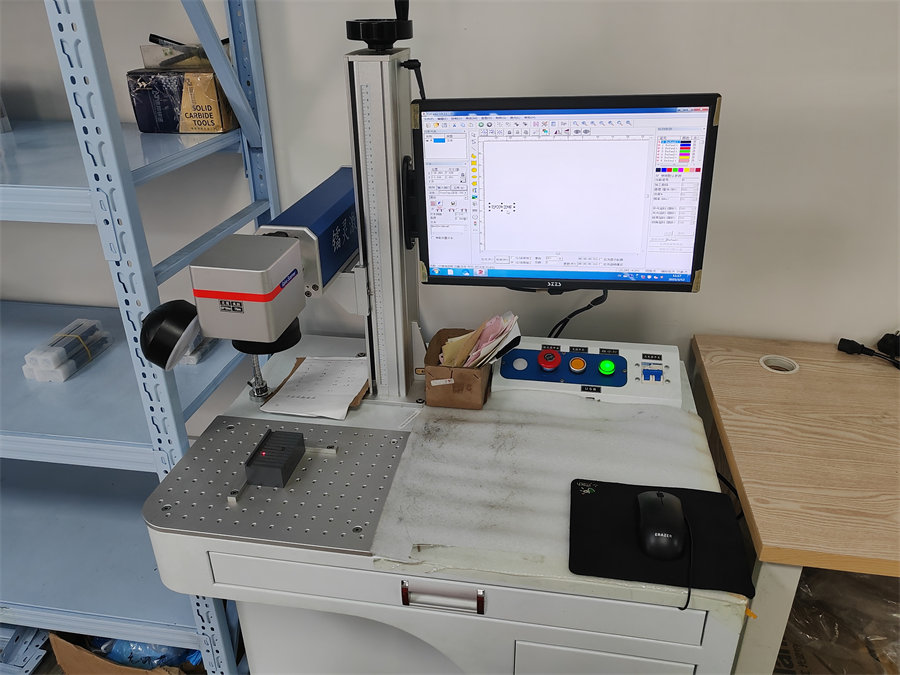
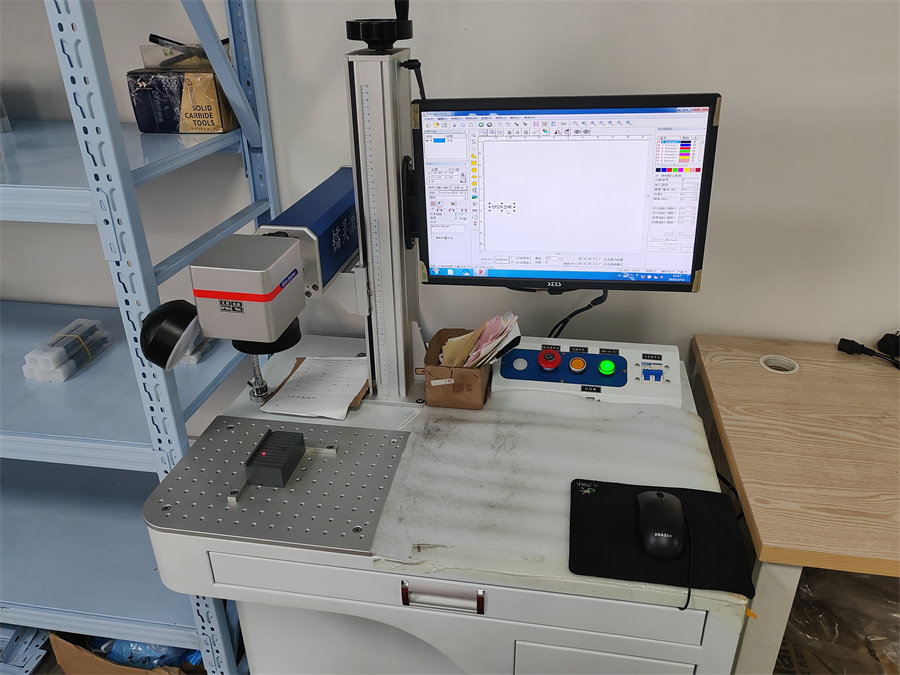
Quality is the foundation of Tier Tool's long-term success. We adhere to the principle of "Quality First, Continuous Improvement", implementing rigorous quality control procedures throughout the entire production cycle. From raw material selection and incoming inspection to final product verification, every tool undergoes comprehensive quality checks to ensure it meets strict dimensional, geometrical, and performance requirements. By continuously optimizing our manufacturing and inspection processes, we deliver products that provide exceptional accuracy, reliability, and consistency in real-world machining applications. We understand that in precision manufacturing, stable quality is not only a requirement but also the key factor that determines our customers' productivity and competitiveness.
At Tier Tool, we believe that supplying cutting tools is only the beginning of our partnership with customers. Beyond delivering products, we provide comprehensive technical support and application engineering services to assist customers in optimizing their manufacturing processes. Our technical specialists work directly with customers to analyze machining conditions, recommend suitable tooling strategies, and develop solutions that maximize efficiency, reliability, and cost-effectiveness. By understanding our customers' production goals and competitive challenges, we strive to become a trusted long-term manufacturing partner rather than simply a tooling supplier.
Looking ahead, Suzhou Tier Tool Co., Ltd. will continue to focus on the development of high-performance carbide cutting tools and deepen its expertise in automotive, aerospace, precision engineering, and advanced manufacturing industries. Driven by professionalism, innovation, and customer commitment, we are dedicated to creating greater value for our customers through reliable products, flexible services, and advanced manufacturing technologies. Tier Tool will continue to grow as a trusted global partner in precision cutting solutions, helping customers achieve higher productivity, better quality, and stronger competitiveness in an ever-evolving manufacturing world.
Authoritative answers to common questions about straight shank keyseat end mills, woodruff keyway cutters, and slotting applications.
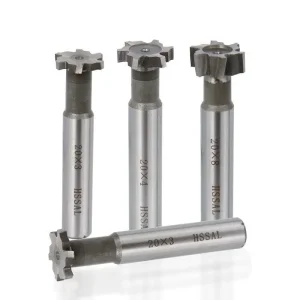
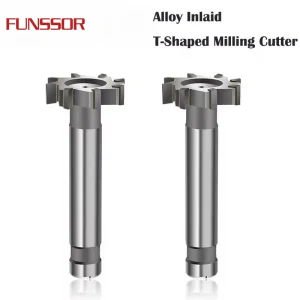
Keyseat cutters (or woodruff cutters) feature a specialized disk-shaped cutting head with a smaller neck diameter connected to a straight or tapered shank. Unlike regular end mills, which cut along their entire outer length, keyseat cutters are designed to plunge and cut radially. This allows them to machine precise, standard-compliant woodruff pockets and undercuts on shafts, preventing tool rub on the upper walls of the workpiece.
Solid tungsten carbide provides superior hot hardness and rigidity, which allows for higher spindle speeds, feed rates, and tighter tolerances. This makes carbide the standard choice for automated high-volume production. In contrast, HSS and cobalt-containing alloys (like M35) offer greater flexibility and resistance to chipping, making them useful for manual machines, interrupted cuts, and maintenance setups where machine rigidity is limited.
Staggered-tooth keyseat cutters feature alternating right-hand and left-hand axial rakes. This configuration alternates the cutting force direction, which helps cancel out vibration, reduce harmonic chatter, and improve chip evacuation in deep slotting operations. It also generates a flatter bottom and cleaner side walls in the machined keyseat.
To ensure woodruff keys fit properly, high-precision keyseat cutters typically adhere to ANSI or DIN standards. The width dimension is usually held to a tight tolerance range of +0.0000 to -0.0020 inches (+0.00 / -0.05 mm). For press-fit or interference applications, non-calibration custom cutters can be manufactured with tolerances down to +0.000 / -0.005 mm.
At Suzhou Tier Tool Co., Ltd., design verification and digital prototyping are typically completed within 48 hours. Depending on the size of the production run and the coating specifications, custom batch production is usually completed and ready for air shipping within 3 to 7 working days.
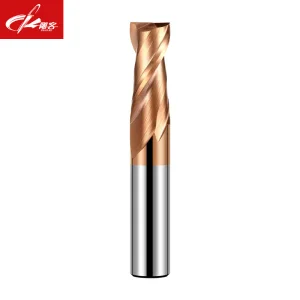
 Tier Tool