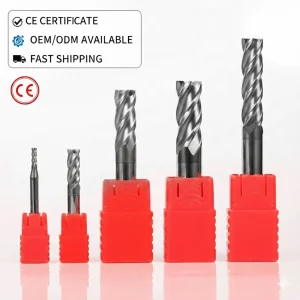
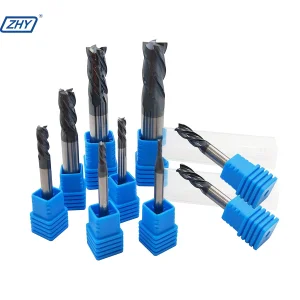
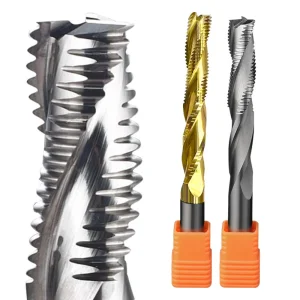
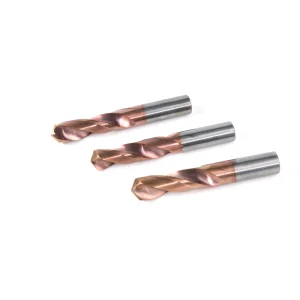
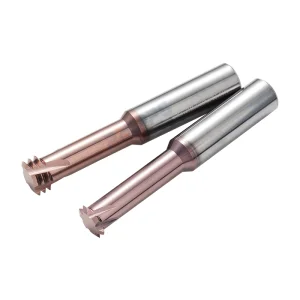
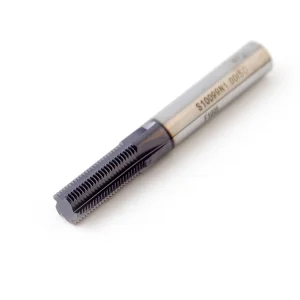
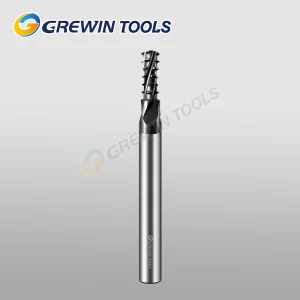
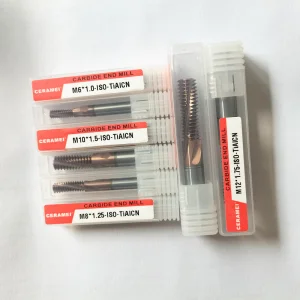
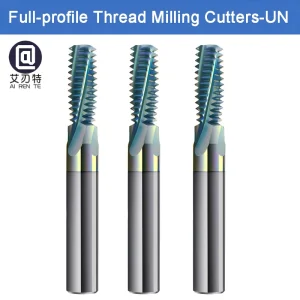
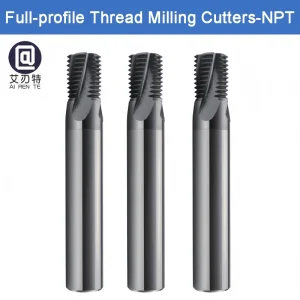
Explore our premium selection of micro-grain solid carbide threading mills, engineered for exceptional tool life and surface finish.
In modern high-precision manufacturing, threading is often the final and most critical operation performed on a workpiece. A failure during this stage can result in the scrapping of high-value components, leading to substantial financial losses and production bottlenecks. To mitigate these risks, advanced machining facilities are increasingly transitioning from conventional tapping to solid carbide full profile thread milling.
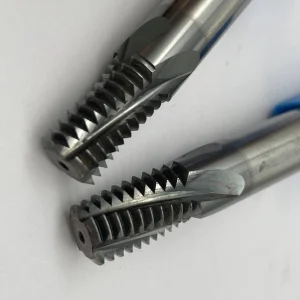
Unlike partial profile tools, which only generate the thread form's V-shape and require precise control of the pre-drill diameter to establish the minor or major diameter, full profile thread mills generate the complete thread shape, including the crest. This ensures perfect thread form geometry, precise pitch consistency, and burr-free finishes in a single setup.
Using helical interpolation, where the machine tool interpolates along three axes simultaneously, the thread mill cuts the exact thread path. Since the tool diameter is smaller than the thread diameter, excellent chip evacuation is achieved, drastically reducing the risk of tool breakage. This method is highly effective for exotic alloys, hardened steels, and non-ferrous metals alike.
| Performance Vector | Full Profile Thread Mills | Partial Profile Thread Mills | Conventional Taps (HSS/Carbide) |
|---|---|---|---|
| Crest Form Control | Complete styling & deburring in one pass | Requires pre-bore calibration; leaves burrs | Dependent on tap geometry and pre-drill size |
| Pitch Versatility | Fixed pitch per tool | Variable pitch (multi-pitch capabilities) | Strictly single pitch per tool |
| Tool Deflection Risk | Extremely low due to optimized core diameter | Moderate to high on deep profiles | High torsional stress; prone to catastrophic breakage |
| Surface Quality (Rz) | Excellent (down to 1.6 μm) | Good, but requires feed rate tuning | Moderate; subject to chip tearing |
| Material Capability | Hardened steel (up to 70 HRC), Ti, Inconel | Broad, but struggles with extreme hardness | Limited to materials below 45 HRC |
Established in 2008, Suzhou Tier Tool Co., Ltd. is a national high-tech enterprise specializing in the design, manufacturing, and technical support of precision solid carbide cutting tools. Since our foundation, we have been deeply committed to the precision machining industry, focusing on delivering high-performance, high-efficiency cutting solutions for hole-making, thread milling, and general metalworking applications.
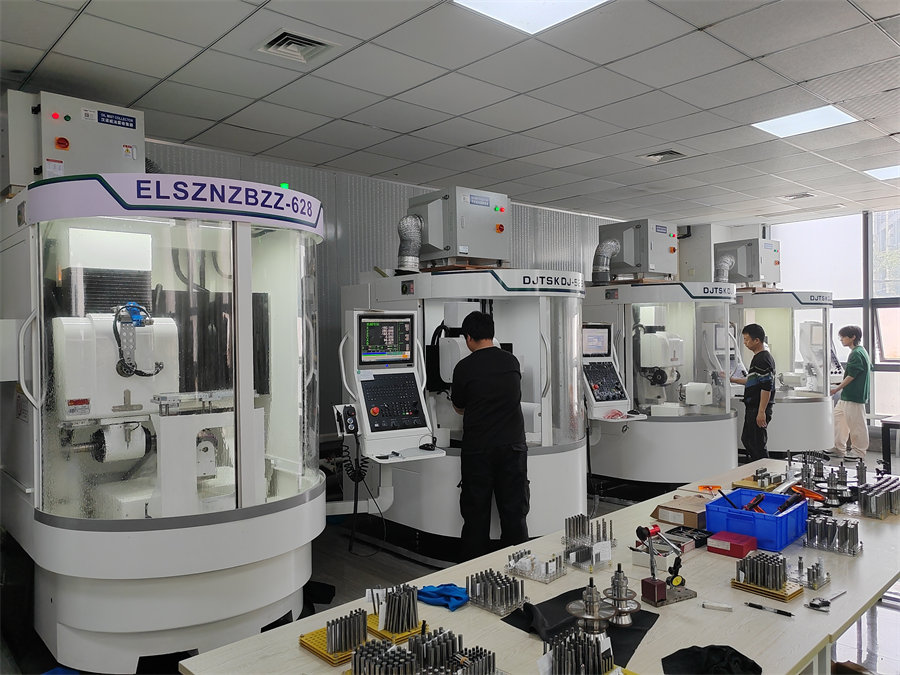
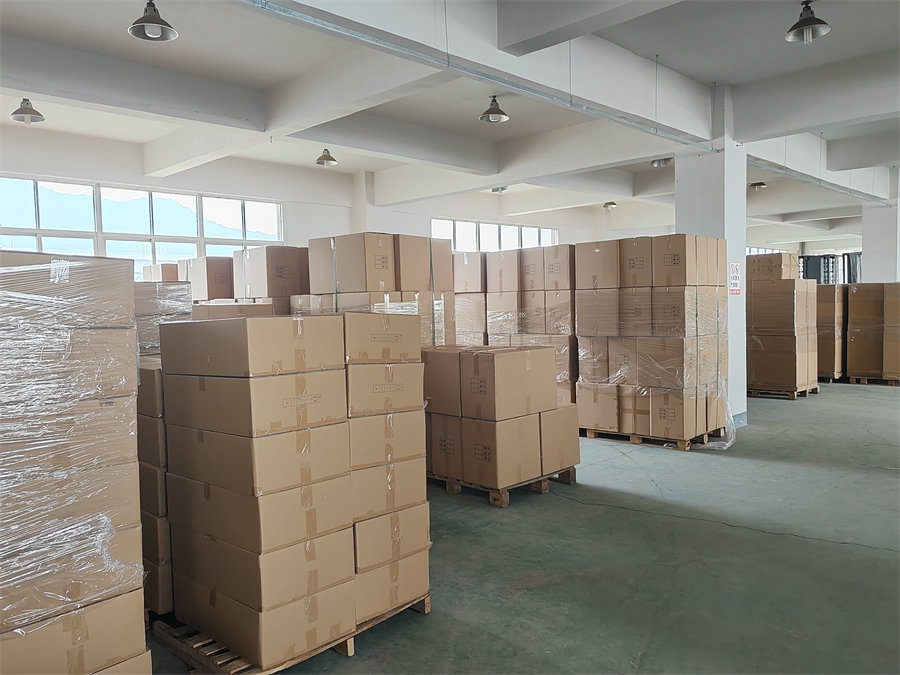
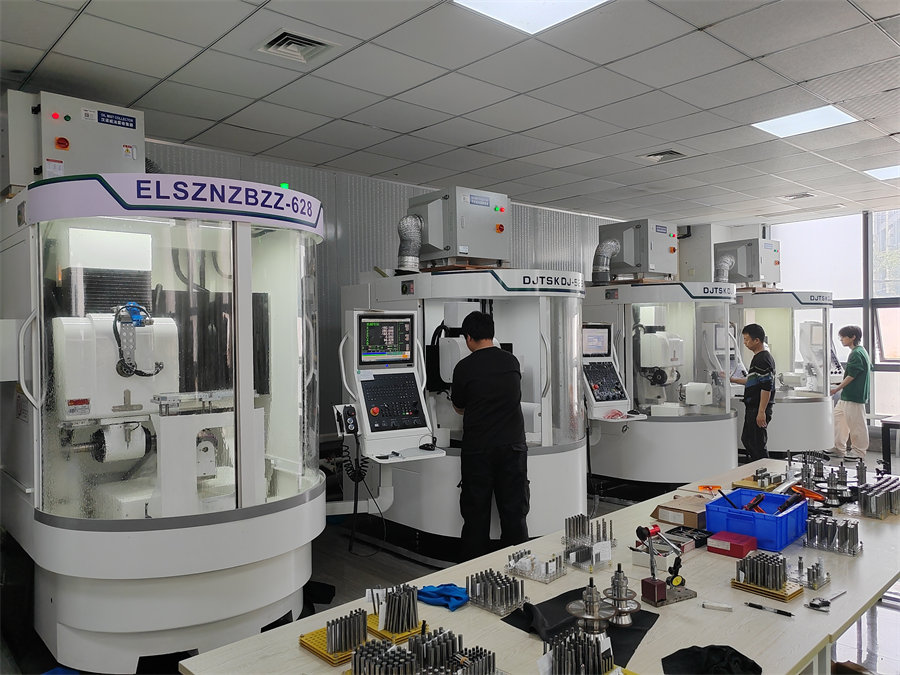
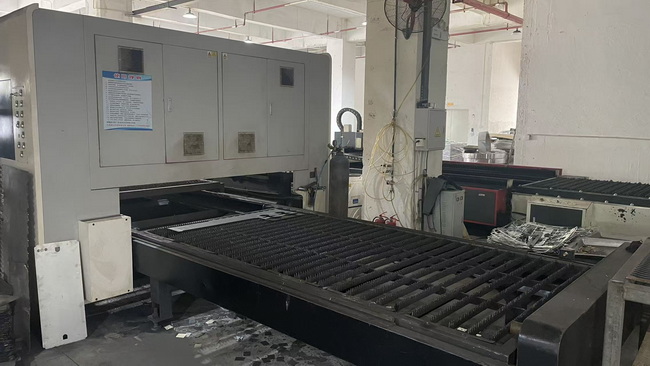
To ensure the highest levels of precision and consistency, Tier Tool has invested extensively in advanced manufacturing equipment and production technologies. The company operates multiple imported CNC tool grinding machines and precision inspection systems, enabling complete in-house capabilities from tool design and prototyping to small-batch testing and large-scale production.
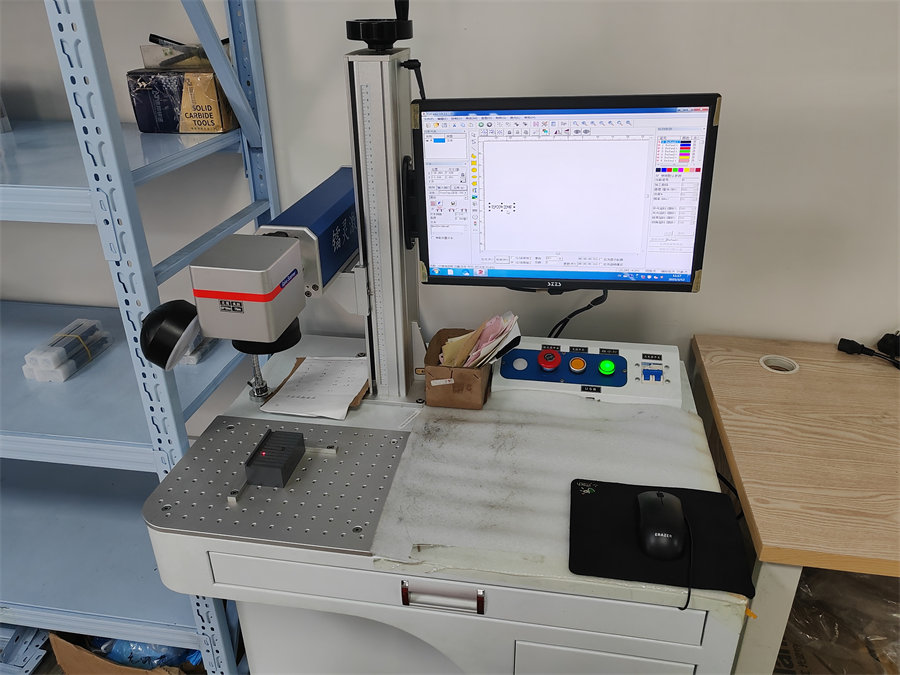
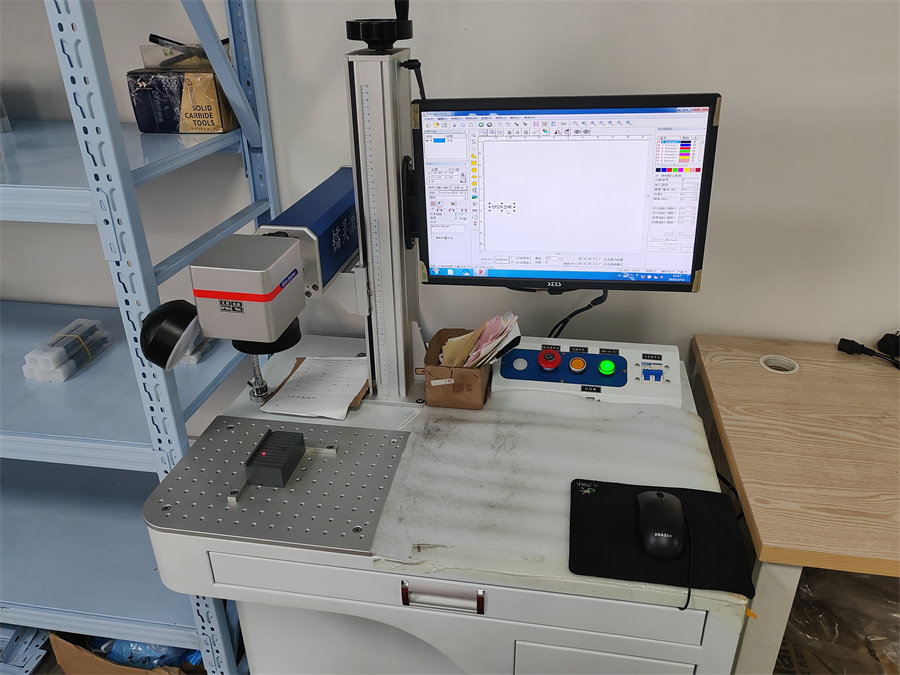
Our manufacturing process is built upon strict process control and traceability standards. Every production stage is carefully monitored to ensure repeatability, quality consistency, and reliable delivery performance. Through systematic process management and standardized operating procedures, Tier Tool has established a robust manufacturing system capable of meeting the demanding requirements of modern precision machining.
Quality is the foundation of Tier Tool's long-term success. We adhere to the principle of "Quality First, Continuous Improvement", implementing rigorous quality control procedures throughout the entire production cycle.
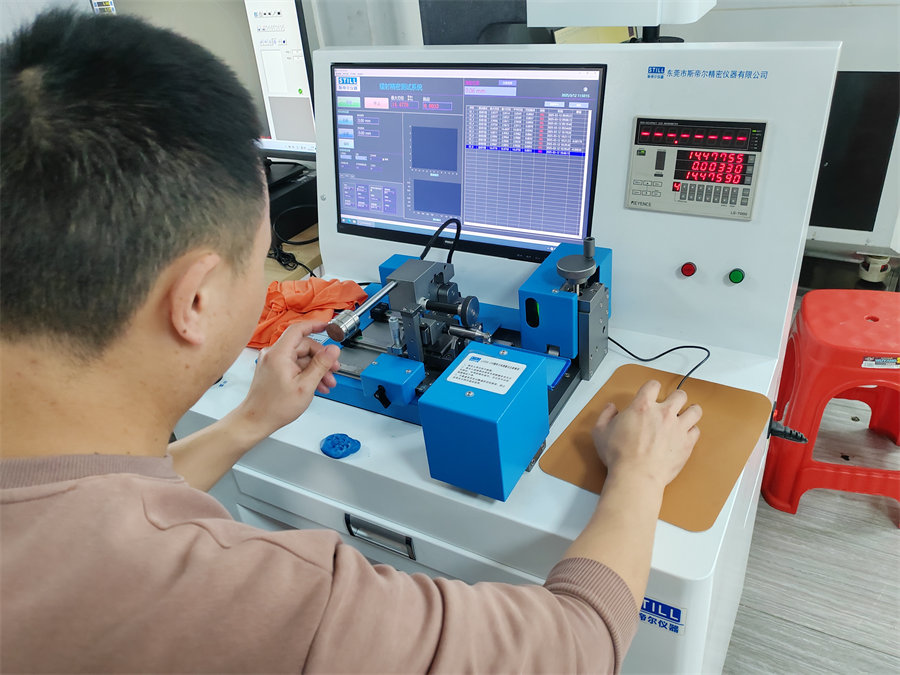
From raw material selection (using sub-micron and nano-grade carbide substrates) and incoming inspection to final product verification on high-resolution metrology systems, every tool undergoes comprehensive checks. We ensure strict dimensional, geometrical, and coating performance requirements are met, assuring our customers of stable tool life and outstanding machining repeatability.
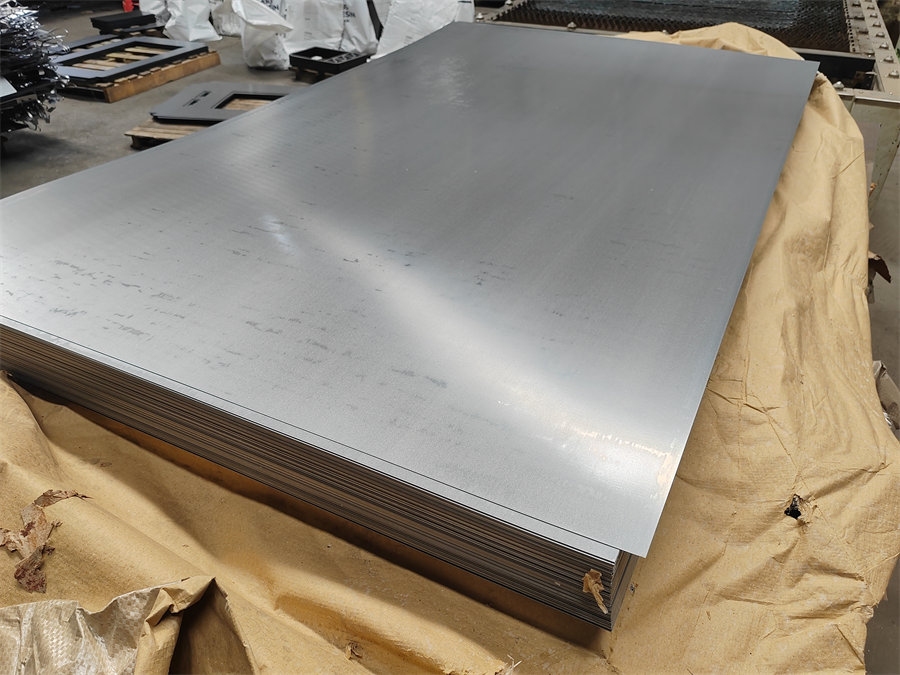
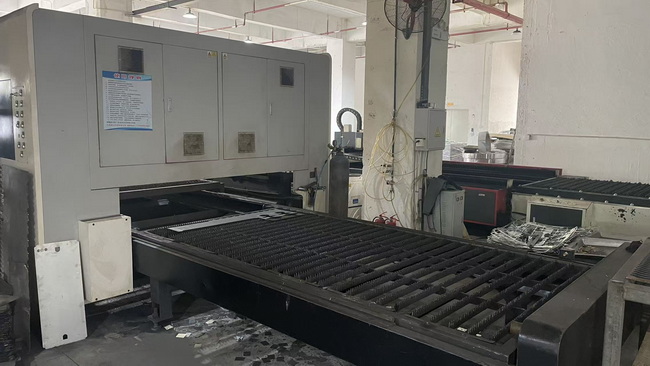
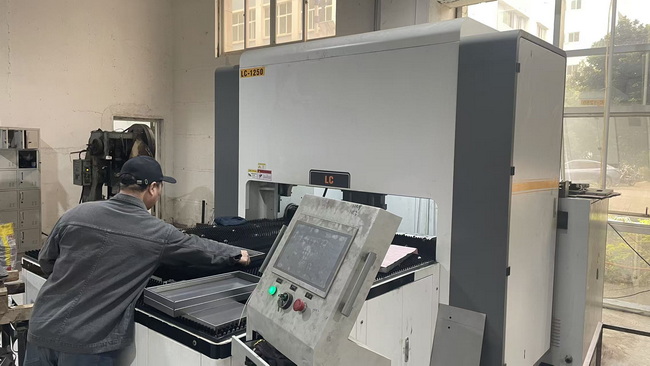
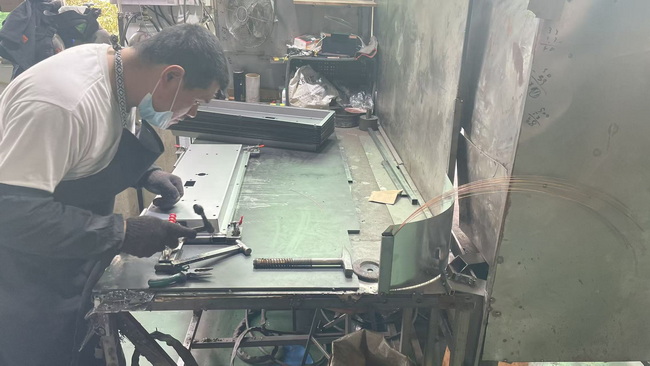
How Suzhou Tier Tool leverages geographic, raw material, and cluster advantages to deliver world-class thread milling solutions globally.
China holds over 80% of the world's tungsten reserves. This proximal abundance guarantees stable, uninterrupted access to premium, micro-grain tungsten carbide substrates, shielding global buyers from geopolitical raw material spikes.
Our advanced tooling ecosystem allows us to design, prototype, and manufacture customized OEM/ODM thread mills in a fraction of the time required by European or North American competitors, minimizing supply bottlenecks.
Being situated in Suzhou places us in the heart of East China's high-tech precision manufacturing corridor. Access to advanced PVD coating partners, specialized heat treatment facilities, and major logistics hubs enables highly competitive pricing structure.
Procurement departments in multinational corporations are tasked with balancing Total Cost of Ownership (TCO) against process reliability. Solid carbide thread mills are complex tools, and selecting the right supplier requires evaluating several criteria beyond purchase price.
For operations requiring non-standard pitches, custom neck lengths, or combined chamfer-and-thread milling tools, standard catalog items fall short.
At Suzhou Tier Tool, we collaborate directly with your engineering departments. We accept CAD blueprints or detailed application parameters to manufacture bespoke thread mills tailored to your exact manufacturing needs, minimizing cycle times and tool counts.
As modern industries shift towards harder materials and sustainable machining, threading tooling must evolve accordingly.
Titanium, Inconel, and hardened tool steels (above 60 HRC) are increasingly standard in aerospace and defense sectors. Traditional tapping is ineffective here. Modern solid carbide thread mills rely on optimized rake angles and heat-resistant AlTiN matrices to machine these materials without work-hardening the thread flanks.
Coolant management represents a major operational cost. Minimum Quantity Lubrication (MQL) and complete dry machining are gaining traction. This shift demands specialized cutting geometries and ultra-hard, low-friction coatings like Diamond-Like Carbon (DLC) to avoid heat accumulation during chip extraction.
High-speed CNC machinery is highly sensitive to harmonic resonance. Advanced thread mills feature unequal index spacing and helical variable helix flutes, breaking harmonic frequency cycles. This reduces chatter, enhances surface quality, and extends spindle bearing lifespans.
For international manufacturers, supply chain security requires rigorous regulatory adherence. Suzhou Tier Tool operates under a comprehensive quality management system that ensures international standard compliance.
Regulatory & Quality Compliance: Our manufacturing facilities conform to ISO 9001:2015 quality standards. All tooling products are manufactured in compliance with international environmental standards, including RoHS and REACH regulations, assuring seamless integration into global corporate supply chains.
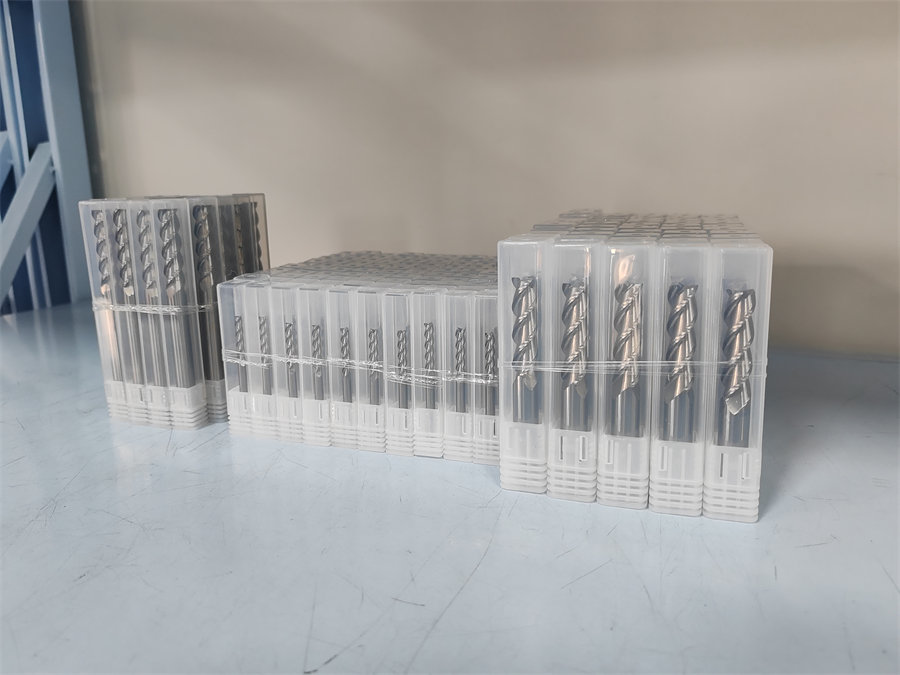
Global Logistics & Distribution support: Leveraging Suzhou's premium proximity to Shanghai's international shipping and air hubs, we guarantee efficient logistics operations. We provide comprehensive customs documentation, product traceability codes, and robust, impact-resistant packaging to prevent transit damage.
We provide comprehensive engineering support extending beyond product delivery. Our application engineers cooperate with global clients to offer:
Solid carbide full profile thread mills are critical across diverse, demanding industries.
Material: Titanium Alloy (Ti-6Al-4V) & Nickel-Based Alloys (Inconel 718)
Aerospace structural components demand zero defect manufacturing. Using our full profile solid carbide thread mills with staggered teeth and TiAlN coatings, aerospace clients achieve flawless UNJ/UNS threads while completely avoiding material deformation or tool breakage within high-value components.
Material: Cast Aluminum Alloys (A386/A356) & Al-Si Alloys
High-volume production of EV motor housings requires rapid cycles and long tool lifespans. Our DLC-coated full-profile thread mills provide high lubricity, facilitating fast chip flow and preventing alloy adhesion to the cutting edges during wet or dry milling.
Material: Medical Grade Stainless Steel (316LVM) & Co-Cr Alloys
Medical bone screws and micro-implants require miniature thread profiles. We specialize in developing micro-grain solid carbide thread mills capable of generating flawless micro-threads without leaving residual burrs, meeting strict sanitary and biological tolerances.
Expert engineering guidance answering common industrial questions about full profile thread milling.
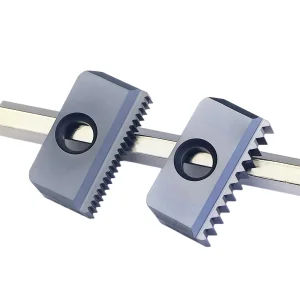
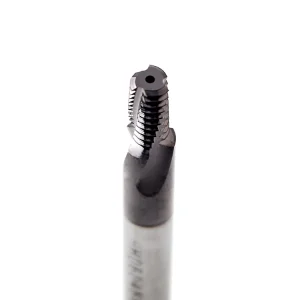
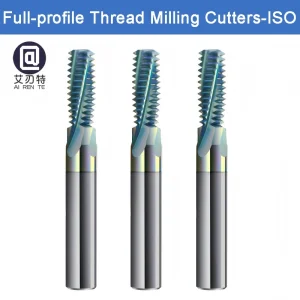
Select from our specialized line of ISO-standard, NPT, UN, and Whitworth solid carbide thread milling cutters.
 Tier Tool