Burning issues with CNC drill bits can lead to costly mistakes. Many operators wonder, "why is my cnc drill bit burning the metal?" Dr. James Varney, a leading expert in machining technology, emphasizes, "Proper feed rates and cooling techniques are crucial in preventing overheating."
When machining metals, the friction between the drill bit and the workpiece generates heat. If the bit is not properly cooled, temperatures can rise sharply. This overheating can result in tiny bits of metal melting, causing damage to both the bit and the workpiece. It’s essential to assess your feed rates, cutting speeds, and lubrication methods to mitigate this issue.
Often, users overlook the importance of tool selection. A wrong bit for the metal type can lead to excessive heat generation. Operators must reflect on their practices. Regularly evaluate your setup and ask why your drill bit fails. Avoiding these mistakes ensures longevity and efficacy of your CNC drill bits.
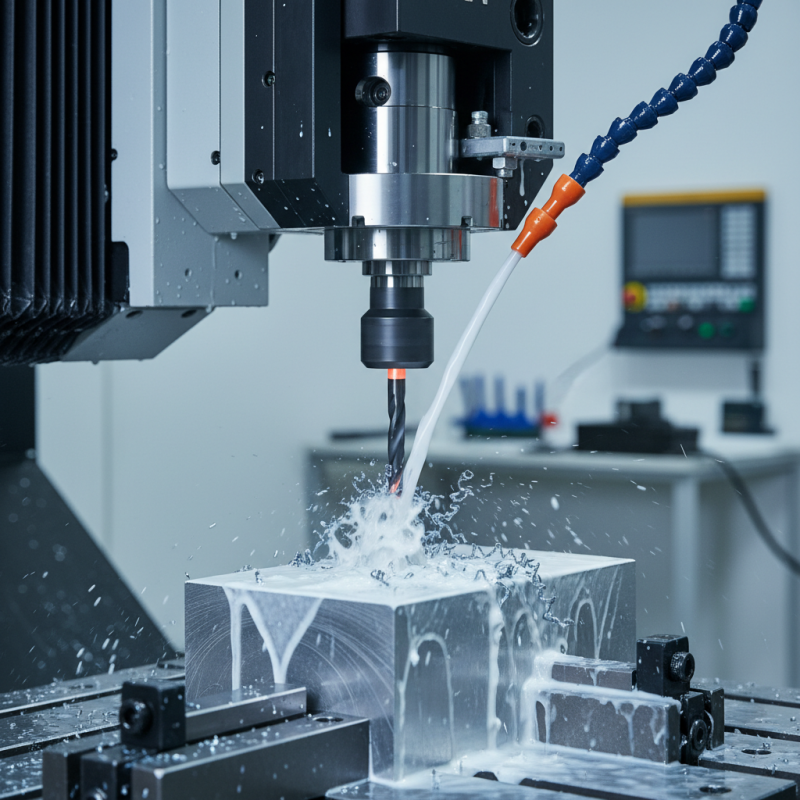
Identifying burning issues with CNC drill bits requires careful observation.
Common symptoms include discoloration, smoke, and an unpleasant odor.
Discoloration often appears as a blue or black mark on the bit.
Smoke signals overheating, while a burnt smell indicates excessive friction.
If you notice these signs, it’s crucial to address them immediately to avoid further damage.
Tips for preventing burning include ensuring the correct speed and feed rate.
If the settings are too high, the drill bit will overheat.
Regularly inspect your bits for dullness.
A worn bit struggles to cut and generates more heat, leading to burning issues.
Maintaining proper lubrication can also make a significant difference.
Insufficient coolant or a lack of oil increases friction.
Make sure to clean any residue from the bit and workspace.
Debris can hinder performance, causing overheating as well.
Note that trial and error may sometimes be required to find the best settings for your specific tasks.
Burning issues with CNC drill bits can significantly impact production efficiency. Understanding the causes is crucial for prevention. High temperatures during drilling can lead to material degradation. According to the International Journal of Advanced Manufacturing Technology, improper feed rates and spindle speeds contribute to overheating. Using the wrong cutting materials can amplify these problems.
Tips: Maintain optimal feed rates. A feed rate that is too high increases friction, leading to more heat.
Another cause of burning is the accumulation of chips. When chips are not effectively removed, they can reheat the bit and the workpiece. Regularly monitoring the chip removal process is essential. A study by the American Society of Mechanical Engineers highlights that effective cooling techniques can minimize burning.
Tips: Use a suitable coolant. A coolant that’s too weak may not prevent overheating.
Lastly, dull or worn-out drill bits can cause excessive heat generation. Sharp bits create less friction. Keeping your tools sharp will enhance performance and reduce the chance of burning. Regular maintenance checks are important for productivity.
Tips: Perform routine inspections on your drill bits. Replace them when necessary to maintain efficiency.
When evaluating your CNC drill bit selection, consider both material and design. Many reports indicate that over 40% of burning issues stem from inappropriate bit choices. For example, bits made of low-quality steel tend to overheat more quickly. Harder materials like carbide achieve better heat resistance, but they can be more brittle. Balancing hardness with toughness is crucial to ensure longevity and performance.
Drill speed and feed rate also play significant roles in burning. A 2022 study highlighted that improper speed settings could increase burr formation by up to 30%. This can lead to excessive friction and heat. Users often overlook the significance of coolant use; lacking proper coolant flows can exacerbate temperature issues. Furthermore, it's vital to periodically inspect bits for wear and damage. Even small defects can disrupt performance and cause burning.
Finally, consider the geometry of your drill bits. A mismatched angle can intensify heat build-up. In industries, experts suggest a point angle of 118 degrees for most materials. However, specific applications may require adjustments. Continuously assessing your tools and adapting to your production needs will lead to better outcomes and reduced instances of burning.
| CNC Drill Bit Type | Material | Coating | Diameter (mm) | RPM Range | Recommendation |
|---|---|---|---|---|---|
| Carbide Twist Bit | Carbide | TiN (Titanium Nitride) | 6 | 800 - 1200 | Good for steel, check feed rate |
| HSS Twist Bit | High-Speed Steel | None | 8 | 700 - 1000 | Use for softer materials |
| Spiral Bit | Carbide | ZrN (Zirconium Nitride) | 10 | 1000 - 1400 | Ideal for plastics and composites |
| Plywood Bit | HSS | None | 6 | 2000 - 3000 | Best for cutting wood materials |
When using a CNC drill bit, overheating is a common issue. Proper cooling and lubrication techniques are vital to mitigate burning problems. According to industry reports, up to 30% of drill bit failures are due to inadequate cooling methods. A well-cooled bit maintains performance and life, which is essential for efficiency.
Water-based coolants can reduce the temperature significantly. They prevent material buildup and help in chip removal. Oil-based lubricants can also be effective, offering better stickiness to offer protection against high heat. Using the right lubricant not only reduces friction but also extends the lifespan of your drill bit.
Tips: Regularly check coolant levels and viscosity. This ensures optimal performance. For high-speed operations, consider a flood coolant system. This allows for effective heat dissipation. Adjusting feed rates may also help in reducing the chances of burning.
Always remember, not all techniques work for every material. Testing and adjusting are essential for the best results.
Burning issues with a CNC drill bit often stem from improper machine settings. Adjusting these settings is crucial for achieving optimal performance. Start by examining the feed rate and spindle speed. If the feed rate is too low, the bit will generate excessive heat. A higher feed rate might prevent this, but be cautious—it can lead to other complications, such as bit breakage.
Consider the material you are working with. Softer materials may require different settings compared to harder ones. Additionally, the type of coolant can impact performance significantly. Ensure you are using appropriate coolant to minimize heat. Sometimes, a simple adjustment in the coolant flow may make a substantial difference.
Regularly review your CNC machine’s calibration to enhance accuracy. An incorrectly calibrated machine can lead to uneven pressure on the drill bit. This inconsistency can result in burning or damage to the bit. Remember to test and refine your settings frequently. Observing how your machine reacts to changes will help you make better decisions in the future. Adapting your approach based on real-time feedback is an ongoing process.
: High temperatures during drilling can lead to material degradation and overheating.
A feed rate that's too high increases friction, causing excessive heat and burning.
Accumulated chips can reheat the bit and workpiece, leading to burning issues.
Effective coolants prevent overheating and help maintain drill bit performance.
Keeping drill bits sharp reduces friction and heat generation, enhancing performance.
Routine inspections are important. Replace worn-out bits to maintain efficiency.
Water-based coolants reduce temperature, while oil-based lubricants provide better protection.
A flood coolant system is recommended for effective heat dissipation.
Yes, up to 30% of failures are due to inadequate cooling techniques.
Not all cooling methods work for every material, so testing is essential for optimal results.
If you're experiencing burning issues with your CNC drill bit, it’s essential to first identify the symptoms, such as discoloration or a foul odor during operation. Understanding the causes, which can range from insufficient cooling to improper feed rates, is crucial. You may ask yourself, “why is my CNC drill bit burning the metal?” Common reasons include using the wrong drill bit material or neglecting lubrication and cooling techniques.
Evaluating your current CNC drill bit selection is important, as choosing high-quality bits designed for your specific material can significantly reduce burning. Additionally, implementing proper cooling and lubrication techniques enhances performance and reduces friction. Lastly, adjusting your CNC machine settings—such as spindle speed and feed rate—can help achieve optimal drilling conditions, ultimately preventing burning and ensuring a smoother operation.

Tier Tool