How Long Do PCD Cutting Tools Last Compared to Carbide?

Time:2026-06-10 Author:Ethan
0%

Polycrystalline Diamond (PCD) cutting tools have gained significant traction in the machining industry. Their durability and performance often spark the question: "how long do PCD cutting tools last compared to carbide?" Industry reports suggest PCD tools can last up to 20 times longer than traditional carbide options. Dr. Mark Lee, a noted expert in advanced cutting tool technologies, underscores this advantage, stating, "In terms of longevity and consistency, PCD tools set a new standard in precision engineering."

Despite their advantages, the perception of PCD tools often varies. Many manufacturers may hesitate to invest in them due to higher initial costs. It's important to weigh these costs against the longevity benefits. Recent studies, including one by the Institute of Machining Innovations, reveal that while the initial investment is higher, the lifecycle cost can drastically decrease due to reduced tool changes and maintenance needs.

Yet, not all applications will benefit equally from PCD. There are environments where carbide may still outperform. It's necessary for businesses to assess their specific machining processes. Understanding the nuances can guide informed decisions about whether to adopt PCD tools. Ultimately, answering "how long do PCD cutting tools last compared to carbide" hinges on the context of use, making expert advice invaluable.
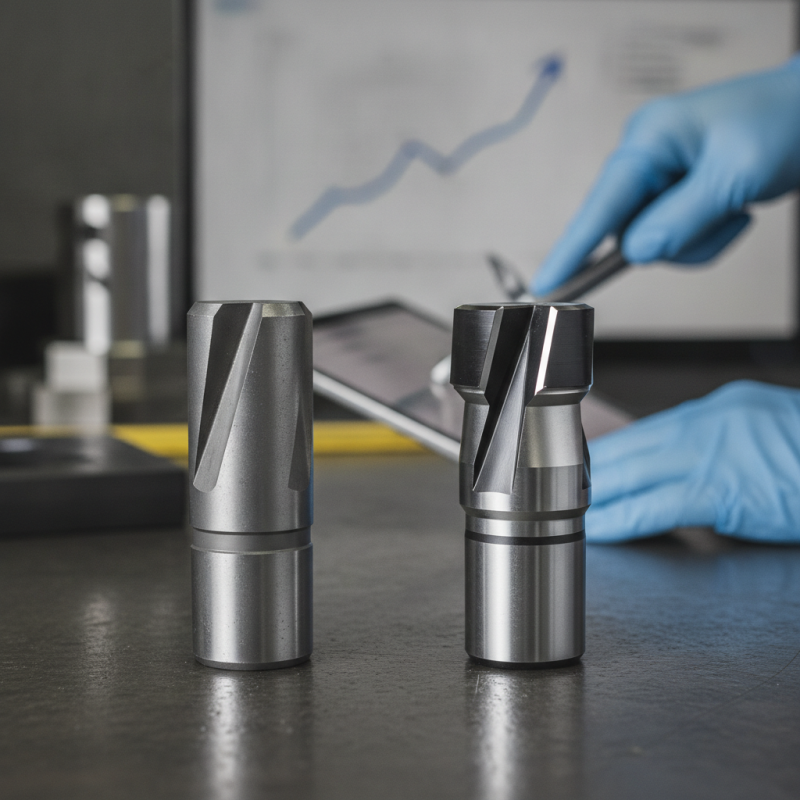
How Long Do PCD Cutting Tools Last Compared to Carbide?

Factors Affecting the Lifespan of PCD Cutting Tools

PCD (Polycrystalline Diamond) cutting tools are renowned for their hardness and durability. However, various factors influence their lifespan. The material being machined plays a key role. Softer materials may not wear down the tool quickly. In contrast, harder materials can significantly reduce tool life, leading to frequent replacements.

The cutting conditions also matter. High speeds and aggressive feeds increase wear on PCD tools. Operators often overlook the importance of cooling methods. Insufficient cooling can cause overheating, leading to tool failure. Even minor adjustments in these parameters can extend the tools' usability.

Environmental factors shouldn't be ignored. Dust and debris in the workspace can damage cutting edges. Regular cleaning and maintenance are essential for optimal performance. Tool geometry and design, too, impact longevity. A poorly designed tool may struggle even with the best materials. There's always room for improvement in understanding these variables to enhance tool life.

Comparison of PCD and Carbide Material Properties

Polycrystalline Diamond (PCD) and carbide cutting tools have distinct material properties that affect their performance. PCD tools are known for their extreme hardness and wear resistance. They often excel in machining abrasive materials, such as composites and high-silicon aluminum. In contrast, carbide tools are tougher but not as hard as PCD. They handle tough materials better, making them suitable for a wider range of applications.

The lifespan of cutting tools varies significantly based on their material. PCD tools generally last longer than carbide in specific scenarios, particularly with abrasive workpieces. However, they can be more brittle, leading to chipping or breakage under improper conditions. Conversely, carbide tools may wear out quicker but offer greater durability under shock loads.

Selecting the right tool often involves a trade-off. While PCD provides superior wear resistance, carbide may deliver better toughness. Factors like cutting speed, feed rate, and coolant use also influence longevity. Understanding these nuances is crucial for optimal tool selection. Experimentation and monitoring performance are key to enhancing tool life. Each material has its strengths, yet one must always evaluate their specific machining needs.

Typical Applications of PCD and Carbide Cutting Tools

PCD (Polycrystalline Diamond) and carbide cutting tools each have distinctive applications in machining. PCD tools excel in machining hard and abrasive materials. They are often used for applications like aluminum die-casting and composites. These tasks require precision and durability, where PCD tools shine due to their hardness and wear resistance.

Carbide tools, on the other hand, are versatile and suitable for various materials. They are commonly used in general machining processes, including steel and stainless steel. However, they may not perform as well in highly abrasive environments compared to PCD. The choice between the two depends on the specific material and desired finish.

Tips: When selecting cutting tools, assess the material properties first. Evaluate the cost-effectiveness of PCD versus carbide for your particular application. Understand that while PCD tools last longer in some cases, they may have a higher initial investment.

Consider your production volume. High-volume tasks could benefit from PCD tools despite their cost. Yet, in lower volume jobs, carbide might be more practical. Always keep in mind the trade-offs between durability and flexibility in tool choice.

Maintenance Practices to Extend Tool Life

When it comes to PCD cutting tools, maintenance is critical for longevity. Research indicates that proper maintenance can extend tool life by 30% compared to poorly maintained tools. Regular inspections help identify signs of wear early, enhancing productivity. Clean tools regularly to remove chips and buildup that can cause premature wear.

Tips: Always store your tools in a dry, clean place to prevent rust. Use a soft cloth for cleaning to avoid scratches.

Another essential practice is proper sharpening. Research shows that dull tools can increase machining time by up to 40%. Instead of using excessive force, ensure the tool is sharp to achieve precision and reduce stress. This not only increases the lifespan but also ensures better quality.

Tips: Set a schedule for tool maintenance checks to avoid unexpected downtimes. Keep a log of tool performance to monitor life cycles effectively.

By focusing on these practices, operators can ensure their PCD tools perform at optimal levels, reflecting the importance of maintenance in the cutting tool industry.

Cost-Effectiveness of PCD vs. Carbide Over Time

When comparing the cost-effectiveness of PCD (Polycrystalline Diamond) cutting tools to carbide tools, several factors emerge. PCD tools offer superior wear resistance and longevity, making them a popular choice in demanding machining environments. They can last up to five times longer than carbide in certain applications. However, this durability comes at a higher initial investment. Many shops may hesitate to choose PCD due to its upfront cost.

Over time, the extended lifespan of PCD tools can lead to lower overall operating costs. Fewer tool replacements mean less downtime and fewer interruptions in production. Cost savings may also stem from improved machining efficiency. PCD’s capability to maintain sharp edges reduces the need for secondary operations. Yet, these advantages depend on the specific materials and applications involved. Not all machining tasks will benefit equally from PCD.

On the other side, carbide tools are often more accessible and affordable initially. They are versatile and can handle various materials. However, their wear rate can be a downside in high-volume applications. In some cases, manufacturers might find that continual replacements and lower performance outweigh the savings from using carbide. Balancing initial costs against the benefits of longevity is crucial for informed decision-making. Each shop should examine its unique needs before making a choice.

PCD vs. Carbide Cutting Tools Longevity Comparison

This chart compares the lifespan of PCD (Polycrystalline Diamond) cutting tools to Carbide cutting tools. PCD cutting tools last approximately 24 months, significantly longer than the 10 months typical for Carbide tools, highlighting the cost-effectiveness of PCD over time.

FAQS

: What factors affect the lifespan of PCD cutting tools?

: The material being machined plays a key role. Softer materials lead to longer tool life, while harder ones reduce it.

How do cutting conditions impact PCD tools?

High speeds and aggressive feeds increase wear. Insufficient cooling can cause overheating, leading to tool failure.

What is the importance of workspace cleanliness for cutting tools?

Dust and debris can damage cutting edges. Regular cleaning is essential for optimal tool performance.

How do PCD and carbide tools differ in hardness and durability?

PCD tools are extremely hard and wear resistant. Carbide tools are tougher but less hard, suitable for different applications.

In which applications are PCD tools preferred?

PCD tools excel in machining hard and abrasive materials, such as aluminum die-casting and composites.

When should carbide tools be selected over PCD tools?

Carbide tools are versatile and better for general machining, like steel and stainless steel.

What considerations are important when selecting cutting tools?

Assess material properties and evaluate cost-effectiveness. Long-term durability vs. short-term flexibility is crucial.

Why might PCD tools have a higher initial cost?

They last longer in certain applications, making them more expensive upfront but potentially cost-effective for high volumes.

How can operators extend the life of cutting tools?

Monitor cutting parameters and make adjustments. Regular maintenance and understanding tool geometry help improve longevity.

Are there any risks associated with using PCD cutting tools?

Yes, PCD tools can be brittle. They might chip or break under improper conditions, requiring careful handling.

Conclusion

The article "How Long Do PCD Cutting Tools Last Compared to Carbide" explores several key factors that impact the lifespan of PCD cutting tools relative to carbide tools. It discusses the unique material properties of PCD and carbide, highlighting their strengths and weaknesses in various applications. Additionally, typical use cases for both types of cutting tools are explored, emphasizing the scenarios where PCD may outperform carbide in durability and performance.

The article also outlines best maintenance practices that can significantly extend tool life, offering insights into how proper care can benefit both PCD and carbide tools. Finally, it examines the long-term cost-effectiveness of using PCD versus carbide, indicating that while the initial investment in PCD cutting tools may be higher, their longevity may provide better value over time. Overall, readers gain a comprehensive understanding of how long do PCD cutting tools last compared to carbide, ensuring informed decisions in cutting tool selection.

Ethan

Ethan

Ethan is a seasoned marketing professional with a deep expertise in our company's innovative product line. With a passion for sharing knowledge and insights, he takes the lead in regularly updating our corporate blog, where he explores industry trends, product features, and effective marketing......