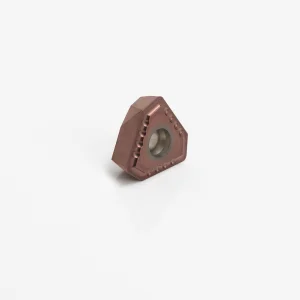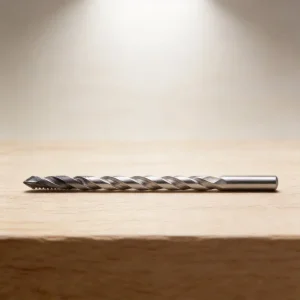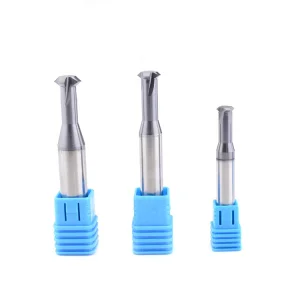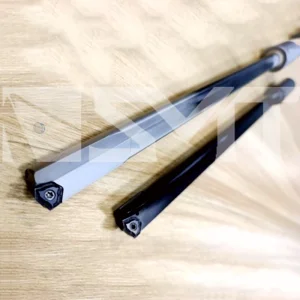
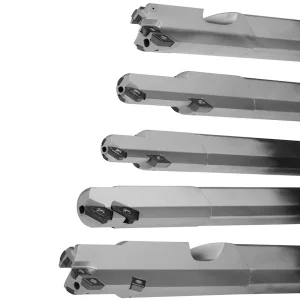
In the demanding realm of modern CNC metalworking, internal turning and boring operations constitute some of the most challenging engineering tasks. The dynamic instability, chip evacuation hurdles, and deflection limits encountered during deep-hole processing necessitate high-performance, structurally sound solutions. As a premier CE Certified Indexable Boring Bars Manufacturer & Exporter, Suzhou Tier Tool Co., Ltd. delivers engineered, certified boring configurations to global markets, ensuring process stability, predictable wear patterns, and compliance with the most stringent industrial guidelines.
Information Gain Key Indicator: Unlike conventional solid tools, indexable boring bar systems leverage mechanical insert exchanges. This drastically minimizes downtime, optimizes tooling cost per edge, and allows precise grade configuration changes to suit specific workpiece metallurgies.
Tool overhang (often expressed as the Length-to-Diameter ratio, L/D) is the primary constraint governing boring bar selection. As the boring bar extends deeper into the workpiece cavity, it behaves as a cantilever beam subjected to tangential, radial, and axial cutting forces. Under classical structural mechanics, deflection is proportional to the cube of the overhang length. This makes vibration damping and core material selection critical for maintaining strict dimension and surface finish specifications:
The industrial transition toward high-speed machining (HSM) and the rapid adoption of superalloys in automotive, aerospace, and medical engineering have reshaped cutting tool expectations. Conventional HSS boring systems are being outpaced by indexable tooling that features high thermal resistance, multi-layered chemical vapor deposition (CVD) coatings, and physical vapor deposition (PVD) micro-coatings. For global procurement specialists, verifying raw material grades, pocket tolerance geometry, and regulatory certifications is key to securing process reliability.
Under European Union compliance frameworks, boring bars and associated indexable systems are categorized under machining accessories and must satisfy specific mechanical integrity and safety regulations. CE marking verifies that the tooling:
| Overhang Ratio (L/D) | Recommended Bar Material | Vibration Damping Requirement | Coolant Strategy |
|---|---|---|---|
| Up to 3xD | Alloy Steel (e.g., 42CrMo) | Not required (Natural damping) | External or low-pressure internal |
| 3xD to 5xD | Solid Carbide Core (Heavy Metal) | Recommended for micro-diameters | Internal through-coolant mandatory |
| 5xD to 8xD | Solid Carbide (Reinforced) | Highly recommended | High-pressure internal coolant |
| Above 8xD | Tunable Damped Bars | Integrated active/passive mass dampers | Ultra-high-pressure internal coolant |
Aerospace turbine shafts and housing materials demand consistent tolerances inside Inconel and Titanium alloys. Damped indexable boring bars deliver chatter-free finishes on complex internal profiles.
High-volume cylinder boring and transmission gear machining require maximum cycle repeatability. Indexable configurations allow automated line adjustments, drastically improving overall equipment effectiveness (OEE).
Machining corrosion-resistant alloy (CRA) tubes involves extreme length-to-diameter challenges. Reinforced carbide shank boring systems facilitate stable cutting parameters at deep penetration depths.
As manufacturing boundaries expand, global operators expect tools tailored to specialized setups. The difference between standard and high-performance boring operations often rests on customized pocket geometry and internal coolant design. Our engineering team at Suzhou Tier Tool Co., Ltd. analyzes the workpiece metallurgy, machine spindle interface, and coolant pressure profiles to optimize chip morphology. By maintaining strict control over tool pocket tolerances, we prevent insert movement, reducing microscopic chip-breaker degradation and maximizing edge economy.
Looking ahead, the development of boring systems is centered on real-time sensory integrations and next-generation substrate engineering:
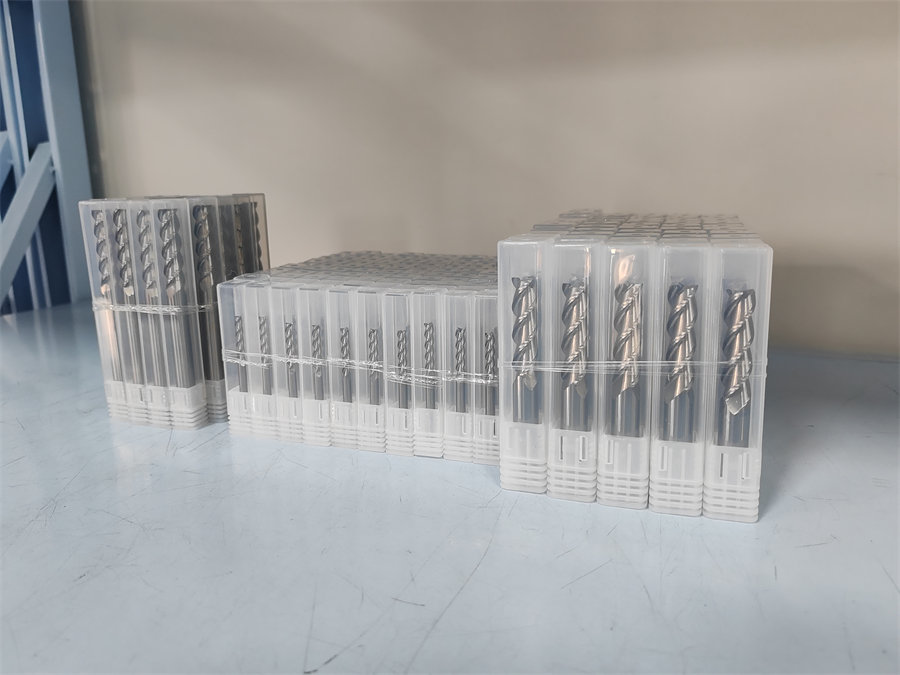
Suzhou Tier Tool Co., Ltd. was established in 2008 and is a national high-tech enterprise specializing in the design, manufacturing, and technical support of precision solid carbide cutting tools.
Since its foundation, Tier Tool has been deeply committed to the precision machining industry, focusing on delivering high-performance, high-efficiency cutting solutions for hole-making and metalworking applications. Through continuous technological innovation and manufacturing excellence, the company has earned the trust of customers across a wide range of industries worldwide.
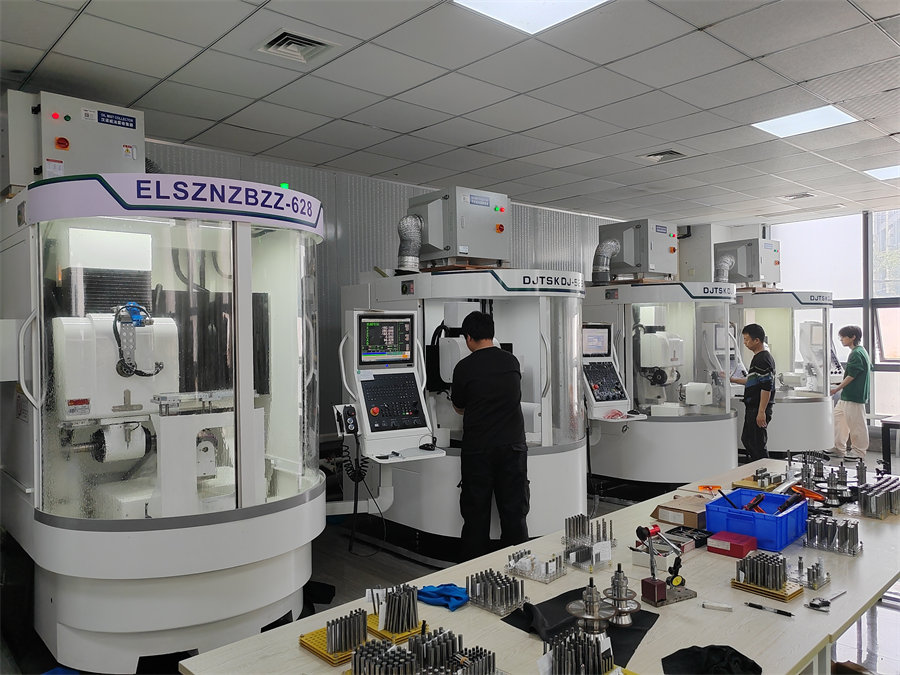
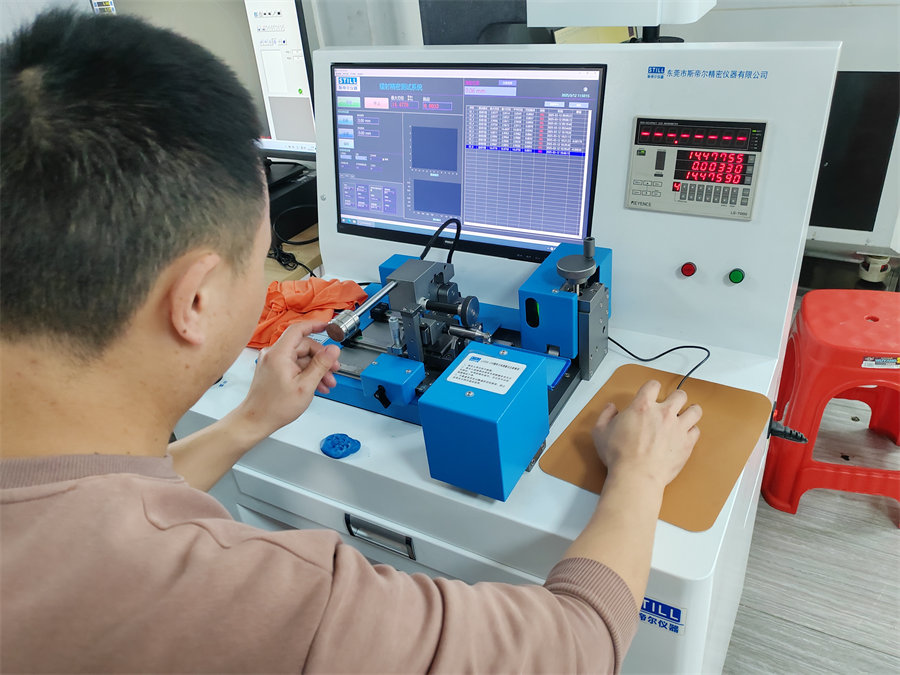
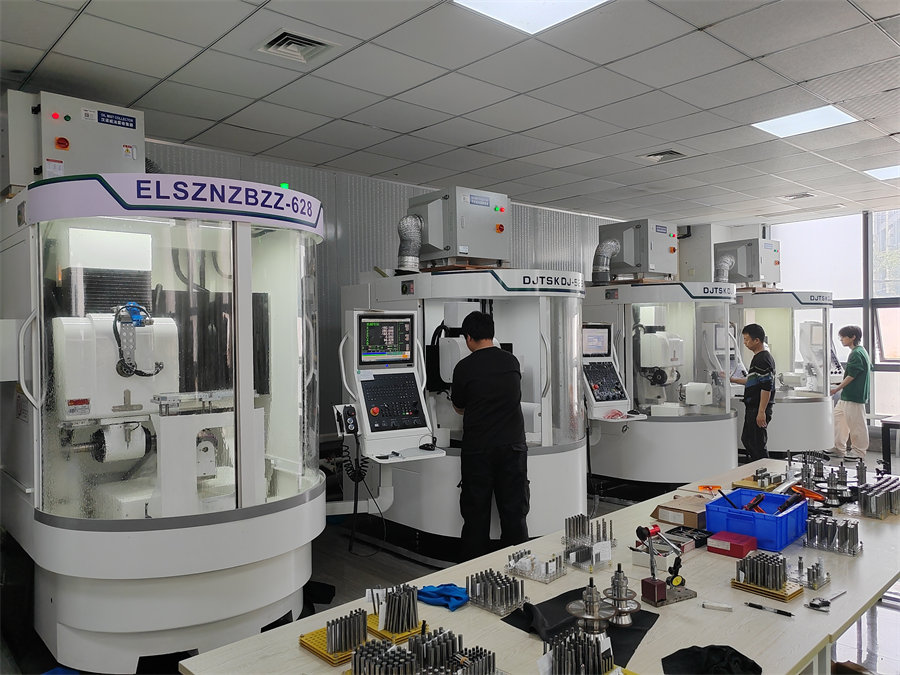
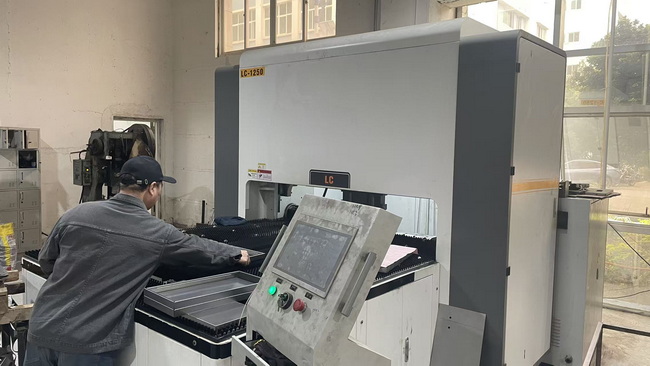
To ensure the highest levels of precision and consistency, Tier Tool has invested extensively in advanced manufacturing equipment and production technologies. The company operates multiple imported CNC tool grinding machines and precision inspection systems, enabling complete in-house capabilities from tool design and prototyping to small-batch testing and large-scale production.
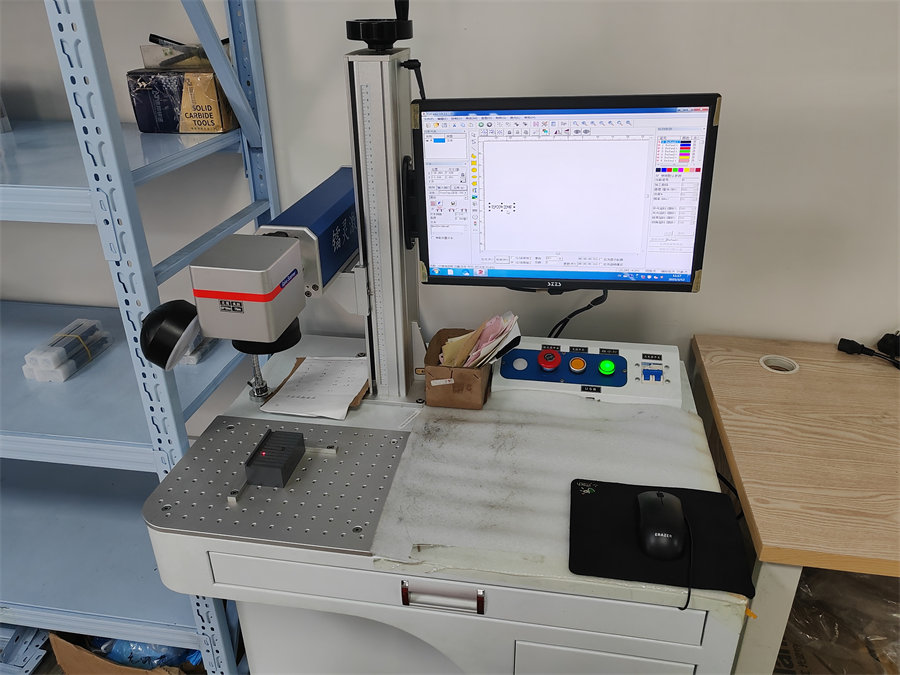
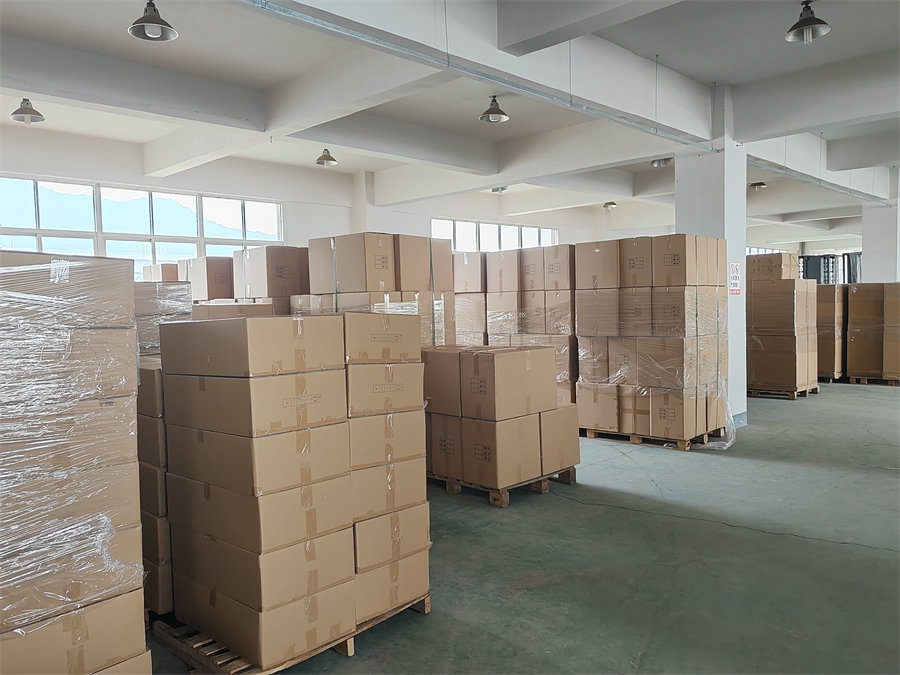
Our manufacturing process is built upon strict process control and traceability standards. Every production stage is carefully monitored to ensure repeatability, quality consistency, and reliable delivery performance. Through systematic process management and standardized operating procedures, Tier Tool has established a robust manufacturing system capable of meeting the demanding requirements of modern precision machining.
Quality is the foundation of Tier Tool's long-term success. We adhere to the principle of "Quality First, Continuous Improvement", implementing rigorous quality control procedures throughout the entire production cycle.
From raw material selection and incoming inspection to final product verification, every tool undergoes comprehensive quality checks to ensure it meets strict dimensional, geometrical, and performance requirements. By continuously optimizing our manufacturing and inspection processes, we deliver products that provide exceptional accuracy, reliability, and consistency in real-world machining applications.
We understand that in precision manufacturing, stable quality is not only a requirement but also the key factor that determines our customers' productivity and competitiveness.
At Tier Tool, we believe that supplying cutting tools is only the beginning of our partnership with customers. Beyond delivering products, we provide comprehensive technical support and application engineering services to assist customers in optimizing their manufacturing processes.
Our technical specialists work directly with customers to analyze machining conditions, recommend suitable tooling strategies, and develop solutions that maximize efficiency, reliability, and cost-effectiveness. By understanding our customers' production goals and competitive challenges, we strive to become a trusted long-term manufacturing partner rather than simply a tooling supplier.
Looking ahead, Suzhou Tier Tool Co., Ltd. will continue to focus on the development of high-performance carbide cutting tools and deepen its expertise in automotive, aerospace, precision engineering, and advanced manufacturing industries.
Driven by professionalism, innovation, and customer commitment, we are dedicated to creating greater value for our customers through reliable products, flexible services, and advanced manufacturing technologies. Tier Tool will continue to grow as a trusted global partner in precision cutting solutions, helping customers achieve higher productivity, better quality, and stronger competitiveness in an ever-evolving manufacturing world.
 Tier Tool