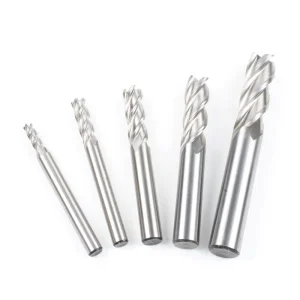
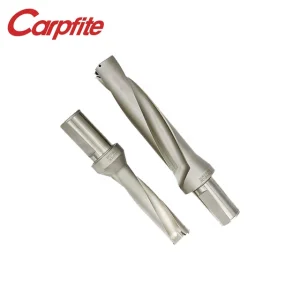
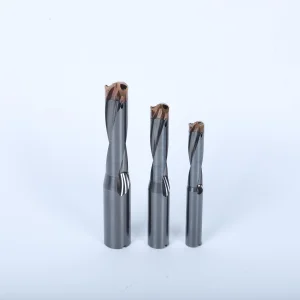
Explore our state-of-the-art solid carbide and indexable metalworking tools engineered for maximum material removal rates and superior surface finish.
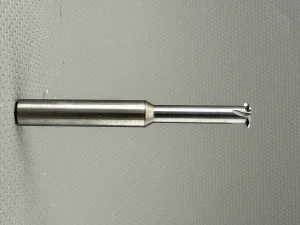
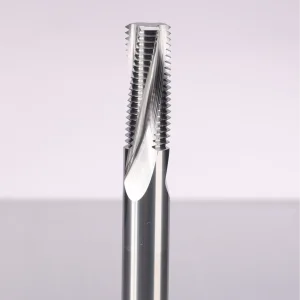
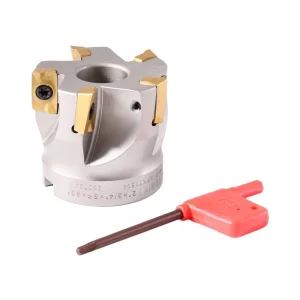
Analyzing metallurgy trends, micro-grain tungsten carbide engineering, and production efficiencies driving advanced manufacturing in China.
Modern metalworking requires tooling solutions that transcend basic cutting capability. In the global industrial landscape, the transition from traditional High-Speed Steel (HSS) to submicron and nano-grained Tungsten Carbide, Polycrystalline Diamond (PCD), and Cubic Boron Nitride (CBN) has been accelerated by the demand for higher machining speeds, longer tool life, and superior surface integrity. As industries such as automotive powertrains, aerospace composites, and precision medical implants push the boundaries of metallurgy, the role of tool geometry design and coating innovation becomes the primary determinant of manufacturing profitability.
Tool wear mechanisms, including crater wear, flank wear, and thermal cracking, represent structural challenges in high-feed rate machining. Designing a high-performance lathe tool requires balancing cobalt content (for toughness) and tungsten carbide grain size (for hardness). Through advanced metallurgical composition tuning, modern manufacturers in China produce tooling with optimized toughness-to-hardness ratios, ensuring tools survive interrupted cuts on HRC50+ hardened steels and highly abrasive silicon-aluminum alloys like ADC12.
Traditional AlTiN coatings fail when substrate temperatures exceed 800°C due to phase degradation. Suzhou Tier Tool utilizes next-generation nanocomposite coatings (such as AlTiSiN and TiAlCrN) which form a passive, dense, amorphous silicon-oxide layer. This chemical barrier prevents heat transfer into the carbide core, reflecting thermal energy back into the chip, maintaining cutting-edge hardness even under high-velocity dry machining environments.
Historically, Western and Japanese brands held a monopoly on high-end solid carbide tooling. However, China’s industrial consolidation has birthed state-of-the-art facilities equipped with advanced CNC grinding systems (such as Walter, Rollomatic, and ANCA) alongside high-precision inspection devices like the Zoller Genius. By combining this machinery with an abundant local supply of raw tungsten and a fully integrated downstream logistics ecosystem, Chinese factories offer unparalleled cost-to-performance metrics.
This efficiency is not simply about lower labor costs; it is a structural advantage derived from vertical supply chain integration. From ammonium paratungstate (APT) refinement directly to tool design, testing, and coating validation within a single industrial corridor, Chinese manufacturers significantly reduce lead times for custom-profile tools. This allows global buyers to drastically minimize inventory costs while ensuring continuity of tool supply for high-feed production lines.
< 0.005mm tool runout reduces vibration and extends spindle bearing life.
Ultra-fine grains provide high resistance to chipping and notch wear.
Engineered honed or chamfered edges to handle targeted mechanical loads.
Optimized chip control prevents long stringy chips in complex lathe cycles.
National High-Tech Enterprise Specializing in Precision Solid Carbide Cutting Tools since 2008.
Suzhou Tier Tool Co., Ltd. was established in 2008 and is a national high-tech enterprise specializing in the design, manufacturing, and technical support of precision solid carbide cutting tools. Since its foundation, Tier Tool has been deeply committed to the precision machining industry, focusing on delivering high-performance, high-efficiency cutting solutions for hole-making and metalworking applications. Through continuous technological innovation and manufacturing excellence, the company has earned the trust of customers across a wide range of industries worldwide.
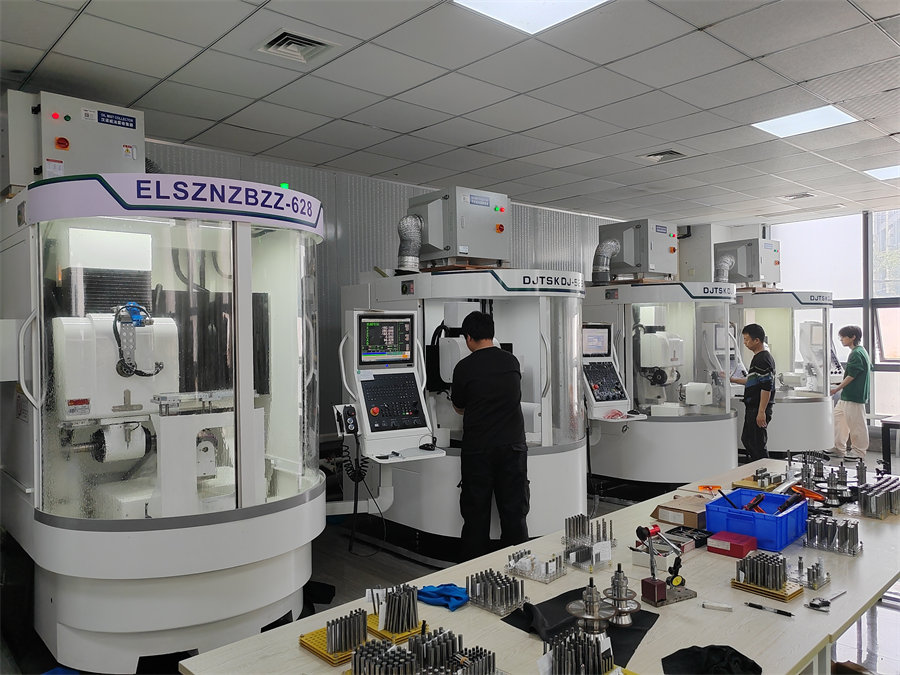
To ensure the highest levels of precision and consistency, Tier Tool has invested extensively in advanced manufacturing equipment and production technologies. The company operates multiple imported CNC tool grinding machines and precision inspection systems, enabling complete in-house capabilities from tool design and prototyping to small-batch testing and large-scale production.
Our manufacturing process is built upon strict process control and traceability standards. Every production stage is carefully monitored to ensure repeatability, quality consistency, and reliable delivery performance. Through systematic process management and standardized operating procedures, Tier Tool has established a robust manufacturing system capable of meeting the demanding requirements of modern precision machining.
Quality is the foundation of Tier Tool's long-term success. We adhere to the principle of "Quality First, Continuous Improvement", implementing rigorous quality control procedures throughout the entire production cycle.
From raw material selection and incoming inspection to final product verification, every tool undergoes comprehensive quality checks to ensure it meets strict dimensional, geometrical, and performance requirements. By continuously optimizing our manufacturing and inspection processes, we deliver products that provide exceptional accuracy, reliability, and consistency in real-world machining applications.
We understand that in precision manufacturing, stable quality is not only a requirement but also the key factor that determines our customers' productivity and competitiveness.
At Tier Tool, we believe that supplying cutting tools is only the beginning of our partnership with customers. Beyond delivering products, we provide comprehensive technical support and application engineering services to assist customers in optimizing their manufacturing processes.
Our technical specialists work directly with customers to analyze machining conditions, recommend suitable tooling strategies, and develop solutions that maximize efficiency, reliability, and cost-effectiveness. By understanding our customers' production goals and competitive challenges, we strive to become a trusted long-term manufacturing partner rather than simply a tooling supplier.
Looking ahead, Suzhou Tier Tool Co., Ltd. will continue to focus on the development of high-performance carbide cutting tools and deepen its expertise in automotive, aerospace, precision engineering, and advanced manufacturing industries.
Driven by professionalism, innovation, and customer commitment, we are dedicated to creating greater value for our customers through reliable products, flexible services, and advanced manufacturing technologies. Tier Tool will continue to grow as a trusted global partner in precision cutting solutions, helping customers achieve higher productivity, better quality, and stronger competitiveness in an ever-evolving manufacturing world.
We modify flute length, relief angles, helix configurations, and chip breakers based on customer-specific machine rigidity and work material specifications.
Utilizing high-end Zoller and Keyence digital measurement systems to guarantee dimensional accuracy and concentricity before shipping.
Providing seamless transport, customs clearance, and localization support for industrial buyers in North America, Europe, and Asia-Pacific.
Inside Suzhou Tier Tool: Cleanroom environments, multi-axis automated CNC grinding centers, high-definition laser marking, and advanced sheet metal fabrication divisions.
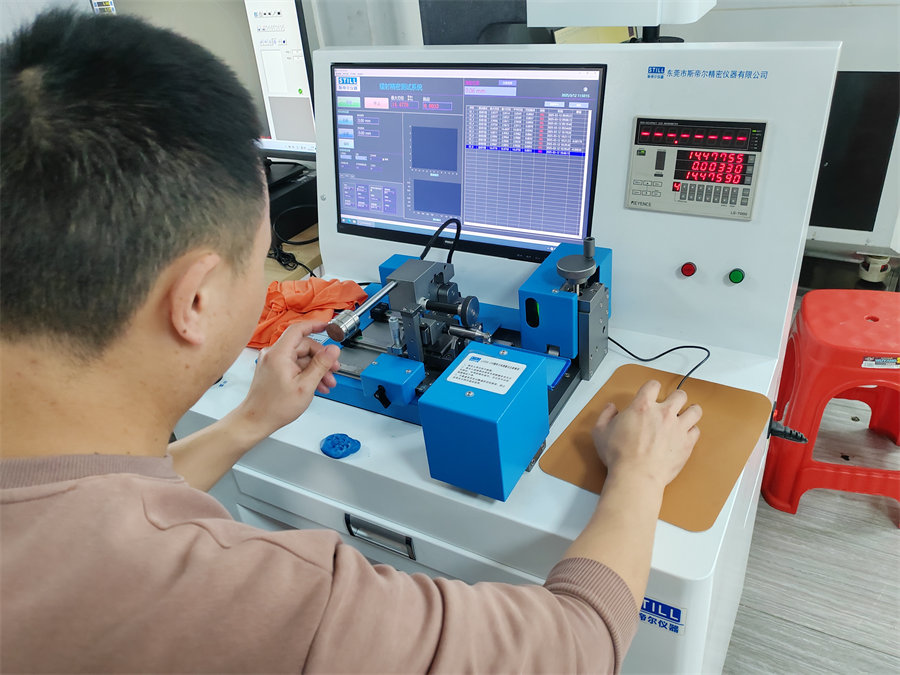
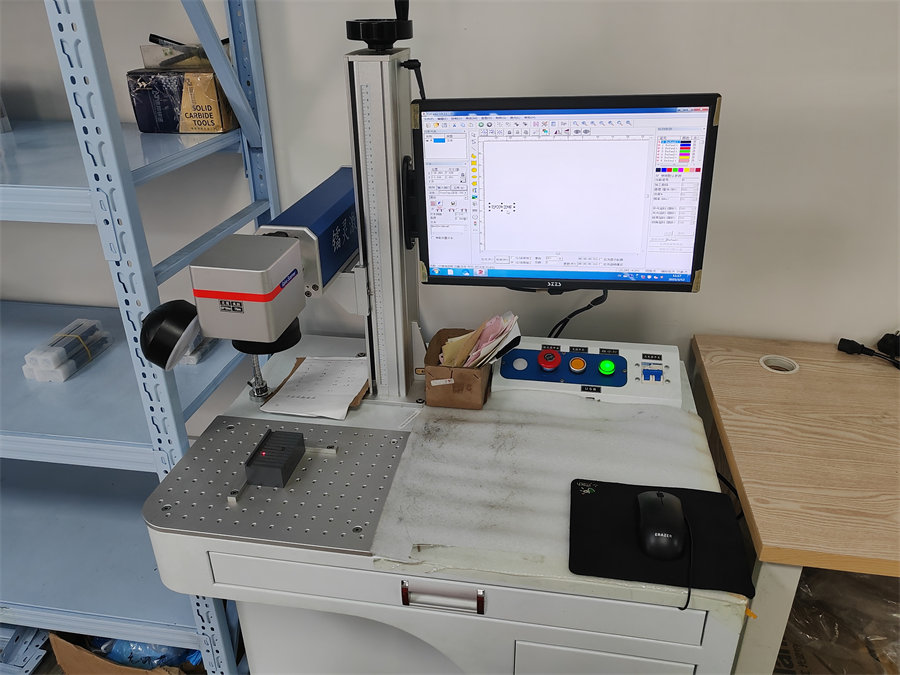
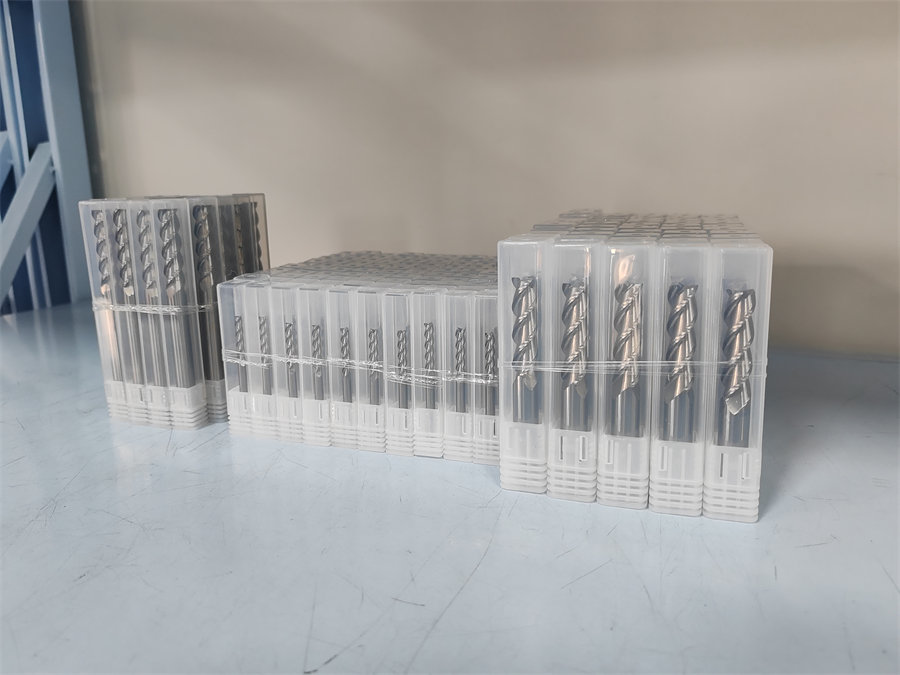
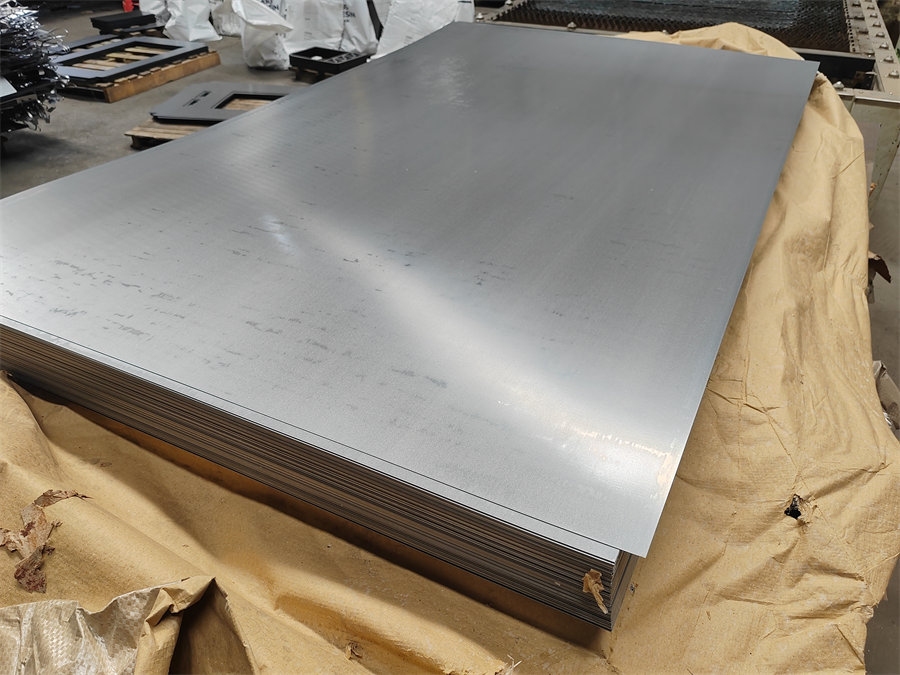
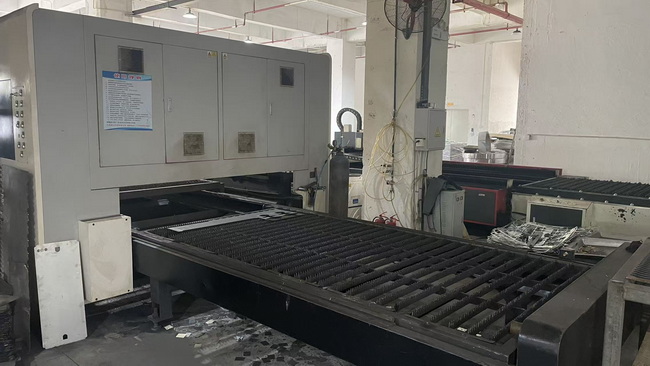
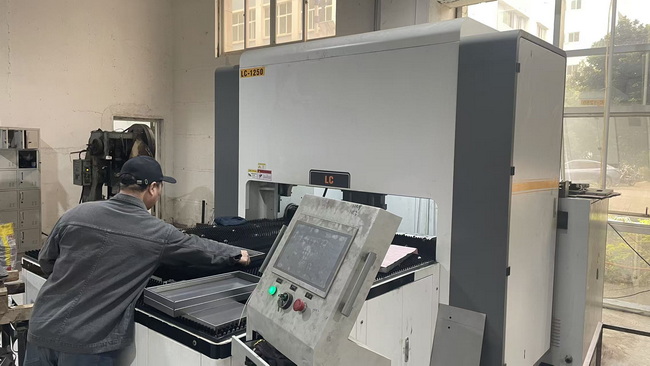
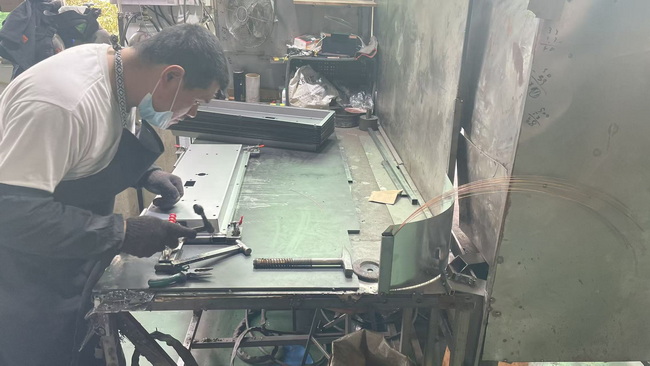

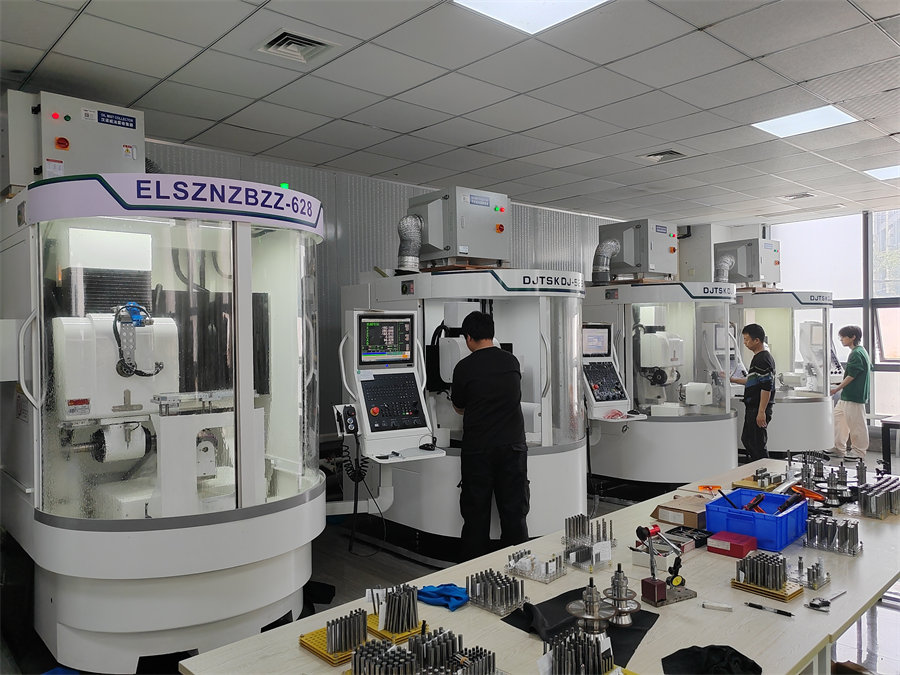
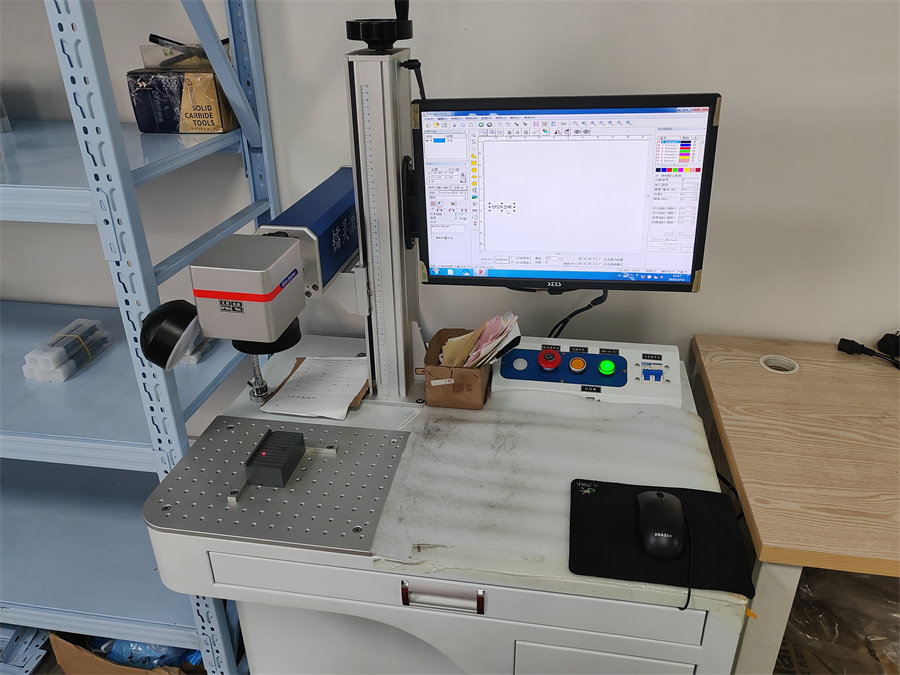
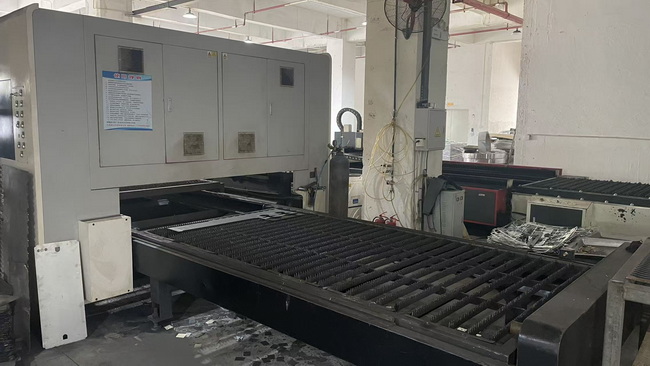
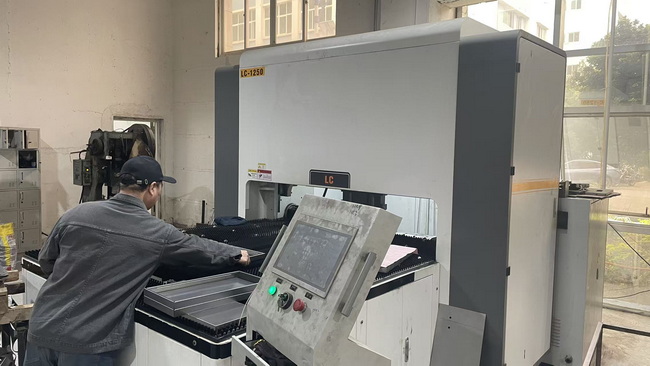
How Tier Tool products are utilized across critical industries to solve precision metalworking challenges.
The dynamic mechanical forces encountered during turning, milling, and drilling operations dictate the ideal composition of the cutting tool. For instance, in the Automotive Powertrain sector, casting parts are primarily composed of aluminum-silicon alloys (like ADC12). Although lightweight and thermally efficient, these alloys contain highly abrasive silicon particles that cause rapid edge rounding in standard carbide tools. The solution lies in applying PCD (Polycrystalline Diamond) tipping, which provides extreme hardness and low friction coefficients. Our PCD Reamer Tools are specifically configured with internal coolant passages to wash away micro-chips, maintaining surface roughness tolerances of under Ra 0.4μm over long-running production campaigns.
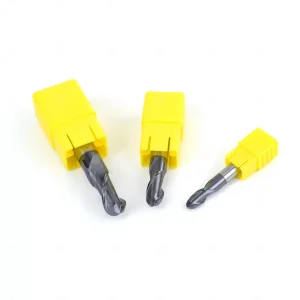
In contrast, Aerospace and Heavy Engineering applications require tools capable of handling extreme heat generation. Machining Inconel, Titanium alloys, and hardened steels (HRC60+) demands rigid setups and tools with positive rake angles to shear through the work material rather than plow it. Using our 2 Flutes Ball Nose End Mills with specialized HRC60 geometric honing prevents micro-chipping along the cutting lip. This geometry, coupled with a high helix angle, ensures efficient chip evacuation, preventing chip recutting—a major cause of catastrophic tool failure in deep pocket milling.
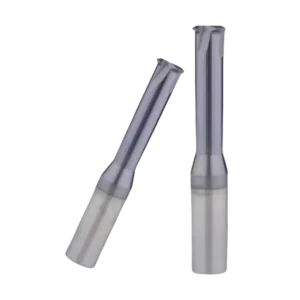
Furthermore, high-precision threading in energy sectors (petroleum pipes, wind turbine components) relies heavily on single-point thread mills. Standard taps exert high torque on the spindle and are prone to breaking inside expensive parts. Our solid carbide ACME Thread Mills allow for spiral interpolation, generating precise threads with minimal cutting pressure. By distributing the mechanical load across a single-point design, operators can dial in exact tolerances even on machines with moderate horsepower.
Strategic considerations for procurement managers, distributors, and CNC shop owners sourcing custom tooling.
Procuring industrial cutting tools is not simply about finding the lowest unit price; it is about minimizing the Total Cost Per Part (TCPP). Buying cheap tools with short life cycles leads to frequent tool changes, increased machine downtime, and higher tool setup costs. When evaluating a potential manufacturing partner in China, procurement officers should analyze several key metrics:
The global tooling industry is currently facing a paradigm shift driven by Industry 4.0. Digitalization is taking over in the form of smart toolholders with embedded sensors, allowing real-time vibration analysis. Furthermore, the trend toward sustainable manufacturing is driving the adoption of MQL (Minimum Quantity Lubrication) and dry-machining. This puts intense thermal stress on the cutting edge. Tool factories must design specific flute clearances and apply heat-barrier coatings to accommodate these ecological guidelines without sacrificing throughput speed.
Answers to common metallurgical, operational, and procurement questions from industrial operators.
Solid Carbide tools offer significantly higher hardness and red-hardness compared to High-Speed Steel (HSS). This allows them to run at cutting speeds (Vc) up to 3 to 5 times faster than HSS, drastically reducing machining cycle times. Additionally, carbide has a higher modulus of elasticity, providing greater rigidity, which leads to superior dimensional accuracy and finer surface finishes. While HSS is tougher and more resistant to impacts in highly unstable setups, Carbide is the industry standard for CNC production where tool life and precision are paramount.
ADC12 and other high-silicon aluminum alloys are extremely abrasive. When machined with standard carbide tools, the silicon content acts like sandpaper, wearing down the cutting edge rapidly. PCD offers near-diamond hardness, providing extreme wear resistance. For interrupted cuts, specialized tool design (such as a solid carbide body supporting the PCD insert) absorbs the impact. The low friction coefficient of PCD also prevents Built-Up Edge (BUE), ensuring consistent hole diameters and surface quality over thousands of cycles.
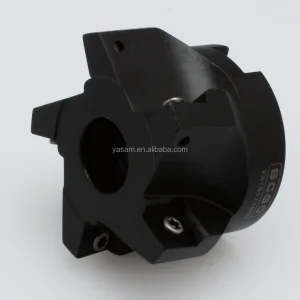
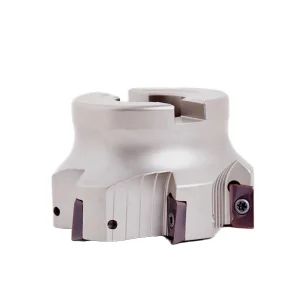
Indexable face mills are highly cost-efficient for bulk material removal on large surface areas. When the cutting edges wear out, instead of replacing the entire tool or undergoing regrinding, the operator simply indexes (rotates) or replaces the small carbide inserts. This minimizes downtime and tool inventory costs. Solid carbide end mills, on the other hand, are better suited for smaller diameters, intricate contours, and parts requiring high dimensional tolerances where indexable insert runout would be unacceptable.
Optimizing tool life on HRC50+ steels requires a combination of factors: 1) Use a sub-micron grain carbide substrate with a high-temperature coating like AlTiSiN or TiAlN. 2) Utilize a rigid tool setup with minimal runout (<0.005mm). 3) Employ climb milling instead of conventional milling to start the chip at its maximum thickness and exit thin, transferring heat to the chip rather than the workpiece. 4) Use compressed air instead of liquid coolant to avoid thermal shocking, which causes micro-cracking along the cutting edge.
Yes, we specialize in custom tool design and engineering. Customers can provide part drawings, workpiece material specifications, and machine spindle details. Our engineering team utilizes advanced software to design optimized tool profiles, customized chip breakers, and select appropriate substrates and coatings. We handle everything in-house, including prototyping, testing, and volume production.
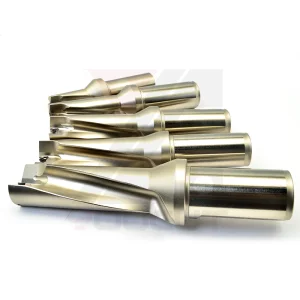
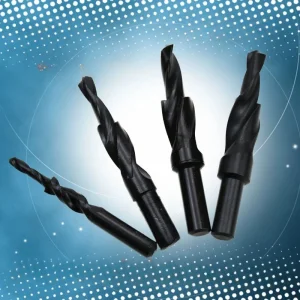
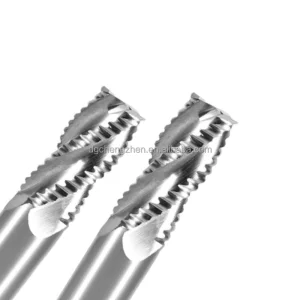
Explore our heavy-duty indexable U-Drills, specialized step drills, high-speed steel roughing cutters, and micro-machining options.
 Tier Tool