In modern subtractive manufacturing, the capability to execute precise micro-machining of internal cylindrical surfaces defines the threshold of engineering competitiveness. Boring head tools serve as the definitive solution for achieving ultra-tight dimensional tolerances, exceptional surface integrity, and exact concentricity. Globally, the industrial demand for advanced tooling assemblies has escalated as sectors transition toward higher-strength alloys, complex component geometries, and automated batching processes.
The manufacturing world is undergoing a significant transition from manual tool adjustments to digital, closed-loop feedback systems. Standard aerospace, automotive, energy, and medical engineering specifications demand repeatable tolerances measured in single-digit microns. In this environment, boring head suppliers have expanded beyond the production of simple mechanical tool heads to deliver smart, balance-compensated systems. These solutions operate efficiently within highly dynamic environments, such as high-RPM spindles where centripetal forces threaten concentricity and tool longevity.
Machining complex engine mounts, turbine housings, and landing gear assemblies using advanced nickel-chromium and titanium alloys that demand exceptional structural stability and vibration damping.
Optimizing cylinder boring processes for internal combustion engines and producing custom reduction gear components for electrical vehicle (EV) drivetrains with zero tolerance for mechanical backlash.
Fabricating deep implantable housings, precision orthopedic bone-drill components, and medical-grade titanium surgical instruments that require absolute geometric fidelity and ultra-smooth surface finishes.
When procurement departments and manufacturing engineers evaluate boring head tool manufacturers, their requirements extend beyond simple unit costs. Today's industrial procurement strategies emphasize Total Cost of Ownership (TCO), technical adaptability, consistency in micrograin substrate metallurgy, and reliable global support networks. Global buyers seek to mitigate downtime caused by erratic tool life, poor coating adhesion, or delayed shipments of critical components.
To meet these demanding procurement requirements, tier-1 suppliers must consistently deliver on several operational metrics:
China's manufacturing sector has progressed from basic high-volume production to advanced, precision-focused Smart Manufacturing. The modern China Factory 4.0 ecosystem integrates automated CNC grinding centers, laser scanning systems, and real-time ERP process control. This evolution addresses global supply chain vulnerabilities by providing reliable capacity, raw material security, and high manufacturing efficiency.
Because China produces a significant share of the world's raw tungsten ore, local manufacturers benefit from direct access to premium carbide powder supply chains. This vertically integrated framework reduces material transport times, shields customers from international commodity price shocks, and ensures stable raw material purity. Coupled with automated manufacturing lines, Chinese precision tool factories deliver high-performance tools with shorter lead times and competitive production costs compared to traditional manufacturing centers.
Direct integration with domestic tungsten mines and processing units ensures uninterrupted raw materials, consistent quality, and a stable pricing structure for high-grade solid carbide.
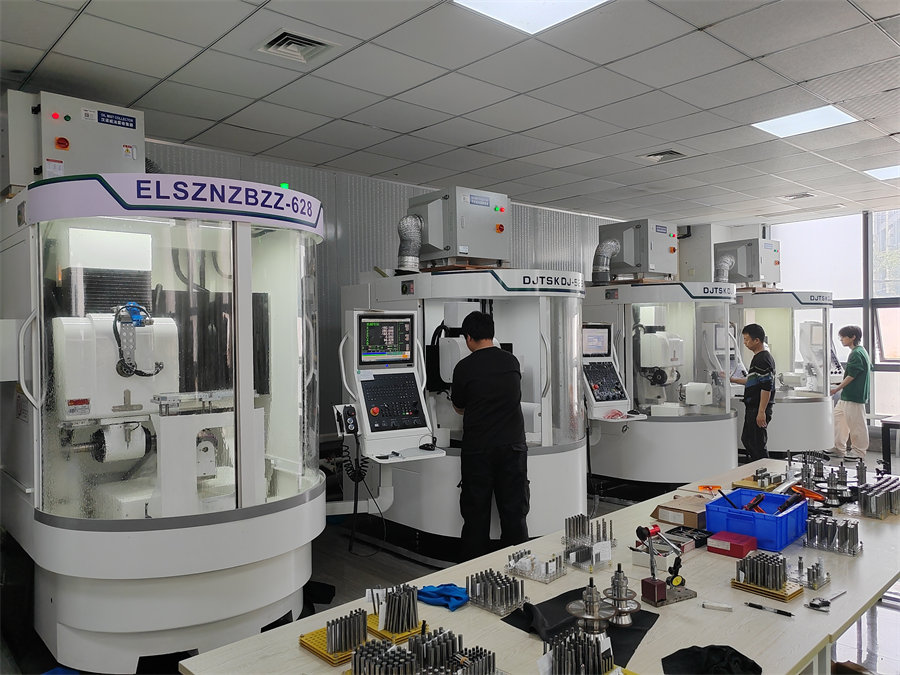
Automated grinding cells execute overnight operations with minimal human intervention, maintaining micron-level repeatability across thousands of production cycles.
Advanced digital design workflows enable rapid modeling, virtual prototyping, and automated production testing for custom boring and milling tools designed for specific workpieces.
Suzhou Tier Tool Co., Ltd. was established in 2008 and is a national high-tech enterprise specializing in the design, manufacturing, and technical support of precision solid carbide cutting tools. Since its foundation, Tier Tool has been deeply committed to the precision machining industry, focusing on delivering high-performance, high-efficiency cutting solutions for hole-making and metalworking applications. Through continuous technological innovation and manufacturing excellence, the company has earned the trust of customers across a wide range of industries worldwide.
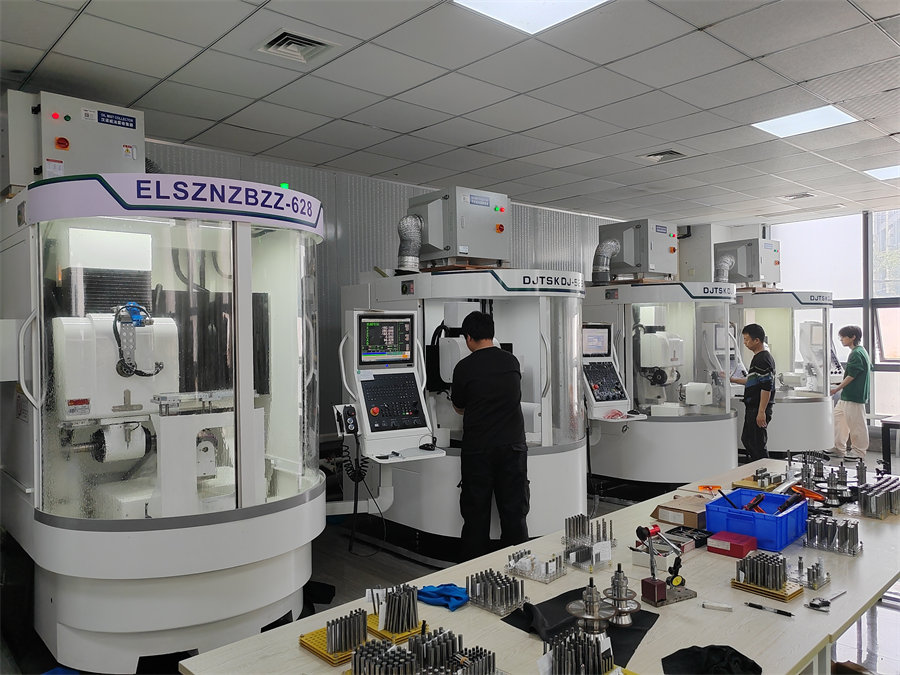
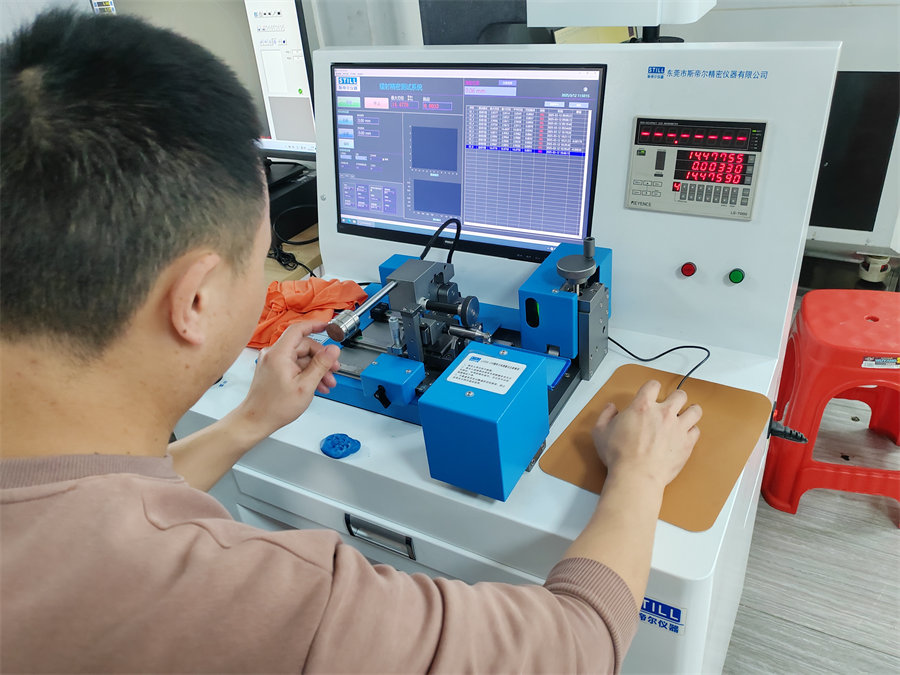
To ensure the highest levels of precision and consistency, Tier Tool has invested extensively in advanced manufacturing equipment and production technologies. The company operates multiple imported CNC tool grinding machines and precision inspection systems, enabling complete in-house capabilities from tool design and prototyping to small-batch testing and large-scale production.
Our manufacturing process is built upon strict process control and traceability standards. Every production stage is carefully monitored to ensure repeatability, quality consistency, and reliable delivery performance. Through systematic process management and standardized operating procedures, Tier Tool has established a robust manufacturing system capable of meeting the demanding requirements of modern precision machining.
Quality is the foundation of Tier Tool's long-term success. We adhere to the principle of "Quality First, Continuous Improvement", implementing rigorous quality control procedures throughout the entire production cycle.
From raw material selection and incoming inspection to final product verification, every tool undergoes comprehensive quality checks to ensure it meets strict dimensional, geometrical, and performance requirements. By continuously optimizing our manufacturing and inspection processes, we deliver products that provide exceptional accuracy, reliability, and consistency in real-world machining applications. We understand that in precision manufacturing, stable quality is not only a requirement but also the key factor that determines our customers' productivity and competitiveness.
At Tier Tool, we believe that supplying cutting tools is only the beginning of our partnership with customers. Beyond delivering products, we provide comprehensive technical support and application engineering services to assist customers in optimizing their manufacturing processes.
Our technical specialists work directly with customers to analyze machining conditions, recommend suitable tooling strategies, and develop solutions that maximize efficiency, reliability, and cost-effectiveness. By understanding our customers' production goals and competitive challenges, we strive to become a trusted long-term manufacturing partner rather than simply a tooling supplier.
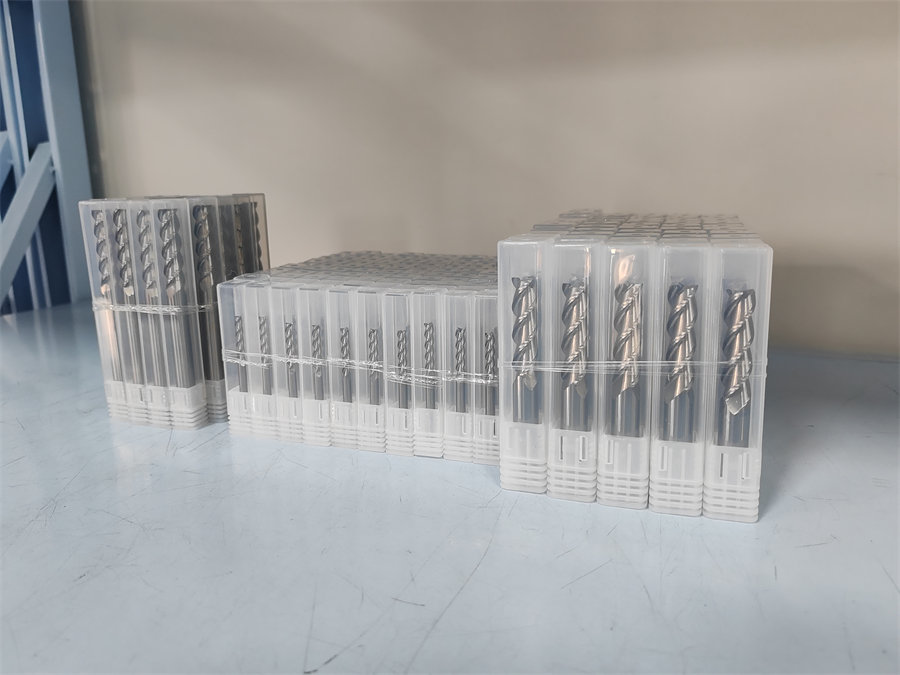
Looking ahead, Suzhou Tier Tool Co., Ltd. will continue to focus on the development of high-performance carbide cutting tools and deepen its expertise in automotive, aerospace, precision engineering, and advanced manufacturing industries. Driven by professionalism, innovation, and customer commitment, we are dedicated to creating greater value for our customers through reliable products, flexible services, and advanced manufacturing technologies. Tier Tool will continue to grow as a trusted global partner in precision cutting solutions, helping customers achieve higher productivity, better quality, and stronger competitiveness in an ever-evolving manufacturing world.
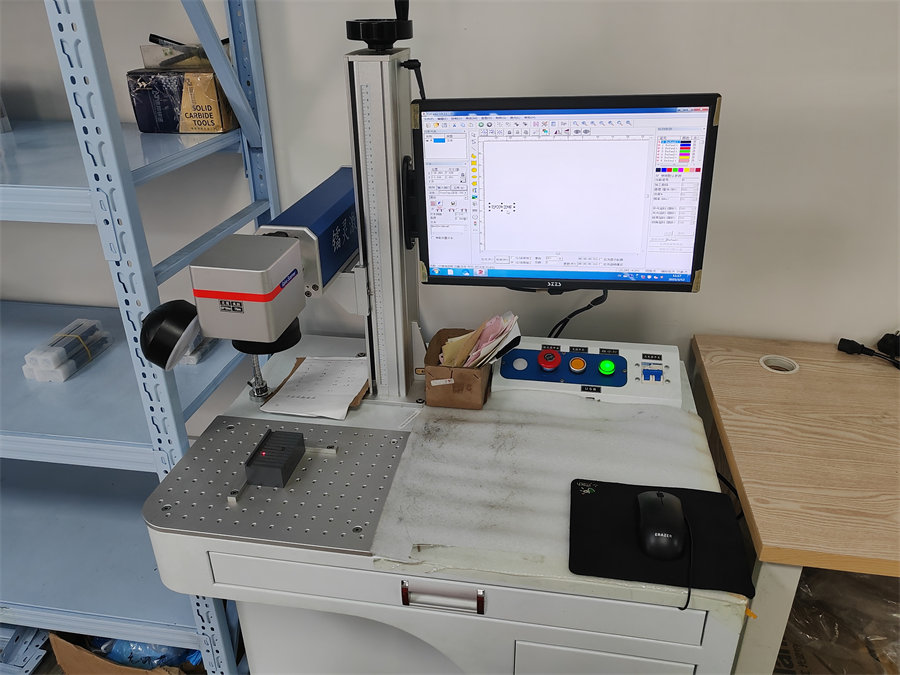
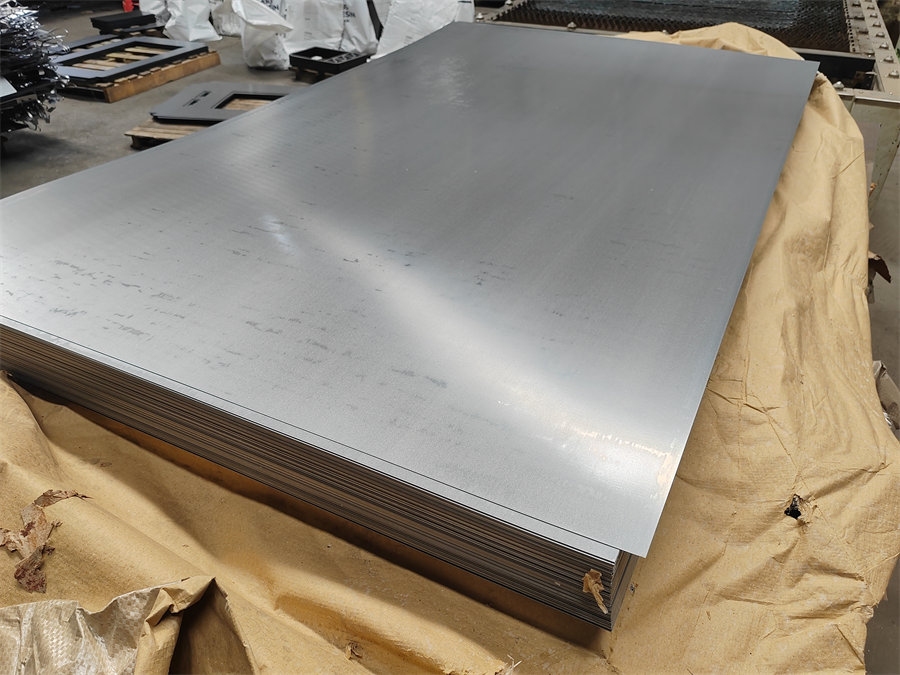
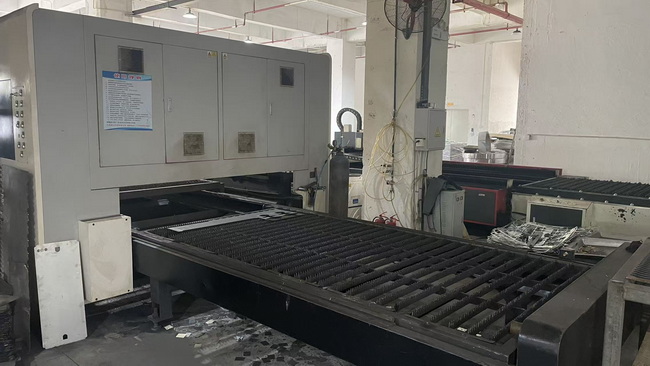
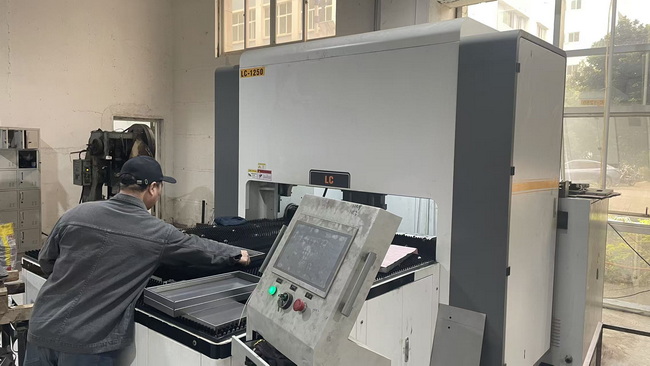
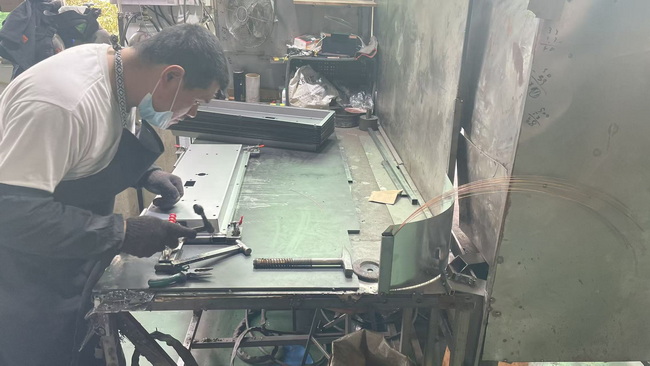
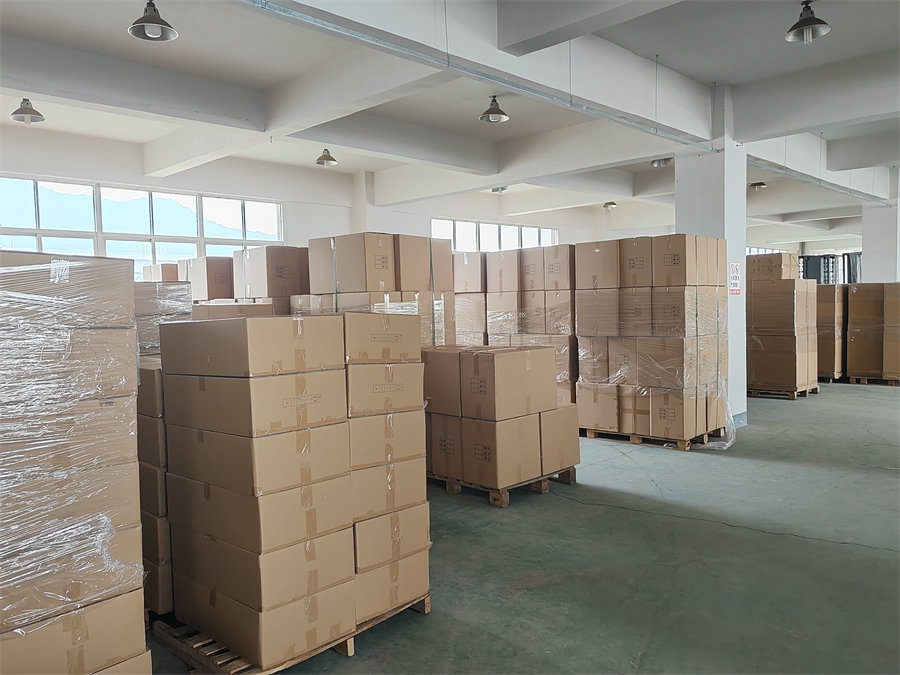
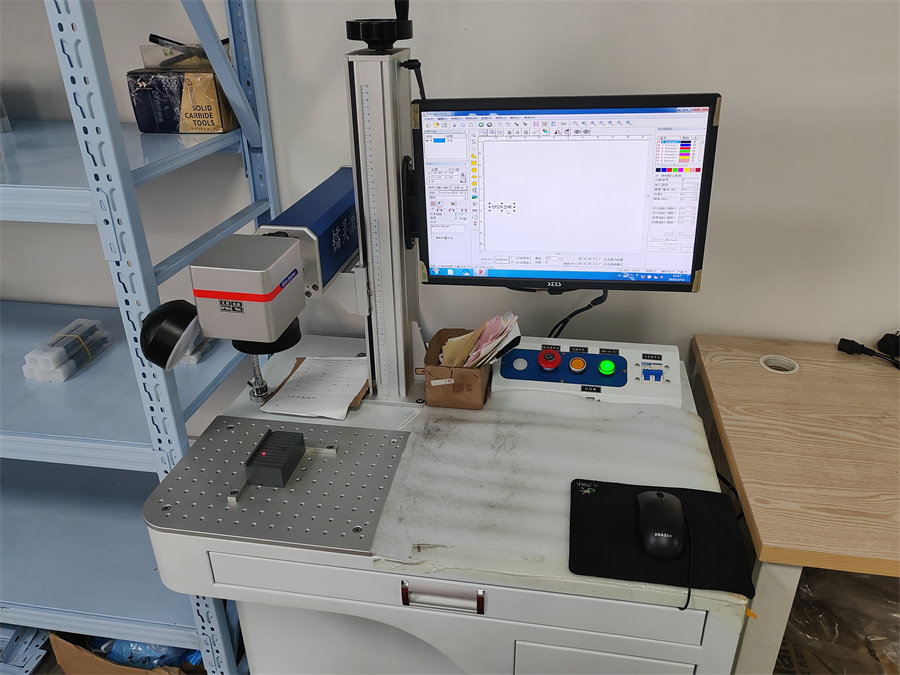
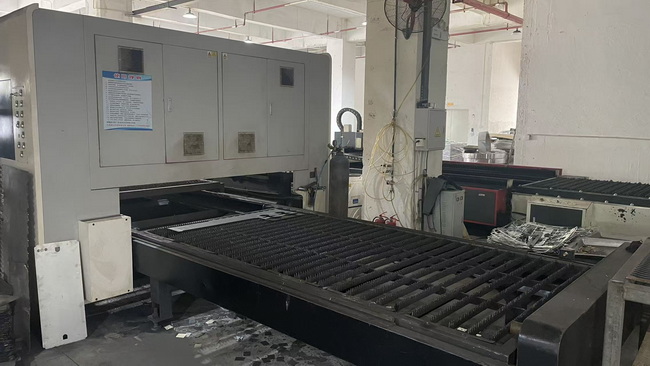
Explore our modern production floor, featuring advanced high-speed machining centers, automated laser cutting, precise bending stations, and multi-tier quality control inspections.
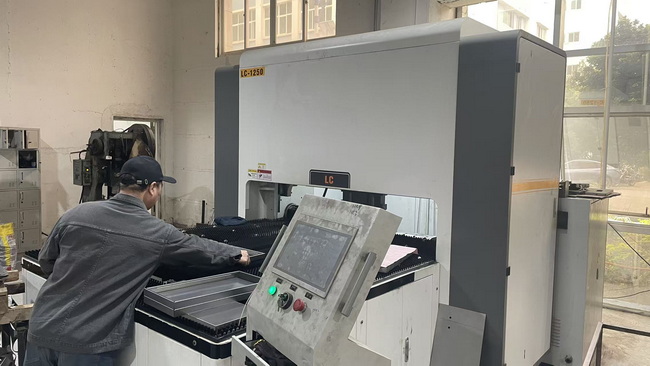
Boring head systems operate across diverse industrial applications, each presenting unique engineering challenges. To assist tool designers and machine operators, our technical teams catalog application data to address common localized production issues:
When machining aluminum engine sleeves or aerospace fuel connectors, thin walls are susceptible to distortion under high cutting forces. Standard solutions require sharp, positive rake geometries and carbide inserts with micro-honed cutting edges. This configuration minimizes radial force redirection, controls heat dissipation, and prevents geometrical deformation, maintaining tight cylindricity tolerances.
Machining internal keyways or cross-drilled hydraulic blocks introduces cyclical shock loads to the tool assembly, which can cause vibration, chatter marks, or premature insert failure. Addressing these issues involves using heavy-metal or carbide-reinforced boring bars, combined with specialized PVD coatings (such as AlTiN). This design dampens harmonic resonance, allowing consistent finishes across interrupted surfaces.
Get authoritative answers to technical questions commonly raised by CNC operators, procurement managers, and manufacturing engineers.
 Tier Tool