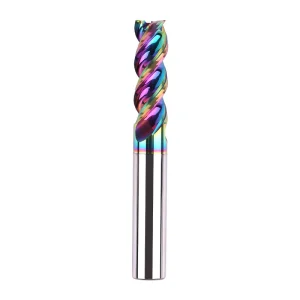
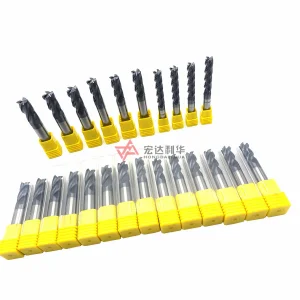
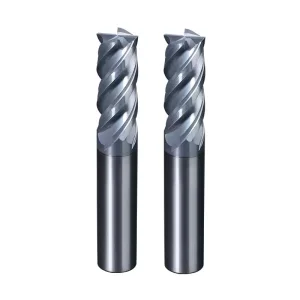
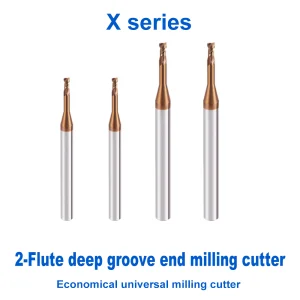
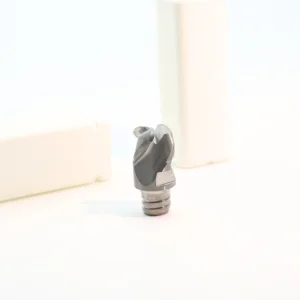
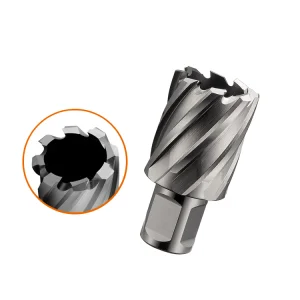
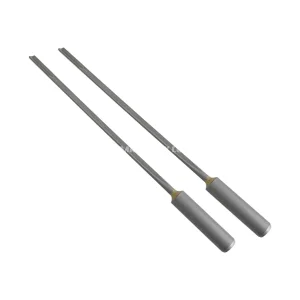
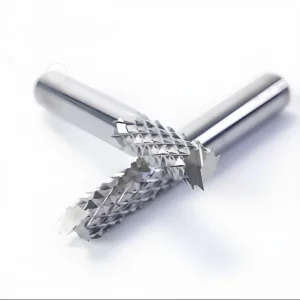
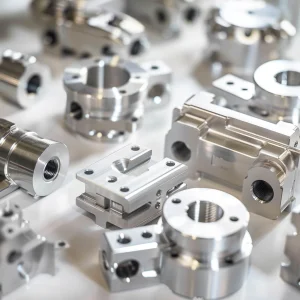
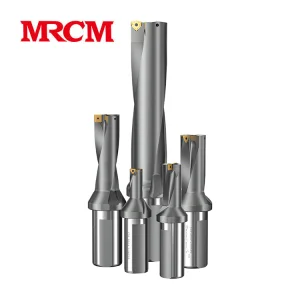
The global precision engineering sector is undergoing a profound structural evolution driven by digitalization, automation, and the emergence of advanced lightweight alloys. As industrial systems transition to higher cutting speeds and demands for minimal tolerances become tighter, the role of premium carbide cutting tools has shifted from simple consumables to core enablers of machining efficiency.
Modern high-speed machining (HSM) setups require high-precision geometries capable of reducing vibration (chatter), minimizing thermal concentration at the cutting zone, and maximizing chip evacuation. From automotive drive shafts to structural aerospace components made from titanium alloys and carbon fiber reinforced plastics (CFRP), tooling suppliers must deliver tailor-made geometric designs. These configurations have high shear angles, optimized helix variations, and multi-layered nanocomposite PVD coatings such as Titanium Aluminum Nitride (TiAlN) and DLC (Diamond-Like Carbon).
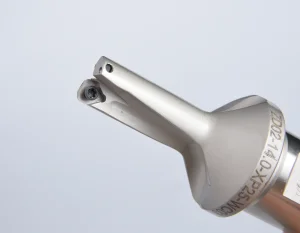
In the fields of high-feed deep hole processing and complex face milling, standard catalog tools often fail to meet customized production lines' criteria. Custom OEM/ODM manufacturers bridge this gap. By altering critical parameters—including core diameter taper, flute spacing configurations, and edge preparations—they enable machining solutions that decrease cycle times while increasing total surface finish quality.
Suzhou Tier Tool Co., Ltd., founded in 2008, is recognized as a national high-tech enterprise. The company focuses on the design, production, and comprehensive technical support of precision solid carbide cutting tools. Located in Suzhou, Jiangsu Province, we operate in one of China's most active high-precision industrial hubs, serving global supply chains with export-grade tooling systems.
To support high-precision machining requirements, we have established a state-of-the-art manufacturing facility equipped with advanced multi-axis CNC grinding machines (including Walter and Anca systems) and precision measurement machines (such as Zoller Genius series). Our production ecosystem covers the entire lifecycle of tool generation, from custom carbide substrate selection to final geometric inspections, laser marking, and packaging.
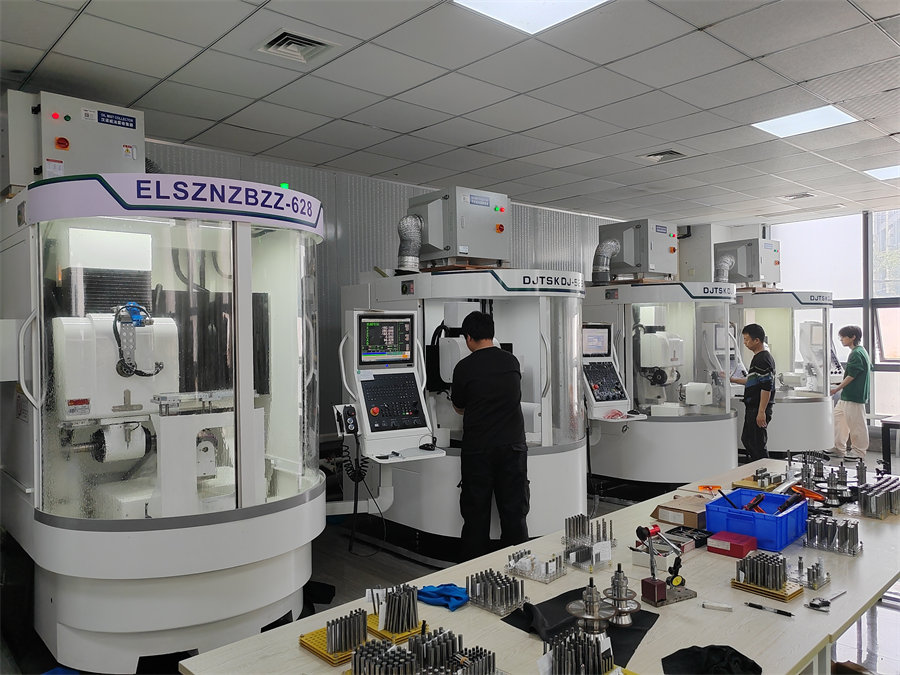
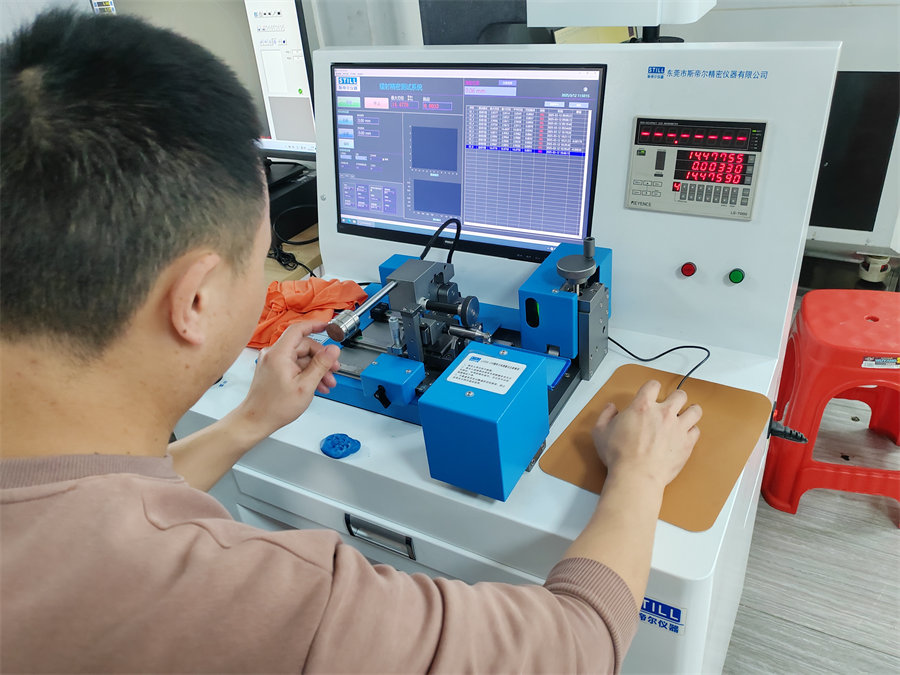
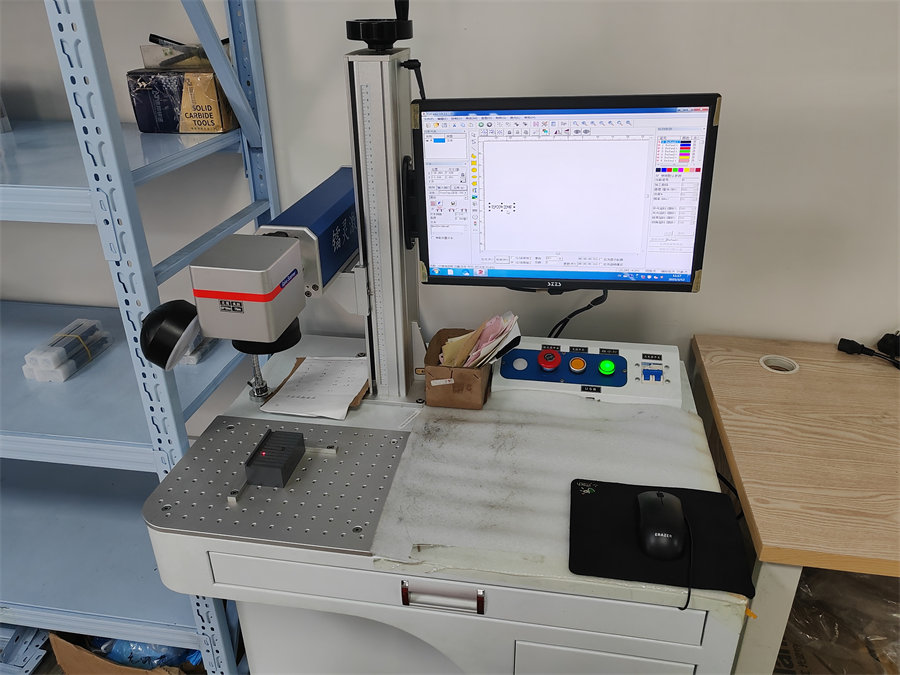
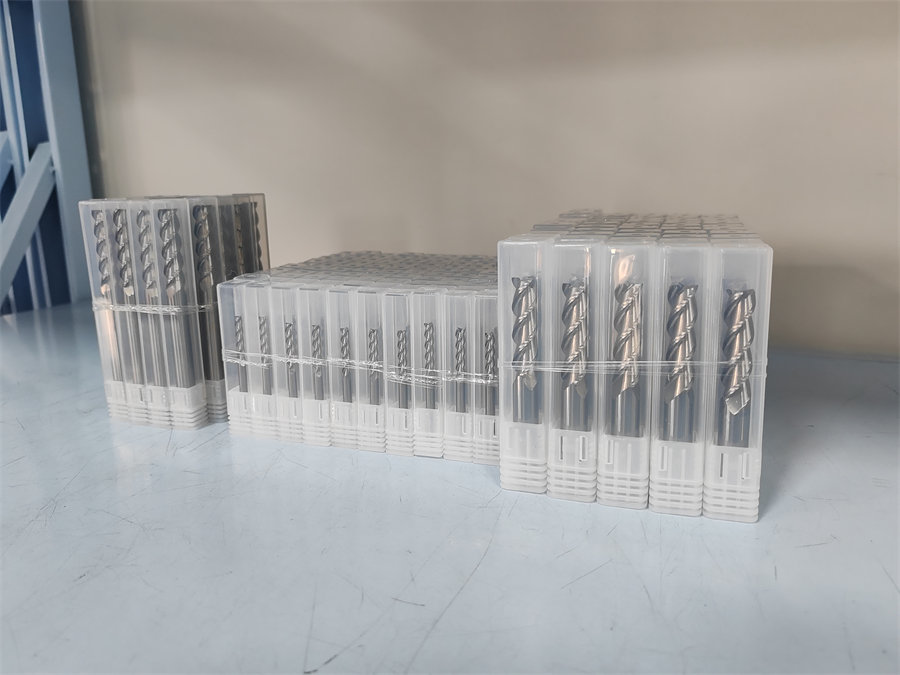
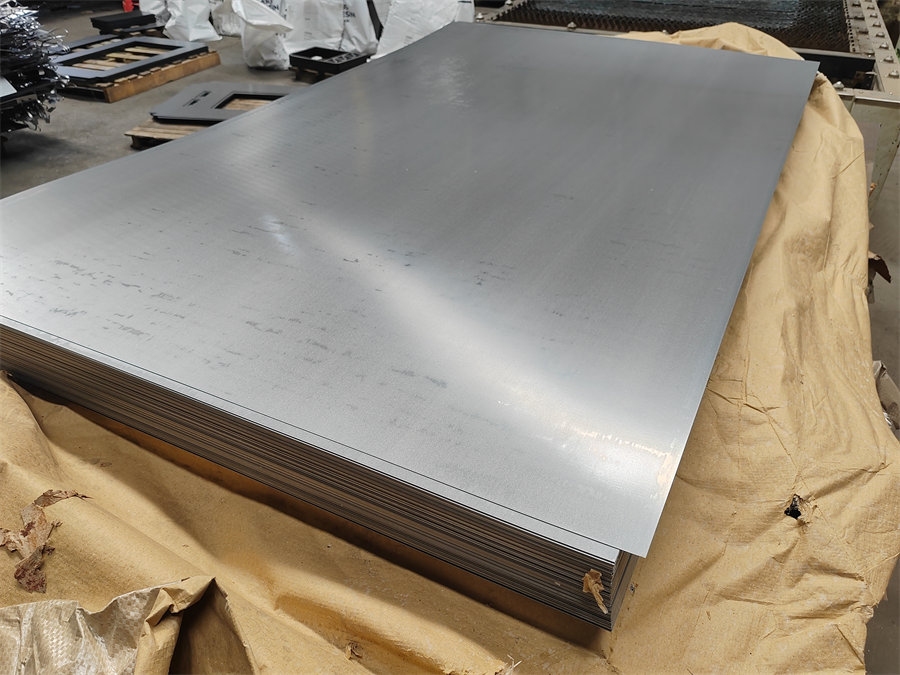
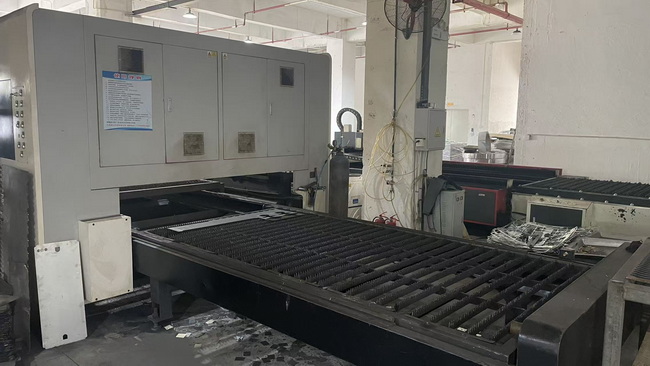
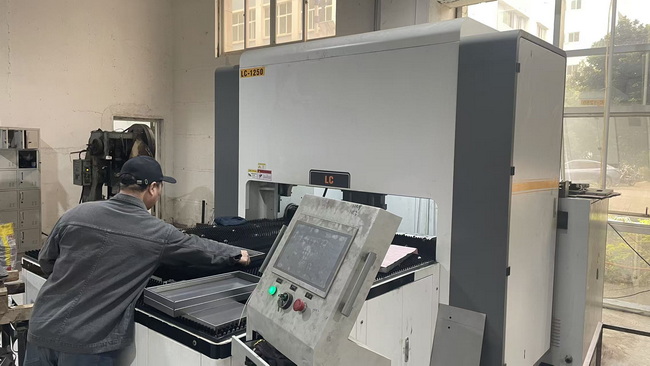
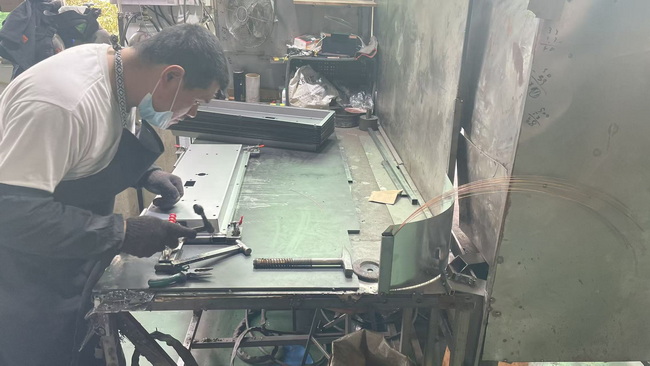

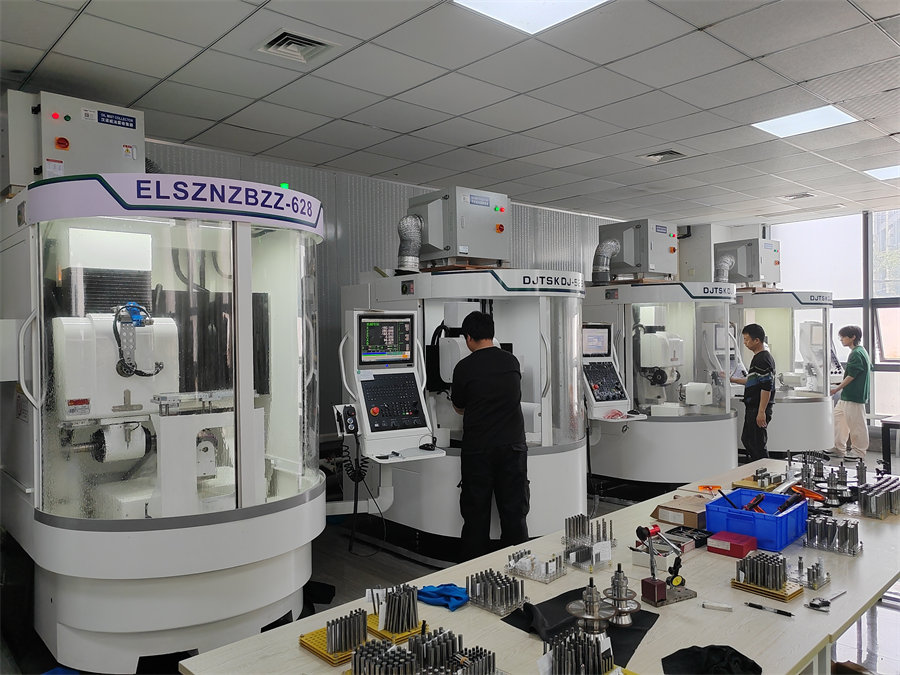
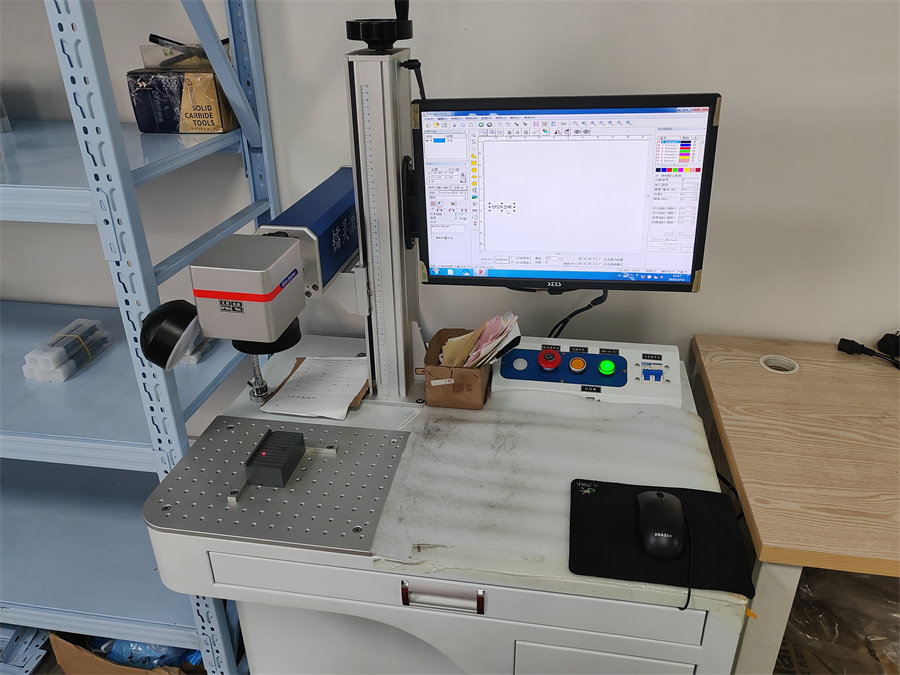
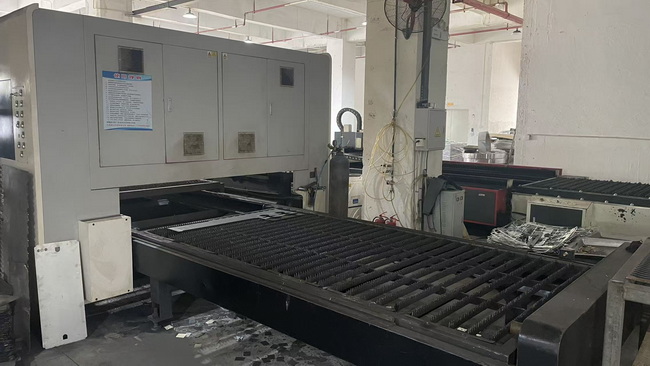
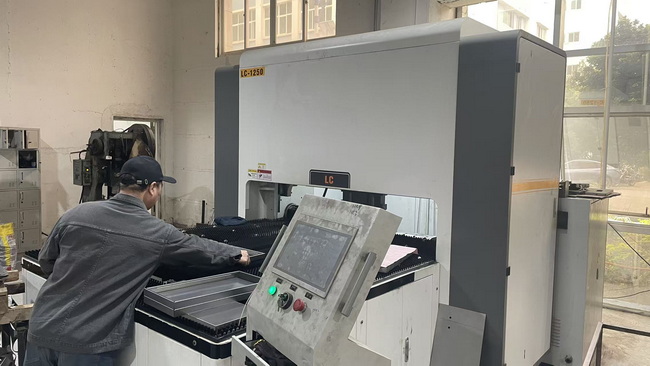
Our Quality Management System operates under the philosophy of "Quality First, Continuous Improvement". Raw material supplies are sourced exclusively from reputable carbide powder and rod producers, with each batch verified via metallurgical microscopes. In-process inspection protocols guarantee that dimensional tolerances of tools—such as shank diameters (h6 tolerance) and cutter run-out—remain within 0.005mm limit ranges. This level of quality control ensures predictable tool life during automated production runs.
Optimized drilling and face milling tools targeting cast irons, alloy steels, and forged structural elements. Designed to withstand mechanical shock under high spindle feed rates.
Specialized geometry carbide tools for milling titanium alloys (Ti-6Al-4V) and heat-resistant superalloys (Inconel). Minimizes strain hardening and thermal buildup.
Micro-end mills and high-precision drills designed for biocompatible materials (cobalt-chromium, titanium alloys). Features sub-micron surface finishes.
To maximize tool performance, engineers must match tool geometry and substrate properties with the specific application scenario. Suzhou Tier Tool Co., Ltd. customizes tool solutions based on regional manufacturing contexts and exact workpiece characteristics:
As a global tool exporter, Suzhou Tier Tool Co., Ltd. ensures all products meet international engineering standards, such as DIN, ISO, and JIS. Our export processes align with international trade regulations, ensuring secure packaging, export declarations, and predictable delivery windows to Europe, North America, and Southeast Asia.
We work closely with localized distributors and application engineering networks to provide technical support, tool wear audits, and troubleshooting on the factory floor. Our collaborative process helps clients optimize feed rates, spindle speeds, and tool paths for their specific CNC setups, maximizing return on investment.
Our research and development program focuses on three main technological avenues to support next-generation manufacturing:
 Tier Tool