Engineered for maximum rigidity, ultra-low runout, and high-performance CNC operations
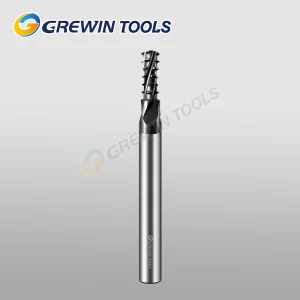
Suzhou Tier Tool Co., Ltd. — Delivering engineering-grade precision cutting solutions since 2008
Founded in 2008, Suzhou Tier Tool Co., Ltd. has developed into a leading precision engineering resource specializing in solid carbide cutting tools and custom OEM systems.
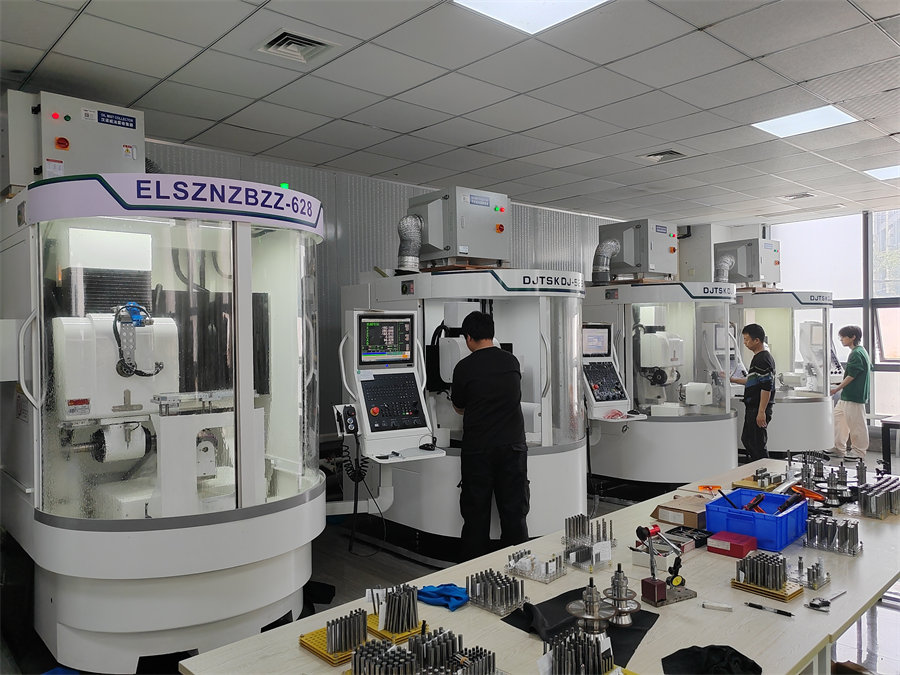
Equipped with state-of-the-art CNC tool grinding complexes. We integrate production from initial 3D prototyping down to volume manufacturing with micrometer consistency.
Adhering to "Quality First, Continuous Improvement". Standardized inspection protocols guarantee absolute alignment, toolholder runout control, and certified performance.
In high-speed CNC metalworking, the interface between the spindle and the solid carbide cutting tool acts as the critical conduit for mechanical torque, rigidity, and runout dampening. High-volume industrial manufacturing mandates tool holders that can survive demanding duty cycles without degrading surface finishes or sacrificing component dimensions. Procurement managers must navigate structural factors when choosing custom OEM suppliers: taper geometry (BT, HSK, CAT, SK), balancing specifications (G2.5 at 25,000 RPM or above), and steel chemistry treatment protocols.
Dynamic runout, or Total Indicated Runout (T.I.R.), directly dictates tool life. Every 10 microns of runout can reduce a carbide end mill's lifespan by up to 50% due to uneven chip loading on the cutting edges. High-precision custom OEM holders mitigate this by utilizing premium tool steel alloys, sub-zero cryogenic heat treatment, and precision-ground taper seats. Tier Tool integrates these manufacturing standards directly into custom tool holder commissions, ensuring your high-performance tools perform reliably under heavy radial loads.
As aerospace, medical, and defense sectors shift toward exotic materials (such as Inconel, Titanium alloys, and cobalt-chrome), traditional tool holding systems face extreme stress. Standard ER collet chucks, while versatile, struggle with the high torque and harmonic frequencies generated during deep trochoidal milling of hard alloys. This has driven the industry toward highly specialized custom solutions:
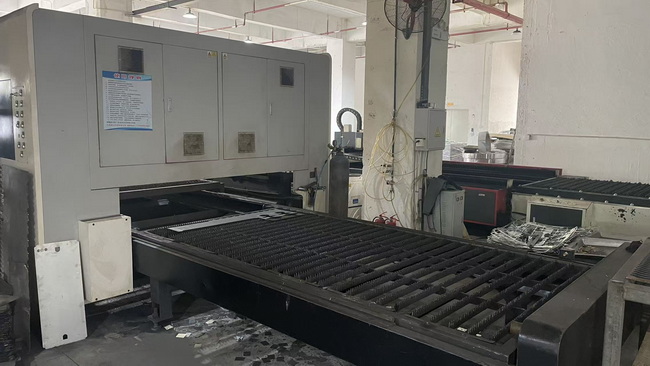
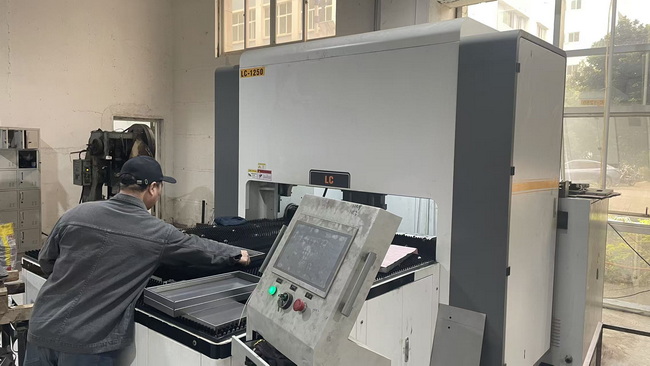
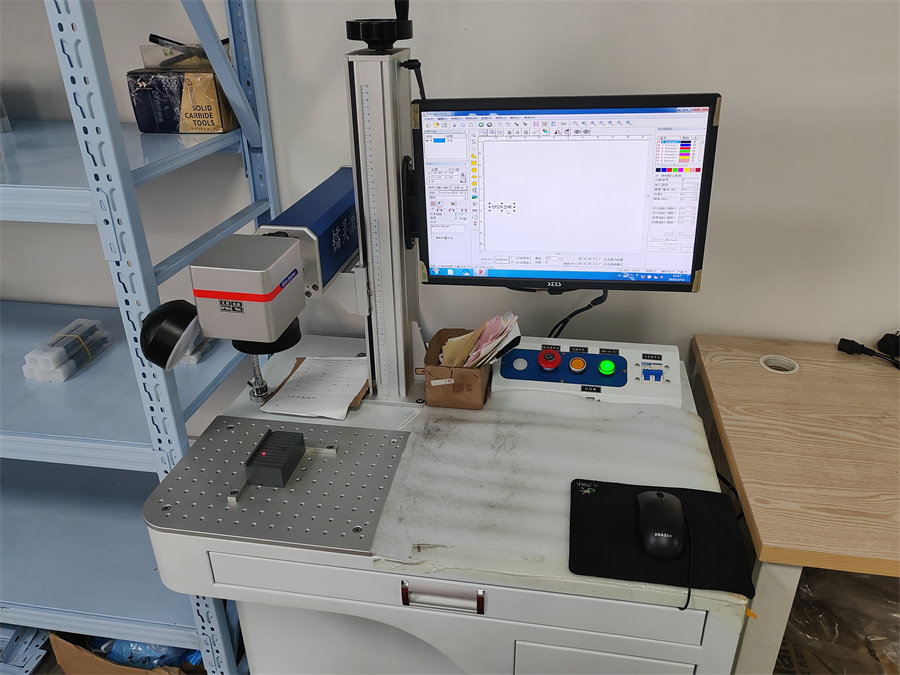
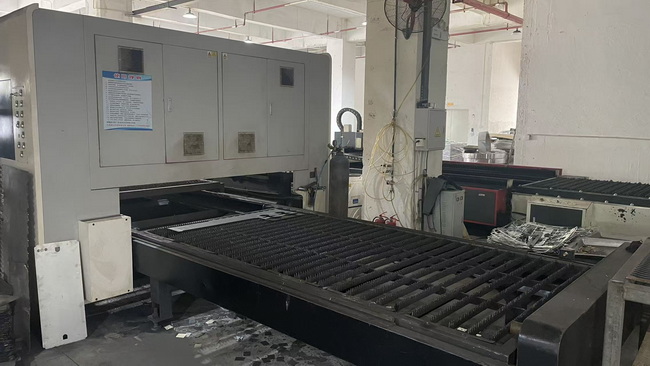
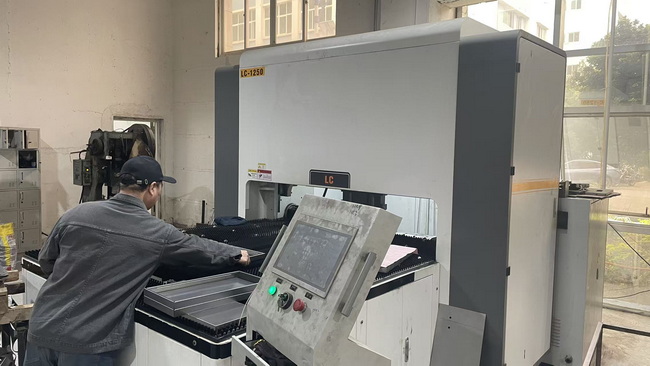
Suzhou Tier Tool Co., Ltd. has adapted to the paradigm of Industrial Internet of Things (IIoT) and smart manufacturing by modernizing its production footprint. Factory 4.0 initiatives mean that CNC grinding systems, laser-marking lines, and automatic coordinate measuring machines (CMM) operate under unified ERP control. This reduces structural errors, reduces lead times, and ensures that large-scale OEM batches remain consistent over years of production.
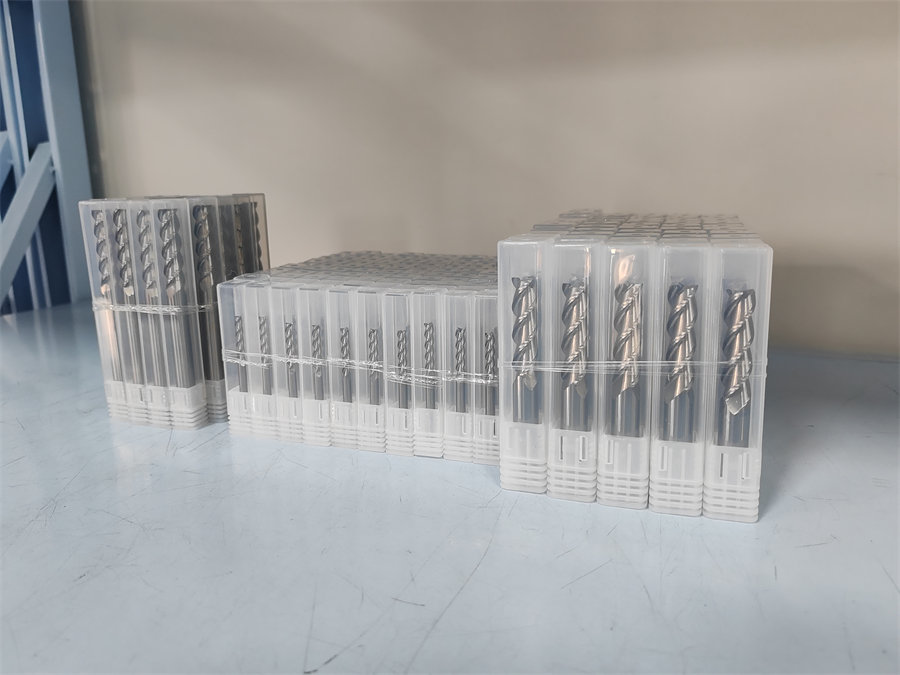
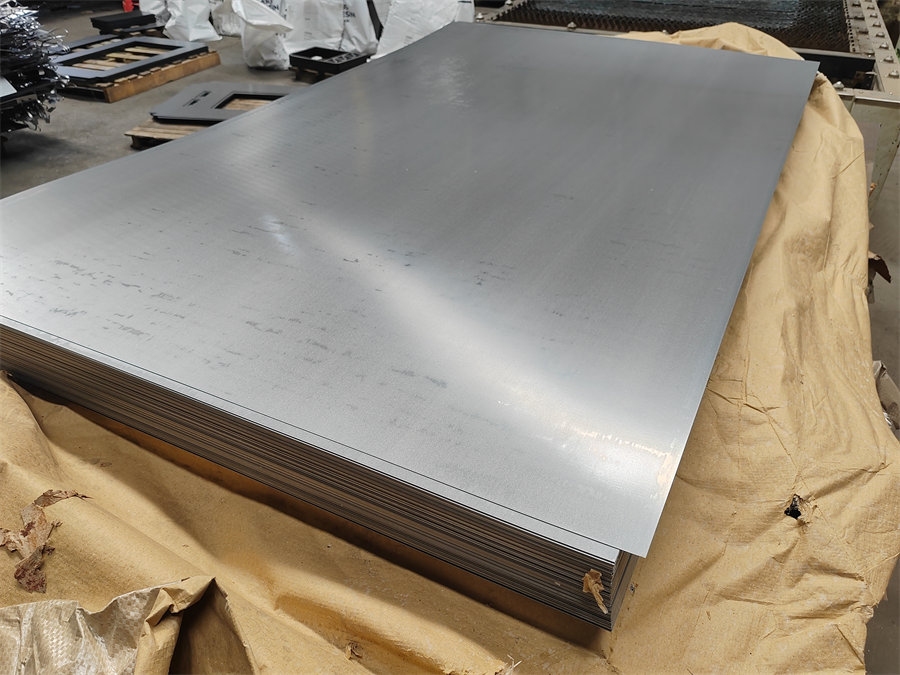
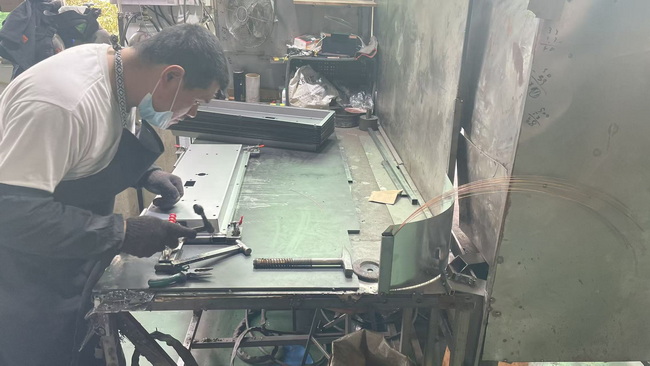
Our raw material supply chain relies on relationships with premium steel mills, safeguarding stock availability against geopolitical disruptions. By incorporating operations from sheet metal processing to automated precision grinding, we manage quality in-house. This comprehensive workflow reduces overhead costs, passing structural savings onto global procurement networks while maintaining high engineering standards.
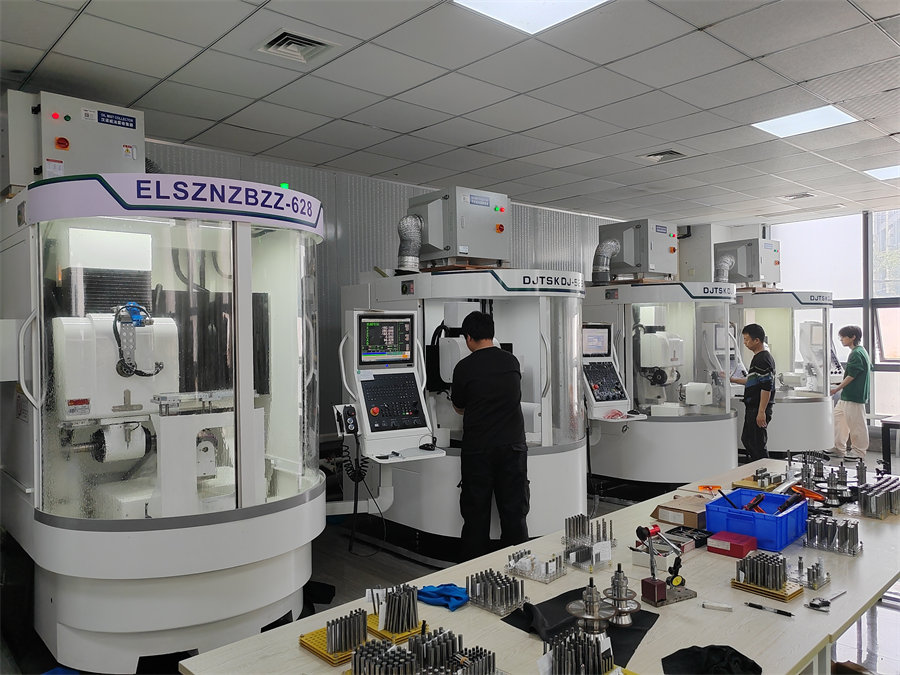
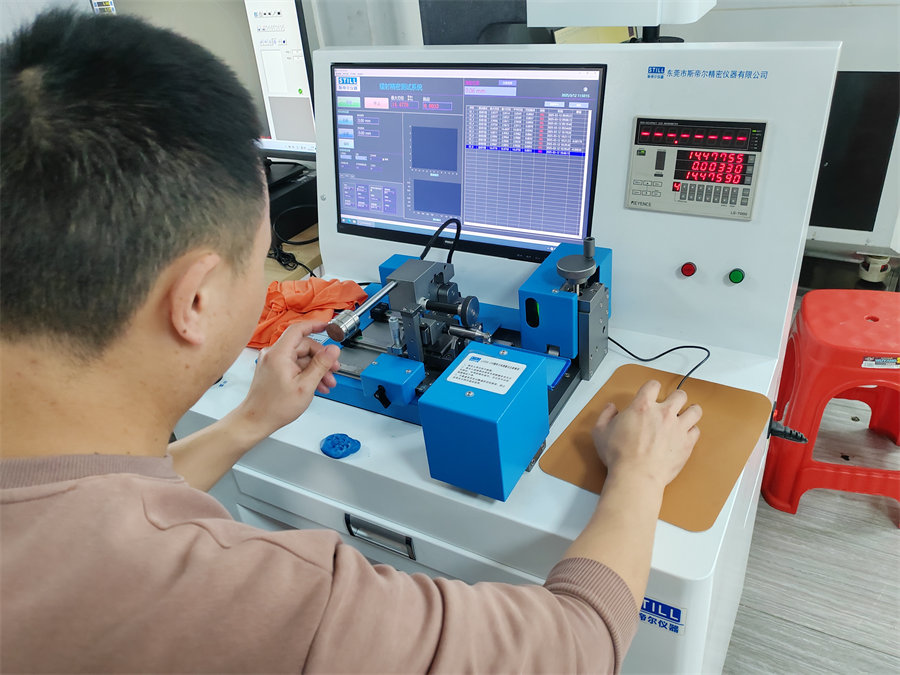
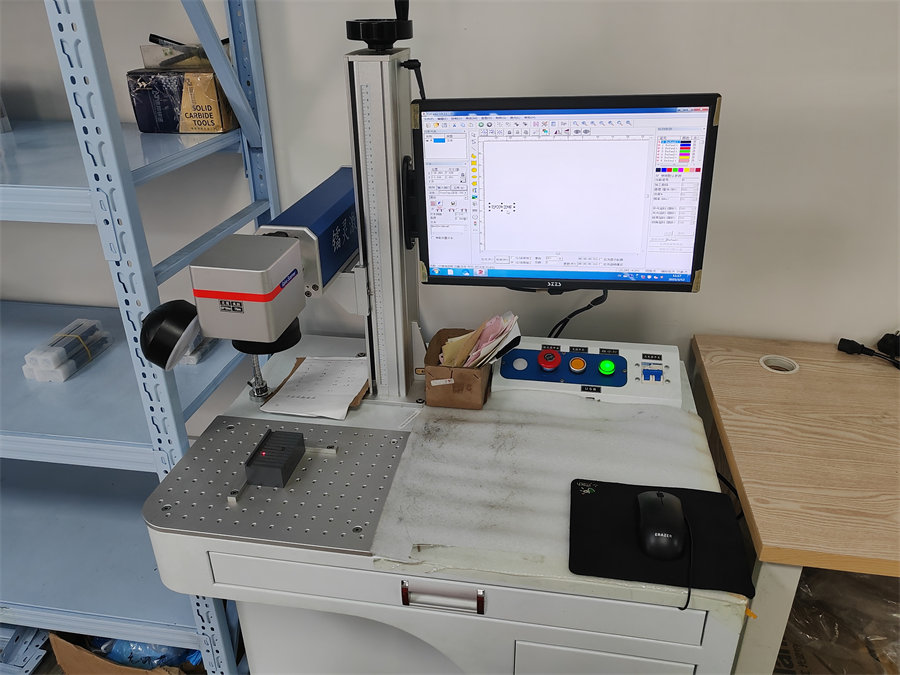
The convergence of digitalization and manufacturing requires a reimagining of tool holder architectures. By monitoring vibration, temperature, and clamping forces in real-time, smart tool holders prevent catastrophic tooling failures during lights-out manufacturing. At Suzhou Tier Tool, we are tracking three primary fields of technological innovation:
Dynamic resonance ruins surface finishes and shortens tool life. Traditional steel tool holders transmit spindle vibrations down to the cutting edge. Our future roadmap prioritizes composite and multi-layered alloy holders containing dense copper cores or custom polymer inserts. These components absorb high-frequency harmonics before they travel to the solid carbide substrate.
Future tool holding systems will incorporate passive RFID chips and ultra-miniaturized strain gauge sensors. These components collect dynamic runout, torque, and thermal load data directly from the spindle, transmitting metrics wirelessly to the machine's control system. This enables predictive maintenance, notifying operators before toolholders shift out of balanced parameters.
Using laser-powder bed fusion (3D metal printing), we can fabricate tool holders with complex internal geometries. Conformal cooling channels deliver high-pressure coolant directly to the cutting zone, bypassing clearance limitations. This advance reduces thermal shock in carbide tools, extending tool life during hard-metal milling.
Every industrial sector presents unique metal-cutting challenges. A standard off-the-shelf tool holder is rarely optimized for the specific demands of every material. Custom OEM manufacturing allows companies to tune tool holder mass, length, and clamping types to match their targets:
Sourcing precision industrial components internationally requires robust quality control and regulatory compliance. At Suzhou Tier Tool Co., Ltd., we combine Chinese manufacturing speed with global engineering standards. Our factory maintains ISO 9001:2015 certification, ensuring every stage of toolholder manufacturing follows structured processes. We offer comprehensive chemical compliance documentation, raw material mill certificates, and surface-coating analysis reports for all shipments.
We work to support our clients through their local engineering networks. We collaborate with distribution agencies and application consultants worldwide to provide on-site setup advice, troubleshooting, and custom optimization support. Whether you operate in Europe, the Americas, or Asia, our design engineers can analyze your CNC configurations to design and deliver custom tool holder profiles that fit your processes.
Common questions answered by our application engineering and metallurgy specialists
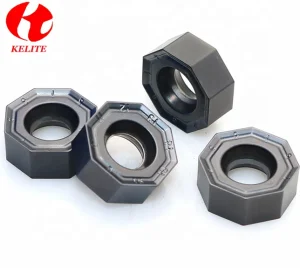
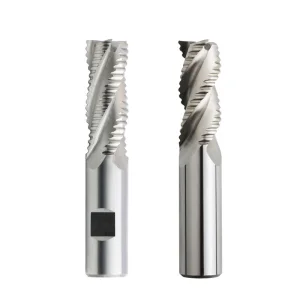
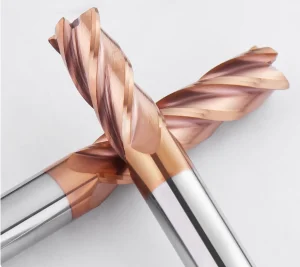
Complementary high-precision cutting tools to maximize your CNC productivity
 Tier Tool