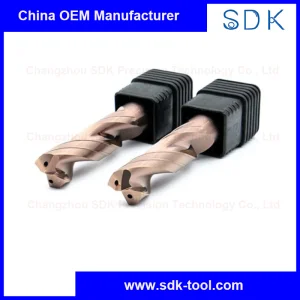
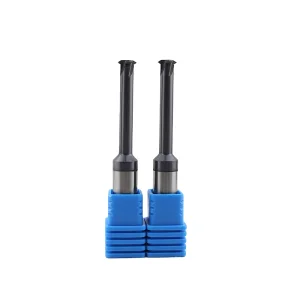
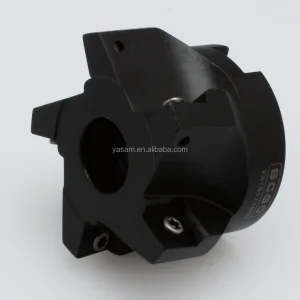
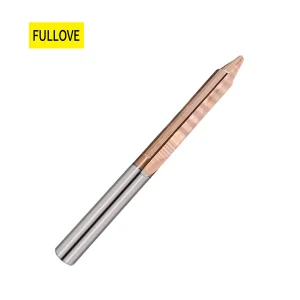
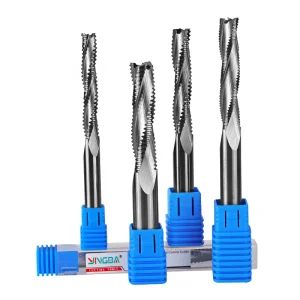
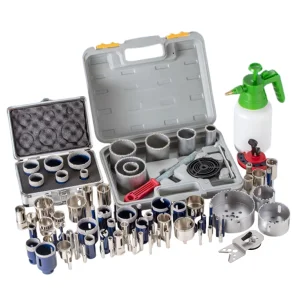
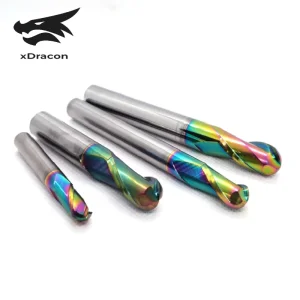
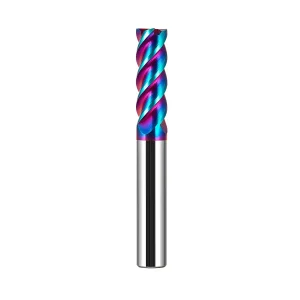
Explore our elite range of solid carbide end mills, drill bits, and indexable cutters optimized for extreme performance
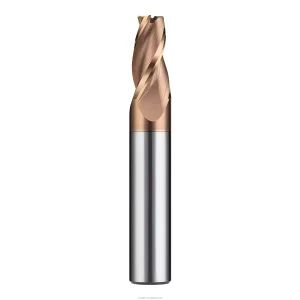
Deep dive into market dynamics, mechanical principles, and manufacturing compliance
In modern high-pressure fluid conveyance, the reliability of tube joints is paramount. Flaring tools play a crucial role in forming leak-free connections. When thin-walled tubing of copper, aluminum, stainless steel, or carbon steel is joined to fittings, the end of the tube must be widened outward in a symmetrical cone shape. This mechanically locked shape is then clamped securely by a flare nut against a matching fitting cone, ensuring a gastight, liquid-tight seal that functions without welding or thread sealant.
Currently, the global demand for custom flaring tools is driven by several strict industry sectors: HVAC (Heating, Ventilation, and Air Conditioning) systems utilizing high-pressure refrigerants like R410A and R32, automotive hydraulic brake lines, and aircraft fuel feed lines. High-performance demands in these areas mean standard off-the-shelf tools often fail due to structural cracking, asymmetrical flare angles, or rapid tool wear. This is why international procurement teams seek OEM and ODM manufacturers capable of producing custom tooling setups designed for specific tube diameters, wall thicknesses, and high-strength alloys.
Engineered for high-pressure systems to meet SAE J533, ISO 8434, and military AN specifications seamlessly.
Crafted using premium solid carbide cores and advanced thin-film coatings to extend tooling lifespans up to 5x.
Maintains tool runout within ±0.005mm to avoid wall thinning or uneven metal expansion during flaring operations.
How industry demands are pushing the boundaries of metallurgy and tool geometries
In the field of metalworking and tube preparation, the lines between tube forming and precision cutting have blurred. High-quality flaring is impossible without first achieving a perfectly square, burr-free tube cut. If the tube end has even minor burrs, micro-cracks can easily develop along the outer edge during the expanding process, leading to micro-leaks under high pressure. Consequently, manufacturers must utilize integrated toolkits where precision carbide drill bits, end mills, and step drills work in tandem with the flaring assembly to prepare the tube body.
Key metallurgical advancements include transitioning from traditional High-Speed Steel (HSS) to ultra-fine grain tungsten carbide and specialized coatings (such as Titanium Aluminum Nitride - AlTiN). These updates protect tool edges from heat degradation. Let's look at the primary shifts driving modern workshop productivity:
Eccentric flaring cones roll out flares with uniform wall thicknesses rather than forcing the metal outward all at once. This significantly reduces stress concentration points.
AlTiN, TiSiN, and Diamond-like Carbon (DLC) coatings minimize friction and prevent material transfer (galling) when forming soft metals like copper and aluminum.
Integrating tube cutting, chamfering, and flaring into automated robotic cells requires tools designed to precise dimensions and featuring built-in alignment steps.
Modern systems use stainless steel, titanium, and duplex alloys. Forming tools must have high hot hardness and toughness to process these tough alloys without fracturing.
A Premier National High-Tech Enterprise Specialize in Precision Carbide Cutting & OEM Solutions
Established in 2008, Suzhou Tier Tool Co., Ltd. is a national high-tech enterprise specializing in the design, manufacturing, and technical support of precision solid carbide cutting tools. Since our foundation, we have been deeply committed to the precision machining industry, focusing on delivering high-performance, high-efficiency cutting solutions for hole-making, metalworking, and advanced tube preparation applications.
We believe that high-quality tube flaring relies heavily on the quality of the preparatory cutting tools. To address this, we apply our precision tooling engineering expertise to support custom OEM flaring tools, providing the ultra-precise tolerances required for aerospace, automotive, and commercial HVAC applications.
By implementing a rigorous quality policy centered around "Quality First, Continuous Improvement", every tool we manufacture is designed to deliver exceptional accuracy, reliability, and consistency for your operations.
A look into our production facilities, raw materials, and quality control processes
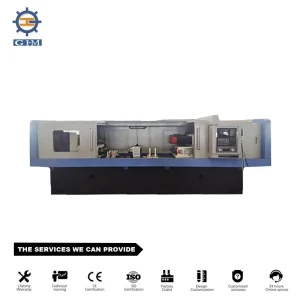
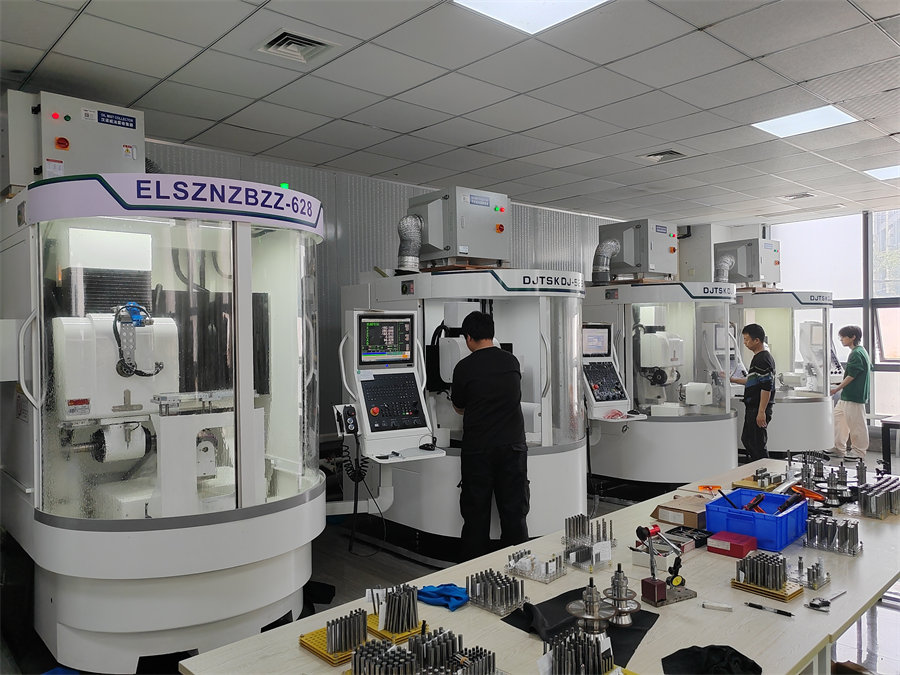
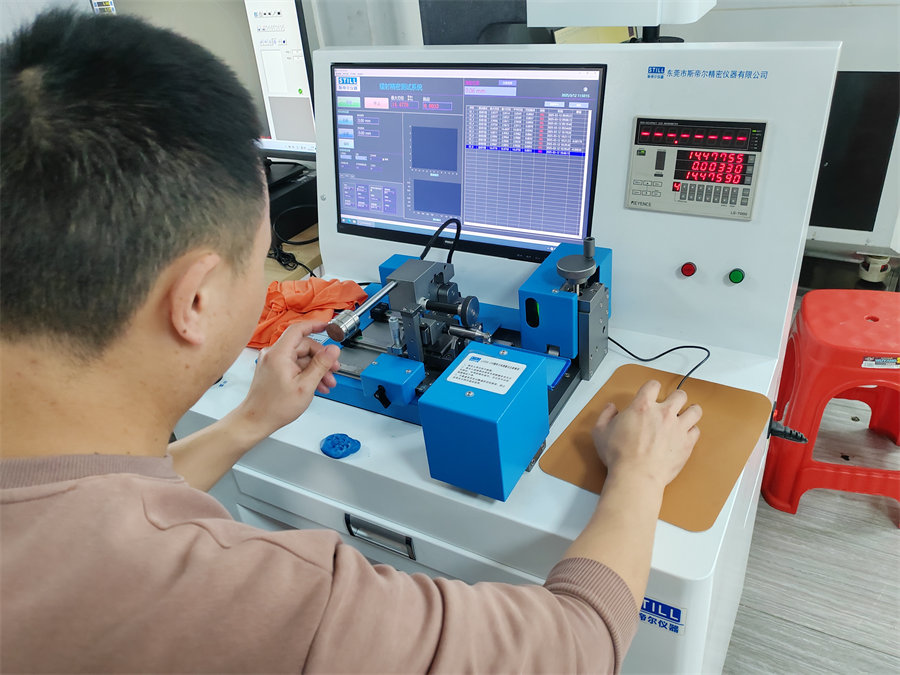
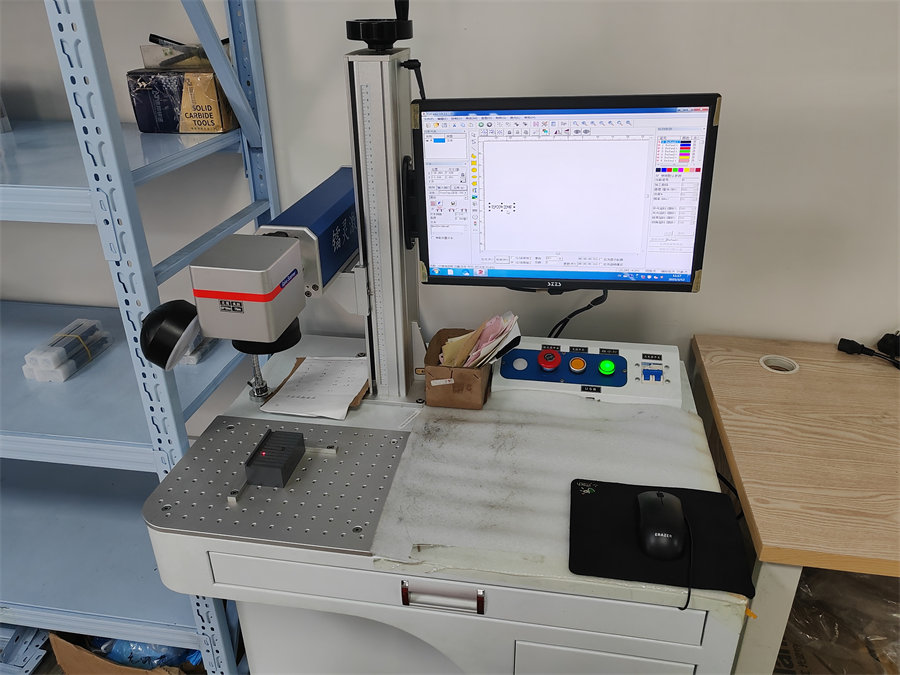
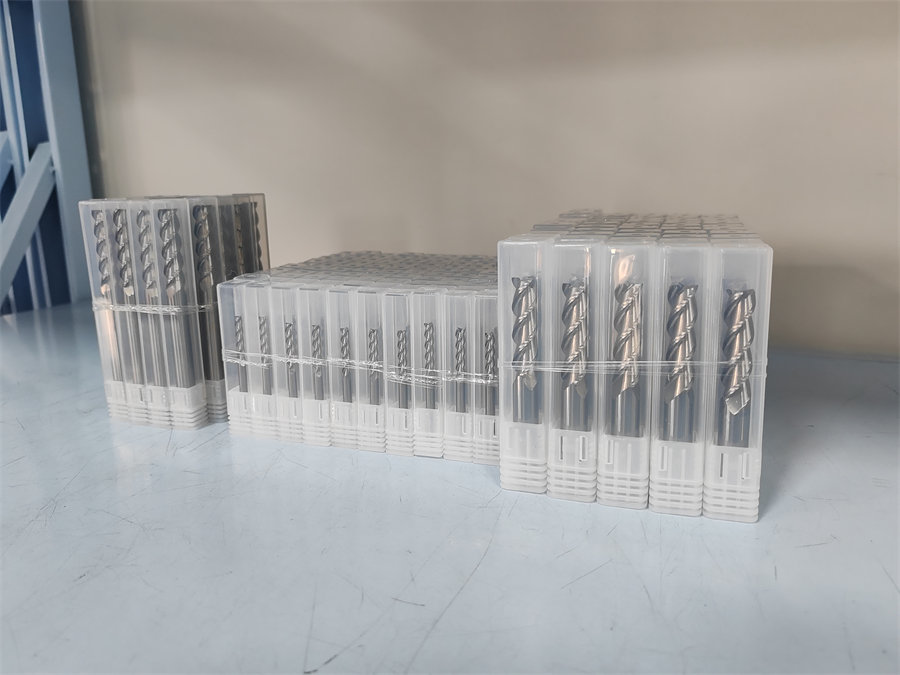
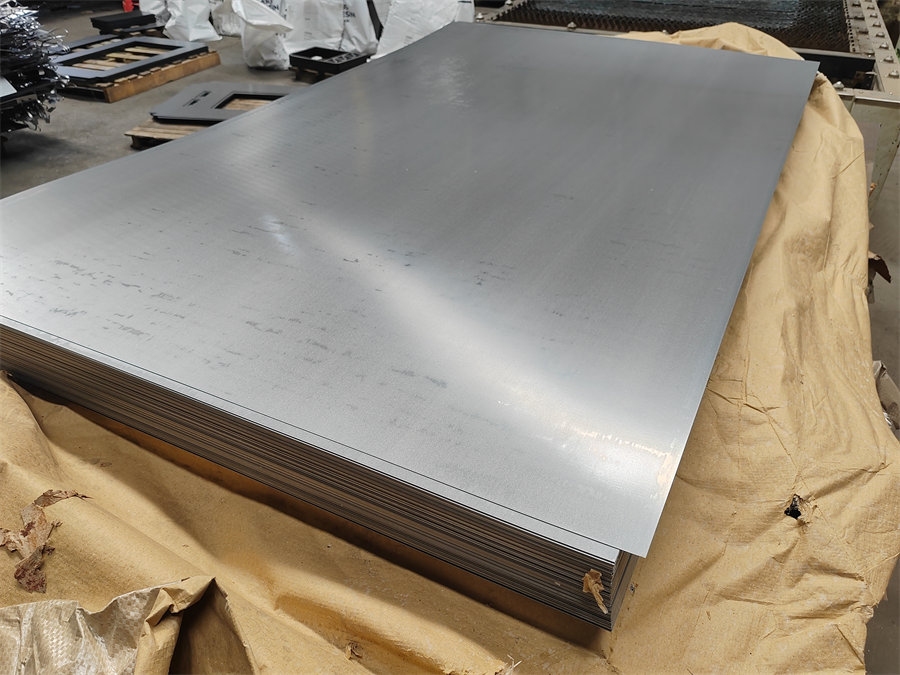
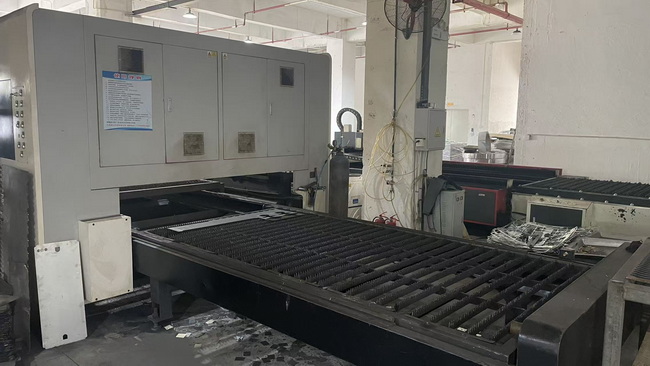
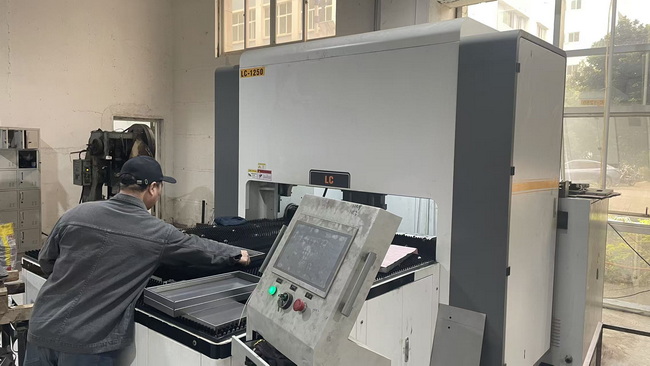
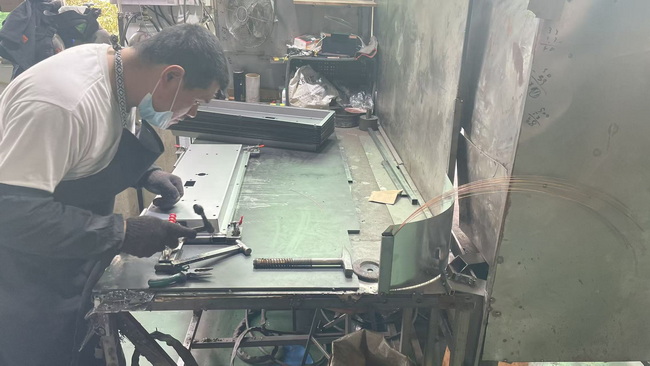
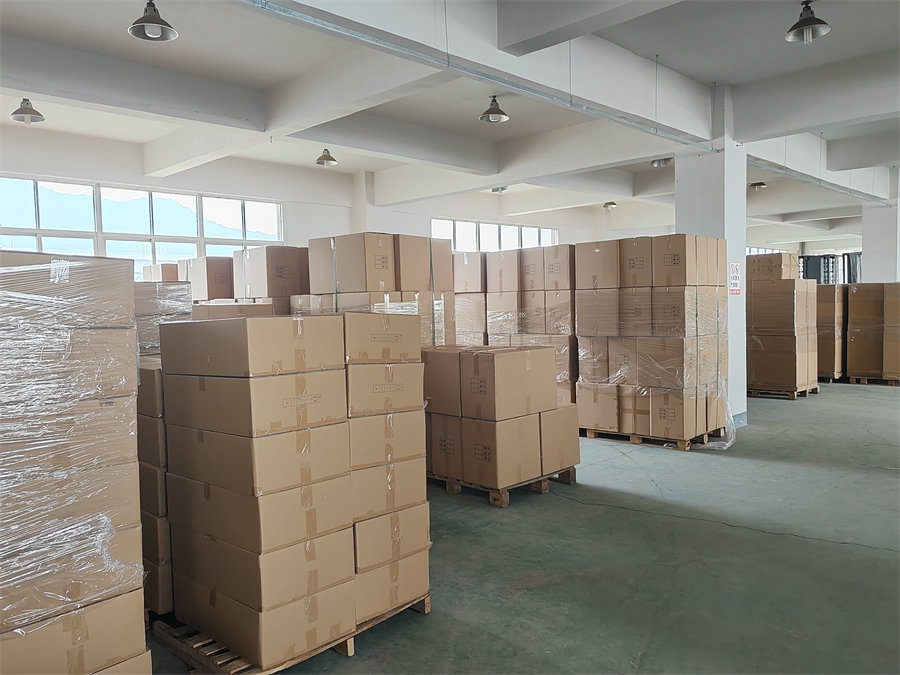
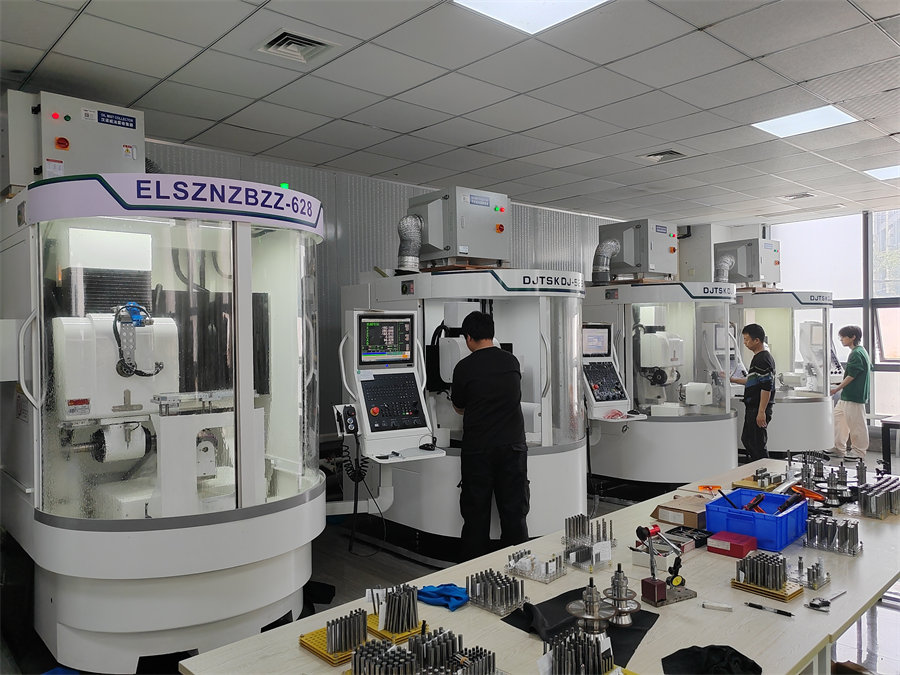
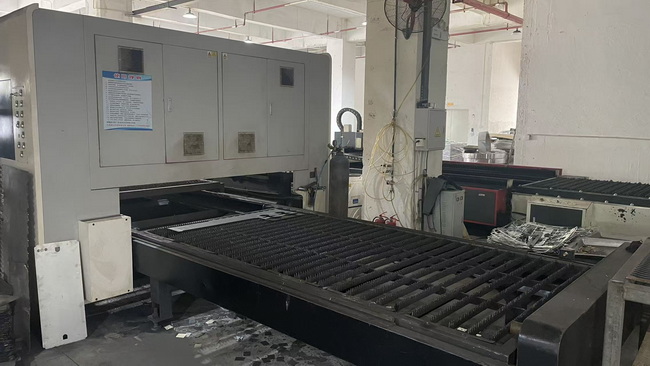
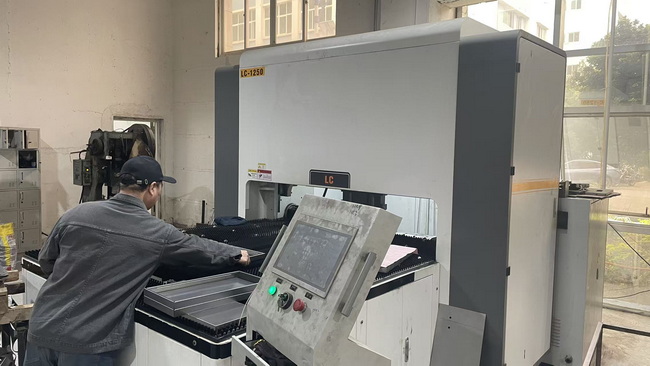
To ensure high precision and tool-to-tool consistency, Tier Tool has invested extensively in advanced manufacturing equipment and precision inspection systems. The company operates multiple imported CNC tool grinding machines alongside precision optical testing arrays, enabling complete in-house capabilities. This allows us to handle everything from initial tool design and rapid prototyping to small-batch testing and large-scale manufacturing runs.
Our manufacturing process is backed by strict process control and traceability standards. Every step is closely monitored to ensure repeatable geometry and high quality. Through systematic process management, Tier Tool has established a robust production system that meets the demanding requirements of modern high-performance machining environments.
Understanding the engineering geometry, mechanics, and material matchings
In high-pressure fluid engineering, there are two primary configurations for flared tubing joints: the 45-degree SAE flare (typically used in HVAC, residential gas piping, and low-pressure brass assemblies) and the 37-degree AN / JIC flare (predominant in aviation hydraulics, defense, and high-pressure automotive applications). Choosing the correct flaring tool depends on the tubing material's tensile strength and elongation capacity.
Selecting the right cutting and chamfering preparation tools is critical for ensuring clean flares. The table below lists the recommended tool configurations based on various industrial tube materials:
| Tube Material Class | Common Application | Ideal Flare Angle | Preparation Tooling Recommendations | Required Tool Coating |
|---|---|---|---|---|
| Soft Copper & Aluminum | HVAC/R Refrigerant Lines, Condensers | 45° (Eccentric Cone) | Solid Carbide Chamfer Tool & Step Drills | Uncoated or DLC (Diamond-Like Carbon) |
| Mild Steel & Copper-Nickel | Automotive Brake Lines, Fuel Delivery | 45° / 37° Double Flare | Solid Carbide Inner Coolant Twist Drills | TiAlN / AlTiN Layered Coating |
| 304 & 316 Stainless Steel | Industrial Hydraulics, Process Piping | 37° JIC (Heavy-Duty Die) | HRC65 Solid Carbide End Mill, Cobalt Drills | AlTiN Coated Multi-Flute Cutters |
| Titanium & Inconel Alloys | Aerospace Hydraulics, Marine Piping | 37° Precision AN Joint | PCD Tipped Custom Step Drills & End Mills | Super-hard nanocomposite layers |
Our custom OEM development focuses on addressing tool wear along the forming contact surfaces. By using premium solid carbide substrates and precise polishing techniques, our forming tools help minimize micro-fractures, ensuring consistent, repeatable flares for high-volume manufacturing environments.
Tailoring cutting and forming designs to meet specialized industry requirements
Automotive systems require high reliability to ensure driver safety. Our high-precision carbide drills and double-flaring dies are built to withstand high volume production. This helps plants process seamless steel lines with high dimensional accuracy, minimizing the risk of fluid bypass or assembly failure.
Modern eco-friendly refrigerants run at higher pressures, which makes flare connections critical to prevent leakages. We design eccentric flaring components that create smooth, consistent seal faces. This ensures reliable metal-to-metal sealing for field-installed split systems and factory heat exchangers.
Weight reduction in aviation requires thin-walled titanium or stainless steel tubing, which is prone to work hardening. Tier Tool designs custom PCD-tipped drills and specialized flaring dies to carefully form these materials. This keeps micro-cracking risk to a minimum and meets strict AS9100-compliant tolerances.
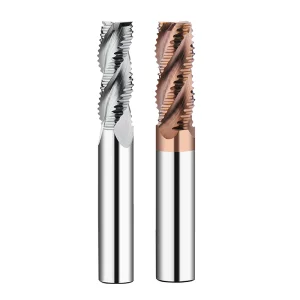
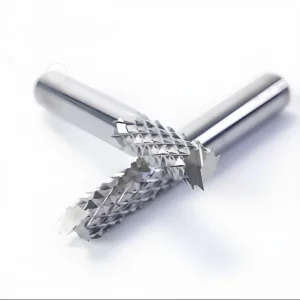
Using our CNC wave edge end mills and high-hardness square milling cutters, mold makers can machine tough die steels up to 65HRC. This provides the stable tool life needed to produce the stamping dies and extrusion parts used in high-volume flaring tool production.
How we work with global OEMs and procurement partners to deliver tailored tool designs
At Suzhou Tier Tool, we believe that providing high-quality tools is only the beginning of a long-term partnership. Beyond delivering standard catalog items, we offer application engineering services to help customers optimize their machining and forming processes. Our technical specialists review your setup conditions, evaluate raw material characteristics, and design custom cutting or forming configurations to help maximize your production throughput.
Our OEM/ODM workflow is structured to deliver reliable support from initial design to final parts shipment:
Our engineering team analyzes your tube metallurgy, CAD drawings, and equipment configuration to identify the most suitable material and geometry pairings.
We manufacture initial samples using precise 5-axis CNC grinding machines. These prototypes are tested under real-world conditions to verify dimensional stability.
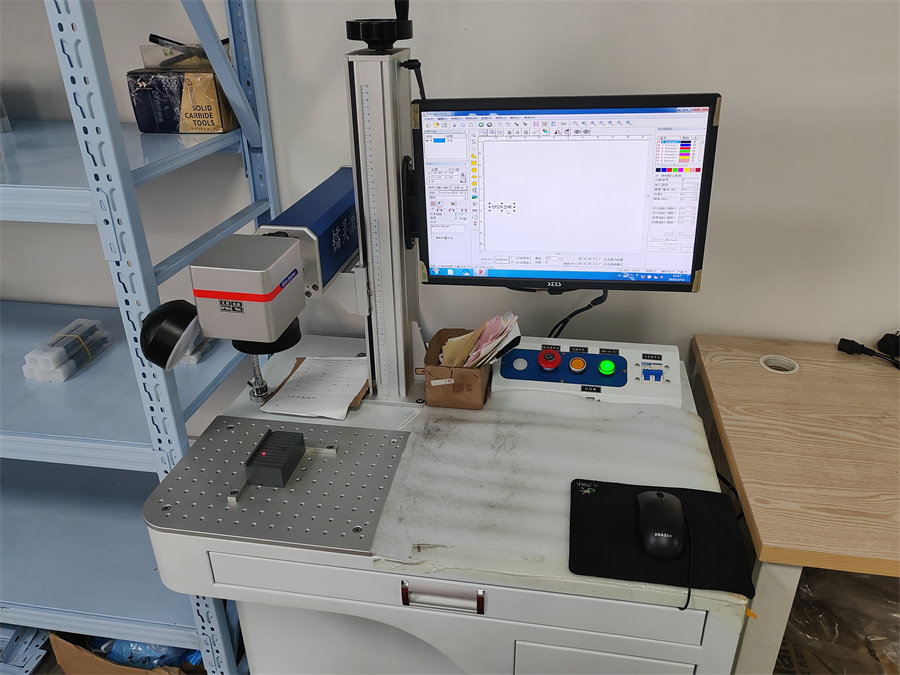
Once approved, your custom design moves to our automated production facility, where laser-marking and optical inspection systems ensure consistent, high-quality results.
Addressing key engineering, procurement, and usage queries from global industry professionals
The difference lies in the application and geometry. A 45-degree flare is common in residential plumbing, HVAC systems, and low-to-medium pressure automotive designs, often utilizing brass or copper tubing. A 37-degree flare (JIC or AN standard) is designed for higher pressure systems and is widely used in aerospace, marine, defense, and high-performance industrial hydraulics. These applications require a shallower angle to reduce metal stretch and minimize thinning of the tube wall.
Flaring cracks typically occur due to work-hardening of the tubing material, uneven wall stress during forming, or burrs left on the cut end of the tube. Using an eccentric flaring mechanism helps reduce cracking by rolling the flare point-by-point rather than forcing it all at once. Prepping the tube with high-precision solid carbide chamfering cutters also ensures clean, square ends that allow for smooth metal expansion.
We maintain tool consistency through high-precision manufacturing and testing. Our facility operates imported multi-axis CNC grinding machines that work to tight tolerances. Every batch is verified using optical measuring systems to ensure correct dimensions, geometry, and surface finish before shipment.
Generally, AlTiN (Aluminum Titanium Nitride) coatings are not recommended for aluminum machining. The aluminum in the coating has a chemical affinity for the aluminum in the workpiece, which can cause material transfer and clogging of the tool flutes. For aluminum, we recommend uncoated carbide, DLC (Diamond-Like Carbon), or specialized coatings that maintain a low coefficient of friction.
Lead times depend on the design complexity and volume. Standard prototyping and feasibility samples are typically completed in 2 to 3 weeks. Full volume production runs generally require 4 to 6 weeks, which includes tool grinding, custom coating processes, and quality control checks.
Explore our indexing drills, specialized thread mills, and heavy-duty drilling systems
 Tier Tool