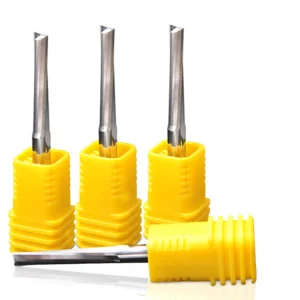
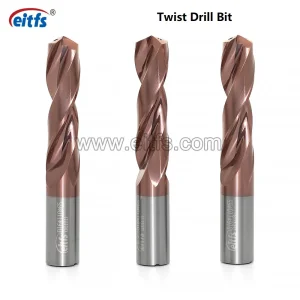
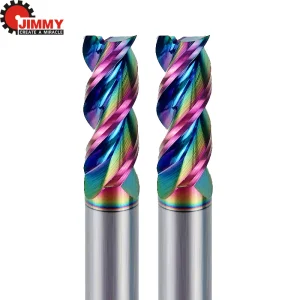
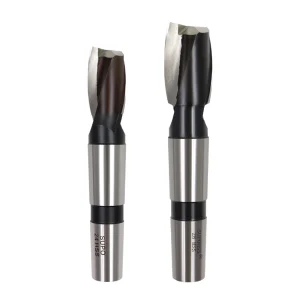
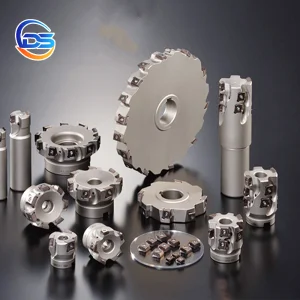
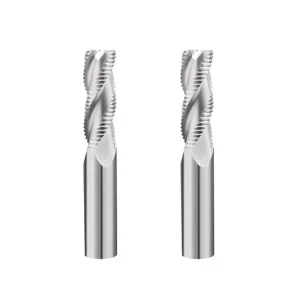
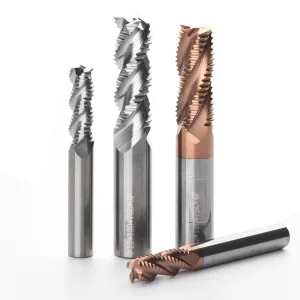
Explore our high-performance tooling designed to withstand tough machining challenges, including post-coating finishing for thermal spray applications.
In modern manufacturing, materials are consistently subjected to escalating operational demands, including extreme temperatures, aggressive corrosive environments, and severe mechanical wear. Thermal Spray Coatings (TSC) have emerged as a pivotal class of surface modification technologies. These methods allow engineered components to achieve surface properties that are vastly superior to the bulk substrate. By accelerating molten or semi-molten droplets of metals, alloys, ceramics, or cermets onto a prepared surface, thermal spraying generates a protective layer characterized by outstanding tribological, thermal-barrier, and anticorrosive behavior.
However, the performance of a thermal spray coated component does not depend solely on the spraying process itself. It relies heavily on a comprehensive manufacturing ecosystem: from precision substrate CNC machining, structural welding, and surface grit-blasting preparation, to the highly specialized post-coat machining required to meet strict dimensional tolerances. Suzhou Tier Tool Co., Ltd. plays a vital role in this ecosystem, providing high-precision carbide tools and custom OEM fabrication capabilities to ensure the flawless execution of coated components from start to finish.
To select the correct OEM supplier, engineers must understand the specific technical pathways of modern thermal spraying. The table below details the performance matrices of key processes, including High-Velocity Oxygen Fuel (HVOF), Atmospheric Plasma Spraying (APS), Electric Arc Spraying, and Cold Spraying.
| Process Method | Typical Coating Materials | Flame Temp (°C) | Particle Velocity (m/s) | Bond Strength (MPa) | Porosity (%) | Primary Industrial Applications |
|---|---|---|---|---|---|---|
| HVOF (High-Velocity Oxygen Fuel) | WC-Co, NiCrBSi, Co-alloys | 2,500 – 3,200 | 600 – 1,000 | > 70 | < 1% | Oil & Gas valves, hydraulic rods, landing gear, turbine shafts |
| APS (Atmospheric Plasma Spray) | ZrO2, Al2O3, Cr2O3, YSZ | 10,000 – 16,000 | 200 – 450 | 30 – 50 | 2 – 5% | Thermal barriers in jet engines, ceramic anilox rolls, insulation |
| Electric Wire Arc Spraying | Fe, Ni, Al, Zn-Al alloys | 4,000 – 6,000 | 150 – 250 | 20 – 40 | 3 – 8% | Infrastructure anti-corrosion, boiler tubes, large-scale repair |
| Cold Spray (Kinetic Metallization) | Cu, Al, Ti, Stainless Steel | 100 – 1,000 | 500 – 1,200 | > 80 | < 0.5% | Additive repair, high-conductivity copper surfaces, aerospace rims |
Understanding these processes is essential. For instance, while HVOF provides dense coatings with exceptionally high bond strength, the high velocity and moderate temperature ensure that carbide particles do not suffer from severe decarburization. On the other hand, Plasma Spraying is the method of choice for high-melting-point ceramics like Yttria-Stabilized Zirconia (YSZ) used in aerospace turbine blades as thermal barrier coatings.
The deployment of thermal spray coatings must align with local industrial landscapes and environmental regulations. Different geographical clusters exhibit distinct demand profiles:
The transition from toxic hexavalent hard chrome plating to HVOF-applied WC-Co-Cr coatings is highly regulated and mature. Crucial applications include commercial aircraft landing gear, gas turbine combustors, and subsea drilling components subject to sand erosion and saltwater corrosion.
With stringent Euro 7 automotive emissions regulations, manufacturers utilize high-velocity oxy-fuel or plasma coatings on brake discs to significantly reduce particulate dust emissions. Offshore wind turbines in the North Sea extensively utilize arc-sprayed zinc and aluminum coatings to withstand extreme marine atmosphere corrosion.
Rapidly expanding manufacturing and shipping corridors require localized wear protection. Components like steel mill rolls, marine engine cylinder liners, and petrochemical pumping systems rely on OEM suppliers in China to integrate high-efficiency fabrication with advanced, cost-effective coating application.
The thermal spray coating industry is transitioning from a traditional craftsmanship-oriented process to a highly digitized, science-driven discipline.
Established in 2008, Suzhou Tier Tool Co., Ltd. is a national high-tech enterprise specializing in the design, manufacturing, and technical support of precision solid carbide cutting tools. Located in the heart of China’s advanced manufacturing corridor, Suzhou Tier Tool has spent over a decade perfecting the integration of precision engineering, tool geometry optimization, and high-performance coating technologies.
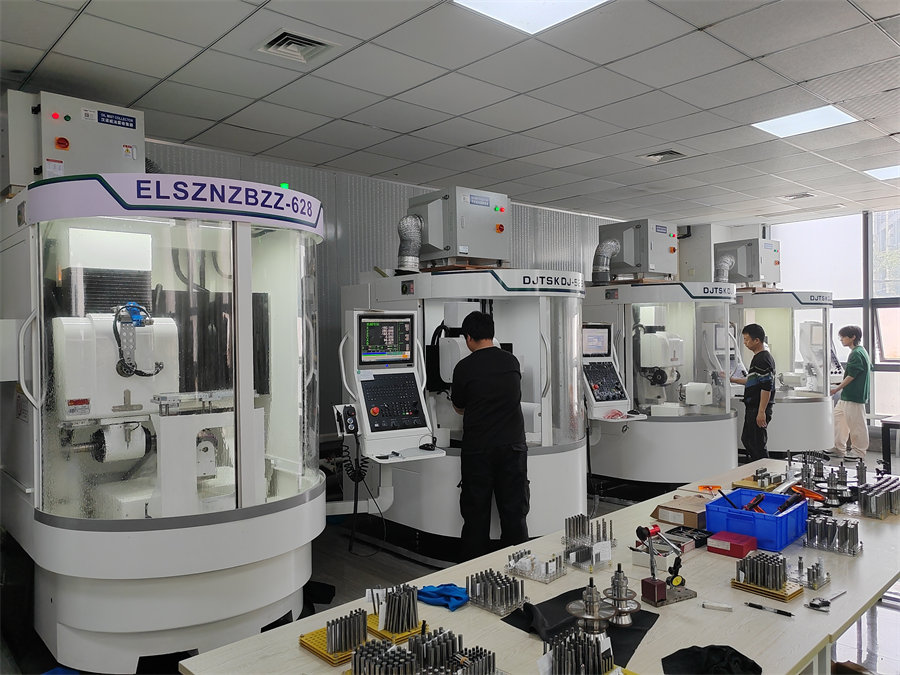
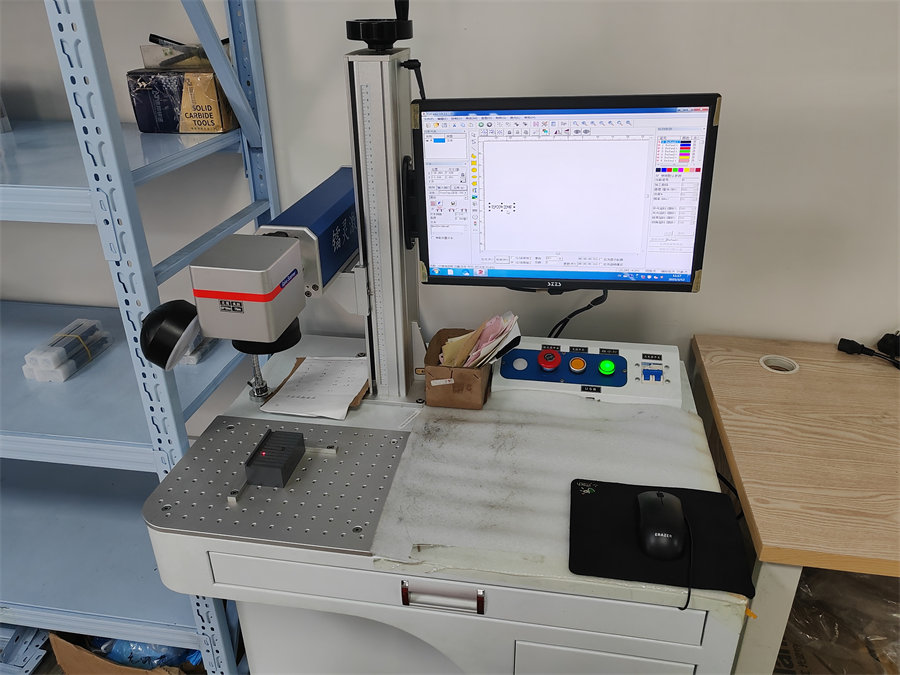
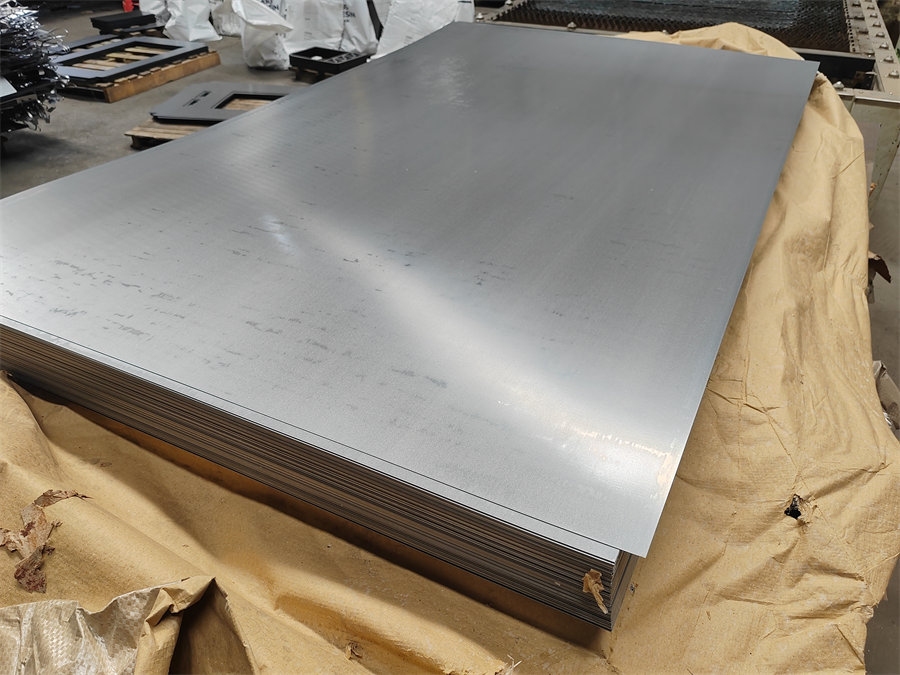
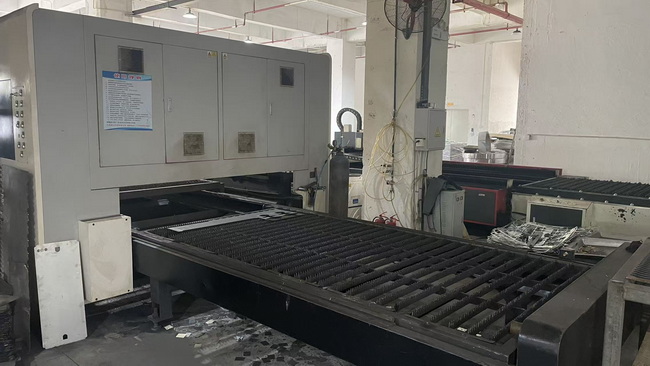
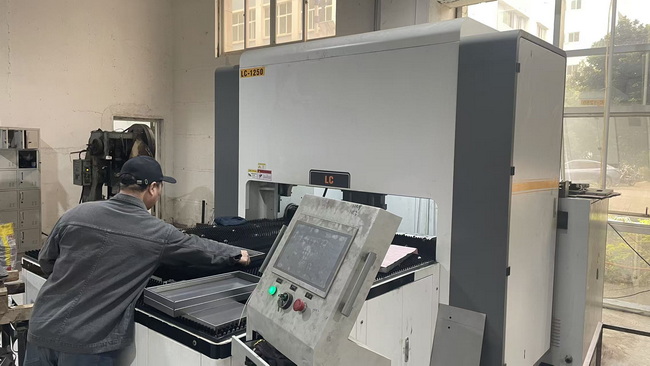
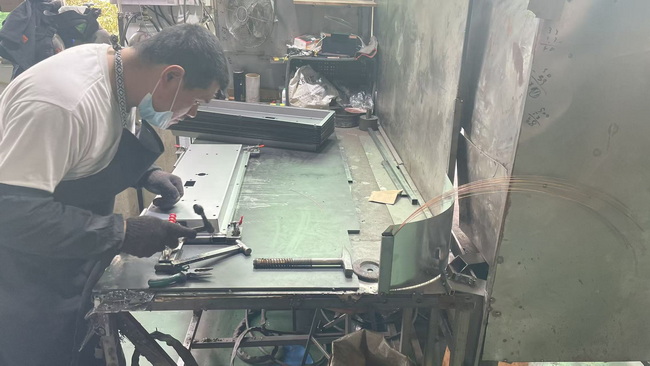
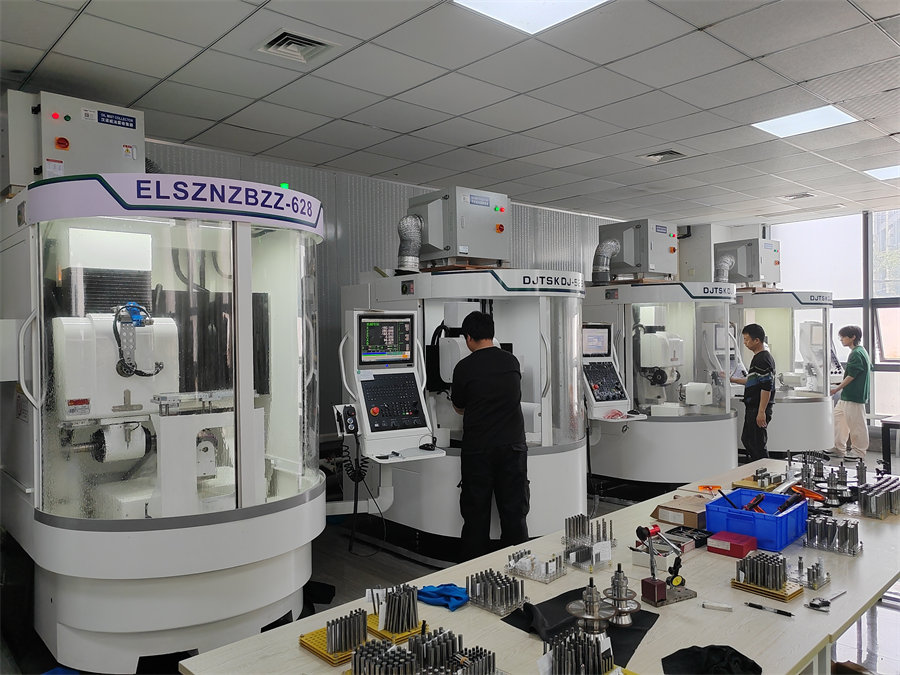
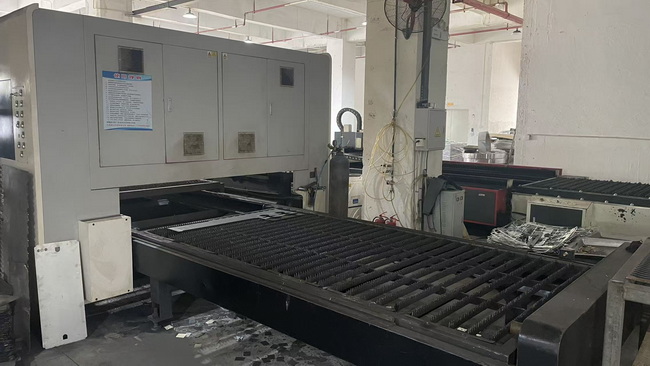
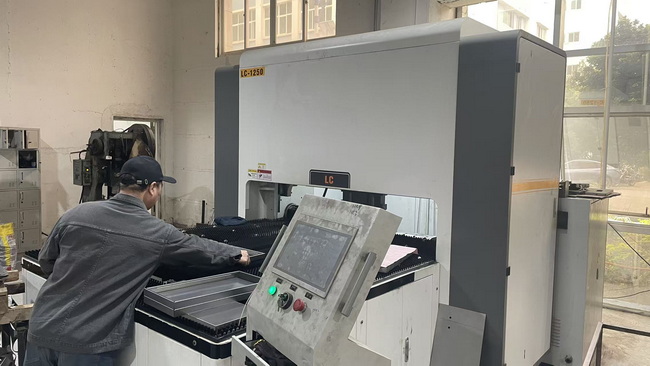
Our comprehensive production capabilities allow us to serve as a reliable OEM partner for global customers. While thermal spray coatings provide surface protection, the underlying components require robust structural fabrication. Suzhou Tier Tool offers vertically integrated processes: from laser cutting, bending, and welding of metal substrates to final high-precision machining using advanced imported CNC tool grinders.
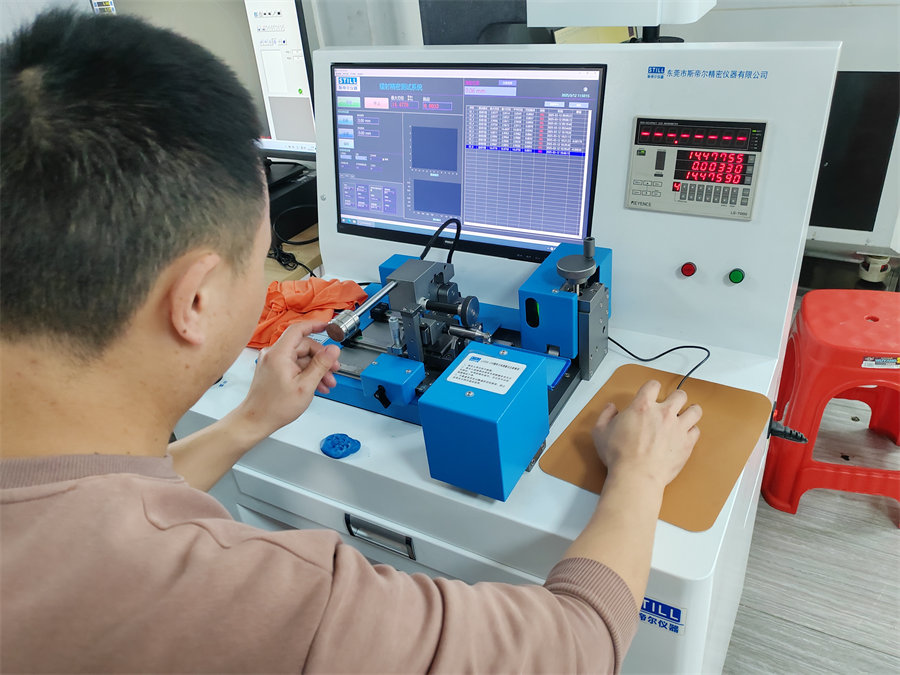
In the field of high-precision machining, there is no margin for error. A single micro-defect in the substrate profile can lead to catastrophic peeling or cracking of thermal spray coatings under operating conditions. Suzhou Tier Tool implements strict incoming quality checks for raw carbide and metallic substrates. Every step of our laser cutting, bending, welding, and grinding process is traceable. This ensures that every tool or machined component delivered to our clients possesses the precise geometries required to support their post-coating and wear-resistant applications.
Partnering with a reliable manufacturer in China offers deep supply-chain advantages for international enterprises. Suzhou Tier Tool Co., Ltd. leverages these strengths to benefit global customers:
International collaboration requires strict adherence to global standards. Suzhou Tier Tool complies with major international industry norms, ensuring seamless validation:
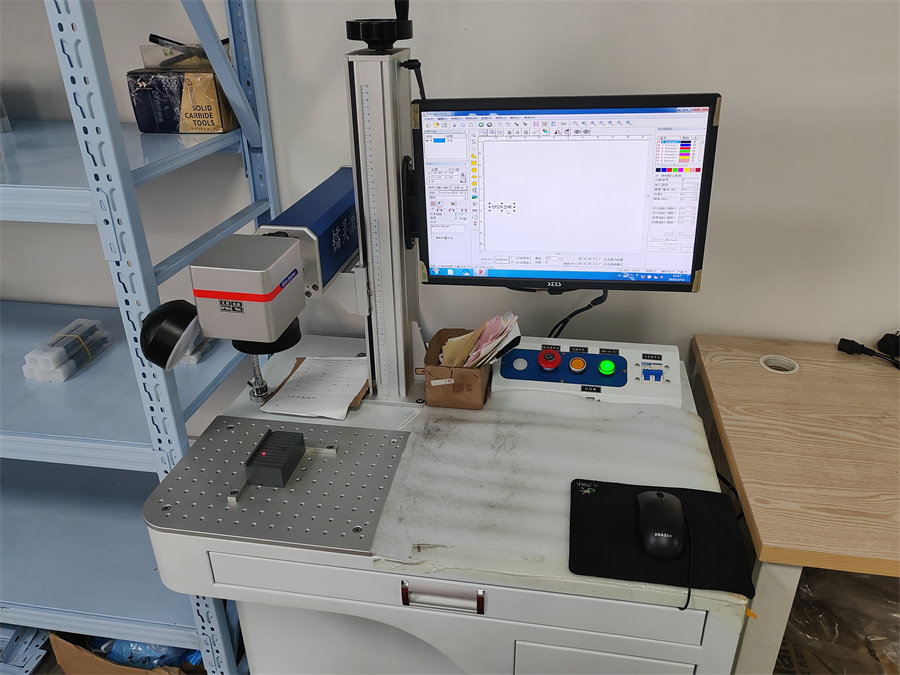
Take an inside look at Suzhou Tier Tool’s state-of-the-art facilities, featuring high-precision machining, bending, welding, laser cutting, and stringent inspection zones.

Direct answers from our senior surface engineers and tooling specialists to address your critical technical queries.
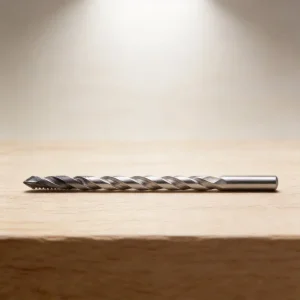
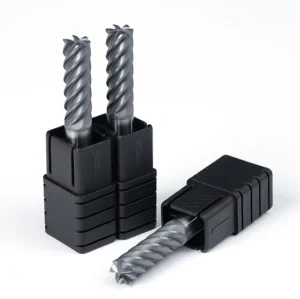
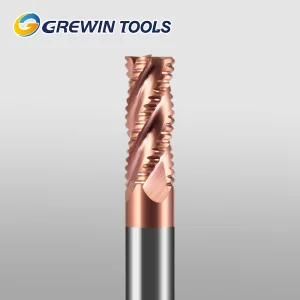
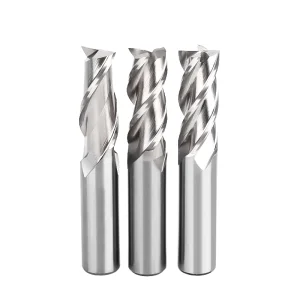
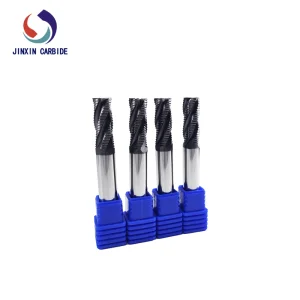
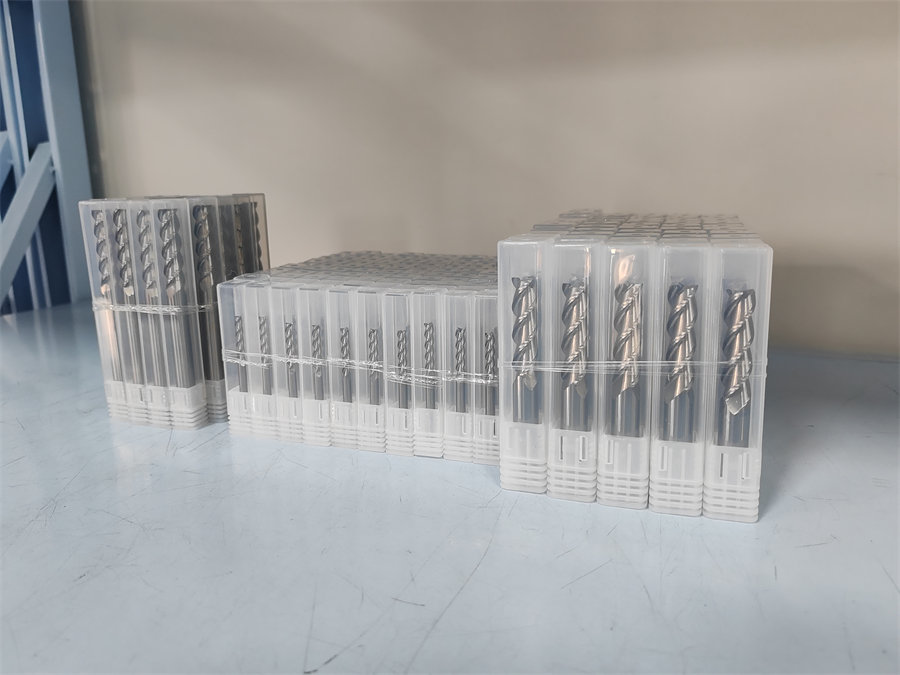
Explore our advanced end mills, roughing tools, and step drills designed to deliver precision and extended tool life under high loads.
 Tier Tool