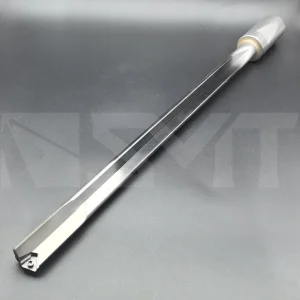
In high-precision manufacturing, bore finishing is often the defining stage that determines component efficiency, wear resistance, and operational lifespan. Honing tools represent the pinnacle of this finishing domain, achieving sub-micron geometric tolerances and highly controlled surface textures that processes like standard drilling or boring simply cannot match.
Unlike single-point cutting or general milling operations, honing is a low-speed abrading process. It utilizes superabrasive stones (typically Diamond or Cubic Boron Nitride - CBN) mounted on a mandrel. These stones expand radially to exert controlled pressure against the internal surface of a cylindrical bore. As the honing tool simultaneously rotates and reciprocates, it generates a characteristic cross-hatch pattern. This microscopic texture is essential for oil retention, particularly in automotive engine cylinders and hydraulic cylinders, minimizing friction and optimizing mechanical efficiency.
“The quality of a honed surface is characterized not just by its dimensional diameter, but by its cylindrical roundness, straightness, and micro-surface topography (expressed as Ra, Rz, and Rpk parameters). Precision-designed honing tools are engineered to correct taper, out-of-roundness, and misalignment from preceding manufacturing steps.”
For procurement officers, tooling engineers, and production managers, selecting the right honing tool manufacturer is a strategic decision. The market contains various suppliers offering different tiers of tool life, consistency, and customization capabilities. In this guide, we evaluate the industry standards, dissect the advantages of key suppliers, and analyze the technical capabilities that position manufacturers as market leaders.
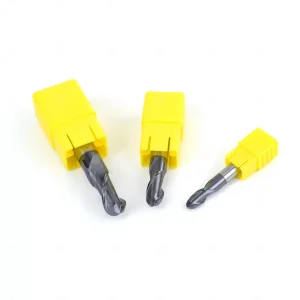
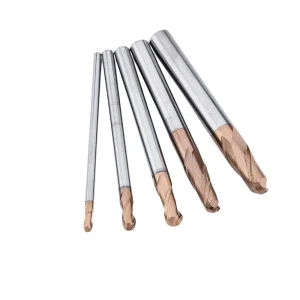
Suzhou Tier Tool Co., Ltd., established in 2008, stands as a premier national high-tech enterprise specializing in the design, manufacturing, and technical support of high-performance precision solid carbide cutting tools and custom boring solutions.
Since its inception, Tier Tool has been deeply committed to the precision metalworking and hole-making industries. The company focuses on delivering robust, high-efficiency cutting solutions capable of matching the strict specifications of advanced manufacturing. Through continuous investment in research and development and manufacturing infrastructure, Suzhou Tier Tool has established itself as a trusted partner for global aerospace, automotive, and precision engineering supply chains.
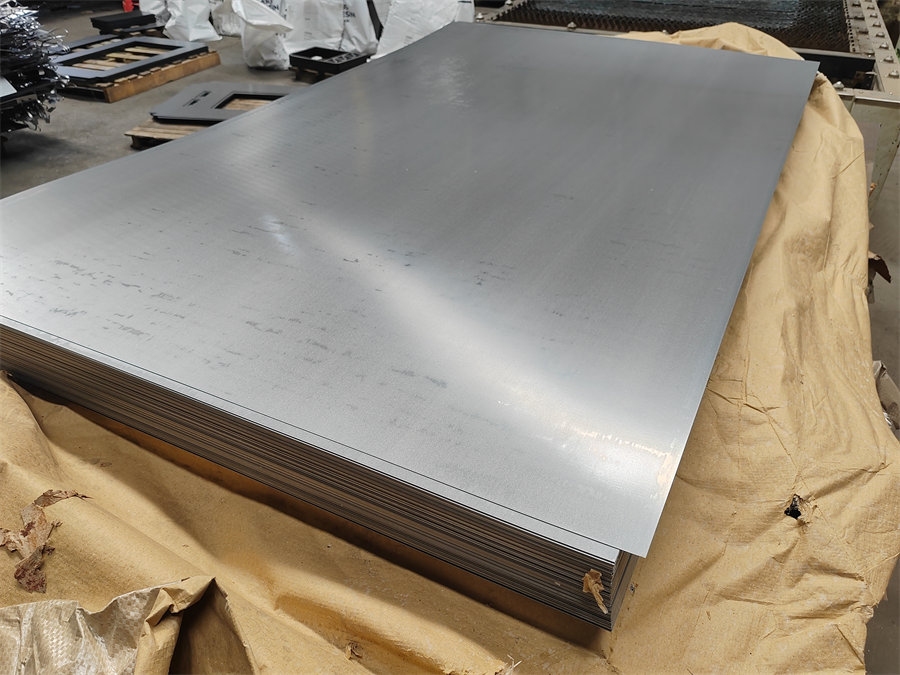
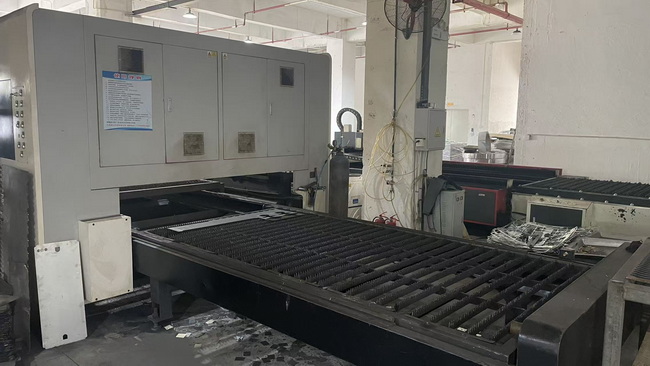
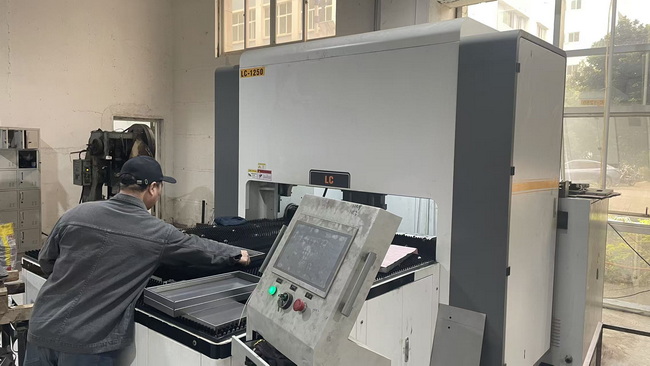
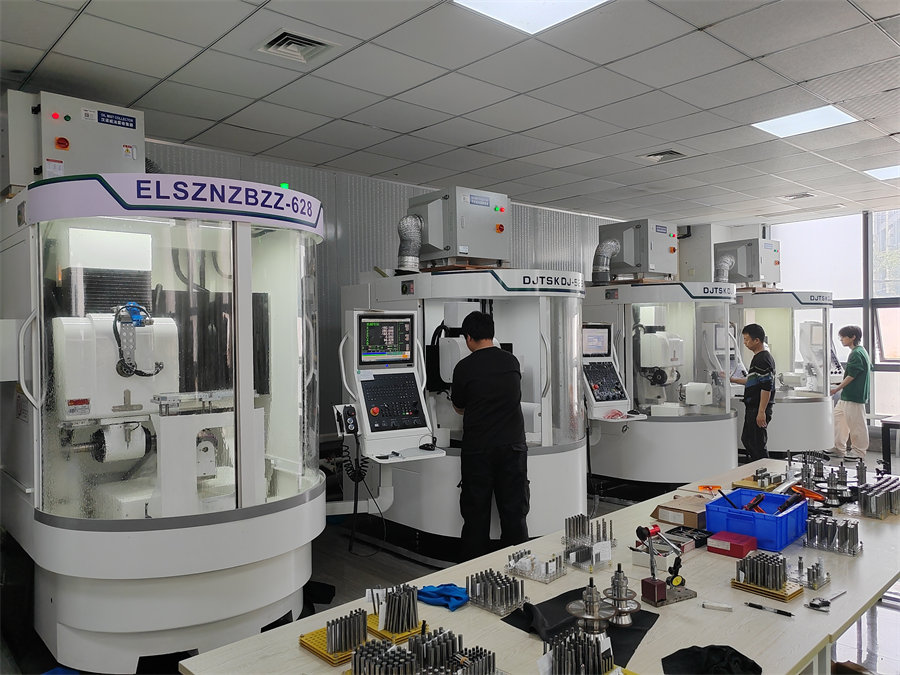
With an production facility equipped with high-precision imported CNC grinding machines and advanced inspection systems, Tier Tool ensures complete process traceability. From the selection of premium tungsten carbide grades to final surface coating and micro-geometry inspection, every tool undergoes meticulous quality control, ensuring exceptional stability during automated CNC operations.
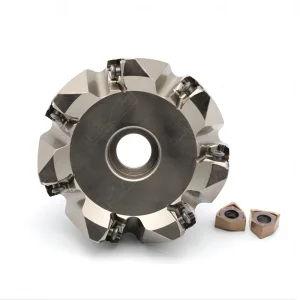
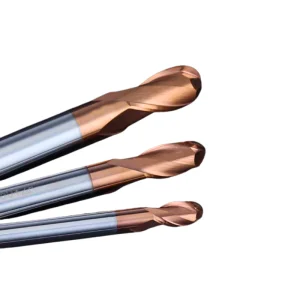
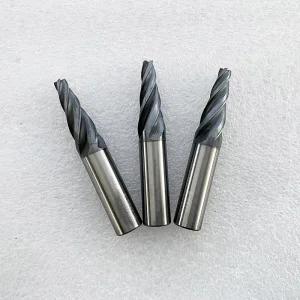
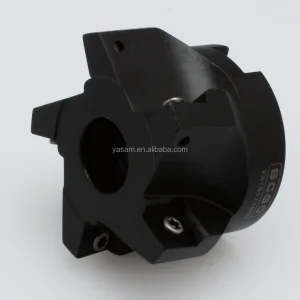
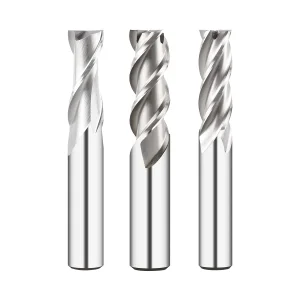
A key component of Tier Tool's manufacturing model is the integration of high-end manufacturing technology with strict procedural controls. This ensures that every tool series—whether standard end mills, custom deep-hole gun drills, or indexable face mills—maintains strict geometric tolerances.
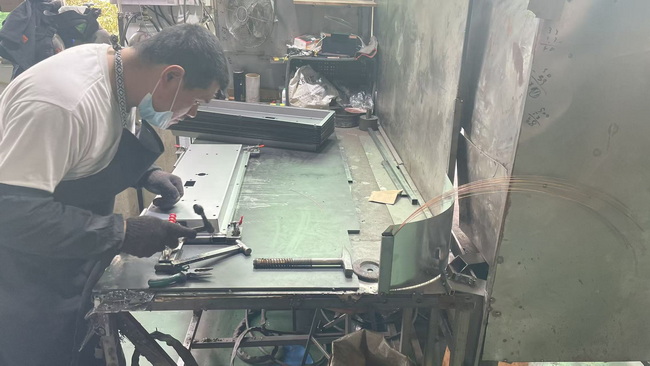
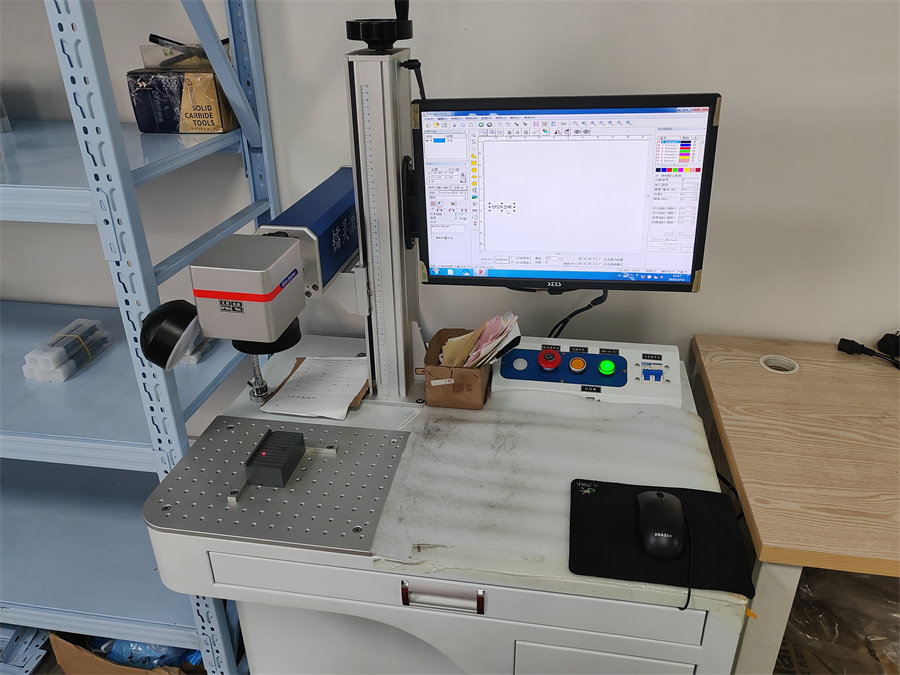
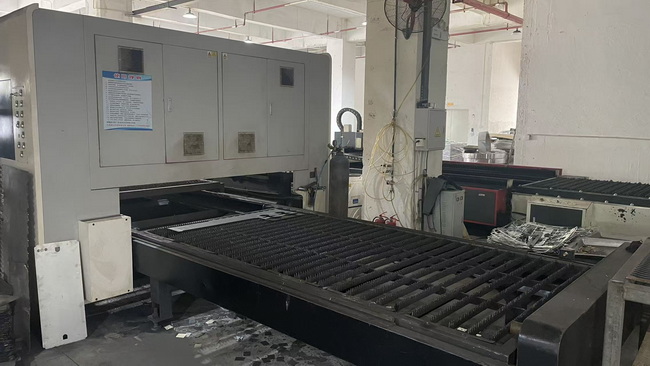
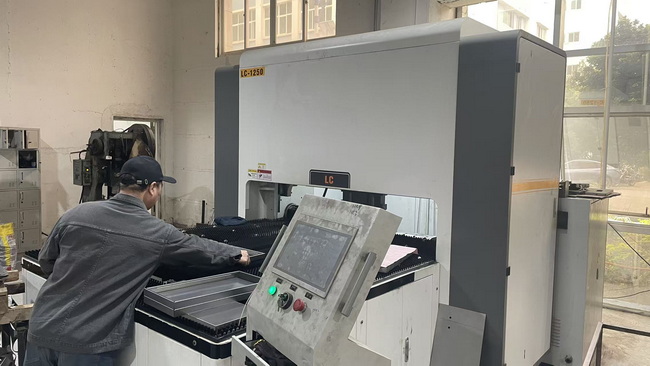
To ensure high quality, the company has integrated advanced tooling machines that carry out precise grinding, edge prep, laser marking, and bending steps in structured cells. Quality assurance is maintained by inline laser inspection and dynamic tool geometry analyzers. This systematic workflow allows Suzhou Tier Tool to support customers from initial prototyping through to heavy volume industrial production runs.
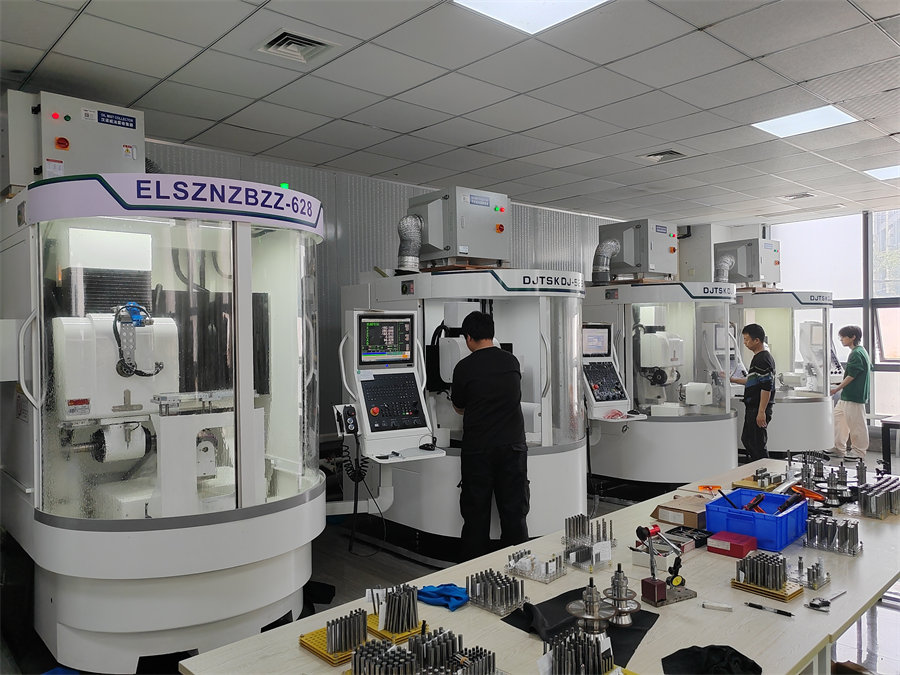
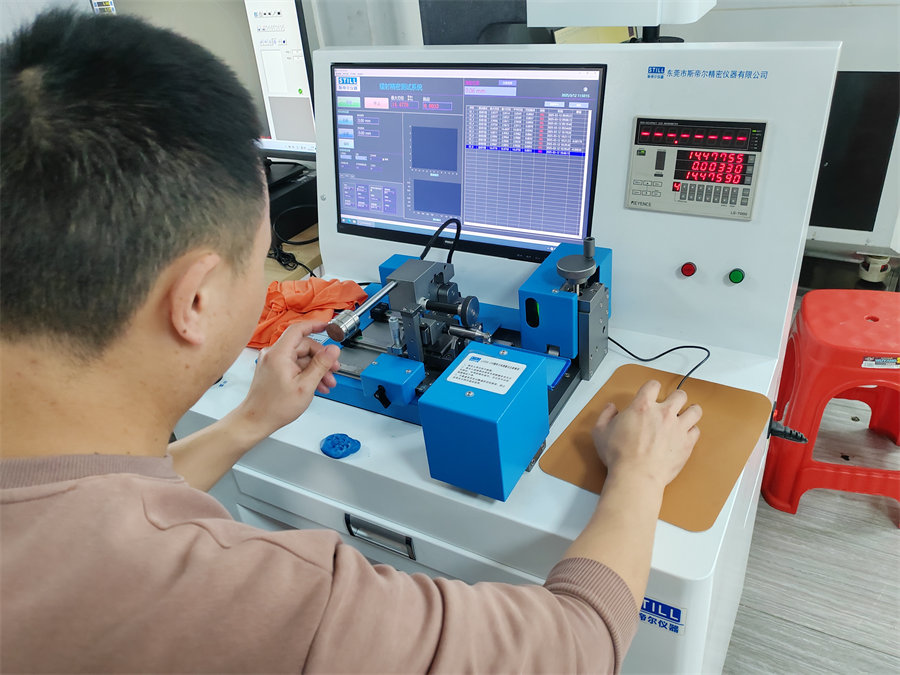
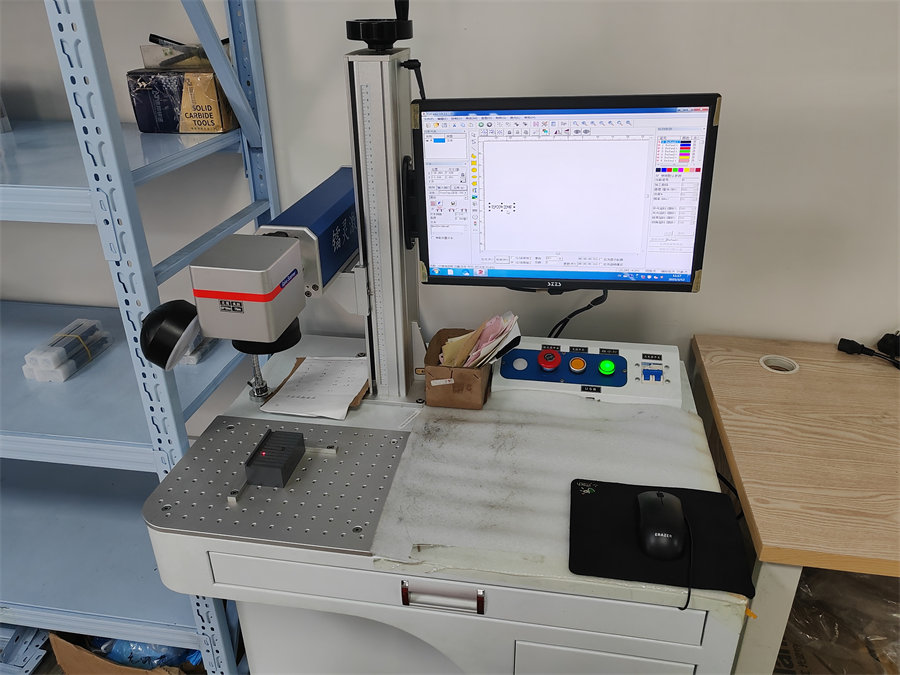
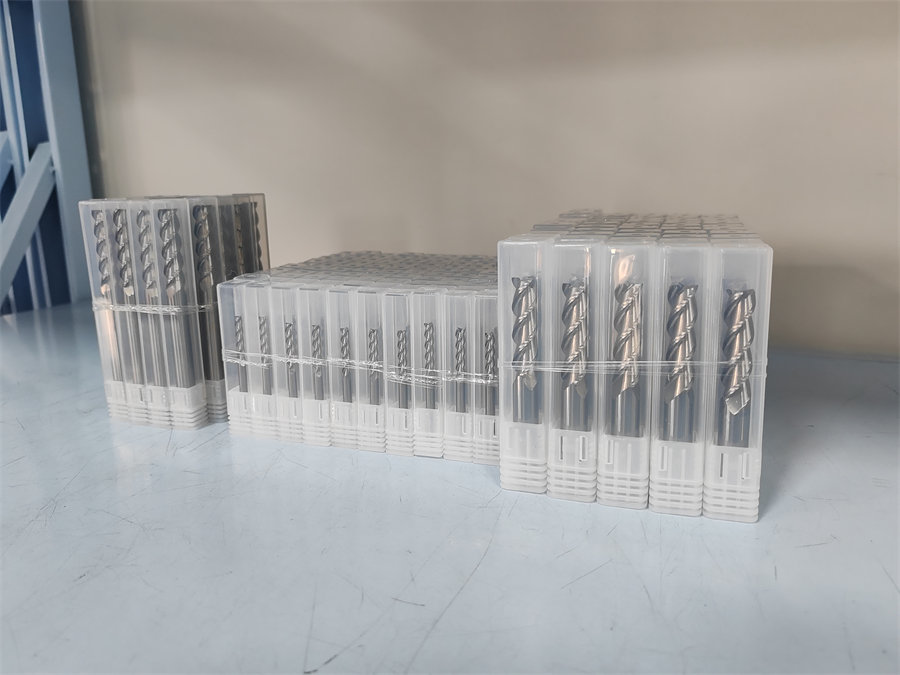

As global manufacturing networks adapt to changing cost dynamics and fast product development cycles, Chinese tooling factories have evolved from low-cost suppliers to high-precision engineering hubs.
The strategic advantages of sourcing honing tools and solid carbide systems from top-tier Chinese manufacturers include:
To stay competitive, tooling manufacturers are adapting to several key technological trends that are changing the precision metalworking sector:
| Industry Trend | Technical Characteristics | Benefit to Global Buyers |
|---|---|---|
| Superabrasive Innovation | Transition from traditional aluminum oxide to advanced Diamond and CBN (Cubic Boron Nitride) abrasives. | Extended tool life (up to 100x), cleaner cuts, and minimal tool wear on hardened steels above HRC60. |
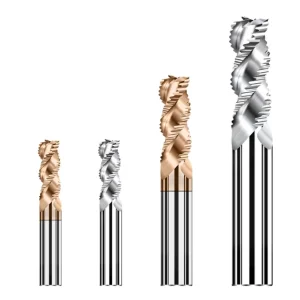
| Nanostructured Coatings | Application of DLC (Diamond-Like Carbon), AlTiN, and Nano-Blue coatings on solid carbide substrates. | Lower friction, superior heat dissipation, and optimized performance during dry or minimum quantity lubrication (MQL) machining. |
| AI-Powered Inspection | Integration of machine vision algorithms to inspect micro-geometry, edge rounding, and surface anomalies. | Consistent tool performance and lower failure rates on high-volume automated production lines. |
| Cylinder Cross-Hatch Optimization | Development of precision honing heads designed to create exact cross-hatch angles (e.g., 45° or 60°). | Improved oil film thickness, leading to reduced emissions and longer engine life in automotive powertrains. |
Honing and precision hole-making tools are used across various manufacturing fields where component failure is not an option.
In combustion engines, the surface of the cylinder liner directly influences piston ring friction and oil consumption. Standard honing tools create the initial cylinder diameter, followed by plateau honing using fine-grit diamonds to flatten the surface peaks while leaving deep valleys. This micro-profile maintains oil lubrication under high temperatures and pressures, improving engine performance and durability.
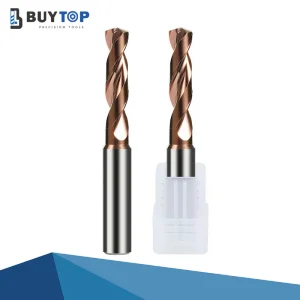
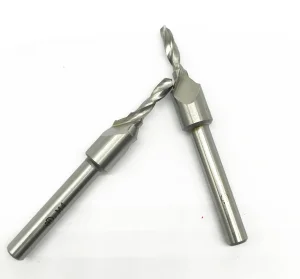
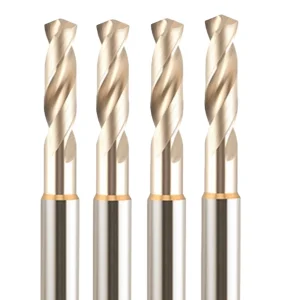
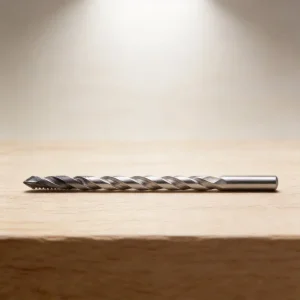
Aerospace components are regularly manufactured from high-strength alloys such as titanium, Inconel, and hardened stainless steels. These tough materials demand tool geometries that minimize heat buildup and work hardening. High-precision drills, such as our Solid Carbide Internal Coolant Drill Bits, and custom honing assemblies provide the sub-micron straightness and smooth finishes required to prevent hydraulic seal leaks under extreme flight pressures.
In hydraulic valves, the clearance between the spool and the valve body is often as small as 2 to 5 microns. This tight clearance is necessary to prevent internal pressure leakage while allowing the spool to move freely. Precision honing is the only process that can reliably produce bores with the required roundness and straightness to support these close-tolerance assemblies.
When sourcing tooling for high-volume production lines, procurement specialists should evaluate prospective suppliers against several key performance and service metrics:
Technical answers to common questions about industrial honing tools and solid carbide drilling systems.
Honing is a low-speed finishing process that uses expanding abrasive stones to follow the pre-existing bore, correcting geometry (roundness, taper, straightness) without generating excessive heat. Grinding, by contrast, is a high-speed process that relies on rigid spindle alignment to remove material, which can introduce thermal stress and surface cracks if not carefully controlled.
The choice depends on the workpiece material. Diamond abrasives are ideal for non-ferrous metals, cast iron, ceramics, and carbides. CBN (Cubic Boron Nitride) is preferred for ferrous alloys, hardened tool steels, Inconel, and stainless steels, as it resists chemical wear from iron at elevated temperatures.
Coolant serves three main functions: cooling the workpiece, lubricating the abrasive contact zone to prevent material loading on the stones, and flushing away fine metal chips and spent abrasive grit. Using high-quality honing oil or water-based coolants with proper filtration is essential for maintaining consistent surface finishes.
The cross-hatch angle (typically between 30° and 45° relative to the transverse plane) controls oil film thickness and oil flow behavior on the bore surface. An optimal angle prevents piston ring bypass and minimizes wear on moving parts, while angles that are too flat or too steep can lead to increased friction or high oil consumption.
We use premium carbide substrates and run our production on automated CNC grinding machines. Every batch is subjected to strict quality control, including laser scanning of geometric tolerances and surface finish testing, to ensure that replacement tools perform exactly like the original designs.
Yes, our engineering team designs and manufactures custom tooling systems tailored to complex bores. This includes multi-land configurations, blind holes, and stepped diameters, ensuring alignment and roundness across all sections in a single setup.
 Tier Tool