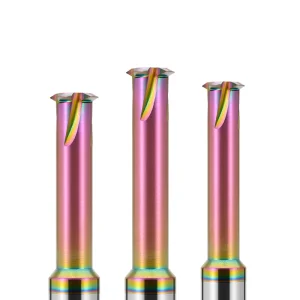
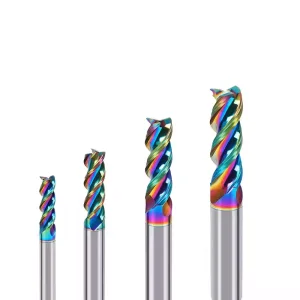
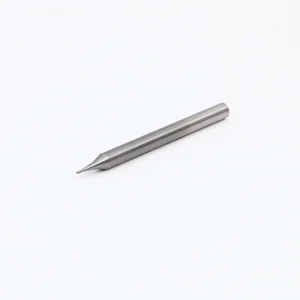
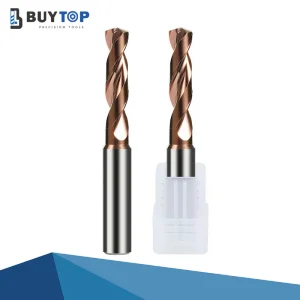
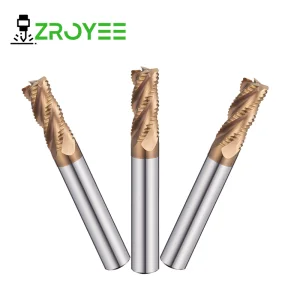
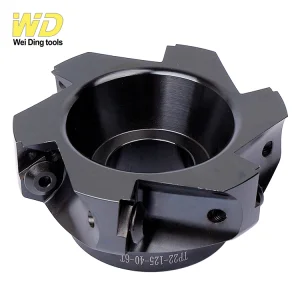
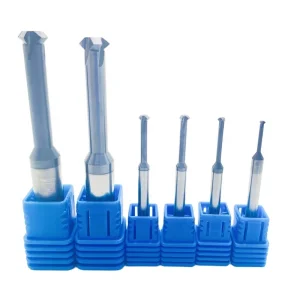
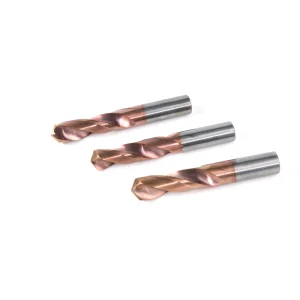
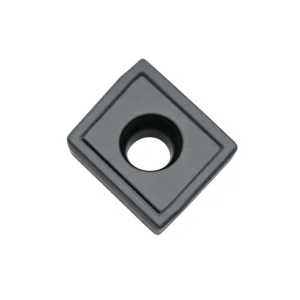
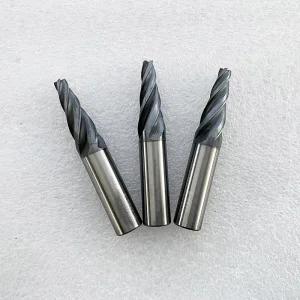
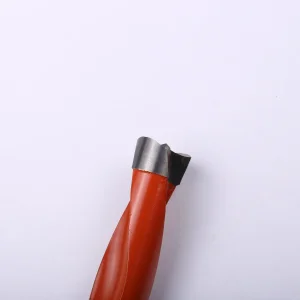
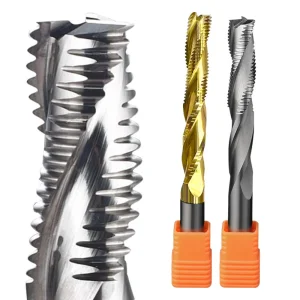
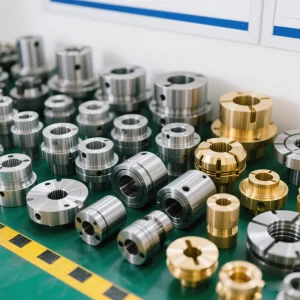
Explore high-performance deep-hole drills, specialized end mills, and indexable face cutters engineered for extreme surface finishes and precise tolerances.
High-speed CNC machining center requirements demand tools built with exceptional wear resistance, thermal stability, and exact cutting edge geometries.
In high-precision manufacturing, the cost of cutting tools accounts for only 3% to 5% of total production costs, yet their impact influences up to 20% of overall CNC machining productivity. Selecting reliable suppliers from the top factories globally is crucial to reducing machine downtime and avoiding catastrophic tool failures. A professional supplier must master two fundamental processes: precision metallurgy (powder selection, cobalt binding density) and geometrical micro-engineering (honed cutting edge preparation).
Modern heavy-duty industries (such as automotive powertrains, aerospace composites, and oil & gas machinery components) require tool geometries optimized for specialized workpiece materials. For example, machining high-nickel superalloys or hardened steel above 60 HRC generates extreme friction. Without advanced carbide substrates and thermal-barrier coatings, the tools experience rapid flank wear and thermal degradation.
Top global suppliers provide more than off-the-shelf tools; they offer application engineering. By adjusting variables like the helix angle, rake face finish, and micro-grain structure, a certified factory can extend tool life by up to 250% compared to standard generic cutters, demonstrating true Information Gain in shop-floor efficiency.
Established in 2008, Suzhou Tier Tool Co., Ltd. is a national high-tech enterprise specializing in the design, manufacturing, and comprehensive technical support of precision solid carbide cutting tools. Over more than 15 years, the company has integrated engineering design, advanced grinding, and systematic validation to serve highly demanding production sectors.
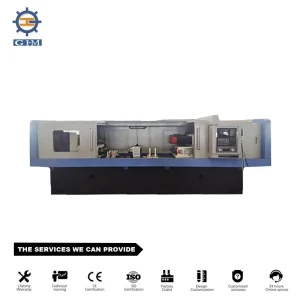
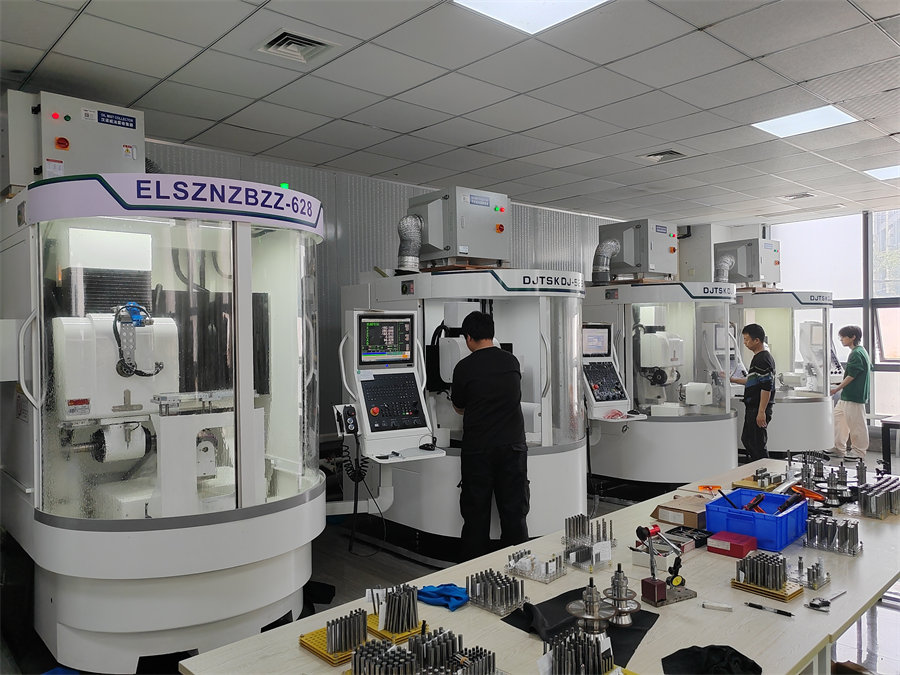
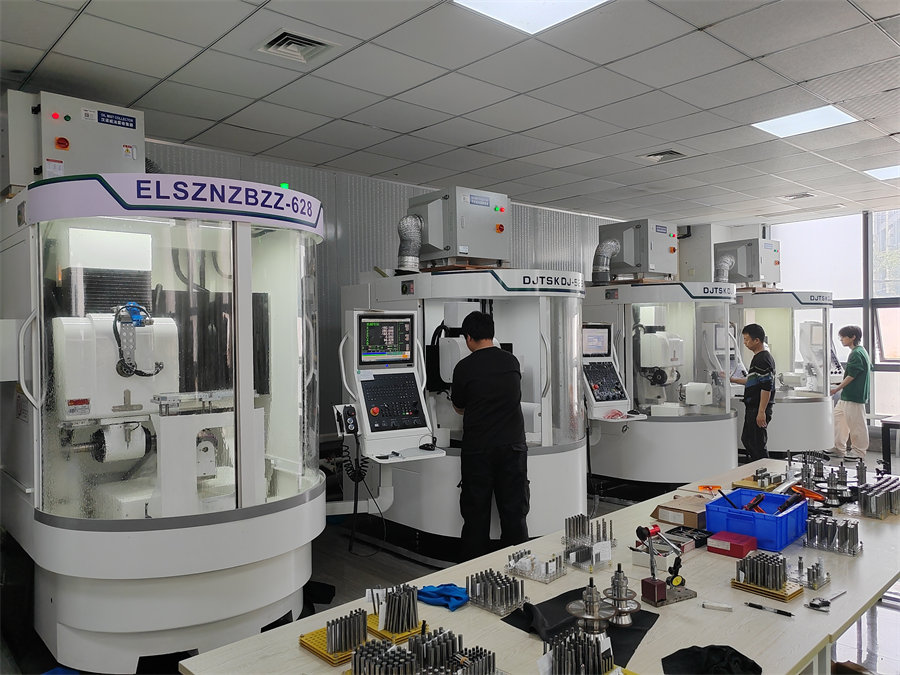
Operating high-end multi-axis CNC grinding machines, Tier Tool manages everything in-house. This includes custom prototype design, high-precision geometry validation, and large-scale industrial output with consistent tolerances.
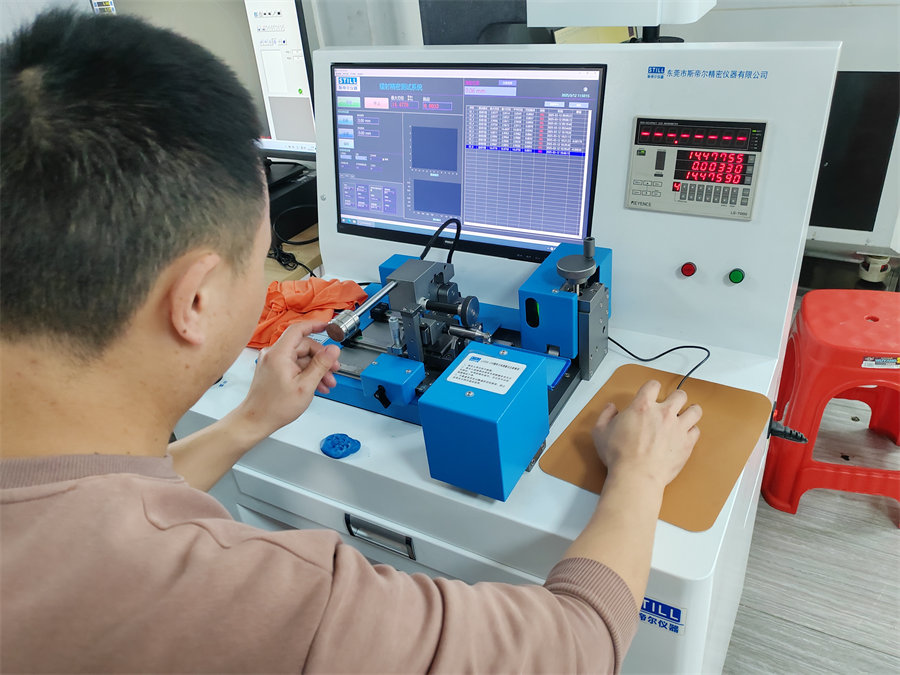
Following the philosophy of "Quality First, Continuous Improvement", Tier Tool implements multi-stage inspections, measuring batch variance with optical metrology systems to guarantee dimensional stability.
Beyond order fulfillment, their application engineering teams partner directly with machine shops to analyze cutting parameters, optimize chip load, and lower total tool-use costs.
Understanding the industrial advantages that enable Chinese precision tooling manufacturers to meet global quality standards.
China holds over 60% of the world's raw tungsten reserves, providing a strategic upstream raw material advantage. In regional industrial hubs like Suzhou, tool factories operate within tightly integrated networks of powder metallurgy, physical vapor deposition (PVD) coating facilities, and advanced heat treatment centers.
This proximity reduces lead times and logistics costs. Combined with large-scale production capacities and skilled engineering workforces, Chinese factories deliver tool life comparable to European or Japanese counterparts at a competitive price, offering excellent ROI for global manufacturers.
When sourcing custom tools, international purchasing managers should evaluate suppliers on several critical parameters:
Understanding the role of modern material science and structural design in high-performance cutting tools.
Aluminum Titanium Nitride (AlTiN) forms a protective aluminum oxide (Al2O3) layer at high temperatures, shielding the underlying carbide from thermal degradation. Silicon-doped coatings (TiSiN) provide micro-hardness ratings of up to 3800 HV, making them suitable for dry machining hardened tool steels up to HRC65.
For non-ferrous materials like aluminum alloys, DLC coatings feature an extremely low coefficient of friction (<0.1) and high hardness. This minimizes the risk of Built-Up Edge (BUE), a common failure mode where ductile aluminum adheres to the cutting flutes, ensuring smooth chip evacuation.
Traditional end mills can suffer from harmonic vibrations that cause poor surface finishes. By introducing variable flutes and specialized U-groove designs, tool designers disrupt these resonant frequencies. This optimization improves surface finish quality (Ra) and chip volume removal rates (MRR).
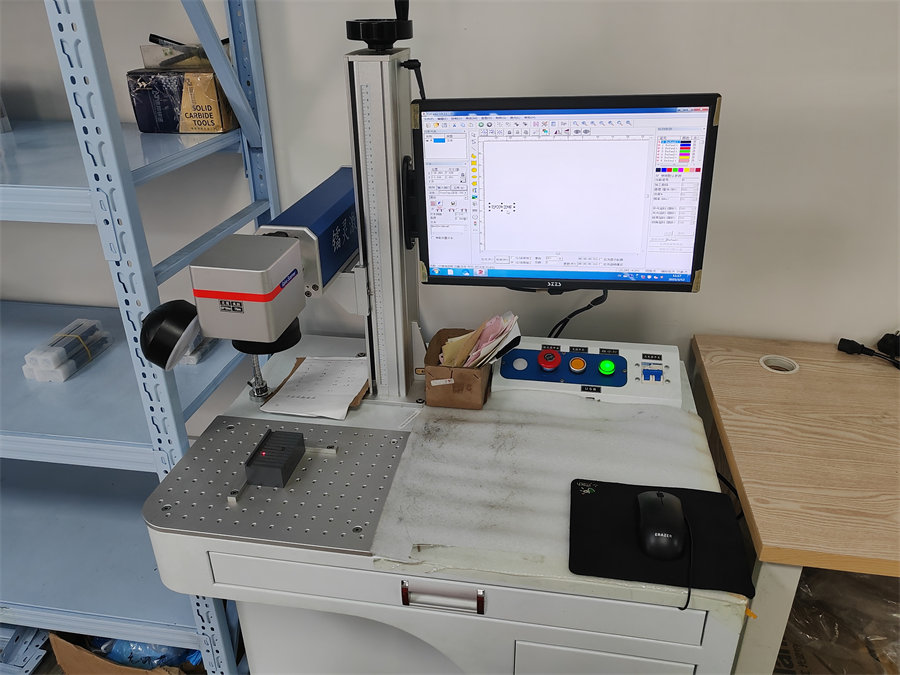
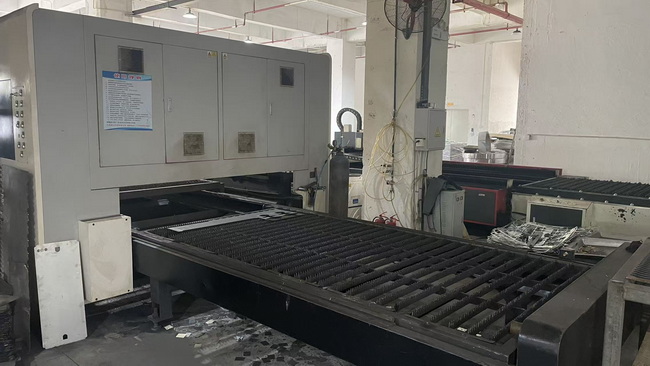
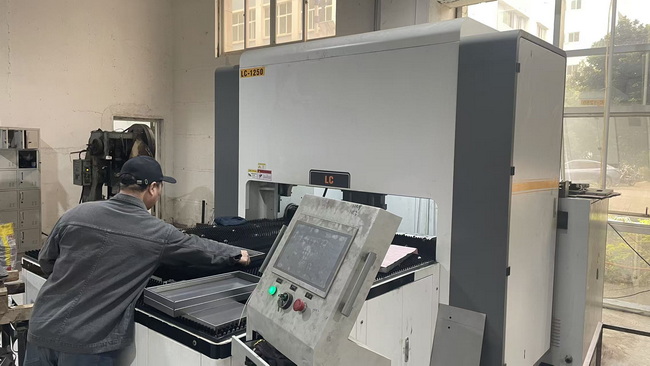
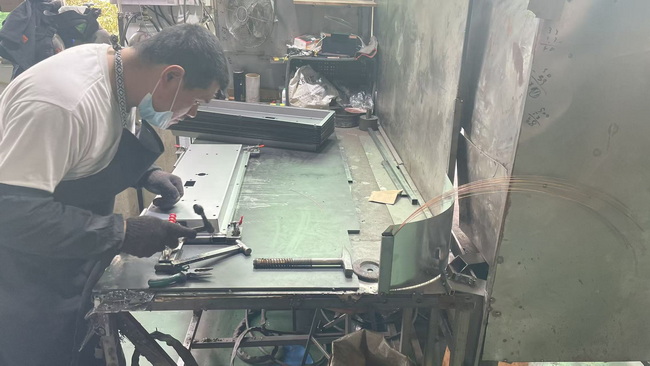
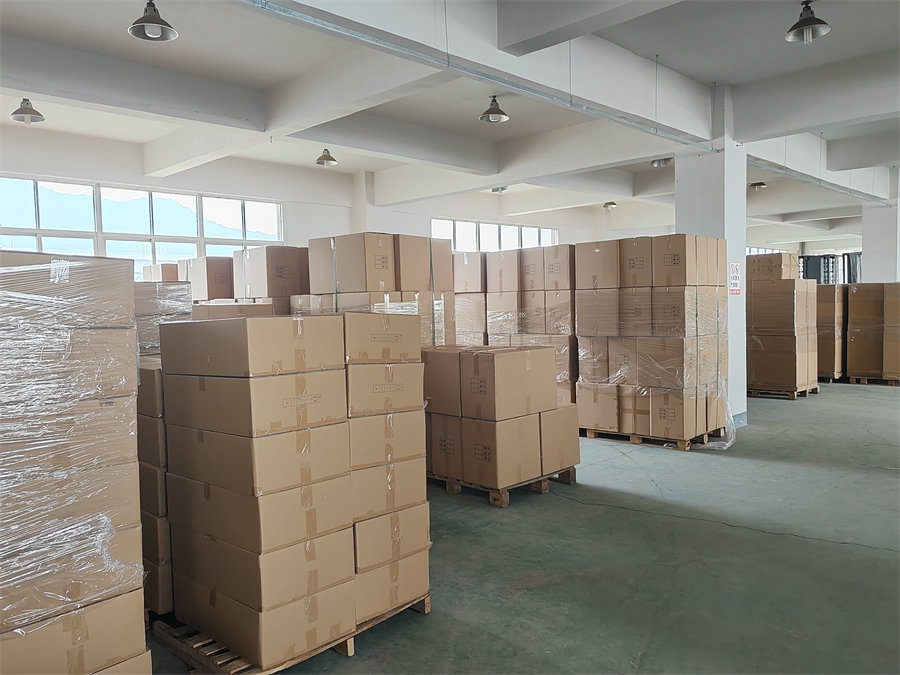
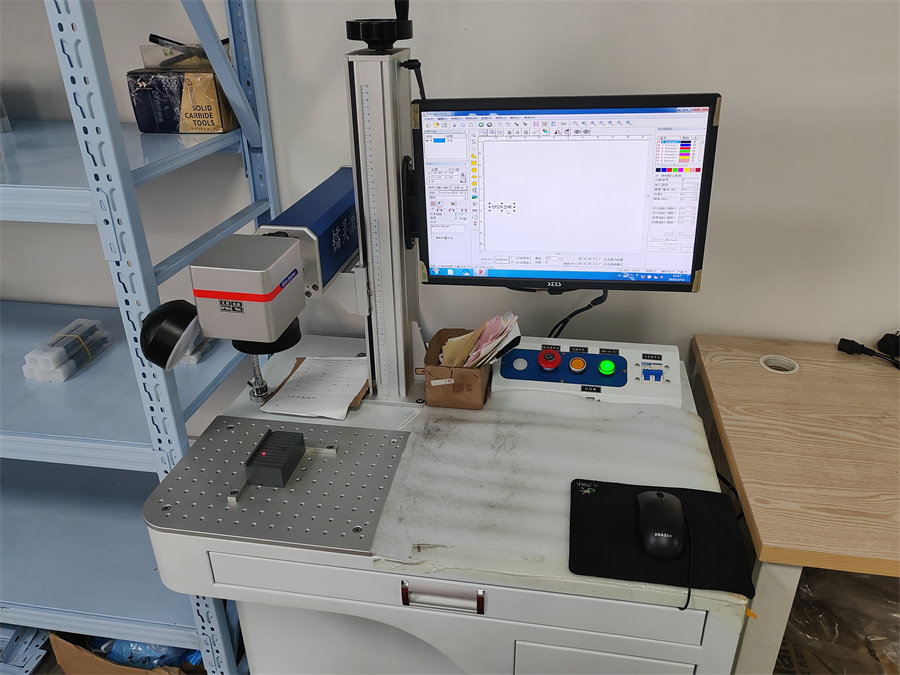
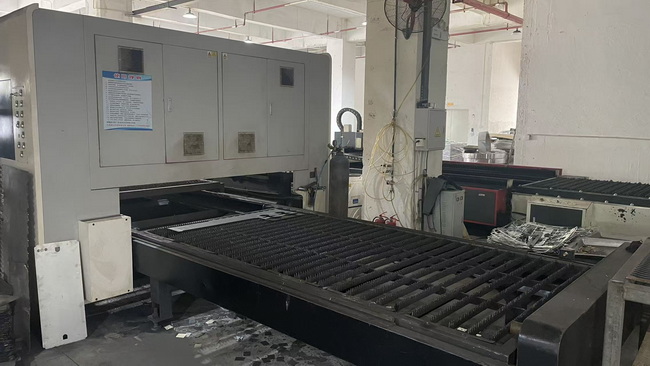
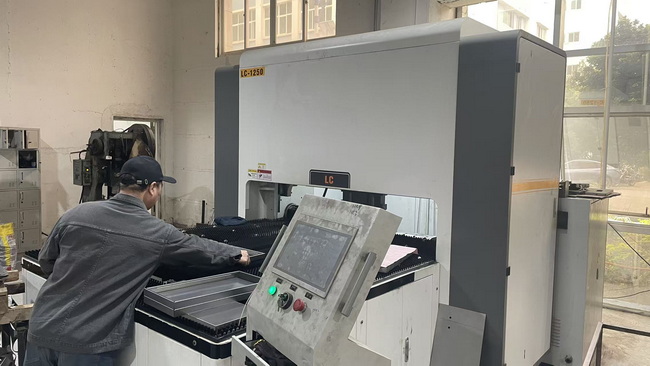
An inside look at our manufacturing workflow, including advanced CNC grinding, laser profiling, and multi-stage testing facilities.
How global supply chains navigate technical regulations, localized application scenarios, and the rise of green machining.
Exporting industrial cutting tools requires strict adherence to international standards. Certified manufacturing partners maintain compliance under ISO 9001:2015 for quality management systems. Materials must comply with environmental directives such as RoHS (Restriction of Hazardous Substances) and REACH, ensuring they are free from restricted conflict minerals and heavy metals.
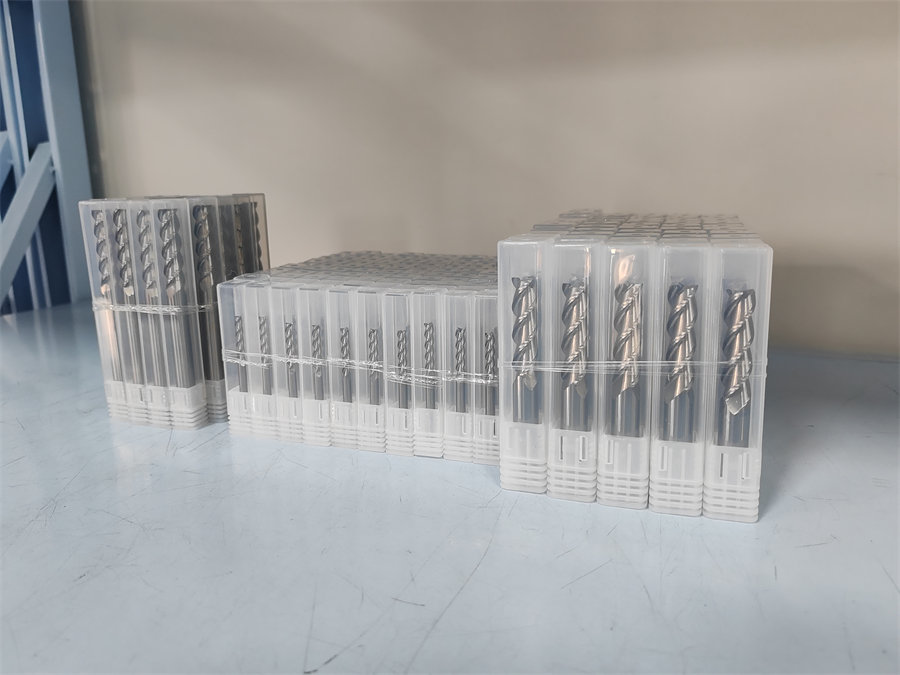
Furthermore, tool packaging requires protective steps to survive ocean freight. Industrial-grade plastic tubes, anti-corrosion coatings, and vacuum-sealed desiccant packs prevent micro-oxidation on the cutting edges before they reach the customer.
The metalworking industry is shifting toward sustainable practices. **Minimum Quantity Lubrication (MQL)** and dry machining are replacing flood coolants to minimize environmental impact. This shift requires cutting tools with higher heat resistance.
Tools coated with TiAlN/TiSiN compositions are engineered to withstand heat by forming a protective layer at high temperatures. In response, advanced factories are refining substrate materials to offer high heat tolerance, helping shops decrease coolant reliance without sacrificing productivity.
Expert answers to common engineering questions regarding tool geometries, material selections, and CNC performance parameters.
Browse our second collection of high-performance tools, including single-tooth thread mills, indexable U-drills, and CNC custom machining services.
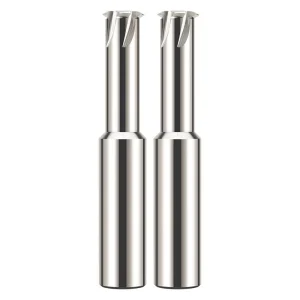
 Tier Tool