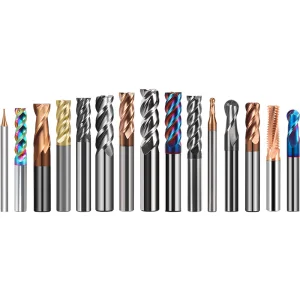
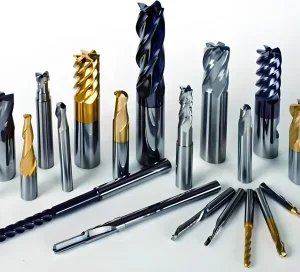
Premium factory-direct precision drilling and milling tools engineered for challenging workpiece materials and strict dimensional accuracy.
A deep exploration into material substrates, engineering parameters, and global sourcing strategies for solid carbide keyway cutters.
Keyway cutters are specialty end mills designed specifically to mill critical slots and keyways in rotating shafts, gear couplings, and power transmission components. Machining keyways demands precise tool diameter tolerances (e.g., e8 or d9 fits) to avoid loose key matches or difficult assemblies. Tool vibration, axial deflection, and thermal stress represent the leading failure modes. By optimizing tool geometry with variable helix angles and unequal index structures, manufacturers achieve chatter-free machining, ensuring uniform force distribution and exceptional surface finish.
The performance of modern keyway cutters hinges on the engineering of their substrate. Suzhou Tier Tool Co., Ltd. utilizes ultra-fine grain tungsten carbide (WC) substrates with particle sizes down to 0.4 microns. Cobalt percentages are balanced precisely between 10% and 12% to provide a high Transverse Rupture Strength (TRS) without compromising hardness. Advanced physical vapor deposition (PVD) coatings, such as TiAlN (Titanium Aluminum Nitride), AlTiN (Aluminum Titanium Nitride), and silicon-doped Nano Blue coatings, protect the cutting edge from oxidation at temperatures exceeding 900°C.
Milling keyways involves slotting conditions where the tool is engaged on both sides, creating a highly confined zone. Standard chip evacuation paths are restricted. A dedicated keyway cutter features optimized flute spacing and highly polished gullets. Without smooth gullets, chips recut, leading to catastrophic tool failure. Tier Tool employs a proprietary tooth design that creates shorter, tighter chips that are easily expelled using high-pressure coolant systems or air blasts during dry machining.
A certified high-tech enterprise specializing in precision engineering, design prototyping, and mass-scale production of solid carbide cutting tools.
Suzhou Tier Tool Co., Ltd. was established in 2008 and is a national high-tech enterprise specializing in the design, manufacturing, and technical support of precision solid carbide cutting tools. Since its foundation, Tier Tool has been deeply committed to the precision machining industry, focusing on delivering high-performance, high-efficiency cutting solutions for hole-making and metalworking applications. Through continuous technological innovation and manufacturing excellence, the company has earned the trust of customers across a wide range of industries worldwide.
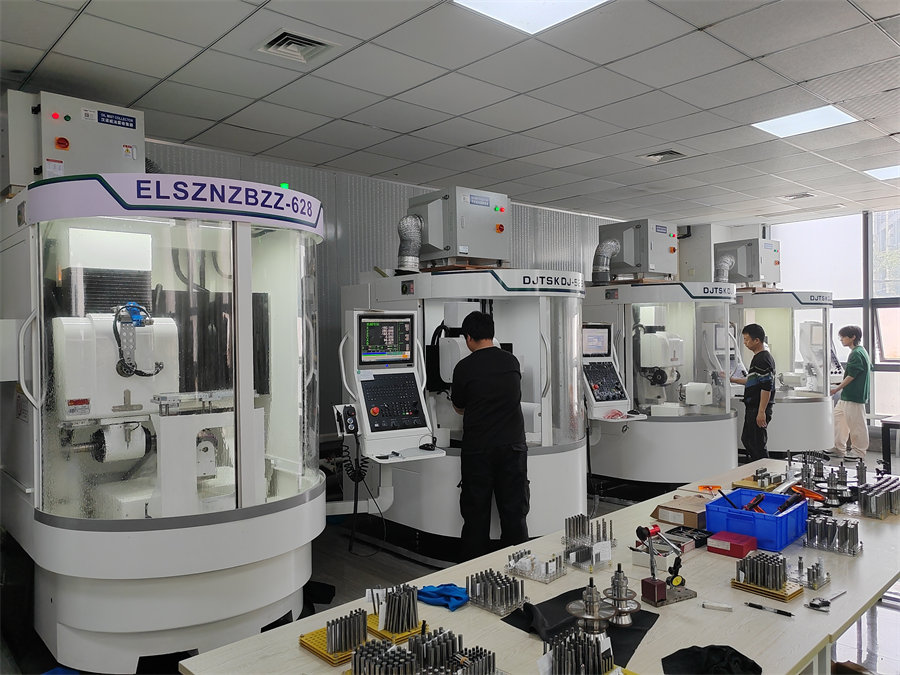
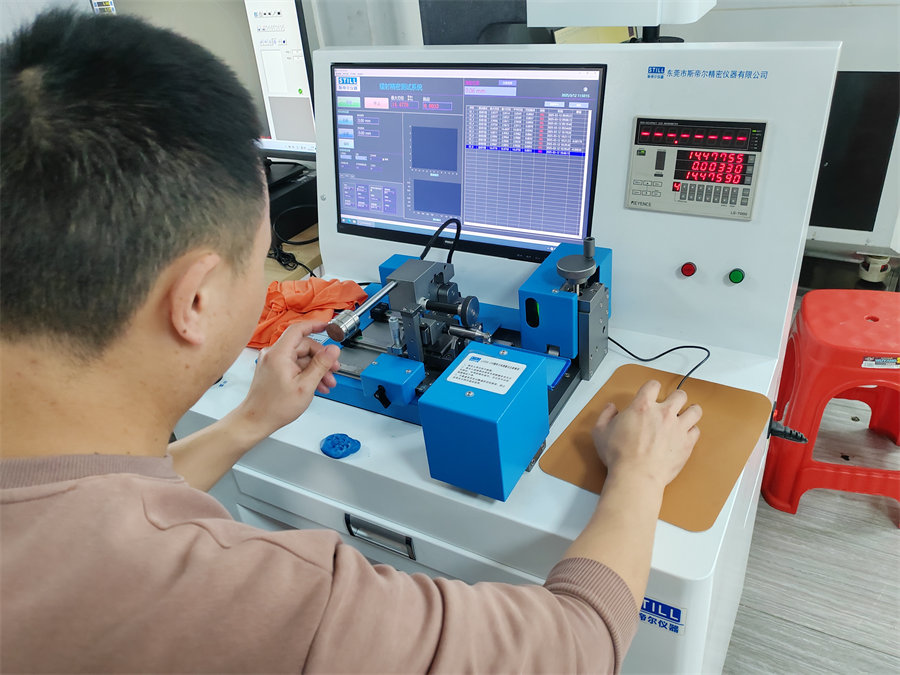
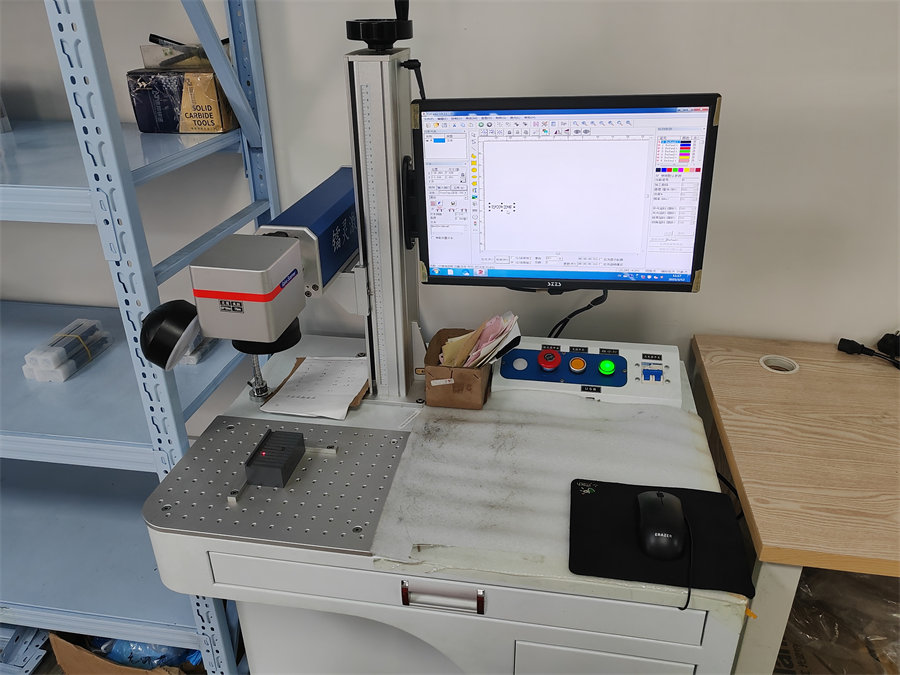
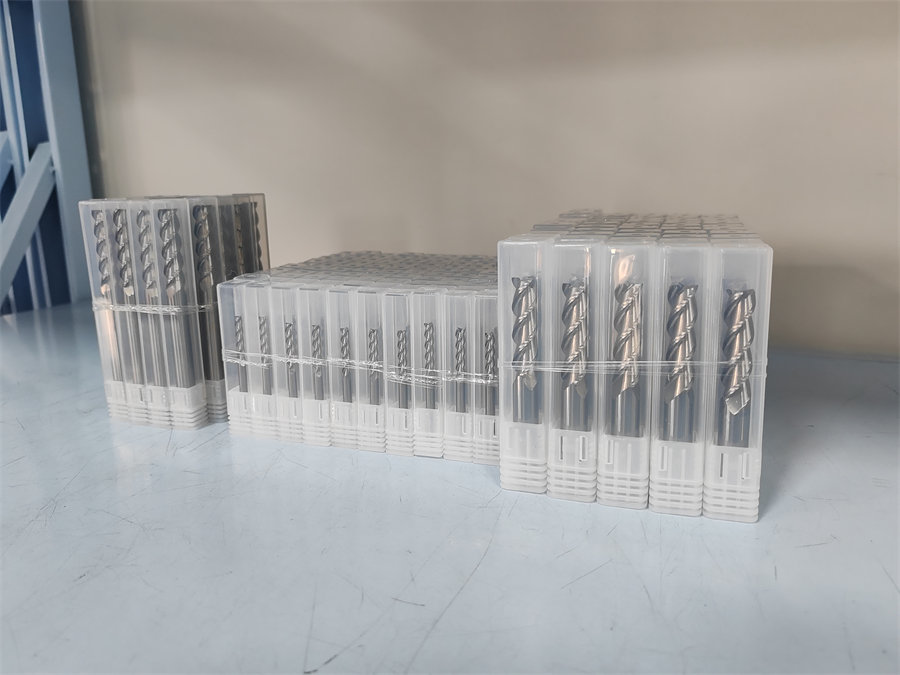
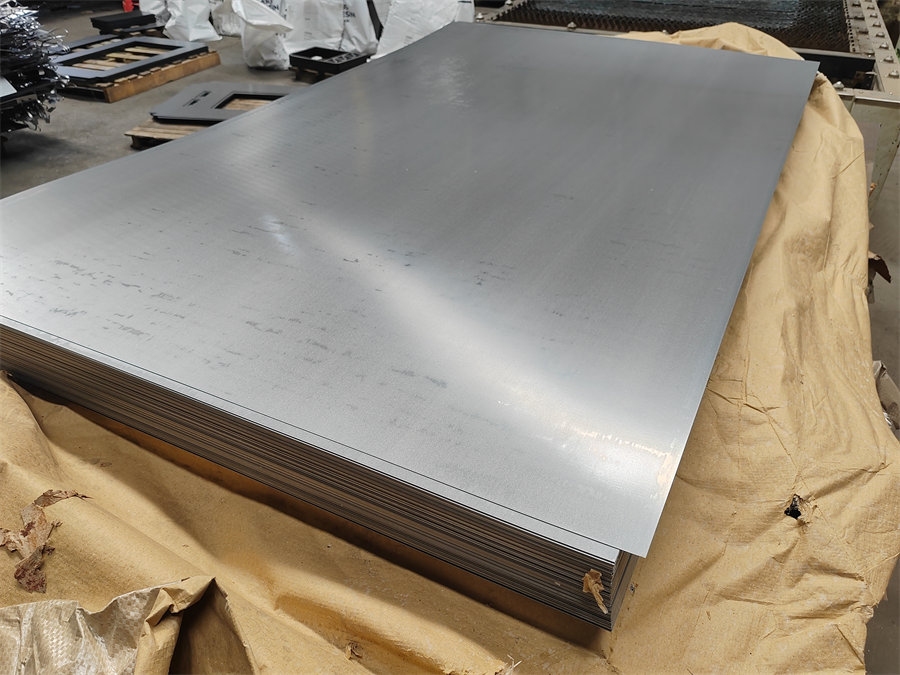
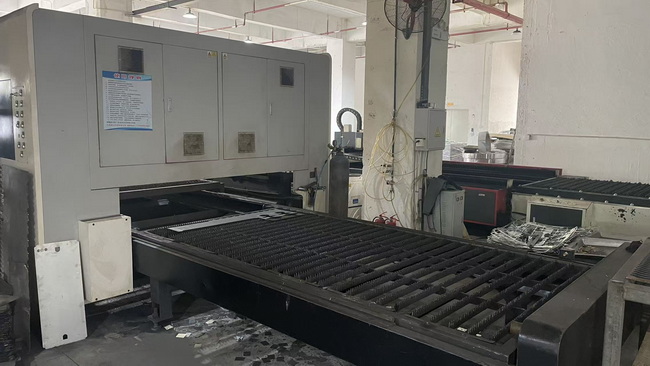
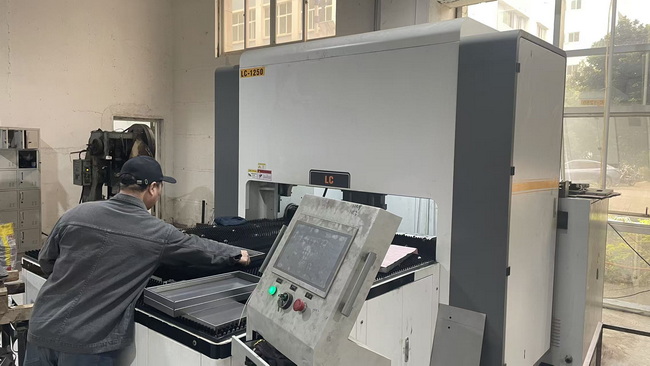
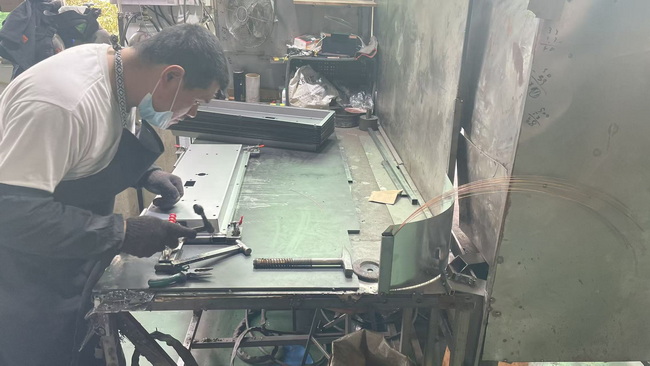
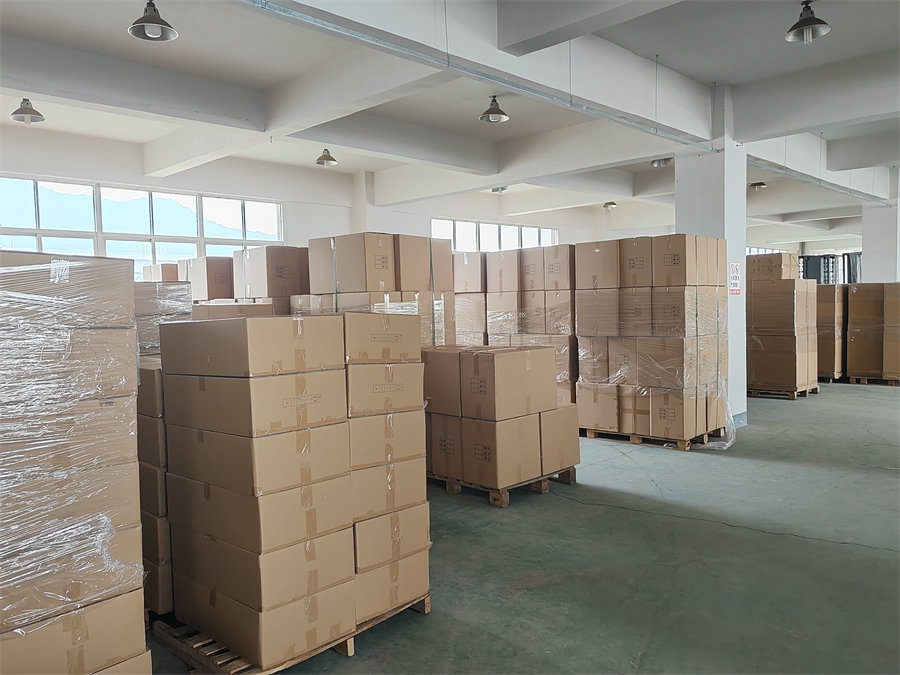
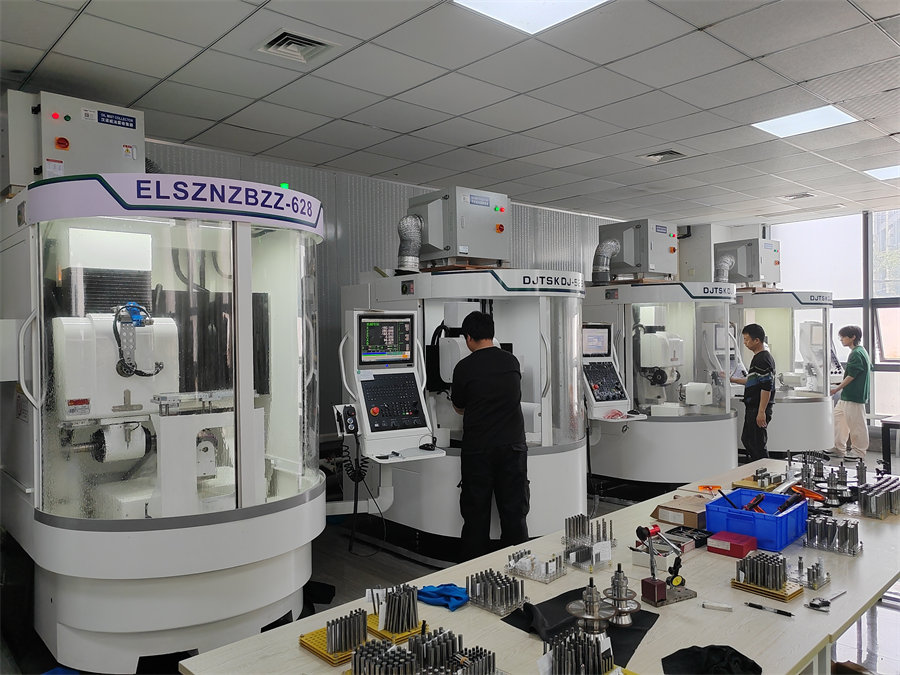
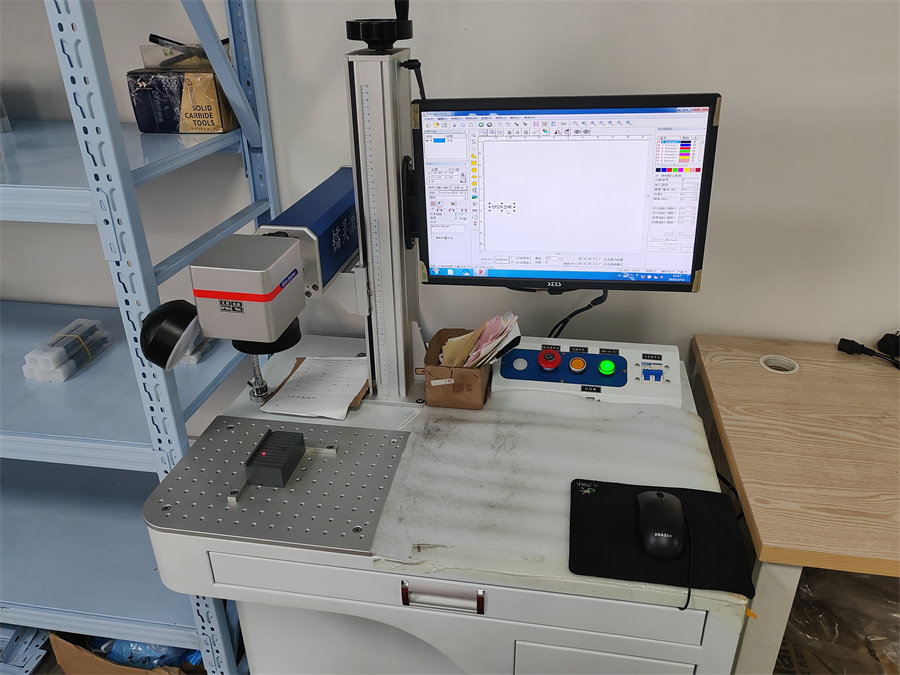
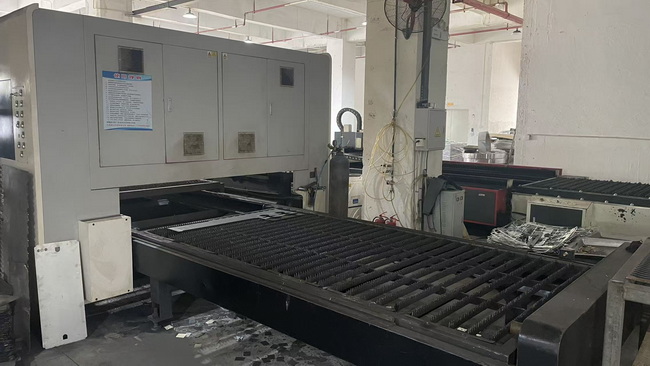
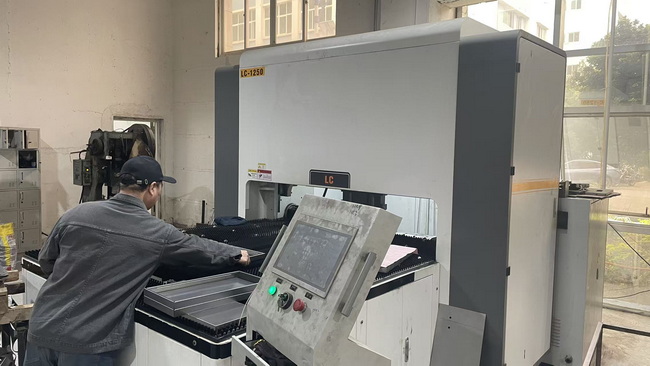
How China's tooling clusters create unbeatable advantages in quality control, localized compliance, and technical adaptability.
China's tooling production clusters, particularly in the Suzhou and Yangtze River Delta areas, benefit from complete upstream raw material availability. Access to highly pure ammonium paratungstate (APT) ensures stable powder metallurgy processes. Tier Tool integrates local processing speed with international grade standards. This integration reduces transportation time for raw rods, enables highly flexible scheduling on CNC grinders, and reduces tooling turnaround times by up to 45% compared to European counterparts.
To support global supply networks, Suzhou Tier Tool operates in full compliance with international regulatory frameworks including ISO 9001:2015 for manufacturing processes, REACH, and RoHS environmental standards. Compliance ensures that tools can be seamlessly introduced into highly regulated sectors like automotive aerospace and medical device assembly lines. Local engineering partnerships in North America and Western Europe provide end-users with direct application support, optimizing feeds, speeds, and programming methodologies.
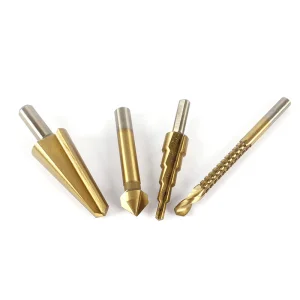
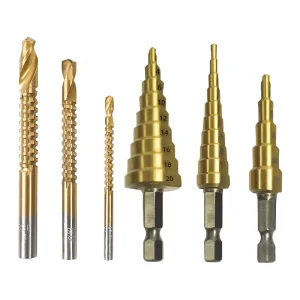
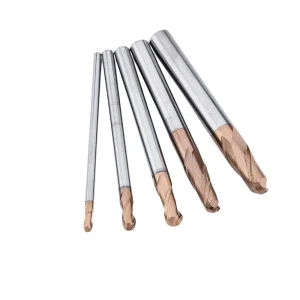
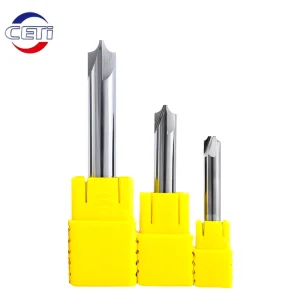
The keyway cutting industry is transitioning toward multi-functional tooling designs. This includes step tool combinations where slotting, chamfering, and deburring are completed in a single run. High-efficiency machining (HEM) paths require keyway cutters capable of radial chip thinning, relying heavily on CAM toolpath planning. Furthermore, there is an increasing demand for micro-sized slot cutters capable of milling sub-millimeter shafts for electronics and micro-robotics. This demands tolerances and concentricity measurements below 3 microns.
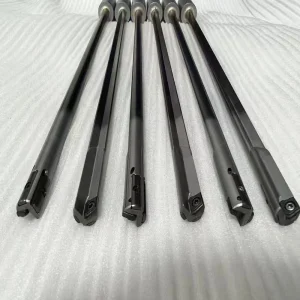
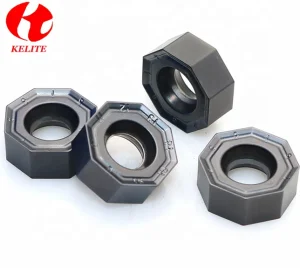
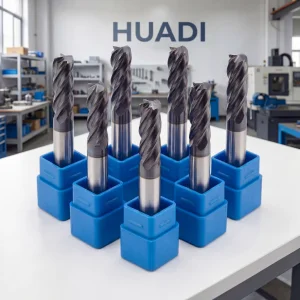
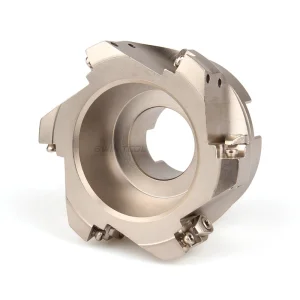
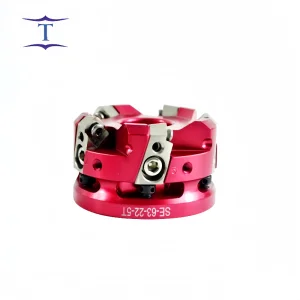
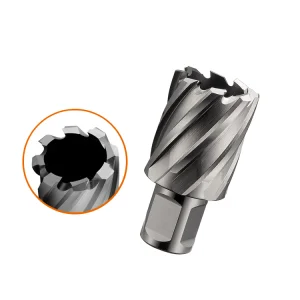
In high-torque powertrain assembly lines, keyways are milled into induction-hardened steel shafts. Tier Tool's custom HRC55 and HRC65 solid carbide end mills are engineered to cut through these hardened layers without micro-chipping. For heavy machinery builders in Germany and Japan, we supply high-performance indexable face mill cutters and customized gun drills designed to match legacy machinery configurations. These tools provide drop-in compatibility with legacy machinery while significantly improving tool lifetime and slot straightness.
Critical engineering answers regarding machining parameters, material behaviors, customized tooling configurations, and logistics processes.
A: Standard end mills are designed with slightly undersized diameter tolerances to permit conventional contouring. Keyway cutters, however, are ground to precise positive tolerances (e.g., +0.000 to -0.020mm or specific e8 limits) to ensure that slot widths correspond exactly to the key size in one pass. Furthermore, keyway cutters feature specialized end-teeth geometry with center-cutting capabilities and modified dish angles to produce flat-bottomed slots without high centers.
A: Substrate selection directly controls edge retention and fatigue resistance. Standard tools use coarse-grain carbide, which is prone to localized chipping along the cutting line under impact load. Tier Tool utilizes sub-micron and ultra-fine grain tungsten carbide with a highly dense cobalt matrix. This structure increases the transverse rupture strength and allows the cutter to absorb high radial impacts without fracturing the edge, resulting in up to 300% longer tool life.
A: AlTiN is optimized for high-temperature dry machining, forming a protective aluminum oxide layer at temperatures exceeding 800°C. This makes it ideal for slotting alloy steels, stainless steels, and tool steels where coolant might not reach the bottom of the slot. TiAlN is better suited for general milling applications under wet conditions, especially where high thermal cycling could cause micro-cracking of harder, more brittle AlTiN coatings.
A: When slot depth exceeds 1.5 times the tool diameter, axial deflection becomes a critical issue. We recommend using a trochoidal toolpath or implementing multi-pass peck-milling where depth of cut (Ap) is limited to 0.5xD per pass. Additionally, using climb milling reduces the radial cutting force, pulling the tool away from the finished wall, resulting in better dimensional accuracy and straightness.
A: Our factory employs a digital manufacturing execution system (MES) that tracks each batch from raw material powder allocation, CNC grinding kinematic files, and final coating chambers. Each tool is laser-marked with a unique batch serial code. This allows complete traceability of substrate material, wheel configuration, grinding date, and quality control reports if any performance anomalies are reported by the customer.
A: We specialize in producing complex step keyway cutters, double-ended keyway cutters, chamfer-integrated slotting tools, and staggered-tooth T-slot cutters. Our engineering team can work directly from your CAD files (.DXF or .STEP format) to design custom profiles, adjusting core thickness, helix angles, and relief angles to match your specific workpiece materials, including titanium, nickel alloys, and brass.
Explore our complete catalog of industrial-grade milling, drilling, and thread processing tools, engineered for high accuracy and repeat precision.
 Tier Tool