Premium-grade drilling solutions engineered to meet the stringent demands of Western Japan's precision manufacturing and toolmaking industries.
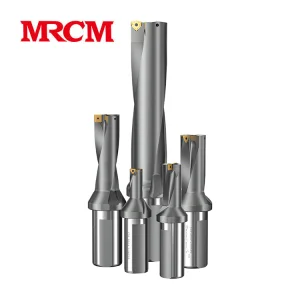
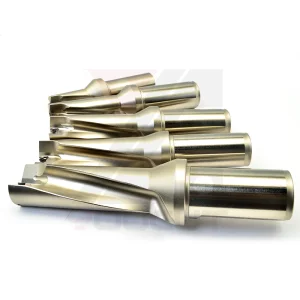
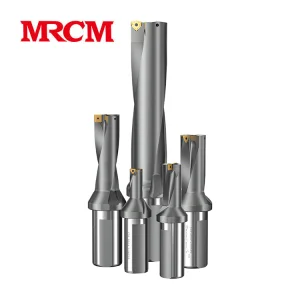
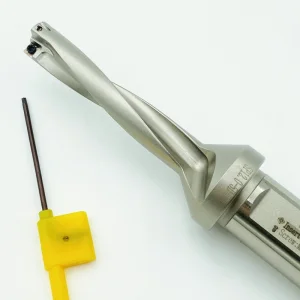
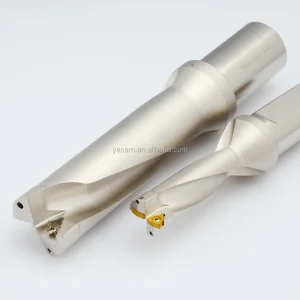
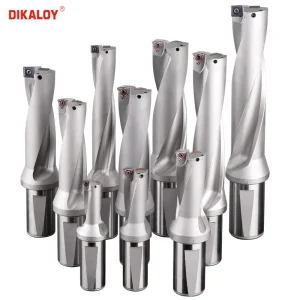
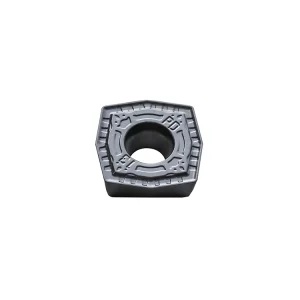
The Kansai region, anchored by the industrial powerhouse of Osaka, represents one of the most concentrated hubs of high-value manufacturing (Monozukuri) globally. Renowned for its precision engineering, aerospace parts fabrication, automotive component tooling, and heavy machinery, Osaka has long set the gold standard for global production. High-efficiency cutting tools, specifically indexable insert drills (also known as U-drills or indexable spade drills), are at the very heart of these automated machining environments. They serve a critical role in high-speed, reliable hole-making applications across steel alloys, cast iron, and high-tensile components.
With domestic operating costs rising and global trade dependencies shifting, Osaka-based purchasing managers and tool engineers are looking beyond traditional domestic suppliers to secure resilient, cost-efficient, and premium-performance supply chains. Leading factories in Osaka are increasingly evaluating suppliers based on advanced micro-grain carbide substrates, next-generation coating technology (such as AlCrN and TiAlN), and optimal chipbreaker geometry designed for tough structural alloys. This demands a partner who understands both high-volume manufacturing economies and the stringent quality levels required to run unmanned 24/7 CNC machining cells safely.
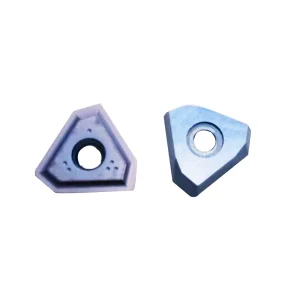
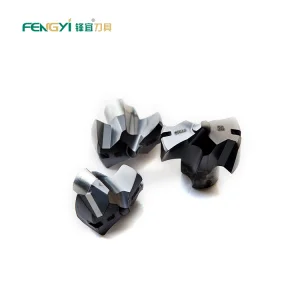
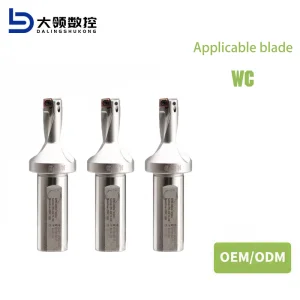
Modern CNC machining centers require cutting tools that minimize downtime. The evolution of indexable insert drills is marked by a transition away from traditional brazed or solid carbide drills for large diameter holes (typically above 12mm), where the cost of replacement is prohibitive. High-speed, high-feed indexable insert drills feature a robust tool steel body paired with modular, replaceable carbide inserts. This configuration offers distinct technical advantages:
The road ahead for indexable inserts focuses on digital design integration, utilizing finite element analysis (FEA) to maximize tool body structural rigidity while optimizing chip flutes. This enables higher feed rates and speeds without increasing the risk of structural vibration or chatter on heavy lathe systems.
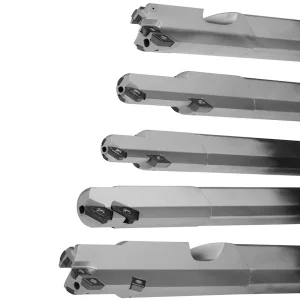
Specialized deep-hole BTA tools and precision gun drills designed for heavy steel fabrication, mining components, and automotive engineering.
Established in 2008, Suzhou Tier Tool Co., Ltd. is a national high-tech enterprise specializing in the design, manufacturing, and technical support of precision solid carbide cutting tools and indexable systems. Strategically located within China's premier advanced manufacturing corridor, Tier Tool has spent nearly two decades refining high-performance, high-efficiency cutting solutions. By adopting Factory 4.0 automation systems, we ensure complete control and traceability from raw tungsten carbide selection to the final micrometer-level dimensional inspection.
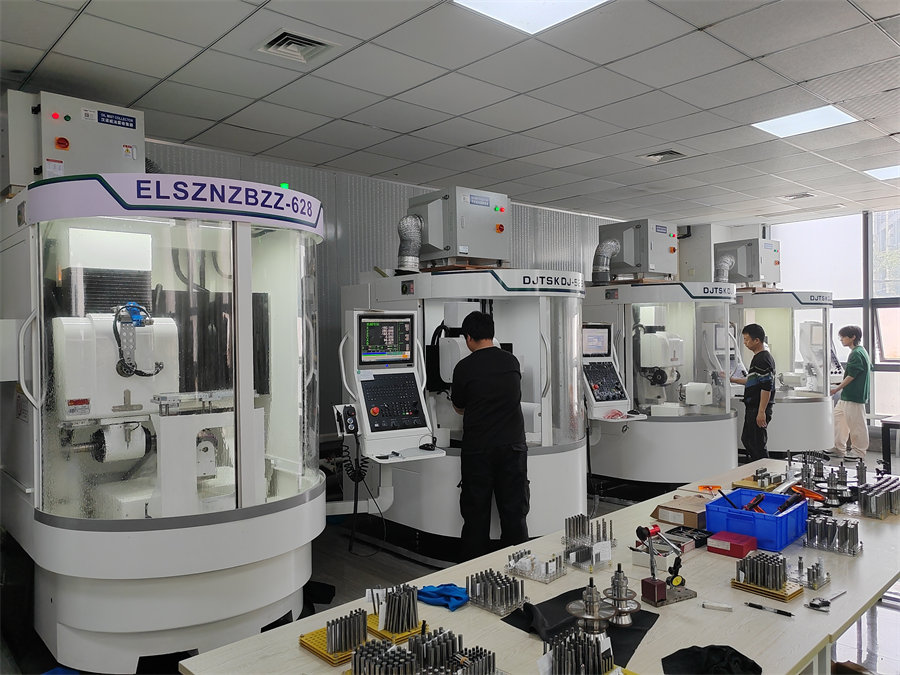
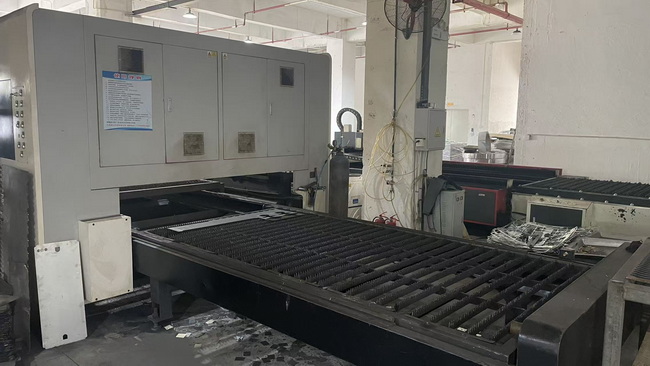
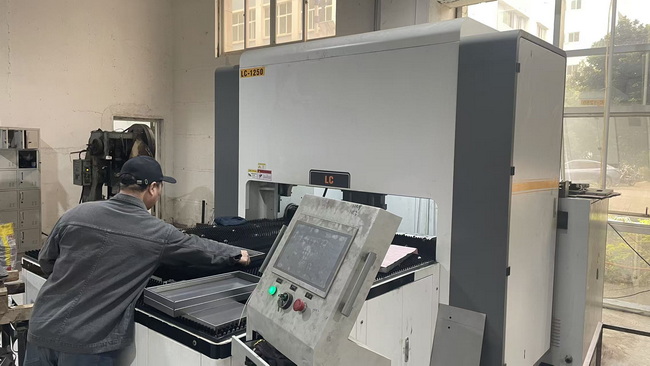
To ensure the highest levels of precision and consistency, Tier Tool has invested extensively in advanced manufacturing equipment and production technologies. The company operates multiple imported CNC tool grinding machines (including advanced Swiss and German systems) and precision inspection systems. This enables complete in-house capabilities from initial tool design and rapid prototyping to small-batch testing and large-scale, automated production runs. Our manufacturing process is built upon strict process control and traceability standards. Every production stage is carefully monitored to ensure absolute repeatability, quality consistency, and reliable delivery performance. Through systematic process management and standardized operating procedures, Tier Tool has established a robust manufacturing system capable of meeting the demanding requirements of modern precision machining in international markets like Japan.
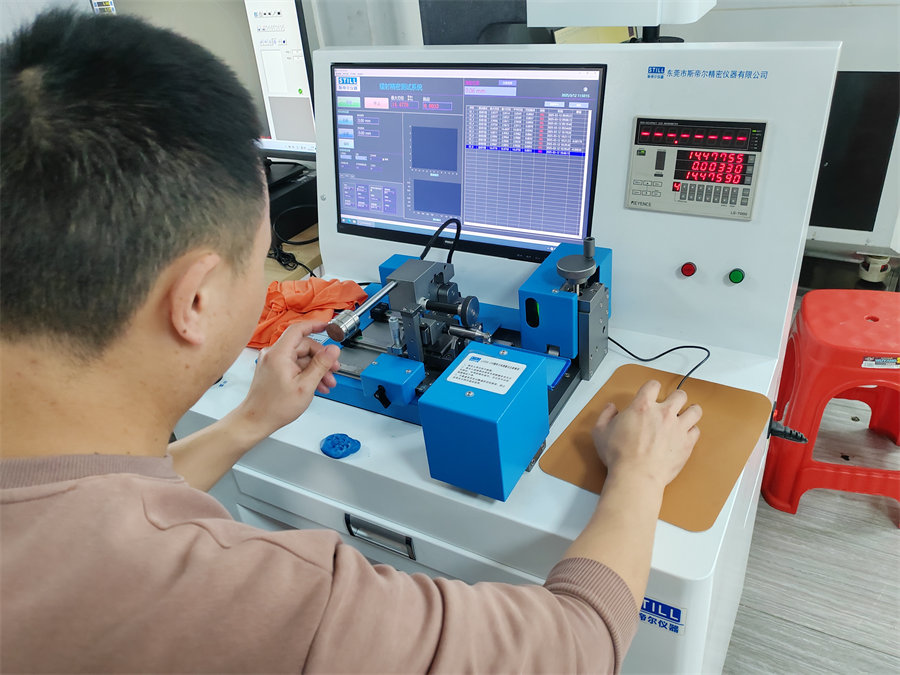
Quality is the foundation of Tier Tool's long-term success. We adhere to the principle of "Quality First, Continuous Improvement", implementing rigorous quality control procedures throughout the entire production cycle. From raw material selection and incoming inspection to final product verification, every tool undergoes comprehensive quality checks using high-end vision measurement machines and mechanical stress testing to ensure it meets strict dimensional, geometrical, and performance requirements. We understand that in precision manufacturing, stable quality is not only a requirement but also the key factor that determines our customers' productivity and competitiveness.
At Tier Tool, we believe that supplying cutting tools is only the beginning of our partnership with customers. Beyond delivering physical products, we provide comprehensive technical support and application engineering services to assist customers in optimizing their manufacturing processes. Our technical specialists work directly with clients to analyze machining conditions, recommend suitable tooling strategies, and develop customized geometries that maximize efficiency, reliability, and cost-effectiveness. By understanding our customers' production goals and competitive challenges, we strive to become a trusted long-term manufacturing partner rather than simply a tooling supplier.
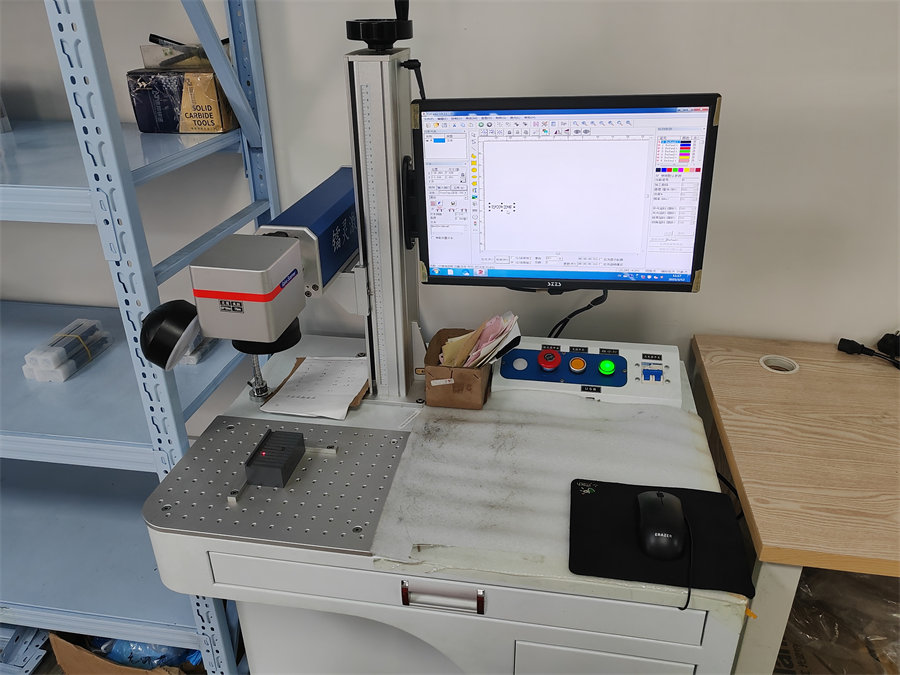
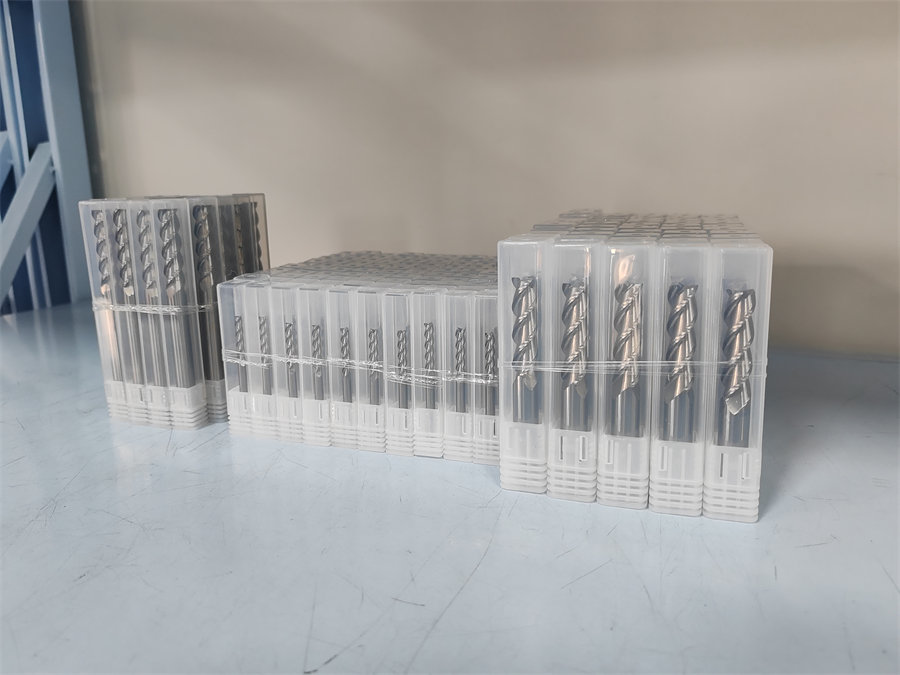
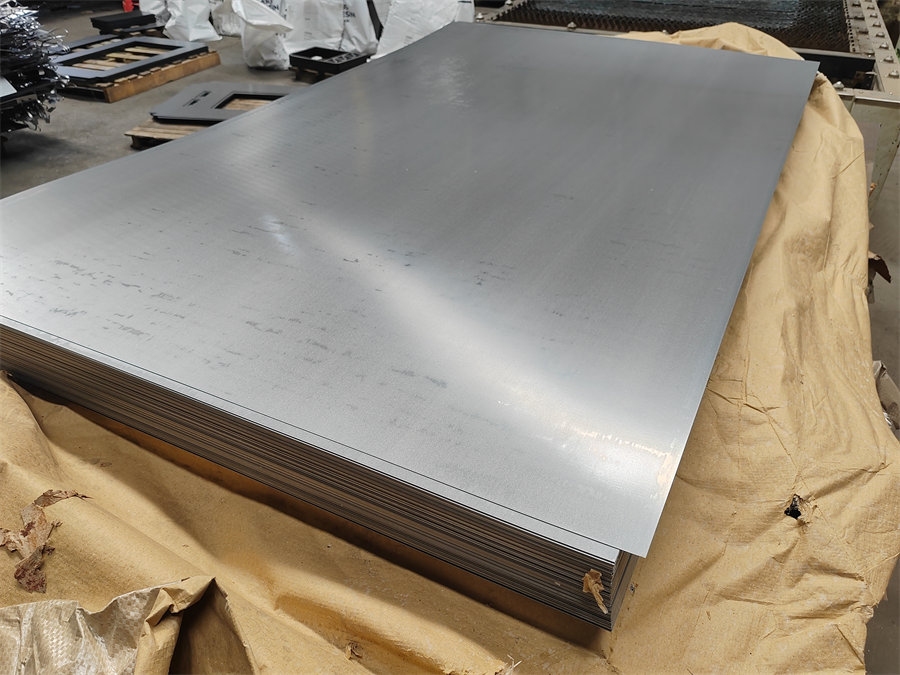
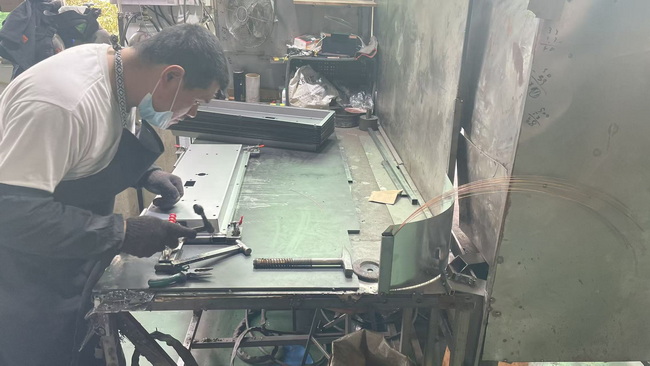
A transparent look inside our production facilities, showcasing the high-precision machinery and rigorous processes behind every tool we export.
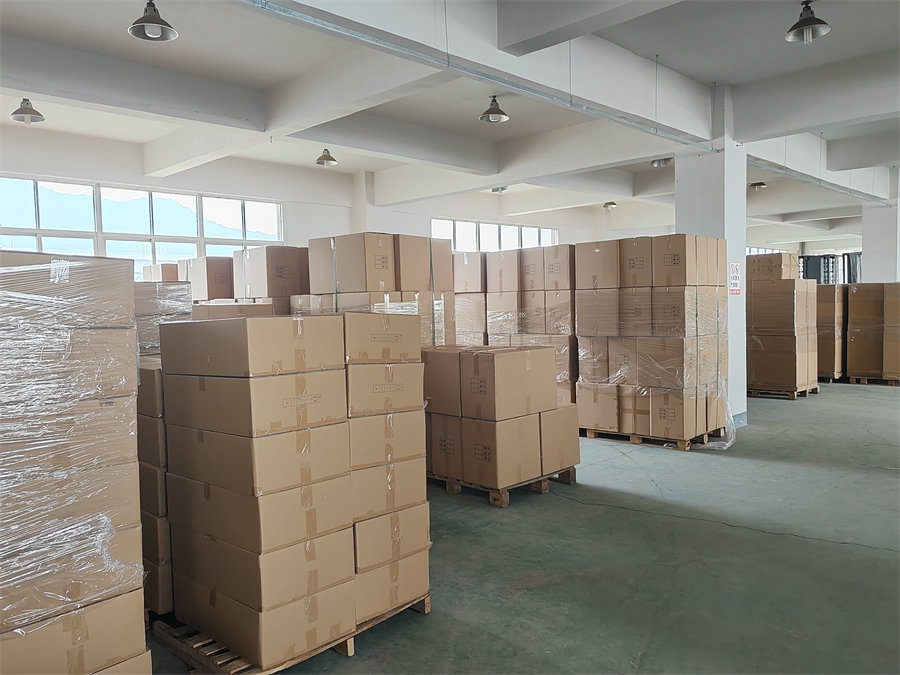
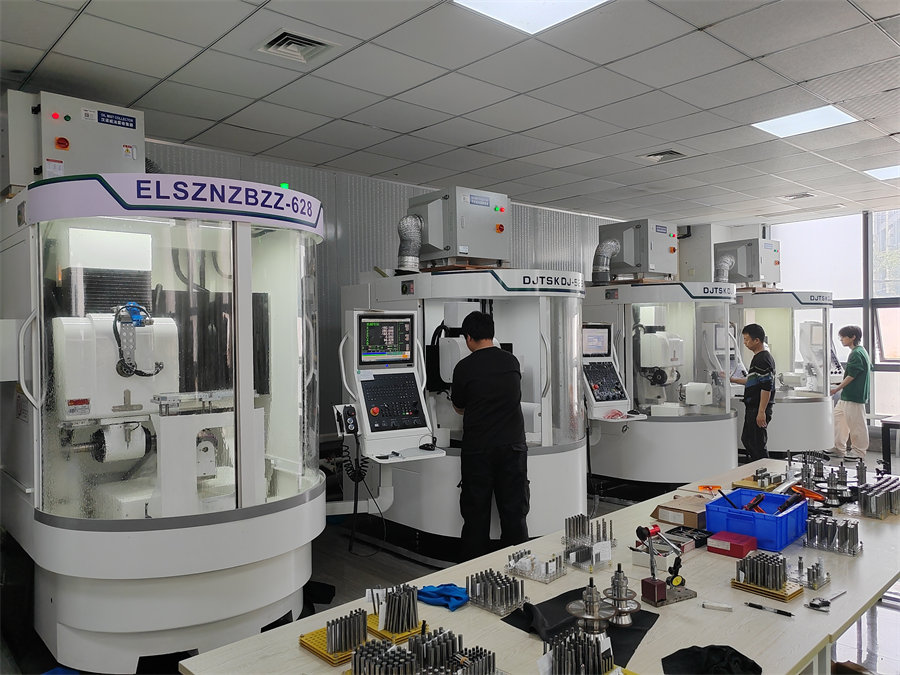
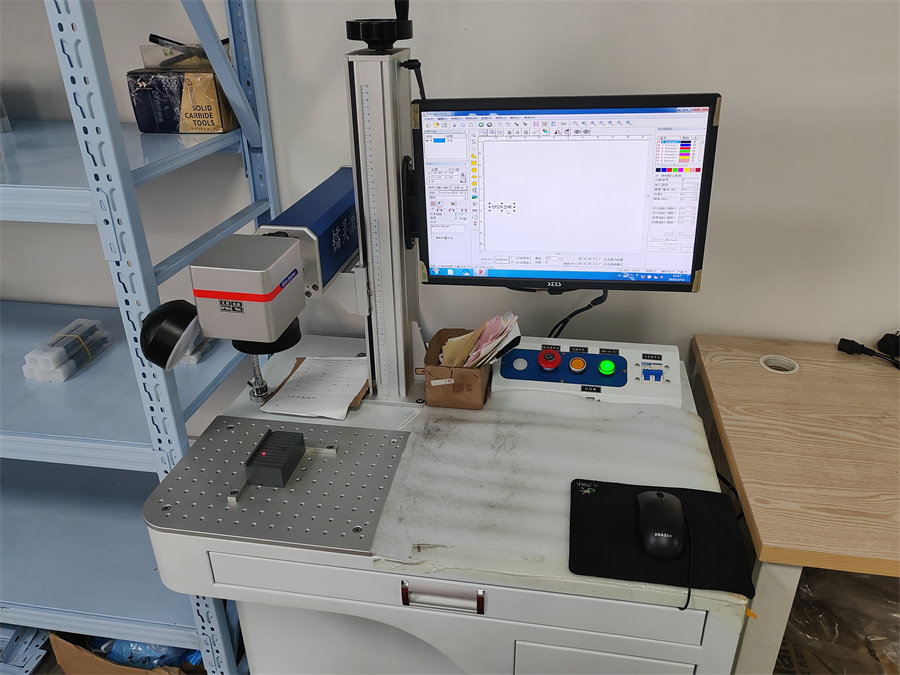
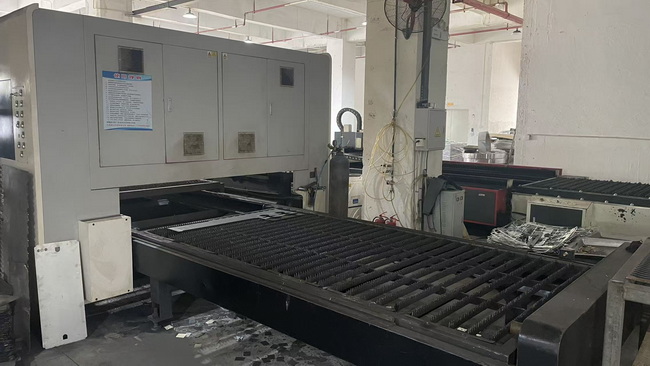
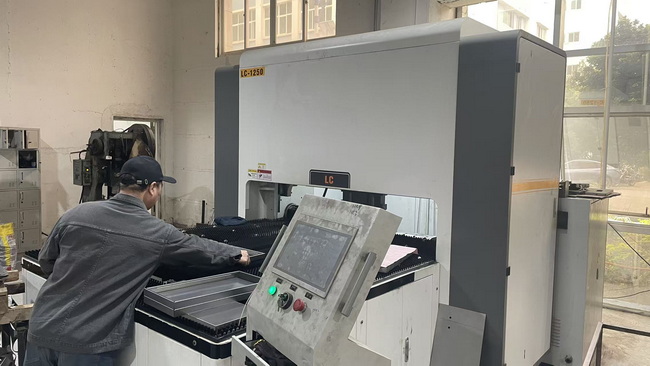
As Osaka’s heavy machinery and automotive sectors transition to lighter, tougher composites and hardened structural steels, standard off-the-shelf tooling frequently falls short. Sourcing managers require comprehensive solutions that optimize the Total Cost of Ownership (TCO), calculating cost-per-hole instead of simply purchase-per-tool. Suzhou Tier Tool partners directly with international distributors and manufacturing facilities in Osaka to deliver:
To serve the Japanese industrial sector successfully, tooling exporters must align with strict local expectations. We guarantee compatibility with JIS (Japanese Industrial Standards) tool holder specifications (such as BT30, BT40, and BT50 tapers, as well as HSK spindles). Furthermore, our logistics chain provides expedited customs processing for fast delivery to the Port of Osaka. Our engineering files are delivered in standard CAD formats (STEP, DXF) to ensure easy integration into local CAM tool libraries, and all products are fully compliant with RoHS and ISO environmental manufacturing protocols.
Expert technical insights regarding indexable insert drill applications, feeds, speeds, and logistics for Osaka factories.
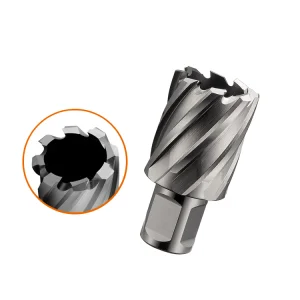
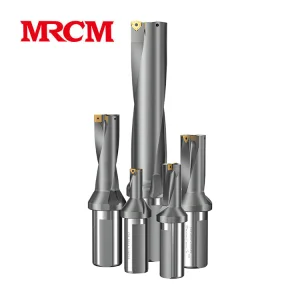
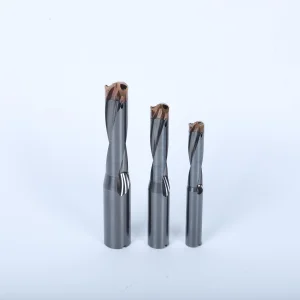
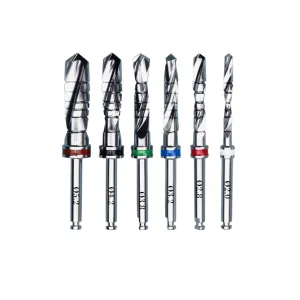
Browse our extensive catalog of indexable insert U-drills, quick-change drilling heads, and medical-grade implant drill kits.
 Tier Tool