Engineered specifically to maximize Material Removal Rates (MRR) under high mechanical stress.
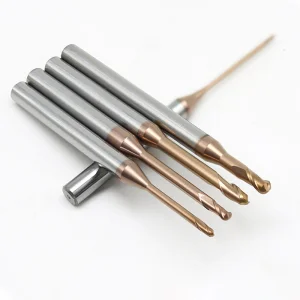
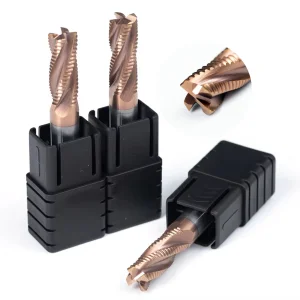
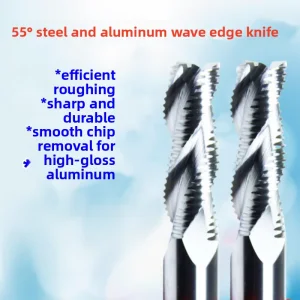
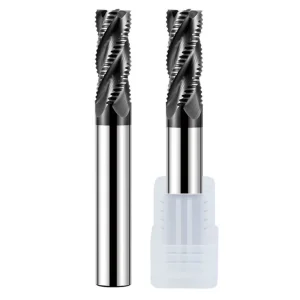
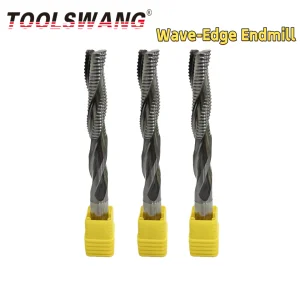
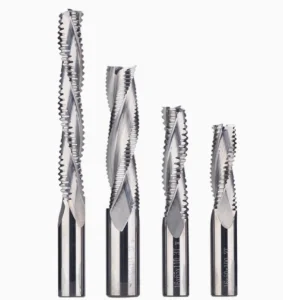
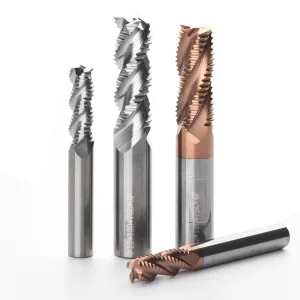
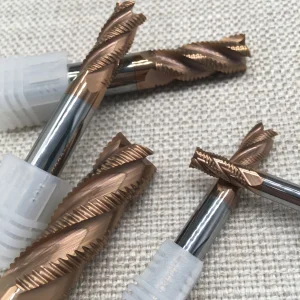
In modern precision milling, metal removal efficiency determines the throughput and profitability of complex manufacturing processes. Roughing wave edge end mills—commonly referred to as "rippa" or corrugated end mills—are specialized rotary cutting tools designed with distinct, sinusoidal geometries along the flute edges. Unlike flat-edged tools, the wave-like profile acts as a continuous series of chipbreakers. By segmenting the metal chips into smaller, manageable portions, wave edge mills dramatically reduce the cutting forces, mitigate heat concentrations, and counteract the harmonic frequencies that lead to destructive tool chatter.
From an engineering perspective, the performance advantage is driven by the contact dynamics of the cutting zone. As the tool rotates through hard materials (such as stainless steels, titanium alloys, or heavy casting alloys), the wave profile distributes the axial and radial load unevenly across the cutting edge. This creates a fluctuating chip load that prevents the build-up of self-excited vibrations (chatter). The resulting suppression of harmonic resonance allows CNC programmers and machine operators to run spindles at significantly higher feed rates and deeper depths of cut (Ap) compared to traditional finishing end mills.
"The integration of chip-breaking wave profiles on solid carbide substrates solves the fundamental dilemma of heavy machining: how to achieve extreme Material Removal Rates (MRR) without sacrificing structural integrity, spindle bearings, or tool life."
When machining materials with high tensile strength or poor thermal conductivity, the cutting zone becomes a hostile environment. Normal end mills form continuous ribbon-like chips that wrap around the spindle, clog the flutes, and lead to sudden tool breakage. The wave-edge design prevents this by forcing chip fracture. This chip segmentation optimizes the delivery of flood coolant or Minimum Quantity Lubrication (MQL), allowing fluids to penetrate directly to the primary shear zone and wash away the debris.
Turkey has established itself as an indispensable industrial powerhouse bridging Europe and Asia. Anchored by major manufacturing corridors in Istanbul, Kocaeli, Bursa, Izmir, Ankara, and Konya, the nation has evolved from simple assembly operations to complex, high-technology metalworking and component manufacturing. To remain competitive on the global stage, Turkish industries must aggressively implement solutions that reduce cycle times, optimize tool costs, and leverage advanced CNC machinery.
As one of Europe's largest automotive exporters, Turkey's auto assembly plants and Tier-1 component suppliers handle massive volumes of cast iron engine blocks, alloy housings, and steel suspension components. The roughing phase in stamping die fabrication and mold preparation requires tooling that can sustain hours of continuous cutting without deviation. Here, roughing wave edge end mills reduce rough-machining times by up to 40%, preparing structural steel blocks for final finishing with minimal wear on the CNC spindles.
With the exponential rise of domestic defense projects and international aerospace contracting (led by enterprises like TAI, TEI, Aselsan, and Roketsan), Turkish manufacturers frequently work with titanium alloys (such as Ti-6Al-4V), nickel-based superalloys (Inconel), and high-strength aerospace aluminum (7075-T6). These materials are notoriously difficult to machine. The application of wave-edge carbide roughers reduces heat generation and avoids strain-hardening of the workpiece, making it a critical choice for producing aerospace structural ribs, engine casing details, and defense-grade component shells.
In Konya and central Anatolia, the agricultural machinery and industrial component sector requires economical, long-lasting tooling solutions for carbon steel and ductile irons. Heavy-duty wave-edge roughing end mills are widely used to hog out excess material from gears, gearboxes, and large structural components before fine milling.
The global cutting tool market is undergoing rapid evolution, propelled by advancements in substrate metallurgy, coating chemistry, and digital simulation. For manufacturers in Turkey sourcing high-performance mills, staying informed of these changes is key to retaining a competitive edge.
The core of any high-performance end mill lies in its tungsten carbide (WC) substrate. Global standards have transitioned from micro-grain to nano-grain carbide matrices. By reducing the carbide grain size to less than 0.5 microns and blending it with optimized cobalt binder ratios (typically 10% to 12%), tool designers achieve a matrix that offers both high hardness (necessary for wear resistance) and supreme toughness (necessary to prevent edge chipping during heavy, interrupted cuts).
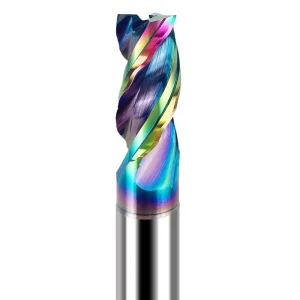
Coatings act as the thermal and mechanical barrier between the raw carbide and the workpiece. Modern coating technologies utilized in our product line include:
The physical wave profile of roughing end mills is optimized to run alongside advanced CAD/CAM toolpaths, such as trochoidal milling. Instead of cutting in straight lines where the radial engagement is high, trochoidal paths use small radial step-overs (Ae) coupled with full axial depths of cut (Ap) at extremely high feed rates. This distributes the wear evenly along the entire cutting edge of the wave mill, extending tool life while keeping machine stress low.
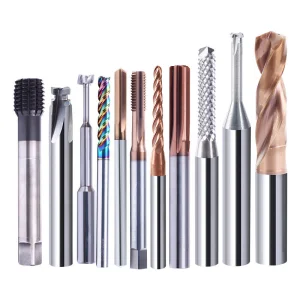
Established in 2008, Suzhou Tier Tool Co., Ltd. is a national high-tech enterprise specializing in the design, manufacturing, and technical support of precision solid carbide cutting tools. We are committed to the precision machining industry, focusing on delivering high-performance, high-efficiency cutting solutions for hole-making and metalworking applications. Through continuous technological innovation and manufacturing excellence, our tools have earned the trust of customers in aerospace, automotive, medical, and precision die manufacturing sectors across Europe, the Middle East, and beyond.
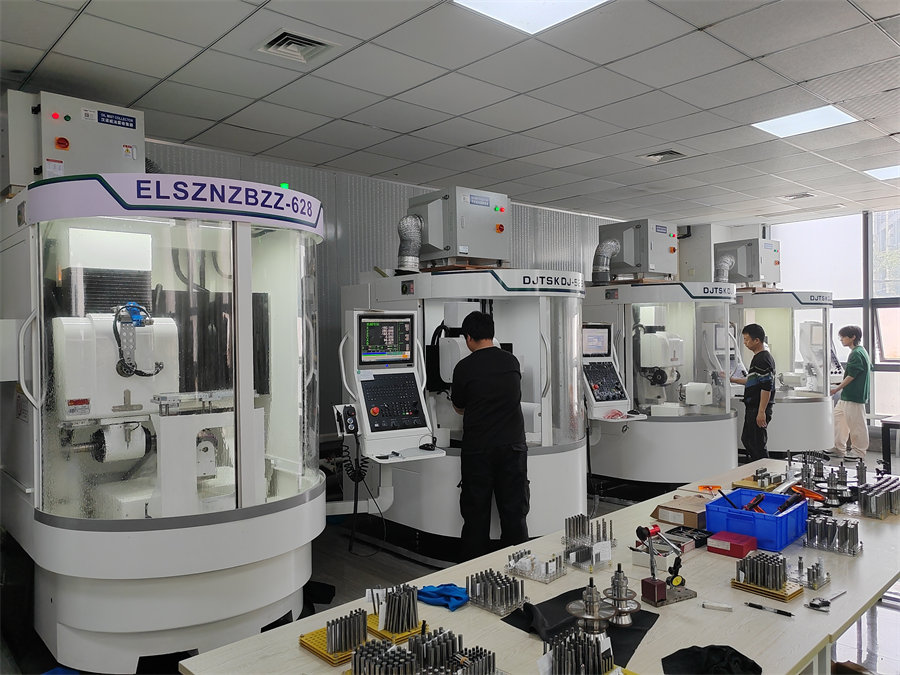
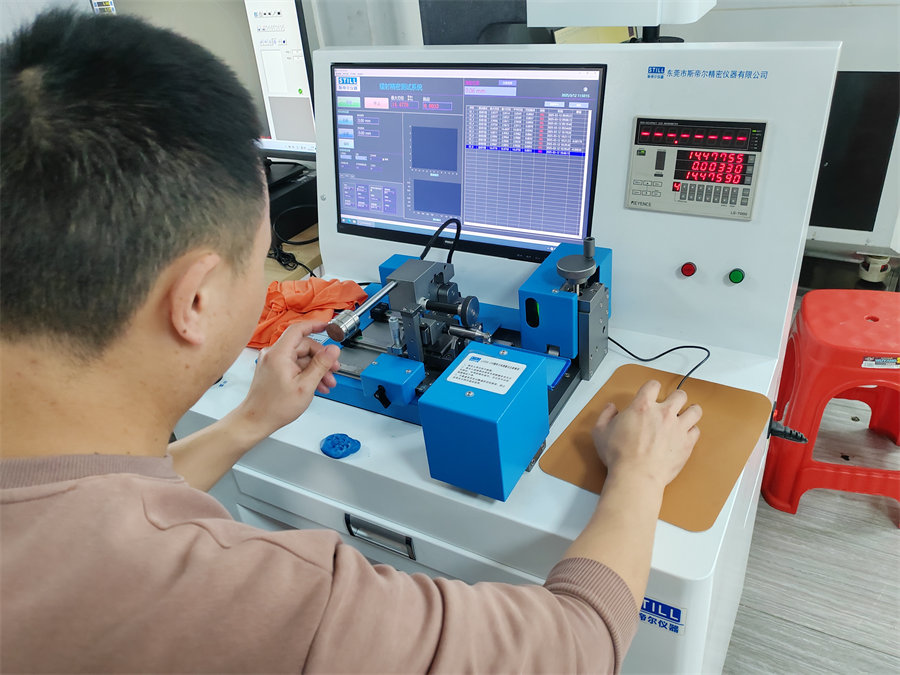
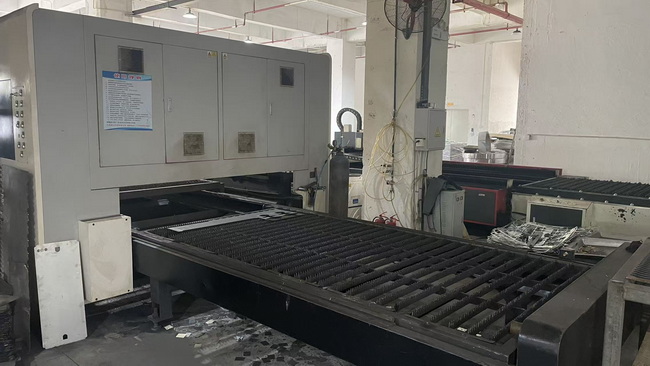
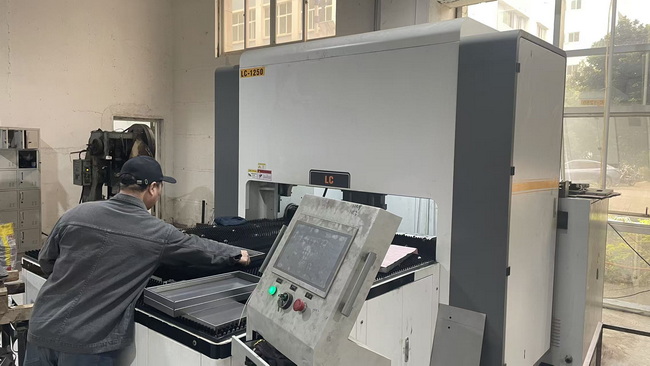
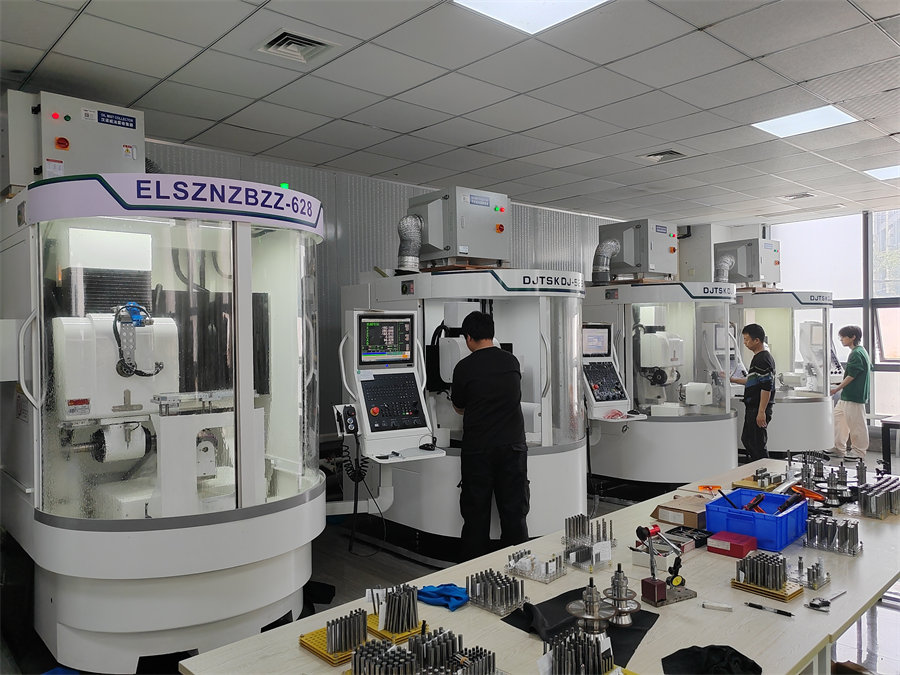
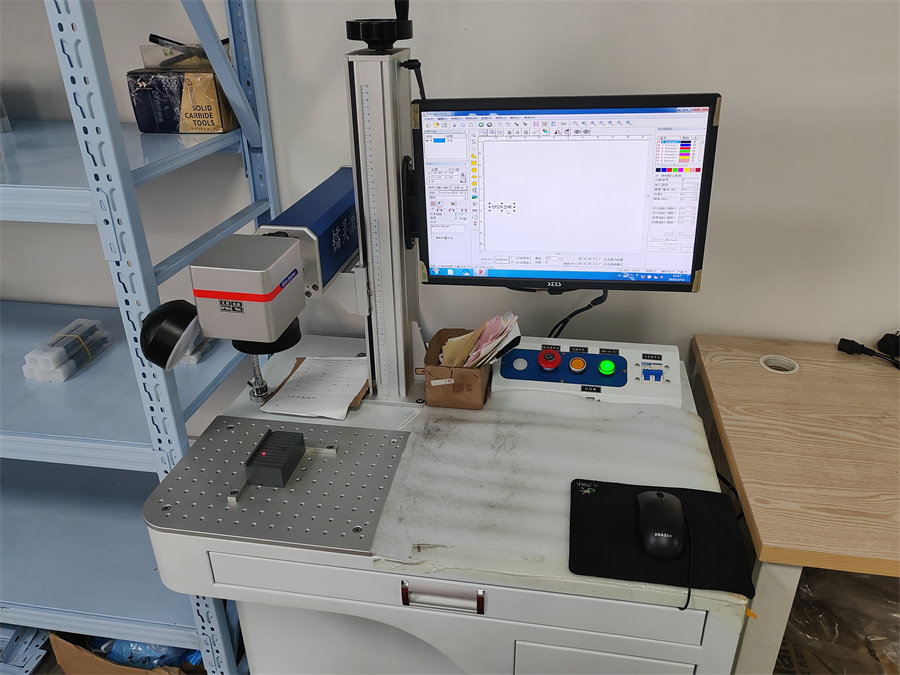
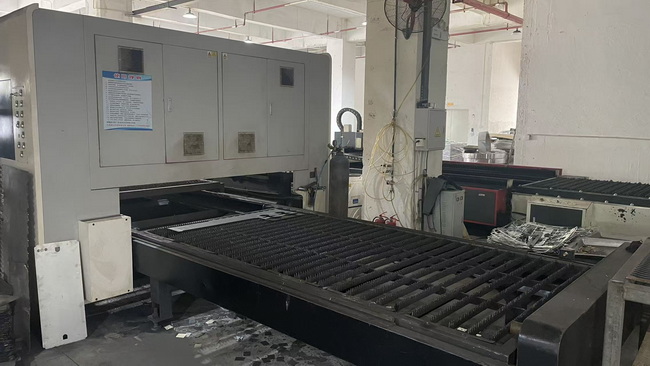
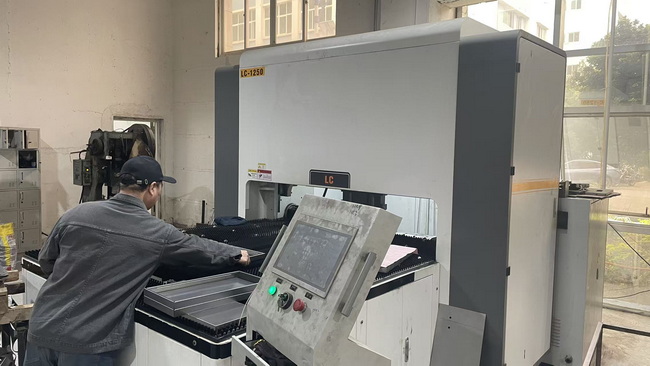
To ensure the highest levels of precision and consistency, Tier Tool has invested extensively in advanced manufacturing equipment and precision inspection systems. The company operates multiple imported CNC tool grinding machines and precision inspection systems, enabling complete in-house capabilities from tool design and prototyping to small-batch testing and large-scale production.
Quality is the foundation of our long-term success. We adhere to the principle of "Quality First, Continuous Improvement," implementing rigorous quality control procedures throughout the entire production cycle. From raw material selection and incoming inspection to final product verification, every tool undergoes comprehensive quality checks using advanced equipment like Zoller measuring machines to ensure it meets strict dimensional, geometrical, and performance requirements.

Achieving maximum productivity with wave edge end mills requires a calculated balance between spindle speed (RPM), feed rate, and mechanical load. Because the wave profile effectively splits the chips, operators can increase the chip load per tooth (Fz) by 20% to 50% compared to equivalent flat finishing mills. Below is a macro-level optimization framework for typical CNC operations:
For deep cavity roughing (slotting), ensure that your axial depth of cut (Ap) is at least 1.5 to 2 times the tool diameter. This maximizes the utilization of the wave profile along the flutes. For step-over roughing (profile milling), maintain a radial engagement (Ae) of 25% to 40% of the tool diameter, permitting extremely fast feed rates and leveraging the chip thinning effect.
If vibration is detected in the tool holder assembly, do not automatically decrease your feeds. Often, wave edge tools require a *higher* chip load to force the cutting edge to engage securely within the metal, stabilizing the tool path. If chatter persists, decrease the spindle speed slightly (Vc) while maintaining or increasing the feed rate (Vf). Ensure that you use high-rigidity tool holders such as hydraulic or shrink-fit chucks rather than standard collet chucks.
Direct answers to typical queries faced by engineering departments and machine shop managers in Turkey.
Consult with our applications team to select the ideal substrate, coating, and flute geometry for your specific milling operations in Turkey.
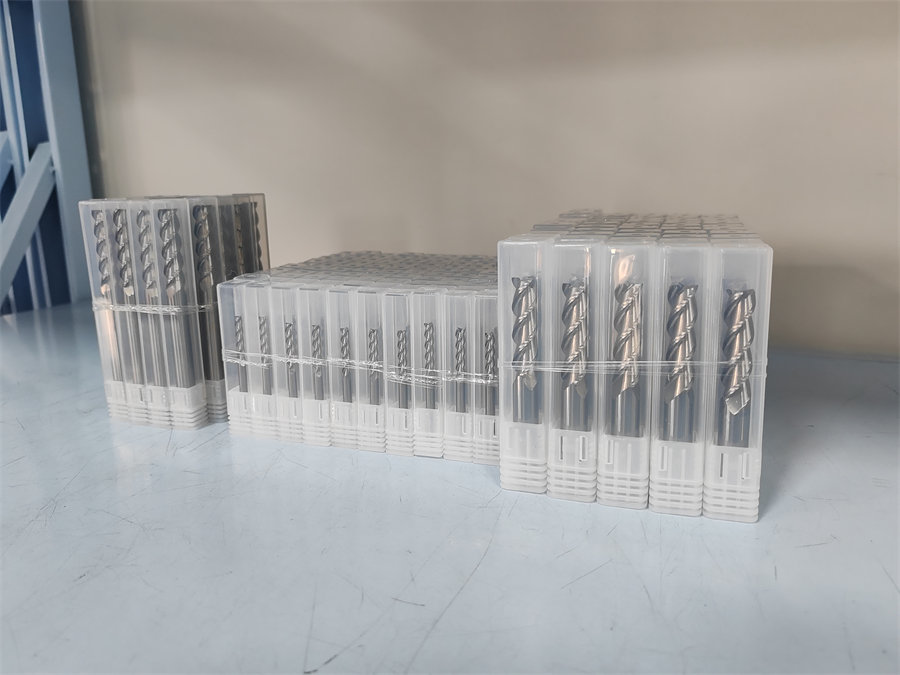
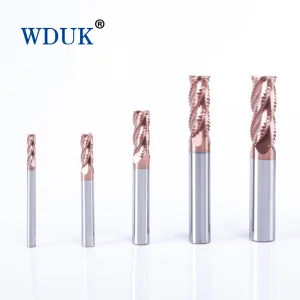
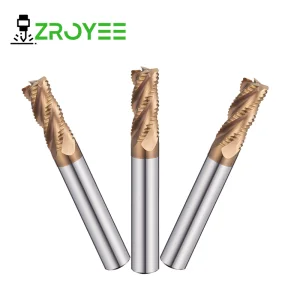
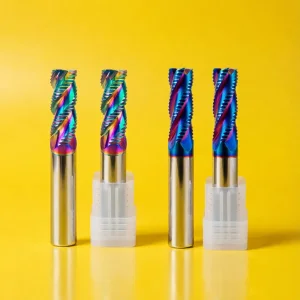
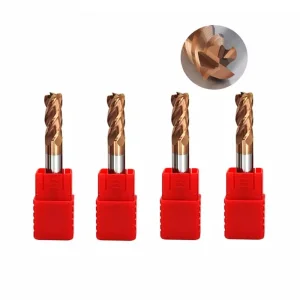
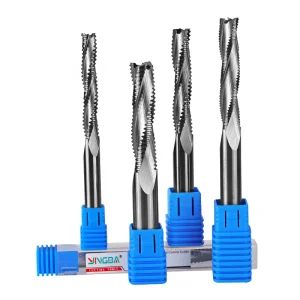
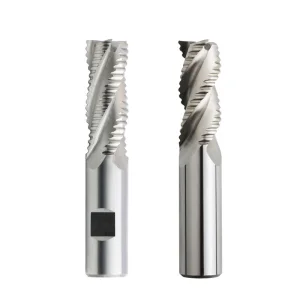
Send Inquiry NowA full spectrum of wave-edge solid carbide designs supporting global industrial operations.
 Tier Tool