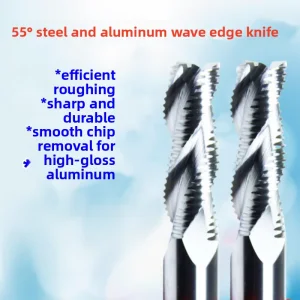
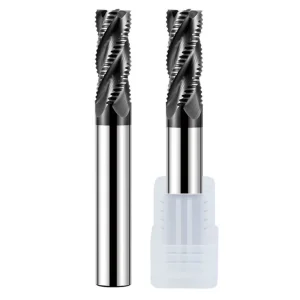
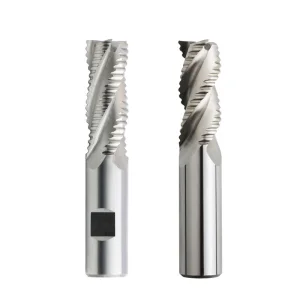
Optimized geometrical configurations engineered to reduce spindle load, eliminate harmonics, and maximize Material Removal Rates (MRR).
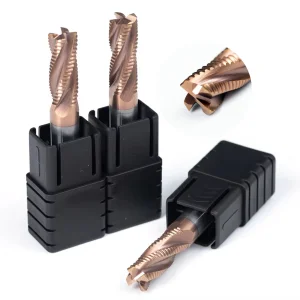
The manufacturing sector in the United States continues to undergo a rapid transition towards automated high-efficiency machining (HEM) and advanced aerospace production. Key industrial hubs throughout the Midwest, the Southeast, and the West Coast demand highly reliable, high-performance tooling systems to cut tough, hard materials such as titanium alloys, Inconel, stainless steels, and structural aluminum.
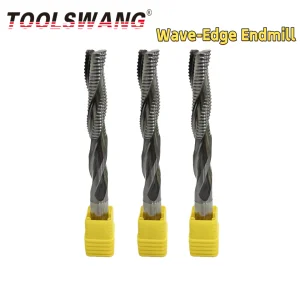
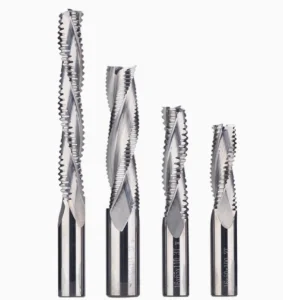
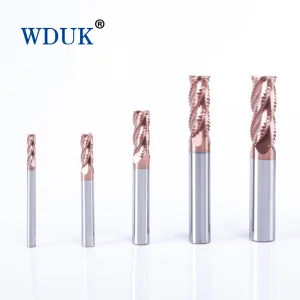
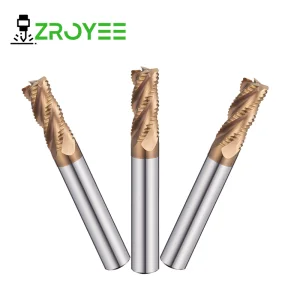
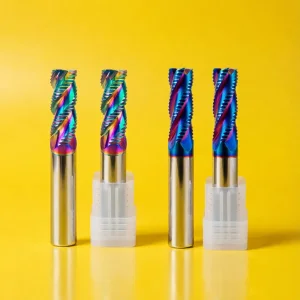
Roughing wave edge end mills (often referred to as corrugated or ripple-cut mills) have transitioned from specialized niche tooling to a critical baseline necessity in US toolcribs. Because their unique wave-like cutting edges break up chips into smaller, more manageable segments, they minimize structural harmonics and chatter. This enables machine shops to run their expensive CNC centers at significantly higher metal removal rates (MRR) without risking catastrophic spindle or tool failure.
"By integrating modern chip-breaking geometries with proprietary carbide substrates, US machine shops can reduce mechanical vibrations by up to 45% during full-depth slotting applications, resulting in an extended tool life profile and lower production overhead."
With domestic labor costs rising and spindle time at a premium, local US defense, automotive, aerospace, and medical engineering firms are increasingly outsourcing raw manufacturing tooling to specialized high-tech factories capable of supplying consistent, premium-grade micro-grain carbide tooling at volume. As a critical partner, we supply advanced carbide end mills specifically tailored to support these stringent productivity requirements.
The operational superiority of wave edge roughing tools lies in their cutting physics. Standard straight-flute end mills experience continuous impact force as the cutting edge engages the workpiece. In contrast, a wavy flute profile distributes the cutting pressure across variable contact points. This has several direct physical benefits:
By varying the helix and contact profile, the natural frequency of the milling process is continuously disrupted. This eliminates the dreaded resonance build-up (chatter) that ruins surface finishes and damages spindle bearings.
The undulating teeth slice chips into tiny fragments instead of long, continuous ribbons. This prevents chip packing and allows high-pressure coolants or air blasts to easily evacuate material from deep cavities.
Thermal loading is the primary driver of carbide degradation. The discontinuous cut of a wave-edge geometry allows the cutting edge to cool momentarily between chip shear zones, preventing micro-cracking and thermal shock.
To maximize the mechanical benefits of the wave profile, Suzhou Tier Tool employs advanced raw material formulations and ultra-thin PVD (Physical Vapor Deposition) coatings:
Established in 2008, a national high-tech enterprise specializing in the design, manufacturing, and technical support of precision solid carbide cutting tools.
Since its foundation, Suzhou Tier Tool has been deeply committed to the precision machining industry, focusing on delivering high-performance, high-efficiency cutting solutions for hole-making and metalworking applications. Through continuous technological innovation and manufacturing excellence, the company has earned the trust of customers across a wide range of industries worldwide.
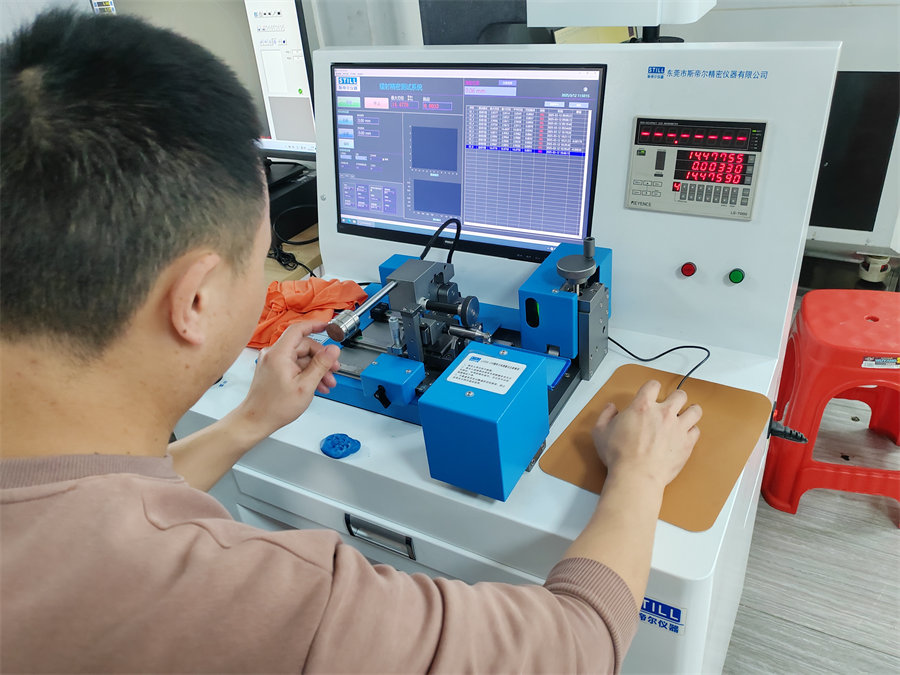
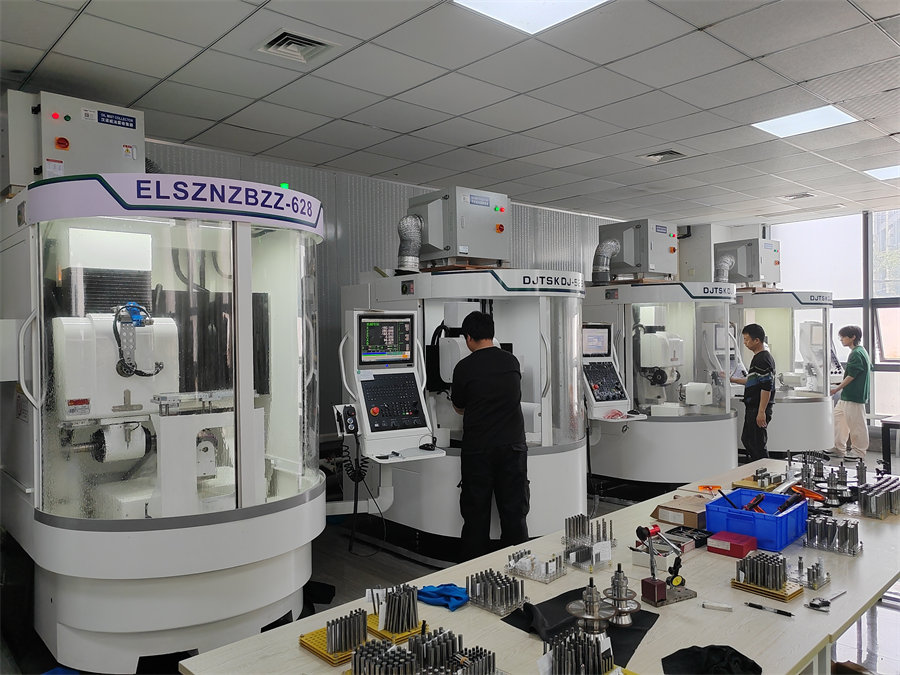
To ensure the highest levels of precision and consistency, Tier Tool has invested extensively in advanced manufacturing equipment and production technologies. The company operates multiple imported CNC tool grinding machines and precision inspection systems, enabling complete in-house capabilities from tool design and prototyping to small-batch testing and large-scale production.
Our manufacturing process is built upon strict process control and traceability standards. Every production stage is carefully monitored to ensure repeatability, quality consistency, and reliable delivery performance. Through systematic process management and standardized operating procedures, Tier Tool has established a robust manufacturing system capable of meeting the demanding requirements of modern precision machining.
Quality is the foundation of Tier Tool's long-term success. We adhere to the principle of "Quality First, Continuous Improvement", implementing rigorous quality control procedures throughout the entire production cycle.
From raw material selection and incoming inspection to final product verification, every tool undergoes comprehensive quality checks to ensure it meets strict dimensional, geometrical, and performance requirements. By continuously optimizing our manufacturing and inspection processes, we deliver products that provide exceptional accuracy, reliability, and consistency in real-world machining applications.
We understand that in precision manufacturing, stable quality is not only a requirement but also the key factor that determines our customers' productivity and competitiveness.
At Tier Tool, we believe that supplying cutting tools is only the beginning of our partnership with customers. Beyond delivering products, we provide comprehensive technical support and application engineering services to assist customers in optimizing their manufacturing processes.
Our technical specialists work directly with customers to analyze machining conditions, recommend suitable tooling strategies, and develop solutions that maximize efficiency, reliability, and cost-effectiveness. By understanding our customers' production goals and competitive challenges, we strive to become a trusted long-term manufacturing partner rather than simply a tooling supplier.
Looking ahead, Suzhou Tier Tool Co., Ltd. will continue to focus on the development of high-performance carbide cutting tools and deepen its expertise in automotive, aerospace, precision engineering, and advanced manufacturing industries.
Driven by professionalism, innovation, and customer commitment, we are dedicated to creating greater value for our customers through reliable products, flexible services, and advanced manufacturing technologies. Tier Tool will continue to grow as a trusted global partner in precision cutting solutions, helping customers achieve higher productivity, better quality, and stronger competitiveness in an ever-evolving manufacturing world.
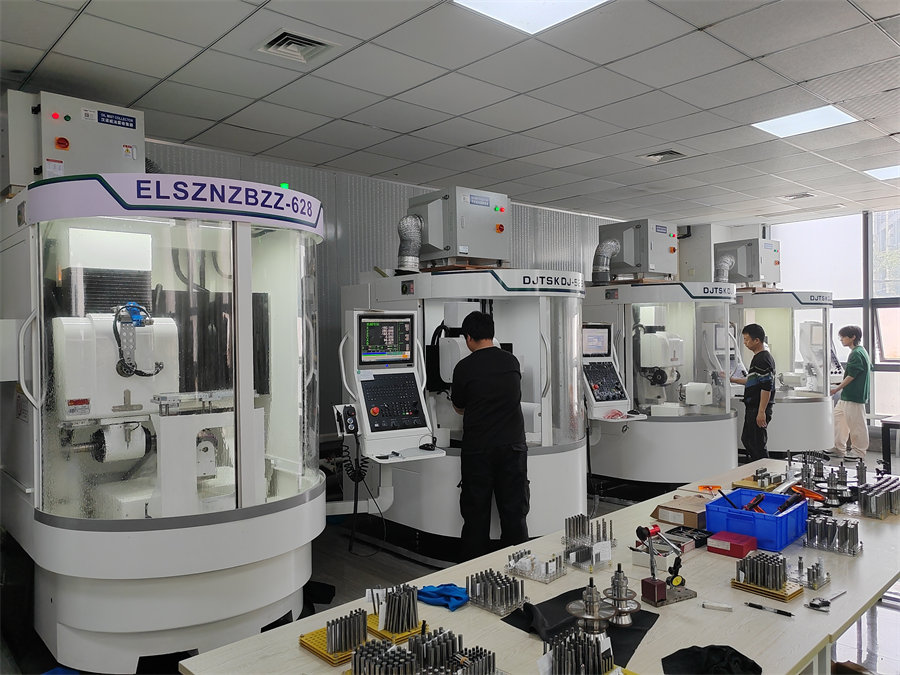
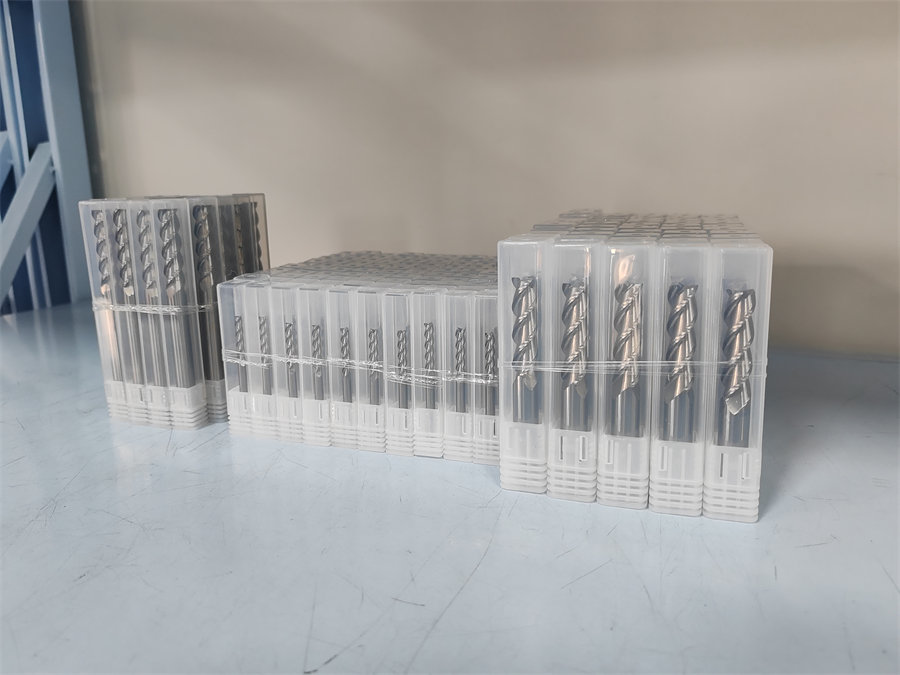
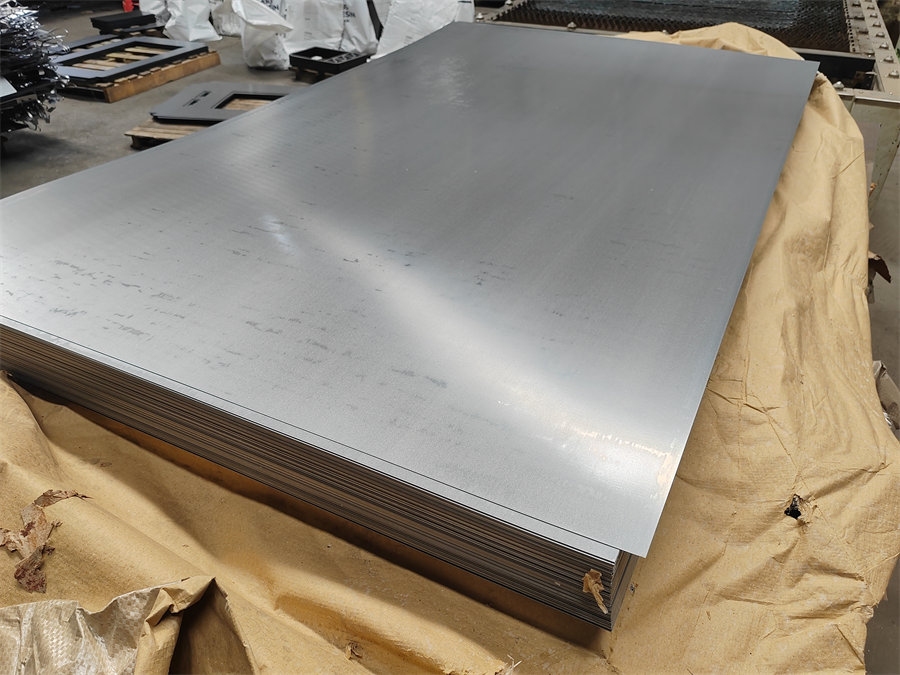
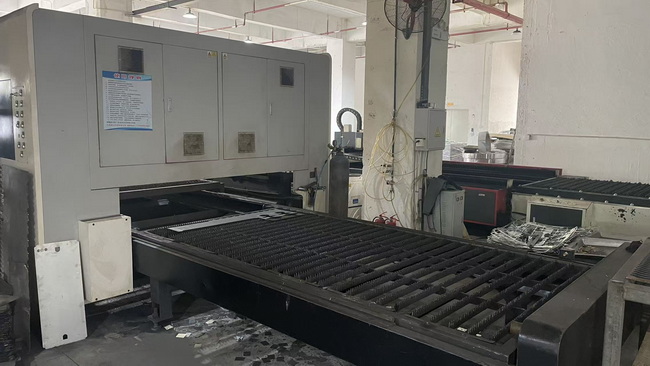
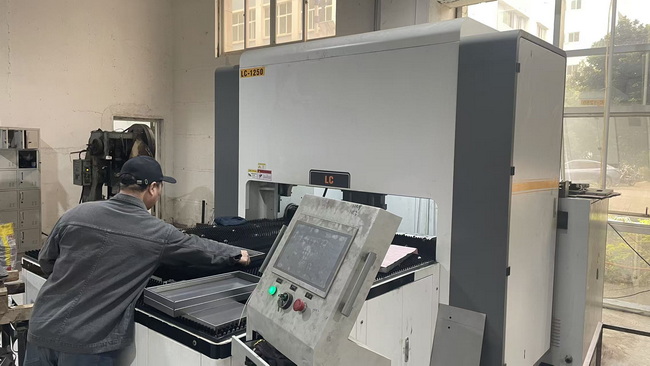
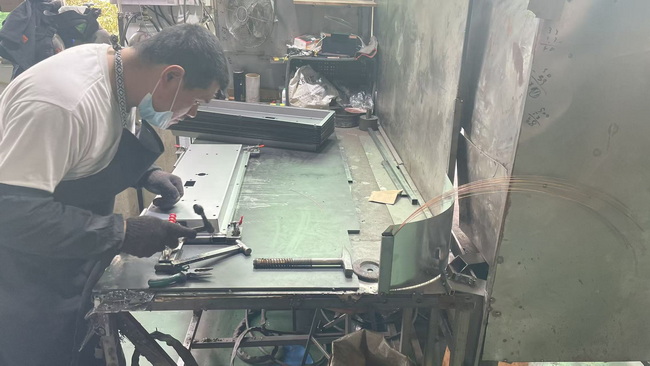

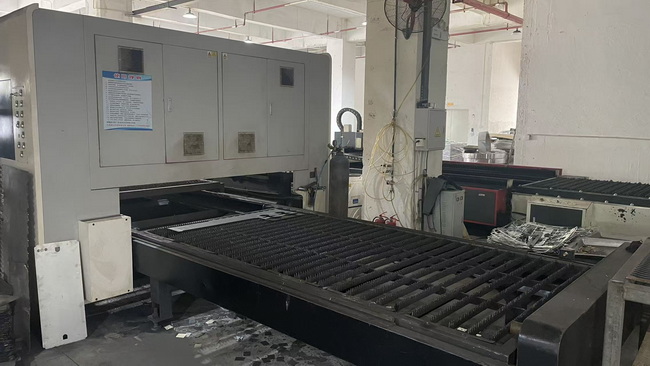
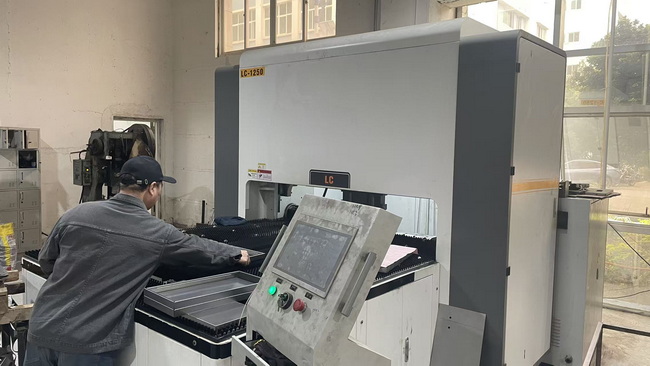
For US procurement managers, raw cost is only one element of total cost of ownership. The reliability of the supply chain, lead-time consistency, and quality replication are equally critical. Our manufacturing base leverages advanced automation to solve these supply-chain vulnerabilities:
By standardizing on European grinding centers and automated inline inspection systems, we guarantee sub-micron repeatability across thousands of components per production run.
Every batch of raw tungsten carbide is tracked back to its original powder run, documenting chemical purity, cobalt ratio, and grain structures.
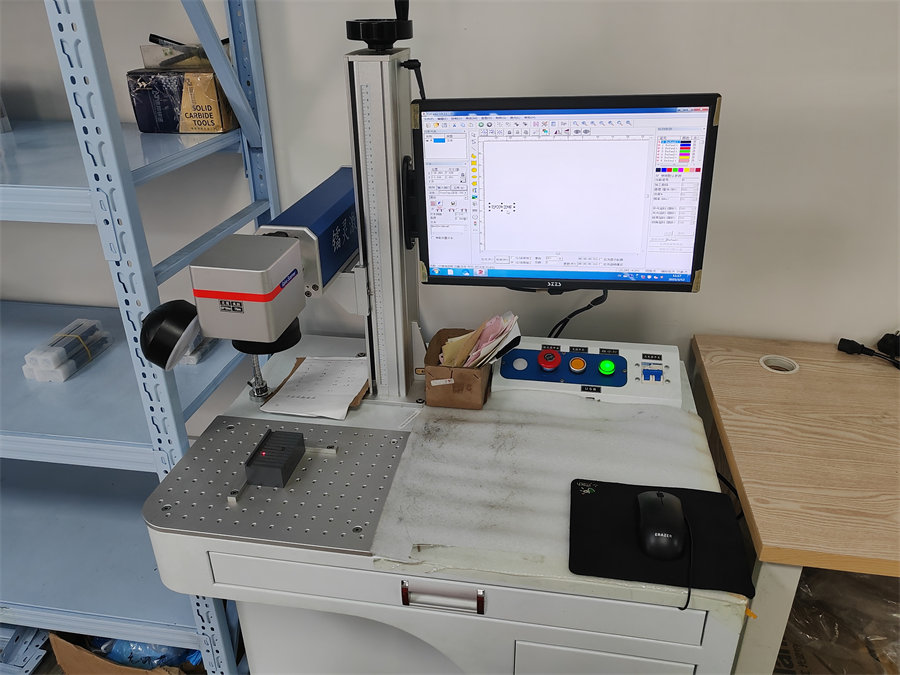
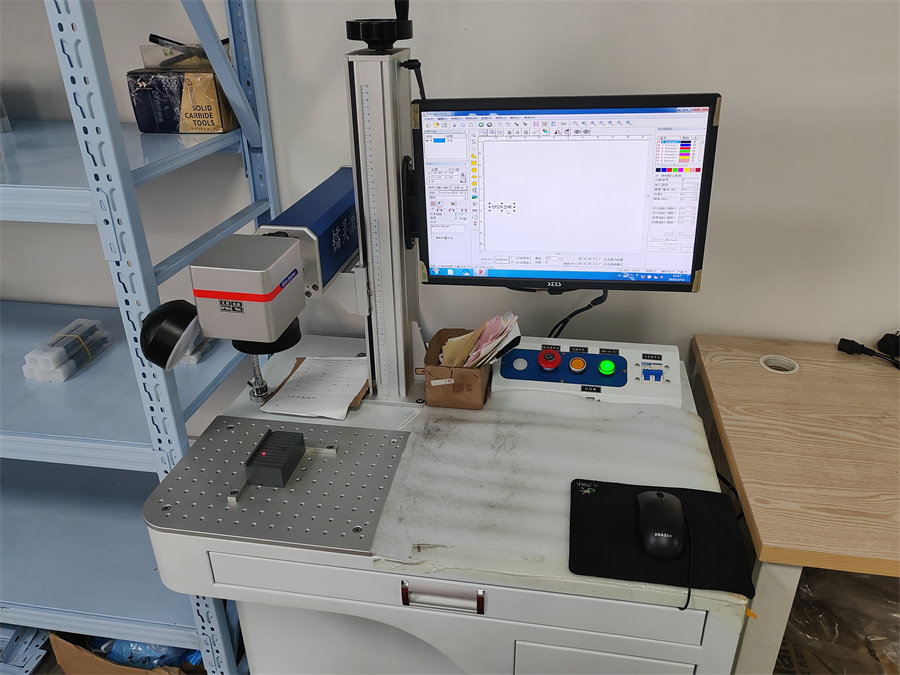
We provide fully customized laser marking, private label boxing, and bulk distribution packaging, allowing US distributors to integrate our products seamlessly.
We ensure that our tools meet all domestic technical standards. All geometries conform to standard imperial and metric dimensions required by US machining interfaces. Furthermore, our production system is strictly managed under ISO 9001:2015 quality standards, ensuring that every end mill leaving our docks performs reliably under extreme workshop pressures.
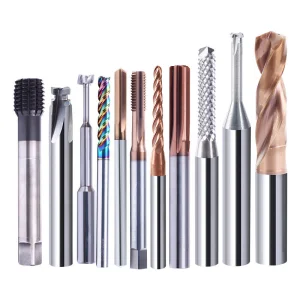
Browse our broader range of milling options featuring customized flute profiles, high-helix setups, and titanium/aluminum-optimized geometries.
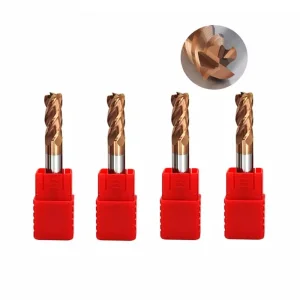
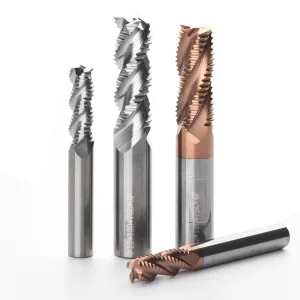
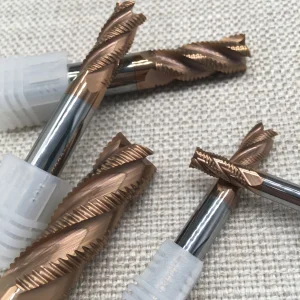
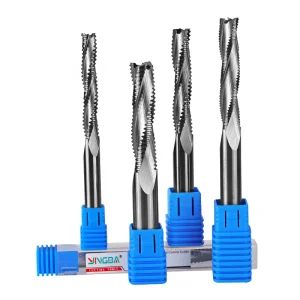
Expert technical insights regarding feed rates, material suitability, coatings, and structural performance in heavy machining environments.
Wave-edge (corrugated) end mills fragment chips into smaller sections, reducing chip evacuation issues. The varying contact profile breaks up harmonic frequencies, significantly reducing tool vibration and chatter. This enables machine operators to run much higher radial and axial depths of cut, increasing the overall Material Removal Rate (MRR) by up to 50% without stressing the spindle.
For cutting high-hardness materials without coolant, TiSiN (Titanium Silicon Nitride) coating is highly recommended. It creates an extremely hard protective layer (up to 3800 HV micro-hardness) and exhibits superior resistance to high-temperature oxidation. For high-speed applications on softer steels under wet conditions, AlTiN provides excellent cost-to-performance characteristics.
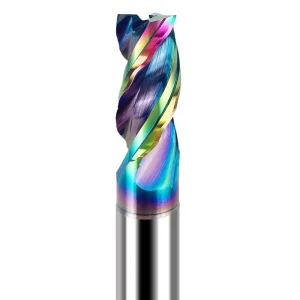
Aluminum requires a high volume of chip evacuation space to prevent built-up edge (BUE) and welding of the metal to the tool. A 3-flute design provides a perfect balance between core strength and chip gullet volume. Combined with a DLC (Diamond-Like Carbon) coating or polished flutes, it ensures rapid metal removal with zero gumming.
We work directly with domestic US tool distributors and aerospace/automotive shops. Our engineering team can configure custom shank lengths, tailored relief angles, specific coating layers, and precise wave profiles to optimize performance in proprietary alloy formulations. We provide laser marking and customized corporate branding options upon request.
No, due to the corrugated profile of the cutting edges, a wave-edge end mill leaves small ripples on the wall of the machined part. It is strictly designed for high-efficiency roughing operations. A subsequent finishing pass with a standard straight or variable-helix finishing end mill is required to achieve a smooth mirror finish.
Every tool manufactured in our factory undergoes rigorous optical and mechanical checks. We utilize advanced digital inspection tooling to verify flute-to-flute runout tolerances (held under 0.005mm), core thickness dimensions, coating thickness consistency, and geometric angles. Standardized testing parameters ensure reliable batch-to-batch tool life profiles.
Standard inventory tooling orders can be packaged and dispatched within 3-5 business days. Custom OEM/ODM orders typically require 15-25 business days for precision grinding, custom coating, and quality sign-off. We support multiple global air shipping options to guarantee delivery to US workshops within 7-10 shipping days.
We utilize a micro-honing process (edge preparation) that slightly rounds the cutting edge. This removes microscopic grinding burs, creating a stabilized, highly robust edge that distributes mechanical loads evenly. Additionally, using ultra-fine grain carbide prevents grain-level fractures under severe impact loading.
 Tier Tool