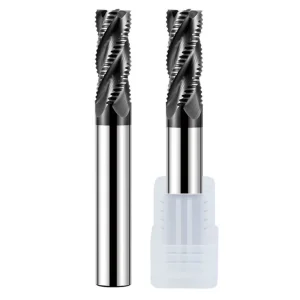
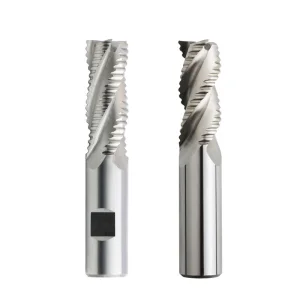
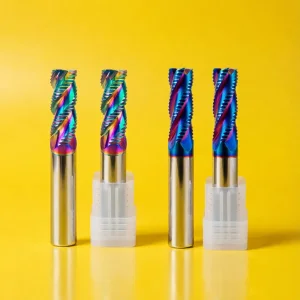
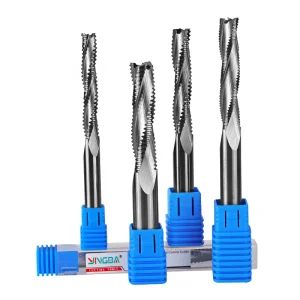
Engineered for high metal removal rates (MRR), minimized cutting forces, and excellent chip evacuation in tough materials.
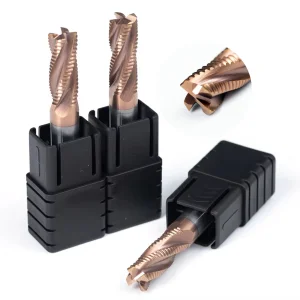
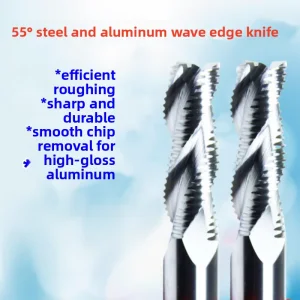
Slovakia has cemented its reputation as a central European powerhouse for manufacturing. As the world's leading car producer per capita, with key production facilities operated by major global brands like Volkswagen Group, Stellantis, Kia Motors, and Jaguar Land Rover, the country's mechanical ecosystem relies heavily on highly optimized machining processes. Crucial to this automotive-dominated infrastructure is the tier-1 and tier-2 supplier network, which produces engine components, transmission parts, and structural frames. In these production setups, cutting tools like Roughing Wave Edge End Mills are indispensable for roughing out large volumes of raw alloys and metals in minimal cycle times.
Additionally, Slovakia's mechanical engineering, defense production, and aerospace industries demand robust tooling configurations capable of withstanding prolonged machining of hard steels, stainless steels, and lightweight non-ferrous materials. As production lines transition to high-speed machining (HSM) and automated CNC cells, finding the balance between tool life, material removal rates (MRR), and surface integrity has become a primary engineering objective. Modern wave-edge geometries offer an innovative answer to these process bottlenecks.
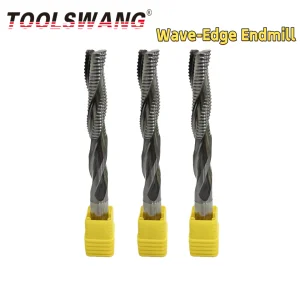
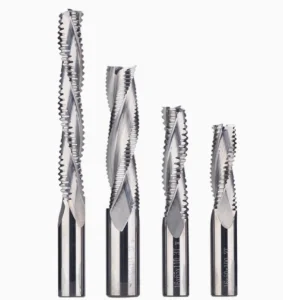
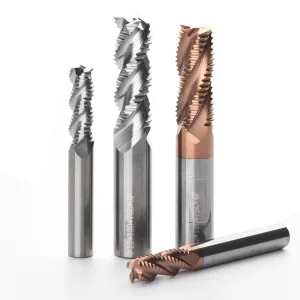
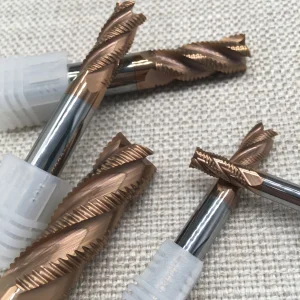
Standard flat-edge end mills experience sustained contact lines along the helix, generating heat accumulation and concentrated thermal stress. Conversely, roughing wave-edge end mills feature a specialized sinusoidal wave profile ground along the cutting lips. This configuration modifies the milling kinematics:
The industrial landscape in regions like Bratislava, Trnava, Žilina, Nitra, and Košice demands specialized tooling strategies. Here is how wave edge roughers are applied locally:
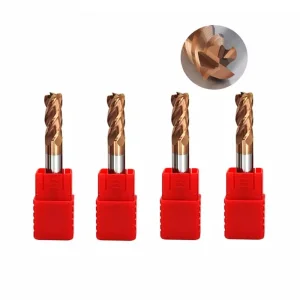
1. Automotive Powertrain & Structural Components: Milling engine blocks, gear housing covers, and suspension components involves clearing large pockets of raw alloy. Utilizing 3-flute or 4-flute wave-edge tools designed for aluminum or steel enables high feed rates with minimal risk of tool breakage.
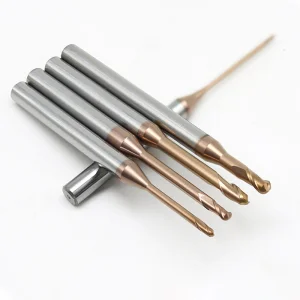
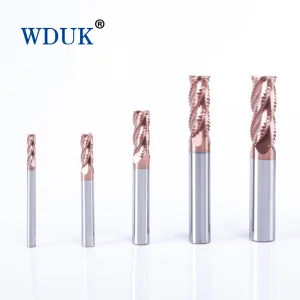
2. Die & Mold Fabrication: Injection molds for the automotive interior parts sector require roughing out solid blocks of pre-hardened tool steels (e.g., 1.2311, 1.2343). Roughing wave-edge end mills with high-performance TiSiN or AlTiN coatings remove the bulk of the material, leaving a uniform finish for high-speed finish ball nose cutters.
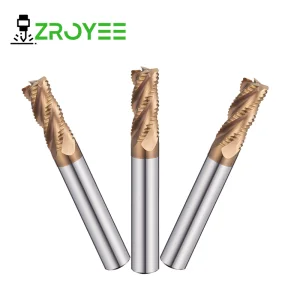
3. Heavy Machinery Manufacturing: The Považie region’s long-standing machinery production base utilizes structural steels and cast iron. Our 4-flute corrugated tools are designed for these applications, allowing operators to run roughing passes with deep axial depth of cut (Ap) configurations.
A leading high-tech manufacturer specializing in precision solid carbide cutting tools, providing advanced industrial solutions worldwide.
Established in 2008, Suzhou Tier Tool Co., Ltd. is a national high-tech enterprise specializing in the design, manufacturing, and technical support of precision solid carbide cutting tools. Since our foundation, Tier Tool has been deeply committed to the precision machining industry, focusing on delivering high-performance, high-efficiency cutting solutions for hole-making and metalworking applications. Through continuous technological innovation and manufacturing excellence, the company has earned the trust of customers across a wide range of industries worldwide.
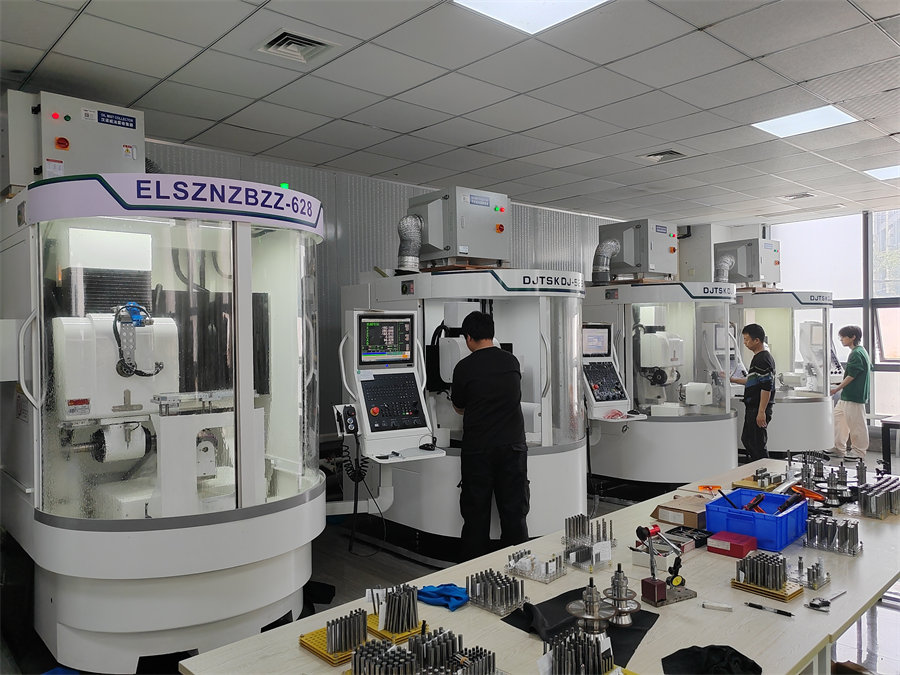
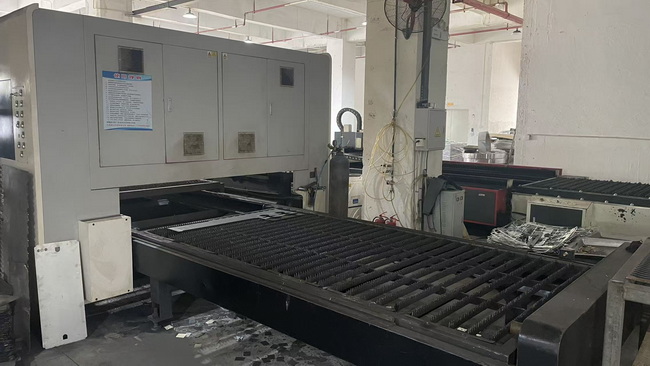
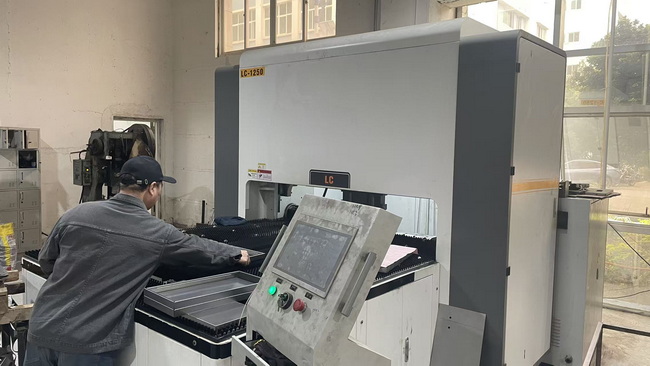
To ensure the highest levels of precision and consistency, Tier Tool has invested extensively in advanced manufacturing equipment and production technologies. The company operates multiple imported CNC tool grinding machines and precision inspection systems, enabling complete in-house capabilities from tool design and prototyping to small-batch testing and large-scale production.
Our manufacturing process is built upon strict process control and traceability standards. Every production stage is carefully monitored to ensure repeatability, quality consistency, and reliable delivery performance. Through systematic process management and standardized operating procedures, Tier Tool has established a robust manufacturing system capable of meeting the demanding requirements of modern precision machining.
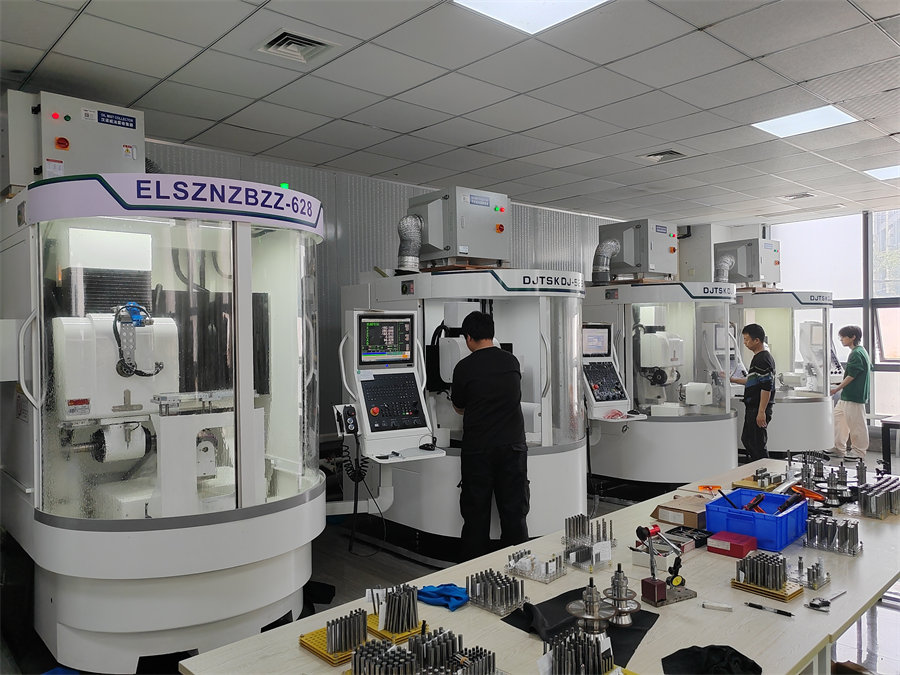
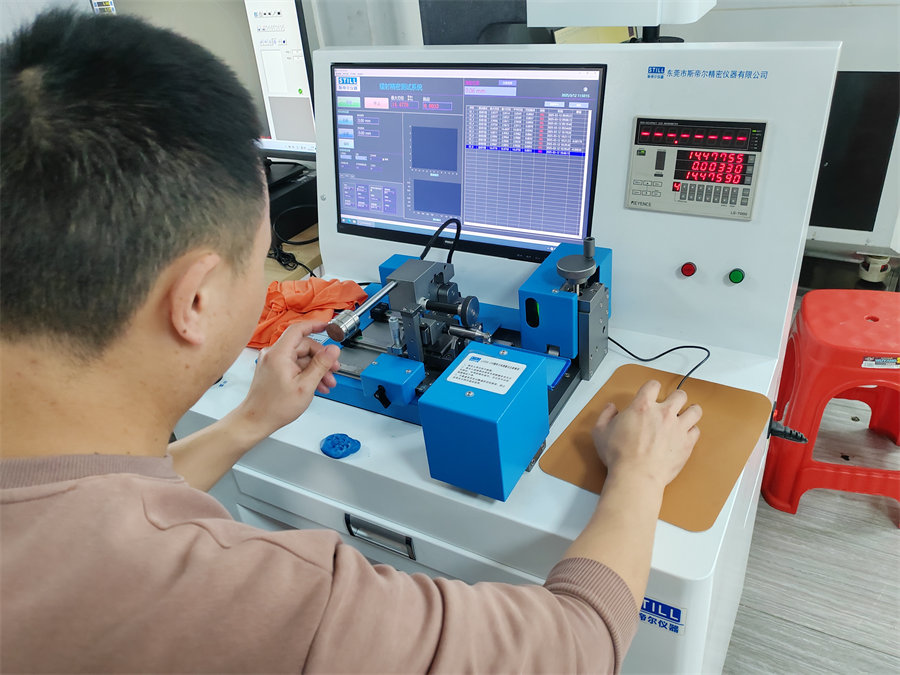
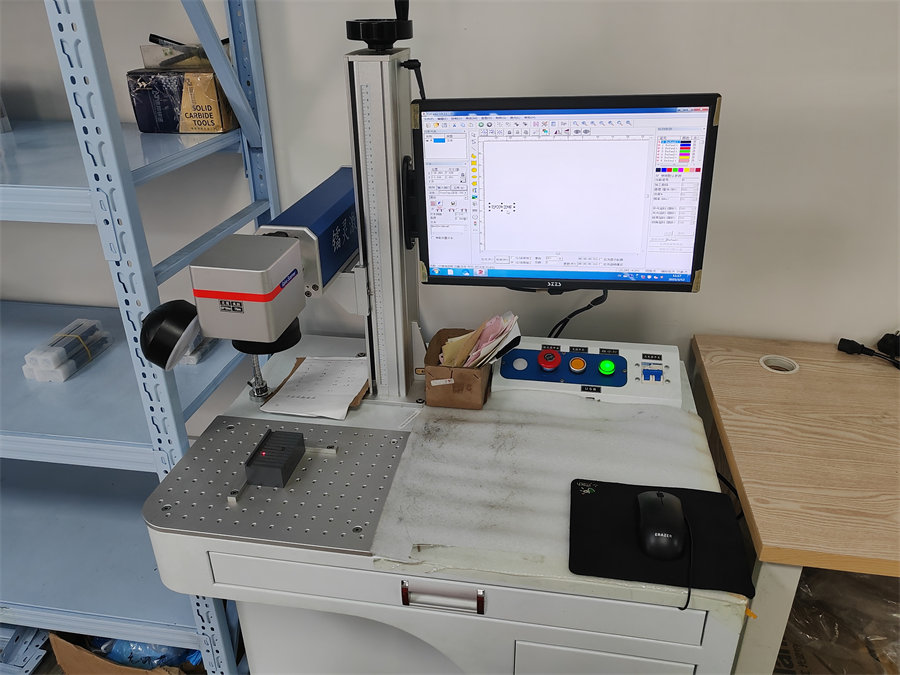
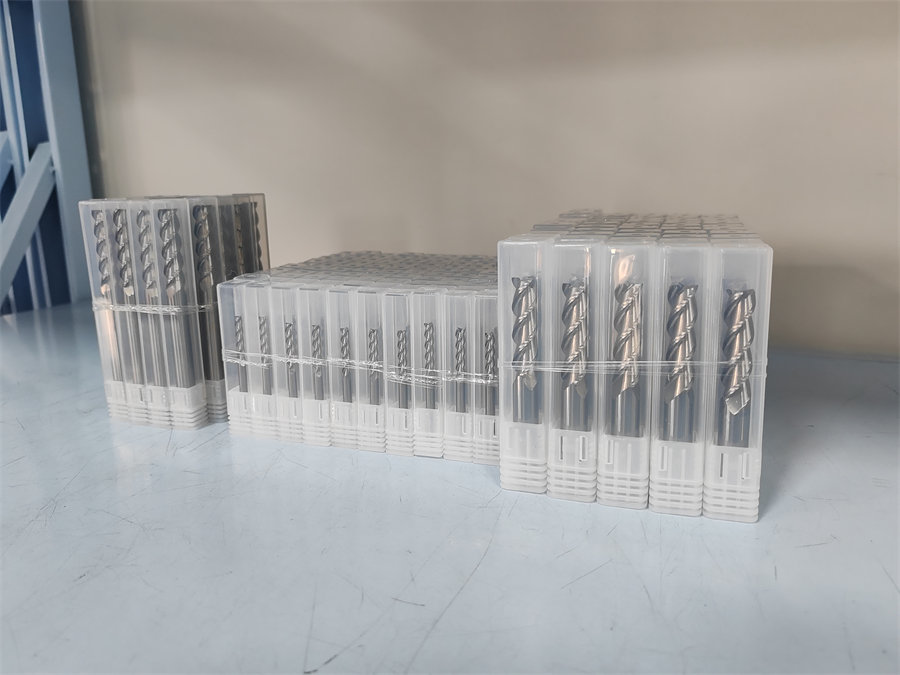
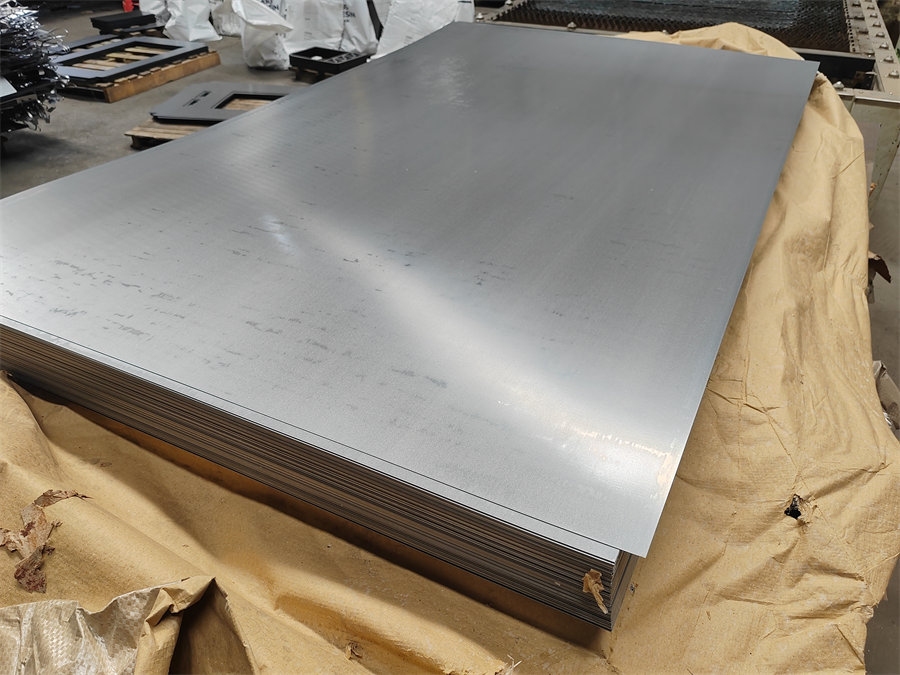
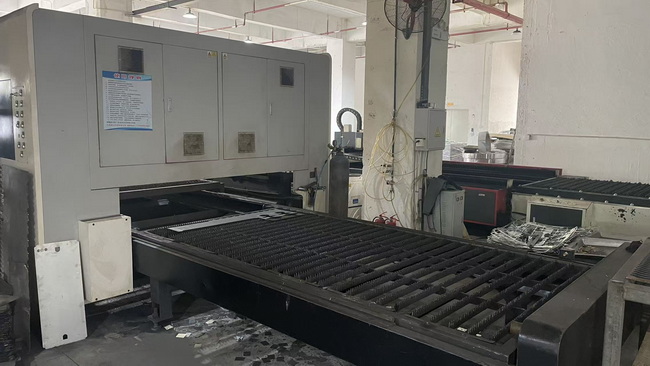
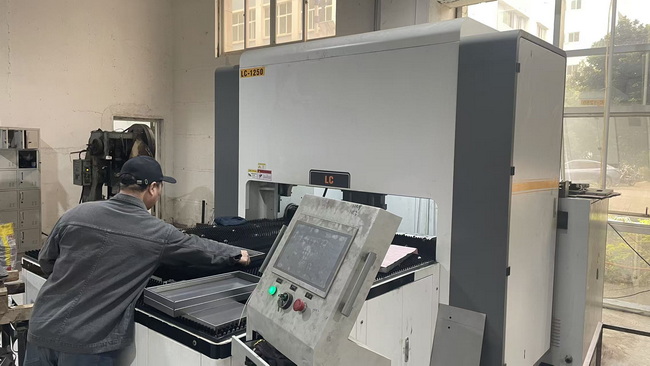
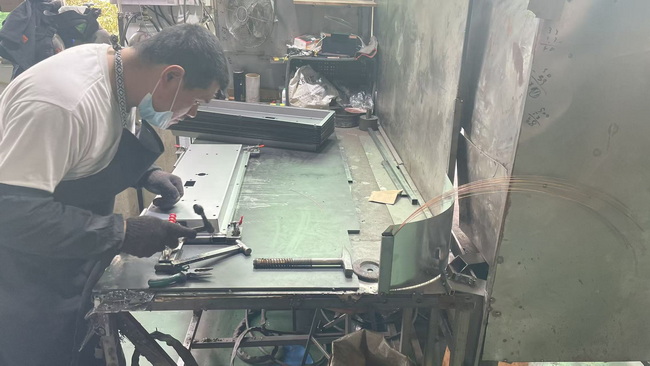
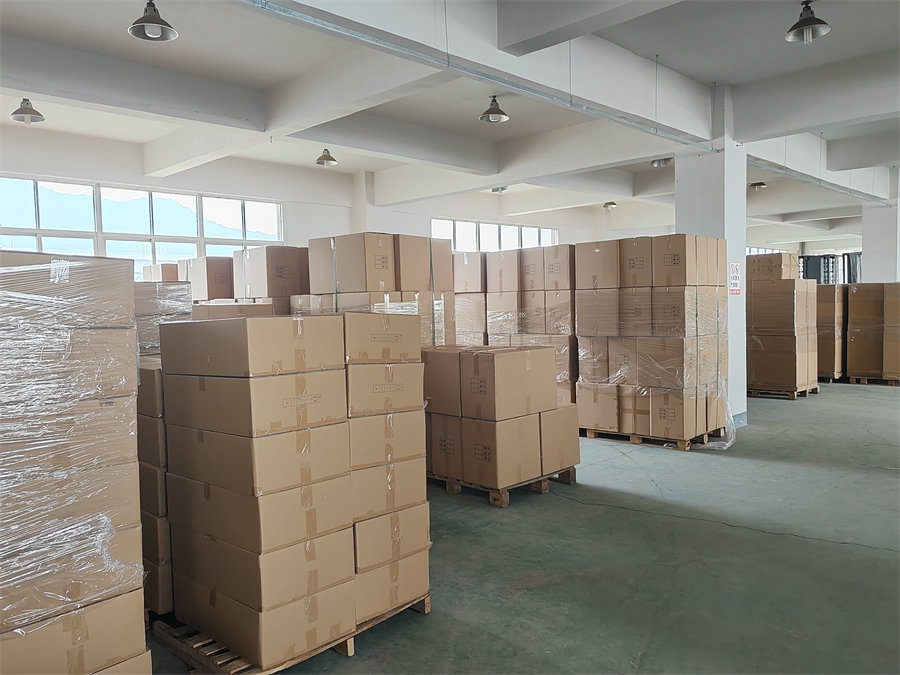
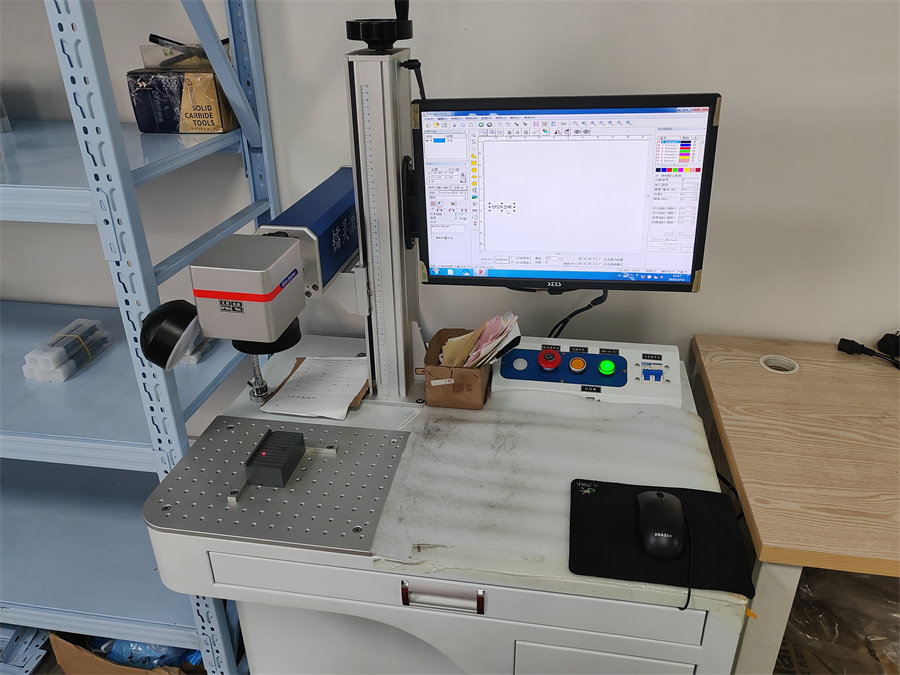
At Tier Tool, we believe that supplying cutting tools is only the beginning of our partnership with customers. Beyond delivering products, we provide comprehensive technical support and application engineering services to assist customers in optimizing their manufacturing processes.
Our technical specialists work directly with customers to analyze machining conditions, recommend suitable tooling strategies, and develop solutions that maximize efficiency, reliability, and cost-effectiveness. By understanding our customers' production goals and competitive challenges, we strive to become a trusted long-term manufacturing partner rather than simply a tooling supplier.
For Slovak procurement managers and plant engineers, sourcing high-performance tooling requires balancing quality, availability, and cost-efficiency. Our Chinese manufacturing facility offers several structural advantages:
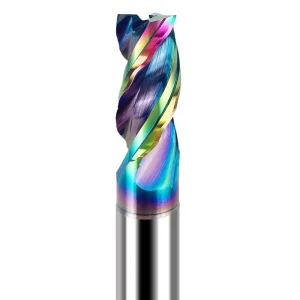
1. Material Integrity: We utilize high-grade tungsten carbide substrates sourced from domestic and global market leaders. By pairing these with advanced coatings (such as Bronze TiSiN, AlTiN, and physical vapor deposition DLC), we match or exceed standard OEM tool life metrics.
2. Advanced CNC Grinding Platforms: Our production line utilizes multi-axis CNC grinding centers to maintain tolerances within ±0.005mm. The consistency of the wave profile pitch remains stable from batch to batch, ensuring predictable tool performance during automated operations.
3. Tailored OEM/ODM Customization: Standard catalog tools do not always fit every application. We modify parameters like helix angles, wave pitch variations (coarse, medium, fine), neck relief lengths, and shank designs to adapt tools to specific customer setups.
4. Streamlined Logistics to Central Europe: Through reliable freight channels and rail networks connecting China to European logistics hubs, we maintain consistent supply lines to industrial parks in Košice, Žilina, Nitra, and Bratislava.
Expert answers addressing the design parameters, performance characteristics, and operation of wave edge end mills.
Explore our full range of professional CNC milling tools engineered for high reliability, precision performance, and durability.
Let us assist you in selecting the ideal substrate, geometry, and coating configuration for your processing lines in Slovakia.
Submit An Inquiry Tier Tool