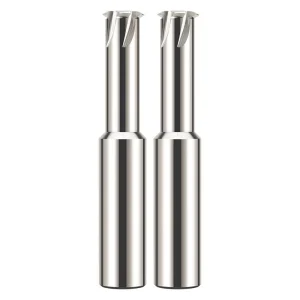
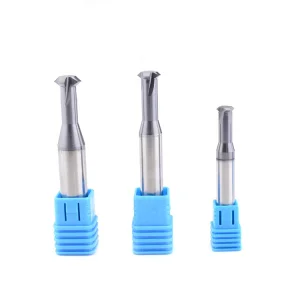
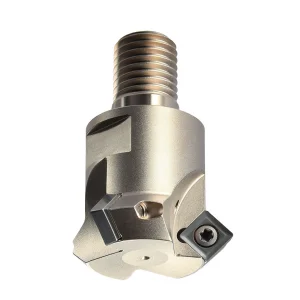
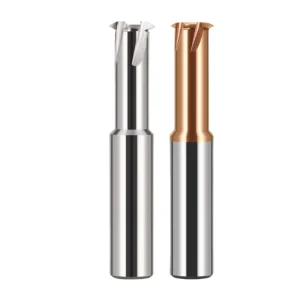
Advanced Thread Milling Cutters Configured for Pakistan's Leading Mechanical Machining Facilities
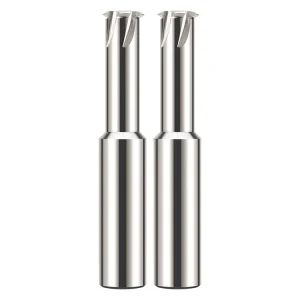
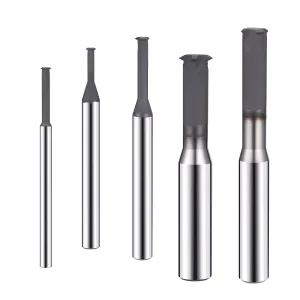
In recent years, Pakistan's manufacturing sectors have undergone a significant evolution. Heavy engineering hubs in Karachi, Lahore, Faisalabad, and Sialkot have transitioned from legacy tooling methods to advanced CNC operations. Under the framework of the China-Pakistan Economic Corridor (CPEC), modernization of infrastructure has accelerated the setup of specialized industrial parks. For manufacturers utilizing high-performance materials in automotive assemblies, surgical instruments, and machinery fabrication, single point thread mills have become an essential tooling resource.
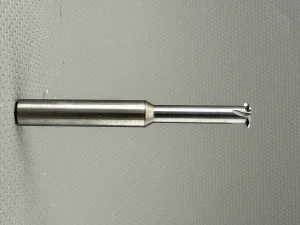
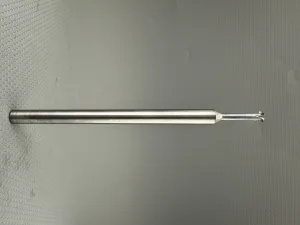
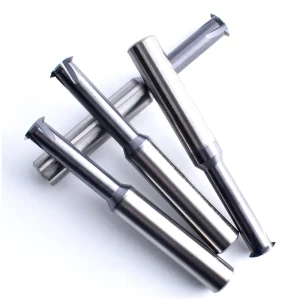
Traditional tapping methods, while cost-effective for low-tolerance manufacturing, present severe limitations when applied to precision aerospace alloys, high-grade surgical stainless steels, and complex castings. Single point thread mills (also known as single profile thread mills) operate with helical interpolation, which enables them to machine a wide range of thread diameters using a single tool. In Pakistan's industrial environment, where raw material costs and import overheads are critical factors, single point mills provide an immediate competitive advantage.
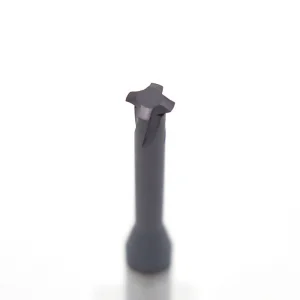
Unlike multi-point thread mills which cut the entire thread profile simultaneously, single point thread mills cut one thread groove at a time using circular helical interpolation. This operation yields several technical benefits:
Pakistani engineering workshops handle a diverse range of metals. Sialkot's surgical tool industry relies on AISI 304, 316L, and 420 stainless steel, which are prone to work hardening. Automotive vendors in Karachi process forged steel parts and cast iron casings, while pump manufacturers in Faisalabad and Lahore work with bronze, brass, and structural steel.
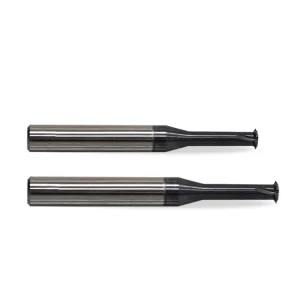
Selecting the appropriate thread mill involves matching the carbide substrate and coating to the workpiece material. For instance, TiAlN-coated solid carbide tools are ideal for structural and stainless steels due to their thermal stability. Conversely, uncoated or diamond-coated mills perform best in aluminum and copper alloys, where material adhesion is the primary challenge.
| Material Group | Recommended Coating | Cutting Speed (Vc - m/min) | Feed per Tooth (Fz - mm/flute) | Radial Engagement (Ae) |
|---|---|---|---|---|
| Aluminum & Alloys | Uncoated / Diamond (DLC) | 150 - 300 | 0.02 - 0.08 | Full thread profile depth |
| Mild & Carbon Steel | TiAlN / AlTiN | 80 - 150 | 0.01 - 0.05 | 0.5x to 1x profile depth |
| Stainless Steel (304/316) | AlTiN / CrN | 50 - 90 | 0.01 - 0.04 | 0.3x to 0.5x profile depth |
| Cast Iron & Hardened Alloys | High-Temp Altin | 60 - 110 | 0.02 - 0.06 | 0.5x to 0.7x profile depth |
Your Trusted National High-Tech Partner for Precision Solid Carbide Cutting Tools Since 2008
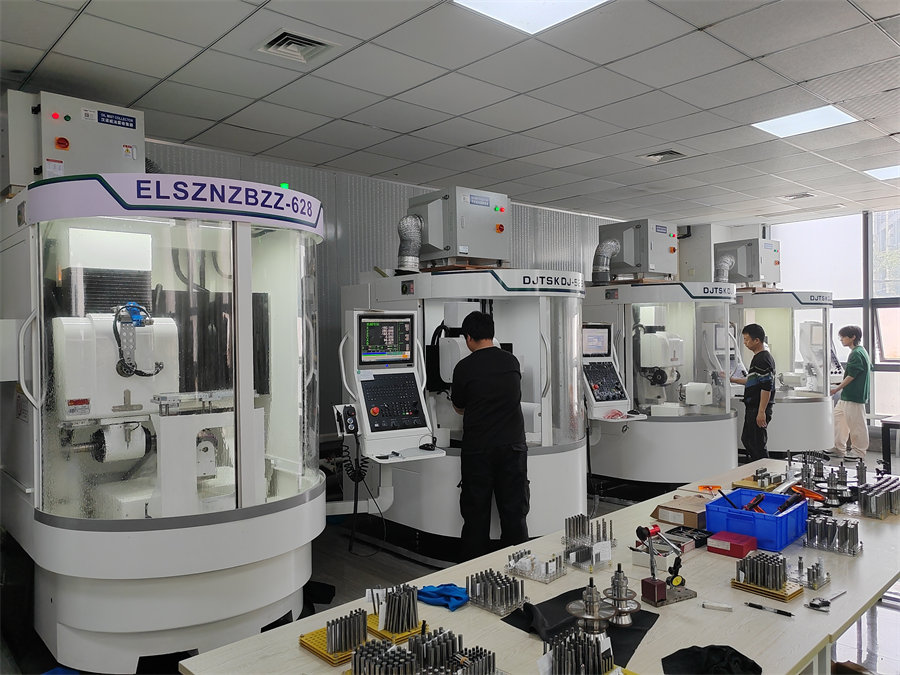
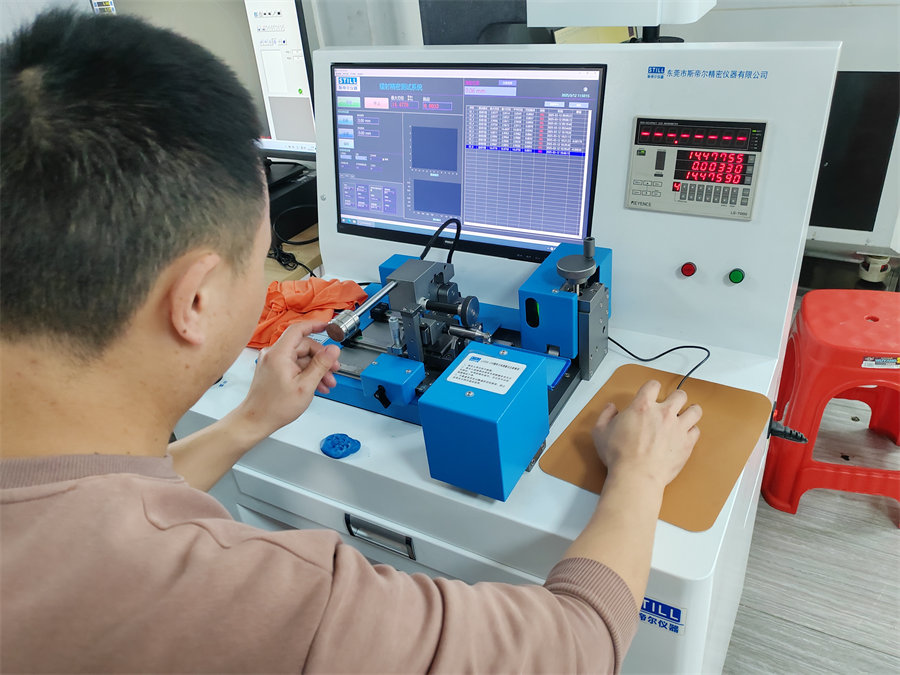
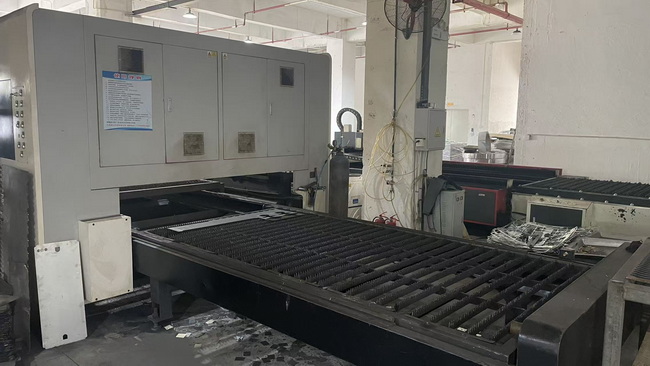
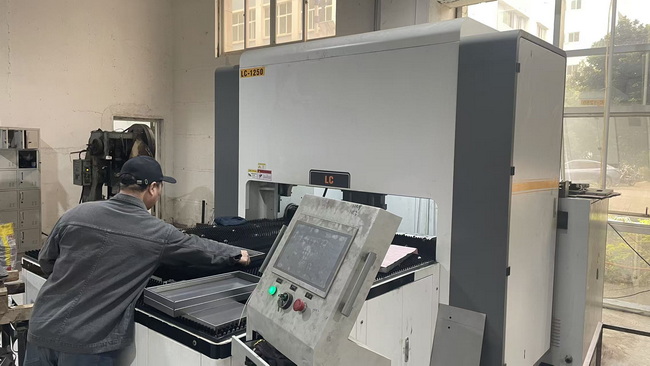
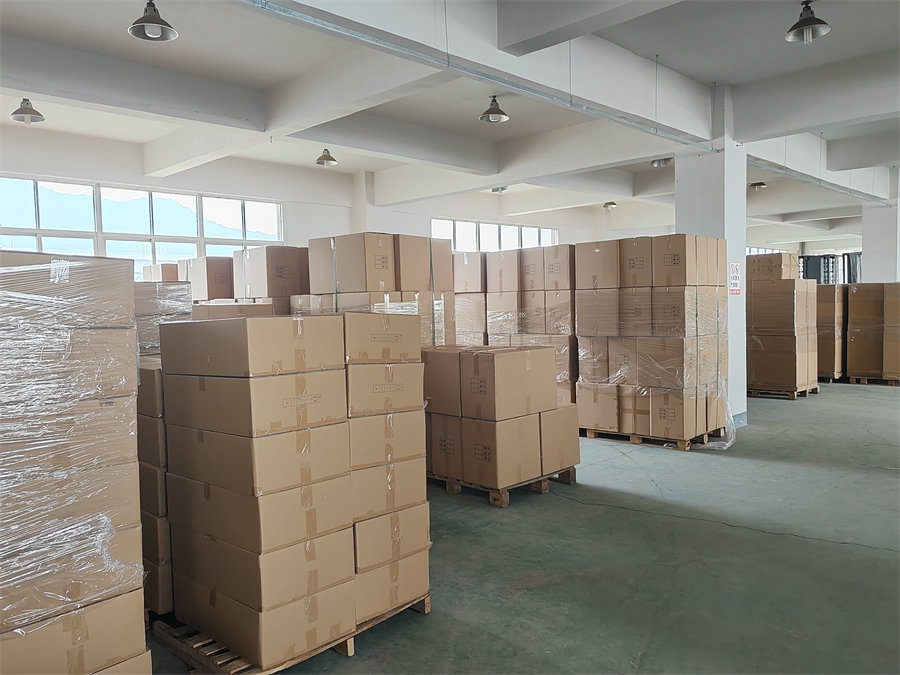
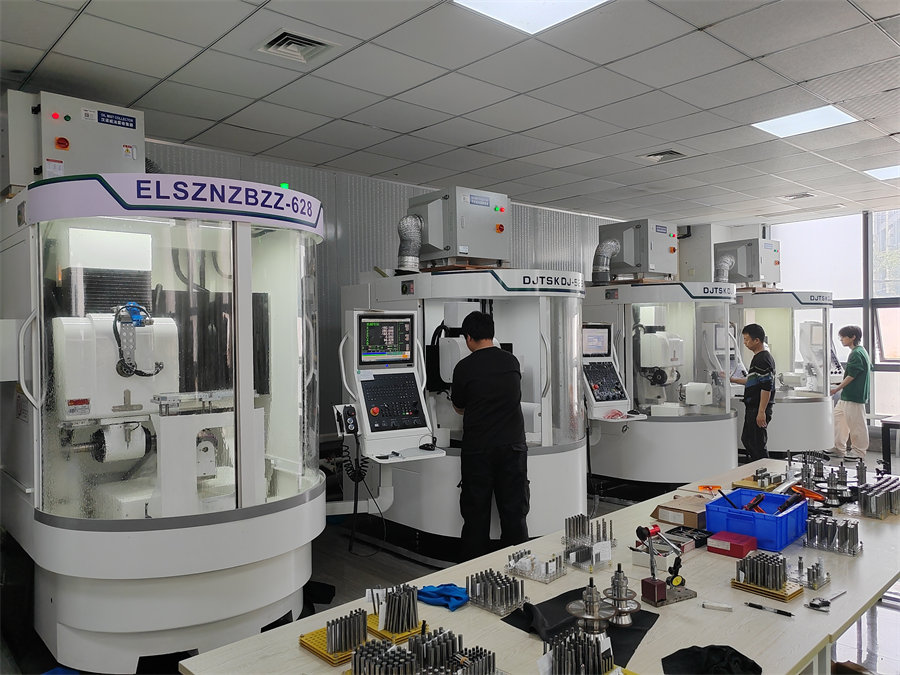
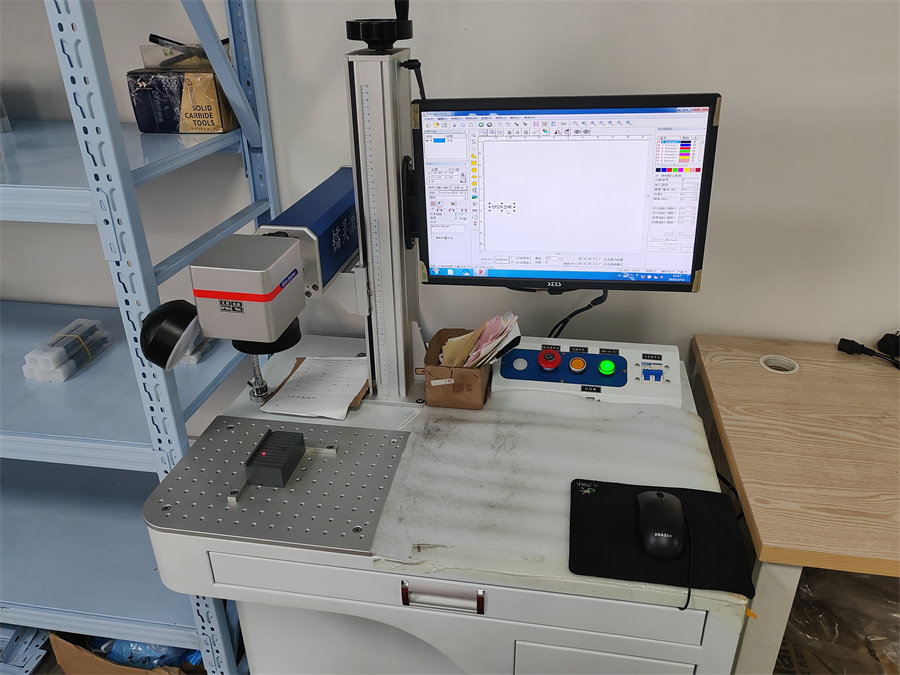
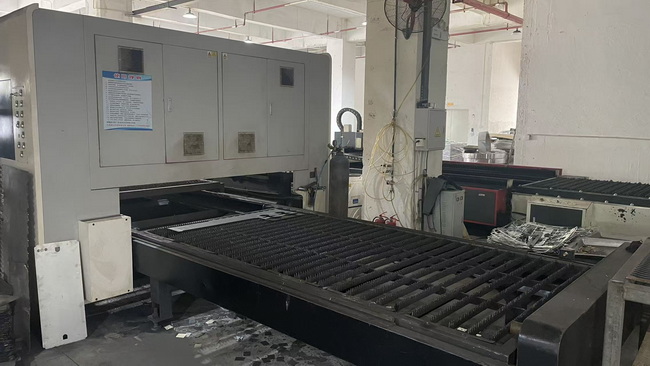
To ensure high levels of precision and consistency, Tier Tool has invested extensively in manufacturing equipment and production technologies. The company operates multiple imported CNC tool grinding machines and precision inspection systems, enabling complete in-house capabilities from tool design and prototyping to small-batch testing and large-scale production. Our manufacturing process is built upon process control and traceability standards. Every production stage is monitored to support repeatability, quality consistency, and reliable delivery performance.
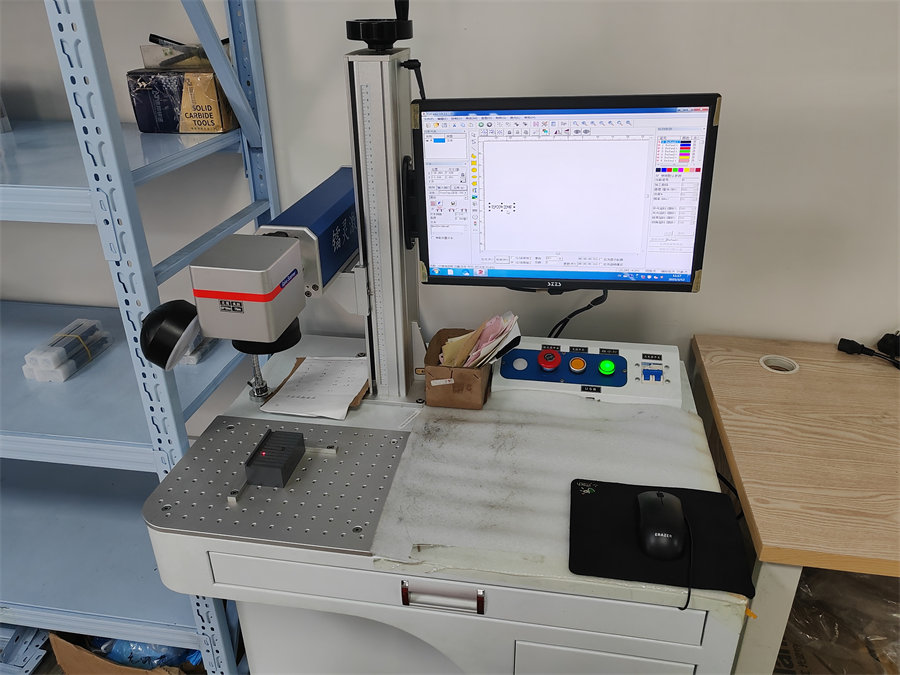
We adhere to the principle of "Quality First, Continuous Improvement", implementing quality control procedures throughout the entire production cycle. From raw material selection and incoming inspection to final product verification, every tool undergoes comprehensive quality checks to ensure it meets strict dimensional, geometrical, and performance requirements. By optimizing our manufacturing and inspection processes, we deliver products that provide accuracy, reliability, and consistency in real-world machining applications.
At Tier Tool, we believe that supplying cutting tools is only the beginning of our partnership with customers. Beyond delivering products, we provide technical support and application engineering services to assist customers in optimizing their manufacturing processes. Our technical specialists work directly with customers to analyze machining conditions, recommend suitable tooling strategies, and develop solutions that maximize efficiency, reliability, and cost-effectiveness. By understanding our customers' production goals and competitive challenges, we strive to become a long-term manufacturing partner rather than simply a tooling supplier.
Looking ahead, Suzhou Tier Tool Co., Ltd. will continue to focus on the development of high-performance carbide cutting tools and deepen its expertise in automotive, aerospace, precision engineering, and advanced manufacturing industries. Driven by professionalism, innovation, and customer commitment, we are dedicated to creating value for our customers through reliable products, flexible services, and advanced manufacturing technologies.
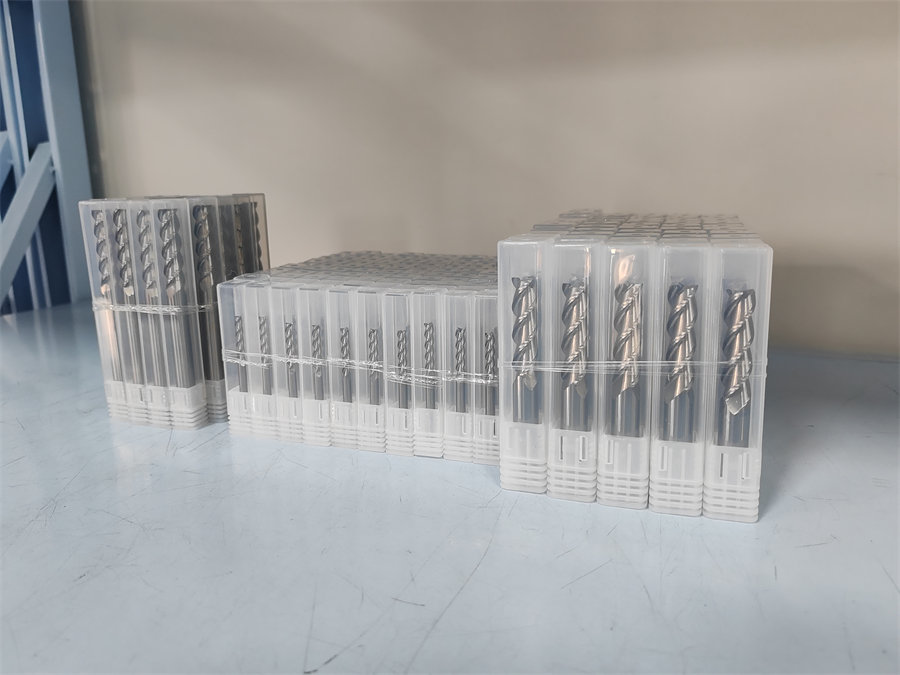

Highly Durable Designs Supporting Both Internal and External Thread Configurations
Managing procurement cycles within Pakistan requires a reliable supply chain partner. Due to fluctuations in foreign exchange rates and local import procedures, manufacturers must optimize lead times and stock availability. Suzhou Tier Tool coordinates directly with freight networks to facilitate shipping from our manufacturing facilities to destination ports in Karachi (Karachi Port / Port Qasim) and key dry ports in Lahore and Islamabad.
We provide complete trade documentation, certificates of origin, and compliance reports to support Customs clearance in Pakistan. For industrial accounts with recurring tool demands, we offer inventory planning programs. This ensures a consistent supply of thread mills, minimizing downtime caused by tool replacement delays.
We manufacture customized cutting tools to match specific workpiece materials and geometries. Our design and production cycle follows a structured approach to deliver quality:
Our engineers evaluate your workpiece material, thread geometry (such as Metric, UN, NPT, or ACME), and CNC spindle capabilities.
We produce 2D drawings and 3D models of the custom tool, optimizing helix angles and flute designs for your chip evacuation requirements.
Using premium micro-grain tungsten carbide, the custom tools are ground on Walter or ANCA machines and finished with thin-film coatings.
The performance of a single point thread mill depends largely on its tool substrate and coating. Suzhou Tier Tool uses sub-micron tungsten carbide substrates with high cobalt content. This combination offers high hardness to resist wear along with the toughness needed to prevent micro-chipping on cutting edges.
We apply physical vapor deposition (PVD) coatings to enhance tool performance. Titanium Aluminum Nitride (TiAlN) coatings create a protective aluminum oxide layer at elevated temperatures, making them suitable for dry or minimum-quantity lubrication (MQL) machining. For non-ferrous materials like aluminum and copper alloys, our Diamond-Like Carbon (DLC) coating reduces the friction coefficient, preventing material built-up edge (BUE) and maintaining dimensional stability.
Technical and Logistics Support for Engineering Teams in Pakistan
Single point thread mills offer several benefits compared to traditional taps:
1. Reduced Risk of Tool Breakage: Taps can bind and snap inside a hole, often ruining the workpiece. If a thread mill breaks, it has a smaller diameter than the hole, allowing for easy removal.
2. Versatility: A single tool can machine different thread diameters with the same pitch.
3. Power Requirements: Thread milling requires lower machine spindle torque than tapping, making it suitable for light-duty CNC machines.
4. Precision: Thread milling allows for precise control of thread depth and pitch diameter tolerances.
When programming internal thread milling, you must calculate the feed rate for the tool's centerline rather than the outer cutting edge. Because the tool path is smaller than the final thread diameter, the linear feed rate must be reduced to avoid overloading the tool. The formula for the centerline feed rate is:
F_center = F_edge * (D_thread - D_tool) / D_thread.
Our technical support team can assist you with custom CNC programming parameters for your specific machine setups.
For urgent custom requirements, air freight delivery to Karachi Jinnah International Airport or Lahore Allama Iqbal International Airport typically takes 5 to 9 business days. Standard sea freight shipments to Karachi Port or Port Qasim generally range between 18 and 28 days, depending on shipping line schedules and export clearance steps.
Yes. We manufacture thread mills designed for hardened tool steels and die-cast alloys. These tools feature specialized geometries, optimized rake angles, and high-performance AlTiN or specialized silicon-based nanocomposite coatings that maintain cutting edge hardness at temperatures up to 900°C.
Yes. As an OEM/ODM manufacturer, we produce custom solid carbide thread mills. Customers can provide technical specifications or CAD drawings (DXF, STEP, or PDF format). We will design and manufacture custom profiles, neck lengths, and shank diameters to match your production requirements.
The China-Pakistan Economic Corridor (CPEC) has helped streamline customs processes and logistics infrastructure between our countries. This enables faster shipping, simplified documentation, and reduced transport times for industrial shipments bound for Karachi, Faisalabad, Lahore, and other dry port terminals.
Partner with Suzhou Tier Tool Co., Ltd. for engineering support, high-performance carbide substrates, and customized thread mill profiles. Contact our support team for technical consultations and quotations.
Send Inquiry Now Tier Tool