Explore our premium selection of single point thread mills optimized for rapid setup, low cutting pressure, and unmatched precision in Victorian job shops.
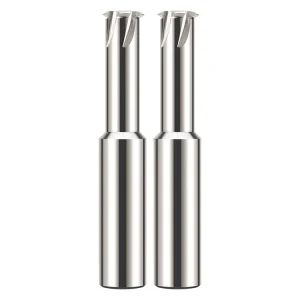
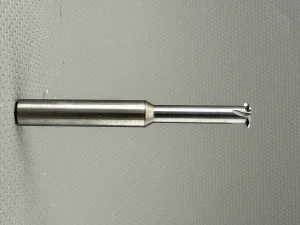
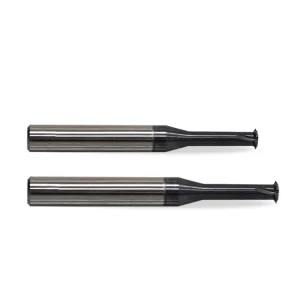
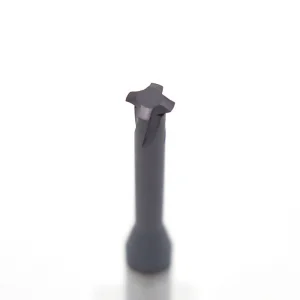
The manufacturing sector in Greater Melbourne, Victoria, has undergone a significant structural transformation. Transitioning from legacy automotive assembly to high-value, high-precision engineering, local workshops in industrial hubs like Dandenong, Campbellfield, Bayswater, and Sunshine are increasingly securing defense, aerospace, medical device, and specialized transport contracts. This shift demands absolute compliance with narrow tolerances and zero-defect quality benchmarks. In such environments, cutting tools are not mere consumables—they are critical assets that determine production feasibility and margin preservation.
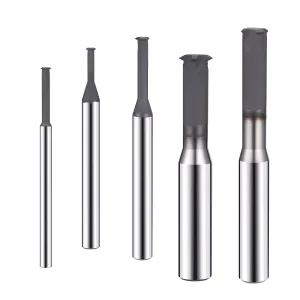
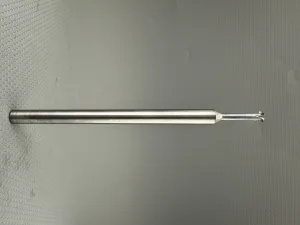
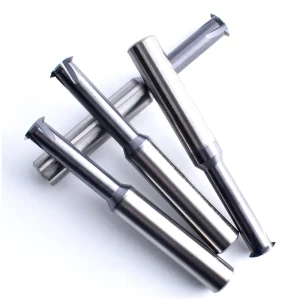
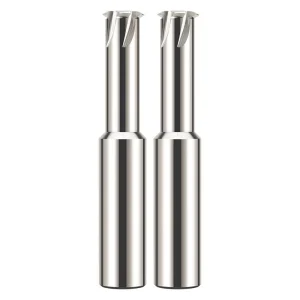
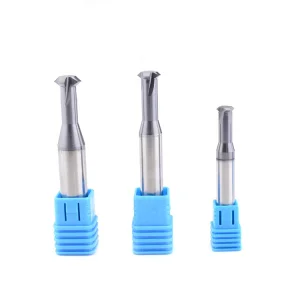
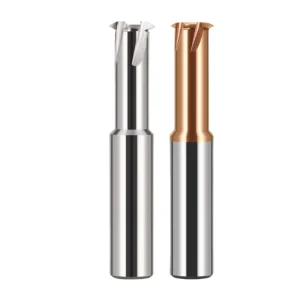
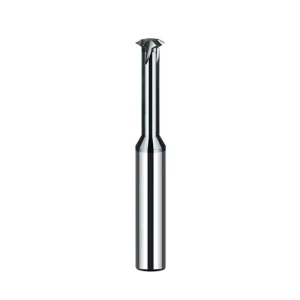
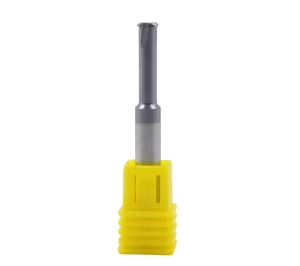
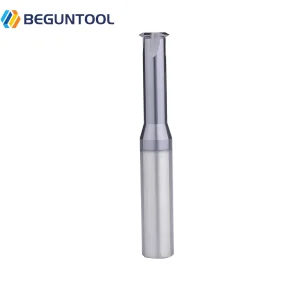
Among these tooling technologies, Single Point Solid Carbide Thread Mills have emerged as the standard for producing highly critical threads. Unlike multi-point alternatives or traditional taps, single point mills construct threads through helically interpolated paths using a single cutting tooth profile. This operational method dramatically reduces the cutting pressure exerted on the workpiece, which is critical when machining thin-walled components or demanding alloys such as titanium, Inconel, and tool steels. For Melbourne manufacturers servicing defense contractors or medical suppliers, preventing workpiece scrap due to tool breakage is paramount. Single point thread mills offer a safe fallback; if a tool fails, it does not lock in the pre-machined hole, allowing for easy extraction without damaging expensive, near-finished workpieces.
Single point thread mills feature a shorter cutting contact zone than multi-pitch cutters. This inherently reduces radial cutting forces, preventing tool deflection (bending) even when cutting deep threads or high-tensile materials. The result is a perfect 60° or 55° thread profile from the entry to the bottom of the bore.
Traditional tapping operations pose significant risks when dealing with complex geometries or specialized metals. A broken tap often results in scrap, costing thousands of dollars in lost materials and machining time. Single point thread milling, by contrast, relies on a helical CNC path where the tool diameter is smaller than the hole diameter. This provides ample space for chip evacuation and coolant delivery, eliminating the high friction and chip-clogging issues common with taps. Furthermore, one single point tool can produce a range of thread sizes with the same pitch, reducing tool inventory costs for job shops.
Our global manufacturing base supports local Australian distribution with rapid response times and aerospace-grade repeatability.
Suzhou Tier Tool Co., Ltd. was established in 2008 and is a national high-tech enterprise specializing in the design, manufacturing, and technical support of precision solid carbide cutting tools. Since our foundation, Tier Tool has been deeply committed to the precision machining industry, focusing on delivering high-performance, high-efficiency cutting solutions for hole-making and metalworking applications. Through continuous technological innovation and manufacturing excellence, the company has earned the trust of customers across a wide range of industries worldwide.
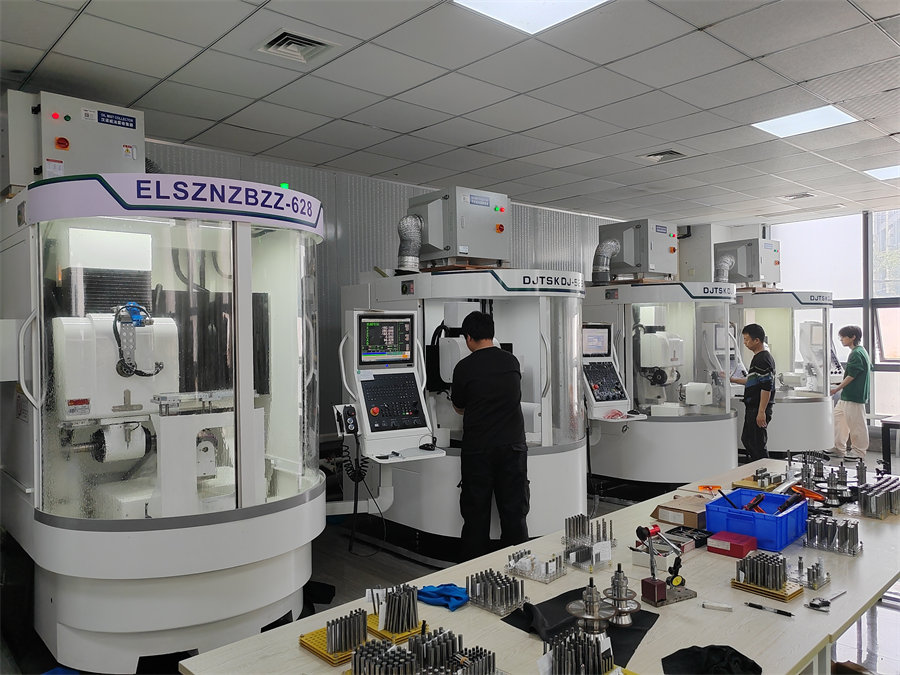
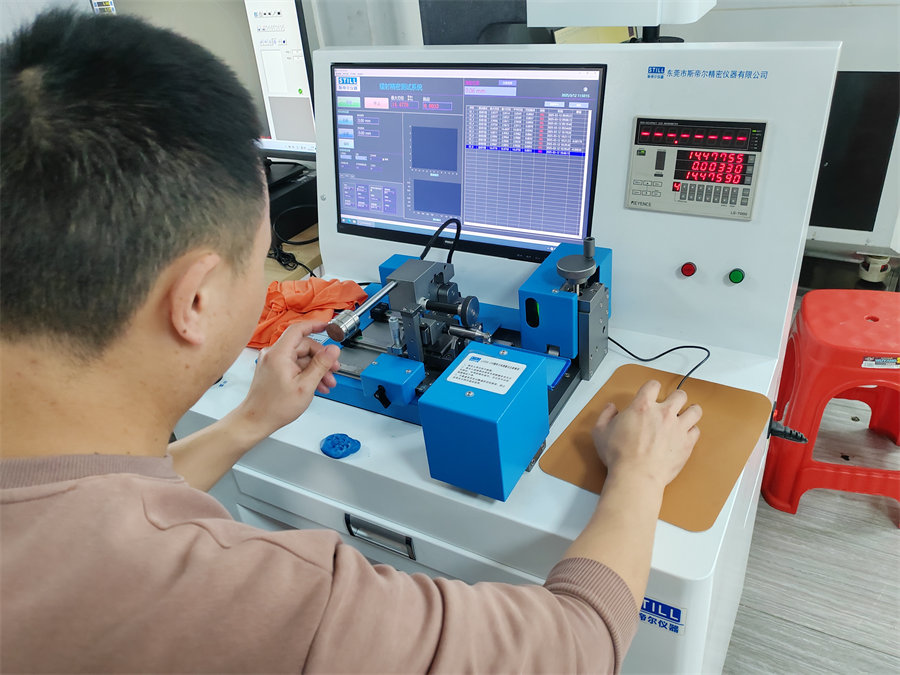
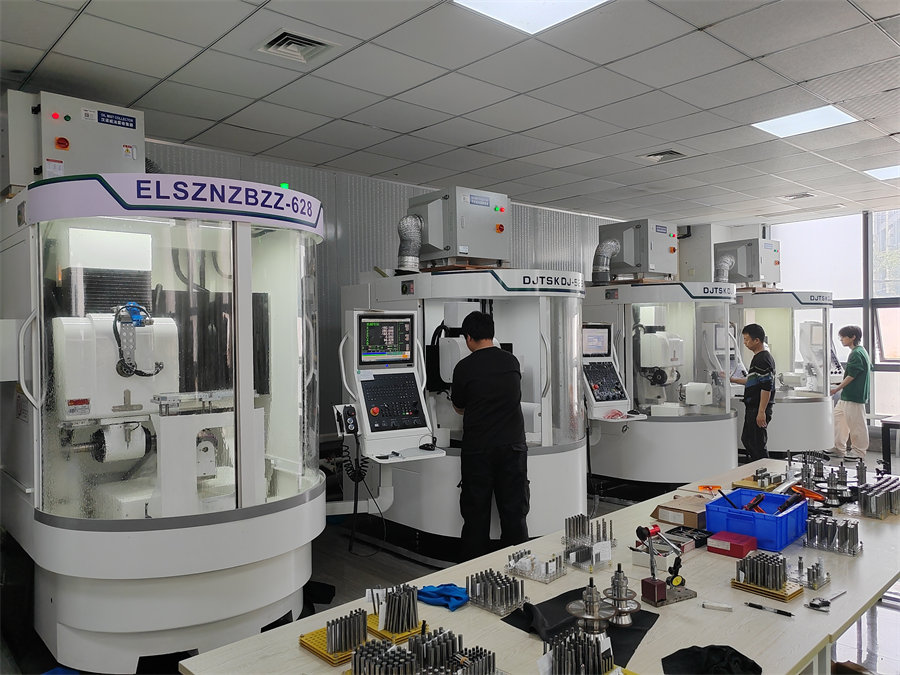
To ensure the highest levels of precision and consistency, Tier Tool has invested extensively in advanced manufacturing equipment and production technologies. The company operates multiple imported CNC tool grinding machines and precision inspection systems, enabling complete in-house capabilities from tool design and prototyping to small-batch testing and large-scale production.
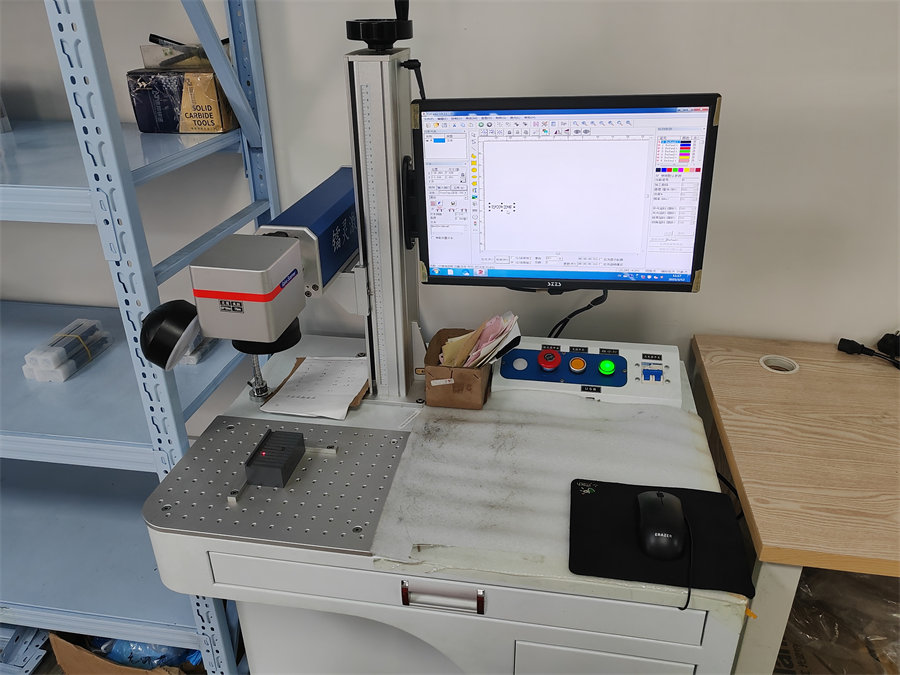
Our manufacturing process is built upon strict process control and traceability standards. Every production stage is carefully monitored to ensure repeatability, quality consistency, and reliable delivery performance. Through systematic process management and standardized operating procedures, Tier Tool has established a robust manufacturing system capable of meeting the demanding requirements of modern precision machining.
Quality is the foundation of Tier Tool's long-term success. We adhere to the principle of "Quality First, Continuous Improvement", implementing rigorous quality control procedures throughout the entire production cycle.
From raw material selection and incoming inspection to final product verification, every tool undergoes comprehensive quality checks to ensure it meets strict dimensional, geometrical, and performance requirements. By continuously optimizing our manufacturing and inspection processes, we deliver products that provide exceptional accuracy, reliability, and consistency in real-world machining applications. We understand that in precision manufacturing, stable quality is not only a requirement but also the key factor that determines our customers' productivity and competitiveness.
At Tier Tool, we believe that supplying cutting tools is only the beginning of our partnership with customers. Beyond delivering products, we provide comprehensive technical support and application engineering services to assist customers in optimizing their manufacturing processes.
Our technical specialists work directly with customers to analyze machining conditions, recommend suitable tooling strategies, and develop solutions that maximize efficiency, reliability, and cost-effectiveness. By understanding our customers' production goals and competitive challenges, we strive to become a trusted long-term manufacturing partner rather than simply a tooling supplier.
Looking ahead, Suzhou Tier Tool Co., Ltd. will continue to focus on the development of high-performance carbide cutting tools and deepen its expertise in automotive, aerospace, precision engineering, and advanced manufacturing industries. Driven by professionalism, innovation, and customer commitment, we are dedicated to creating greater value for our customers through reliable products, flexible services, and advanced manufacturing technologies. Tier Tool will continue to grow as a trusted global partner in precision cutting solutions, helping customers achieve higher productivity, better quality, and stronger competitiveness in an ever-evolving manufacturing world.
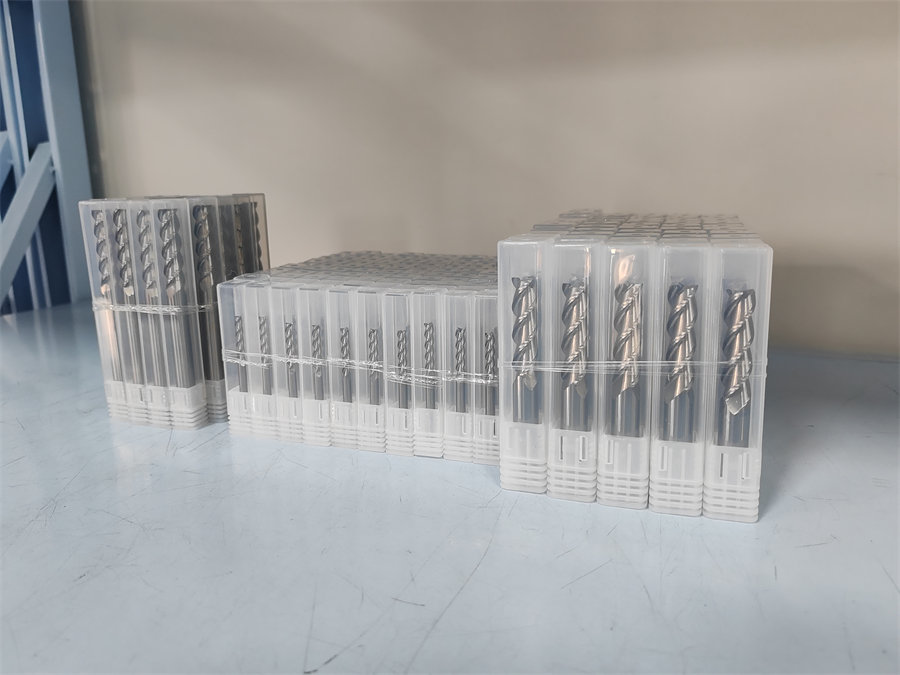
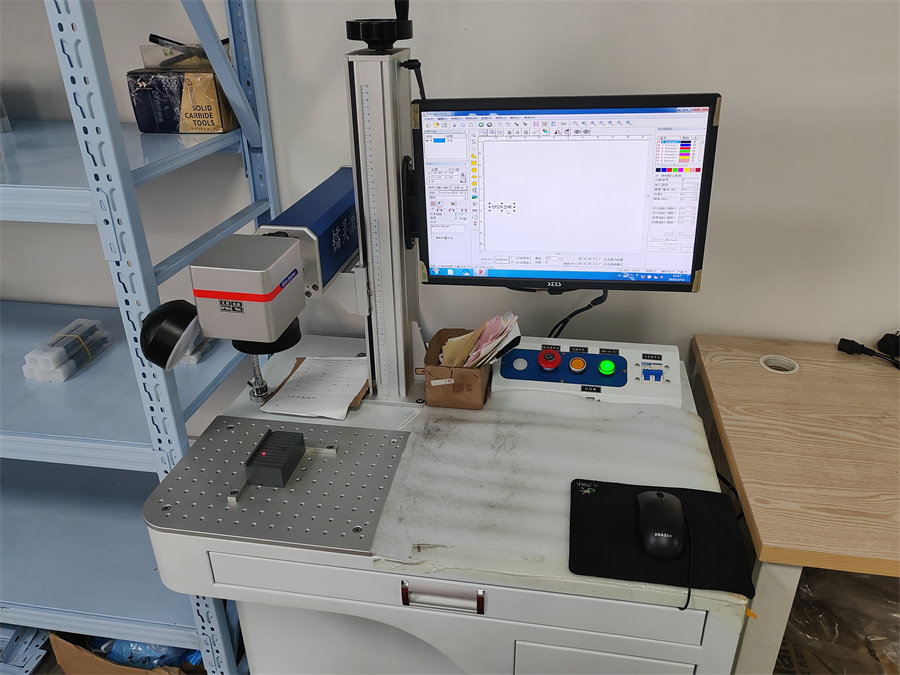
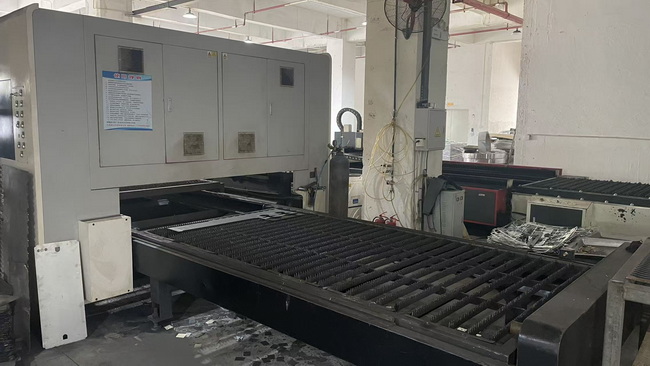
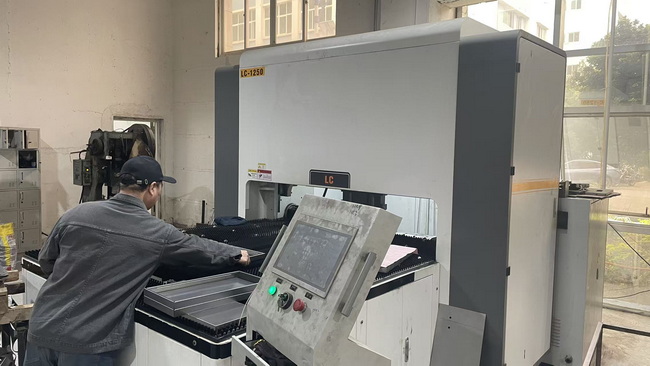
Step-by-step verification and precision manufacturing at Tier Tool facilities ensures that every thread mill complies with ISO standard specifications.
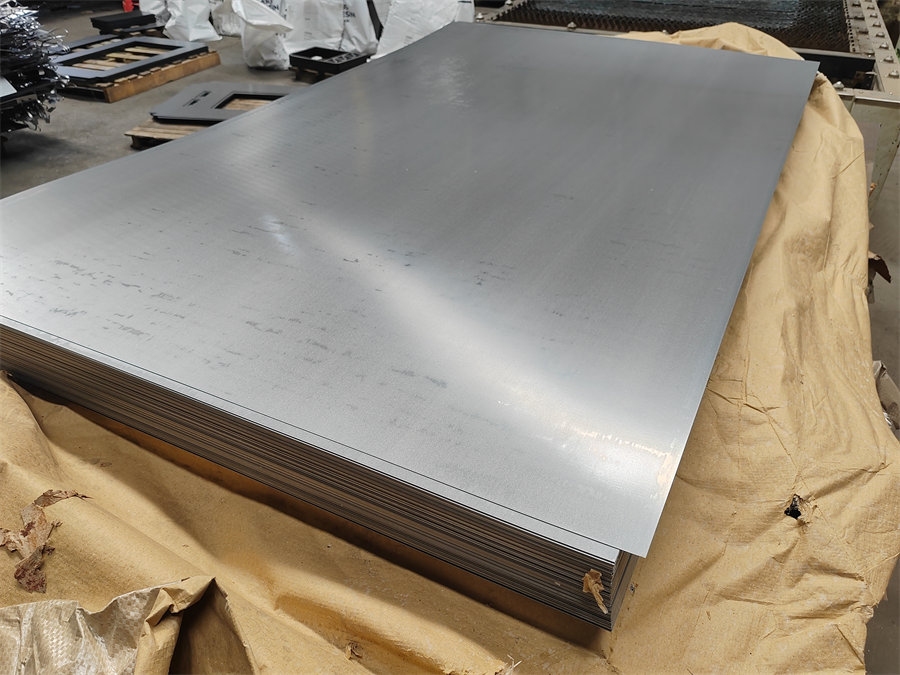
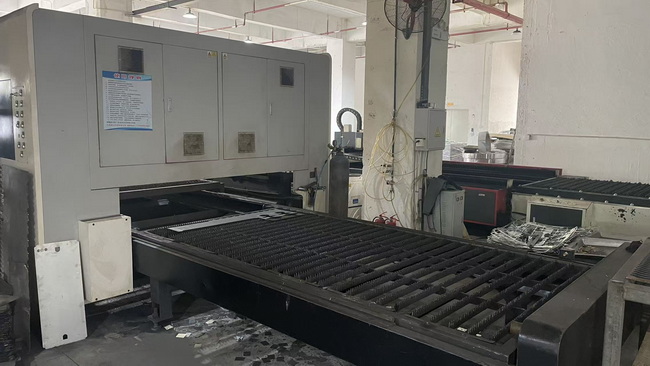
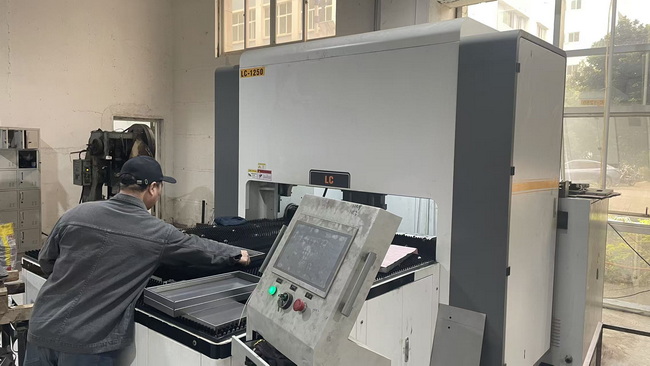
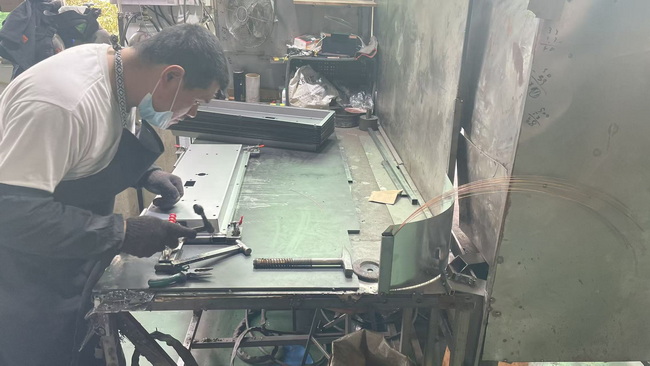

Manufacturing for advanced sectors like medical implants, defense-grade armored plating, and aerospace structural assemblies leaves zero margin for error. A single misstep can compromise the integrity of an entire component, causing significant delays and high costs. In these demanding applications, selecting the appropriate cutting tool is a critical factor for success. Single-point thread mills offer a combination of reliability, flexibility, and precision that makes them highly suitable for these requirements.
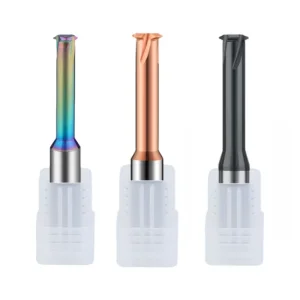
Melbourne's advanced engineering sectors regularly work with hard, abrasive, or work-hardening materials such as Titanium alloys (Grades 2 and 5), Nickel-based superalloys (Inconel 718), and high-strength stainless steels (Duplex and 316L). Traditional tapping in these materials often leads to excessive heat generation, tool binding, and premature breakage. Single-point thread mills mitigate these risks by using a helical interpolation path. This geometry ensures a small tool-workpiece contact area, which reduces heat and cutting forces. Combined with advanced coating options like Titanium Aluminum Nitride (TiAlN) and diamond coatings, these tools maintain sharp cutting edges and resist abrasive wear, ensuring consistent thread quality in challenging materials.
Traditional tapping relies on axial force to drive a multi-fluted tool through the workpiece material. This process generates high torque and friction along the entire length of the thread, making it prone to chip packing and tool binding. In contrast, single-point thread milling operates on a helical interpolation path. The tool rotates about its axis while orbiting the internal diameter of the bore, advancing axially by one pitch per full orbit. This approach offers several distinct advantages:
As industry continues to evolve, several technological developments are shaping the future of cutting tool design and application:
Nano-Composite Coatings: The development of multi-layered, nano-structured coatings provides a balance of surface hardness and thermal stability. These coatings act as thermal barriers, protecting the underlying carbide substrate from extreme temperatures during high-speed dry machining.
Sustainable Machining Practices: With increasing focus on environmental sustainability, manufacturers are moving towards Minimum Quantity Lubrication (MQL) and dry machining. Single-point thread mills are well-suited for these practices, as their low-friction cutting geometry reduces the dependence on large volumes of flood coolant.
CAM Integration and Digital Tool Modeling: Modern CAD/CAM systems allow for precise simulation of helical tool paths. Digital twin models of thread mills help engineers optimize cutting parameters and verify clearance before physical machining begins, reducing setup time and preventing tool collisions.
Select from our customizable OEM/ODM thread milling catalog to optimize your CNC machining parameters on Melbourne workshop floors.
Get answers to the most common questions raised by production managers and CNC programmers regarding single point carbide tool deployment.
Single point thread mills are ideal when machining high-value workpieces or tough, hardened materials where tool breakage must be avoided at all costs. Because they cut only one pitch at a time, radial cutting forces are extremely low, reducing tool deflection and allowing for deeper thread profiles. They are also highly versatile, allowing you to cut different thread diameters of the same pitch with a single tool, whereas multi-point mills are generally restricted to a specific diameter-to-pitch ratio.
When programming internal thread milling, you must calculate the feed rate at the tool centerline rather than the outer cutting edge. The formula is: Center Feed Rate = Linear Feed Rate × (Hole Diameter - Tool Diameter) / Hole Diameter. Failure to adjust for this will result in over-feeding the tool, leading to chip overloading and potential tool breakage.
For stainless steel (such as 316 or Duplex), a conservative starting point is a chip load (IPT - feed per tooth) of 0.01mm to 0.03mm, depending on the tool diameter. It is critical to maintain a consistent feed rate to prevent work hardening of the stainless steel surface. Climb milling (down milling) is highly recommended to ensure the chip begins thick and thins out at exit, minimizing heat generation.
Only if the thread profiles and pitches match. Metric and UN threads both feature a 60-degree profile angle, but their pitch dimensions are different (metric is measured in millimeters, UN in threads per inch). A single point tool can only cut pitches that match its own tooth profile. Using a metric thread mill to cut a UN thread is only possible if you have a customized profile designed to accommodate the thread crest and root flats of both standards.
AlTiN (Aluminum Titanium Nitride) coatings form an aluminum oxide layer at high temperatures (up to 800°C). This layer acts as a thermal barrier, directing heat away from the carbide substrate and into the chips. This allows for higher cutting speeds and tool life in dry milling or Minimum Quantity Lubrication (MQL) conditions, which are increasingly common in modern Victorian workshops.
Thread taper is typically caused by tool deflection due to high radial cutting forces, especially in deep holes or hard materials. To resolve this, you can: 1) use multiple radial cutting passes (roughing and finishing) instead of a single pass, 2) use a single point tool which exerts lower radial forces, or 3) apply a taper compensation factor in your CNC G-code, slightly adjusting the X/Y interpolation coordinates at different Z depths.
Contact our technical engineering team today. We provide customized solid carbide thread mills designed for high-performance applications in Melbourne and global markets.
Send Inquiry Now Tier Tool