Optimized configurations engineered for Flemish high-performance machining clusters and Wallonian aerospace manufacturing facilities.
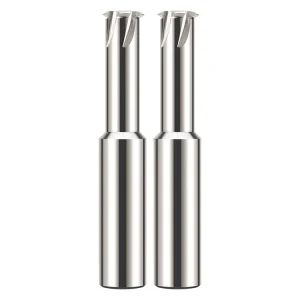
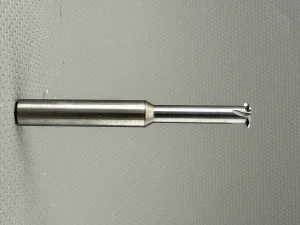
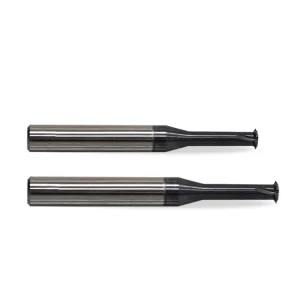
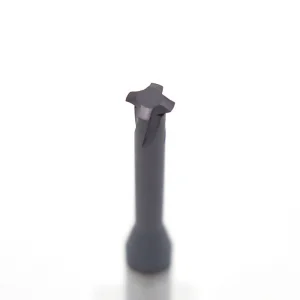
Belgium stands as a critical high-tech industrial epicenter in Western Europe, driving key advancements in aerospace, automotive assembly, chemical production, and medical instrumentation. With manufacturing hubs clustered in Flanders (renowned for smart automation and automotive components) and Wallonia (the historic and high-tech corridor for aerospace engineering companies like SABCA and Sonaca), the demand for impeccable machining standards is absolute.
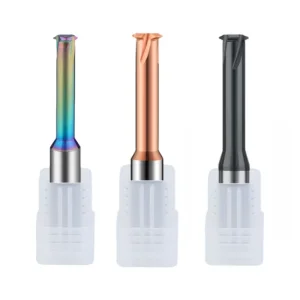
Within this demanding context, conventional tapping methods often fall short. Modern manufacturing demands flexible, reliable, and highly stable tooling solutions. Single point thread mills present a strategic advantage for Belgian shops. Unlike multi-point cutters, single point tooling offers extreme versatility and structural integrity. By operating on a single-point design, these cutters dramatically minimize cutting forces, reduce vibration, and successfully eliminate the risk of catastrophic tap breakage inside expensive, near-finished components. For Belgian machine shops working under tight aerospace deadlines or medical equipment certifications, utilizing single point thread mills from Suzhou Tier Tool Co., Ltd. guarantees process security, minimal scrap rates, and outstanding surface finishes.
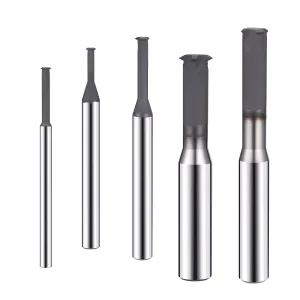
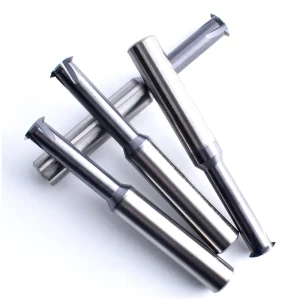
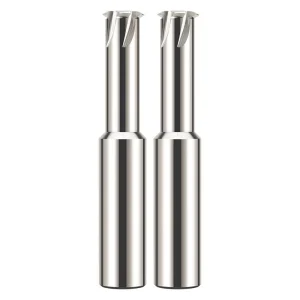
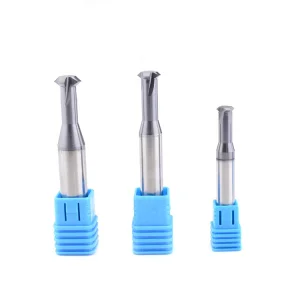
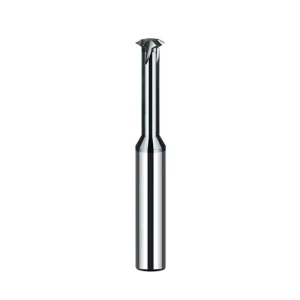
For professional machinists, understanding the mechanics of a tool is paramount to maximizing throughput. Single point thread mills rely on helical interpolation, moving along the X, Y, and Z axes simultaneously to form the thread profile. The tool features a single profile tooth (or a restricted set of matching profile teeth on a single horizontal plane) that generates the thread form one pitch loop at a time.
"In high-value machining applications—such as milling complex internal threads in aerospace-grade Titanium alloys or medical-grade Cobalt-Chrome—using a single point thread mill is the ultimate insurance policy. If a tool breaks, it is small, does not bind, and can easily be backed out without damaging the component."
Multi-point thread mills engage several teeth along the axial depth of the thread concurrently. This results in high radial engagement, creating high cutting forces and inviting tool deflection (chatter). When machining deep holes or challenging materials like Inconel, tool deflection causes taper errors and degraded thread surface quality.
A single-point mill minimizes tool contact area. Radial forces are kept to a minimum, ensuring that the tool path remains perfectly true from the entry point to the bottom of the bore. Additionally, single profile thread mills are inherently versatile: a single tool can produce a range of thread sizes and pitches, provided they share the same profile angle (e.g., 60-degree Metric/UN or 55-degree BSP/Whitworth).
European procurement teams face unprecedented challenges due to shifting geopolitical climates and regional supply chain standardizations. Across Belgium, purchasing managers are focusing on TCO (Total Cost of Ownership) rather than simple unit costs. Factors such as tooling predictability, inventory simplification, and rapid customized engineering support are key considerations.
The rise of automated CNC cell manufacturing across Flanders means tools must run unattended for extended cycles. If a tool fails prematurely, it compromises the entire lights-out manufacturing operation. Suzhou Tier Tool addresses this with ultra-stable micro-grain tungsten carbide tool substrates paired with state-of-the-art coatings (TiAlN, AlCrN, and CVD Diamond) to ensure maximum tool longevity and predictable wear rates.
Established in 2008, a national high-tech enterprise specializing in precision solid carbide cutting tools.
Suzhou Tier Tool Co., Ltd. was established in 2008 and is a national high-tech enterprise specializing in the design, manufacturing, and technical support of precision solid carbide cutting tools. Since our foundation, Tier Tool has been deeply committed to the precision machining industry, focusing on delivering high-performance, high-efficiency cutting solutions for hole-making and metalworking applications. Through continuous technological innovation and manufacturing excellence, the company has earned the trust of customers across a wide range of industries worldwide.
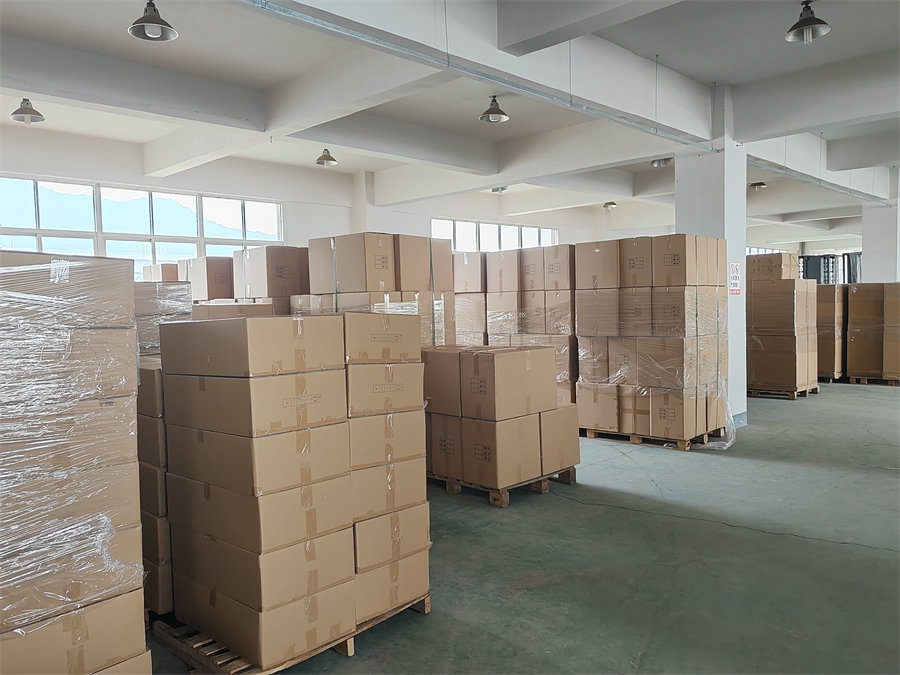
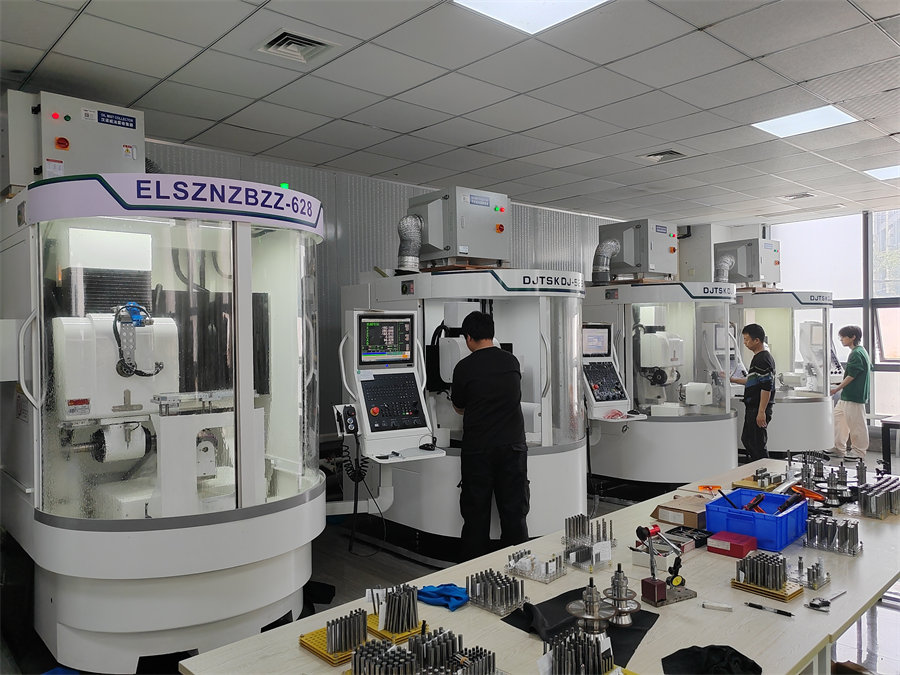
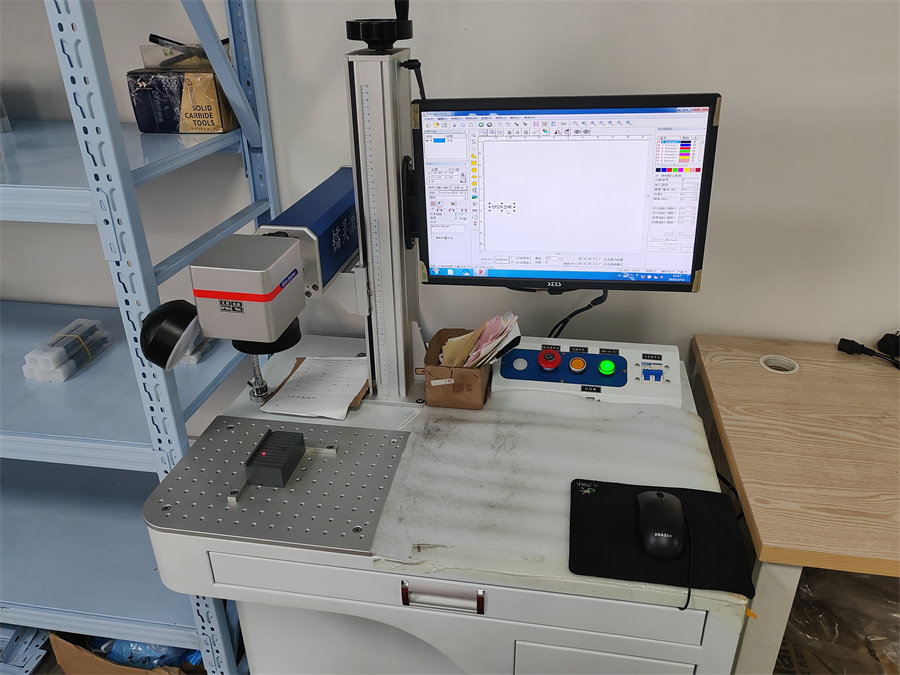
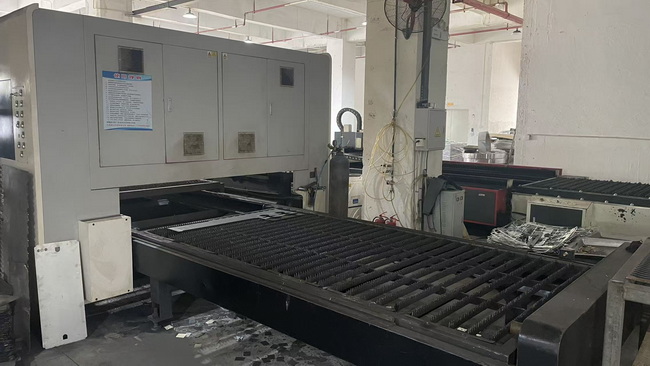
To ensure the highest levels of precision and consistency, Tier Tool has invested extensively in advanced manufacturing equipment and production technologies. The company operates multiple imported CNC tool grinding machines and precision inspection systems, enabling complete in-house capabilities from tool design and prototyping to small-batch testing and large-scale production. Our manufacturing process is built upon strict process control and traceability standards. Every production stage is carefully monitored to ensure repeatability, quality consistency, and reliable delivery performance.
Quality is the foundation of Tier Tool's long-term success. We adhere to the principle of "Quality First, Continuous Improvement", implementing rigorous quality control procedures throughout the entire production cycle. From raw material selection and incoming inspection to final product verification, every tool undergoes comprehensive quality checks to ensure it meets strict dimensional, geometrical, and performance requirements. We understand that in precision manufacturing, stable quality is not only a requirement but also the key factor that determines our customers' productivity and competitiveness.
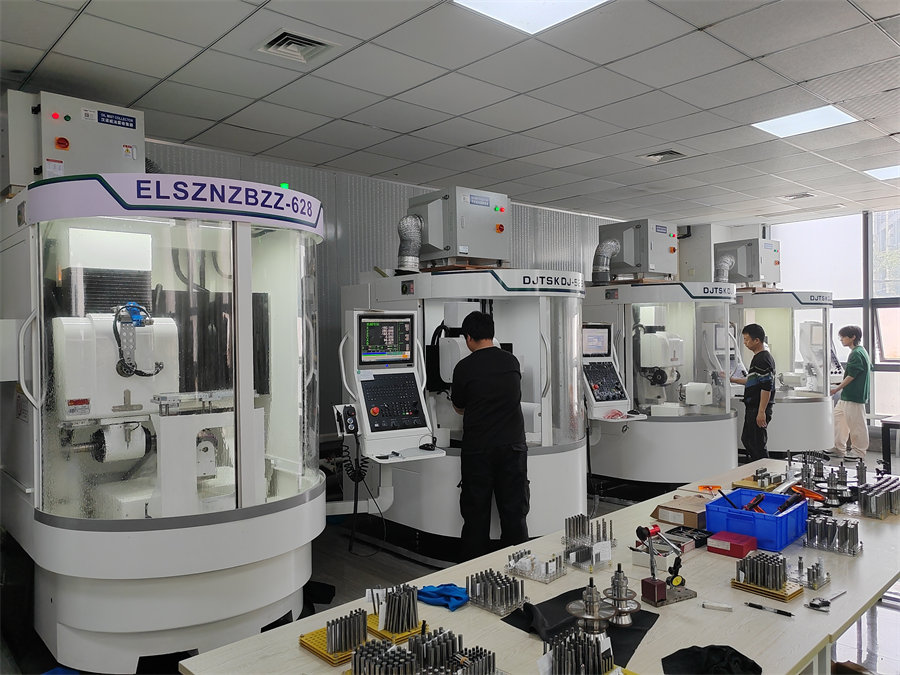
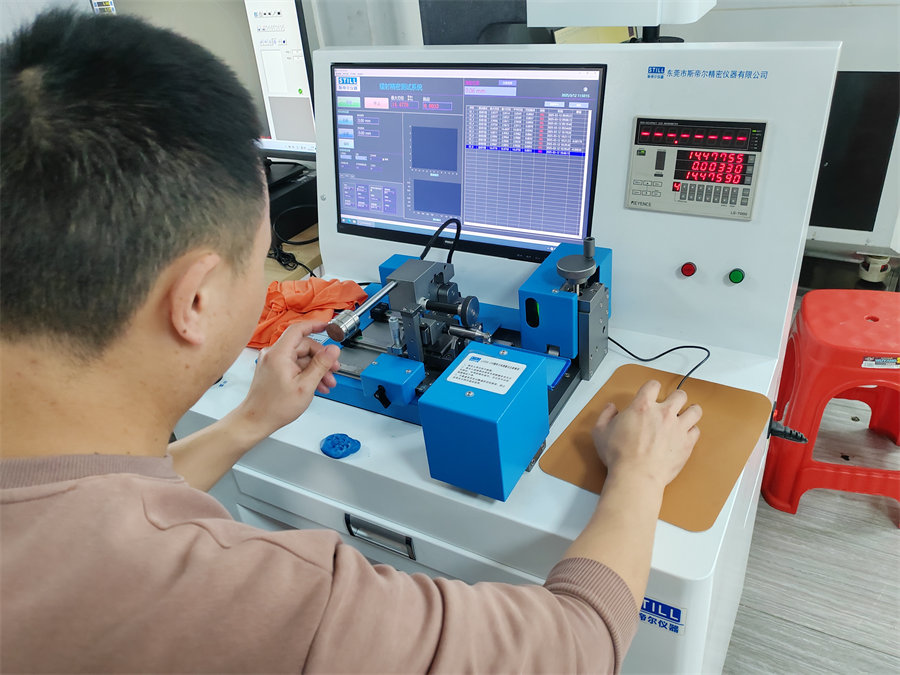
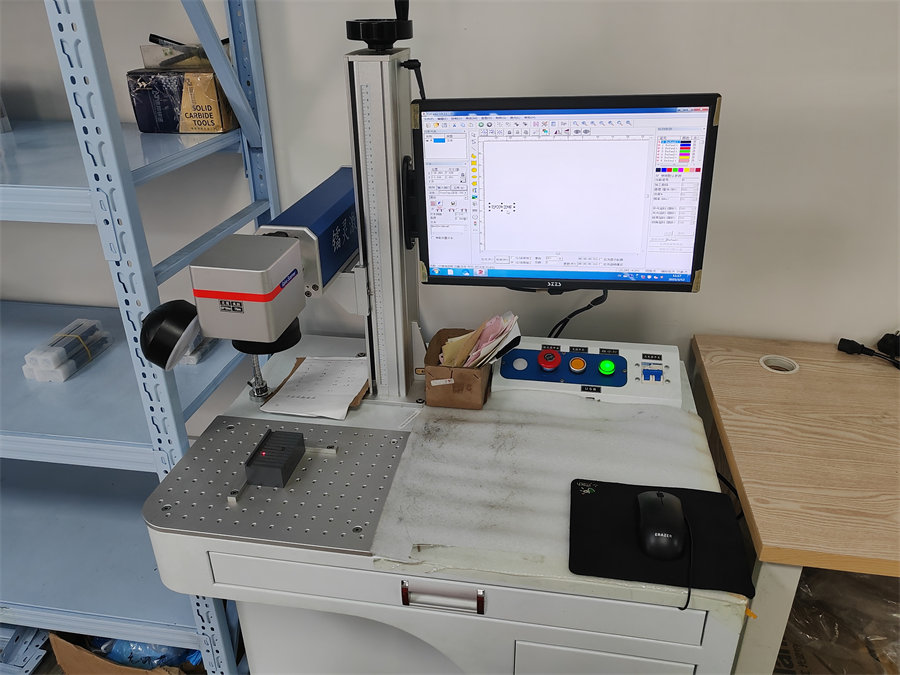
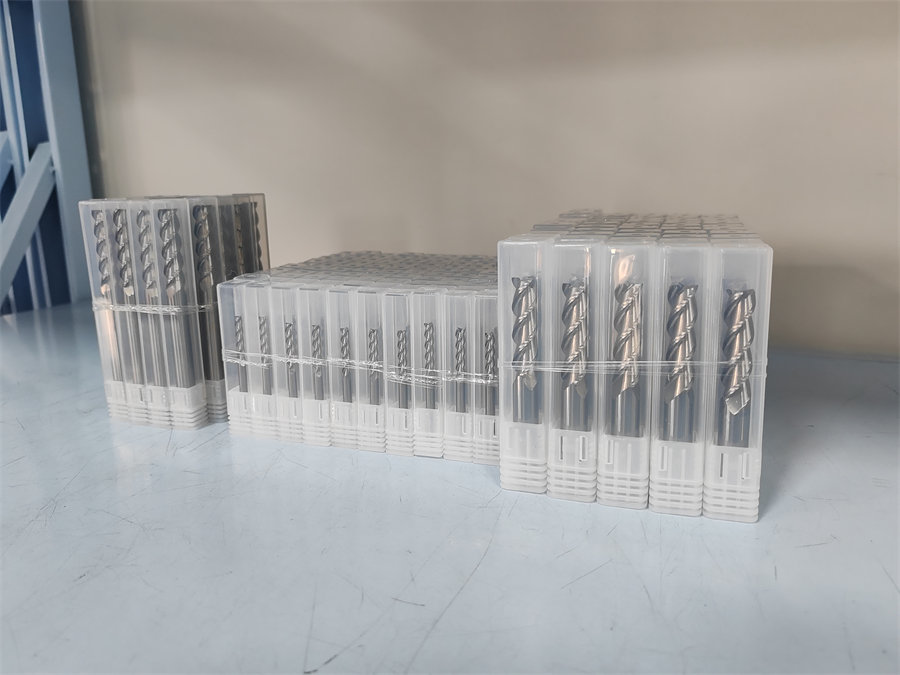
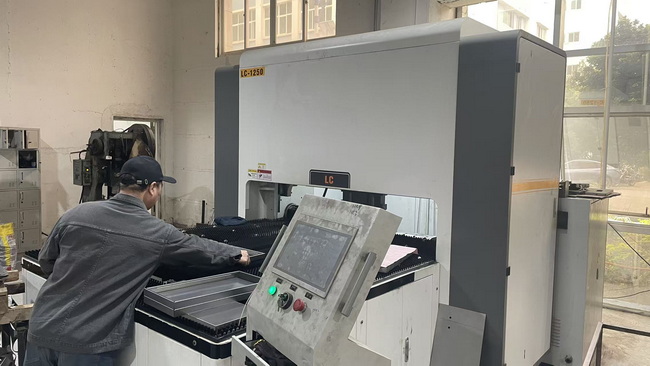
To ensure optimal cycle times and tool longevity when machining in typical Belgian alloys, engineers should adopt the following operational strategies.
We manufacture our tools using sub-micron and ultra-fine grain carbide substrates with cobalt content ranging from 10% to 12%. This composition strikes the ideal balance between hardness (needed for wear resistance) and toughness (essential for preventing micro-chipping on cutting edges under heavy radial pressures).
When generating code for single point mills, remember that the tool must enter the cut with an arc-in (radial ramp-in) motion to prevent high impact load. A direct straight plunge increases the likelihood of chipping. Climb milling (down milling) is highly recommended for creating thin chips at the exit point, which preserves the cutting edge and delivers a superior surface finish (Ra values below 0.4 μm).
As a trusted exporter, Suzhou Tier Tool provides frictionless procurement for Belgian business partners. We ensure full compliance with direct import frameworks into the European Union.
Technical answers for purchasing coordinators, tooling engineers, and production managers in Belgium.
Engineered to meet the diverse technical standards of Belgian precision toolmaking workshops.
 Tier Tool