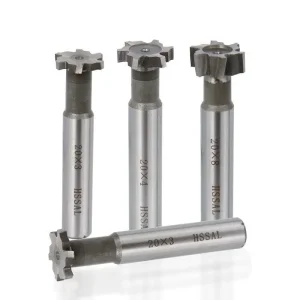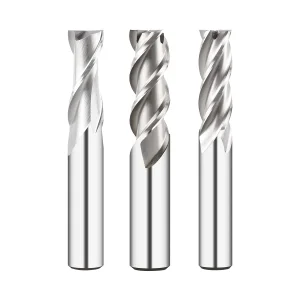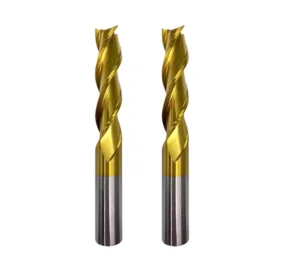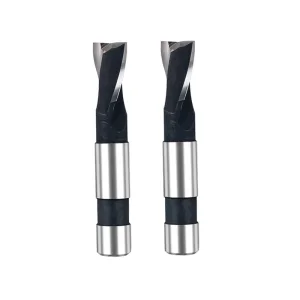
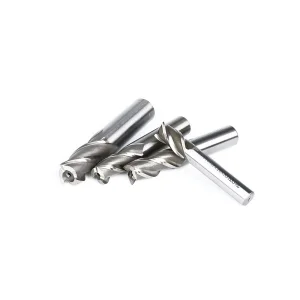
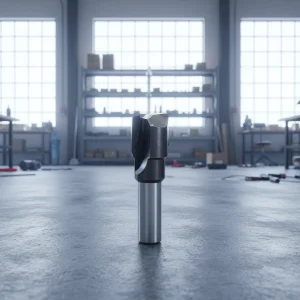
Executive Summary: As global industrial supply chains pivot toward localized precision manufacturing and high-throughput production, the Tokyo industrial market demands a specialized caliber of rotary cutting tools. Straight shank keyseat end mills represent a critical component in machining keyways, slotting, and woodruff pockets in complex mechanical assemblies. This white paper analyzes the modern industrial dynamics of Tokyo, details the metallurgical requirements of JIS-compliant tooling, and presents Suzhou Tier Tool Co., Ltd.'s strategic capacities to act as an elite manufacturing partner for Japanese industry leaders.
The Greater Tokyo Area, encompassing the Keihin Industrial Zone, Kawasaki, Yokohama, and the micro-machining clusters of Ota City (Ota-ku), is globally recognized as the epicenter of advanced manufacturing. Unlike mass production centers that prioritize simple volume, Tokyo’s engineering houses focus on extreme miniaturization, high-tolerance mechanical design, and rapid prototyping.
Keyway machining—the process of milling slots inside cylindrical shafts to accommodate drive keys—is fundamental to local industries. These include robotic arm joint assemblies, electric vehicle (EV) motor drive shafts, sub-micron semiconductor positioning tables, and precision medical imaging devices. A minor variance in slot width or profile symmetry can cause catastrophic mechanical failure in high-speed applications. Consequently, Tokyo's manufacturing companies require straight shank keyseat end mills that exhibit minimal radial runout, superior dimensional control, and extended tool life when cutting through tough alloys such as JIS S45C, SCM440 chromoly steel, and SUS304/SUS316 stainless steels.
Tokyo micro-machining units require shank tolerances at the h6 standard and cutting edge tolerances within +0/-0.02mm to guarantee perfect fitment of sliding key joints.
With the rise of dry and near-dry machining (MQL) in Tokyo plants, tooling coatings must withstand friction-induced heat up to 900°C without mechanical degradation.
Our entire manufacturing line produces dimensions matching the rigorous standards of Japanese Industrial Standards (JIS) for parallel and woodruff keys.
A key decision for Tokyo machining workshops lies in selecting the substrate material. Modern engineering requirements dictate two major technological routes:
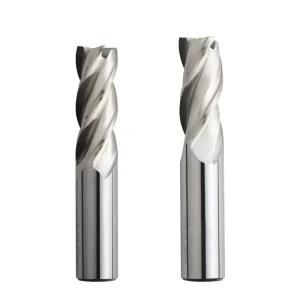
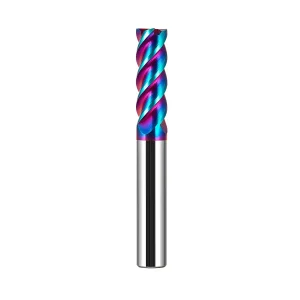
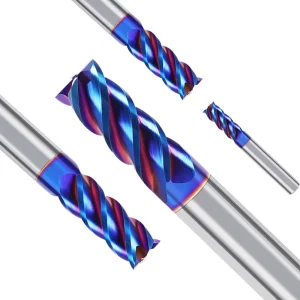
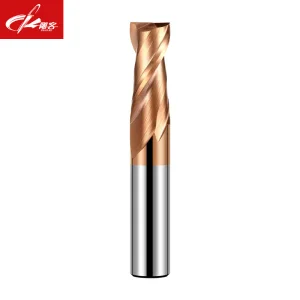
A. Solid Tungsten Carbide (e.g., HRC55 - HRC65 Grades): Best suited for CNC centers executing high-speed, automated milling cycles. The high density and rigidity of solid carbide minimize tool deflection under lateral pressure. Coated with AlTiN or TiAlN, these tools excel in hard milling die steels and titanium components. They allow for increased Feed Per Tooth (fz) and higher Spindle Speeds (n), aligning with the throughput demands of Tokyo automotive subcontractors.
B. Cobalt High-Speed Steel (HSS-Co M35 / M42): Widely utilized in legacy conventional milling setups and manual machines throughout Tokyo’s specialized workshop networks. HSS-Co provides superior structural toughness compared to carbide, preventing micro-chipping on cutting edges when faced with interrupted cuts or slight spindle misalignment. It offers a highly cost-effective option for small-batch runs or repairs where setup rigidity is not optimal.
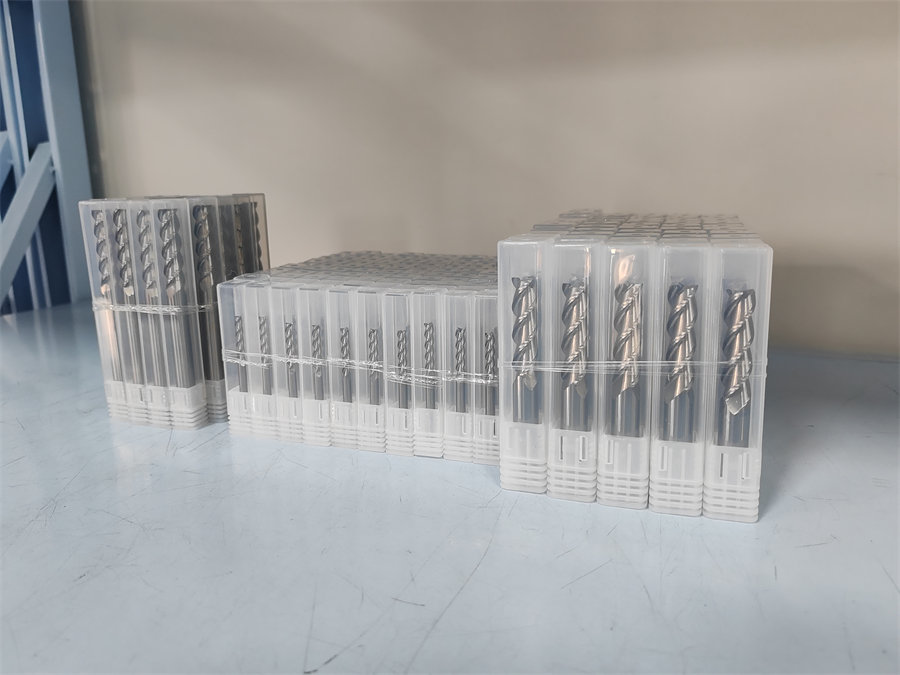
Established in 2008, Suzhou Tier Tool Co., Ltd. is a national high-tech enterprise specializing in the design, manufacturing, and technical support of precision solid carbide and high-speed steel cutting tools. Since its foundation, Tier Tool has been deeply committed to the precision machining industry, focusing on delivering high-performance, high-efficiency cutting solutions for hole-making and metalworking applications. Through continuous technological innovation and manufacturing excellence, the company has earned the trust of customers across a wide range of industries worldwide.
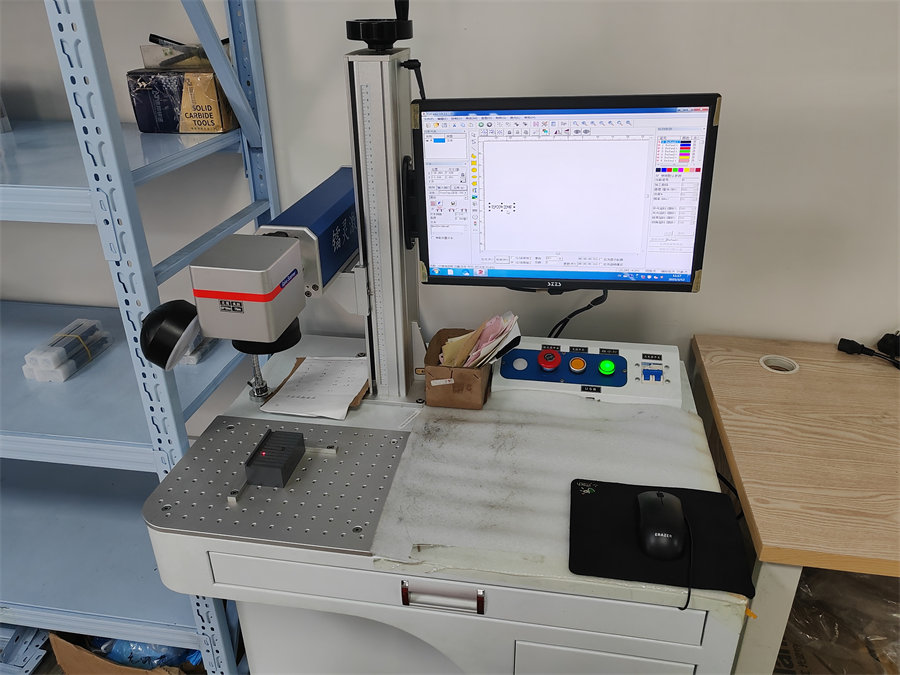
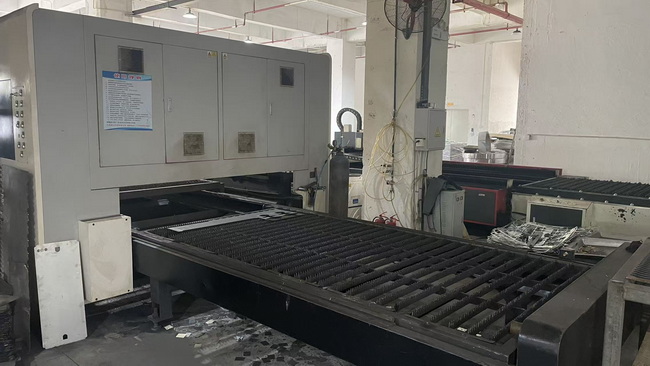
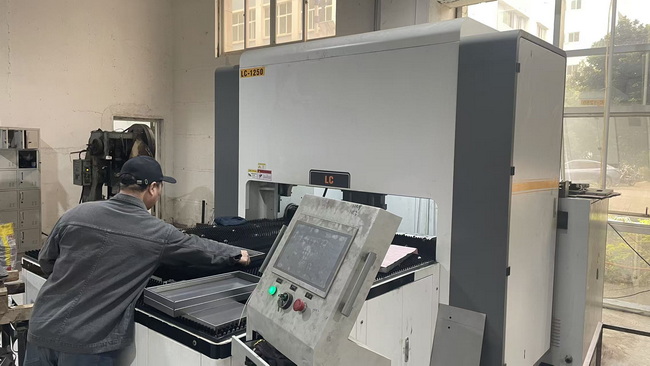
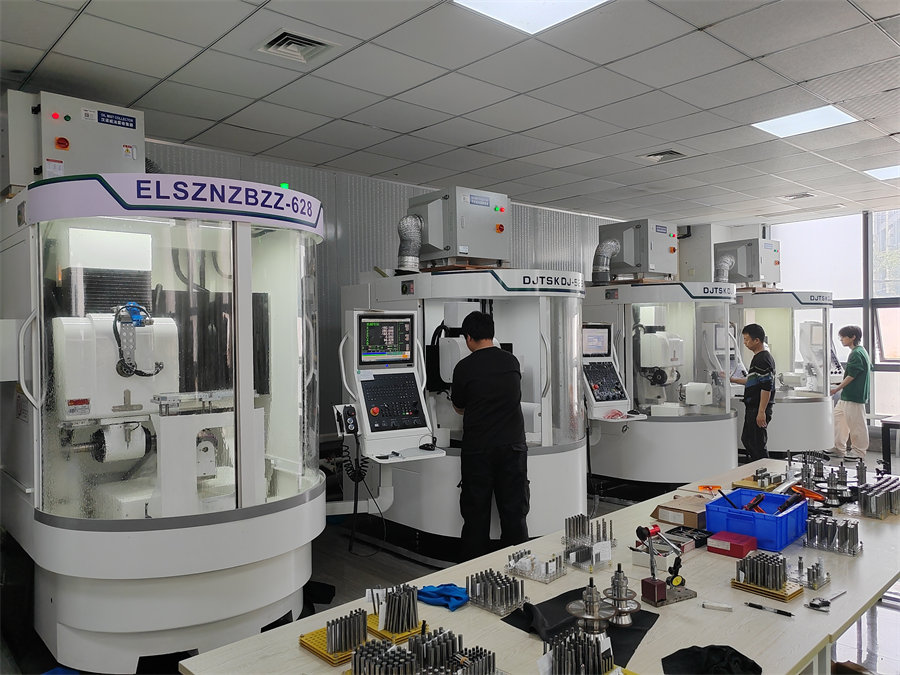
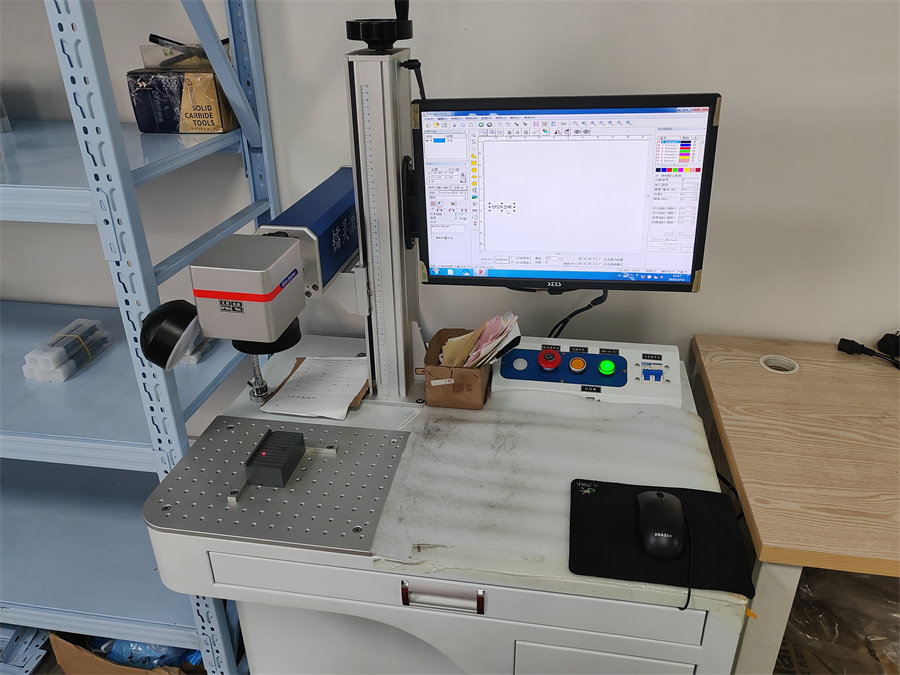
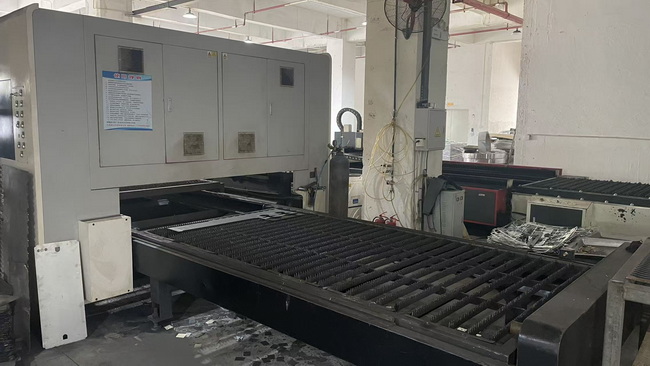
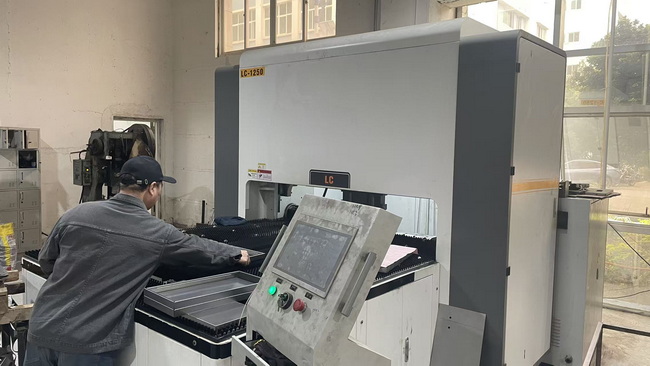
To ensure the highest levels of precision and consistency, Tier Tool has invested extensively in advanced manufacturing equipment and production technologies. The company operates multiple imported CNC tool grinding machines and precision inspection systems, enabling complete in-house capabilities from tool design and prototyping to small-batch testing and large-scale production.
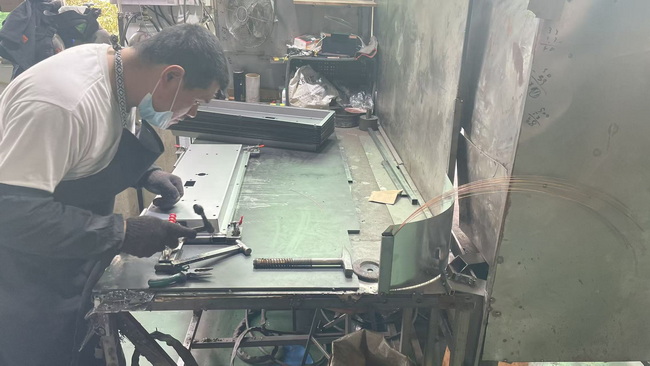
Every stage of production is governed by strict process control and traceability standards. Our manufacturing process ensures repeatability, quality consistency, and reliable delivery performance. Through systematic process management and standardized operating procedures, Tier Tool has established a robust manufacturing system capable of meeting the demanding requirements of modern precision machining.
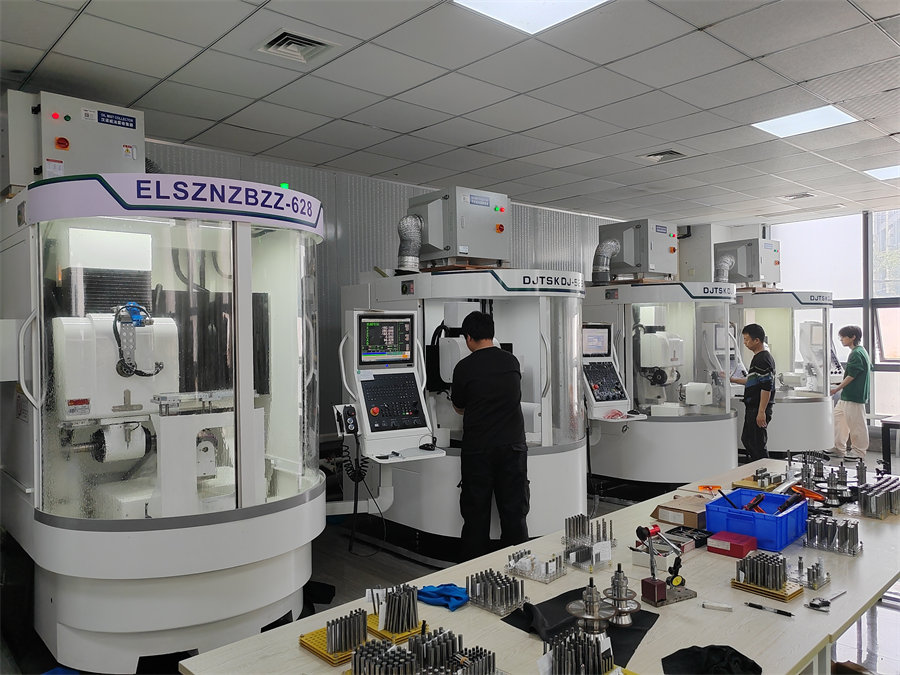
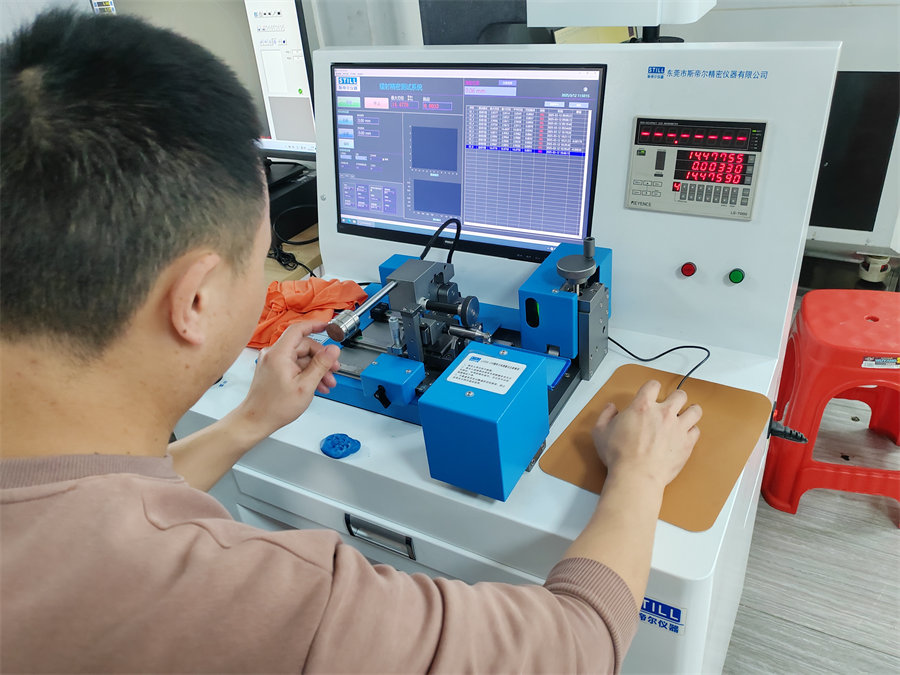
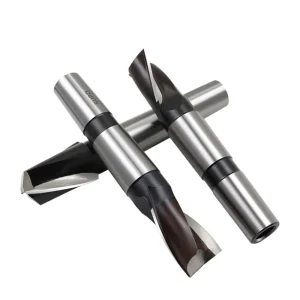
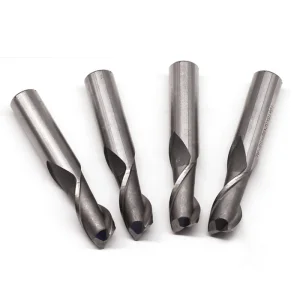
The mechanical manufacturing landscape is shifting rapidly toward automated, high-feed processes. To support this change, the technical roadmap for keyseat end mills is evolving in three key areas:
1. Variable Pitch and Variable Helix Designs: Conventional keyseat cutters often experience harmonic resonance when cutting blind keyways, leading to chatter marks and surface roughness. Future tool paths require variable flute spacing and staggered helix geometry. This breaks up the harmonic waves, ensuring smooth sidewall surfaces and holding tight tolerances without secondary finishing processes.
2. Specialized Dry Machining Coating Coatings: As environmental regulations in Tokyo tighten, local manufacturers are reducing their use of oil-based lubricants. Dry machining requires advanced composite coatings like AlTiN (Aluminum Titanium Nitride) and DLC (Diamond-Like Carbon). These coatings form a protective, highly lubricious layer at elevated temperatures, protecting the tungsten carbide core from thermal degradation.
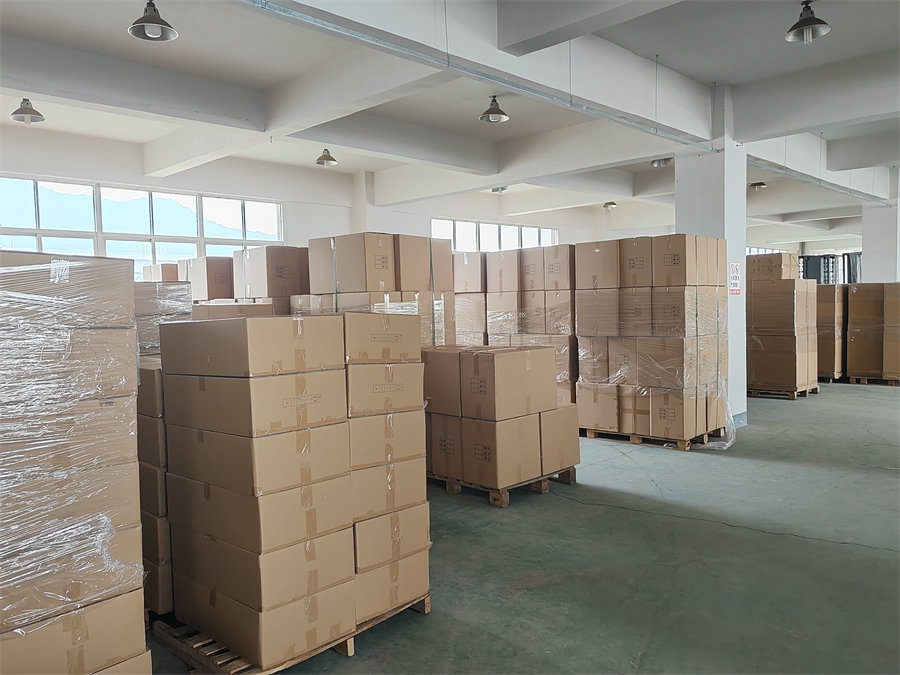
3. Global Logistics and Localization: Procurement managers in Tokyo need suppliers who can bridge the gap between low production costs and fast turnaround times. Suzhou Tier Tool leverages its geographical proximity to the Shanghai logistics hub. We offer swift maritime and air transport routes to the Port of Tokyo and Narita Airport, ensuring delivery within days.
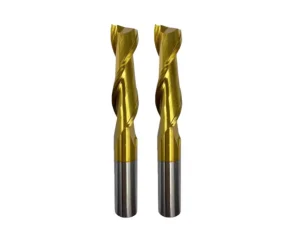
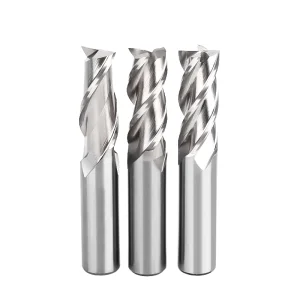
 Tier Tool