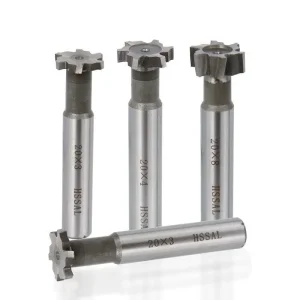
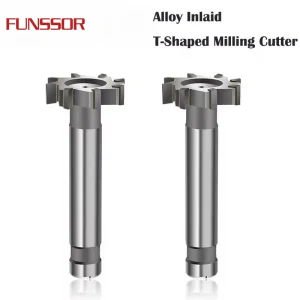
Direct from our high-tech factory: high-performance milling tools engineered to maximize performance in aerospace, automotive, and heavy machinery tooling across Canada.
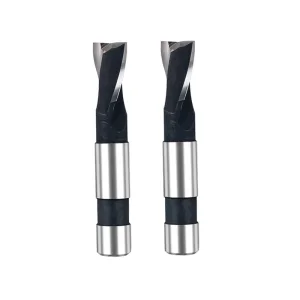
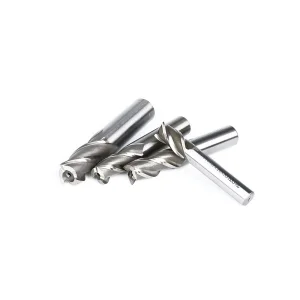
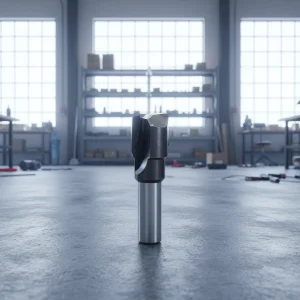
Canada’s industrial sectors represent some of the most challenging manufacturing environments in North America. From the automotive assembly plants in Windsor and the Greater Toronto Area (GTA) to Montreal's massive aerospace hub, and the heavy-duty oil and gas machinery requirements in Alberta, the demand for highly reliable, precision-ground cutting tools is critical. Straight shank keyseat end mills play an indispensable role in these supply chains. Whether it is slotting drive shafts for mining machinery, milling keyways in power generation rotors, or fabricating custom mechanical components for agricultural equipment in Saskatchewan, tool reliability directly translates to shop profitability.
In the Canadian market, manufacturing facilities cannot afford unscheduled downtime. High-performance keyseat end mills must deliver perfect slot widths in a single pass to eliminate secondary setups. Given the strict standards of ASME B17.1 (Keys and Keyseats) and CSA mechanical engineering codes, consistency in tool geometry—specifically the nominal cutter diameter and kerf width tolerances—is paramount. Our straight shank keyseat end mills are engineered specifically to balance rapid chip clearance with extreme rigidity, ensuring that Canadian workshops maintain competitive cycle times while securing dimensional compliance.
Standard off-the-shelf keyseat cutters often suffer from premature corner breakdown when slotting tough alloys like 4140, 316 Stainless Steel, or Titanium Grade 5. Our manufacturing process mitigates this by applying custom radial relief and micro-shielded cutting edge preparation. By integrating advanced raw carbide substrates from world-leading suppliers with optimized PVD coatings (such as AlTiN and TiAlN), we achieve a 35% increase in tool life when operating under aggressive feed profiles typical in modern Canadian CNC setups.
The performance of straight shank keyseat end mills depends on three primary variables: the base substrate, the coating chemistry, and the flute configuration. Depending on whether you are running high-speed machining (HSM) cycles on high-performance CNC centers or executing traditional milling routines on manual equipment, selecting the right specifications is crucial.
1. Solid Tungsten Carbide vs. High-Speed Cobalt Steel (HSS-Co): Solid carbide keyseat cutters provide high rigidity and thermal stability, making them the default choice for high-volume automated production and hard metal machining (up to HRC65). On the other hand, Cobalt HSS-Co (M35/M42) offers superior impact toughness. This toughness is ideal for interrupted cuts, older manual milling setups with less spindle rigidity, or large custom keyway fabrications where flexibility prevents sudden tool breakage.
2. Flute Configurations & Chip Evacuation: A key challenge in keyseat milling is chip packing. Because the slot is enclosed, chips can get trapped, causing heat buildup and catastrophic tool failure. A 2-flute design provides maximum chip pocket space, ideal for aluminum and soft steel keyway slotting. 4-flute configurations distribute the mechanical load across more cutting edges, allowing for higher feed rates and a superior surface finish in carbon steels and pre-hardened alloys.
| Substrate Grade | Coating Type | Ideal Material Application | Vickers Hardness (HV) | Max Operating Temp (°C) |
|---|---|---|---|---|
| Micrograin Solid Carbide | AlTiN (Aluminum Titanium Nitride) | Hardened Steels, Tool Steel, Nickel Alloys | 3200 - 3500 | 900°C |
| Sub-Micrograin Carbide | TiAlN / TiN Composite | Stainless Steel, Carbon Steels, Cast Iron | 2800 - 3000 | 800°C |
| Cobalt HSS (M35 Grade) | Uncoated / Bright Finish | Aluminum Alloys, Brass, Free-cutting Steels | - | 600°C |
| Premium Cobalt HSS (M42) | Titanium Nitride (TiN) | Medium Carbon Steels, Alloy Steels | 2300 | 600°C |
The procurement strategy for Canadian machine shops has shifted dramatically in recent years. High local inflation and supply constraints have led procurement officers in Ontario, Quebec, and British Columbia to bypass traditional domestic redistributors. Buying direct from high-precision manufacturers in China offers significant cost savings without sacrificing quality.
For example, in Western Canada's agricultural manufacturing hubs, custom gearboxes and drive axles require keyseats that meet exact Imperial measurements (e.g., 1/8", 3/16", 1/4" nominal sizes). Our factory produces specialized ANSI-compliant tooling specifically calibrated for these markets. In Eastern Canada, particularly around Montreal's aerospace zone, the focus shifts to metric, tight-tolerance keyseat cutters with corner radius options to prevent fatigue cracking in high-stress rotary shafts.
Every tool leaving our facility is certified with strict dimensional inspection reports. We recognize that Canadian QA processes require full chemical traceability for tool substrates. Thus, we maintain complete material tracking and ensure all custom keyway end mills conform to ASME B94.19 Standards for Milling Cutters, ensuring trouble-free integration into ISO 9001:2015 certified production environments across Canada.
Suzhou Tier Tool Co., Ltd. was established in 2008 and is a national high-tech enterprise specializing in the design, manufacturing, and technical support of precision solid carbide cutting tools.
Since its foundation, Tier Tool has been deeply committed to the precision machining industry, focusing on delivering high-performance, high-efficiency cutting solutions for hole-making and metalworking applications. Through continuous technological innovation and manufacturing excellence, the company has earned the trust of customers across a wide range of industries worldwide.
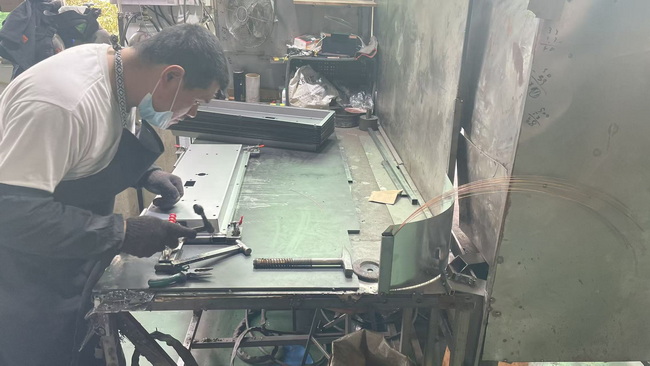
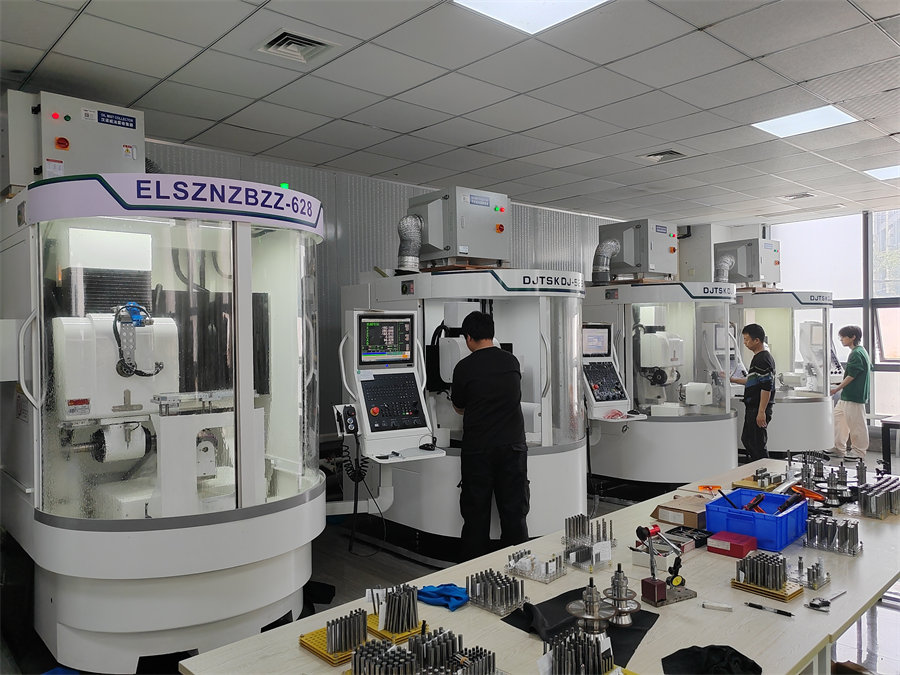
To ensure the highest levels of precision and consistency, Tier Tool has invested extensively in advanced manufacturing equipment and production technologies. The company operates multiple imported CNC tool grinding machines and precision inspection systems, enabling complete in-house capabilities from tool design and prototyping to small-batch testing and large-scale production.
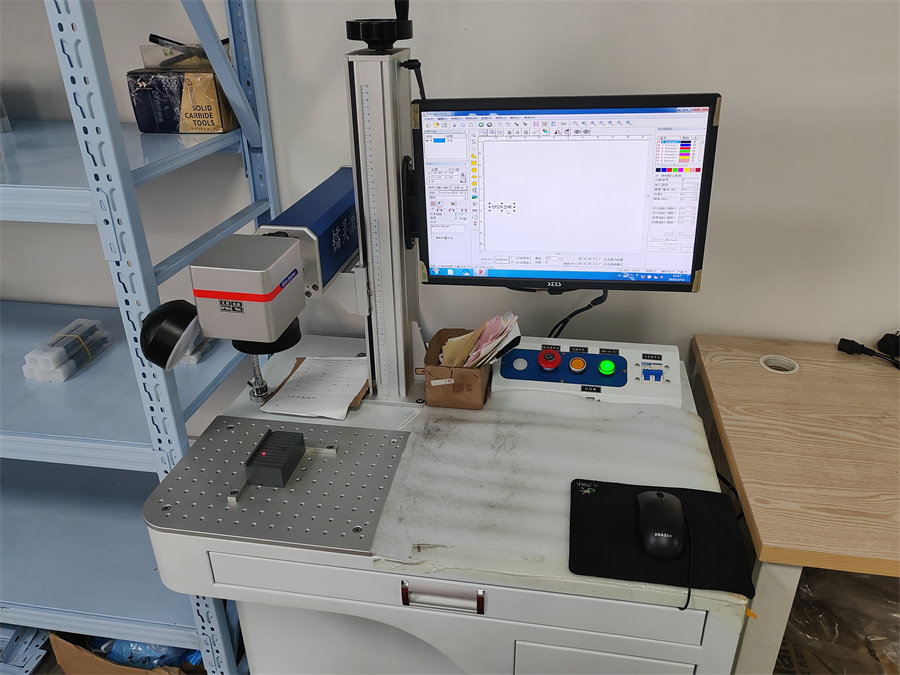
Our manufacturing process is built upon strict process control and traceability standards. Every production stage is carefully monitored to ensure repeatability, quality consistency, and reliable delivery performance. Through systematic process management and standardized operating procedures, Tier Tool has established a robust manufacturing system capable of meeting the demanding requirements of modern precision machining.
Quality is the foundation of Tier Tool's long-term success. We adhere to the principle of "Quality First, Continuous Improvement", implementing rigorous quality control procedures throughout the entire production cycle.
From raw material selection and incoming inspection to final product verification, every tool undergoes comprehensive quality checks to ensure it meets strict dimensional, geometrical, and performance requirements. By continuously optimizing our manufacturing and inspection processes, we deliver products that provide exceptional accuracy, reliability, and consistency in real-world machining applications.
We understand that in precision manufacturing, stable quality is not only a requirement but also the key factor that determines our customers' productivity and competitiveness. Beyond delivering products, we provide comprehensive technical support and application engineering services to assist customers in optimizing their manufacturing processes.
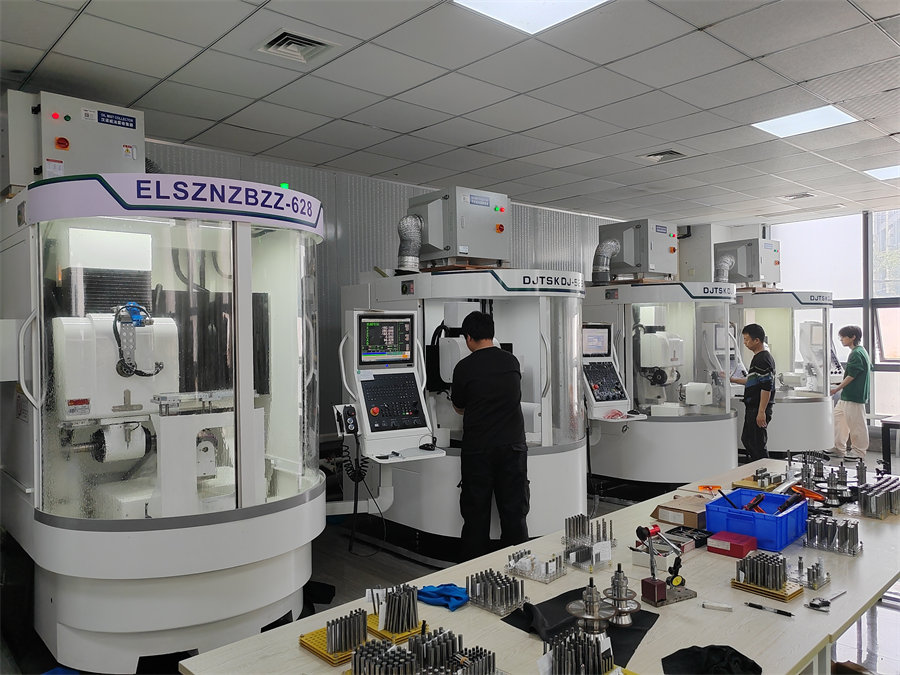
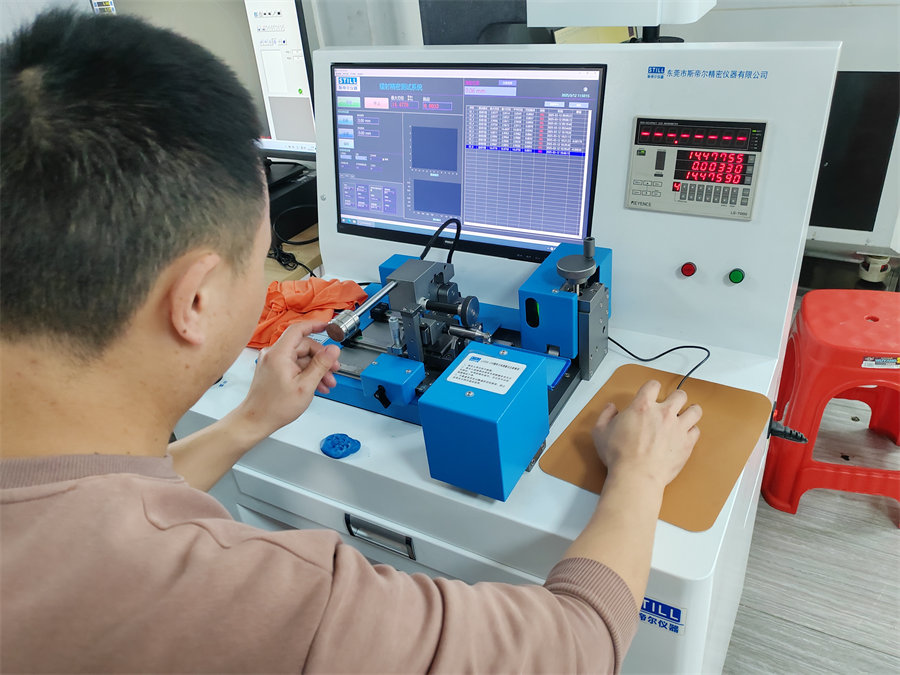
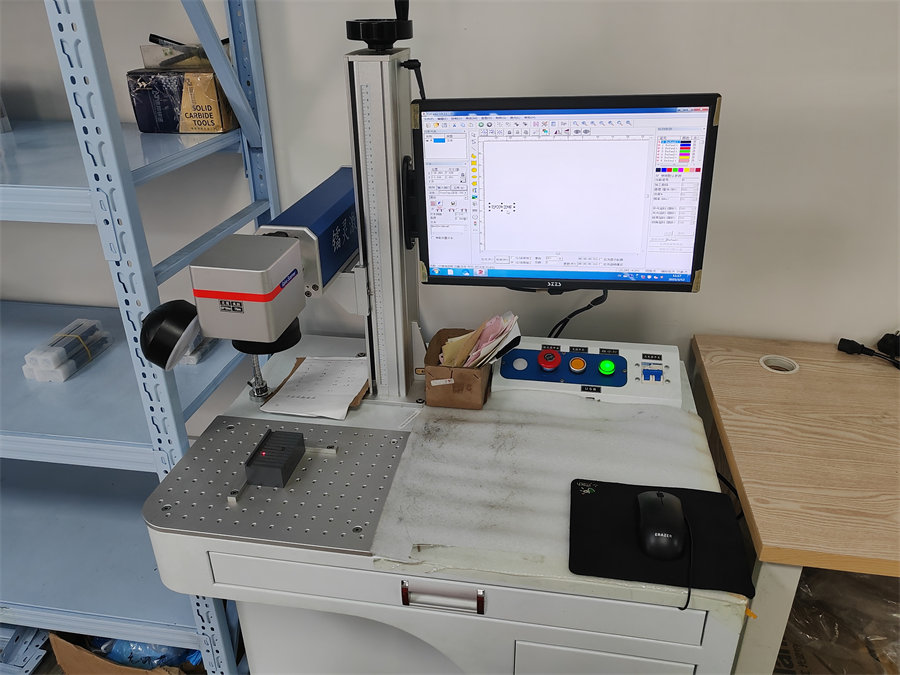
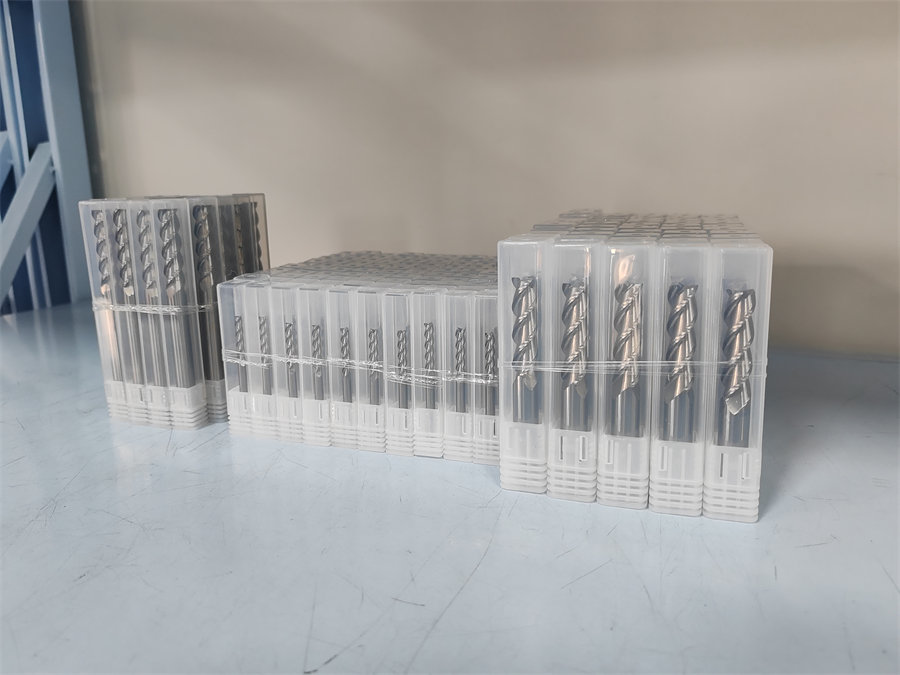
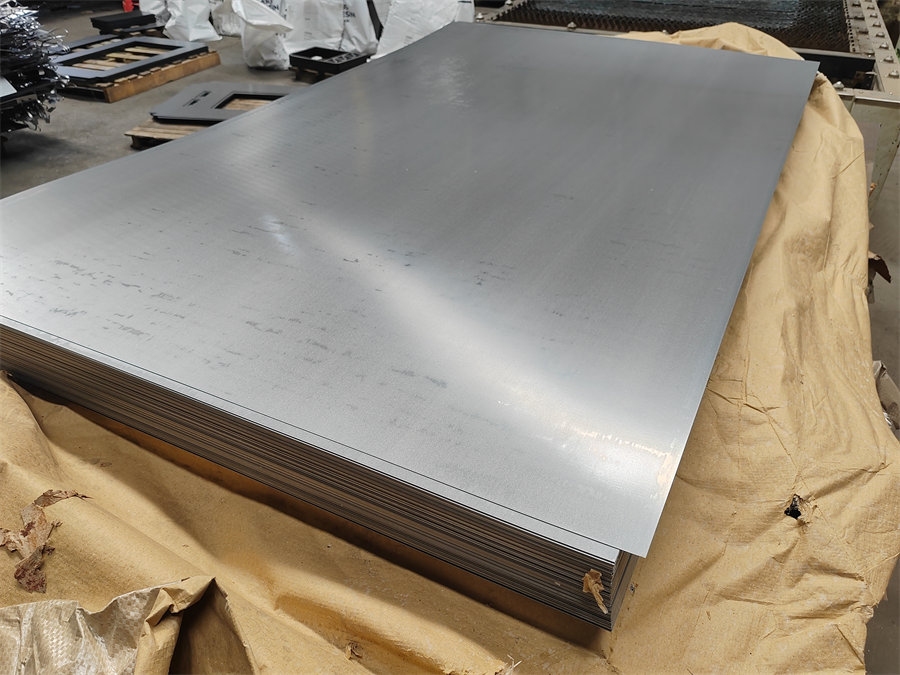
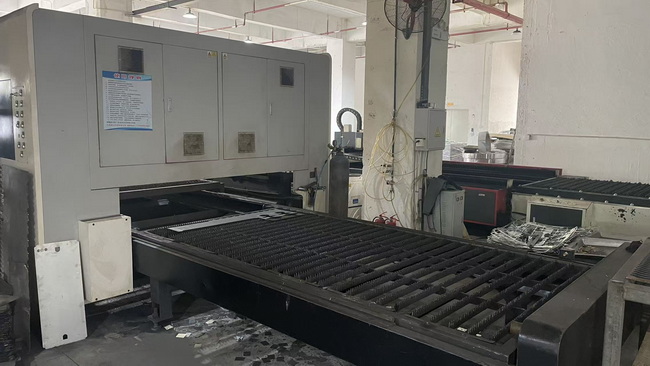
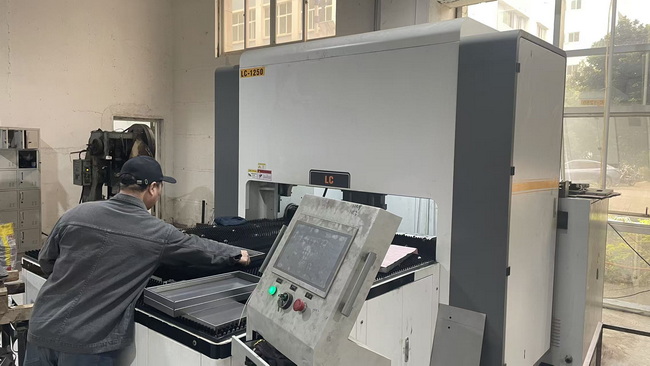
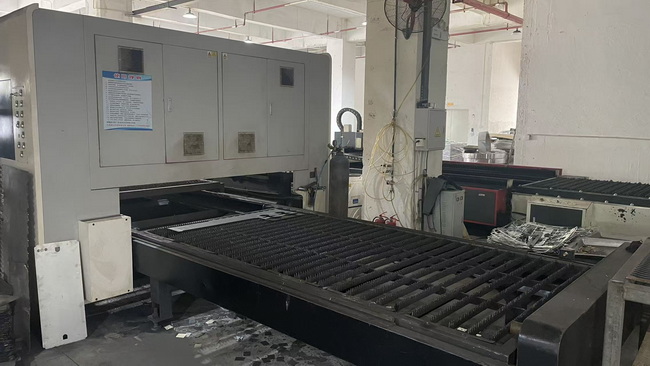
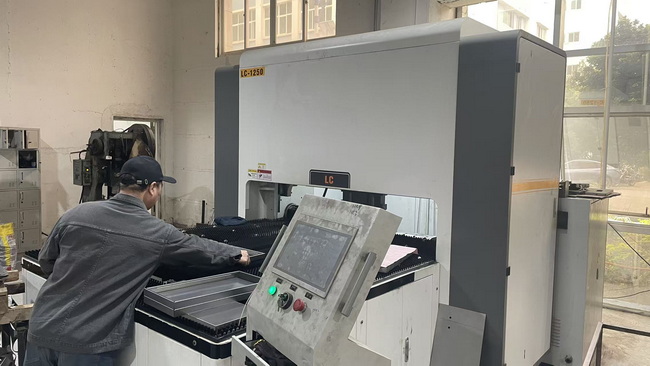
For industrial buyers located in cities like Edmonton, Toronto, or Halifax, the total cost of ownership (TCO) is a major driver of procurement decisions. By collaborating directly with a specialized tool manufacturer like Suzhou Tier Tool, Canadian enterprises bypass multi-tiered distributor margins that can inflate tool costs by up to 150%. Because our facility is highly automated, we offer production efficiencies that translate directly into competitive pricing.
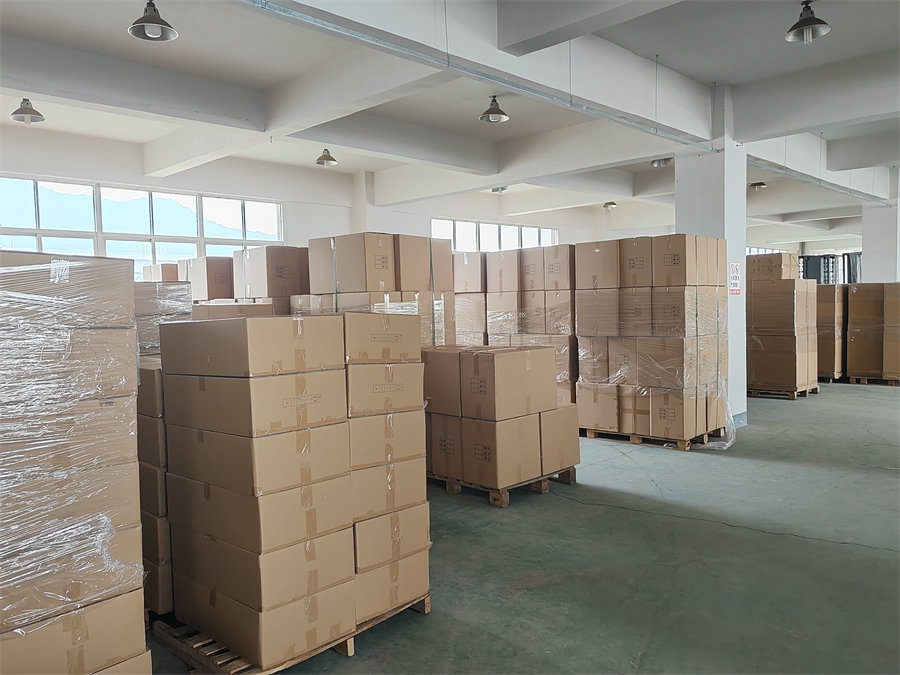
Furthermore, our streamlined international shipping processes guarantee rapid delivery. Tooling orders destined for Canadian machine shops are dispatched via leading express couriers (DHL, FedEx, UPS) directly to the shop floor within days, resolving local stock-out challenges. Custom tool requests—including non-standard keyway widths, specific shank lengths, or tailored corner radii—can be designed, prototyped, and ground within a tight schedule, minimizing turnaround time.
As CAD/CAM software advances, keyway milling techniques are evolving. Traditional plunge-and-slot operations are increasingly replaced by trochoidal milling and adaptive clearing paths. These toolpaths use high-speed, light radial engagements to control heat generation and extend tool life. In response, we have optimized our solid carbide keyseat end mills with variable-index geometries. This design disrupts harmonic vibrations, allowing operators to run at elevated feeds per tooth ($f_z$) without risk of chatter.
Additionally, modern environmental regulations in Canada encourage the reduction of wet coolants. Dry machining or Minimum Quantity Lubrication (MQL) systems are becoming standard. Our AlTiN and TiAlN coatings form a protective aluminum oxide layer at high temperatures, shielding the substrate and allowing tools to perform exceptionally well in dry-cutting scenarios on tough alloys.
Expert insights and detailed answers to technical questions concerning keyway milling operations, tooling selections, and custom factory manufacturing.
Explore our extended range of high-precision straight shank and taper shank keyway cutting tools designed for professional machining operations.
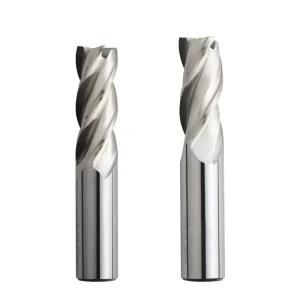
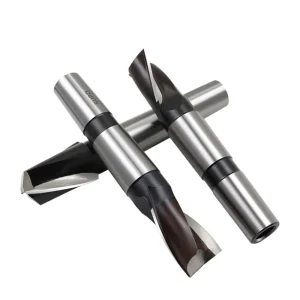
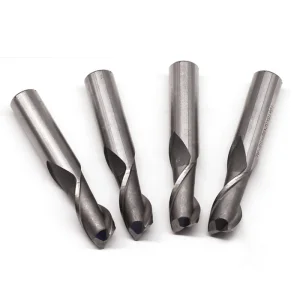
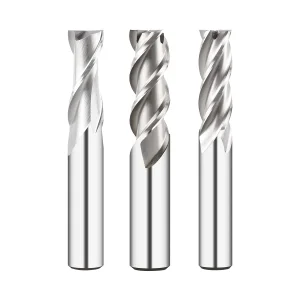
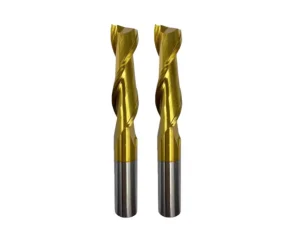
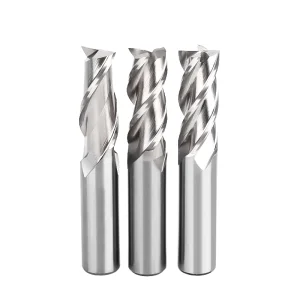
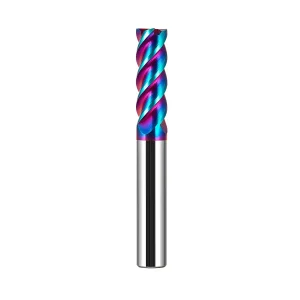
Optimize your mechanical keyway machining operations. Request a custom quote, obtain specialized tool blueprints, or consult with our engineers on recommended cutting speeds and feed configurations.
Send Inquiry Now Tier Tool