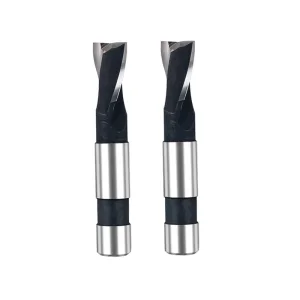
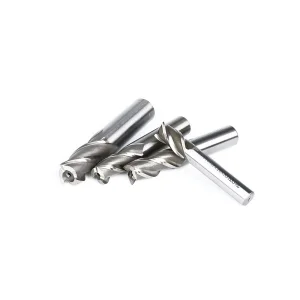
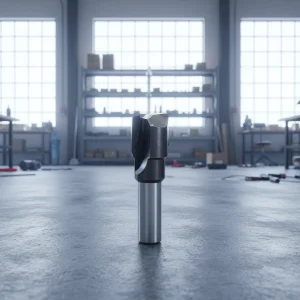
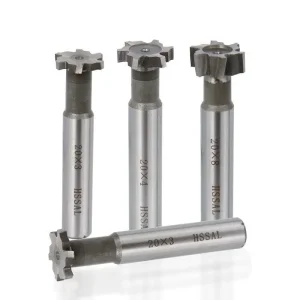
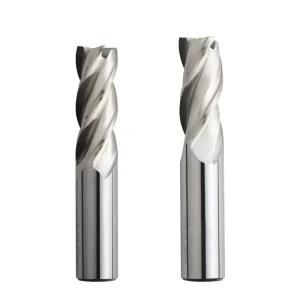
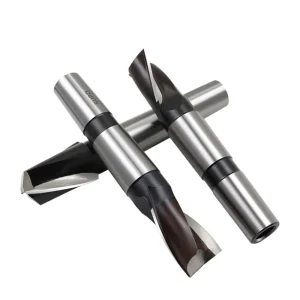
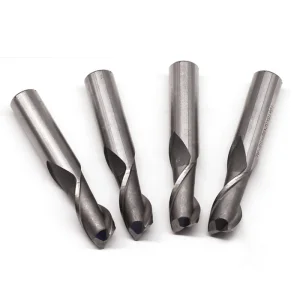
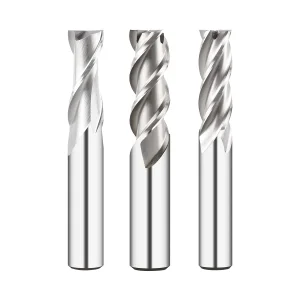
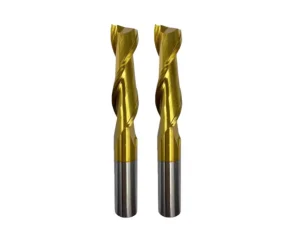
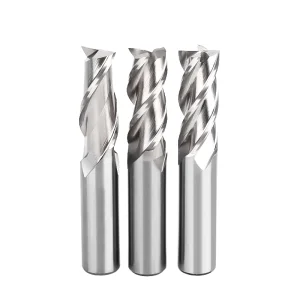
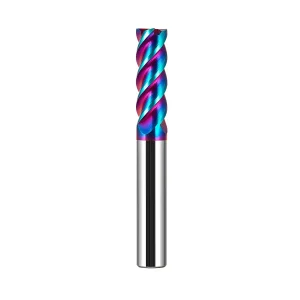
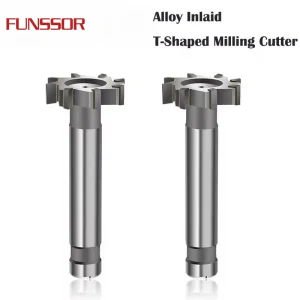
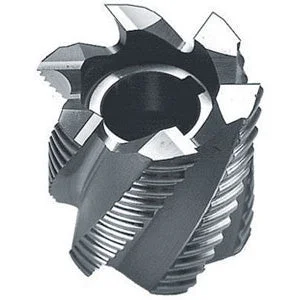
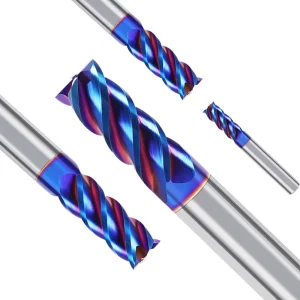
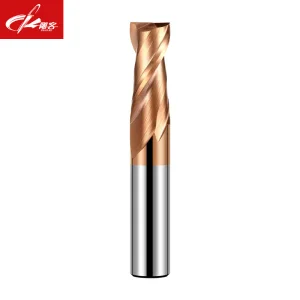
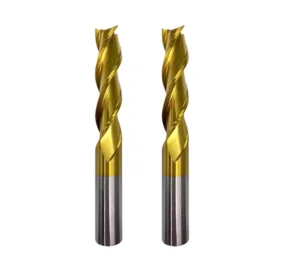
High-performance straight shank keyseat cutters optimized for high-feed slotting and precision keyway milling in Bangkok's engineering sector.
In the highly competitive landscape of precision engineering, the execution of slotting and keyway milling demands the highest standards of tool rigidity, runout control, and chip evacuation. Keyway manufacturing represents a unique machining challenge: the tool is fully engaged in the workpiece material, restricting chip exit paths and generating substantial thermal loads. Straight shank keyseat end mills (often referred to as woodruff cutters or narrow slotting mills) are specifically engineered to navigate these constraints by offering rigid shank designs, optimized fluting, and tailored rake angles.
This whitepaper outlines the critical engineering requirements for keyseat machining, specifically detailing performance variables across carbide and High-Speed Steel (HSS) tooling. We explore the localized industrial requirements in Bangkok's manufacturing corridors, evaluate the advantages of Smart Factory 4.0 Chinese supply chains, and outline the technical roadmaps enabling global purchasing directors to achieve maximum operational efficiency and tooling cost-reduction.
Bangkok, along with its surrounding industrial provinces—Samut Prakan, Pathum Thani, Chonburi, and Rayong—serves as the manufacturing heart of Thailand and the broader ASEAN region. As a globally recognized hub for automotive assembly (often dubbed the "Detroit of Asia"), consumer electronics, and agricultural machinery, local workshops must meet rigid global tolerances (often conforming to JIS, DIN, and ISO standards).
Furthermore, the rapid rise of local maintenance, repair, and overhaul (MRO) facilities catering to Bangkok's heavy infrastructure (such as port facilities at Khlong Toei and rapid transit rail networks) has increased the local demand for "non-calibration" custom-dimension keyseat tools. These custom tools allow rapid machining of obsolete machinery shafts without requiring lengthy engineering redesigns.
Choosing the correct substrate is the single most important decision for a machining supervisor in Bangkok. The table below represents the performance parameters when operating under standard keyway dimensions:
| Substrate material | Hardness (HRC) | Recommended Cutting Speed (SFM) | Flexibility / Toughness | Typical Application in Bangkok Shops |
|---|---|---|---|---|
| Solid Carbide (Micrograin) | 65 - 68 HRC | 250 - 600 SFM | Moderate (Rigid Setup Required) | Mass production of automotive shafts, stainless steel machining (SUS304). |
| Cobalt HSS (M35 / M42) | 63 - 65 HRC | 80 - 150 SFM | High (Resistant to vibration) | Low-batch MRO, deep slotting in unstable setups, older manual milling machines. |
| Tungsten Carbide Tipped (Welded) | 64 - 67 HRC | 180 - 350 SFM | High Core Strength | Large-diameter T-slots, heavy structural steel slotting. |
Keyway slotting tools suffer from chip packing. Because the slot width dictates the functional key alignment tolerance, any tool deflection leads to an oversized or tapered slot, rendering the workpiece scrap.
Alternating helical flutes reduce harmonic vibration (chatter), ensuring smoother sidewall finishes (Ra < 0.8µm) when cutting deep slots.
Precision-ground straight shanks with h6 tolerance ensure minimal runout inside hydraulic toolholders or shrink-fit systems.
High thermal barrier coatings maintain hardness up to 900°C, permitting dry or minimum-quantity lubrication (MQL) slotting.
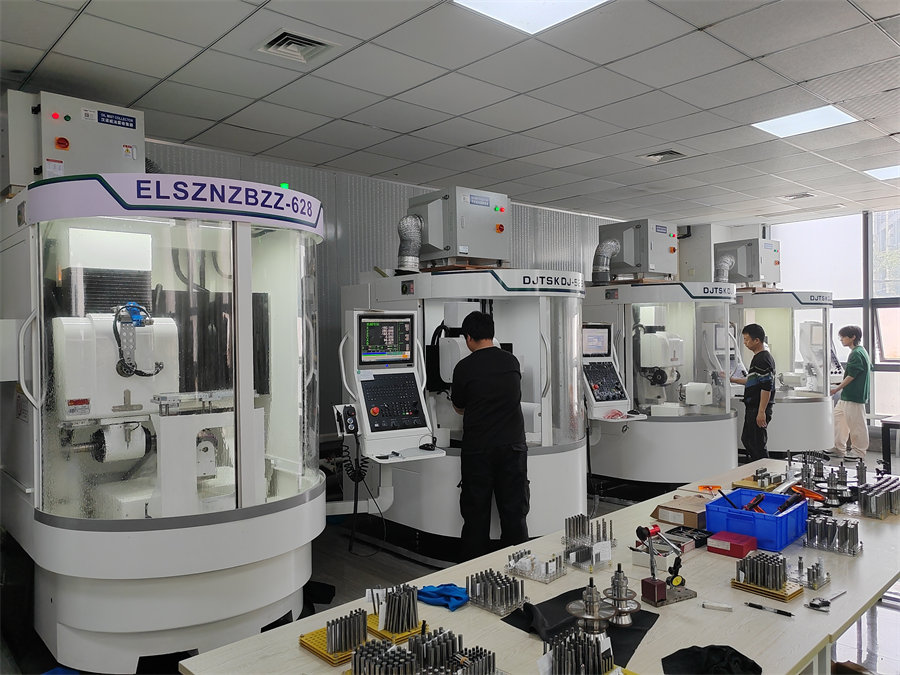
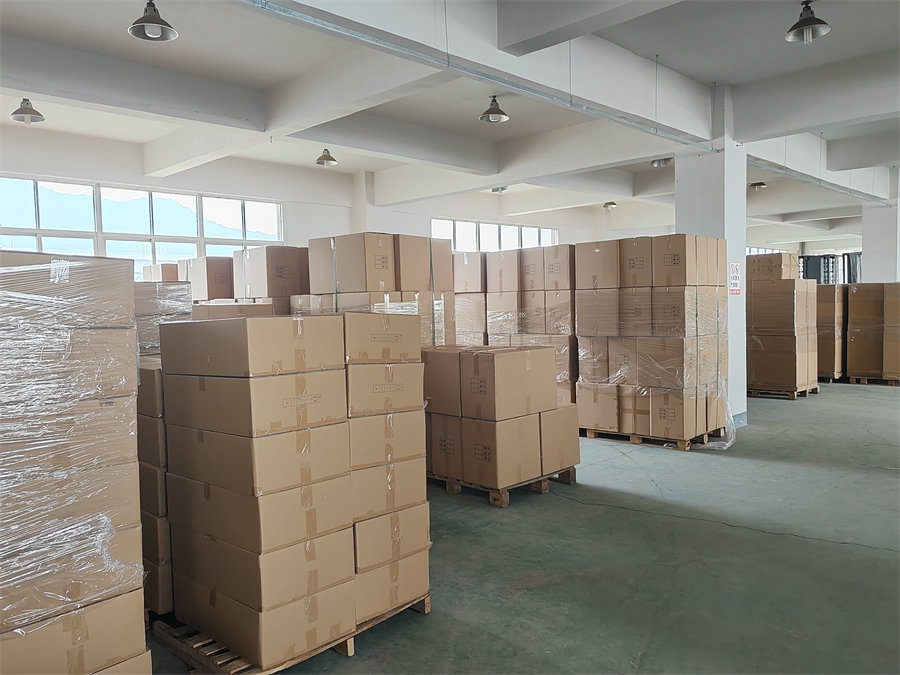
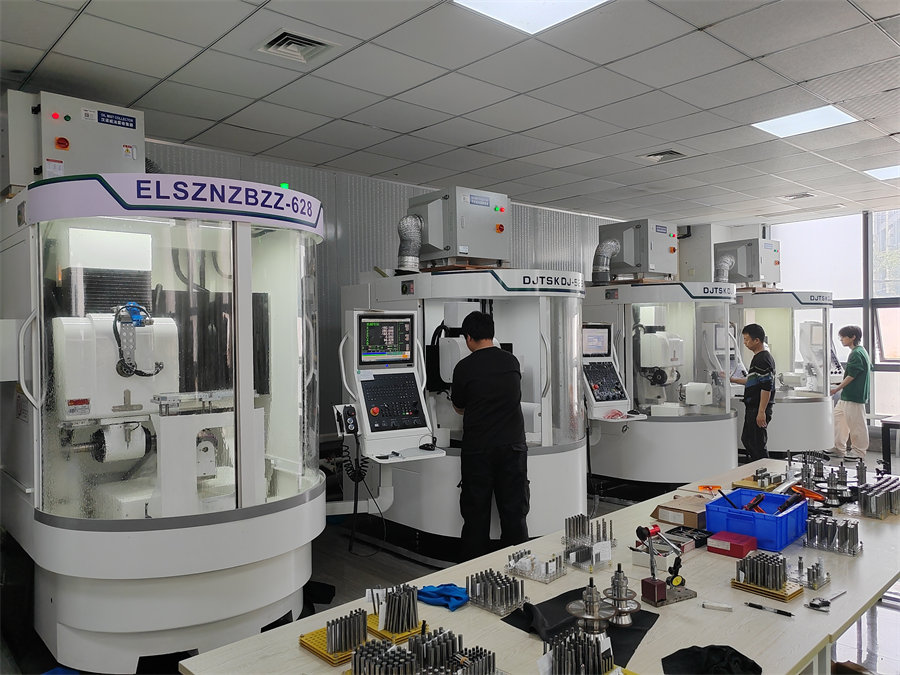
For procurement managers in Bangkok, relying solely on domestic distributors can lead to inflated costs and restricted stock levels. Suzhou Tier Tool Co., Ltd., established in 2008, operates under advanced Factory 4.0 paradigms to deliver high-performance solid carbide and high-speed steel cutting tools. Utilizing robotic loading systems on imported European grinding equipment (such as Walter and Rollomatic), Tier Tool guarantees consistency across production lots down to ±0.005mm.
This automated infrastructure reduces raw material waste and human operational error, translation into a 30% to 50% cost advantage over traditional Japanese or European cutting tool brands while matching or exceeding the exact tool life specifications. Furthermore, our digitized design interface enables quick customization: drawing-to-tool conversion within 48 hours and rapid air freight shipment reaching Bangkok Airport within 3 days.
Established in 2008, Suzhou Tier Tool Co., Ltd. is a national high-tech enterprise specializing in the design, manufacturing, and technical support of precision solid carbide cutting tools. Deeply integrated within the global machining market, Tier Tool focuses on delivering high-performance, high-efficiency cutting solutions for hole-making and metalworking applications.
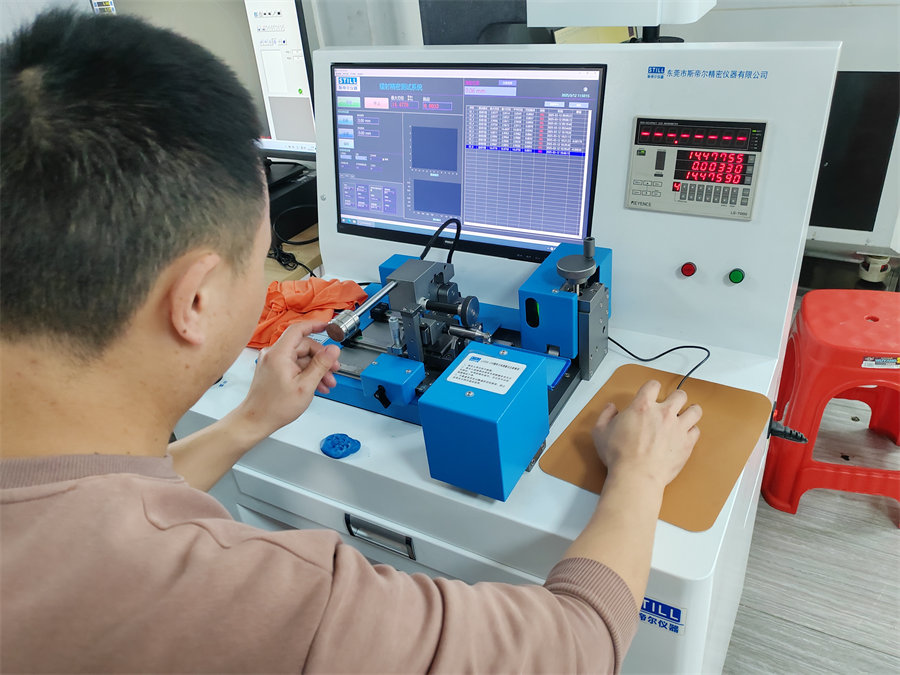
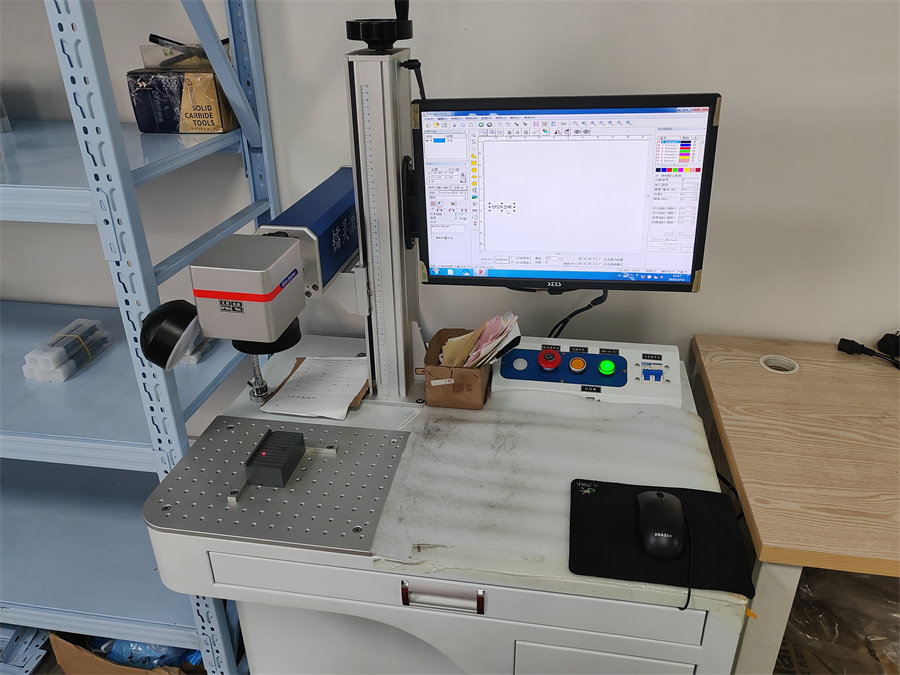
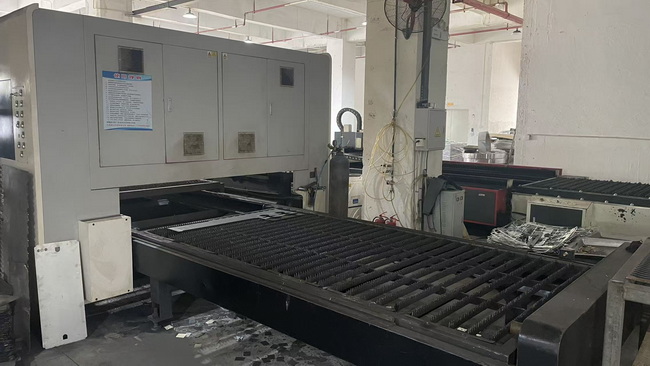
To ensure the highest levels of precision and consistency, Tier Tool operates multiple imported CNC tool grinding machines and precision inspection systems, enabling complete in-house capabilities from tool design and prototyping to small-batch testing and large-scale production. Every production stage is monitored to ensure repeatability, quality consistency, and reliable delivery performance.
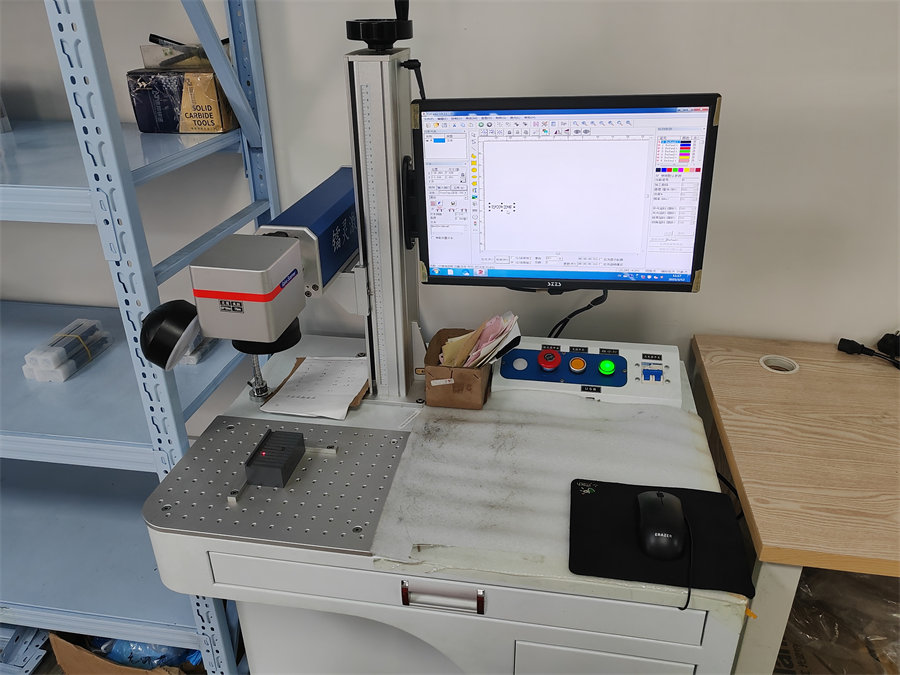
We adhere strictly to the principle of "Quality First, Continuous Improvement". From raw material selection to final product verification, every tool undergoes comprehensive quality checks to ensure it meets strict dimensional, geometrical, and performance requirements. Stable quality is the key factor that determines our customers' productivity and competitiveness in Bangkok and globally.
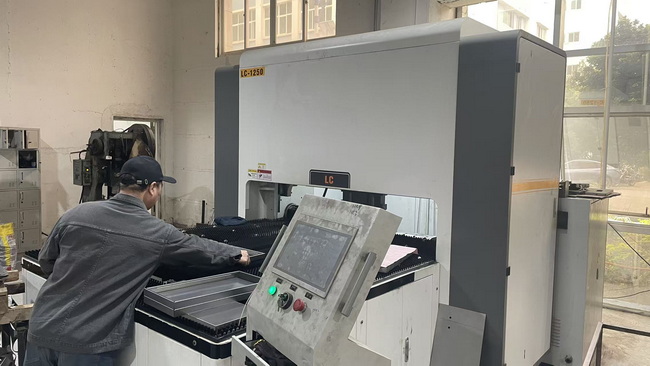
During operations involving keyseat end mills, machinists typically encounter three major failure modes: premature corner wear, surface chatter, and oversized slots due to tool deflection. In high-efficiency industrial production lines, mitigating these errors requires systematic calibration of mechanical setups and parameters:
Importing tools into Thailand requires a balance of cost, tax compliance, and transit efficiency. Under the ASEAN-China Free Trade Agreement (ACFTA), importers can secure zero or substantially reduced custom duties by utilizing the Form E Certificate of Origin. Suzhou Tier Tool Co., Ltd. provides all necessary paperwork, ensuring hassle-free clearance through Thai Customs at Bangkok Port or Suvarnabhumi Airport.
Our standard transit routes to Bangkok industrial hubs:
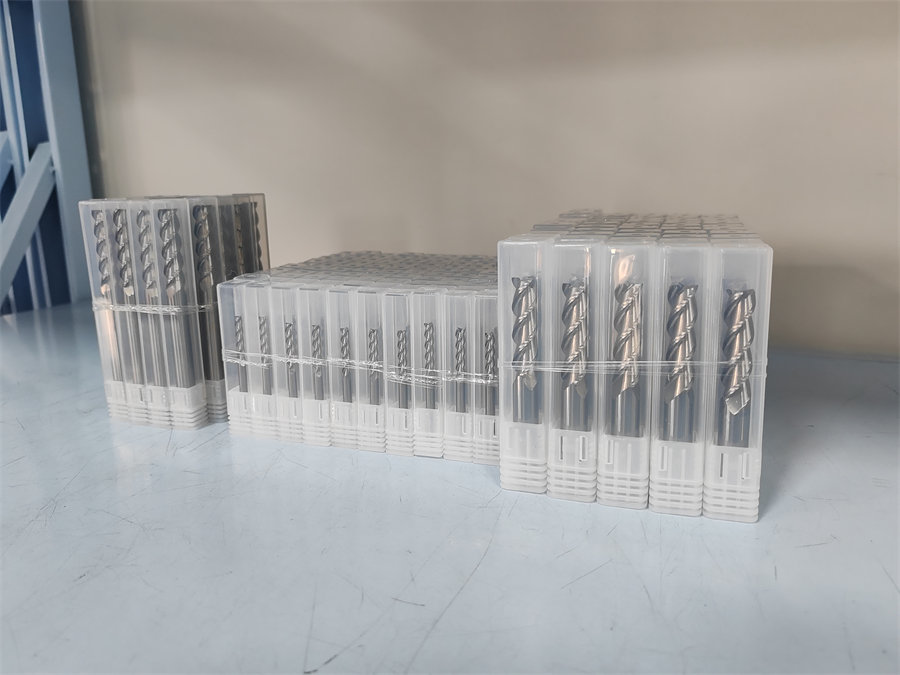
Complete catalog of high-performance keyseat cutters designed for structural alloys, titanium, and hardened steel processing.
 Tier Tool