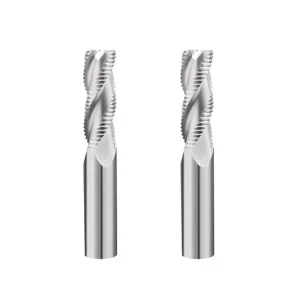
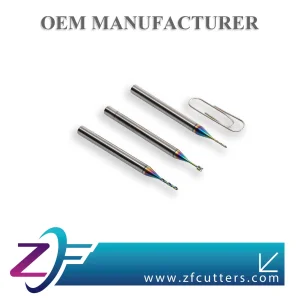
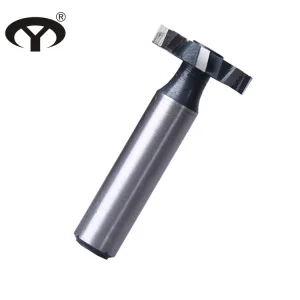
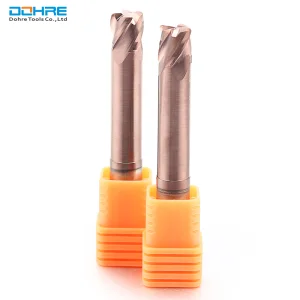
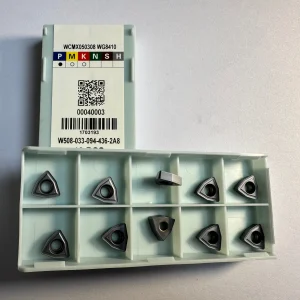
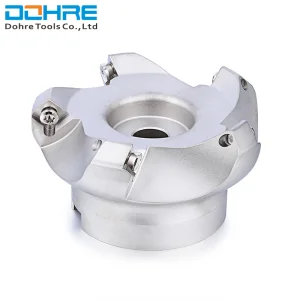
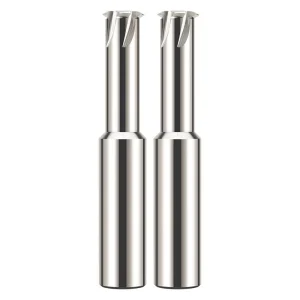
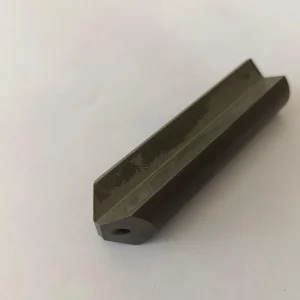
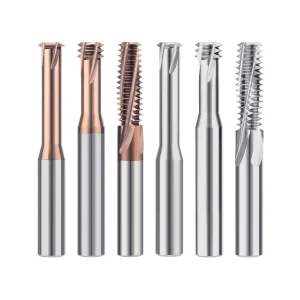
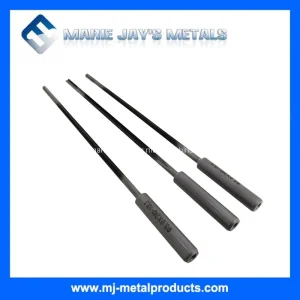
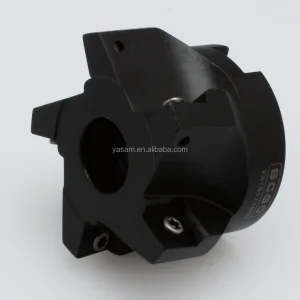
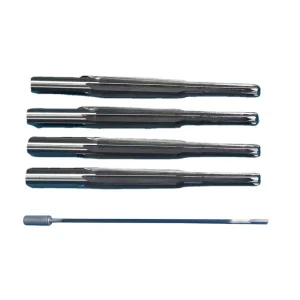
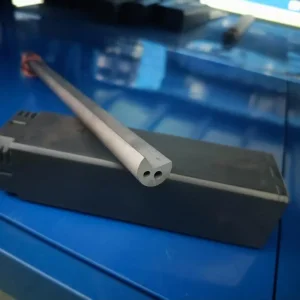
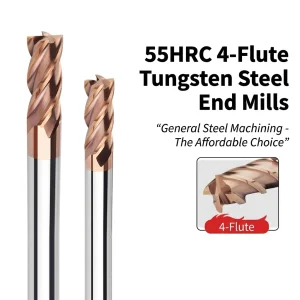
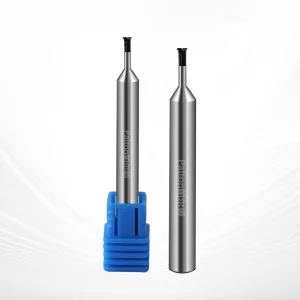
Engineered with micro-grain substrates and custom geometries to maximize throughput and achieve exceptional structural finishes across diverse materials.
Within the domain of high-speed machining and industrial slicing, the choice of substrate material determines both the lifecycle thresholds and surface integrity of your parts. Traditional High-Speed Steel (HSS) tools, while ductile, fail to hold a cutting edge when exposed to temperatures exceeding 600°C. This is where Carbide-Tipped Saws and solid carbide tools establish superiority.
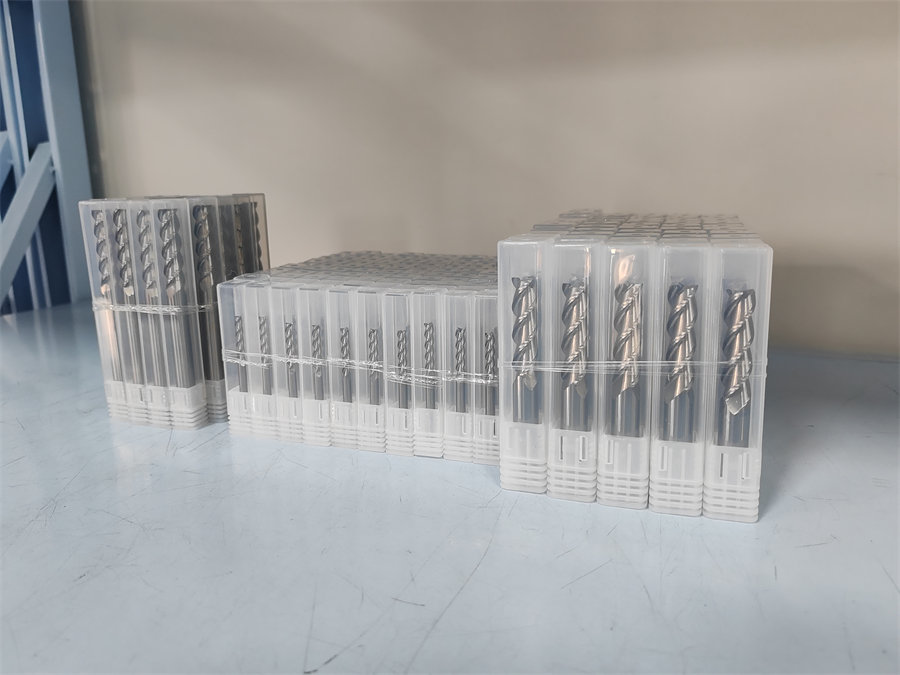
By sintering tungsten carbide particles (WC) within a cobalt (Co) matrix binder, tool engineers achieve an optimal balance of hardness (often measured beyond 1500 HV) and fracture toughness. In multi-flute configuration systems, this micro-grain structure acts as a defense against abrasive, adhesive, and diffusion wear mechanism paths.
To assure stability in extreme production environments, CE certification requires rigorous compliance checks with machinery safety directive standards, establishing a validated operational standard for global manufacturing. These quality controls ensure that tools can withstand high centrifugal forces and mechanical stresses without dynamic structural failure, securing both worker safety and process consistency.
Strategic material engineering values based on standard industry laboratory configurations for milling, drilling, and sawing operations.
| Material Classification | Hardness (HV) | Thermal Conductivity (W/m·K) | Max Work Temperature (°C) | Ideal Application Domain |
|---|---|---|---|---|
| High-Speed Steel (HSS / HSS-Co) | 750 - 900 | 19 - 28 | 550 - 600 | Roughing wood, short-run aluminum, general structural steel slots. |
| Micro-Grain Solid Carbide (WC-Co) | 1400 - 1800 | 60 - 110 | 900 - 1050 | CNC milling, high-speed aluminum, deep-hole alloy drilling, mass production. |
| Polycrystalline Diamond (PCD) | 5000 - 8000 | 120 - 540 | 600 - 700 | Highly abrasive non-ferrous metals, silica-filled plastics, green ceramics. |
A leading national high-tech enterprise specializing in the design, manufacturing, and technical support of precision solid carbide cutting tools.
Established in 2008, Suzhou Tier Tool Co., Ltd. has been deeply committed to the precision machining industry, focusing on delivering high-performance, high-efficiency cutting solutions for hole-making and metalworking applications. Through continuous technological innovation and manufacturing excellence, the company has earned the trust of customers across a wide range of industries worldwide.
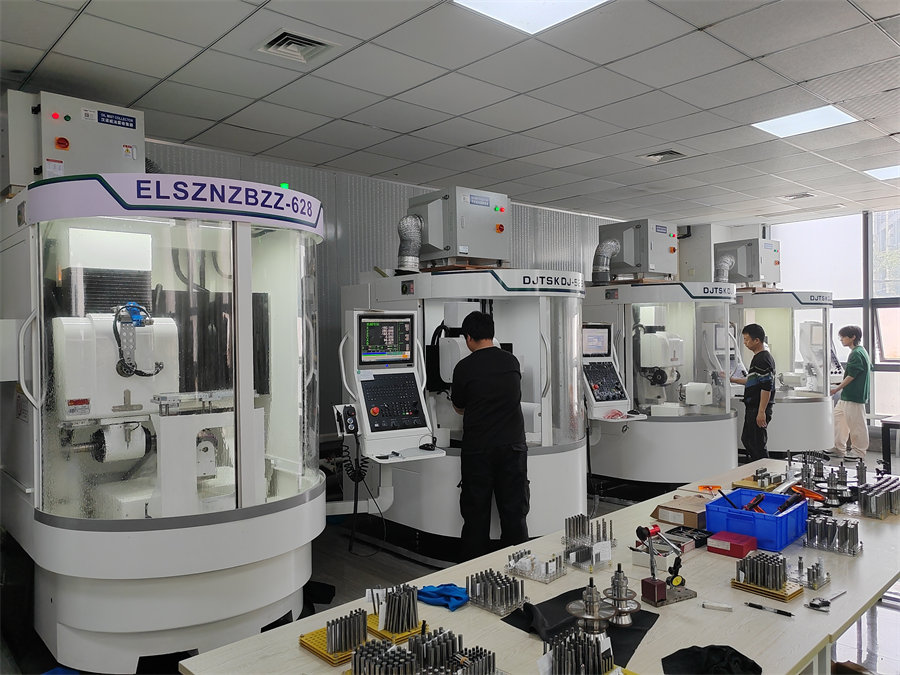
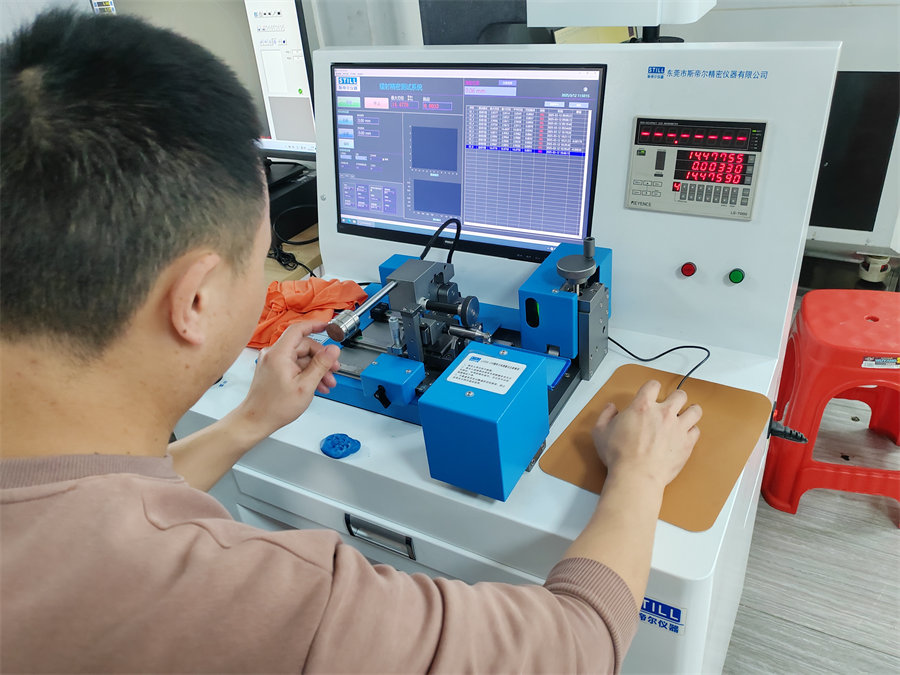
To ensure the highest levels of precision and consistency, Tier Tool has invested extensively in advanced manufacturing equipment and production technologies. The company operates multiple imported CNC tool grinding machines and precision inspection systems, enabling complete in-house capabilities from tool design and prototyping to small-batch testing and large-scale production.
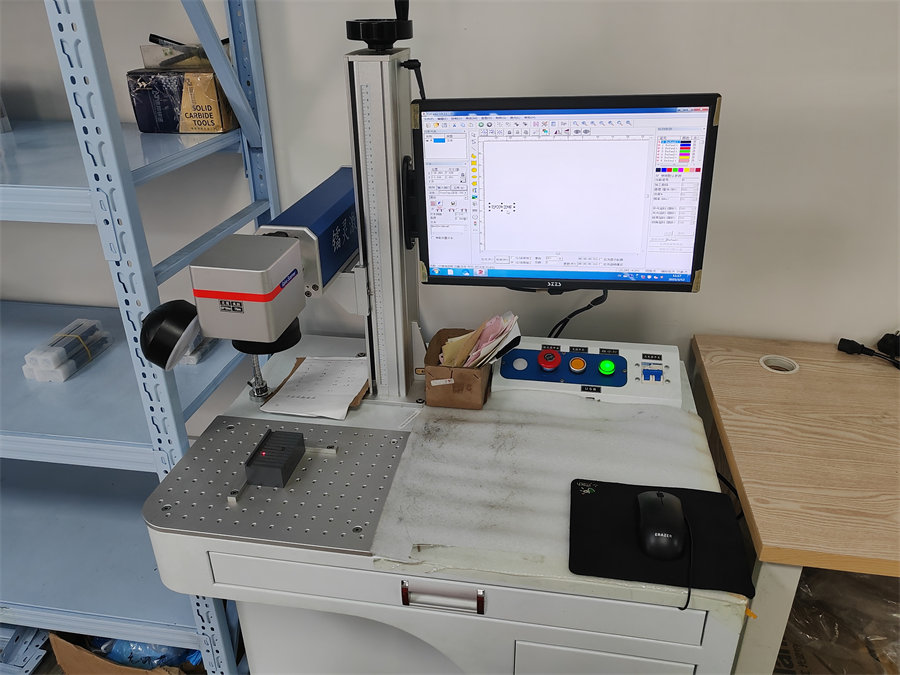
Our manufacturing process is built upon strict process control and traceability standards. Every production stage is carefully monitored to ensure repeatability, quality consistency, and reliable delivery performance. Through systematic process management and standardized operating procedures, Tier Tool has established a robust manufacturing system capable of meeting the demanding requirements of modern precision machining.
Quality is the foundation of Tier Tool's long-term success. We adhere to the principle of "Quality First, Continuous Improvement", implementing rigorous quality control procedures throughout the entire production cycle.
From raw material selection and incoming inspection to final product verification, every tool undergoes comprehensive quality checks to ensure it meets strict dimensional, geometrical, and performance requirements. By continuously optimizing our manufacturing and inspection processes, we deliver products that provide exceptional accuracy, reliability, and consistency in real-world machining applications.
We understand that in precision manufacturing, stable quality is not only a requirement but also the key factor that determines our customers' productivity and competitiveness.
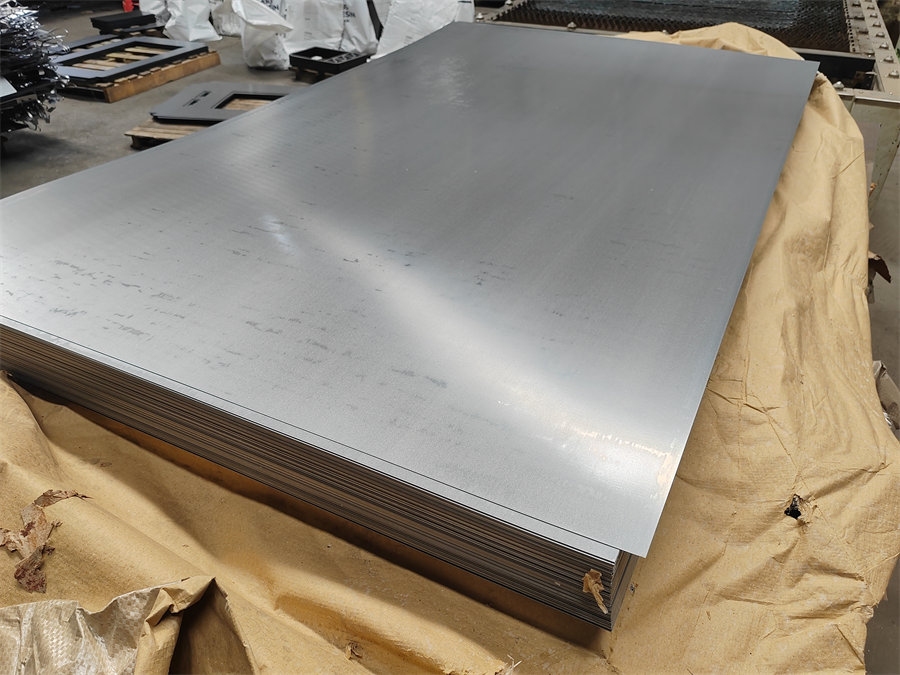
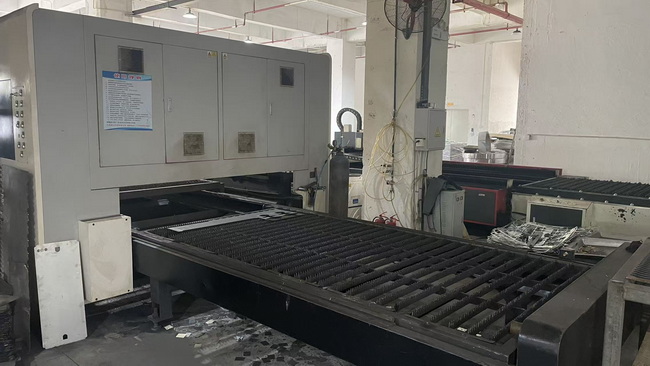
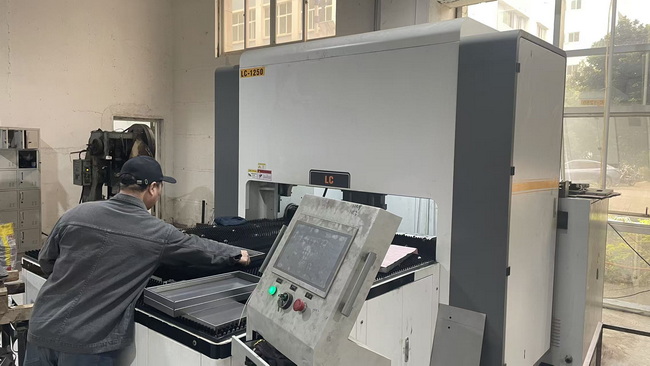
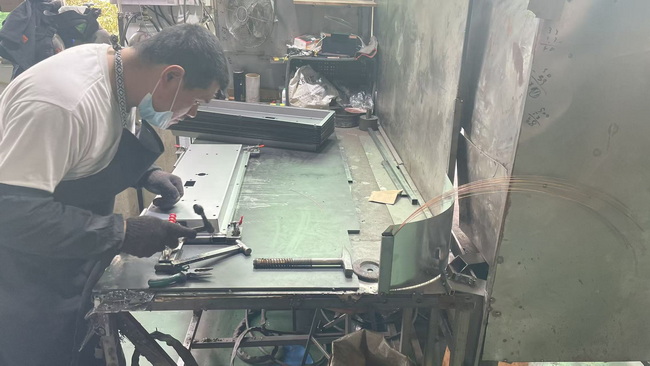
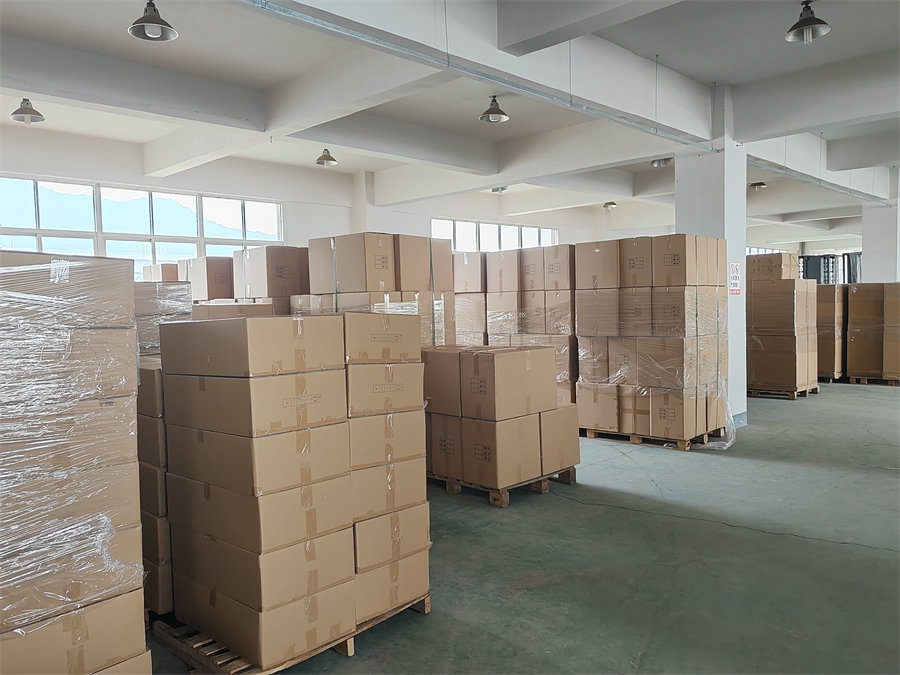
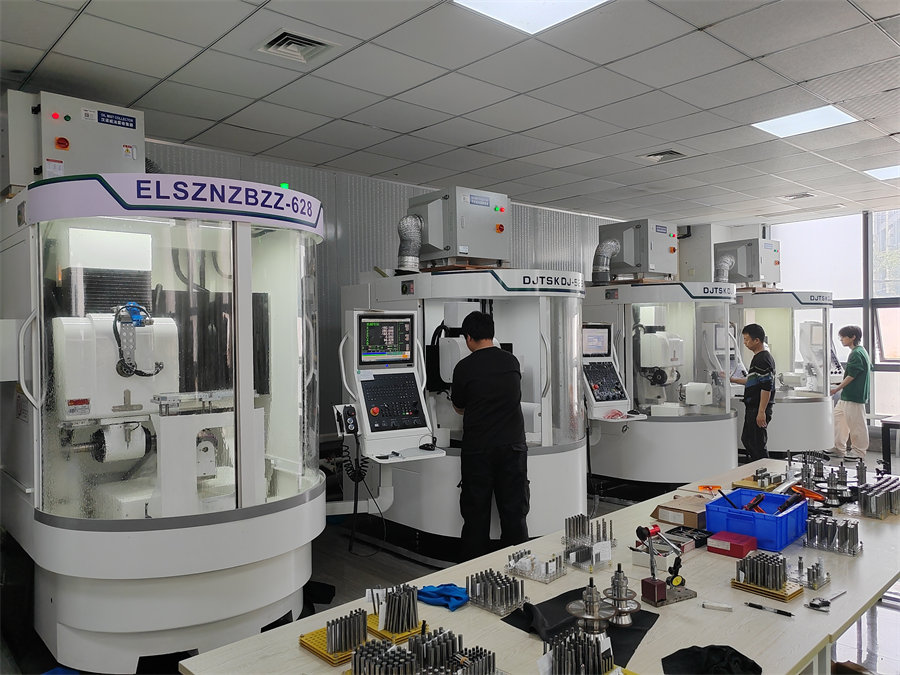
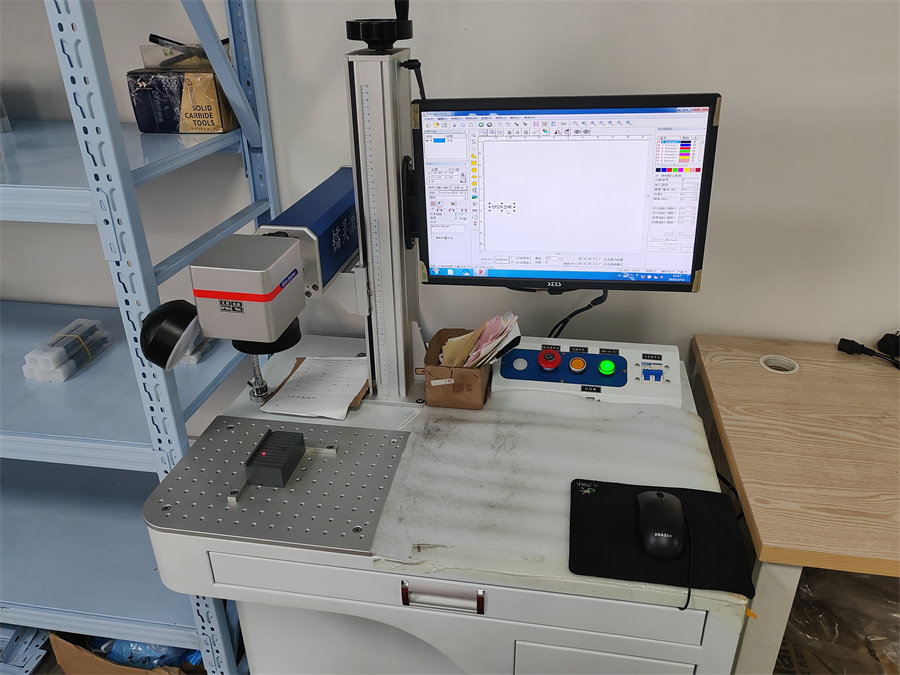
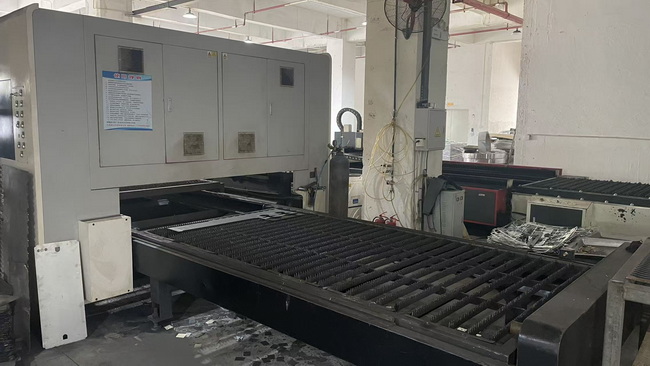
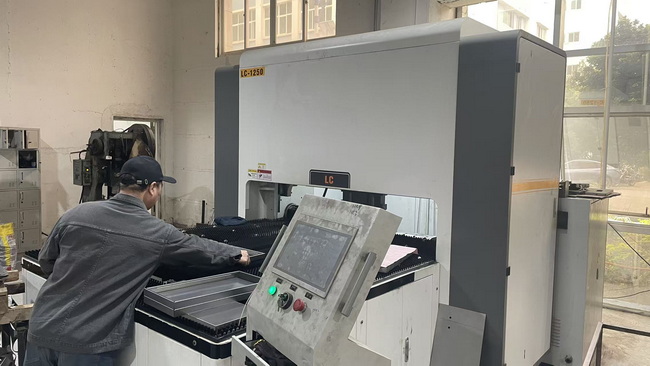
China controls a significant share of the global raw tungsten supply chain. Local factories operate with direct access to top-tier Ammonium Paratungstate (APT) refineries, lowering logistics delays and pricing fluctuations. This direct access enables manufacturers like Suzhou Tier Tool to source pristine raw tungsten carbide powders with precise grain sizing (sub-micron and nano-grades) at stable costs.
The modern Chinese manufacturing landscape features advanced machinery. High-end tool manufacturers utilize multi-axis CNC grinding centers imported from Germany and Switzerland (such as Walter and Rollomatic), alongside precision measuring systems (like Helicheck). This integration ensures that radial runouts are consistently maintained under 0.005mm, achieving strict tool concentricity.
Unlike rigid Western manufacturing setups, Chinese factories excel in quick adaptation. High-mix, low-volume orders are handled efficiently. Customized helix configurations, variable fluting pitches, and complex step-drills can be programmed, simulated via specialized CAD/CAM software, prototyped, and brought to full production in short cycles, providing global procurement teams with significant time-to-market advantages.
Tailoring tooling geometries and coating technologies to meet the performance challenges of critical industry applications.
Machining high-strength alloys like Titanium (Ti-6Al-4V) and Inconel requires tools designed to manage intense heat. Specialized geometries, such as variable helix configurations and unequal index fluting, break up harmonics and chatter during deep cavity milling, extending tool life under heavy loads.
Creating complex micro-components for smart devices requires tools that maintain their edge profile at high rotation speeds. Ultra-fine micro-drills (down to 0.7mm and smaller) with TiAlN coatings prevent material adhesion, ensuring clean holes in copper composites and aluminum casings.
Modern production facilities require tooling solutions designed for specific material behaviors. Standard off-the-shelf tools often fail when face-milling structural materials or drilling deep holes. Our engineering approach matches tool geometry and coating properties to your material requirements:
Expert advice on optimization, coating choices, and operation parameters for B2B procurement teams and plant operators.
CE certification indicates that the tooling conforms to European Union health, safety, and environmental protection standards (including the Machinery Directive). For high-speed rotating cutting elements, CE compliance ensures that the materials used can withstand severe dynamic loads and that the design reduces the risk of structural failure during operation.
While both are titanium-aluminum-nitride-based coatings, AlTiN features a higher aluminum content, which creates a stable aluminum oxide layer at high temperatures. This makes AlTiN suitable for hot, dry machining operations in hardened steels (above HRC 55). TiAlN is a versatile option for general steels and non-ferrous alloys under typical wet cutting setups.
Tool deflection is often caused by misalignment between the machine spindle and guide bushing, incorrect feed rates, or inadequate chip evacuation. Maintaining clean coolant filtration systems and using indexable carbide inserts with built-in chipbreakers helps stabilize the tool, ensuring clean holes in deep boring operations.
Standard uniform helix tools create harmonic frequencies during contact, which can lead to chatter marks on the workpiece. Variable helix angles alter the timing of each flute's entry into the material. This disrupts harmonic feedback, reduces vibration, and allows for deeper cuts and better surface finishes.
High-performance tooling designs engineered to provide stability and clean finishes in demanding production lines.
 Tier Tool