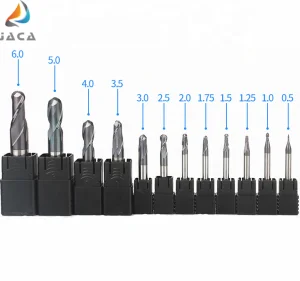
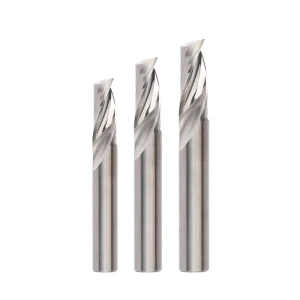
Exemplary High-Precision Drilling and CNC Milling Solutions for Advanced Industrial Systems
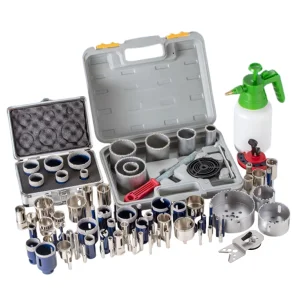
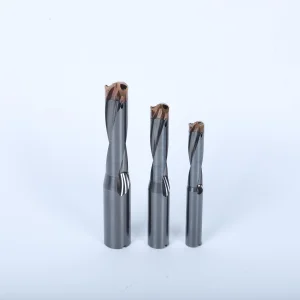
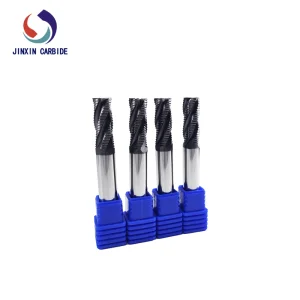
Pioneering precision cutting tools with verified structural excellence and world-class testing standards
In the spectrum of modern subtractive manufacturing, selecting the ideal tooling substrate determines the micro-efficiency, thermal management, and cost-to-benefit ratio of any high-speed machining process. Cobalt End Mills, manufactured with High-Speed Cobalt Steel (commonly referred to as HSS-Co, M35, or M42 alloys), provide a highly specific balance of mechanical toughness and red hardness. While solid carbide dominates rigid, ultra-high-speed set-ups, cobalt-infused tooling retains its operational edge under conditions where carbide chips: high vibration, interrupted cuts, unstable machining rigs, and flexible tool-holder applications.
By incorporating 5% to 8% cobalt (Co) into the tungsten-molybdenum-steel matrix, manufacturers significantly elevate the crystallization temperature and structural thermal resistance of the tool. This metallurgical enhancement allows the cutting edges to withstand operating temperatures up to 600°C (1112°F) without experiencing dramatic softening or plastic deformation. For global industrial supply chains, utilizing CE Certified Cobalt End Mills ensures compliance with strict European mechanical directives, guaranteeing consistent metallurgical composition, dimensional repeatability, and long-term operator safety in high-stress machining lines.
Navigating the macro-economic and geographical demand shifts for cobalt-alloy cutting tools
High industrial demand in the North American aerospace corridors, Western European automotive bases, and Eastern Asian consumer electronics factories. These zones require dependable, fracture-resistant tools for high-feed roughing.
CE compliance acts as an regulatory passport. It guarantees raw material origin traceabilities, dynamic rotational balance limits, and mechanical integrity criteria set under EU Machinery Directive 2006/42/EC.
Modern manufacturers rely on localized warehousing combined with direct OEM channels. Partnering with suppliers like Suzhou Tier Tool ensures predictable batch-to-batch pricing, reducing lead times from weeks to days.
The global cutting tool market is undergoing a transition driven by high-efficiency machining (HEM) and multi-axis CNC centers. Within this framework, Cobalt End Mills remain vital for operations involving high-strength structural steels, heat-resistant titanium alloys, and nickel-based superalloys. The inherent elastic modulus of Cobalt HSS allows it to deflect slightly without fracturing, presenting a massive cost-saving advantage over carbide tooling when running large-scale milling profiles on non-rigid workpiece setups.
Engineering sub-micron grain structures and next-generation physical vapor deposition coatings
The evolution of Cobalt HSS tools relies heavily on advanced surface treatments. Uncoated cobalt tools, while tough, are limited in cutting speeds due to frictional heat buildup. The application of nano-composite coatings has altered this paradigm:
Geometrical innovations, including unequal index flute spacing and variable helix designs, further reduce chatter and harmonic resonance, resulting in superior surface finishes and extended machine spindle longevity.
A National High-Tech Enterprise delivering precision solid carbide and cobalt cutting solutions since 2008
Suzhou Tier Tool Co., Ltd. was established in 2008 and is a national high-tech enterprise specializing in the design, manufacturing, and technical support of precision solid carbide and high-speed cobalt cutting tools. Since its foundation, Tier Tool has been deeply committed to the precision machining industry, focusing on delivering high-performance, high-efficiency cutting solutions for hole-making and metalworking applications. Through continuous technological innovation and manufacturing excellence, the company has earned the trust of customers across a wide range of industries worldwide.
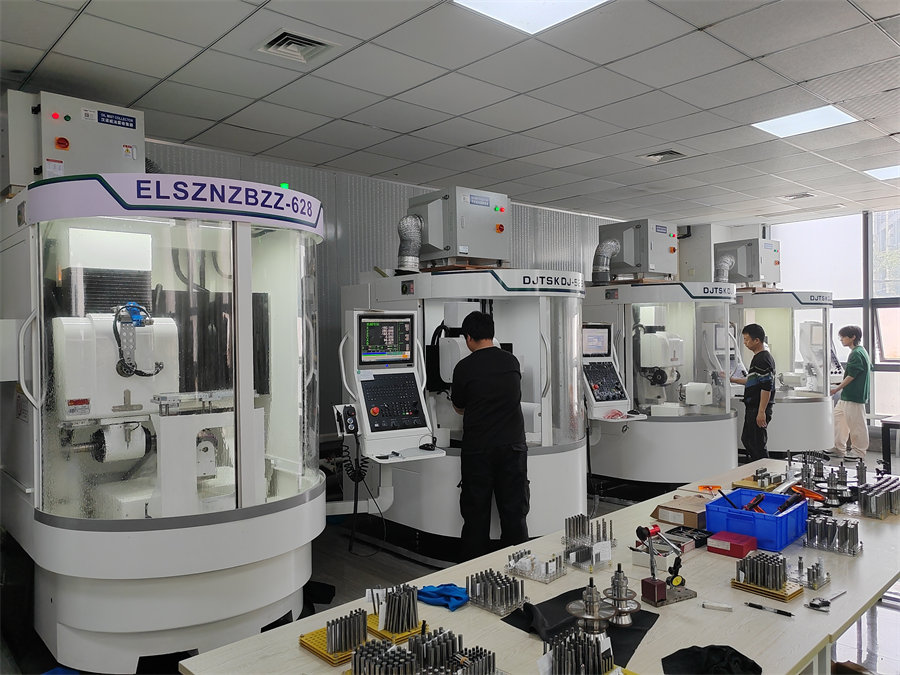
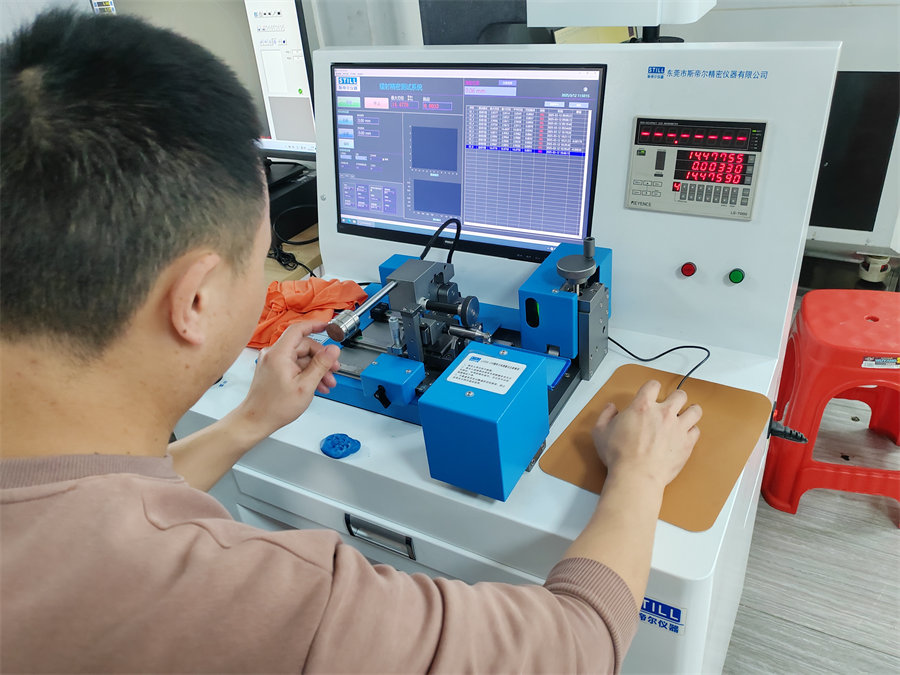
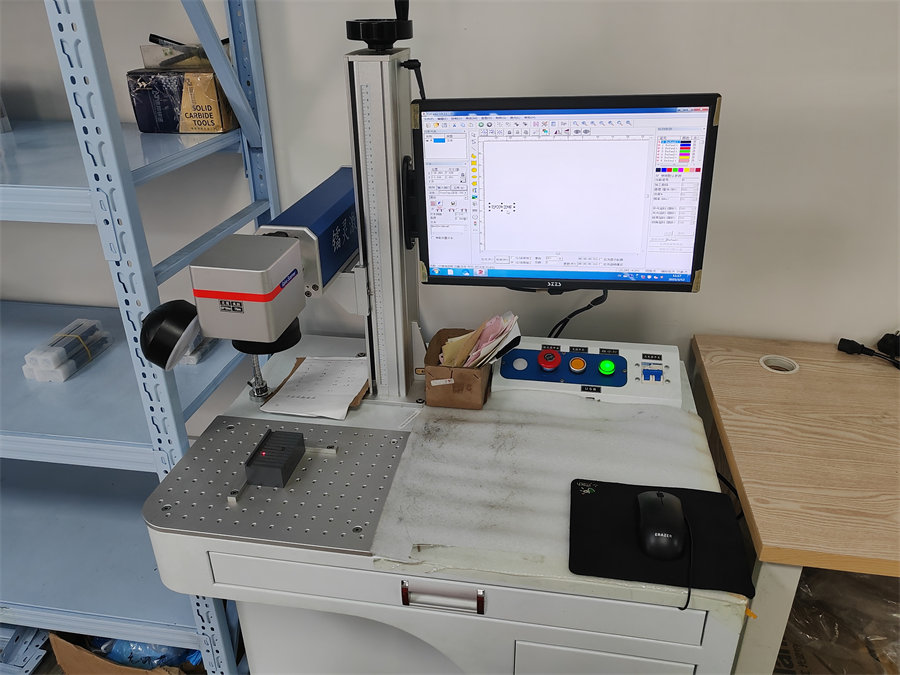
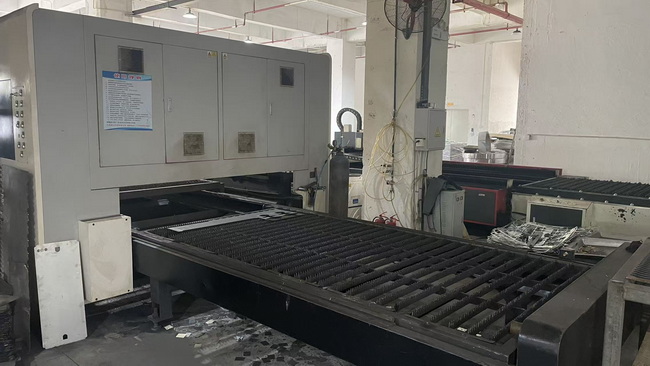
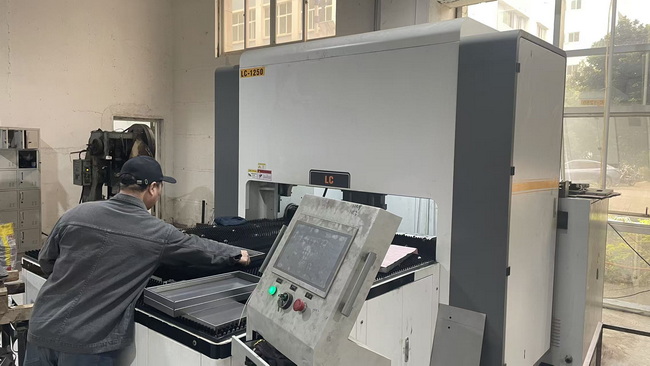
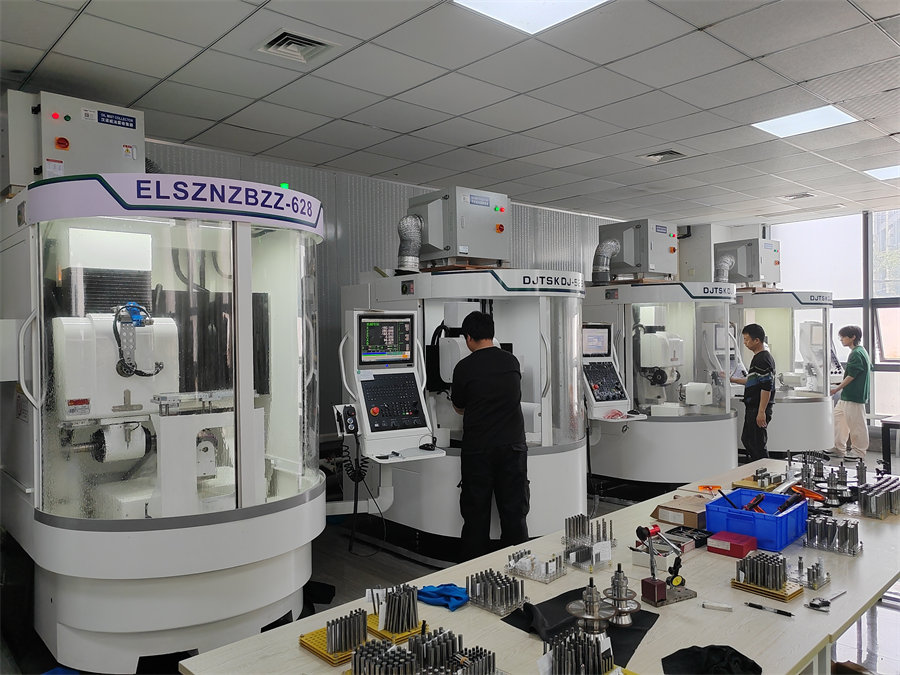
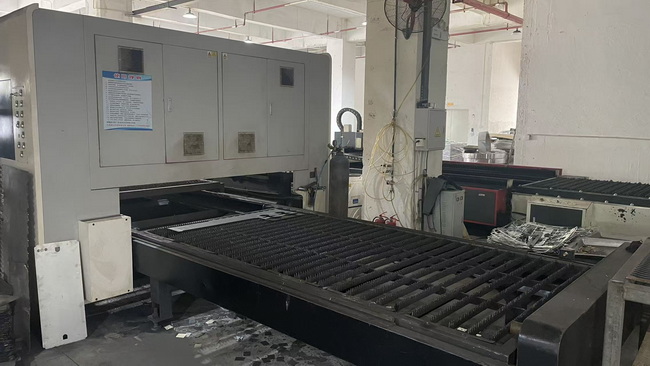
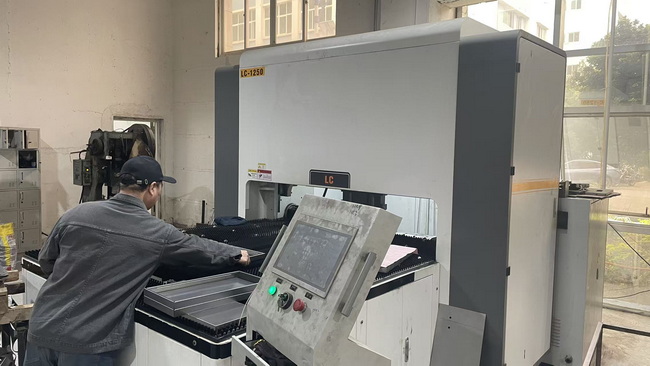
To ensure the highest levels of precision and consistency, Tier Tool has invested extensively in advanced manufacturing equipment and production technologies. The company operates multiple imported CNC tool grinding machines and precision inspection systems, enabling complete in-house capabilities from tool design and prototyping to small-batch testing and large-scale production.
Our manufacturing process is built upon strict process control and traceability standards. Every production stage is carefully monitored to ensure repeatability, quality consistency, and reliable delivery performance. Through systematic process management and standardized operating procedures, Tier Tool has established a robust manufacturing system capable of meeting the demanding requirements of modern precision machining.
Quality is the foundation of Tier Tool's long-term success. We adhere to the principle of "Quality First, Continuous Improvement", implementing rigorous quality control procedures throughout the entire production cycle.
From raw material selection and incoming inspection to final product verification, every tool undergoes comprehensive quality checks to ensure it meets strict dimensional, geometrical, and performance requirements. By continuously optimizing our manufacturing and inspection processes, we deliver products that provide exceptional accuracy, reliability, and consistency in real-world machining applications. We understand that in precision manufacturing, stable quality is not only a requirement but also the key factor that determines our customers' productivity and competitiveness.
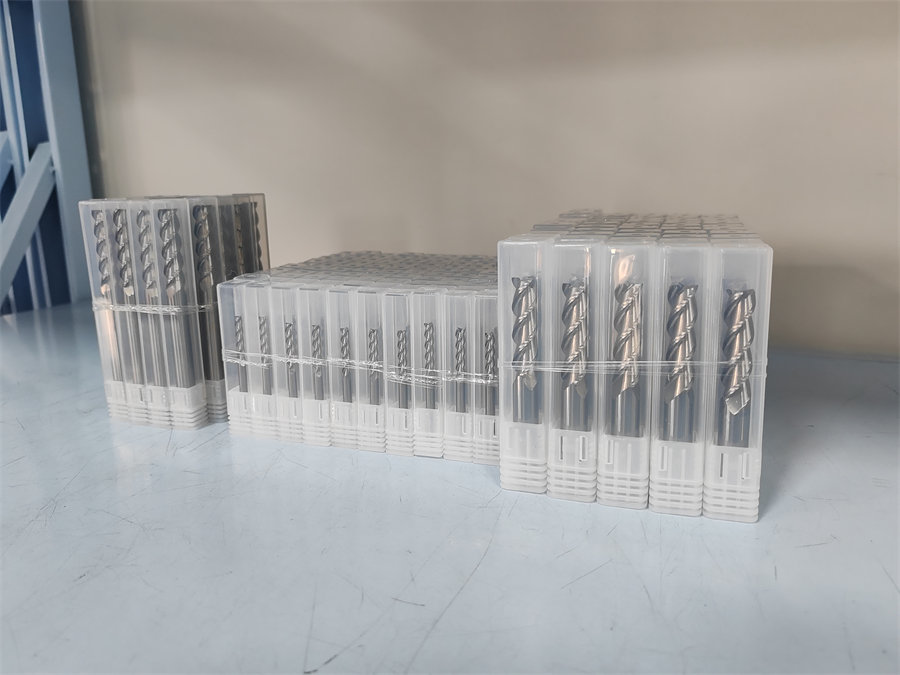
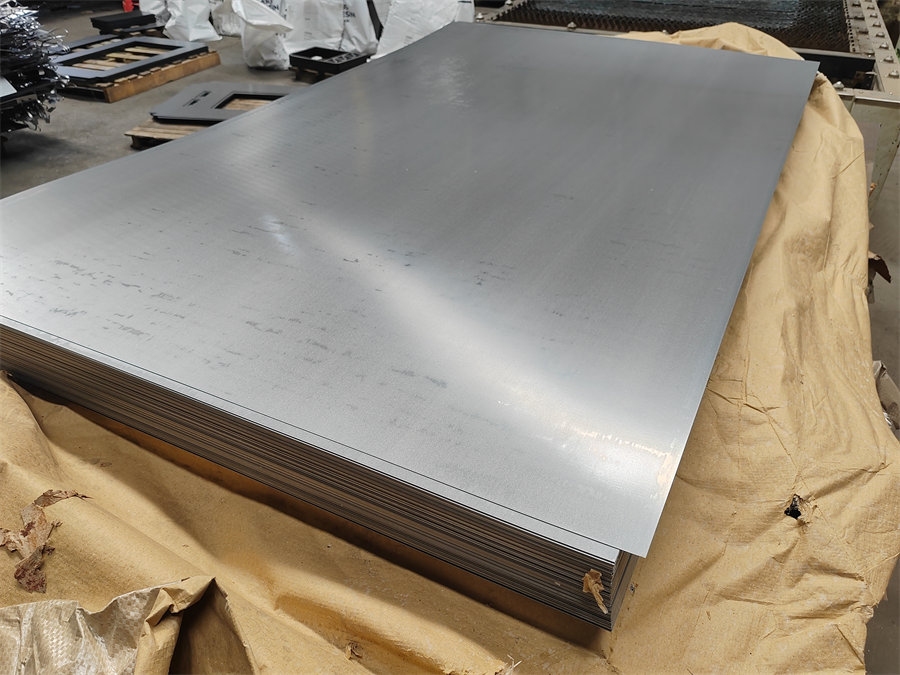
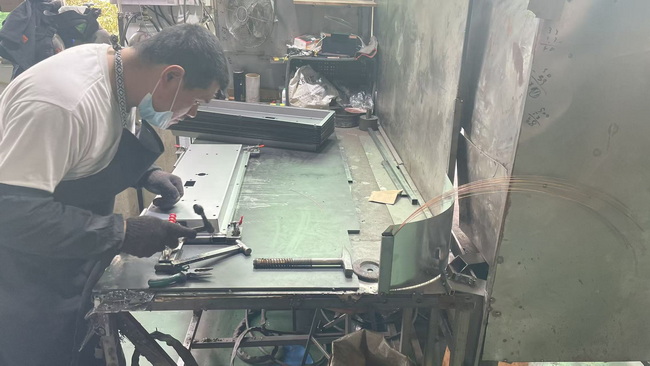
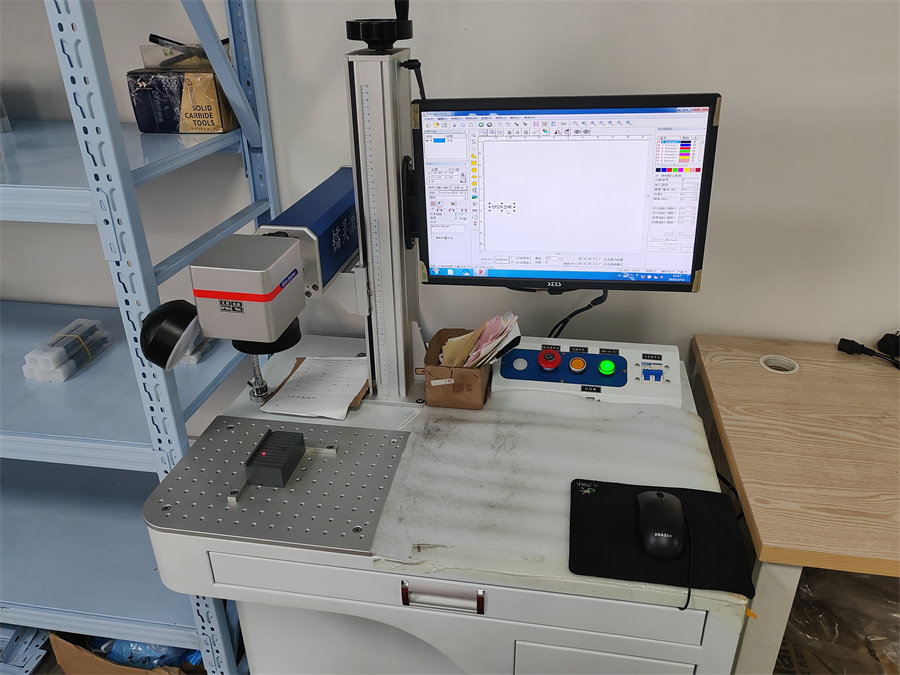
Our facility utilizes state-of-the-art machinery and rigorous workflows to execute every phase of tool fabrication:

Recommended cutting speeds, feeds, and depth parameters across primary industrial alloys
Optimizing productivity with Cobalt End Mills requires aligning surface speed (SFM) and chip load per tooth with the material hardness of the workpiece. Below is a comprehensive reference sheet developed by Tier Tool's application engineering team to maximize tool life and prevent premature cutting edge wear:
| Workpiece Material | Hardness Range | Cutting Speed (SFM) | Feed per Tooth (IPT) - Ø 1/2" End Mill | Coolant / Lubrication Mode |
|---|---|---|---|---|
| Mild Carbon Steels (1018, 1045) | 150 - 200 HB | 110 - 150 | 0.002" - 0.004" | Soluble Oil / Flood Coolant |
| Alloy Steels (4140, 4340) | 200 - 325 HB | 70 - 100 | 0.0015" - 0.003" | High-Pressure Flood Coolant |
| Tool Steels (D2, H13) Annealed | Under 250 HB | 50 - 80 | 0.001" - 0.002" | Mist Oil or Compressed Air |
| Austenitic Stainless Steels (304, 316) | 180 - 240 HB | 60 - 90 | 0.0012" - 0.0025" | Sulfurized Cutting Oil / Flood |
| Titanium Alloys (Ti-6Al-4V) | 300 - 360 HB | 40 - 60 | 0.001" - 0.0022" | Water-Soluble Coolant (Chlorine-Free) |
| Cast Iron (Grey & Ductile) | 160 - 260 HB | 90 - 130 | 0.002" - 0.0045" | Dry (with Air Blast) or Flood |
Proper chip evacuation is key to preventing chip recutting—the leading cause of premature tool failure. When pocketing or slotting with M42 cobalt tooling, ensure the chip extraction system is adjusted to clear the cutting path effectively. If dynamic milling strategies are applied, cutting speeds can be increased by 20% to 35% due to the reduced radial engagement and lower thermal stress on the cutting edge.
At Tier Tool, we believe that supplying cutting tools is only the beginning of our partnership with customers. Beyond delivering products, we provide comprehensive technical support and application engineering services to assist customers in optimizing their manufacturing processes.
Our technical specialists work directly with customers to analyze machining conditions, recommend suitable tooling strategies, and develop solutions that maximize efficiency, reliability, and cost-effectiveness. By understanding our customers' production goals and competitive challenges, we strive to become a trusted long-term manufacturing partner rather than simply a tooling supplier.
Looking ahead, Suzhou Tier Tool Co., Ltd. will continue to focus on the development of high-performance carbide and cobalt-alloy cutting tools, deepening its expertise in automotive, aerospace, precision engineering, and advanced manufacturing industries.
Driven by professionalism, innovation, and customer commitment, we are dedicated to creating greater value for our customers through reliable products, flexible services, and advanced manufacturing technologies. Tier Tool will continue to grow as a trusted global partner in precision cutting solutions, helping customers achieve higher productivity, better quality, and stronger competitiveness in an ever-evolving manufacturing world.
Answering technical queries regarding metallurgical composition, operating tolerances, and tool selection parameters
M35 contains approximately 5% Cobalt, whereas M42 contains 8% Cobalt. The additional cobalt content in M42 increases the red-hardness of the tool, allowing it to perform at higher cutting speeds and resist thermal stress when machining difficult alloys like Titanium and Inconel. However, M35 retains slightly higher structural toughness, making it more resilient to impact fractures under heavily interrupted cuts.
CE Certification verifies that the manufacturing process complies with strict European safety, health, and environmental protection standards. It ensures that the steel alloy does not contain hazardous trace impurities, that the physical structure of the tool can withstand calculated rotational limits, and that all production batches maintain mechanical integrity and traceability from raw stock to finished cutter.
Cobalt End Mills are ideal when machining setups lack rigid fixturing, when using manual milling machinery, or when performing deep slotting where tool deflection is inevitable. Carbide is brittle and prone to chipping under deflection or vibration, whereas Cobalt steel possesses the elastic toughness to bend slightly without fracturing, saving production costs on less-rigid machining lines.
Fewer flutes (2-flute and 3-flute) offer larger chip valleys, making them ideal for heavy slotting and chip clearance in softer materials like aluminum and copper. Higher flute counts (4-flute, 5-flute, and above) feature a stronger core cross-section, reducing deflection and offering finer surface finishes during peripheral profiling and finishing runs on hardened steels.
Applying PVD coatings like TiAlN or AlTiN typically extends tool life by 300% to 500% compared to uncoated tools. The coating layer acts as a thermal and friction barrier, reducing heat transfer into the tool's core, preventing built-up edge (BUE) formation, and maintaining edge sharpness at elevated cutting velocities.
Yes. Unlike complex multi-layered carbide profiles, Cobalt End Mills are easily re-ground on standard CNC tool-grinding machinery. Re-sharpening restores the cutting face and relief angles. For optimal tool life after re-grinding, it is highly recommended to re-apply the PVD coating to maintain thermal protection.
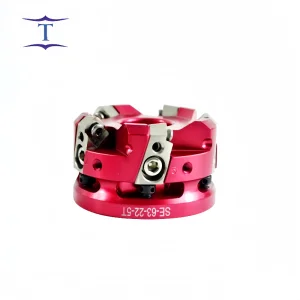
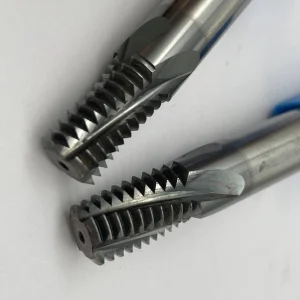
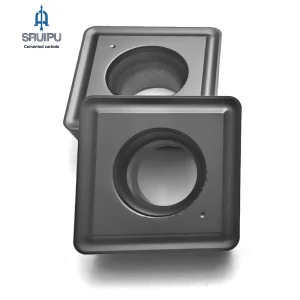
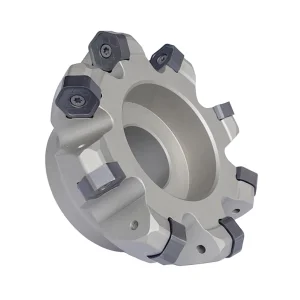
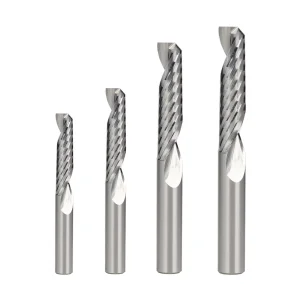
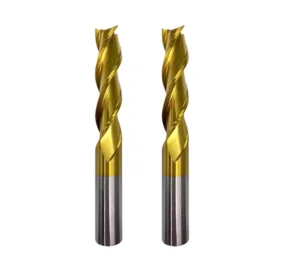
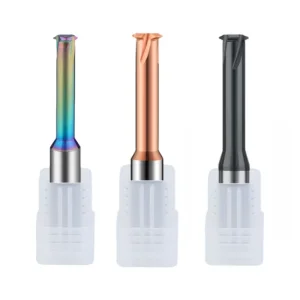
High-hardness indexable cutters and custom processing components for diverse manufacturing requirements
 Tier Tool