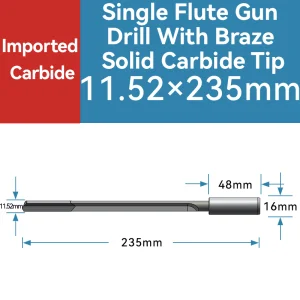
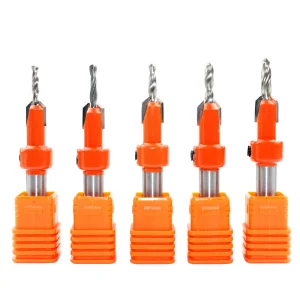
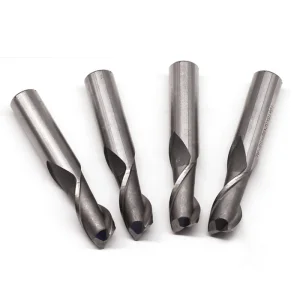
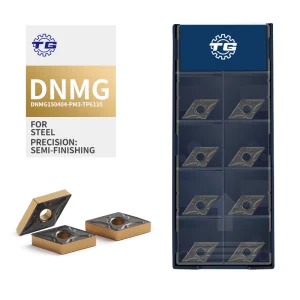
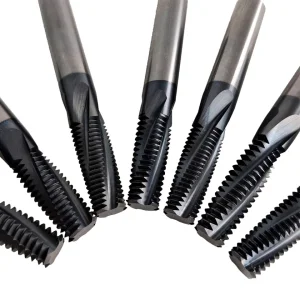
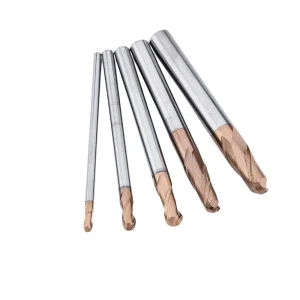
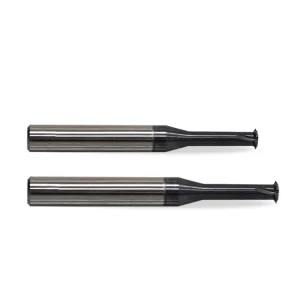
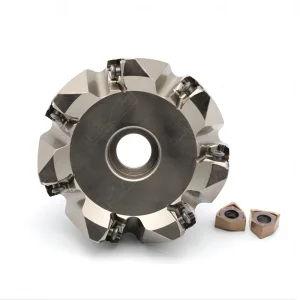
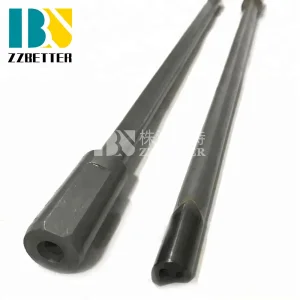
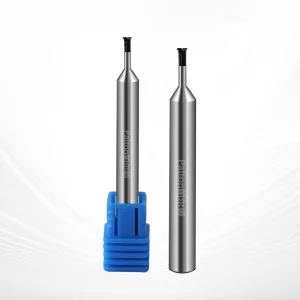
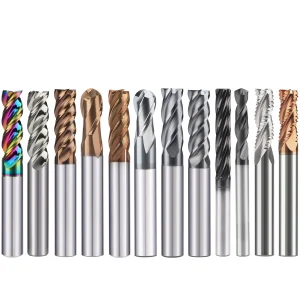
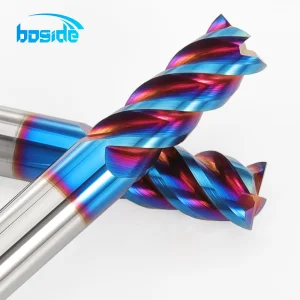
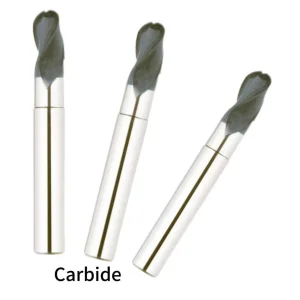
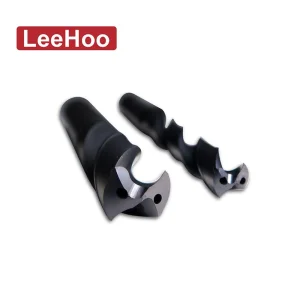
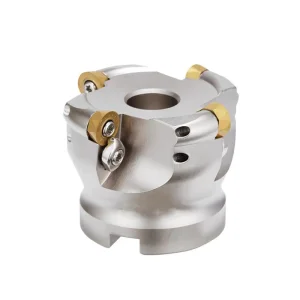
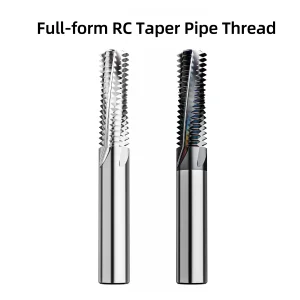
Explore our premium engineering range, from specialized deep hole drills to high-performance indexable milling cutters. Click below to view specifications and acquire technical documentation.
In modern subtractive manufacturing, the utilization of solid carbide and high-speed steel (HSS) end mills represents a major operational expense. Worldwide, high-throughput machining industries—ranging from micro-machining to heavy industrial component fabrication—consume millions of cutting tools annually. Rather than treating worn tools as scrap material, global manufacturing centers are transitioning toward localized circular reconditioning loops.
Historically, sharpening required large-scale, multi-million dollar 5-axis CNC grinding machines managed by specialized tooling houses. However, supply chain volatility, long lead times, and logistical costs have driven global manufacturers to establish localized reconditioning cells. Portable, semi-automated, and fully automated end mill sharpener systems have emerged as critical shop-floor machinery, allowing machinists to restore tool geometries within minutes.
Furthermore, globalization has standardized safety protocols. North American and European procurement agencies mandate that industrial electrical equipment must hold valid CE (Conformité Européenne) certification. This standard guarantees electromagnetic compatibility (EMC), low voltage safety, and structural integrity, protecting operators and minimizing workshop liabilities in automated production environments.
CE marking is not merely a label; it represents rigorous adherence to European health, safety, and environmental protection legislation. For factories purchasing end mill grinding equipment, CE compliance acts as a baseline benchmark of quality and reliability.
| Directive Name | Technical Relevance to Sharpeners | Risk Mitigated |
|---|---|---|
| Machinery Directive 2006/42/EC | Verifies physical guard structures, emergency shut-off systems, and mechanical stability. | Mechanical injury, flying wheel debris, or tool ejection. |
| Low Voltage Directive 2014/35/EU | Specifies electrical insulation and earth bonding requirements for motors operating between 50V and 1000V AC. | Short-circuits, electric shocks, and industrial electrical fires. |
| EMC Directive 2014/30/EU | Ensures high-frequency electrical signals from grinding motors do not disrupt surrounding CNC control cabinets. | CNC signal noise, calibration drifting, and controller crashes. |
When procuring tools from global suppliers, European, North American, and East Asian operations require full technical documentation (Technical Construction Files). Our CE-certified sharpener machinery features reinforced shielding, industrial-grade switches, and integrated dust extraction adapters to keep the working environment free from hazardous airborne cobalt and carbide dust particles.
China has evolved from a generic manufacturing hub into the world's most sophisticated supply chain ecosystem for precision cutting tools and grinding machinery. This transformation is driven by concentrated industrial clusters, highly skilled engineering talent pools, and continuous technology integration.
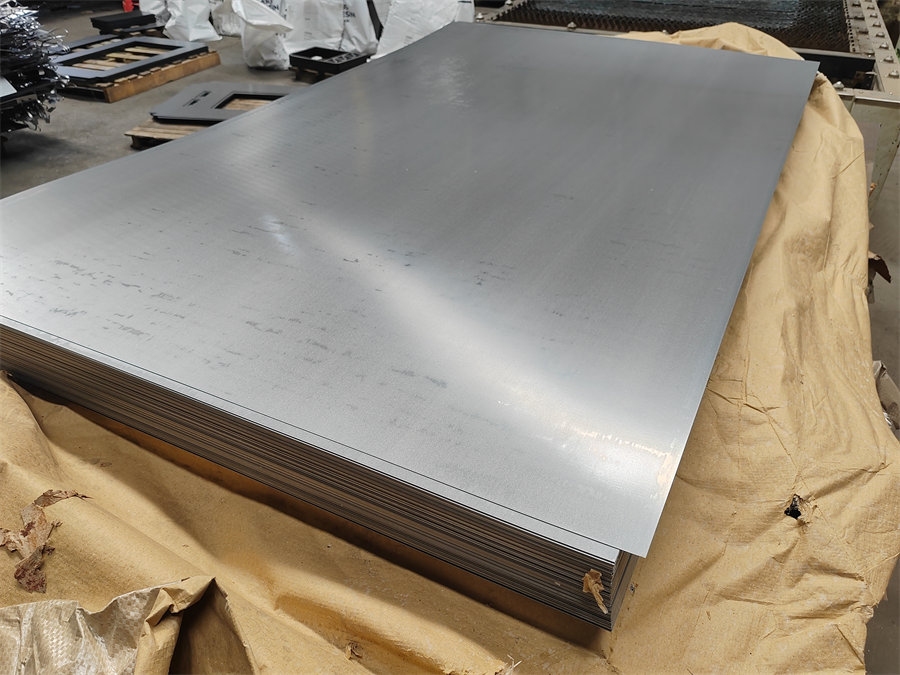
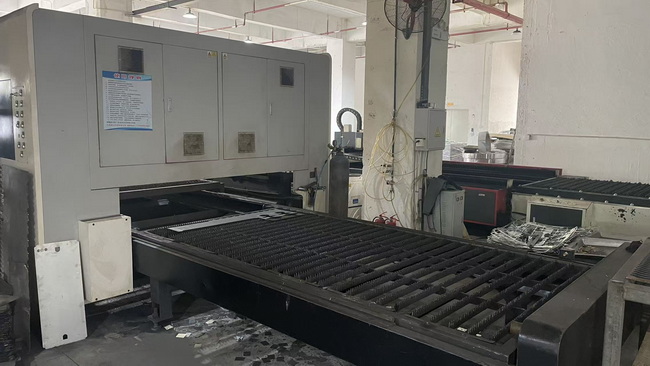
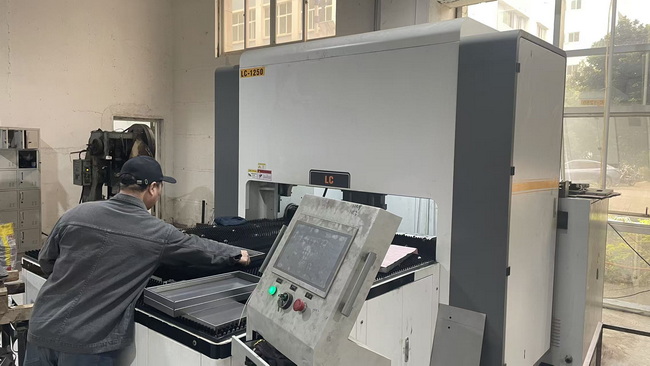
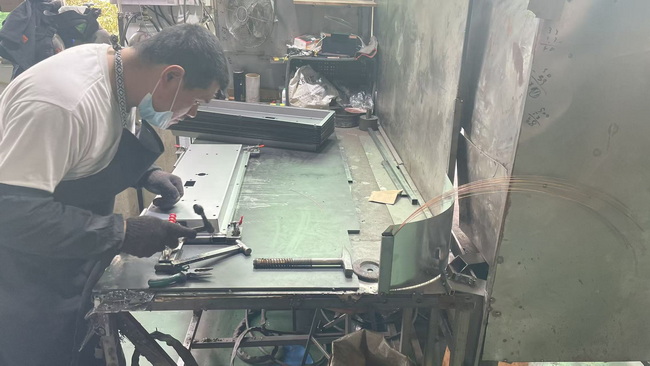
Suzhou, in Jiangsu Province, is at the heart of this technological advancement. Factories like Suzhou Tier Tool Co., Ltd. leverage integrated automation, from raw steel sheet metal laser cutting, bending, and welding, to final inspection on imported coordinate measuring systems.
By consolidating CNC tool grinding, laser marking, sheet metal fabrication, and quality inspection within single-roof factory ecosystems, Chinese manufacturers eliminate logistical overheads. These efficiencies are passed on to international procurement partners in the form of cost-effective, high-reliability machinery that operates at tolerances under 0.02 mm runout.
Established in 2008, Suzhou Tier Tool Co., Ltd. is a national high-tech enterprise specializing in the design, manufacturing, and technical support of precision solid carbide cutting tools. The company operates multiple imported CNC tool grinding machines and precision inspection systems, enabling complete in-house capabilities from tool design and prototyping to small-batch testing and large-scale production. Below is a detailed visual look into their manufacturing infrastructure:
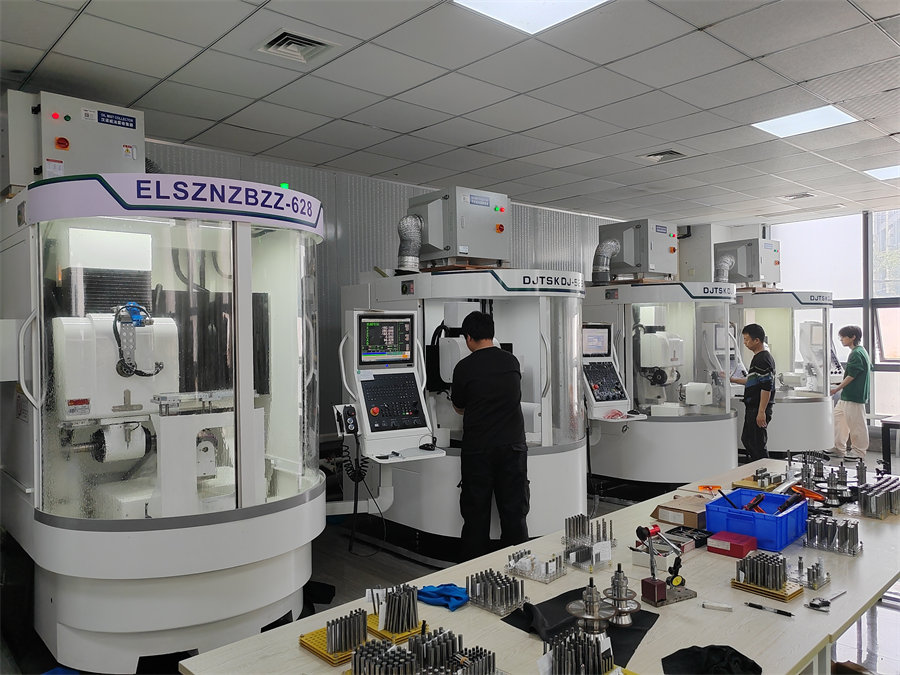
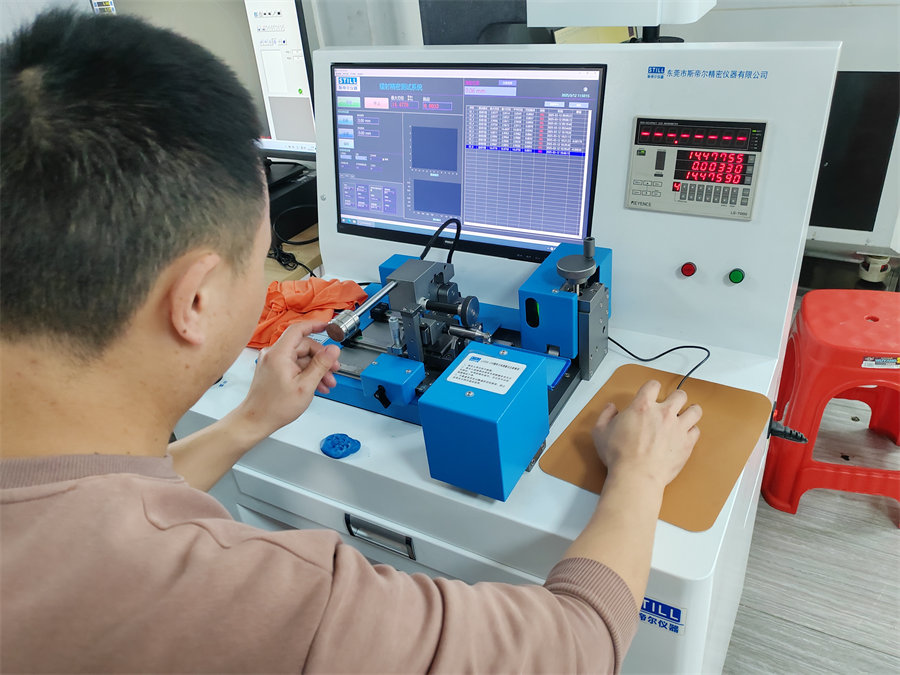
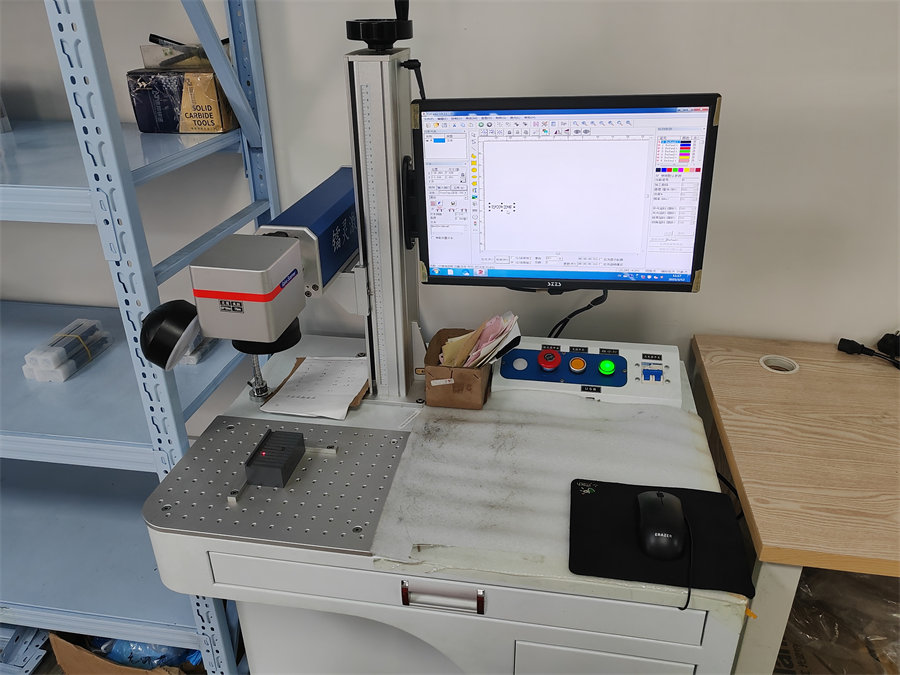
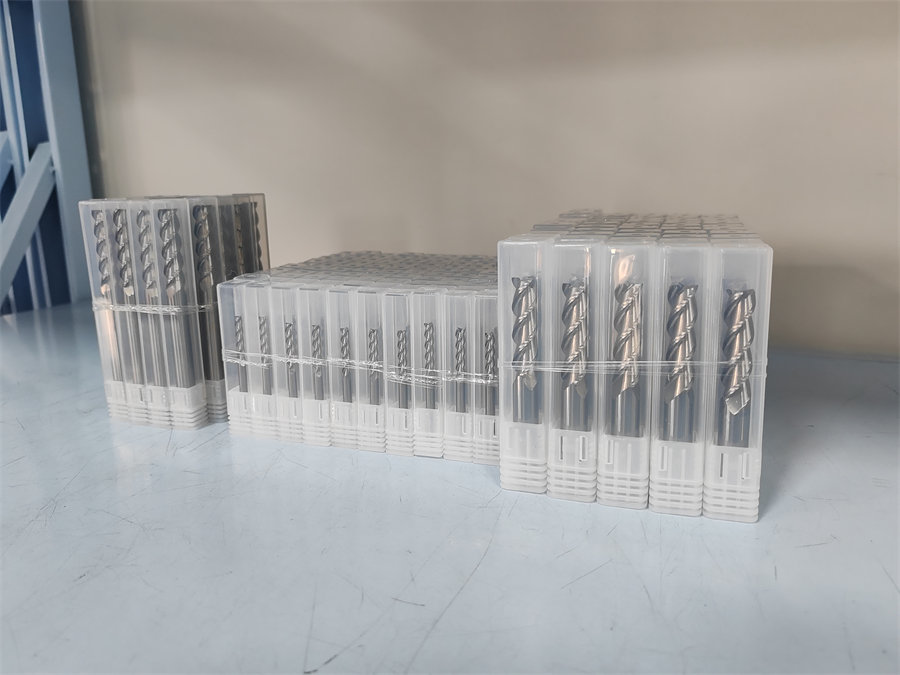
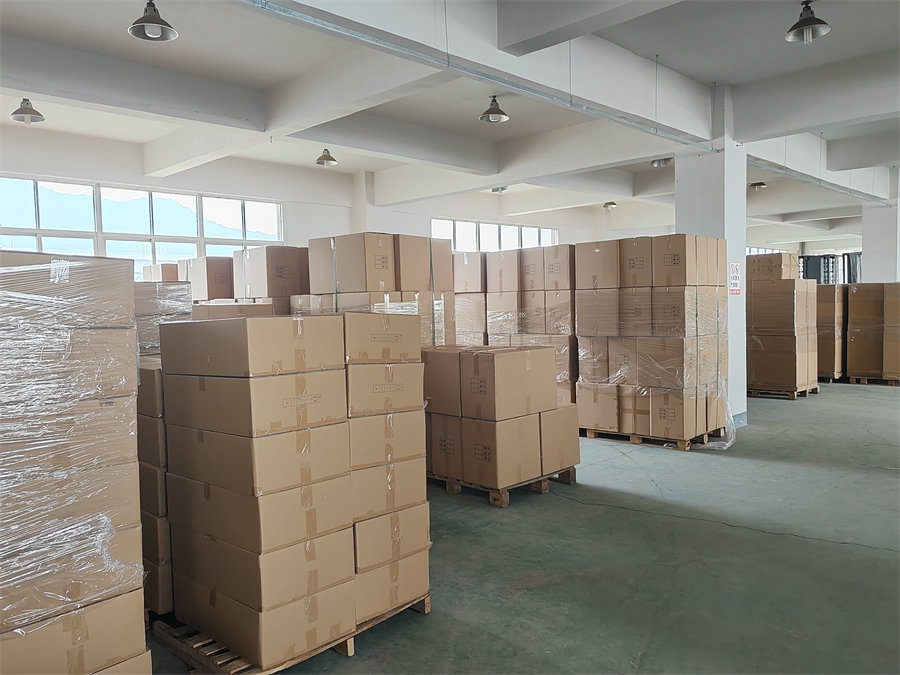
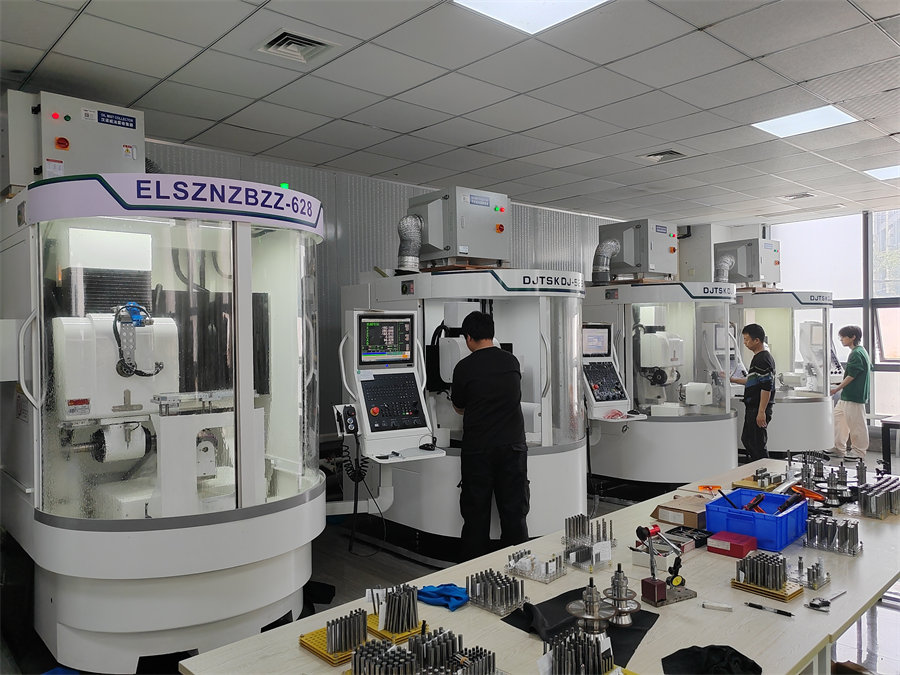
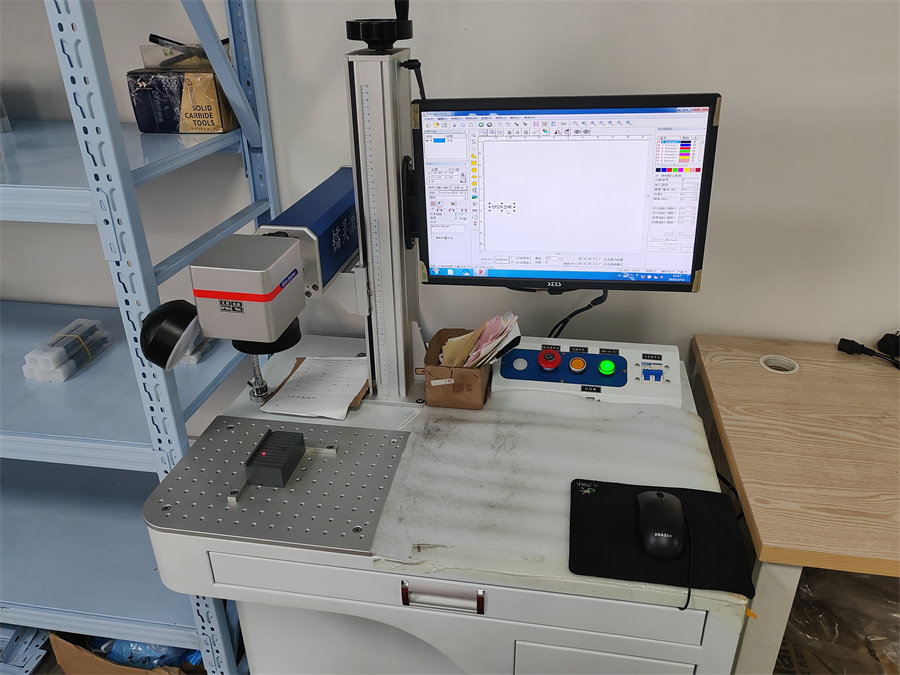
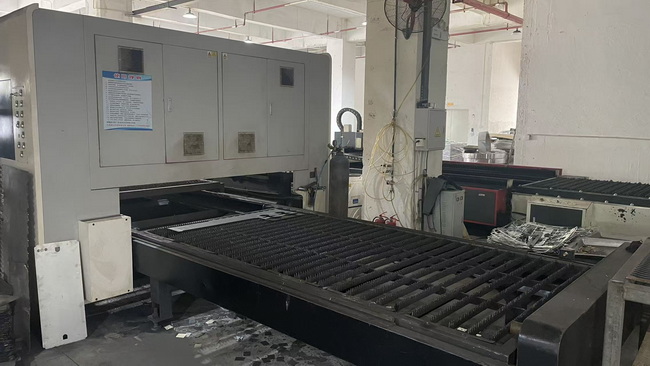
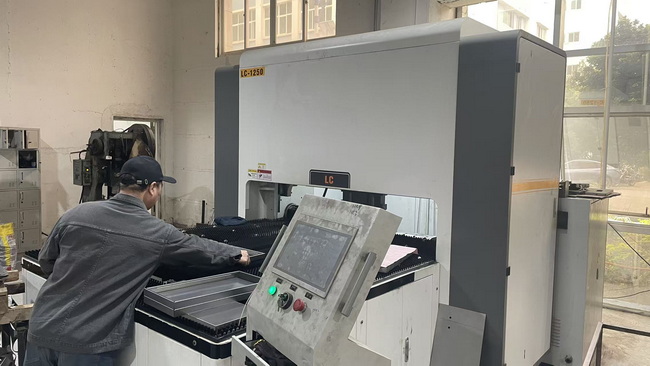
This continuous vertical integration enables Suzhou Tier Tool to guarantee the geometric accuracy, surface finish, and thermal integrity of every tool manufactured or reconditioned using their technology.
End mill sharpener systems are deployed across various operating environments. Different segments prioritize distinct aspects of the sharpener’s capabilities:
Focuses on high-volume production of cylinder heads, engine blocks, and gearbox casings. These shops require rapid-load, semi-automated sharpeners capable of reconditioning carbide tooling (2-flute and 4-flute) with minimal cycle times.
Machining exotic alloys like Titanium, Inconel, and carbon fiber composites requires ultra-sharp rake angles and flawless relief geometries. Sharpeners must control runout (TIR) to less than 5 microns to prevent premature tool chipping.
Molds rely on ball-nose end mills and complex 3D profiles. High-accuracy sharpener fixtures ensure that ball end profiles retain their precise radius, preventing dimensional deviation on finished mold cavities.
Smaller machine shops value versatility. They require a single unit capable of sharpening end mills ranging from 3mm to 20mm in diameter, with fast collet changeovers for different shank sizes.
The end mill reconditioning sector is shifting away from purely mechanical, manual setups. The following trends represent the future of industrial tooling maintenance:
B2B procurement officers evaluating end mill sharpener suppliers should prioritize long-term performance metrics over initial purchase price. Key evaluation criteria include:
Browse our secondary catalog featuring industrial-grade tungsten carbide rods, PCD solid carbide cutters, and high-efficiency coated end mills for complex milling applications.
 Tier Tool