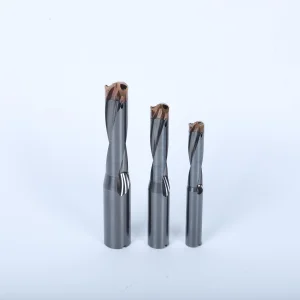
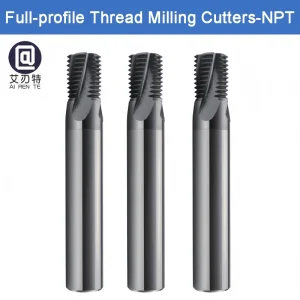
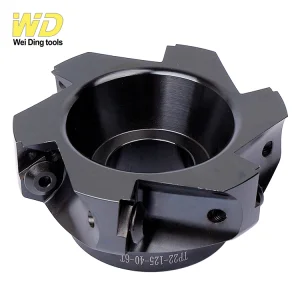
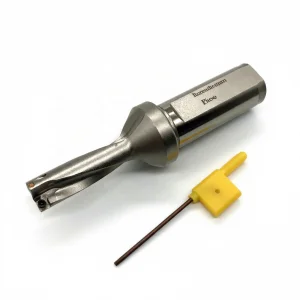
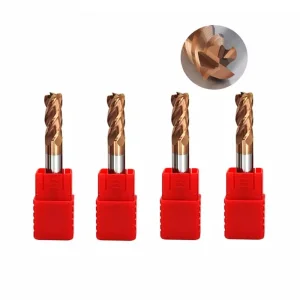
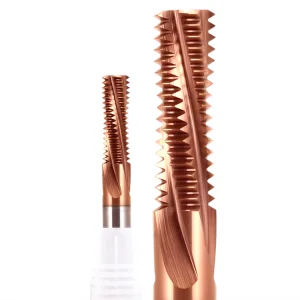
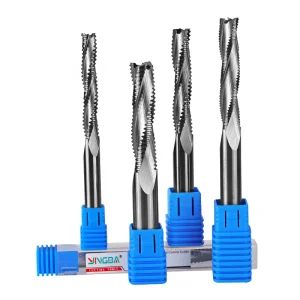
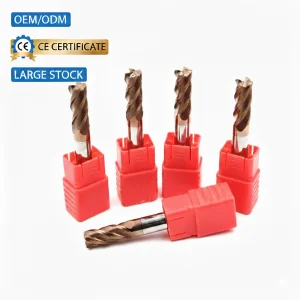
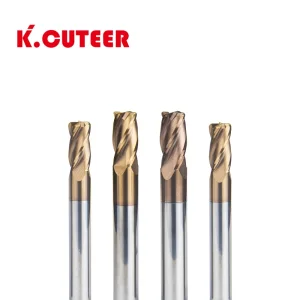
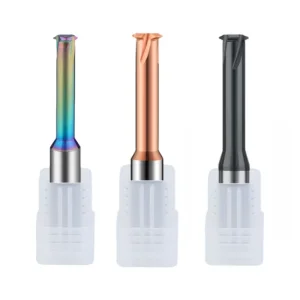
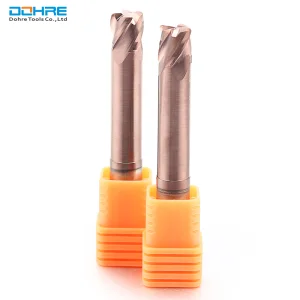
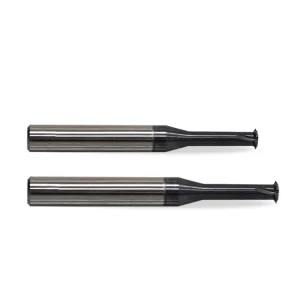
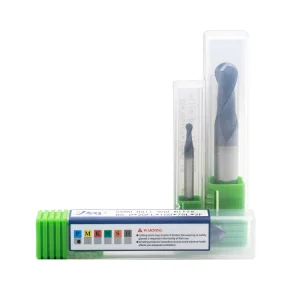
In the highly competitive landscape of precision machining, High Feed Milling (HFM) has emerged as a cornerstone methodology to achieve rapid metal removal rates (MRR) without risking workpiece instability or tooling failure. Originally designed to overcome the limitations of traditional radial engagement strategies, high feed milling employs a unique combination of tool geometry, chip thinning principles, and axial force redirection to bypass traditional cutting speed boundaries.
The fundamental secret behind high feed mills lies in their lead angle—often between 10 to 20 degrees. Compared to standard 90-degree square shoulder mills, this shallow lead angle converts the radial load into axial load. Under the chip thinning effect, the actual chip thickness (hex) is significantly less than the feed per tooth (fz). This allows CNC machinists to exponentially increase the table feed rate without overloading the insert's cutting edge. The result is a shallow depth of cut combined with exceptionally fast feed rates that glide through steel, hardened metals, and hard-to-machine alloys like Titanium or Inconel.
By redirecting the cutting force vectors axially toward the machine spindle, high feed milling reduces lateral deflection. This axial load direction is ideal because CNC machine spindles are designed to withstand significantly higher loads in the axial direction than in the radial direction. As a consequence, high feed mills can operate effectively at long tool overhangs without initiating the dreaded harmonic vibrations (tool chatter) that ruin workpiece surface finishes and accelerate micro-chipping on cutting edges.
| Machining Parameter | High Feed Milling (HFM) | Conventional Shoulder Milling | Industrial Advantage |
|---|---|---|---|
| Lead Angle (κ) | 10° - 20° (Shallow) | 90° (Perpendicular) | Promotes chip thinning, redirects forces axially |
| Axial Depth of Cut (Ap) | Low (0.5mm - 2.0mm) | High (Up to tool diameter) | Reduces stress on thin walls and long tool assemblies |
| Feed Rate per Tooth (fz) | Extremely High (0.8mm - 2.5mm) | Moderate (0.1mm - 0.3mm) | Reduces cycle times by up to 300% |
| Spindle Force Direction | Axial (upward into spindle bearings) | Radial (lateral bending forces) | Minimizes vibration, enables tooling extension up to 10xD |
| Material Removal Efficiency | Optimized for roughing and pocketing | Optimized for wall finishing | Maximizes early-stage cycle efficiency |
Global sourcing departments within automotive, aerospace, and energy industries no longer evaluate high feed mills based purely on the upfront purchase price. Modern procurement practices incorporate a comprehensive Total Cost of Ownership (TCO) matrix. In this context, China high feed mill manufacturers have moved up the value chain from low-cost providers to high-tech manufacturing partners capable of offering massive technical advantages.
Sourcing coordinators prioritize three key operational parameters when vetting manufacturing suppliers: consistent metallurgical quality, technological customization capability (OEM/ODM), and supply chain continuity. Tool life consistency is particularly critical; automated machining lines rely on predictable tool degradation paths. If a tool fails prematurely due to internal micro-voids in the carbide substrate or poor adhesion of the physical vapor deposition (PVD) coating, the automated cell suffers unplanned downtime. Consequently, top-tier Chinese manufacturers have invested heavily in ultra-fine grain carbide materials and premium European-designed CNC tool grinding machinery to match and exceed global quality benchmarks.
The Chinese cutting tool industry is undergoing a digital revolution, transitioning to "Factory 4.0" status. For high feed mill production, this transition integrates robotic workpiece handling, real-time in-line laser inspection, and cloud-linked manufacturing execution systems (MES). This integration eliminates human-induced dimensional errors during the grinding, heat treatment, and packaging processes.
Supply chain resilience is another major advantage for Chinese manufacturers. Raw material security is guaranteed due to domestic access to over 80% of the world's tungsten reserves. This abundance insulates global buyers from raw material price spikes. Furthermore, Chinese manufacturers have established tight integration with downstream operations, including tool geometry design, advanced coating centers, and logistics hubs. This permits rapid product turnaround, allowing custom-designed indexable high feed cutters or specialized solid carbide mills to transition from blueprint concepts to completed tools ready for international shipment in less than two weeks.
Utilizing sub-micron and nano-grain tungsten carbide substrates to maximize fracture toughness, ensuring cutting edges withstand massive intermittent impact loads.
Deploying multi-layered TiSiN, AlTiN, and DLC coatings. These coatings act as heat barriers, allowing dry machining setups and maintaining edge stability at temperatures over 900°C.
Employing German and Swiss 5-axis CNC tool grinding machines alongside optical tool presetters, achieving cutting tolerances within microns.
Suzhou Tier Tool Co., Ltd. was established in 2008 and is a national high-tech enterprise specializing in the design, manufacturing, and technical support of precision solid carbide cutting tools. Since its foundation, Tier Tool has been deeply committed to the precision machining industry, focusing on delivering high-performance, high-efficiency cutting solutions for hole-making and metalworking applications. Through continuous technological innovation and manufacturing excellence, the company has earned the trust of customers across a wide range of industries worldwide.
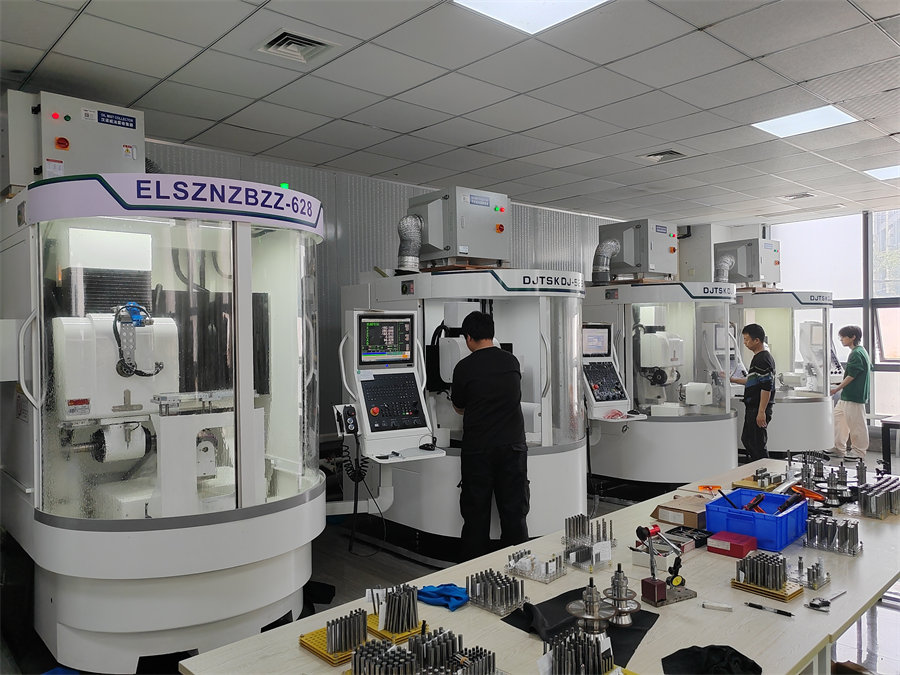
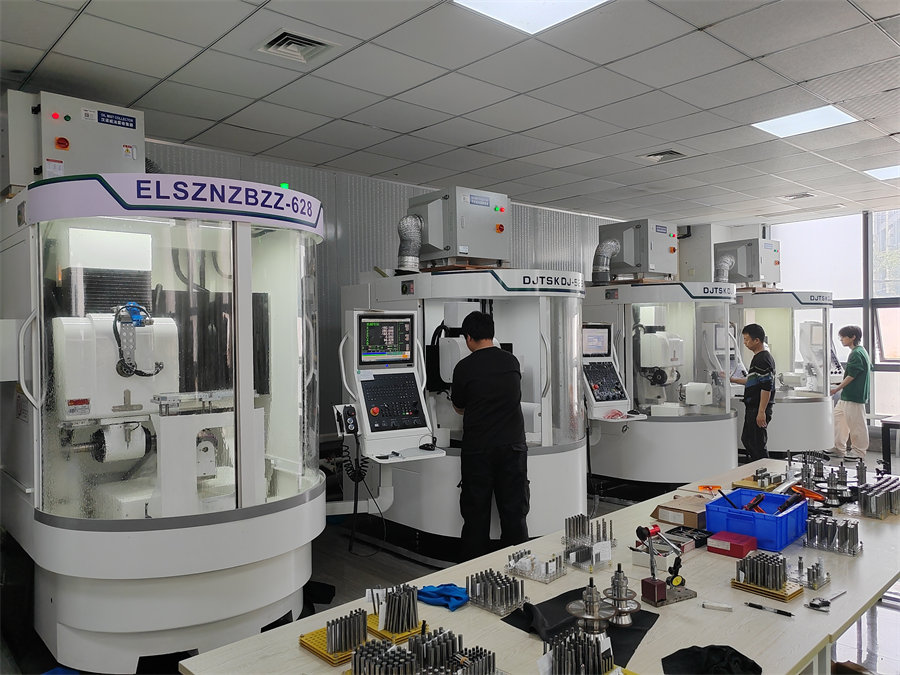
To ensure the highest levels of precision and consistency, Tier Tool has invested extensively in advanced manufacturing equipment and production technologies. The company operates multiple imported CNC tool grinding machines and precision inspection systems, enabling complete in-house capabilities from tool design and prototyping to small-batch testing and large-scale production.
Our manufacturing process is built upon strict process control and traceability standards. Every production stage is carefully monitored to ensure repeatability, quality consistency, and reliable delivery performance. Through systematic process management and standardized operating procedures, Tier Tool has established a robust manufacturing system capable of meeting the demanding requirements of modern precision machining.
Quality is the foundation of Tier Tool's long-term success. We adhere to the principle of "Quality First, Continuous Improvement", implementing rigorous quality control procedures throughout the entire production cycle.
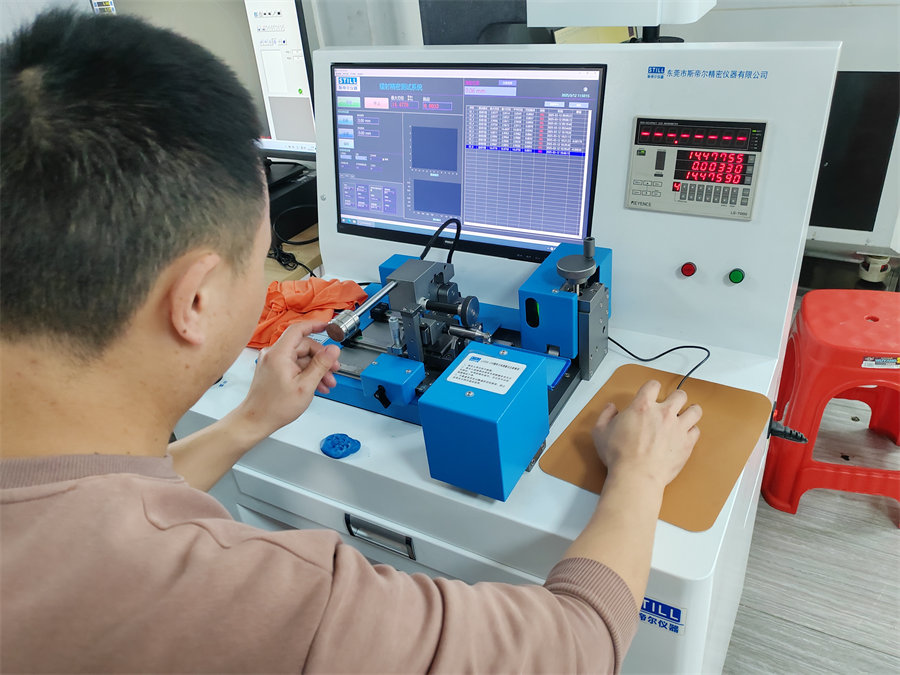
From raw material selection and incoming inspection to final product verification, every tool undergoes comprehensive quality checks to ensure it meets strict dimensional, geometrical, and performance requirements. By continuously optimizing our manufacturing and inspection processes, we deliver products that provide exceptional accuracy, reliability, and consistency in real-world machining applications. We understand that in precision manufacturing, stable quality is not only a requirement but also the key factor that determines our customers' productivity and competitiveness.
At Tier Tool, we believe that supplying cutting tools is only the beginning of our partnership with customers. Beyond delivering products, we provide comprehensive technical support and application engineering services to assist customers in optimizing their manufacturing processes.
Our technical specialists work directly with customers to analyze machining conditions, recommend suitable tooling strategies, and develop solutions that maximize efficiency, reliability, and cost-effectiveness. By understanding our customers' production goals and competitive challenges, we strive to become a trusted long-term manufacturing partner rather than simply a tooling supplier.
Looking ahead, Suzhou Tier Tool Co., Ltd. will continue to focus on the development of high-performance carbide cutting tools and deepen its expertise in automotive, aerospace, precision engineering, and advanced manufacturing industries.
Driven by professionalism, innovation, and customer commitment, we are dedicated to creating greater value for our customers through reliable products, flexible services, and advanced manufacturing technologies. Tier Tool will continue to grow as a trusted global partner in precision cutting solutions, helping customers achieve higher productivity, better quality, and stronger competitiveness in an ever-evolving manufacturing world.
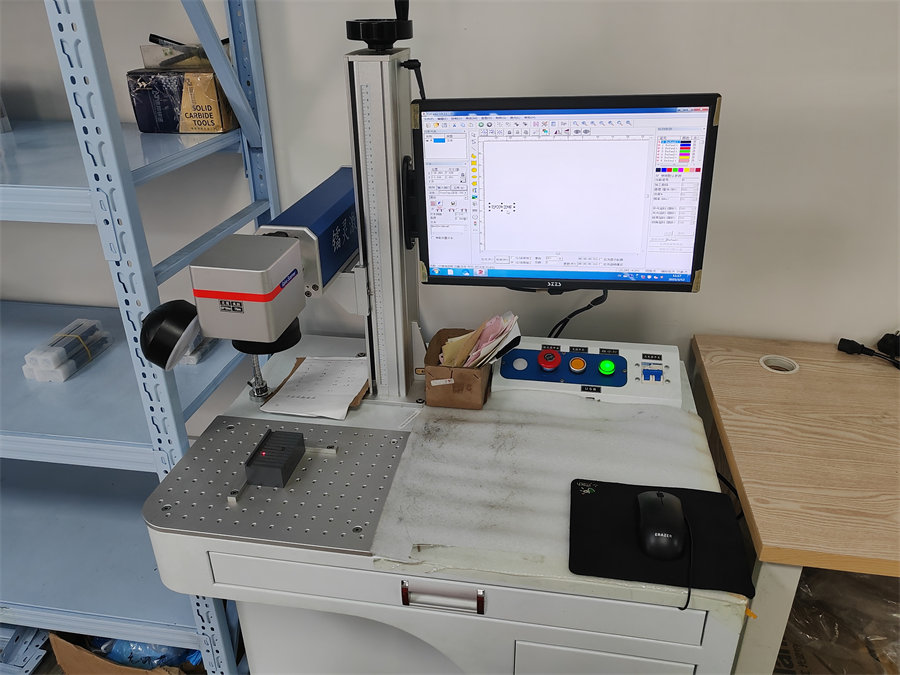
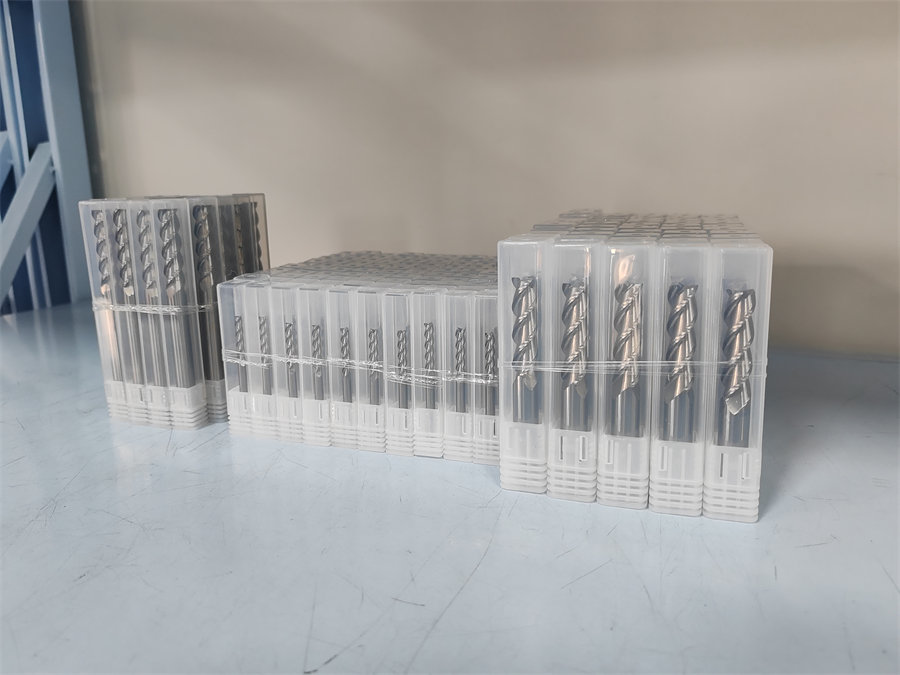
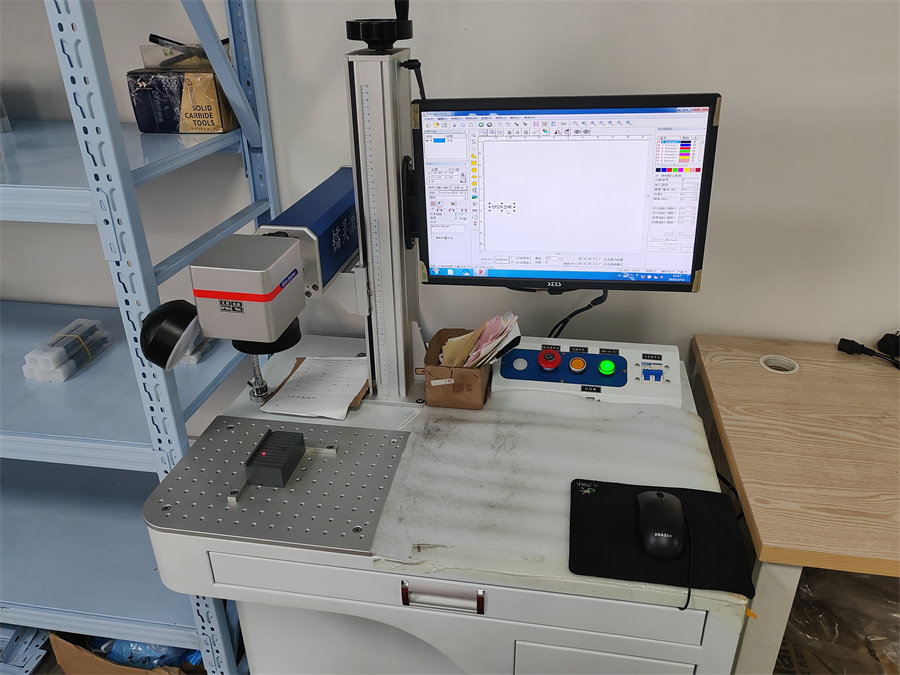
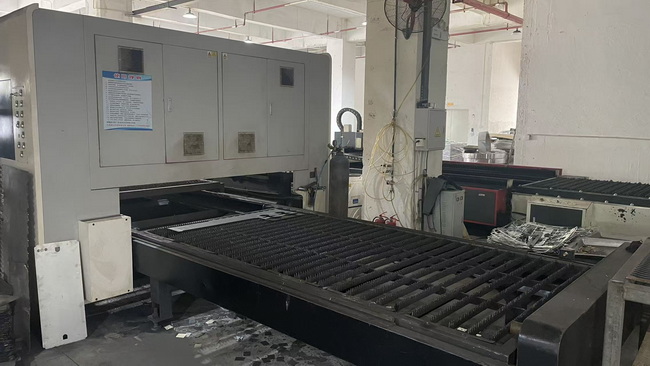
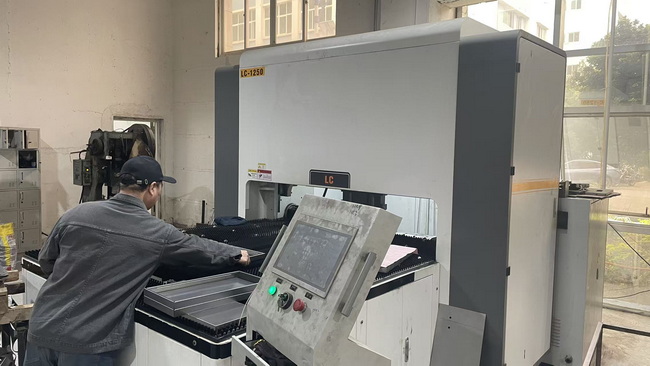
Explore Suzhou Tier Tool's state-of-the-art production environments, featuring precision fabrication, advanced machining centers, automated laser engraving, and rigorous quality inspection.
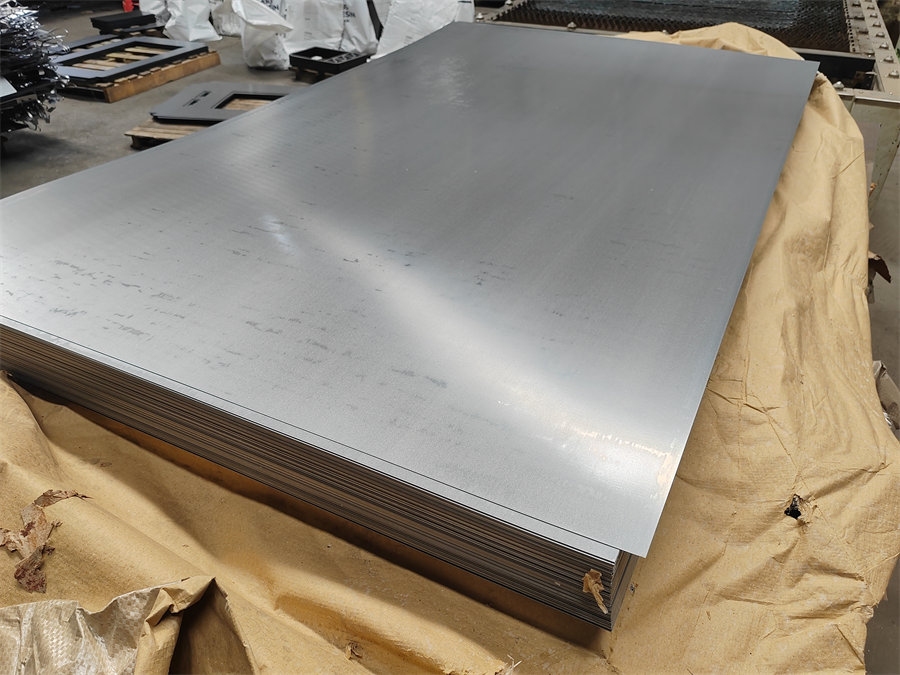
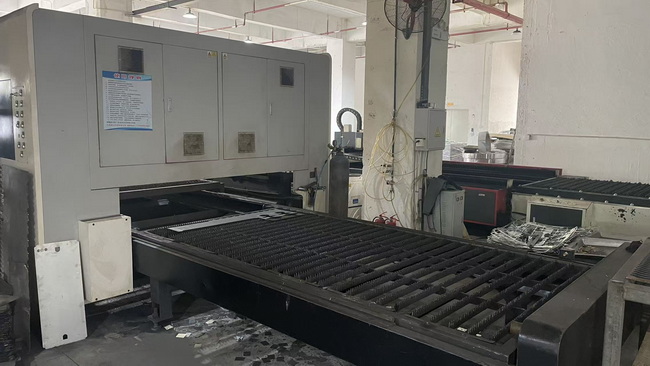
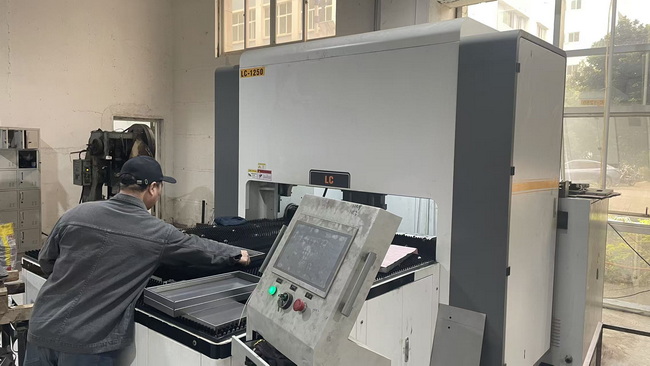
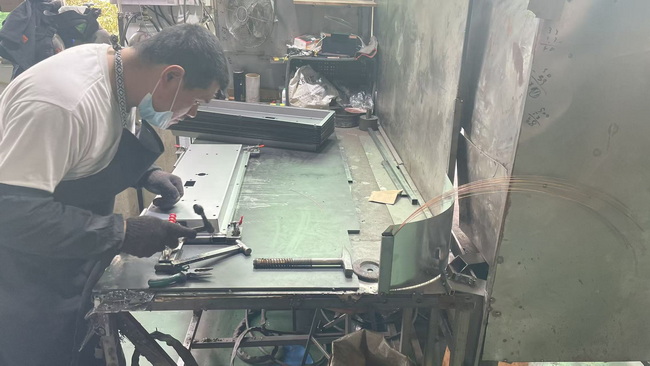

High feed mills deliver performance across a range of industrial sectors by adapting to localized manufacturing demands. Tool geometry and coating selection are customized to match the unique material characteristics of each application.
Roughing structural components made of Ti-6Al-4V titanium alloy or Inconel 718. The low depth of cut and high axial feed rate minimize localized thermal buildup, preventing work hardening of the substrate and preserving structural integrity.
Rough-milling cavities in hardened tool steels (such as P20, H13, or D2) rated at 50 HRC and above. The axial deflection behavior allows deep Z-level helical interpolation and slotting with minimal risk of tool breakage.
High-speed machining of engine blocks and transmission housings made of cast iron and aluminum alloys. High feed cutters speed up the removal of cast skin, optimizing cycle times on automated transfer lines.
The chip thinning effect occurs because the cutter's entry angle (typically 10° to 20°) produces a chip that is thinner than the actual feed per tooth. To maintain the recommended chip thickness (hex) and prevent thermal problems at the cutting edge, the programmer must increase the programmed feed rate. The conversion formula is:
F_programmed = hex / sin(Lead Angle).
Using this formula, a required chip thickness of 0.15 mm with a 15° lead angle cutter results in a feed per tooth of approximately 0.58 mm.
Indexable high feed mills are cost-effective for large diameters (typically 16mm and larger) and high-volume roughing operations where cutting edges can be rotated. They reduce tool inventory costs in heavy roughing applications. Solid carbide high feed mills excel in smaller diameters (under 16mm) and operations requiring high rigidity, fine-pitch density, and pocketing within tight geometry boundaries.
When machining hardened steel (above 48 HRC), dry machining using high-pressure air blast is often preferred. Using liquid coolant can cause thermal shock due to the rapid thermal cycles of the cutting edges entering and exiting the cut. This shock leads to thermal cracking and premature tool failure. High-pressure air effectively evacuates chips from deep cavities without inducing thermal shock.
Insert chipping is usually caused by excessive vibration, incorrect entry methods, or recutting chips. Solutions include using a roll-in entry path (radial arc entry) instead of straight plunge cuts, increasing high-pressure air flow to clear chips from the cutting zone, and reducing the feed per tooth to minimize structural deflection.
Suzhou Tier Tool ensures batch consistency by utilizing high-quality tungsten carbide rods, maintaining strict environmental control in our grinding facilities, and conducting automated inspections at each stage. Every batch is traceable, and tools undergo optical inspection to confirm dimensional deviation remains within 0.005mm.
 Tier Tool