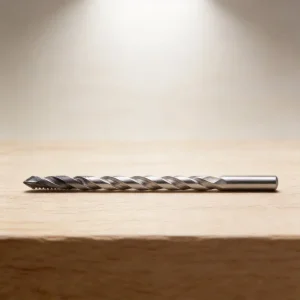
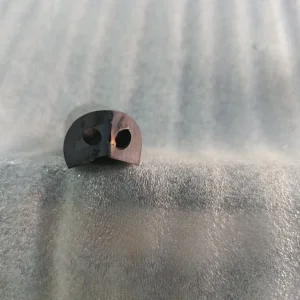
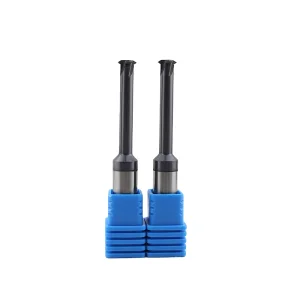
Engineered for high speed, long tool life, and superior chip evacuation under extreme CNC operations.
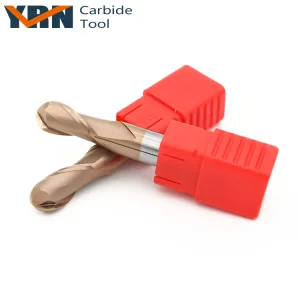
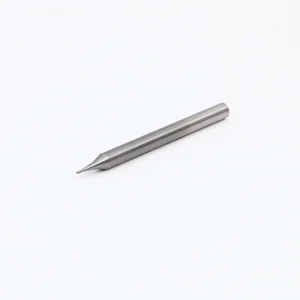
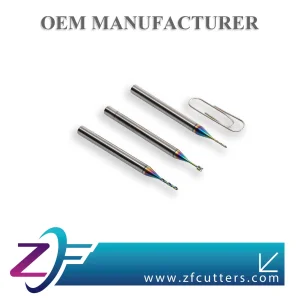
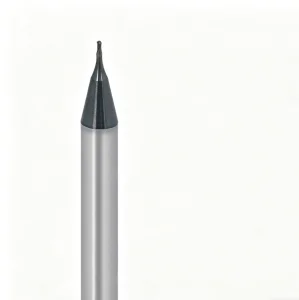
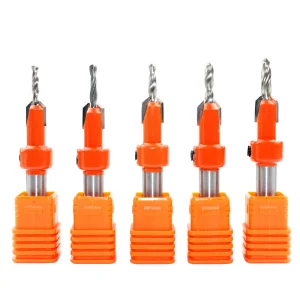
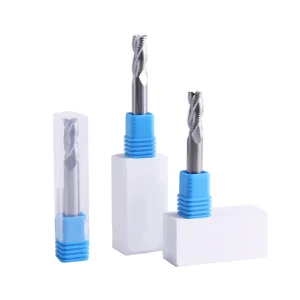
Analyzing metallurgical foundations, manufacturing execution systems, and supply-chain logistics in precision engineering.
In modern automated manufacturing, hole-making represents one of the most critical and time-sensitive operations. Unlike surface milling, where thermal dissipation can be easily managed through high-volume external coolant, drilling involves closed-cavity cutting where heat, chip evacuation, and friction forces are localized inside the workpiece. Poor chip evacuation or suboptimal geometry can lead to sudden mechanical tool failure, high scrap rates, and costly downtime on expensive CNC machining centers.
To address these operational pain points, the search for reliable OEM drilling tools exporters has shifted from commodity acquisition to strategic vendor partnerships. Tooling solutions must now offer micro-grain carbide structures, state-of-the-art PVD and CVD coatings, and proprietary helical geometries designed specifically for chip evacuation. As global manufacturers integrate dynamic tool management platforms, the requirements for tolerances, coaxiality, and tool life predictability have intensified.
Information Gain Insights: Micro-grain carbide substrates (grain size < 0.6 µm) combined with specialized transition metal nitride coatings allow for an optimal balance between hardness (for wear resistance) and toughness (to prevent micro-chipping on cutting edges under intermittent shock loads).
Established in 2008, Suzhou Tier Tool Co., Ltd. is recognized as a national high-tech enterprise specializing in the design, engineering, manufacturing, and technical support of high-performance solid carbide cutting tools. Operating from the industrial heart of Suzhou, Tier Tool has dedicated over 15 years to mastering precision hole-making, milling, and specialized custom threading solutions.
By maintaining complete control over the entire production cycle—from the initial material characterization of raw tungsten carbide rods to the final laser inspection of ground tool margins—we guarantee stability and consistency across every batch. Our dedication to tool design innovation has positioned us as a primary supplier for automotive powertrain components, aerospace structures, high-frequency electronics, and medical device manufacturing.
How downstream cluster synergies, raw material dominance, and high-precision automation deliver unmatched value.
China holds over 60% of the world's tungsten reserves. This natural resource dominance allows domestic manufacturers like Tier Tool to secure premium sub-micron raw materials directly, minimizing raw material cost fluctuations and stabilizing shipping timelines.
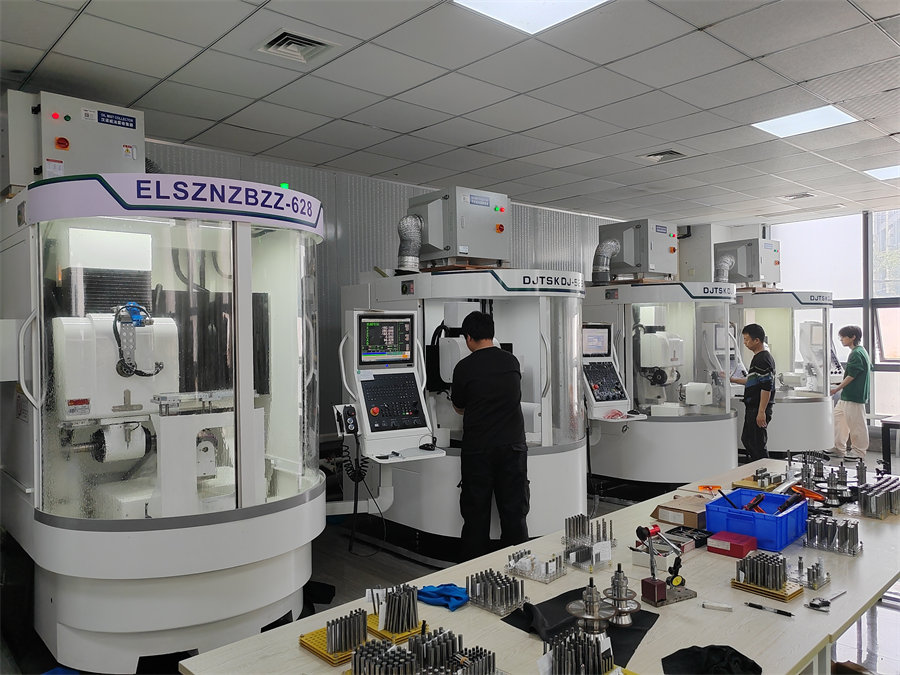
By leveraging imported ultra-precision 5-axis CNC grinding systems (e.g. from Germany, Switzerland, and Australia) alongside local technological clusters, we deliver tools with sub-micron runout tolerances at competitive production scales.
Chinese factories are highly responsive to unique workpiece geometries. Whether it requires modified core diameters, special double-angle point designs, or custom flute lengths, our engineers offer fast prototyping within 3 to 7 working days.
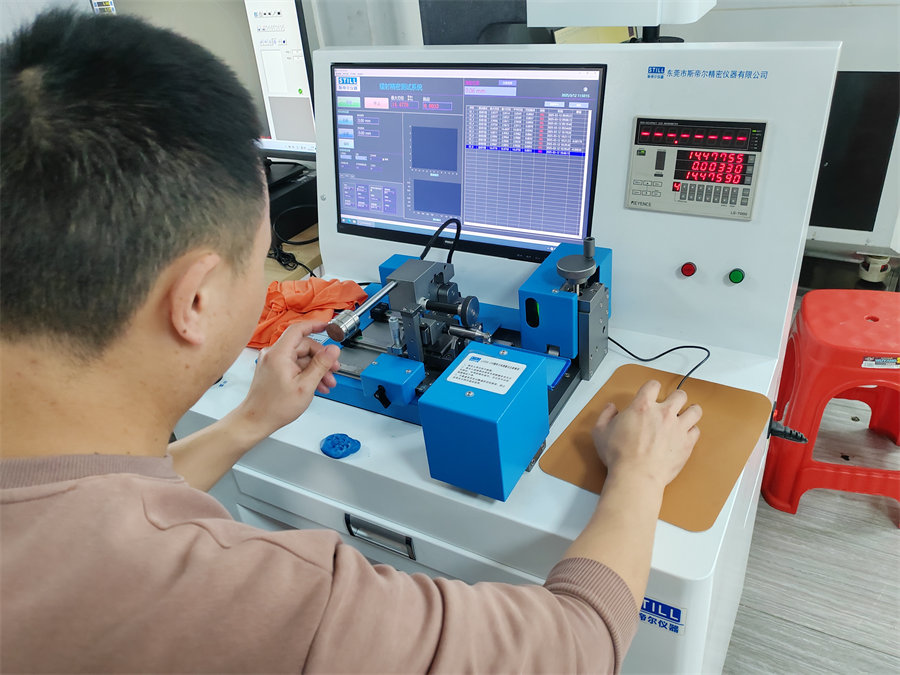
A pictorial insight into Suzhou Tier Tool's state-of-the-art facilities, precision inspection, and advanced sheet-metal engineering capacities.
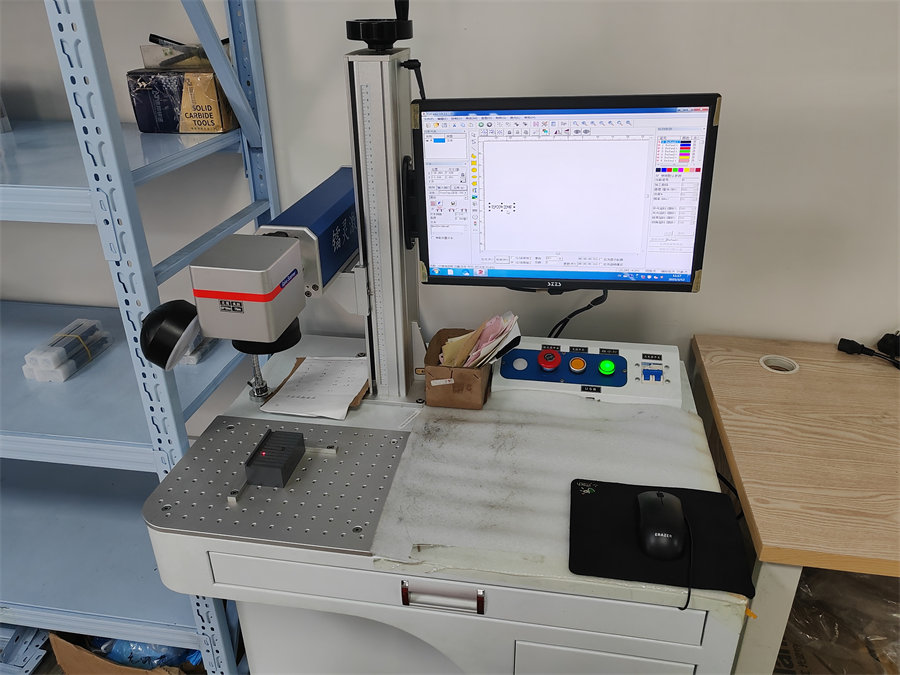
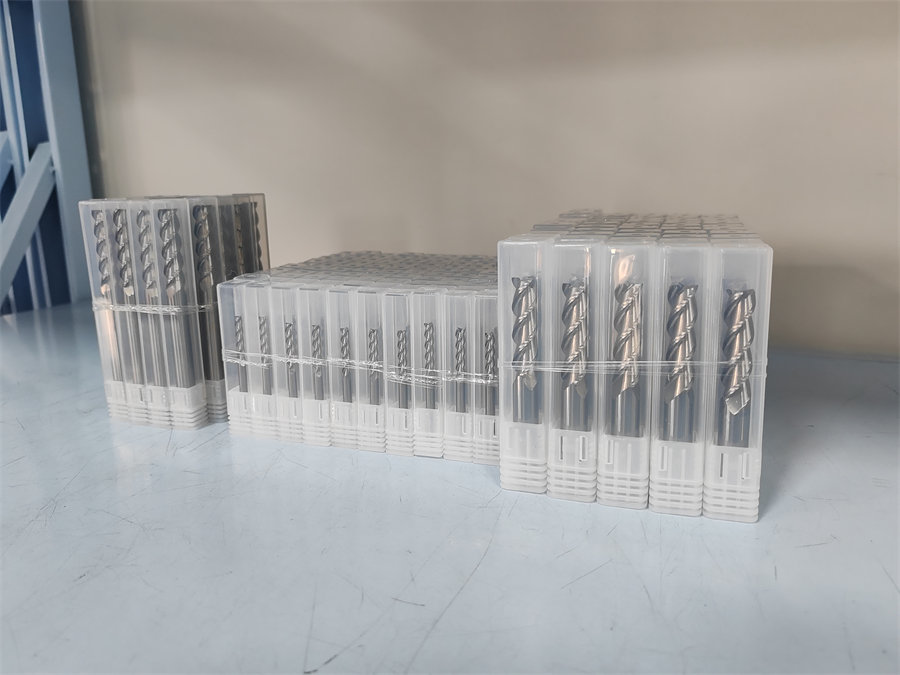
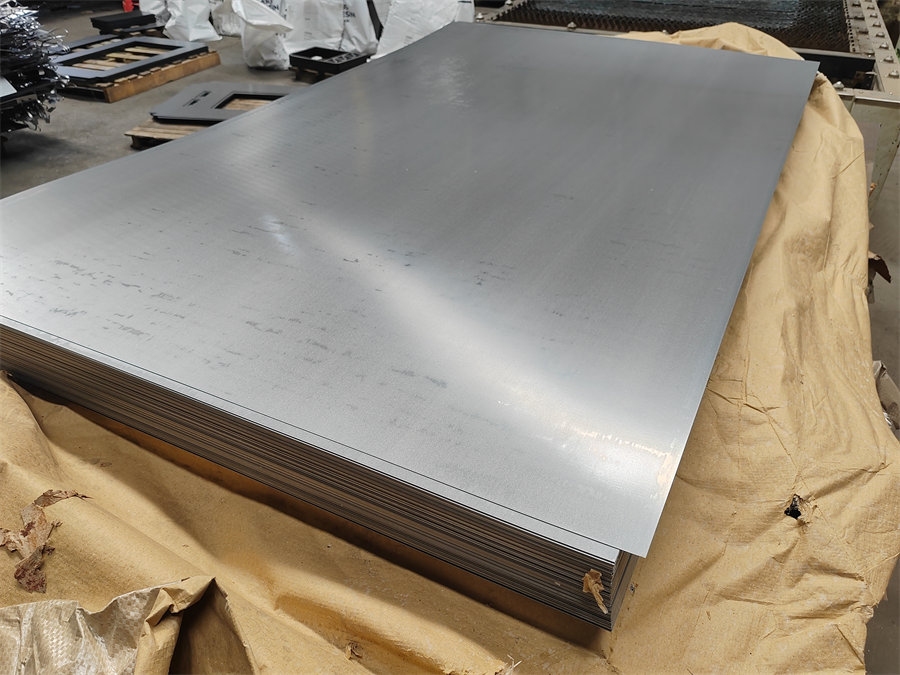
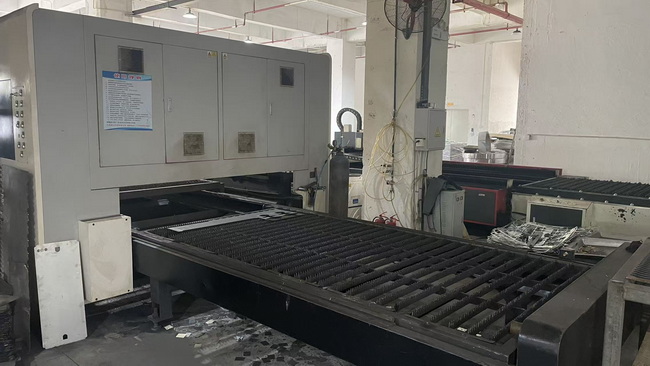
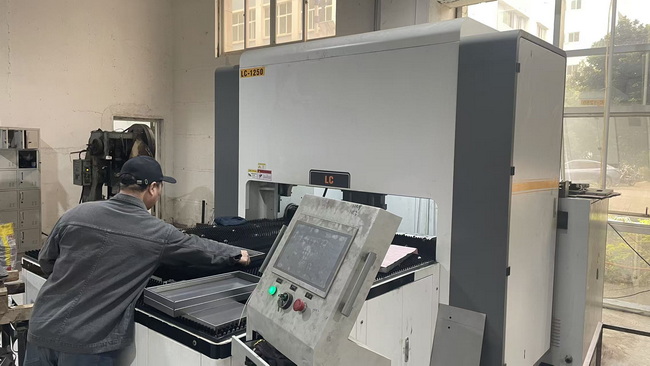
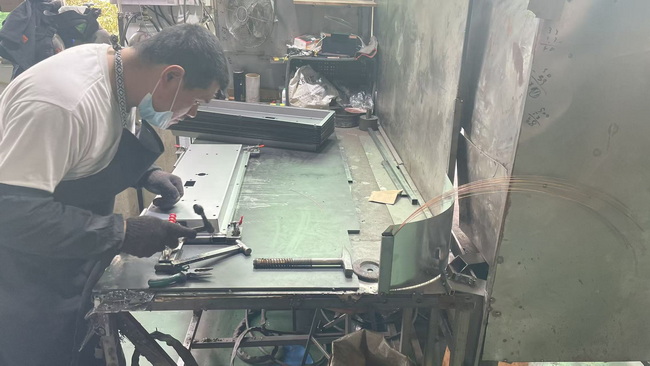
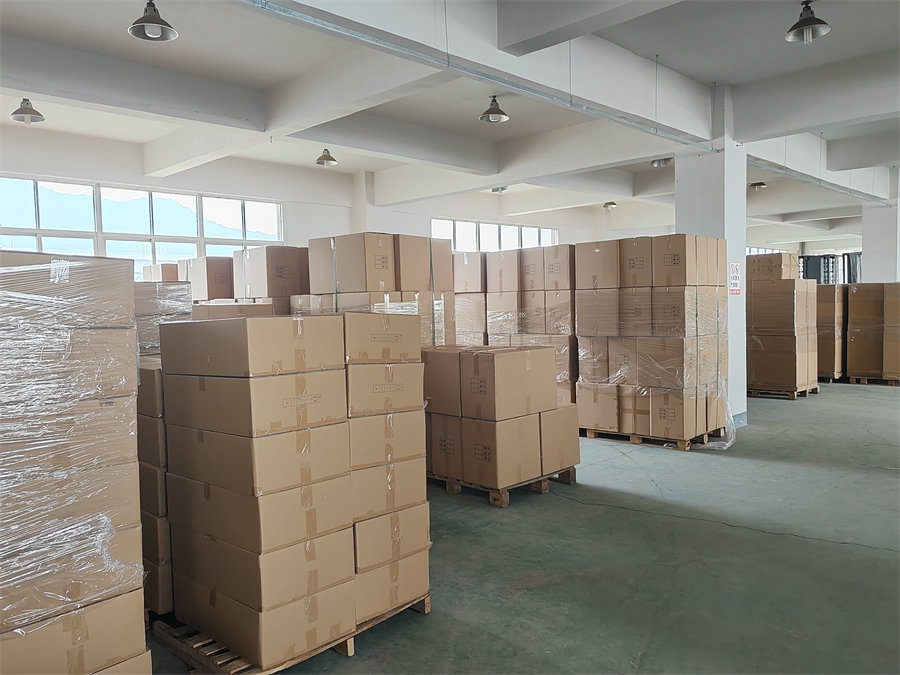
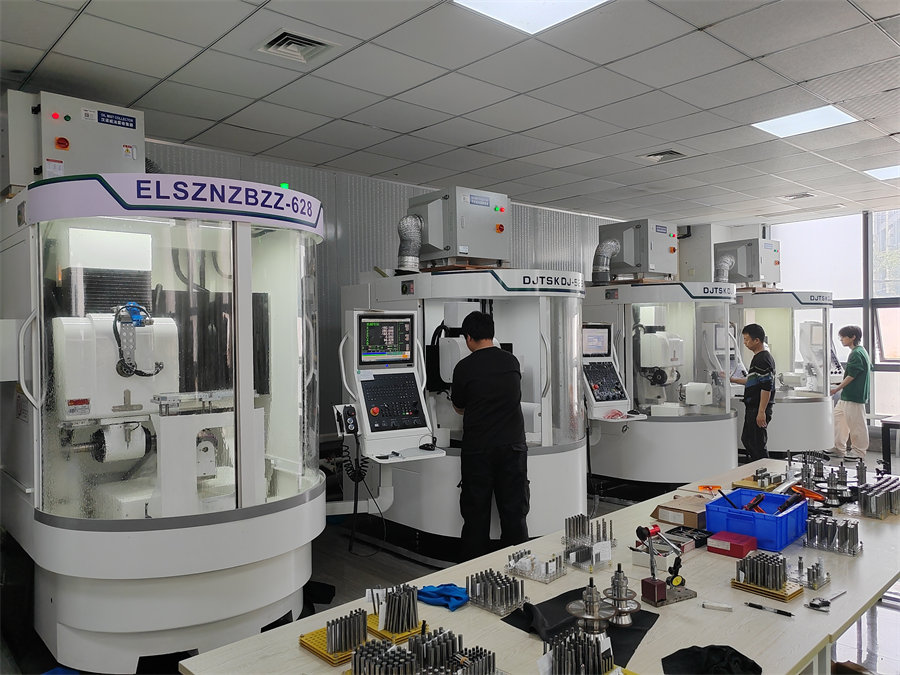
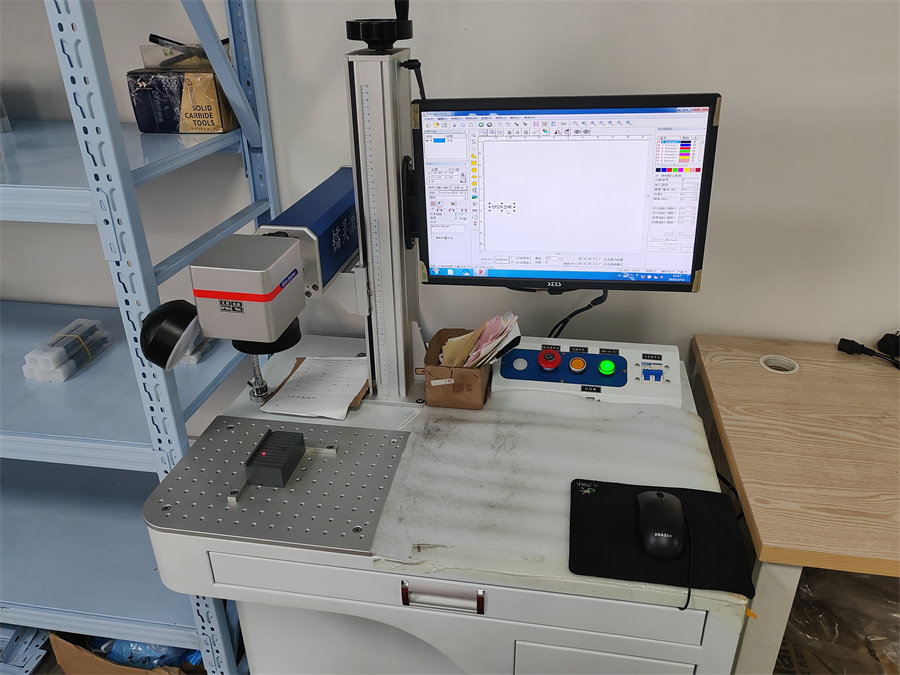
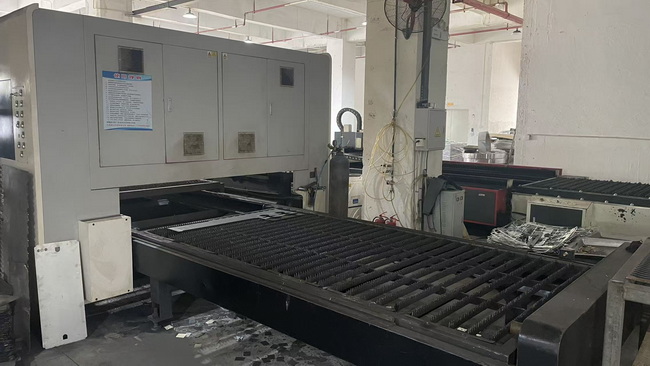
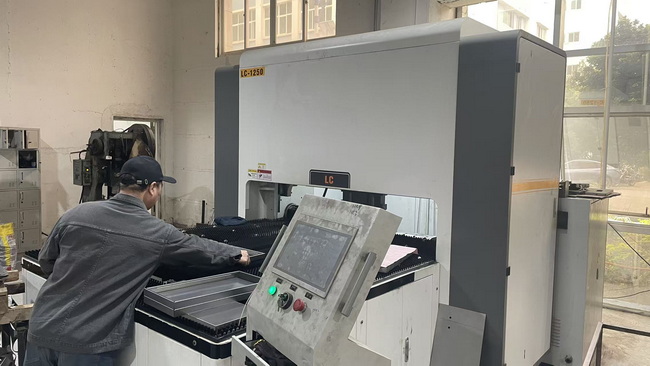
Hole-making solutions cannot rely on a one-size-fits-all approach. Different industries work with materials featuring highly diverse physical and chemical properties. Suzhou Tier Tool designs application-specific tool profiles to address these distinct requirements:
The cutting tool sector is transitioning from traditional high-speed steels and standard cemented carbide to smart, specialized materials. Key drivers include:
High-Speed, Dry Machining (MQL): Minimum Quantity Lubrication (MQL) uses a fine mist of oil and compressed air, replacing high-volume liquid coolants. To prevent rapid thermal shock, drilling tools require specialized micro-geometries and heat-resistant coatings like TiSiN, which form a protective glass-like silicon oxide layer at temperatures up to 900°C.
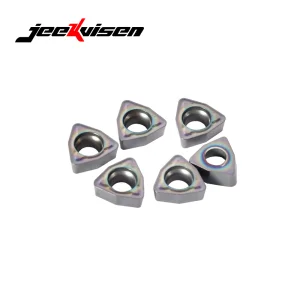
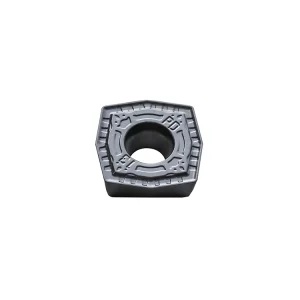
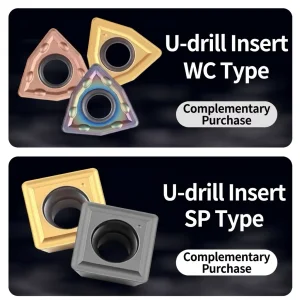
Engineered Chip Breakers: In deep-hole drilling, long, continuous chips can jam flutes and cause tool breakage. Precision-engineered indexable inserts (such as the WCMX or XOMT series) feature distinct chipbreaker geometries designed to fracture chips into small, manageable segments for smooth extraction.
Key technical parameters procurement managers use to evaluate and source tooling providers.
The choice of raw carbide substrate is critical. Tools designed for high-impact applications require a higher cobalt content (typically 10% to 12%), whereas operations requiring high wear resistance call for a sub-micron grain structure with 6% to 8% cobalt.
For high-spindle speed applications, runout is a critical specification. High-quality solid carbide drills must maintain a maximum runout of 3 microns or less. Minimizing runout prevents premature wear, preserves hole circularity, and extends overall tool life.
Inconsistent coating thickness can alter tool geometry and lead to localized chipping. Advanced physical vapor deposition (PVD) processes ensure uniform coating layers, enhancing reliability in long-run automated production settings.
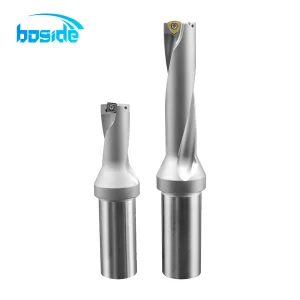
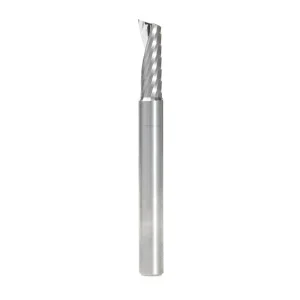
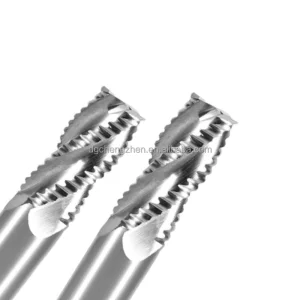
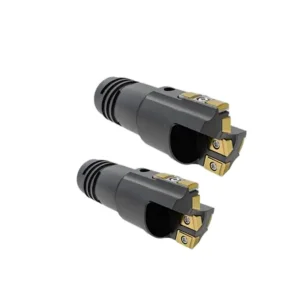
Premium options for high-feed deep hole boring, micro-machining, and specialty compound cutting.
Expert answers to common engineering and procurement questions about OEM custom drilling tools.
 Tier Tool