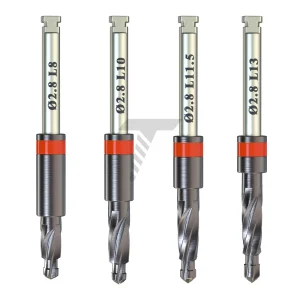
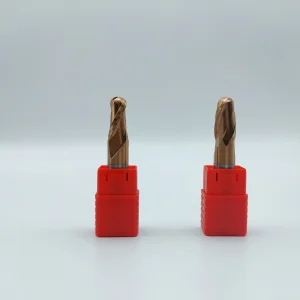
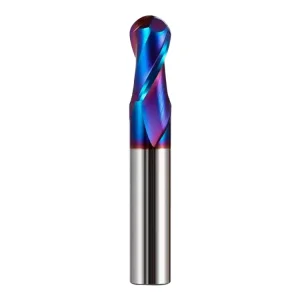
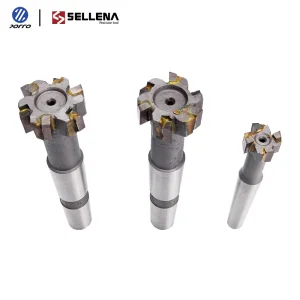
Explore our advanced CNC tooling systems, engineered for high wear resistance, optimal chip clearance, and superior surface finishing across rigorous machining applications.
An in-depth assessment of metallurgical evolution, supply chain paradigms, and the global industrial requirements powering modern drilling instruments.
In the global industrial landscape, holemaking remains the single most common machining operation, representing over 40% of all metal removal processes. As heavy industries—such as aerospace, automotive, energy, and medical engineering—pivot toward hyper-precision, the demand for superior cutting tools is surging. The global High Speed Steel (HSS) drills and solid carbide drills market is experiencing a significant transition. B2B procurement strategies are shifting away from commoditized purchasing and moving toward custom **OEM/ODM product design**, advanced metallurgical compositions, and structural longevity.
Modern high-performance drilling is defined by extreme thermal environments, severe friction, and complex alloy workpieces. While solid carbide represents the pinnacle of hardness and speed in highly stable CNC machining setups, High Speed Steel (HSS), particularly when alloyed with Cobalt (such as M35 and M42 grades) or processed via Powder Metallurgy (PM-HSS), continues to be the backbone of heavy manufacturing. Its high fracture toughness prevents catastrophic tool failure under variable machining conditions, interrupted cuts, and unstable setups that would instantly shatter carbide alternatives.
Extreme Hardness Thresholds
Manufacturing Innovations
Ultra-Precision Tolerance
Average Cycle Time Reduction
Selecting the correct metallurgical substrate is the foundational step in precision tool engineering. The table below represents the performance envelope of modern high-speed steel and carbide formulations designed for OEM/ODM environments:
| Substrate Material | Key Alloying Elements | Hardness Range (HRC) | Ideal Application Profile | Vibration Resistance |
|---|---|---|---|---|
| HSS-R / HSS-G (Standard) | W, Cr, V, Mo | 62–64 HRC | General metalworking, mild steels, maintenance, and DIY environments. | Excellent (High Elasticity) |
| HSS-Co5 (M35 Grade) | 5% Cobalt, W, Mo | 65–66 HRC | Alloy steels, stainless steels, and medium-tensile strength metals. | High Toughness |
| HSS-Co8 (M42 Grade) | 8% Cobalt, W, Mo, V | 66–68 HRC | Tough aerospace alloys, titanium, and high-temp nickel alloys. | Good Toughness |
| Powder Metallurgy (PM-HSS) | Homogeneous structure | 68–70 HRC | High-feed rate production lines, stamping die drilling, and hard metals. | Very High Toughness |
| Solid Carbide (VHM) | Tungsten Carbide + Cobalt binder | 70–85 HRC | Automated CNC machining, mass production, fiber composites, and hardened tool steels. | Brittle (Requires rigidity) |
For heavy-duty industrial tasks, the performance of these substrates is further enhanced through PVD (Physical Vapor Deposition) and CVD (Chemical Vapor Deposition) coatings. AlTiN (Aluminum Titanium Nitride) coatings, for example, exhibit incredible hot-hardness, forming a protective aluminum oxide layer at temperatures exceeding 800°C. DLC (Diamond-Like Carbon) coatings provide an extremely low coefficient of friction (typically <0.1), which is crucial for drilling soft, highly sticky materials like aluminum alloys (such as ADC12) and copper, where chip packing and built-up edge (BUE) are primary causes of tool breakage.
Established in 2008, Suzhou Tier Tool Co., Ltd. is a national high-tech enterprise specializing in the design, manufacturing, and technical support of precision solid carbide cutting tools and high-performance holemaking solutions. Since our foundation, we have been deeply committed to the precision machining industry, focusing on delivering high-performance, high-efficiency cutting solutions for automotive, aerospace, medical engineering, and heavy machinery applications worldwide.
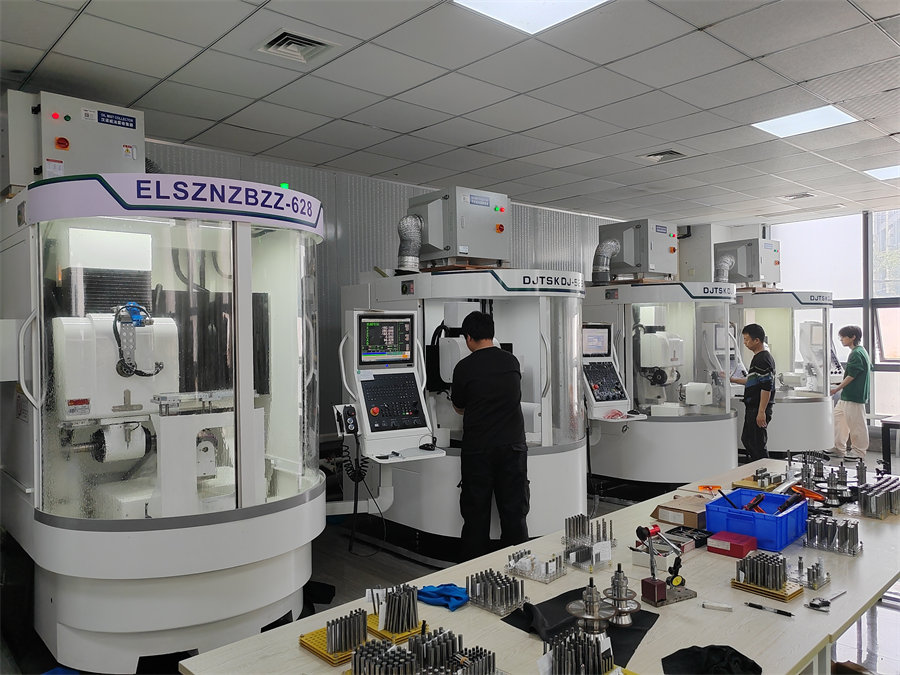
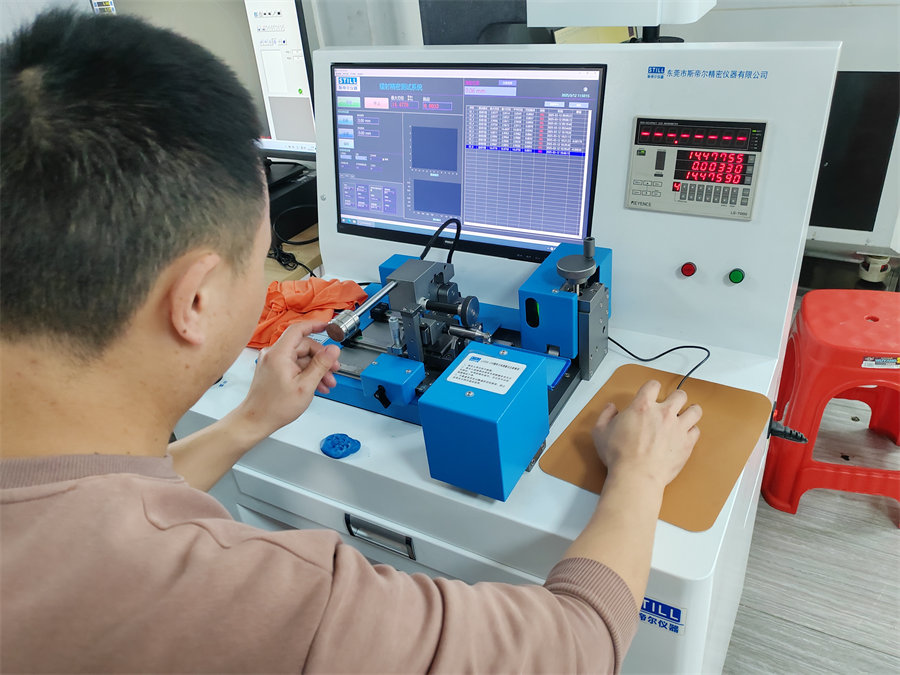
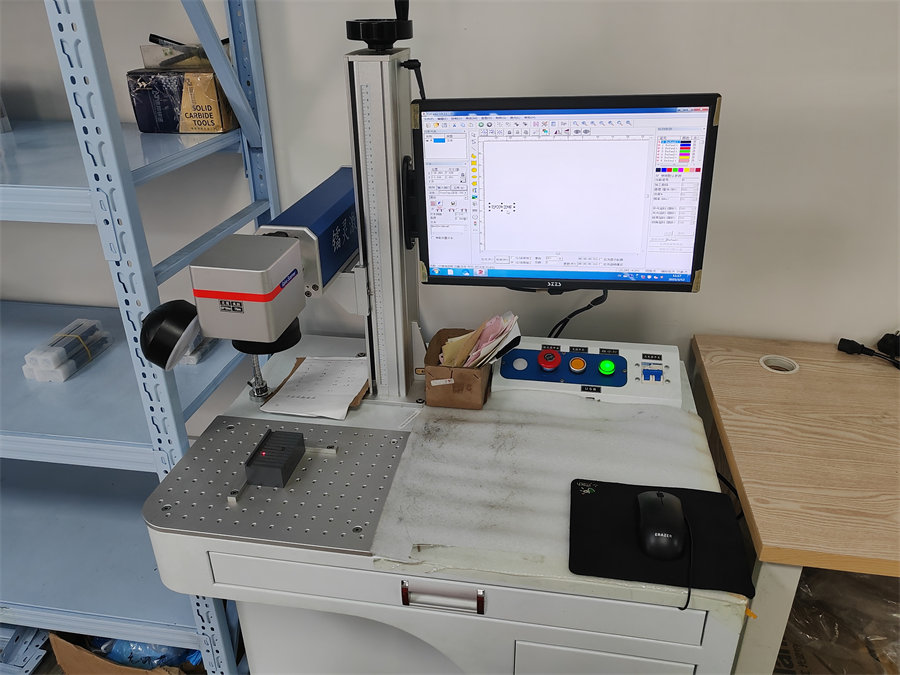
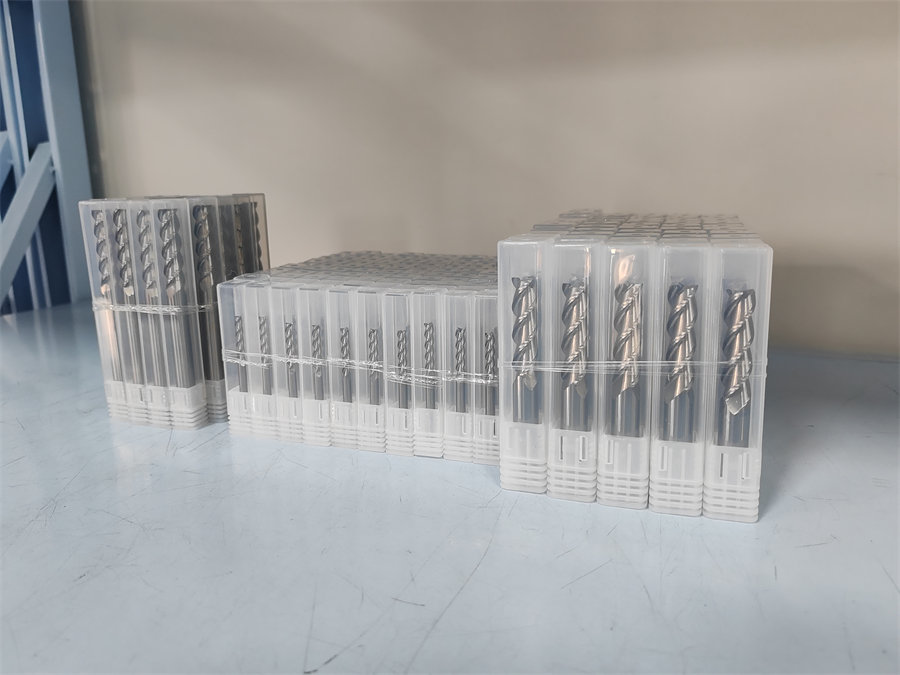
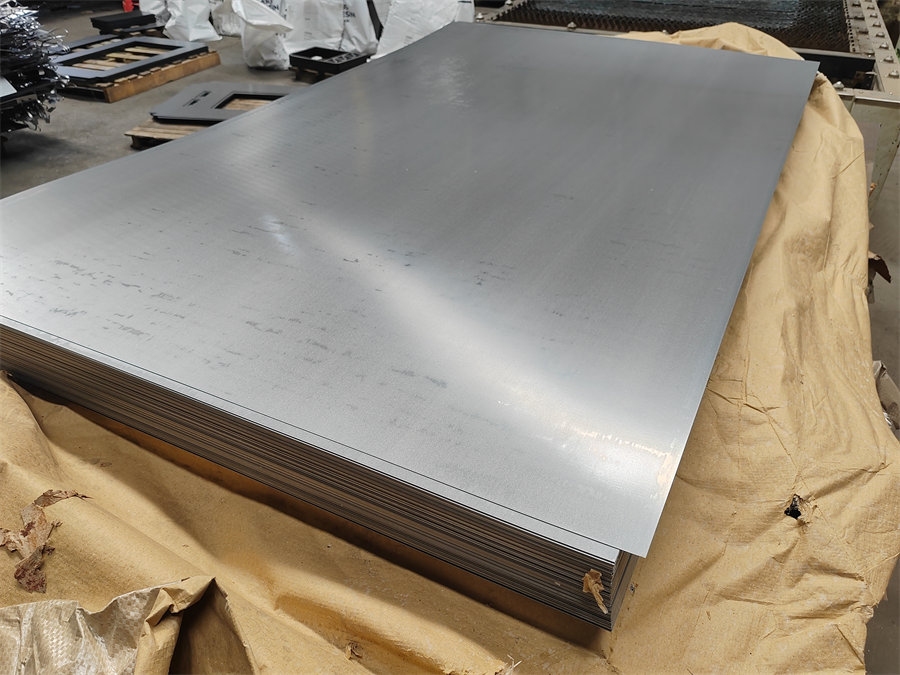
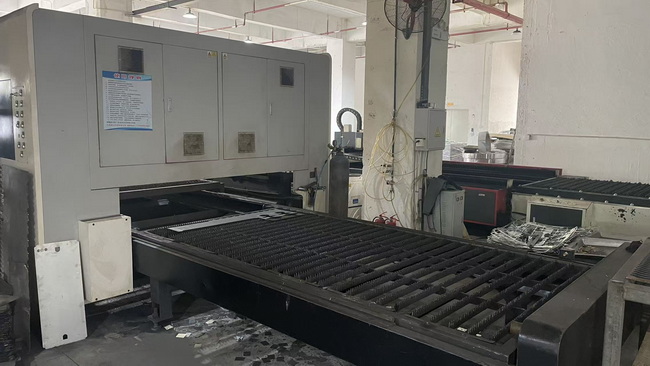
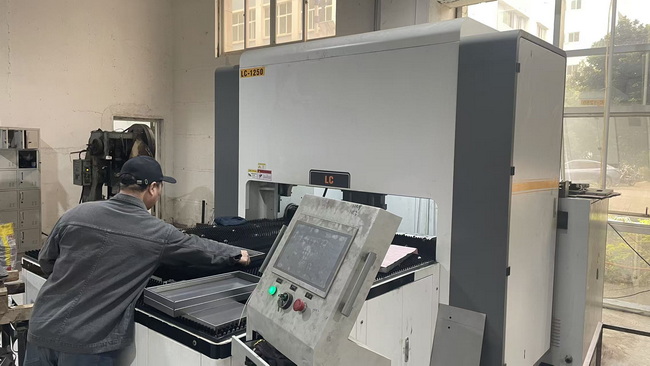
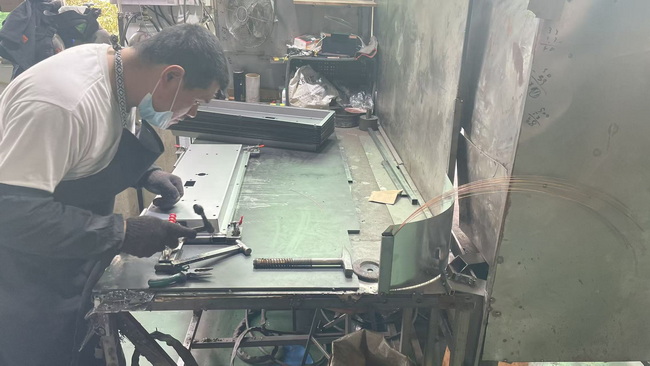
A visual walkthrough of our high-precision manufacturing facilities, showing the state-of-the-art grinding, cutting, bending, and inspection environments at Suzhou Tier Tool.

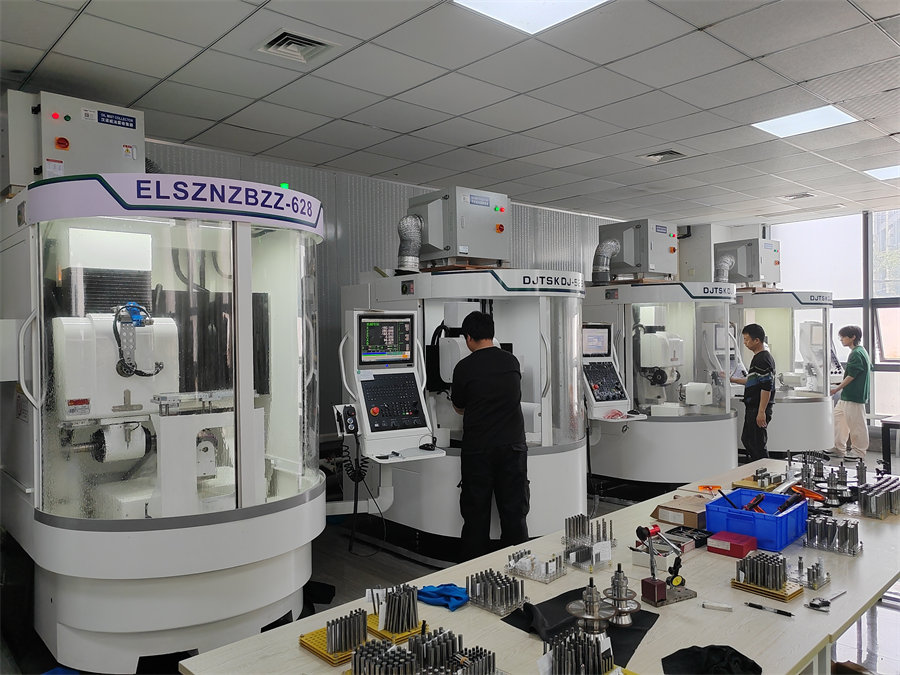
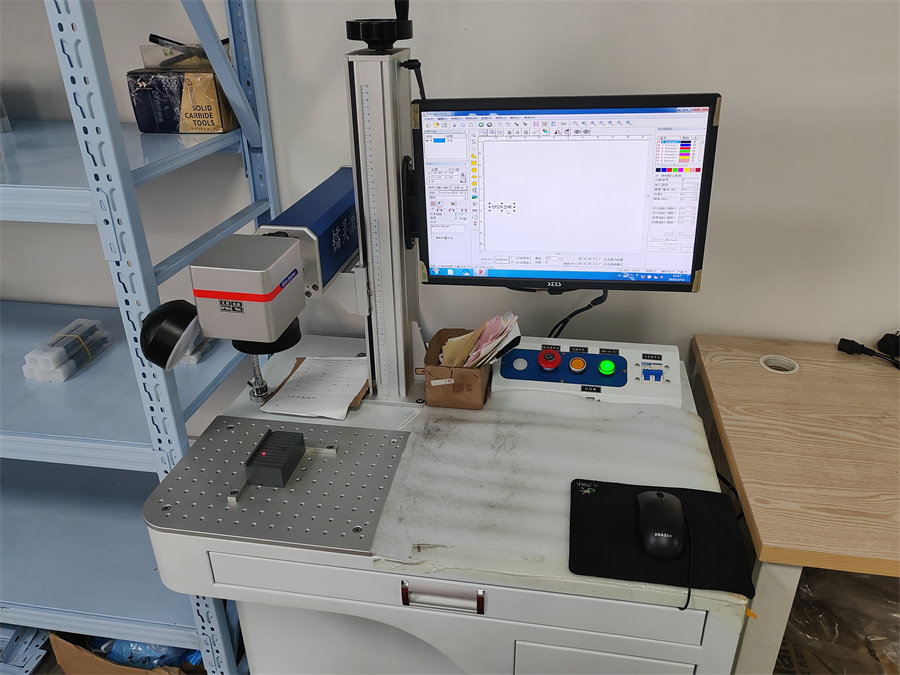
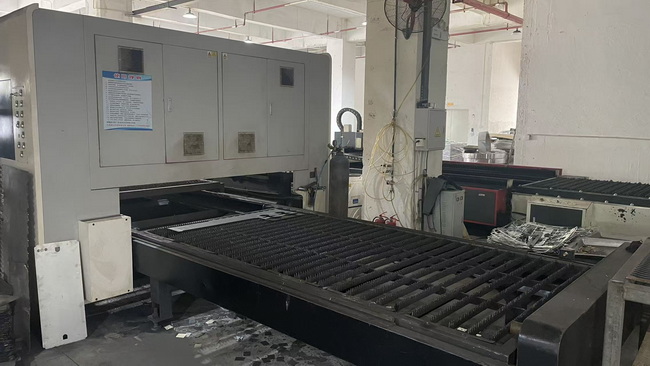
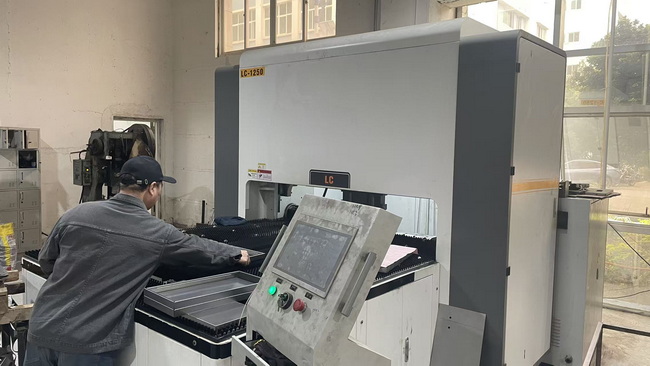
Every manufacturing hub faces unique physical challenges that require customized tool geometry. When optimizing drills for OEM/ODM clients, Suzhou Tier Tool optimizes three primary variables: **Point Angle**, **Helix Angle**, and **Flute Configuration**.
The cutting tool industry is evolving rapidly, driven by the demands of Industry 4.0, green manufacturing, and new high-performance materials. As a forward-looking OEM/ODM manufacturer, Suzhou Tier Tool focuses on three key technological areas:
Suzhou Tier Tool supports sustainable manufacturing practices. We offer carbide reclamation programs and design energy-efficient geometries that reduce the spindle torque required during heavy cuts, directly lowering the carbon footprint of your machining operations.
Direct answers from our engineering and design team to help you optimize tool life, troubleshoot wear issues, and make informed procurement decisions.
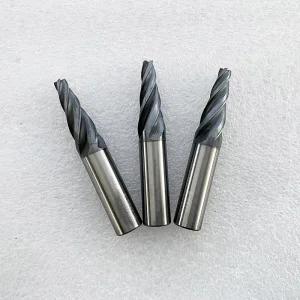
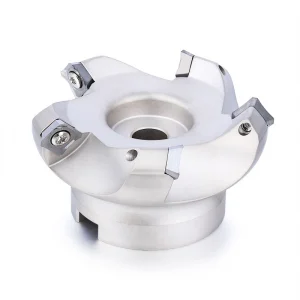
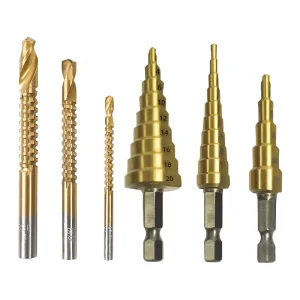
Explore our high-performance range of step drills, conical milling cutters, and solid carbide solutions optimized for aerospace, automotive, and medical manufacturing.
 Tier Tool