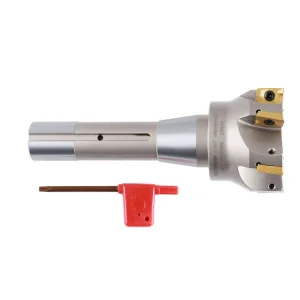
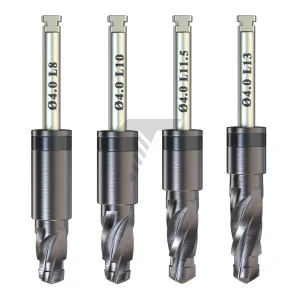
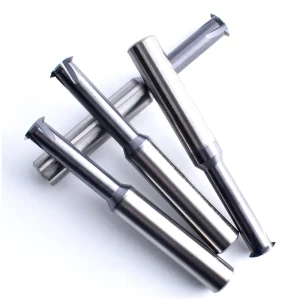
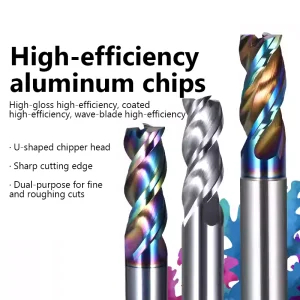
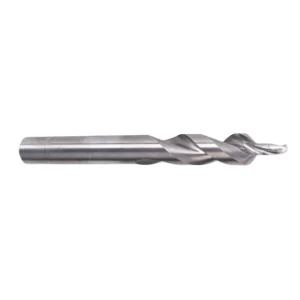
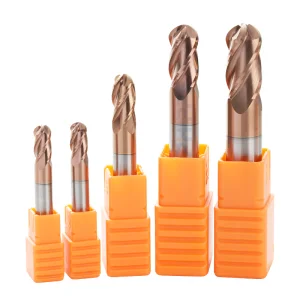
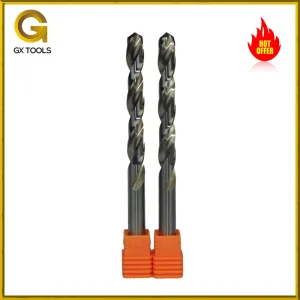
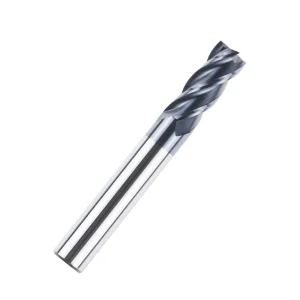
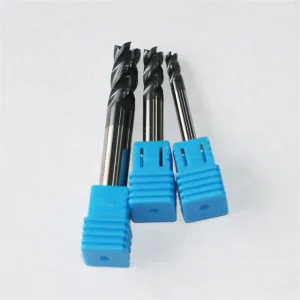
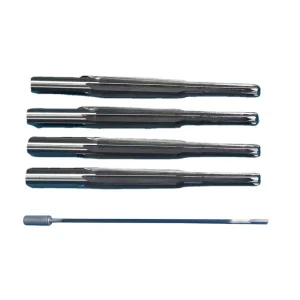
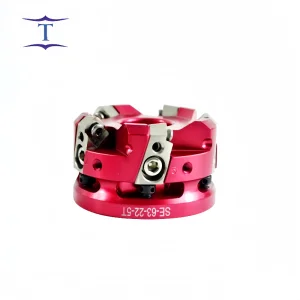
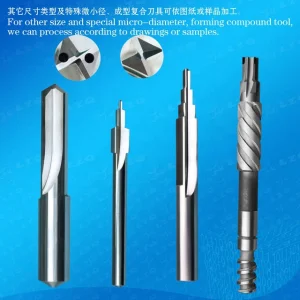
High-performance solid carbide, HSS tooling, and indexable mills engineered for modern CNC centers.
The global subtractive manufacturing sector is undergoing a profound paradigm shift driven by the integration of Industry 4.0 principles, artificial intelligence, and advanced metallurgy. Modern milling operations no longer view machine tools and cutting tools as isolated variables. Instead, they are recognized as dynamic components of a closed-loop digital ecosystem where microsecond adjustments, real-time thermal monitoring, and predictive wear analysis dictate final part yield.
As components in the aerospace, defense, and electric vehicle sectors grow increasingly complex, the demands on milling machines and their associated cutters have scaled exponentially. The focus has moved beyond raw material removal rates to encompass absolute dimensional accuracy, minimum surface roughness, and maximum predictability. High-Speed Machining (HSM) and Multi-Axis Milling (specifically 5-axis and simultaneous multi-path operations) are now standard requirements, creating a massive demand for cutting tools that can withstand continuous thermal shock and extreme mechanical friction.
An authoritative review of the companies defining the boundaries of precision manufacturing globally.
A global powerhouse formed by the integration of Germany's DMG and Japan's Mori Seiki. DMG MORI is renowned for its advanced multi-axis machining centers, integration of additive manufacturing with 5-axis milling, and proprietary CELOS operating system. They lead the market in high-end automotive, aerospace, and medical engineering applications.
Mazak is a pioneer in multi-tasking technology and automation systems. Their "Done in One" machining philosophy integrates all processes from raw material to finished product on a single machine. Their Mazatrol CNC control system represents a milestone in user-friendly, conversational machine programming.
As the largest machine tool builder in the Western world, Haas focuses on delivering highly reliable, standardized CNC vertical machining centers (VMCs) and horizontal machining centers (HMCs) at competitive price points. Their open-source control interface and robust distributor network make them a staple in contract machine shops worldwide.
Makino is globally recognized for high-speed, high-precision horizontal machining centers and vertical CNC machines. They specialize in die-and-mold machining and aerospace components, where thermal control and extreme surface finish requirements are non-negotiable. Their proprietary thermal stabilizer technologies set industry benchmarks.
Okuma stands out as a unique builder that develops its own machine frames, CNC controls, drives, spindles, and software (the OSP suite). This deep integration ensures unmatched structural and kinematic harmony, driving down mechanical failures and optimizing cutting force dynamics.
GF Machining provides high-precision milling machines (Mikron) alongside EDM technology and laser texturing solutions. They focus heavily on high-value segments like micro-machining, optical lenses, and complex turbine blades, requiring sub-micron positioning accuracies.
Hermle is renowned for its motto "milling at its best." Their highly compact, mineral-cast base 5-axis machines are optimized for difficult-to-cut materials like titanium, inconel, and cobalt-chrome. Their machines are widely utilized in elite engineering fields and medical device manufacturing.
Chiron specializes in high-speed, highly automated vertical machining centers. They are famous for record-breaking tool changer speeds and double-spindle solutions, making them the preferred choice for mass production lines where cycle times are measured in fractions of a second.
While best known for their CNC control systems and factory automation robotics, FANUC’s Robodrill vertical machining center is a global standard for high-speed tapping and light-duty high-speed milling in the smartphone and electronics assembly industry.
A specialized national high-tech enterprise focusing on the high-end design, simulation, and manufacturing of precision solid carbide cutting tools. Tier Tool acts as the essential substrate-level manufacturer that empowers modern high-speed milling centers to execute operations at optimum efficiency, bridging the gap between heavy machine kinetics and micro-scale material cutting.
B2B procurement professionals in 2025 face a complex matrix of challenges. Sourcing industrial milling machinery and corresponding cutting tools is no longer a simple exercise in comparing unit costs. Experienced purchasing managers prioritize Total Cost of Ownership (TCO), which includes tool life expectancy, reduction in machine downtime, cost of regrinding, and the vendor's technical support capacity.
Key requirements from global buyers include:
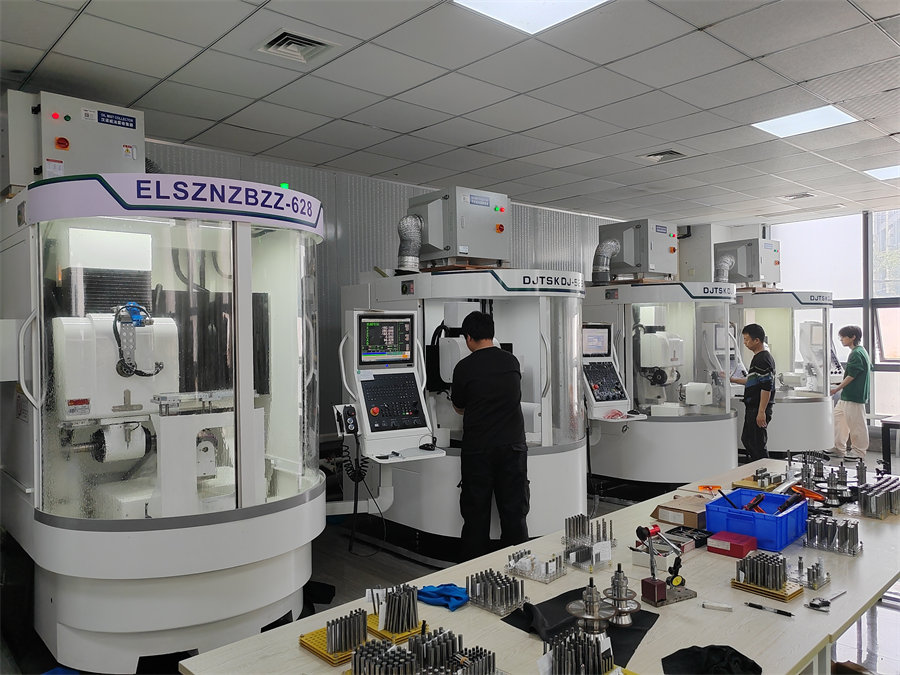
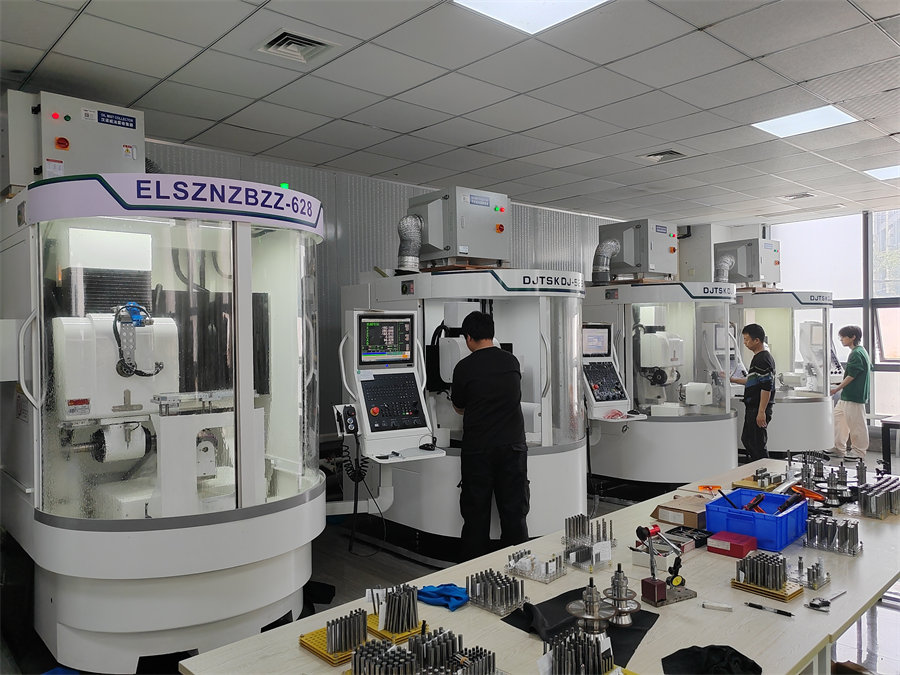
The global tooling supply chain has transitioned from centralized offshore production to resilient, digitalized clusters. Chinese high-tech manufacturers like Suzhou Tier Tool Co., Ltd. represent the pinnacle of this transformation. By adopting "Factory 4.0" philosophies, they combine imported ultra-precision multi-axis CNC grinding machines (such as ANCA and WALTER) with automated raw material feeding systems, real-time tool geometry measurement, and closed-loop process feedback.
This level of integration ensures that tool-to-tool consistency remains within strict tolerances of ±0.002mm, even across large-scale production runs. For global buyers, this translates to predictable machining processes, reduced trial-and-error setups, and rapid delivery of complex custom tooling geometries.
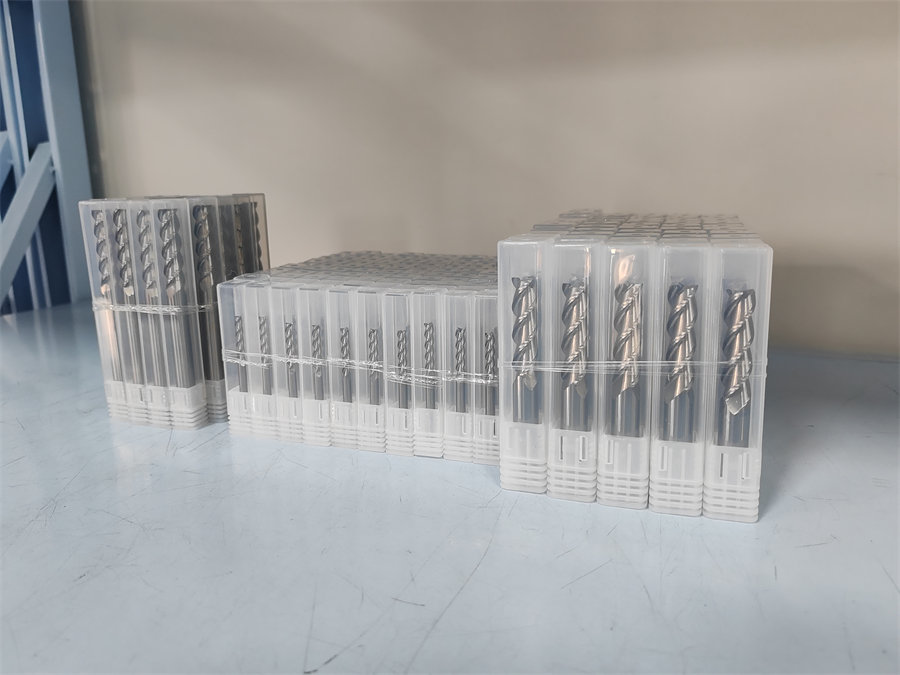
Suzhou Tier Tool Co., Ltd. was established in 2008 and is a national high-tech enterprise specializing in the design, manufacturing, and technical support of precision solid carbide cutting tools.
Since its foundation, Tier Tool has been deeply committed to the precision machining industry, focusing on delivering high-performance, high-efficiency cutting solutions for hole-making and metalworking applications. Through continuous technological innovation and manufacturing excellence, the company has earned the trust of customers across a wide range of industries worldwide.
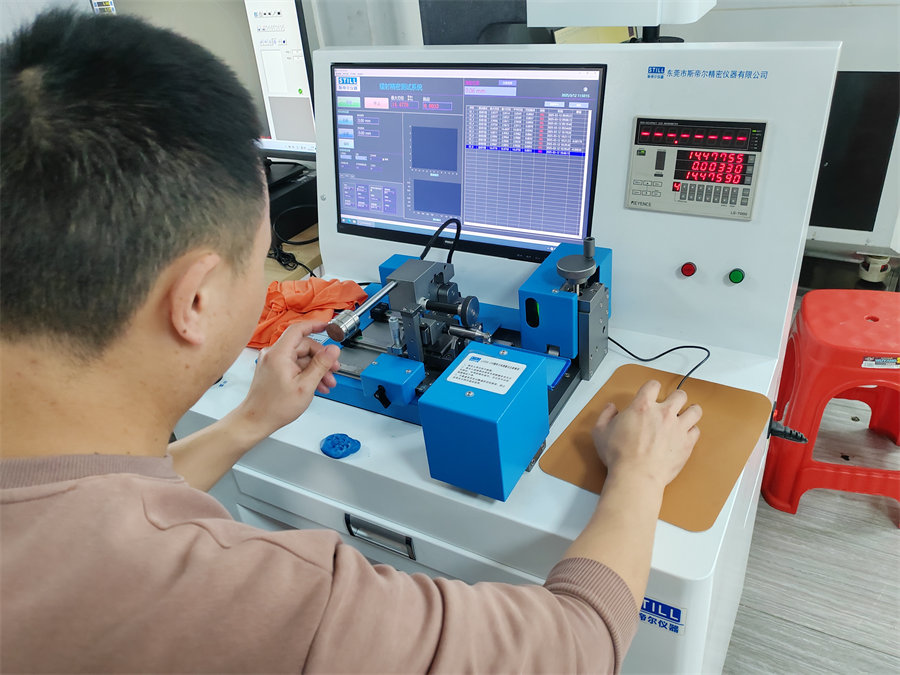
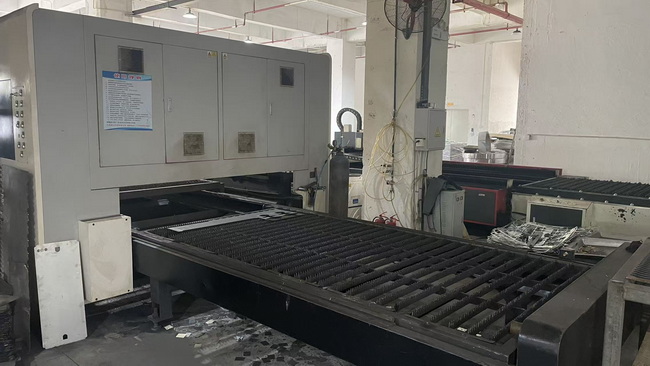
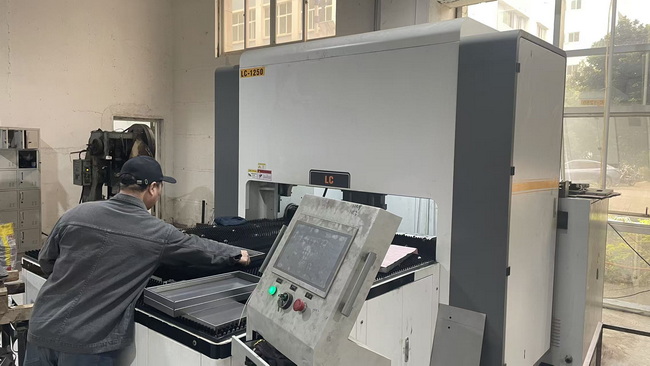
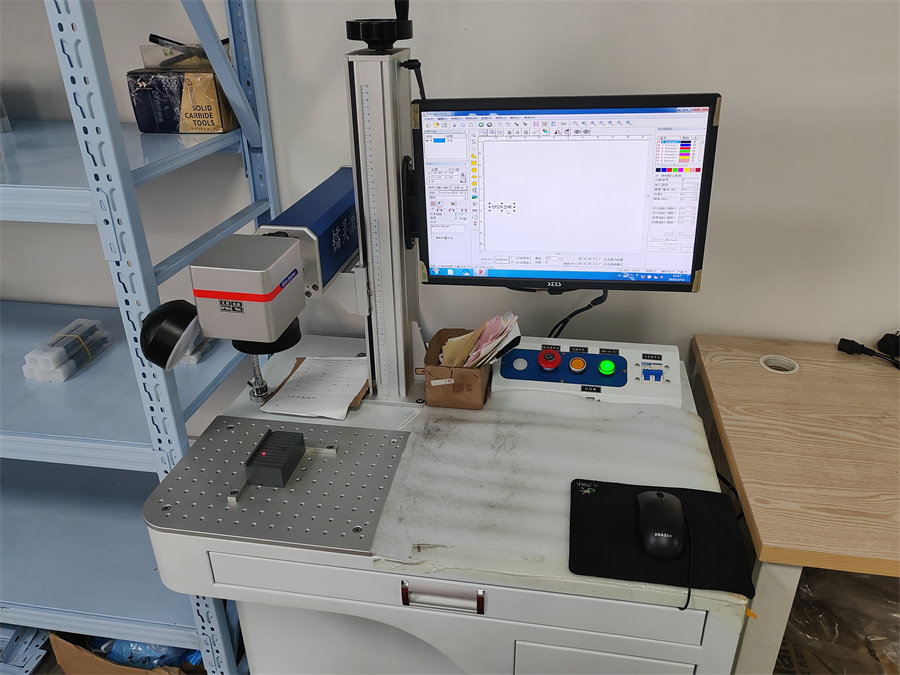
To ensure the highest levels of precision and consistency, Tier Tool has invested extensively in advanced manufacturing equipment and production technologies. The company operates multiple imported CNC tool grinding machines and precision inspection systems, enabling complete in-house capabilities from tool design and prototyping to small-batch testing and large-scale production.
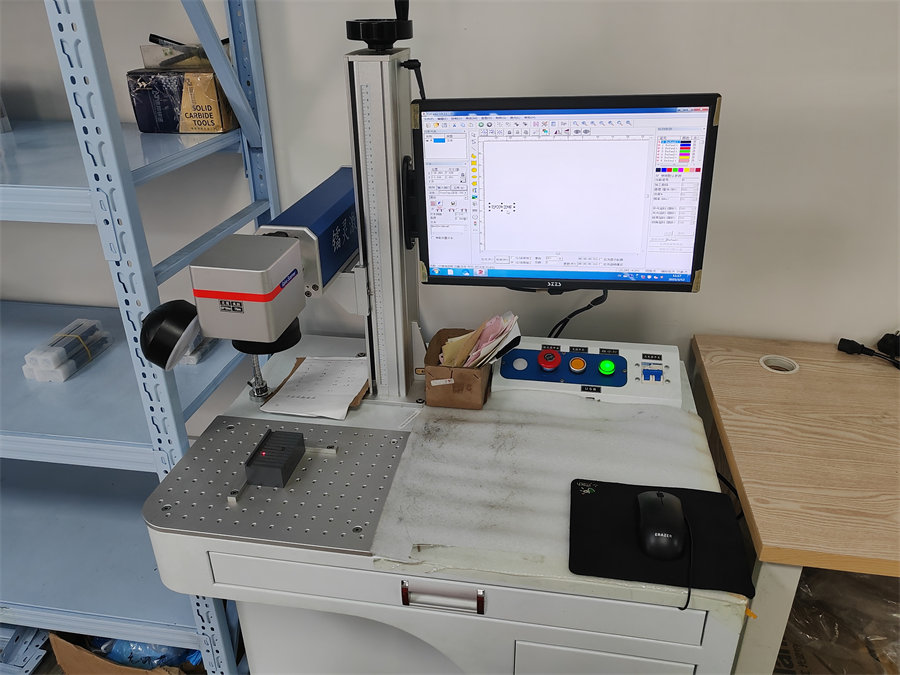
Our manufacturing process is built upon strict process control and traceability standards. Every production stage is carefully monitored to ensure repeatability, quality consistency, and reliable delivery performance. Through systematic process management and standardized operating procedures, Tier Tool has established a robust manufacturing system capable of meeting the demanding requirements of modern precision machining.
Quality is the foundation of Tier Tool's long-term success. We adhere to the principle of "Quality First, Continuous Improvement", implementing rigorous quality control procedures throughout the entire production cycle.
From raw material selection and incoming inspection to final product verification, every tool undergoes comprehensive quality checks to ensure it meets strict dimensional, geometrical, and performance requirements. By continuously optimizing our manufacturing and inspection processes, we deliver products that provide exceptional accuracy, reliability, and consistency in real-world machining applications.
We understand that in precision manufacturing, stable quality is not only a requirement but also the key factor that determines our customers' productivity and competitiveness.
At Tier Tool, we believe that supplying cutting tools is only the beginning of our partnership with customers. Beyond delivering products, we provide comprehensive technical support and application engineering services to assist customers in optimizing their manufacturing processes.
Our technical specialists work directly with customers to analyze machining conditions, recommend suitable tooling strategies, and develop solutions that maximize efficiency, reliability, and cost-effectiveness. By understanding our customers' production goals and competitive challenges, we strive to become a trusted long-term manufacturing partner rather than simply a tooling supplier.
Looking ahead, Suzhou Tier Tool Co., Ltd. will continue to focus on the development of high-performance carbide cutting tools and deepen its expertise in automotive, aerospace, precision engineering, and advanced manufacturing industries.
Driven by professionalism, innovation, and customer commitment, we are dedicated to creating greater value for our customers through reliable products, flexible services, and advanced manufacturing technologies. Tier Tool will continue to grow as a trusted global partner in precision cutting solutions, helping customers achieve higher productivity, better quality, and stronger competitiveness in an ever-evolving manufacturing world.
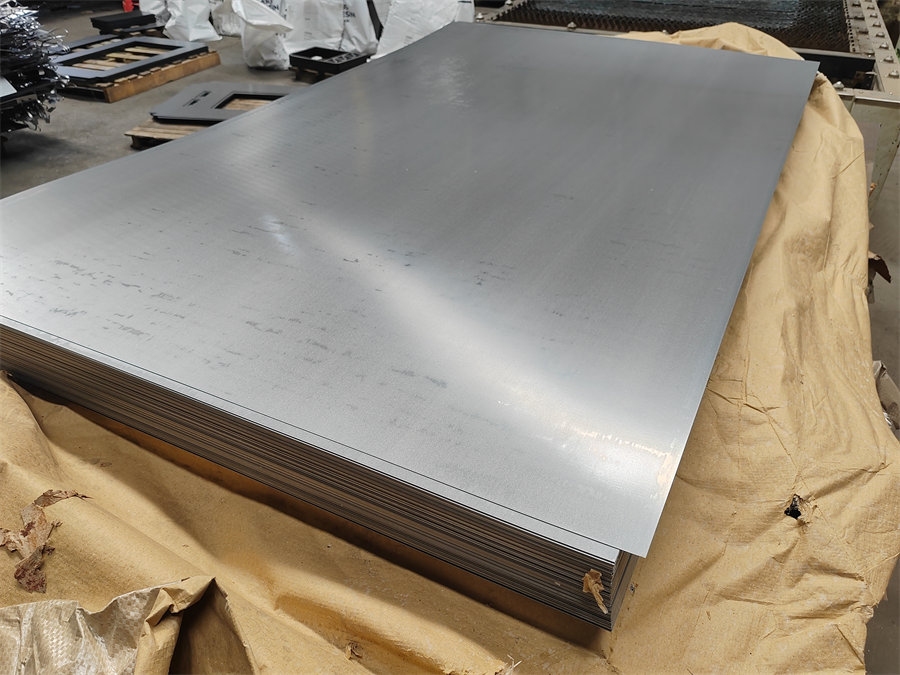
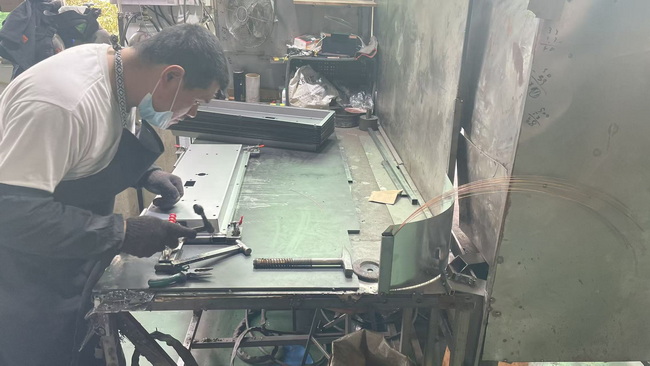
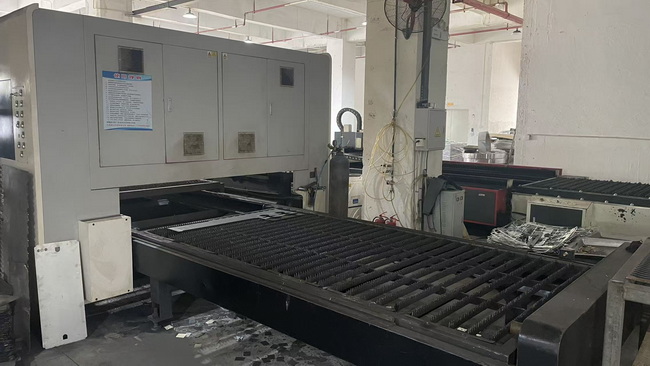
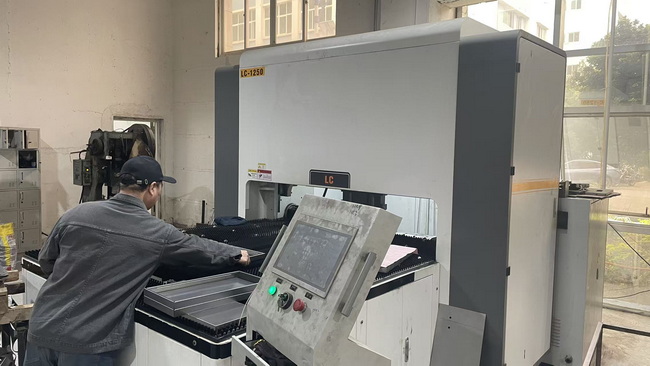
A visual walkthrough of Tier Tool's state-of-the-art facilities, processing lines, and inspection standards.

Precision tooling operates at the intersection of material science and mechanical kinematics. Different industries dictate highly customized tooling solutions to ensure optimal surface finish and to prevent machining defects:
Technical answers to critical questions regarding milling operations and tool selection.
High precision solid carbide twist drills, ball nose end mills, and specialized gun drills.
 Tier Tool