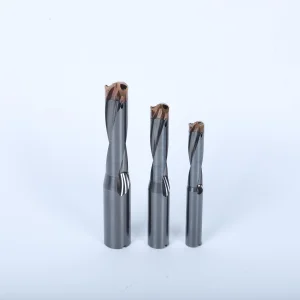
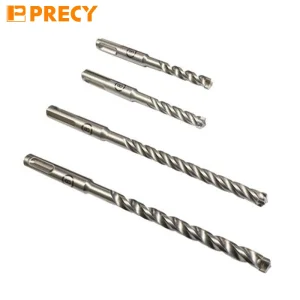
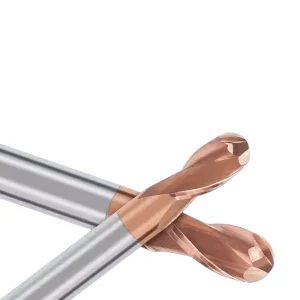
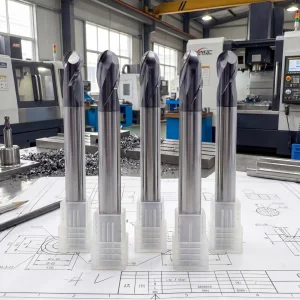
Engineered for high speed, long tool life, and superior surface finishing across structural metals, aerospace composites, and precision PCB fabrication.
In modern high-speed CNC manufacturing, the difference between a high-efficiency solid carbide router bit and an inferior alternative can amount to thousands of dollars in downtime and scrap material.
Under heavy feed rates, tool failure is often caused by micro-fractures in the tungsten matrix. The leading manufacturers utilize sub-micron and nano-grain substrates with cobalt binders optimized to resist mechanical fatigue and chemical degradation at temperatures exceeding 900°C.
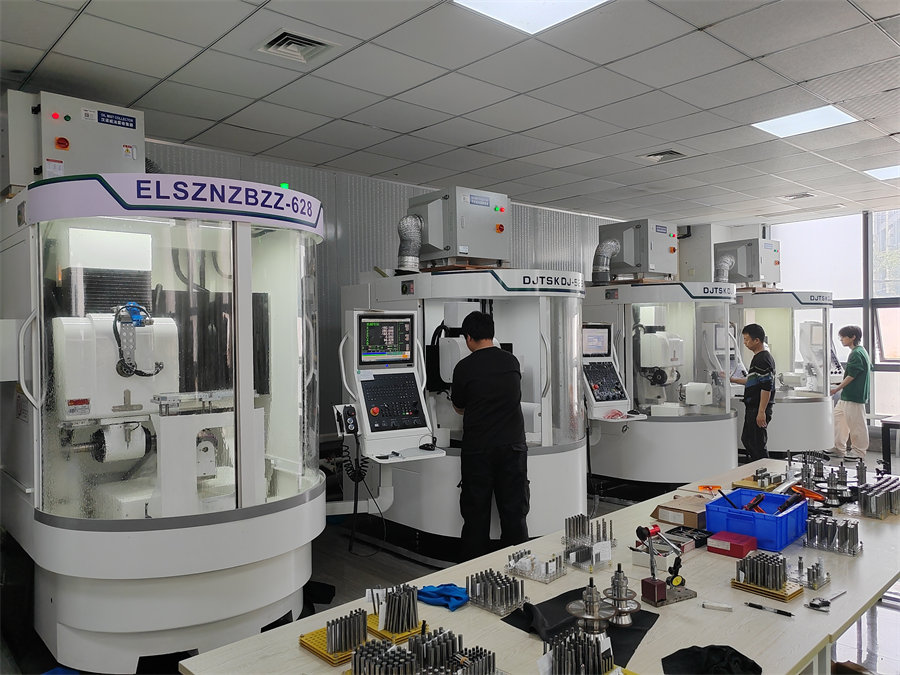
Dynamic runout must be strictly maintained under 0.005mm. Superior manufacturers utilize world-renowned multi-axis CNC grinding systems (like Walter and Rollomatic) to craft complex helical paths, rake angles, and relief boundaries that ensure efficient chip evacuation.
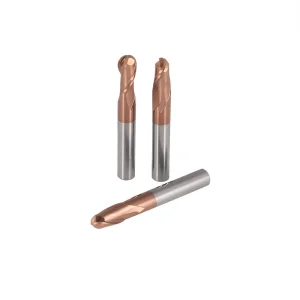
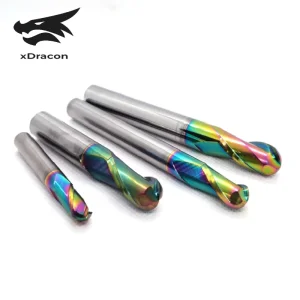
Uncoated carbide fails rapidly in abrasive environments. Thin-film coatings like TiSiN, AlCrN, and Diamond-like Carbon (DLC) provide extreme surface hardness (up to HV80) and low friction coefficients, effectively preventing built-up edge (BUE) on complex workpieces.
A premier Chinese manufacturer supplying global industries with high-performance carbide tooling engineered to meet the highest tolerances.
Suzhou Tier Tool Co., Ltd. was established in 2008 and is a national high-tech enterprise specializing in the design, manufacturing, and technical support of precision solid carbide cutting tools.
Since its foundation, Tier Tool has been deeply committed to the precision machining industry, focusing on delivering high-performance, high-efficiency cutting solutions for hole-making and metalworking applications. Through continuous technological innovation and manufacturing excellence, the company has earned the trust of customers across a wide range of industries worldwide.
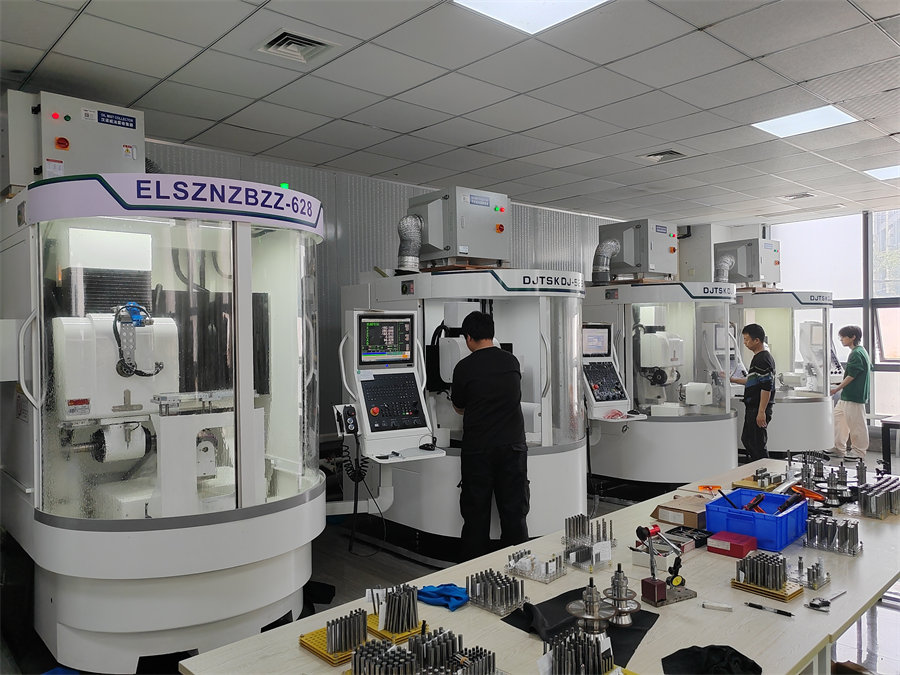
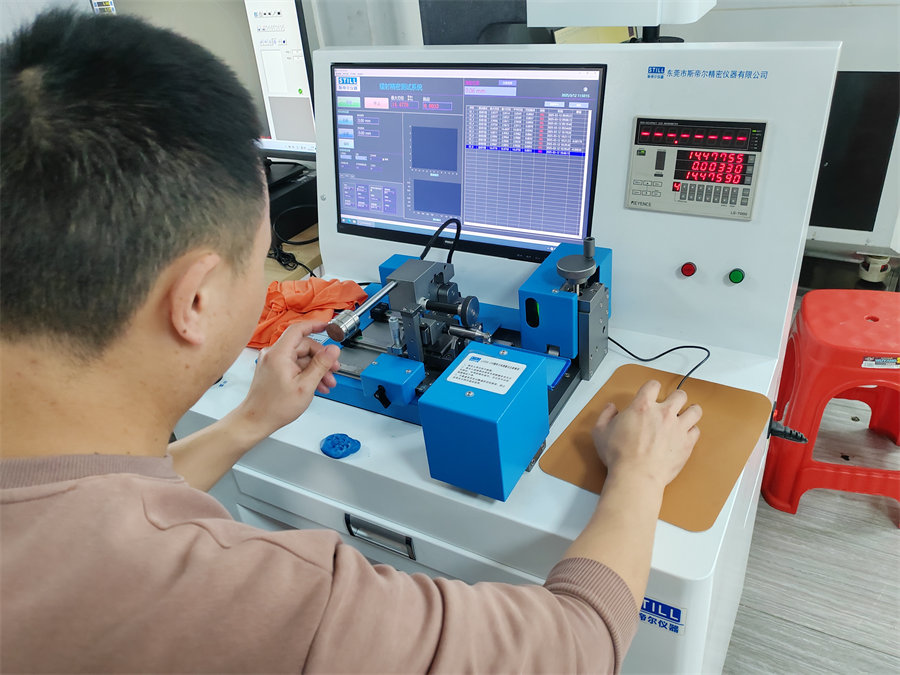
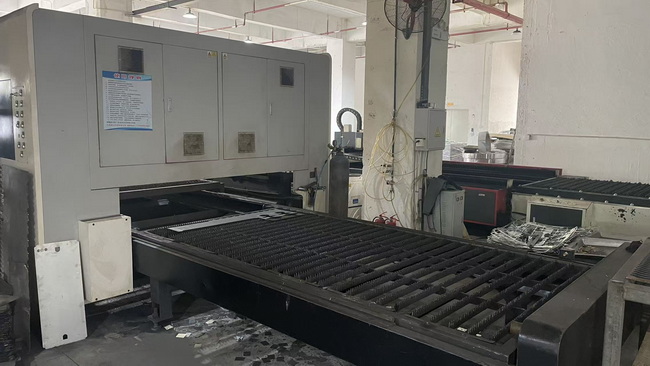
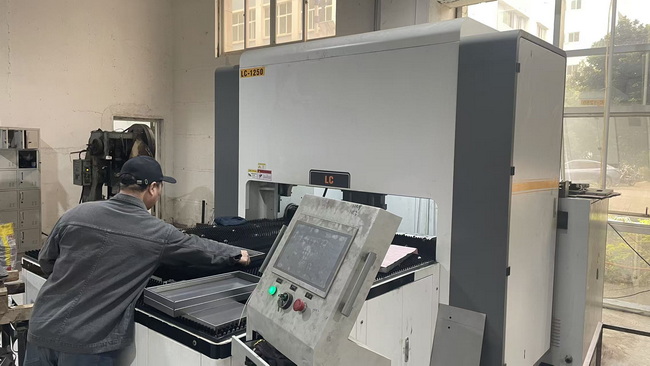
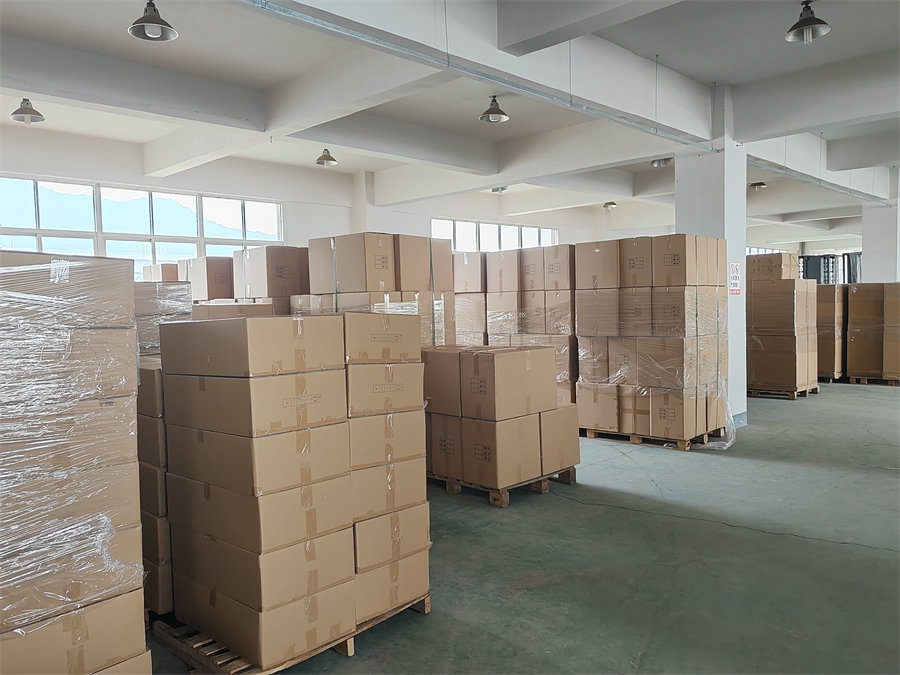
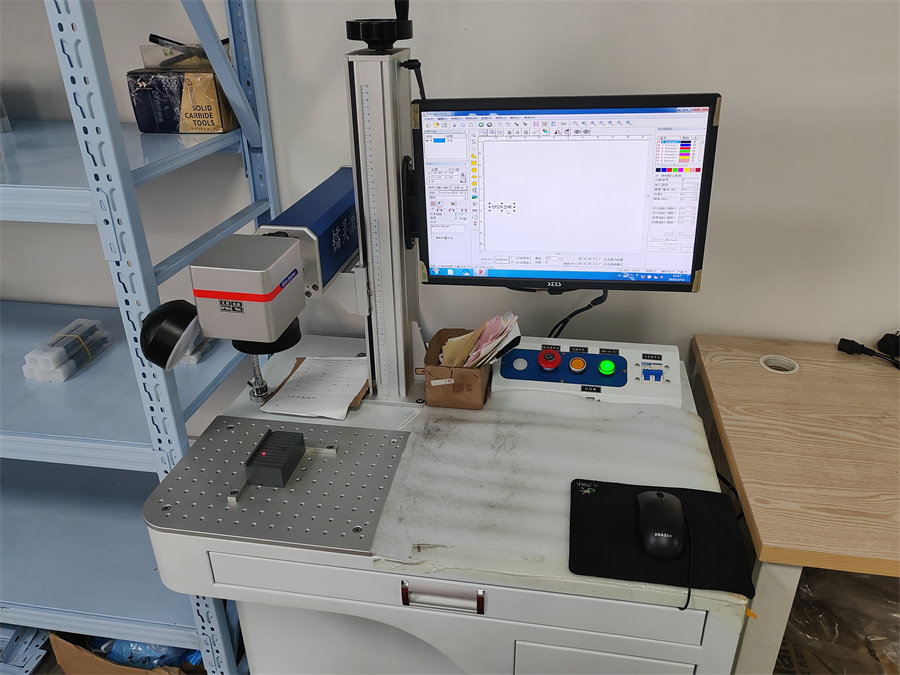
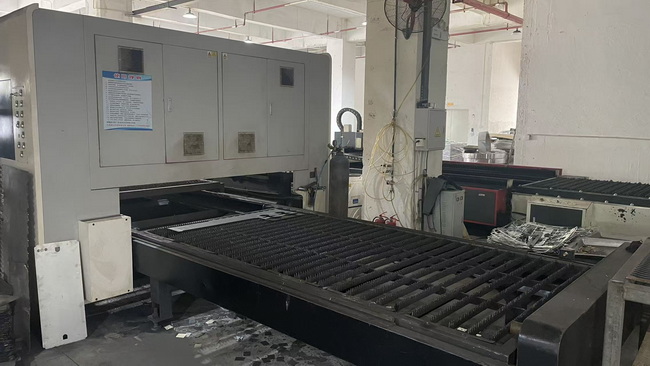
To ensure the highest levels of precision and consistency, Tier Tool has invested extensively in advanced manufacturing equipment and production technologies. The company operates multiple imported CNC tool grinding machines and precision inspection systems, enabling complete in-house capabilities from tool design and prototyping to small-batch testing and large-scale production.
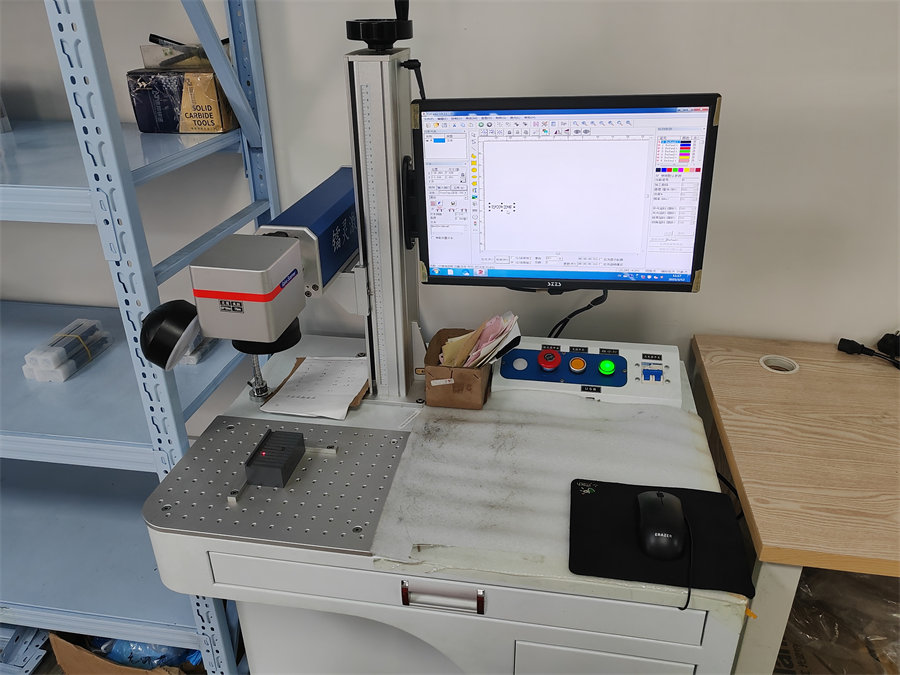
Our manufacturing process is built upon strict process control and traceability standards. Every production stage is carefully monitored to ensure repeatability, quality consistency, and reliable delivery performance. Through systematic process management and standardized operating procedures, Tier Tool has established a robust manufacturing system capable of meeting the demanding requirements of modern precision machining.
Discover how modern manufacturing hubs are leveraging automation, localized raw materials, and high-efficiency logistics to deliver global industrial products.
China commands over 60% of the world’s tungsten reserves. This absolute raw material control buffers local manufacturers like Suzhou Tier Tool against global commodity price shocks, passing direct savings and predictable pricing onto industrial clients.
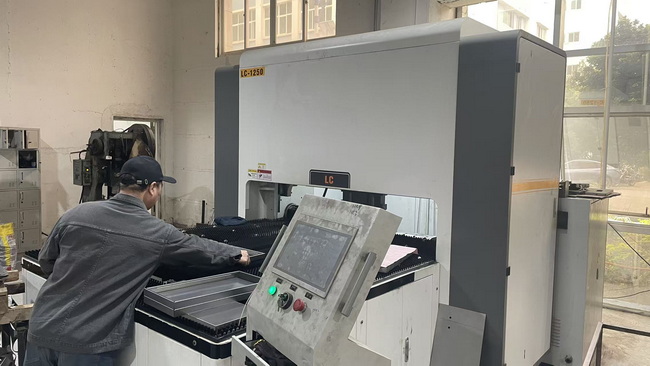
By transitioning production lines to automated 5-axis grinders and robotic loaders, our factories ensure absolute dimension repeatability. Humans oversee quality parameters, while high-speed mechanical processes execute continuous tolerances down to micro-inches.
Our proximity to transport infrastructure near Suzhou and Shanghai means customized tooling requests can be designed, prototyped, manufactured, and shipped overseas within 10 to 15 business days, keeping your operations fully operational.
Our tooling portfolios are engineered to adapt to high-load demands across diverse industrial applications, reducing total cost of ownership (TCO).
Machining carbon-fiber reinforced plastics (CFRP) and titanium alloys requires tools that resist rapid abrasive wear. Our diamond-coated and specialized helix geometries prevent delamination, ensuring clean cuts that pass strict aerospace quality audits.
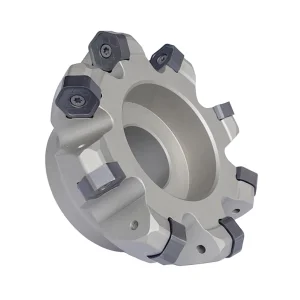
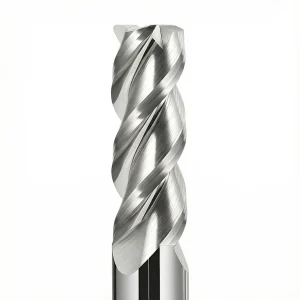
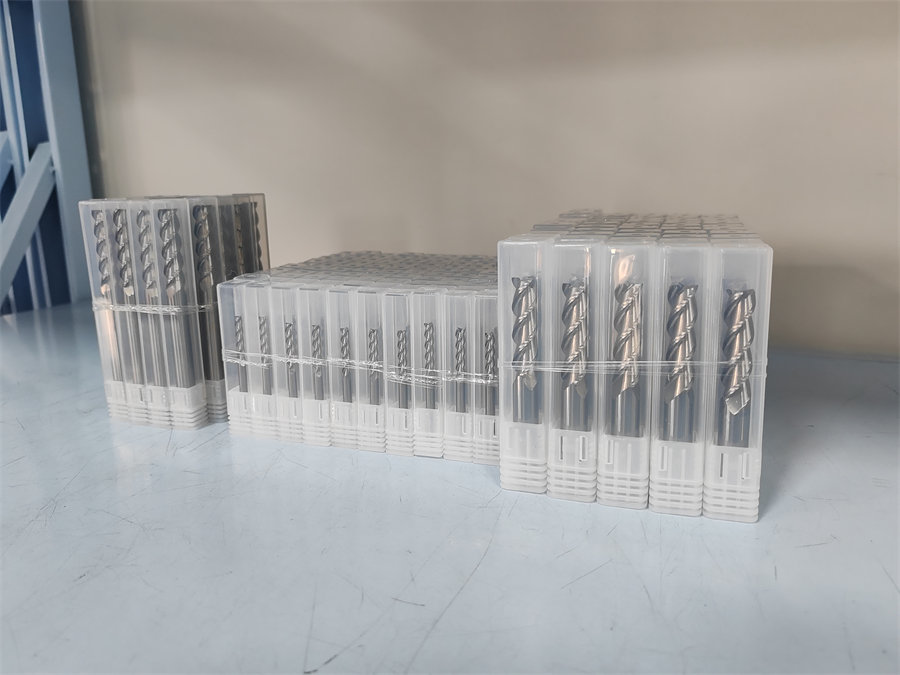
High-volume aluminum engine blocks and cast-iron cylinder heads demand extreme chip evacuation rates. Our high-polished 3-flute mills and indexable insert configurations deliver excellent material removal rates (MRR) without sacrificing precision.
As microelectronics continue to shrink, circuit boards require routing drills as small as 0.1mm. Our solid carbide micro-drills maintain perfect concentricity, eliminating board damage and protecting complex layer structures.
Leading the path forward with predictive tooling technologies, additive material matrixes, and sustainable manufacturing practices.
Standard sub-micron carbide is shifting toward grain structures below 0.2 microns. This extreme densification yields unmatched hardness, allowing tools to machine hardened steel (up to HRC70) without experiencing edge failure.
Future CNC routers will interact directly with smart tools. Integrated RF micro-chips in tool shanks will relay temperature, vibration, and torque data to machine controllers in real time, preventing catastrophic failure before it occurs.
Our roadmap includes closed-loop tungsten recycling and reducing dry-machining friction, allowing customers to minimize coolant dependency and lower their overall carbon footprint.
Key guidelines for global procurement managers auditing tooling partners, calculating total cost of ownership, and optimizing inventory management.
Purchase price represents less than 15% of tooling cost. The real drivers are tool life, cycle times, and scrap rates. Choosing premium carbide bits can reduce machining cycle times by up to 30%, optimizing overall manufacturing overhead.
Ensure manufacturers provide verified raw material testing certificates (with chemical composition details) and dimensional measurement profiles (such as Zoller inspection records) to prevent variation between production runs.
Work with manufacturers like Suzhou Tier Tool to establish strategic inventory plans. Regional warehouses or dedicated safety stock agreements protect your production lines from shipping delays and geopolitical disruptions.
Ensuring compliance with international manufacturing standards, trade safety protocols, and local engineering support.
All tool manufacturing processes follow strict ISO 9001:2015 quality management guidelines. We use environmentally compliant raw materials, adhering to RoHS standards to ensure suitability for high-precision electronic and medical component fabrication.
We provide global technical support, including feeds-and-speeds optimization and tool-path engineering. Our team helps you integrate tools seamlessly into your CNC operations, resolving issues and optimizing tool performance.
We partner with major logistics networks to offer reliable shipping options under clear Incoterms (FOB, CIF, DDP). Your orders are fully tracked and delivered securely, maintaining complete supply chain transparency.
Find answers to common questions about selecting, operating, and maintaining carbide router bits for CNC applications.
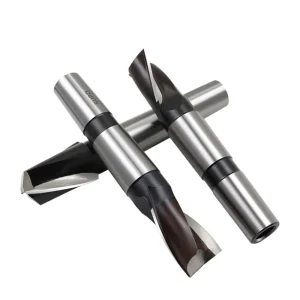
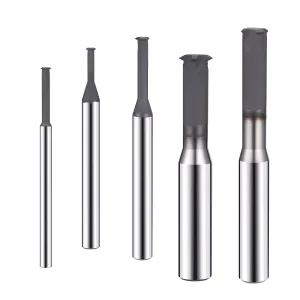
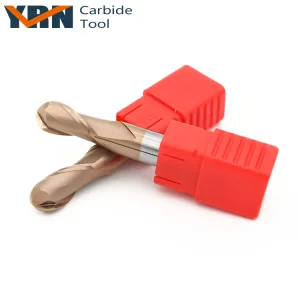
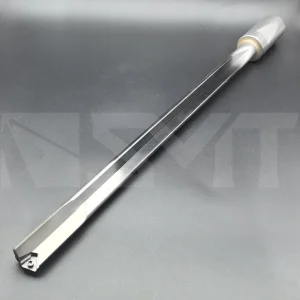
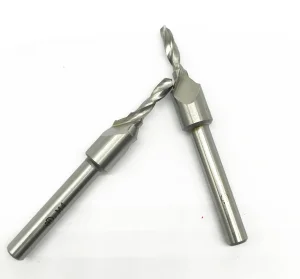
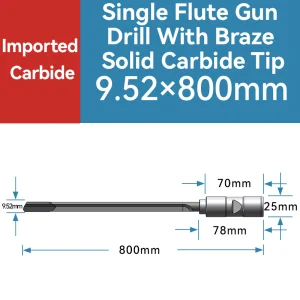
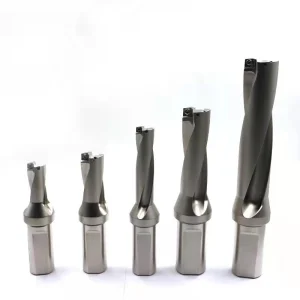
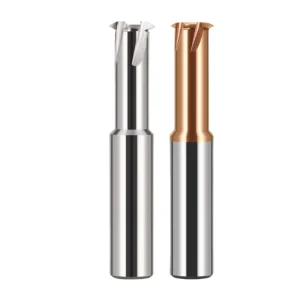
Explore our specialized range of thread mills, deep hole gun drills, and high-precision composite step tools designed for tight-tolerance industrial processes.
 Tier Tool