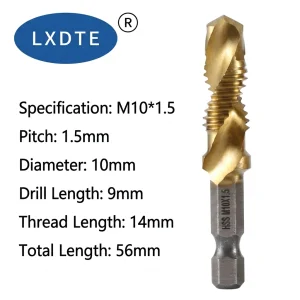
High-performance CNC router bits, milling cutters, and industrial machinery engineered for maximum run-out control and extended tool life.
Established in 2008, Suzhou Tier Tool Co., Ltd. is a national high-tech enterprise specializing in the design, manufacturing, and technical support of precision solid carbide cutting tools. Since its foundation, Tier Tool has been deeply committed to the precision machining industry, focusing on delivering high-performance, high-efficiency cutting solutions for hole-making and metalworking applications. Through continuous technological innovation and manufacturing excellence, the company has earned the trust of customers across a wide range of industries worldwide.
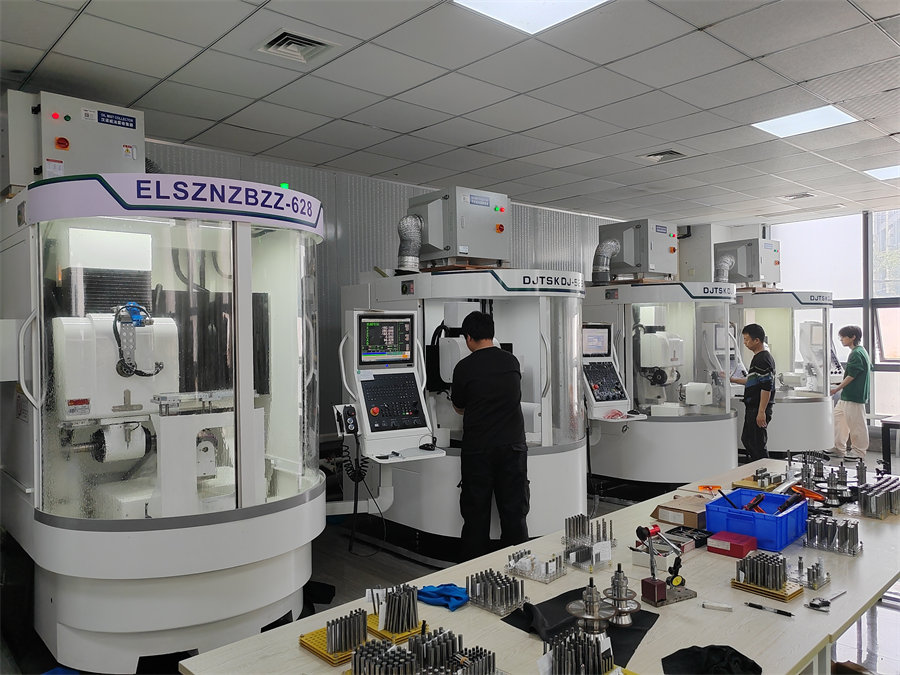
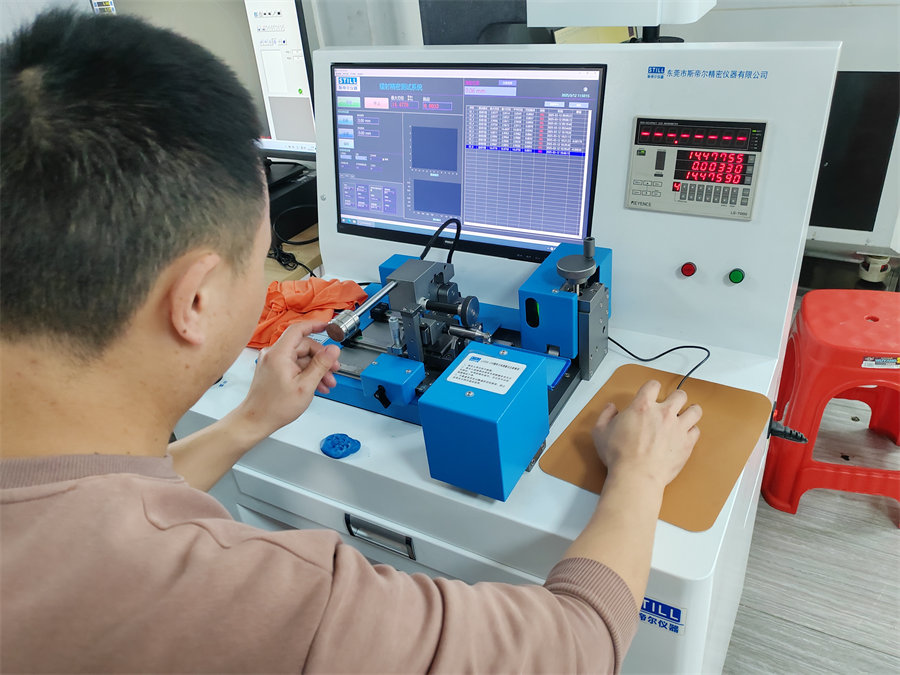
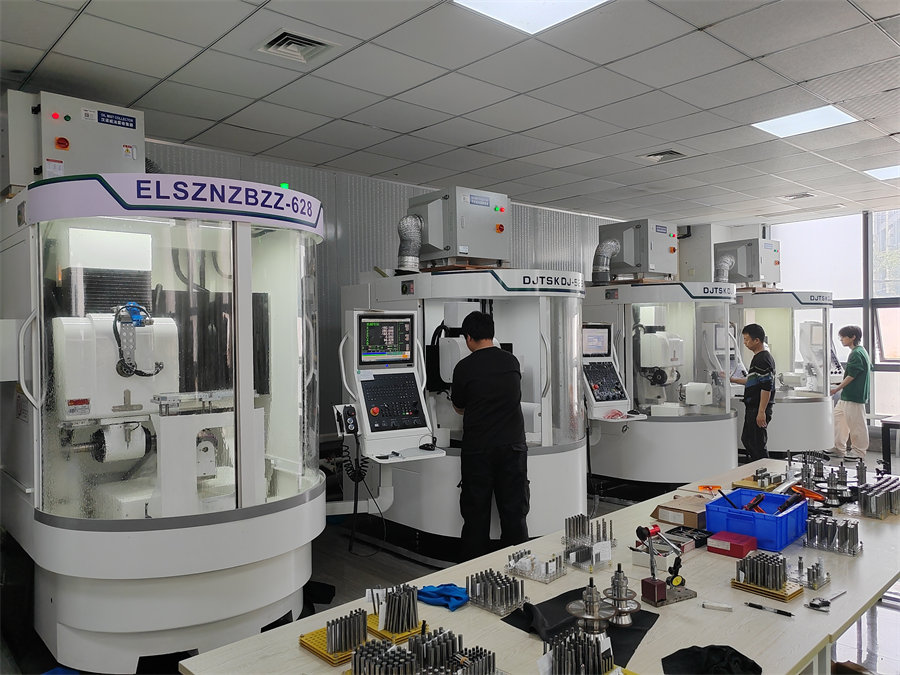
To ensure the highest levels of precision and consistency, Tier Tool has invested extensively in advanced manufacturing equipment and production technologies. The company operates multiple imported CNC tool grinding machines and precision inspection systems, enabling complete in-house capabilities from tool design and prototyping to small-batch testing and large-scale production.
Our manufacturing process is built upon strict process control and traceability standards. Every production stage is carefully monitored to ensure repeatability, quality consistency, and reliable delivery performance. Through systematic process management and standardized operating procedures, Tier Tool has established a robust manufacturing system capable of meeting the demanding requirements of modern precision machining.
Quality is the foundation of Tier Tool's long-term success. We adhere to the principle of "Quality First, Continuous Improvement", implementing rigorous quality control procedures throughout the entire production cycle.
From raw material selection and incoming inspection to final product verification, every tool undergoes comprehensive quality checks to ensure it meets strict dimensional, geometrical, and performance requirements. By continuously optimizing our manufacturing and inspection processes, we deliver products that provide exceptional accuracy, reliability, and consistency in real-world machining applications.
We understand that in precision manufacturing, stable quality is not only a requirement but also the key factor that determines our customers' productivity and competitiveness.
The global landscape of precision machining has shifted significantly toward specialized manufacturing hubs in China, which now lead the industry in raw material sourcing, technological integration, and economies of scale. High-performance portable milling tools and CNC components require an optimized balance of carbide hardness, flexural strength, and thermal shock resistance. Chinese factories like Suzhou Tier Tool Co., Ltd. leverage comprehensive industrial ecosystems to deliver state-of-the-art tools that rival traditional Western manufacturers at competitive costs.
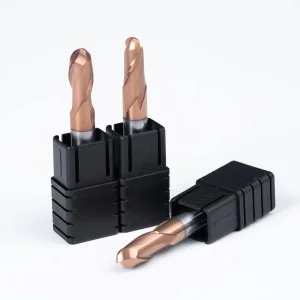
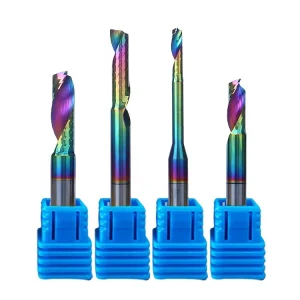
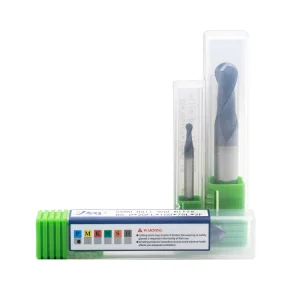
At the core of every premium tool, such as our Ball Nose End Mill 2 Flute Carbide Ball End Cutter, is the raw substrate. Chinese factories utilize ultra-fine and nano-grain tungsten carbide (WC) combined with high-grade Cobalt (Co) binders. The micro-grain structure (typically 0.2µm to 0.6µm) guarantees exceptional hardness (up to 92 HRA or higher) while maintaining the toughness necessary to resist chipping under fluctuating loads common in portable, on-site milling.
To combat extreme friction and heat generation, our tools are enhanced with advanced coatings. Technologies such as Nano Blue Titanium, TiAlN (Titanium Aluminum Nitride), and PCD (Polycrystalline Diamond) are deposited using Physical Vapor Deposition (PVD) and Chemical Vapor Deposition (CVD) equipment. These coatings act as thermal barriers, reducing heat transfer into the substrate and lowering the coefficient of friction, which dramatically extends tool life in dry or semi-dry machining conditions.
| Substrate/Coating Type | Hardness (HV) | Thermal Stability (°C) | Primary Application Areas |
|---|---|---|---|
| Nano Blue Titanium Coat | ~3500 HV | 900°C | High-speed milling of carbon steels, alloy steels, and stainless steels. |
| PCD (Polycrystalline Diamond) | ~8000 HV | 600°C | Non-ferrous materials, high-silicon aluminum, carbon fiber, and ceramics. |
| Wave Edge Solid Carbide (Uncoated/AlTiN) | 3000-3200 HV | 800°C | Heavy roughing, slotting, and high-efficiency metal removal. |
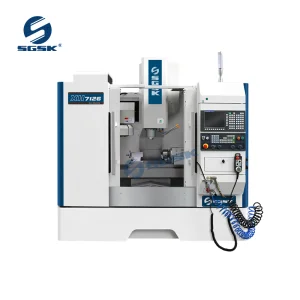
Portable milling is no longer limited to basic 2-axis keyway cutting. The introduction of portable 4-axis and 5-axis CNC machines, similar to the SGSK High-speed Precision 4 Axis Milling Machine, allows for complex contours, 3D profiling, and high-precision boring on site. Advanced lightweight carbon-fiber frameworks and high-torque compact motors have revolutionized portability.
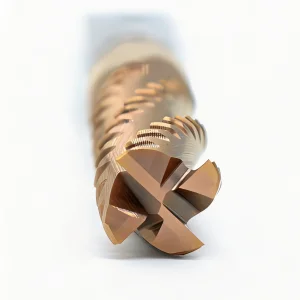
One of the challenges of portable milling is the lack of rigidity compared to massive stationary machining centers. Tool developers solve this through advanced geometry: variable helix angles, unequal flute spacing, and specialized chip-breakers (like our Wave Edge Roughing End Mills). These geometries disrupt harmonic frequencies, eliminating chatter and ensuring a smooth surface finish (low Ra value) even under flexible mounting setups.
Exploring how precision solid carbide tools and portable milling solutions address specific challenges across diverse industrial environments.
Machining aerospace-grade aluminum and titanium alloys requires tools with high heat resistance and optimized rake angles. Our single-flute and multi-flute carbide cutters are used for pockets and ribs, preventing work hardening and maintaining structural integrity.
Complex 3D contouring of hardened tool steel molds relies on high-speed ball nose end mills. The 2-flute carbide ball end cutter provides a high-quality surface finish, reducing the need for manual polishing and shortening cycle times.
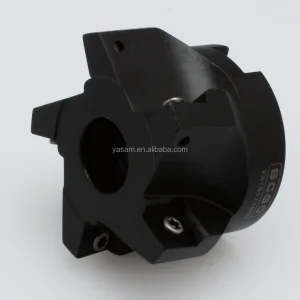
On-site flange refacing and weld preparation require portable milling machines equipped with durable indexable cutters. These operations demand reliability, as tool failure during shut-downs can cause costly delays.
For procurement managers and engineers, sourcing tools and machinery from China requires a structured evaluation of technical capabilities, quality standards, and supply chain reliability. To align with Google's E-E-A-T (Experience, Expertise, Authoritativeness, Trustworthiness) criteria, buyers should focus on factories that demonstrate deep engineering expertise and transparent quality management.
High-quality tools cannot be manufactured without world-class grinding machines and inspection systems. Reputable factories utilize Swiss-made ANCA or German Walter CNC grinding machines, alongside Zoller Genius metrology systems for automated inspection. Always request inspection reports that confirm radial run-out, core diameter deviation, and surface roughness (Ra) metrics.
A trustworthy supplier must maintain an ISO 9001 certified quality management system. At Suzhou Tier Tool, we implement full batch traceability, tracing every finished tool back to the raw carbide rod shipment. This ensures batch-to-batch consistency and predictable performance in high-speed production environments.
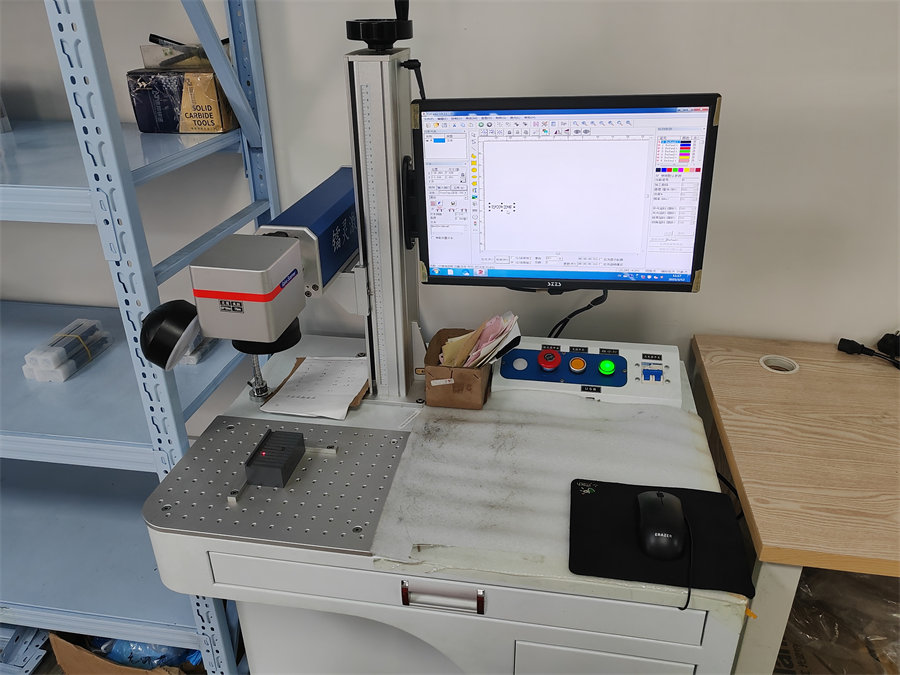
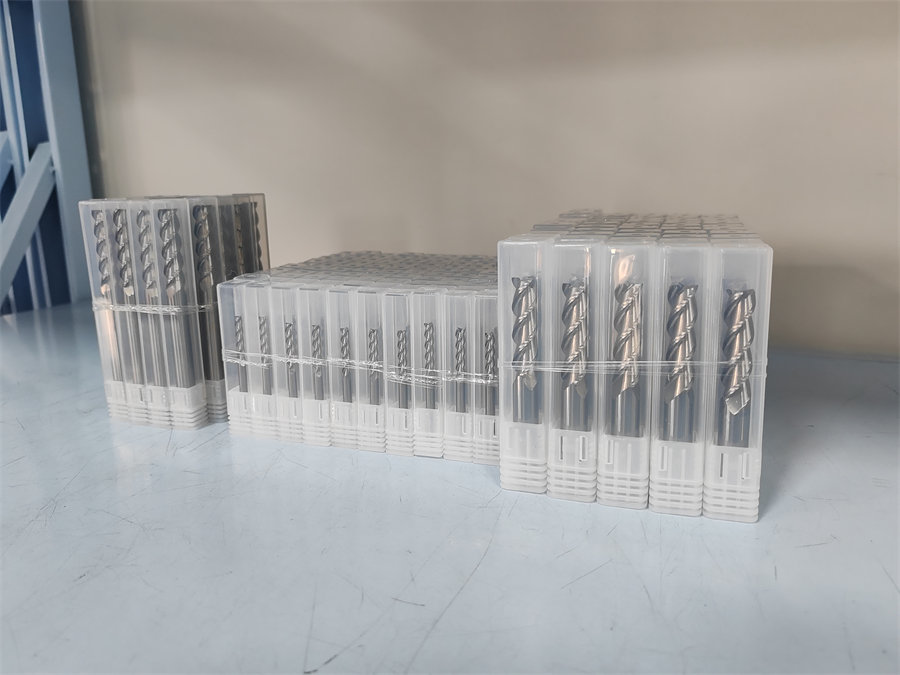
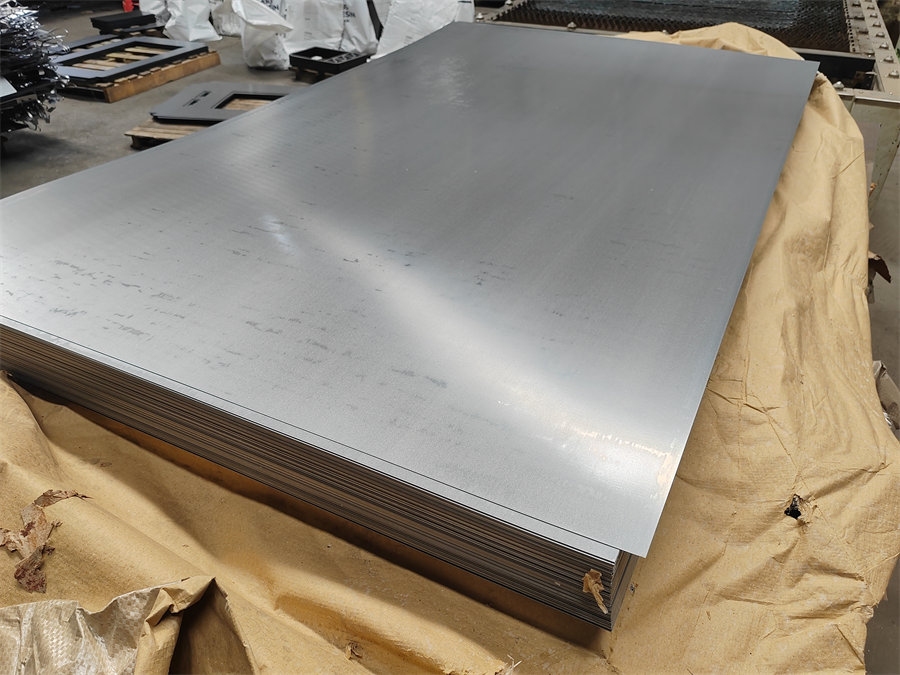
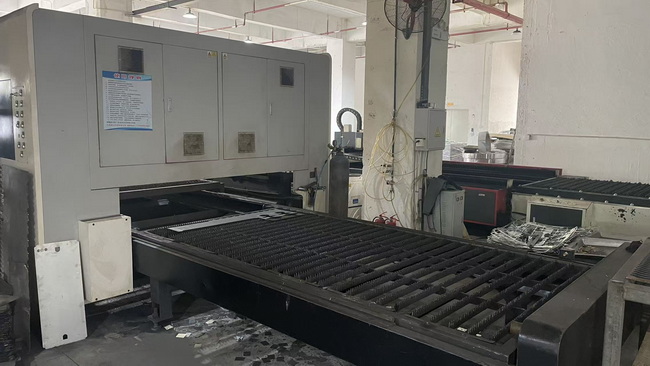
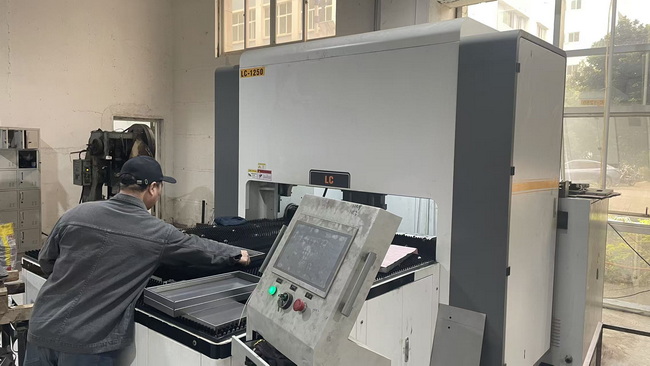
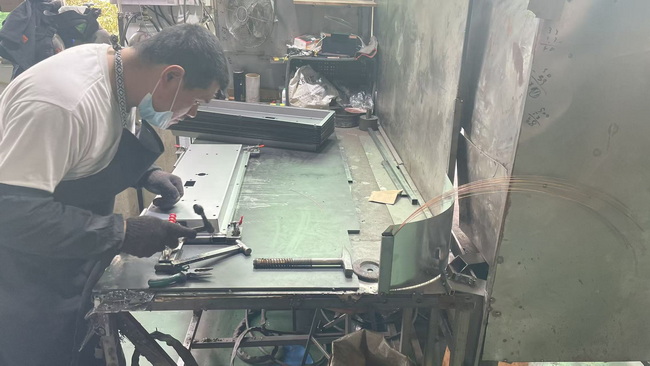
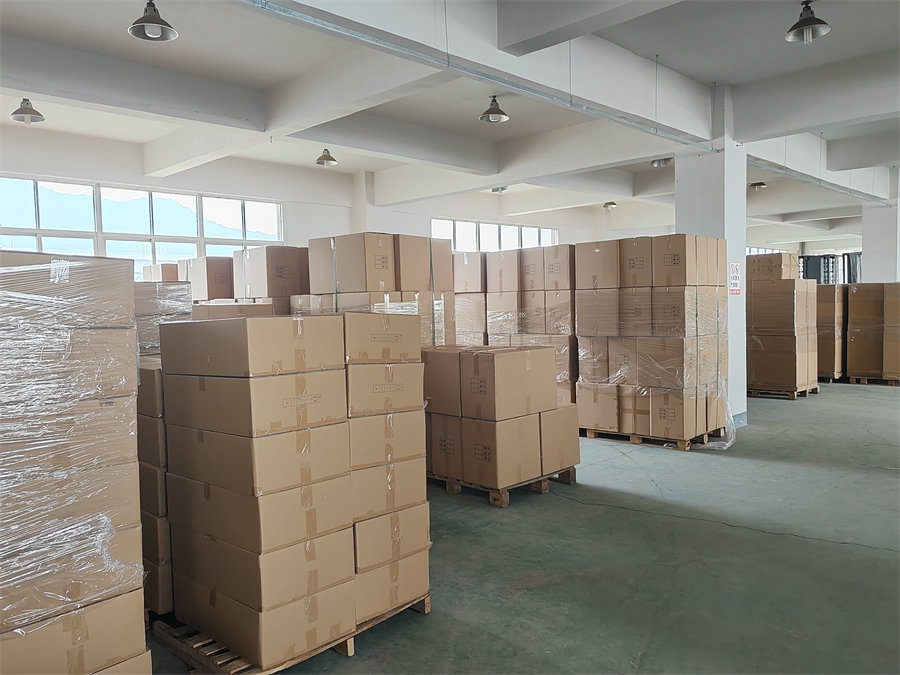
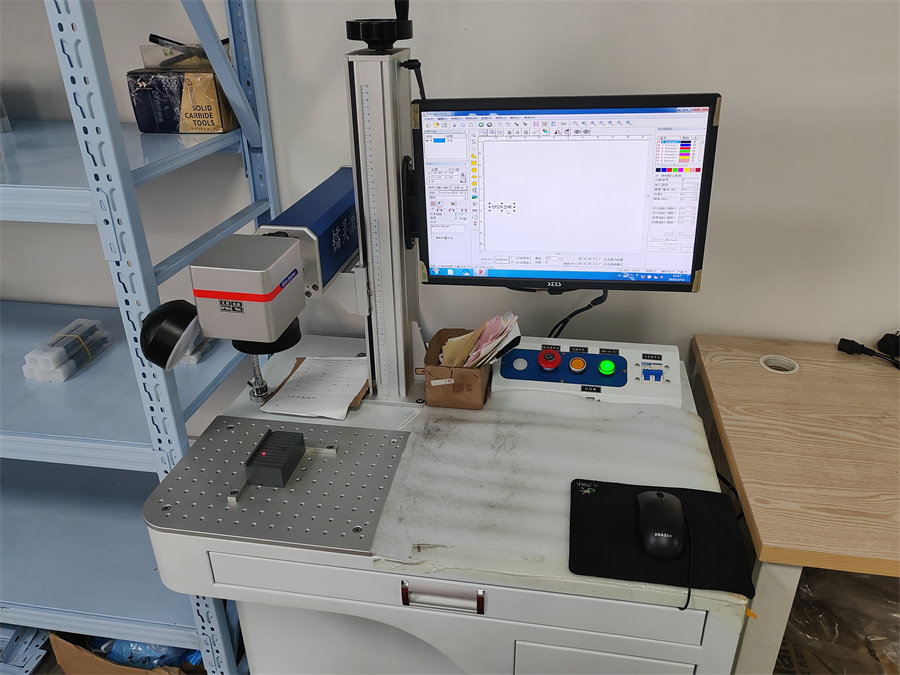
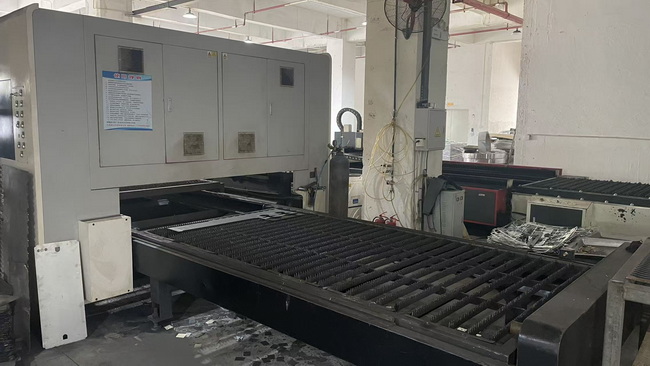
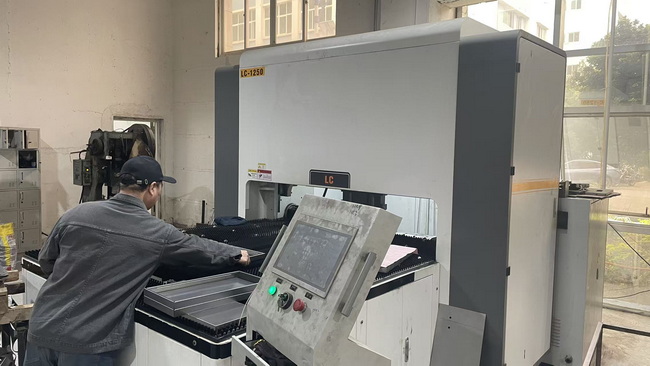
Take a step-by-step look at our modern manufacturing plant, from laser cutting and bending to precision inspection and packaging.
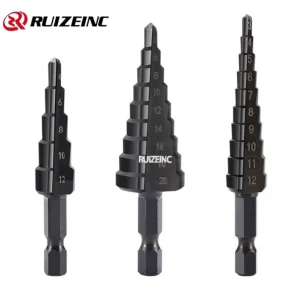
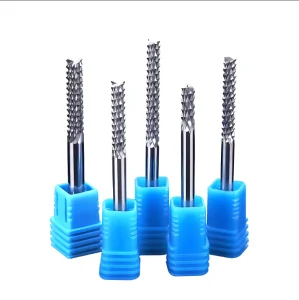
High-speed steel, nitrided step drills, solid carbide thread end mills, and indexable solutions built for heavy metalworking and manufacturing applications.
Answers to technical and commercial questions from global procurement managers and machinists.
 Tier Tool