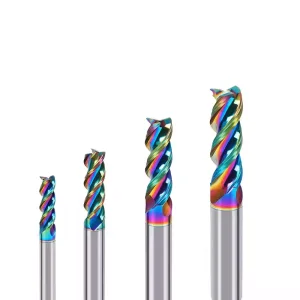
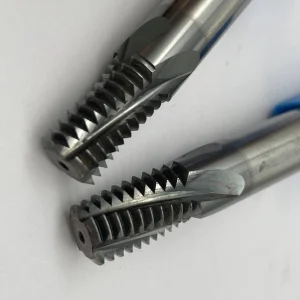
Discover our core collection of precision solid carbide cutting tools, designed to tackle the most demanding aerospace, automotive, and die-mold applications.
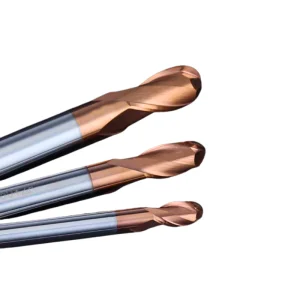
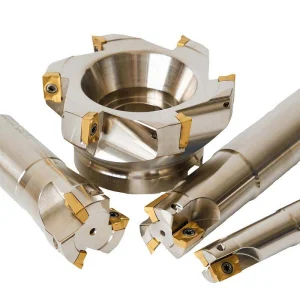
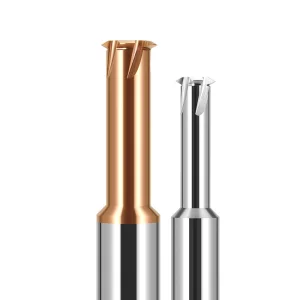
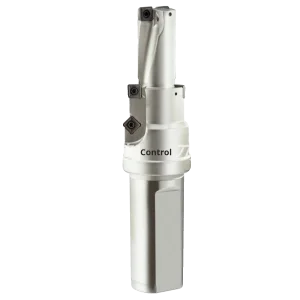
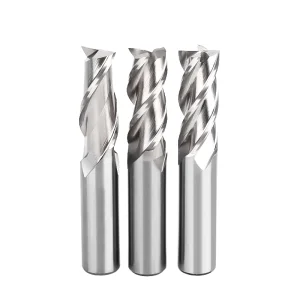
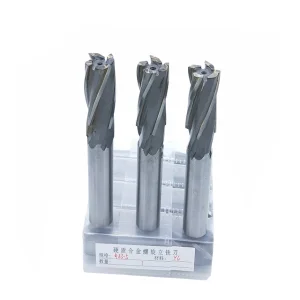
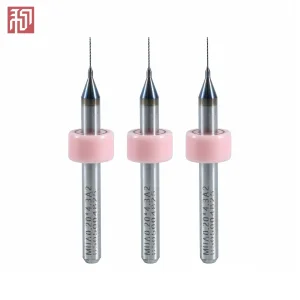
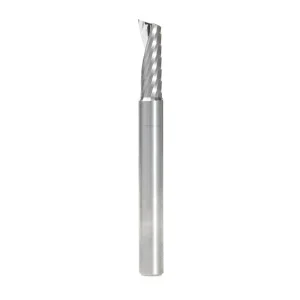
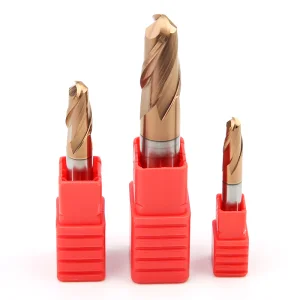
In the ultra-precision CNC milling sector, components with intricate geometries—such as impellers, turbine blades, deep-cavity molds, and angled clinical medical parts—require cutting tools that offer both exceptional stability and meticulous finish quality. The tapered ball end mill represents the pinnacle of cutting-edge geometry, combining the profile capability of a ball nose tool with the structural rigidity inherent in a tapered core. This design serves to effectively mitigate tool deflection, which is a major contributor to premature tool wear, poor surface finish, and dimension inaccuracies in high-speed machining (HSM).
As globalization pushes manufacturing centers to optimize yield ratios, global procurement officers are focusing on Chinese manufacturers. China's tooling industry has matured from high-volume base manufacturing to cutting-edge precision engineering. High-tech enterprises like Suzhou Tier Tool Co., Ltd. spearhead this transition. By leveraging imported multi-axis CNC grinding machines (such as ANCA or Walter) alongside high-density sub-micron tungsten carbide substrates, Chinese exporters provide a competitive edge: tool performance that rivals leading German and Japanese brands, at a highly optimized total cost of ownership (TCO).
Standard long-reach end mills suffer exponentially from deflection ($Y \propto L^3$). The tapered core design distributes bending moments uniformly, vastly improving radial stiffness and ensuring strict dimensional consistency in deep cavity milling.
By enabling a continuous transition along the ball radius to the tapered flank, these cutters minimize scallop height and micro-chatter, yielding Ra values under 0.4μm, which reduces the need for secondary manual polishing.
By applying multilayer PVD coatings such as AlTiN, AlCrN, or TiAlN, tools can withstand high thermal shocks (up to 900°C) during dry machining of high-strength alloys and hardened die steels (up to 55-65 HRC).
When evaluating suppliers for specialized tools like tapered ball end mills, global supply chain managers must look beyond unit price. Total value encompasses technical consultation, alloy substrate consistency, coating adherence, and lead time reliability. The top-tier solid carbide cutting tool manufacturers in China, clustered in regions like Jiangsu and Changzhou, have established global competence through several key pillars:
Leading suppliers utilize premium sub-micron and ultra-fine grain carbide rods (cobalt content ranging from 10% to 12%). This provides a balanced combination of hardness and toughness, preventing chipping under heavy lateral loads.
Employing state-of-the-art grinding centers like ANCA, Walter, and Rollomatic, tools are produced with runout tolerances of less than 0.005mm (5 microns). This level of control ensures balanced cutting forces and prolonged spindle life.
Utilizing Swiss Oerlikon Balzers coating systems, Chinese exporters apply nano-composite films that reduce friction coefficients and facilitate efficient chip evacuation, which is critical for preventing chip welding in deep pocket milling.
Different manufacturing verticals encounter distinct challenges. Below is an overview of how tapered ball end mills are deployed across key industries to overcome complex machining issues:
| Industry Vertical | Specific Application Scenario | Material Challenges | Tool Geometry / Solution |
|---|---|---|---|
| Aerospace Propulsion | 5-axis milling of blisks, impellers, and compressor blades | Titanium Alloys (Ti-6Al-4V), Inconel 718 (High thermal strength) | Tapered ball end mills with variable pitch and AlTiN coating to suppress vibration. |
| Automotive Die & Mold | Deep draw stamping dies and injection mold cavity finishing | Hardened Tool Steels (H13, NAK80, D2) up to HRC 58-62 | Tapered solid carbide cutters with reinforced core and high-thermal resistance AlCrN coating. |
| Medical Technology | Ortho implants, hip joints, and custom bone plates | Cobalt-Chromium (Co-Cr), Bio-grade Titanium, PEEK polymers | Micro-diameter tapered ball nose tools with super-polished flutes to eliminate burrs. |
| Consumer Electronics | Aluminum unibody enclosures and complex interior molds | Al 6061/7075, Graphite molds for glass hot bending | DLC (Diamond-Like Carbon) coated single-flute or 2-flute tapered bits for clean chip removal. |
The primary reason engineers select a tapered ball end mill over a standard straight reach tool is the mechanical resistance to bending. When a tool experiences radial force ($F_r$), it acts as a cantilever beam. The deflection ($Y$) at the free end of a uniform cylinder is calculated as:
Where $L$ is the overhang length, $E$ is the Young's Modulus of the material, and $I$ is the Area Moment of Inertia ($I = \pi \cdot d^4 / 64$). Since the tool diameter $d$ is raised to the fourth power, even a minor increase in the root diameter significantly improves rigidity. For a tapered tool, the moment of inertia increases along the length of the tool, allowing for a substantial reduction in deflection compared to straight tools of equivalent reach.
This rigidity permits higher feed rates, reduces harmonic vibration (chatter), and maintains high dimensional accuracy even during deep z-axis profiling operations.
Suzhou Tier Tool Co., Ltd. was established in 2008 and is a national high-tech enterprise specializing in the design, manufacturing, and technical support of precision solid carbide cutting tools.
Since its foundation, Tier Tool has been deeply committed to the precision machining industry, focusing on delivering high-performance, high-efficiency cutting solutions for hole-making and metalworking applications. Through continuous technological innovation and manufacturing excellence, the company has earned the trust of customers across a wide range of industries worldwide.
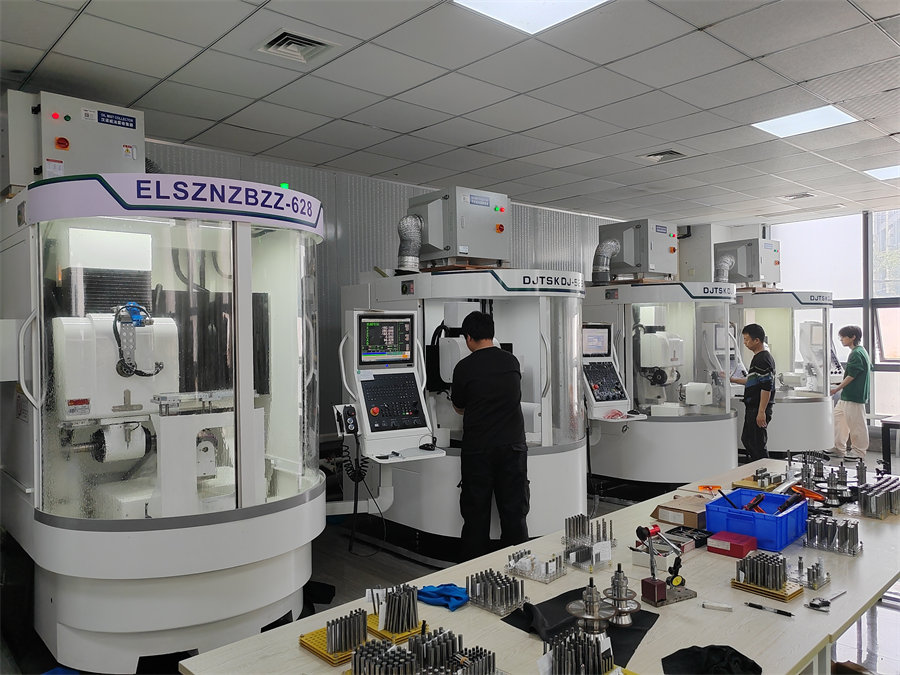
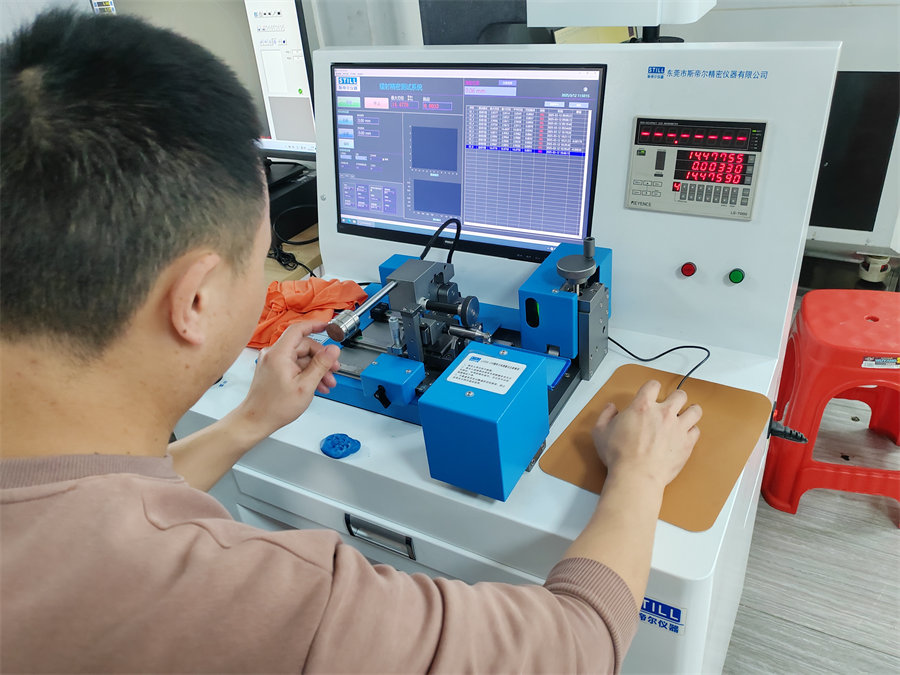
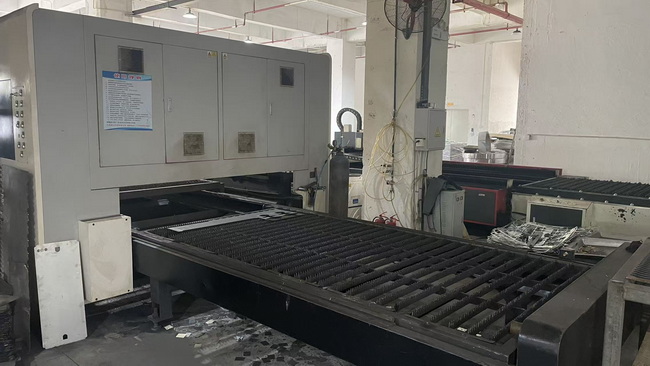
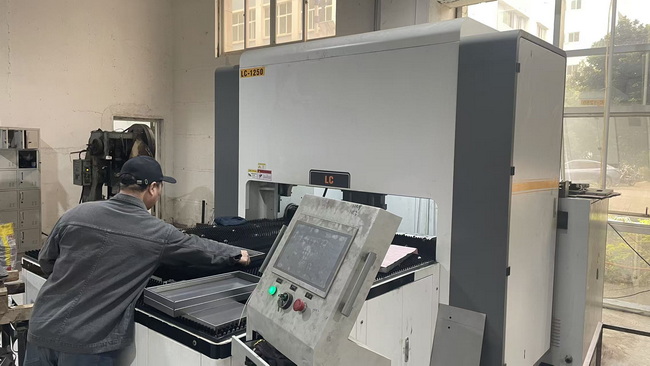
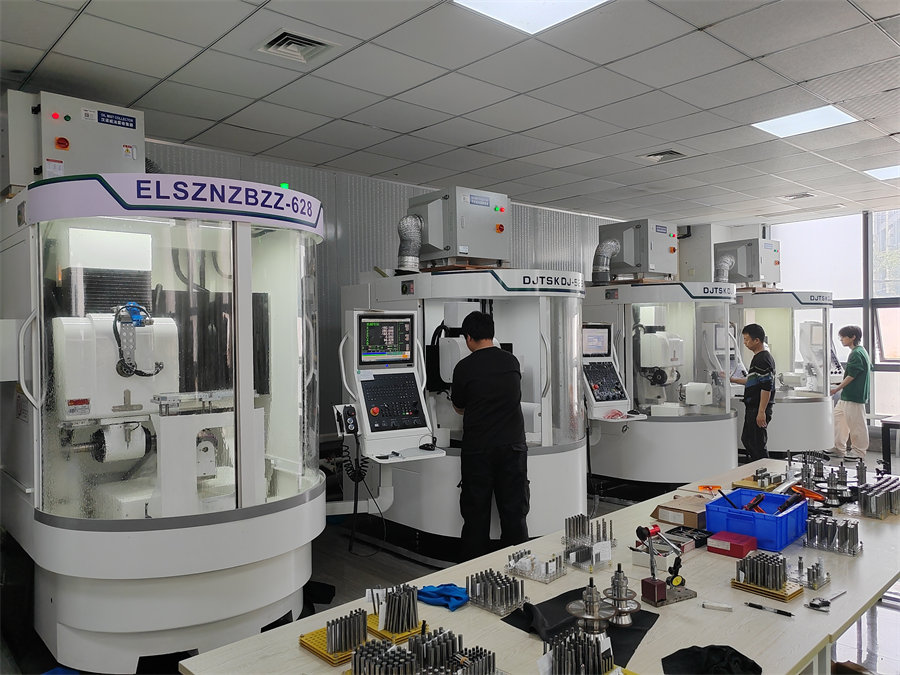
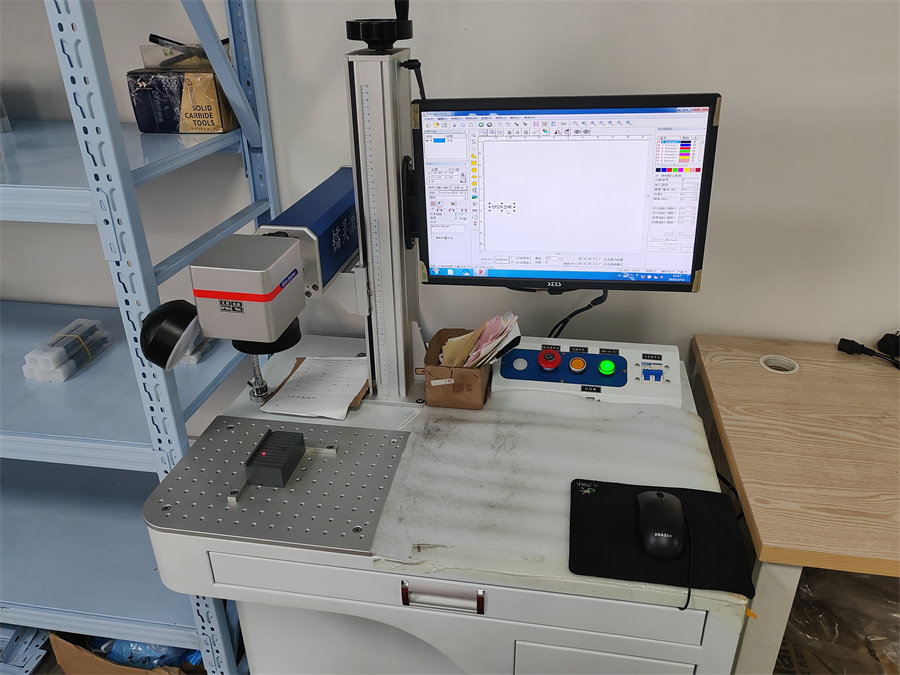
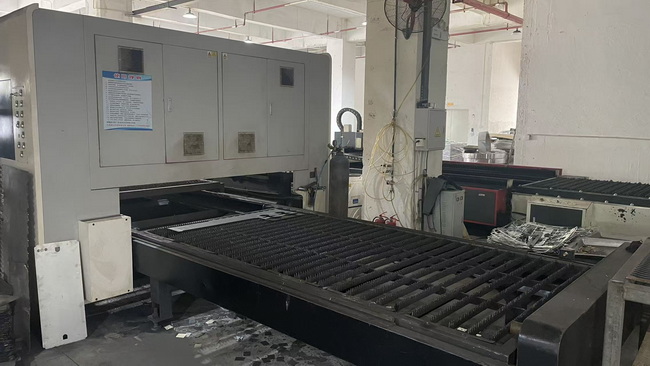
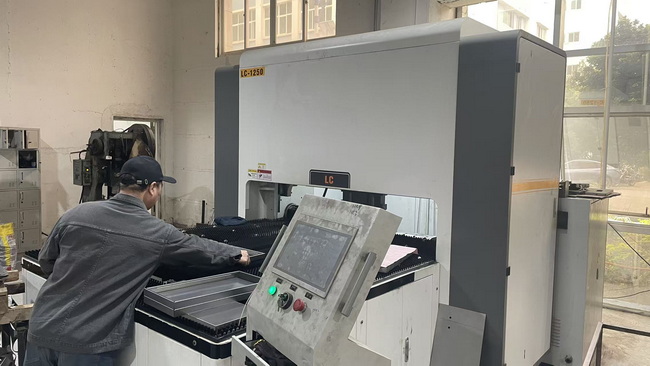
To ensure the highest levels of precision and consistency, Tier Tool has invested extensively in advanced manufacturing equipment and production technologies. The company operates multiple imported CNC tool grinding machines and precision inspection systems, enabling complete in-house capabilities from tool design and prototyping to small-batch testing and large-scale production.
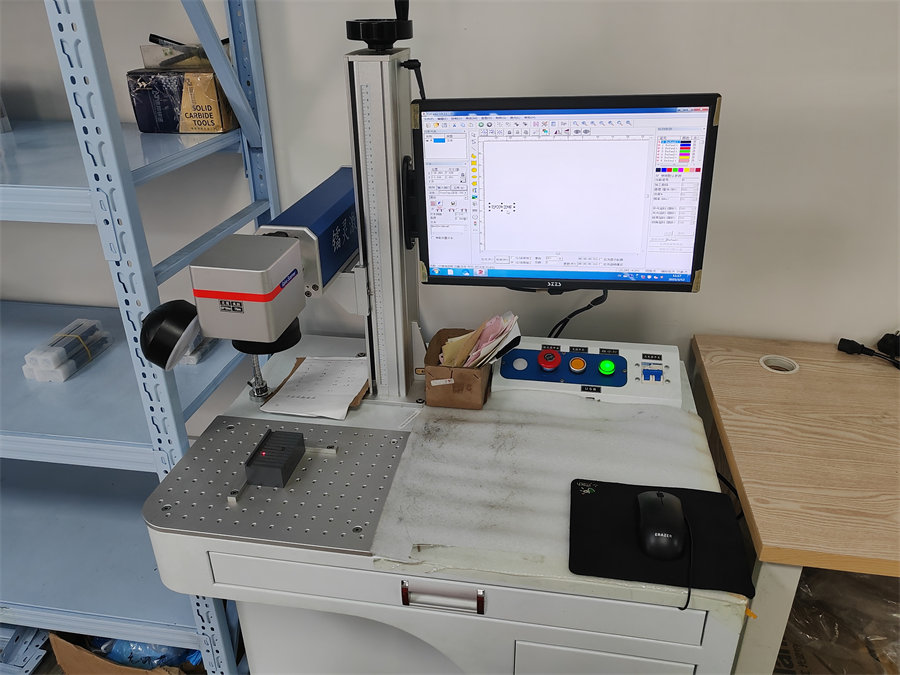
Our manufacturing process is built upon strict process control and traceability standards. Every production stage is carefully monitored to ensure repeatability, quality consistency, and reliable delivery performance. Quality is the foundation of Tier Tool's long-term success. We adhere to the principle of "Quality First, Continuous Improvement", implementing rigorous quality control procedures throughout the entire production cycle.
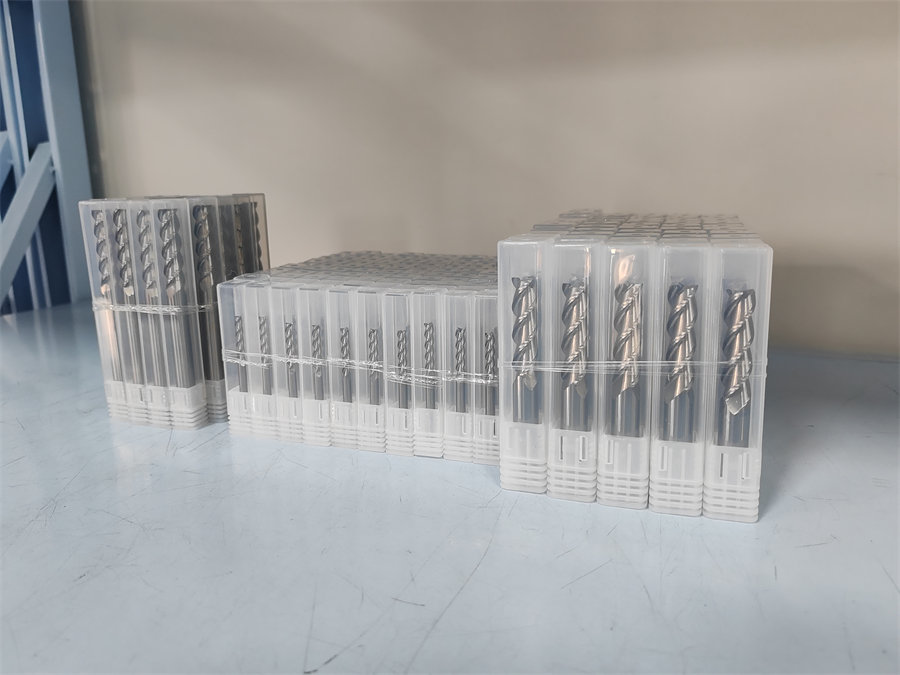
From raw material selection and incoming inspection to final product verification, every tool undergoes comprehensive quality checks to ensure it meets strict dimensional, geometrical, and performance requirements. By continuously optimizing our manufacturing and inspection processes, we deliver products that provide exceptional accuracy, reliability, and consistency in real-world machining applications.

Industrial buyers face challenges from rising supply chain complexities. To mitigate risks when procuring high-precision tools, consider these operational verification steps:
Verify the source of tungsten carbide powder. High-quality manufacturers provide material certification sheets (metallurgical analysis) indicating average grain size (e.g. 0.4μm - 0.6μm) and cobalt distribution.
Ensure the supplier utilizes automatic 3D measuring systems like ZOLLER Genius. Request inspection reports showing shank tolerance (typically h6), outer diameter tolerances, and core runout.
Assess the manufacturer's capacity to deliver custom tooling designs (OEM/ODM). Reliable suppliers can finalize blueprints within 48 hours and produce prototypes within 7 to 10 working days.
Explore answers to key technical questions on tapered ball end mill applications, selection criteria, and procurement processes.
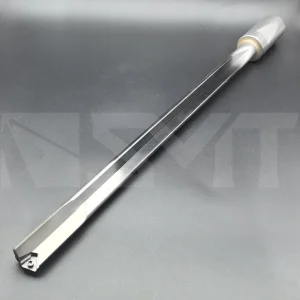
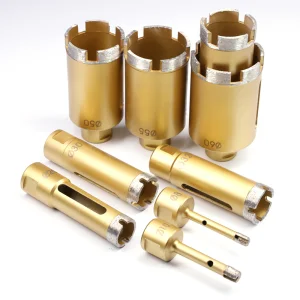
From micro-drilling for electronics to high-accuracy gun drilling for oil and gas applications, our technical tooling covers diverse industrial sectors.
 Tier Tool