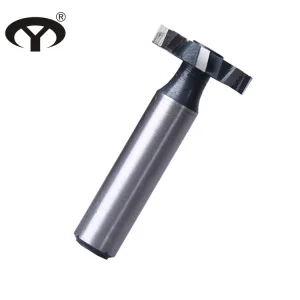
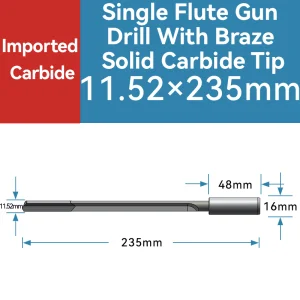
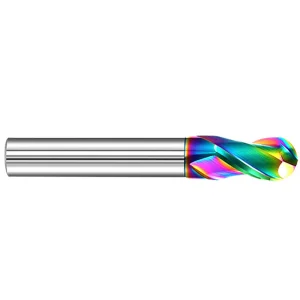
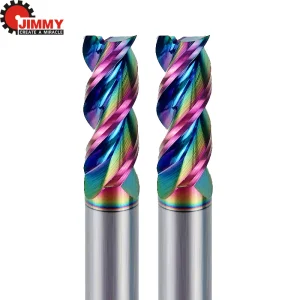
Explore our primary portfolio of ultra-durable solid carbide, CVD/DLC coated, and indexable tooling designed to achieve maximum wear resistance in high-temperature environments.
In modern industrial manufacturing, the demand for processing high-hardness, superalloy, and refractory materials has expanded exponentially. Sectors such as aerospace engineering, nuclear power generation, electronic circuit board manufacturing, and deep-ground mining require machining tools that do not succumb to premature thermomechanical fatigue. Refractory cutting tools—primarily manufactured from premium tungsten carbide, high-speed steel (HSS-M2), cobalt alloys, and ceramics—stand at the front line of this industrial evolution.
The global market value for precision carbide tools has shifted toward high-performance coatings (such as DLC, AlTiN, and Nano-Blue) capable of withstanding extreme processing temperatures (often exceeding 1000°C at the tool-workpiece interface). The key criteria defining the competitiveness of global manufacturers are no longer limited to basic hardness metrics, but rather tool geometry, edge preparation, and the stability of the substrate at elevated thermal loads.
Superalloys and refractory metals (e.g., Inconel, Titanium, Niobium) exhibit high work-hardening rates and low thermal conductivity, meaning heat is concentrated at the cutting edge. Specialized tools require micro-grain structures to prevent catastrophic failure.
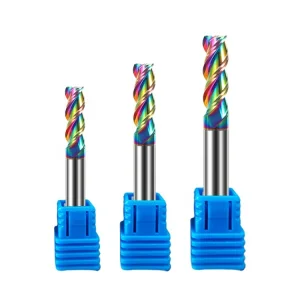
Advanced coatings like Nano-Blue, Diamond-Like Carbon (DLC), and Titanium Nitride (TiN) act as physical and thermal barriers, lowering friction coefficients and significantly extending tool service life in abrasive environments.
In aerospace component routing and PCB micro-drilling, tolerances are measured in micrometers. Modern precision tools utilize custom helical angles and web designs to optimize chip evacuation and prevent surface distortion.
A National High-Tech Enterprise Redefining Precision Solid Carbide Cutting Tools.
Suzhou Tier Tool Co., Ltd. was established in 2008 and is a national high-tech enterprise specializing in the design, manufacturing, and technical support of precision solid carbide cutting tools.
Since its foundation, Tier Tool has been deeply committed to the precision machining industry, focusing on delivering high-performance, high-efficiency cutting solutions for hole-making and metalworking applications. Through continuous technological innovation and manufacturing excellence, the company has earned the trust of customers across a wide range of industries worldwide.
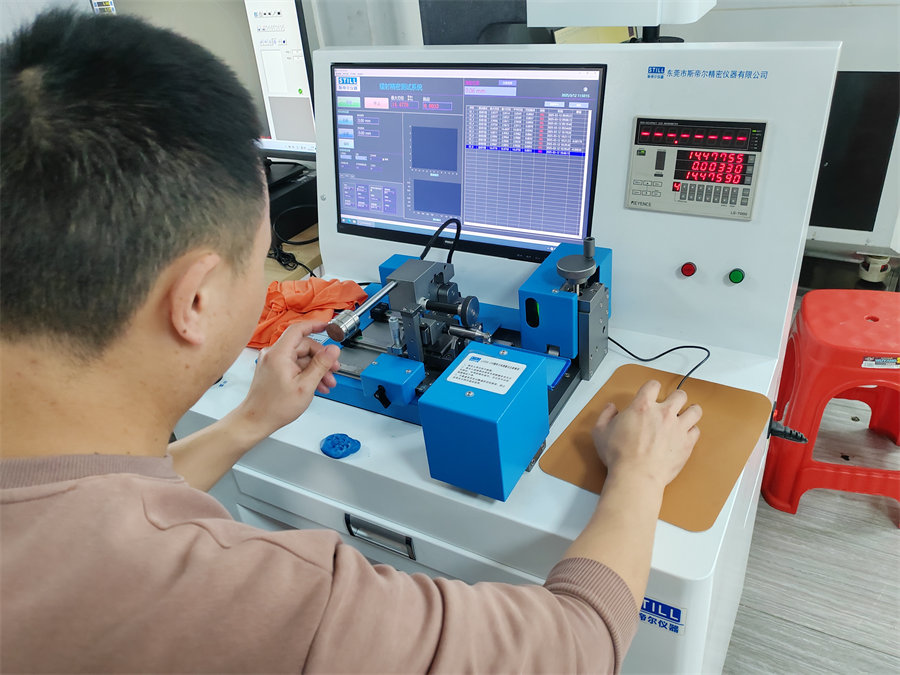
Quality is the foundation of Tier Tool's long-term success. We adhere to the principle of "Quality First, Continuous Improvement", implementing rigorous quality control procedures throughout the entire production cycle. From raw material selection to final validation, every tool undergoes comprehensive checks to ensure structural integrity and geometry precision.
As global industries demand shortened lead times and tighter cost controls without compromising tool quality, China's advanced manufacturing hubs—particularly in regions like Suzhou—have established unprecedented supply chain efficiencies. Tier Tool leverages this localized industrial ecosystem to offer strategic advantages to international buyers:
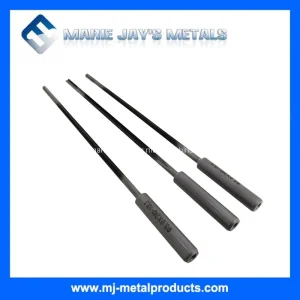
By partnering directly with local primary tungsten miners and processing facilities, we stabilize raw material costs and guarantee consistent supplies of top-tier raw carbide powders and rods, even during global market shifts.
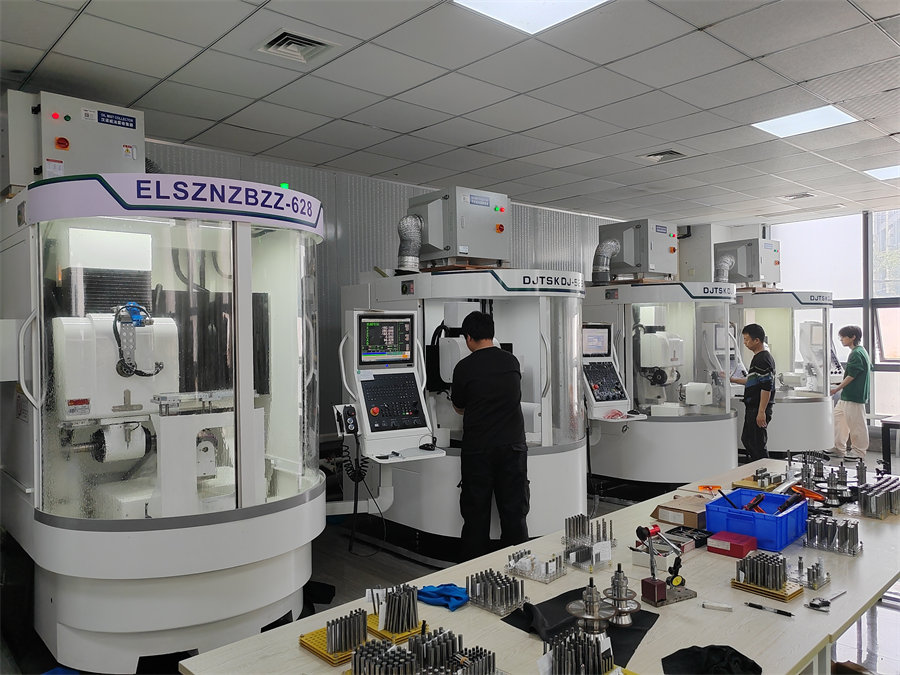
Our facility runs imported automated grinding machines that enable rapid prototype iterations and mass production. High automation levels eliminate human variables, maintaining high geometric accuracy across batches.
We support versatile manufacturing options, tailoring helix angles, coating chemistry, and core diameters for specific client applications. This responsive engineering cycle reduces concept-to-market times by up to 40% compared to Western competitors.
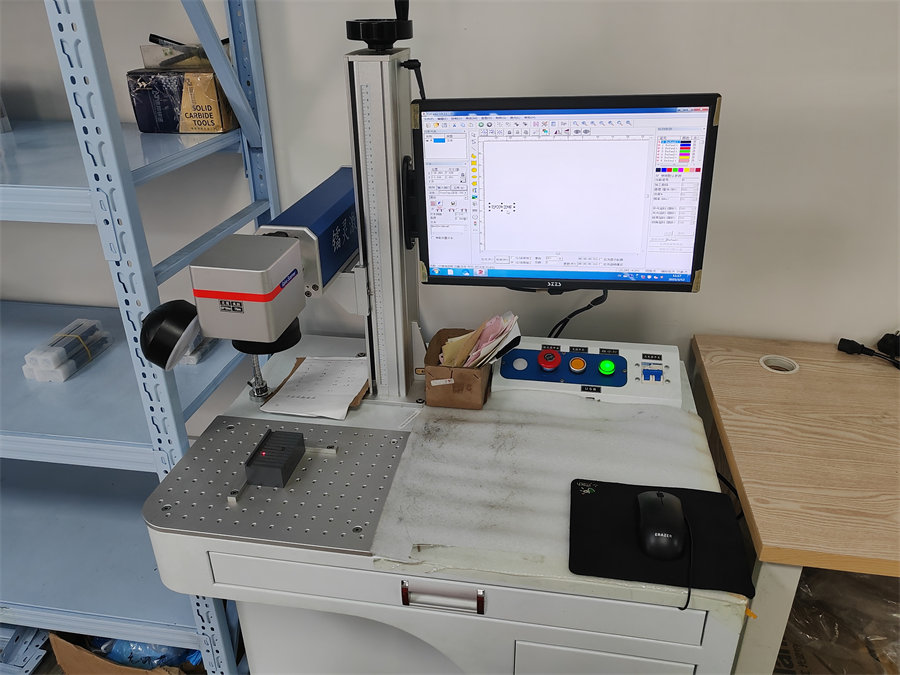
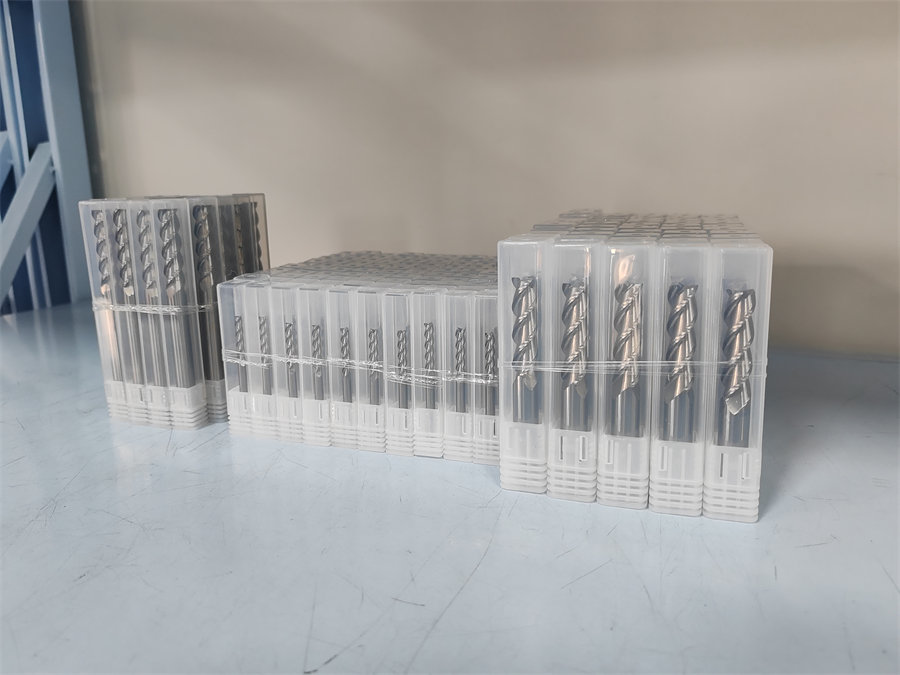
A visual insight into our strict quality control, advanced machinery, and systematic workflow steps. Our facility coordinates specialized machinery to produce high-performance industrial tools.
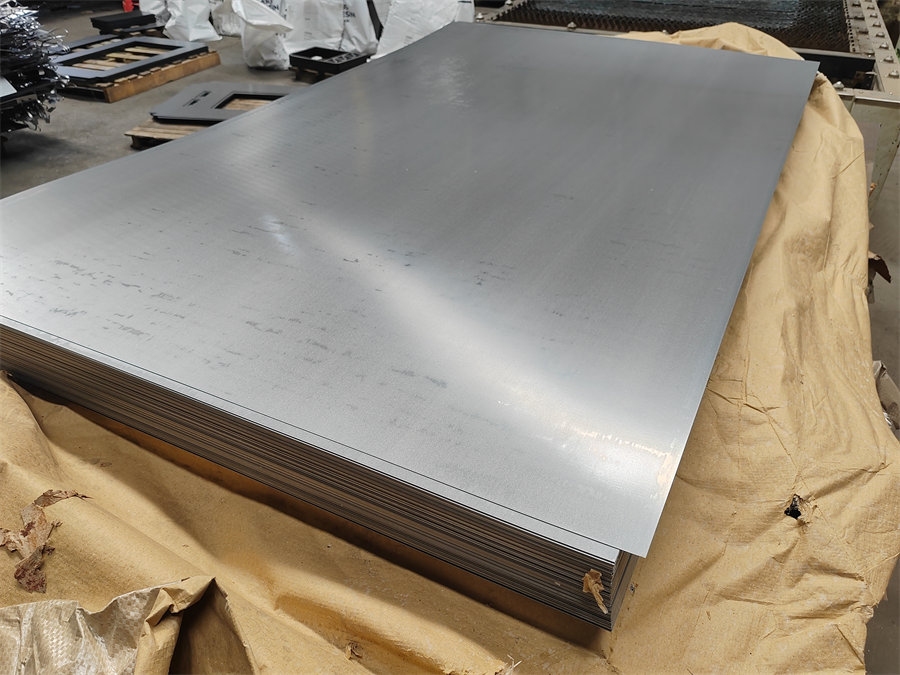
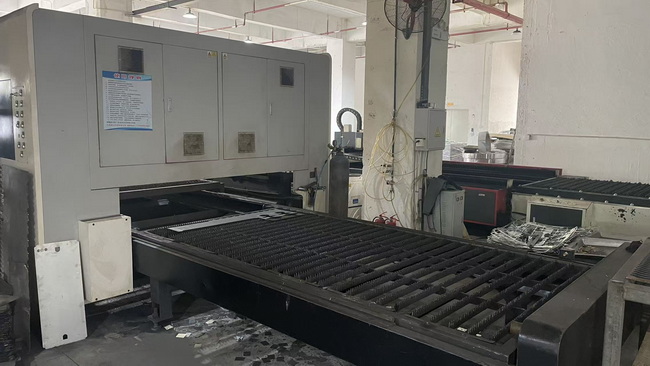
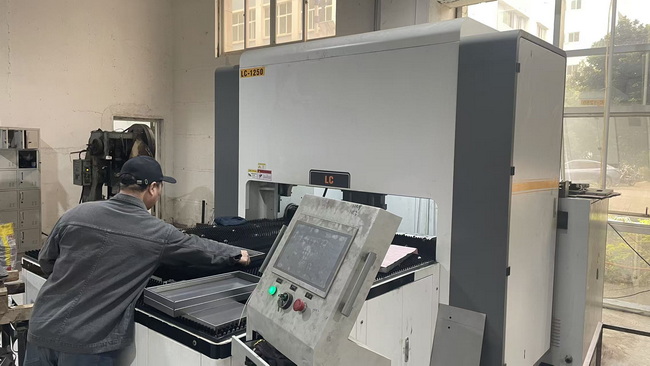
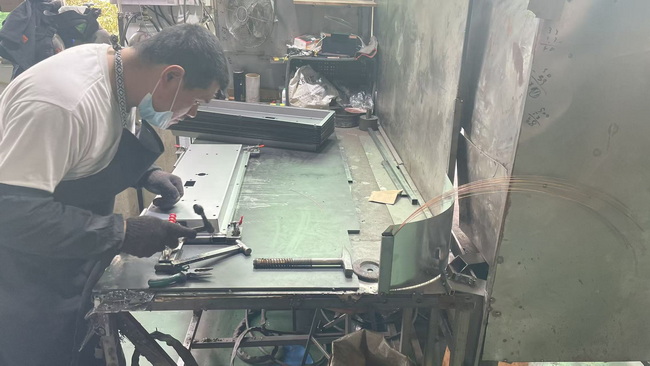

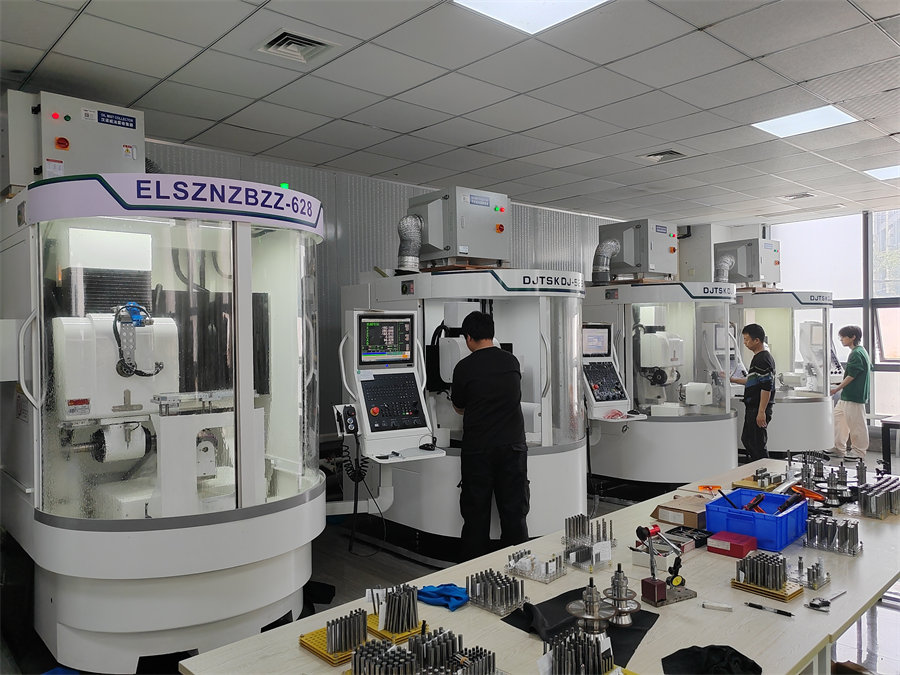
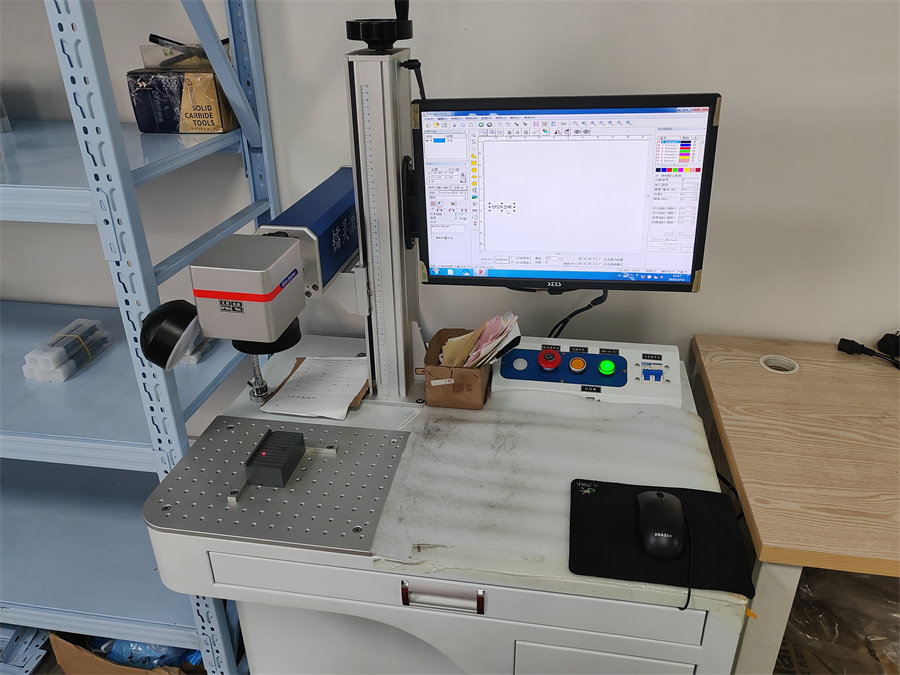
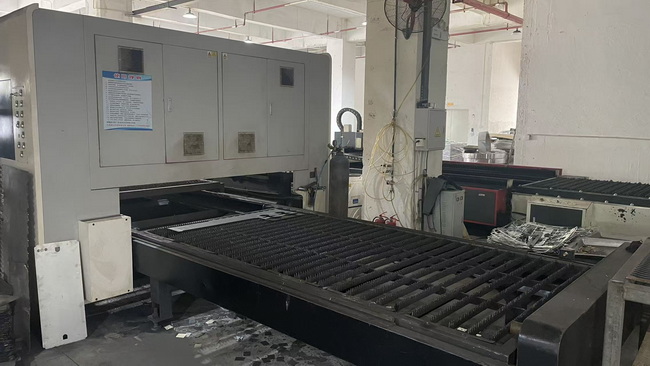

Refractory cutting tools play key roles in specialized applications across various industrial fields. Below are the primary environments where our tool geometries perform consistently:
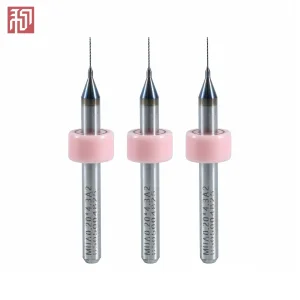
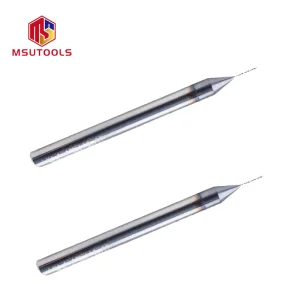
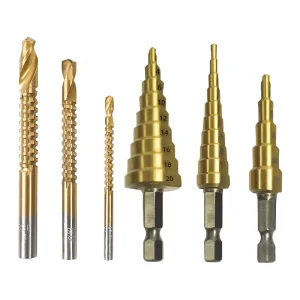
Miniature electronic components require precise, burr-free drilling in composite fiberglass (FR4) and copper-clad laminates. Our 0.4mm micro carbide drill bits, optimized with TiN or DLC coatings, prevent heat buildup, reduce delamination risks, and maintain dimensional accuracy during long-run CNC runs.
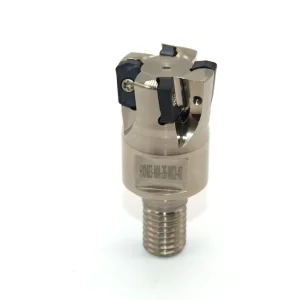
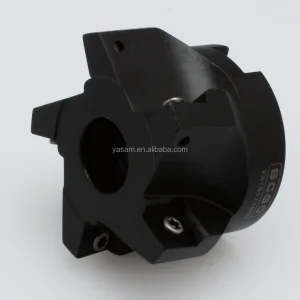
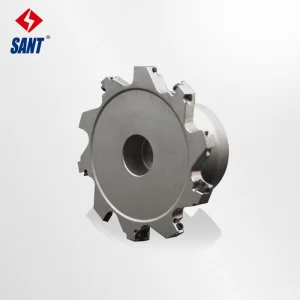
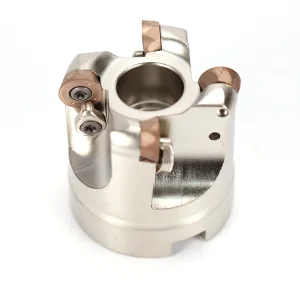
Processing turbine components made of Inconel or Titanium alloy demands tools that resist high temperatures. Our HRC55 Nano Blue and indexable face mills are designed with geometries that direct heat into the chips rather than the cutting edge, reducing wear and improving surface finishes.
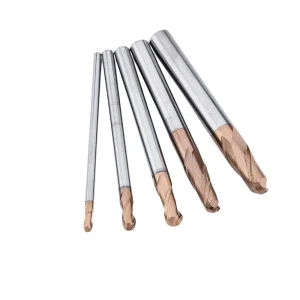
Heavy machinery and gold ore extraction gear face continuous mechanical impact. Components such as knee mills and heavy-duty ball screws must be machined from tough alloys. Our indexable mills and carbide ball nose cutters provide the mechanical strength needed to process these parts reliably.
As high-speed machining (HSM) and dry-milling techniques gain traction globally, the design of cutting tools must evolve. We identify several trends shaping the industry:
Conventional carbide alloys struggle with the thermal stress of dry-machining refractory metals. Developing sub-micron and nano-grain tungsten carbide substrates helps prevent micro-chipping along the cutting edge. This fine grain size increases both structural toughness and hardness, helping the tool withstand intense thermal cycling.
With variable helix angles and unequal index pitches now common in precision milling, tools can suppress vibration during high-speed machining. These geometries disrupt natural harmonics, reducing chatter to improve surface finish quality and extend machine spindle life.
For international buyers seeking reliable supplies of custom-engineered cutting tools, we recommend prioritizing these key verification metrics:
Browse our secondary selection of specialized tooling, optimized for deep-hole drilling, face milling, and indexable machining applications.
Common questions regarding high-precision solid carbide tool applications, parameters, and customization.
 Tier Tool