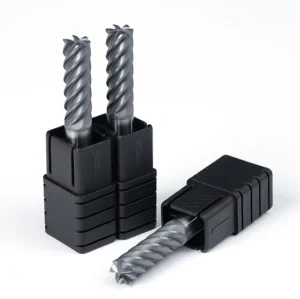
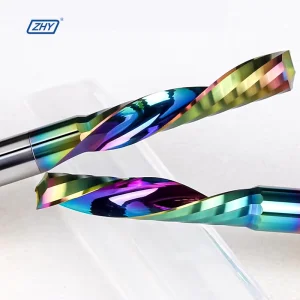
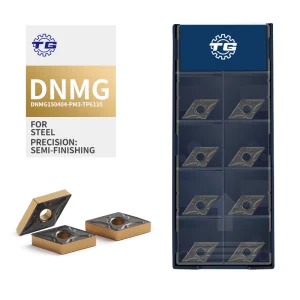
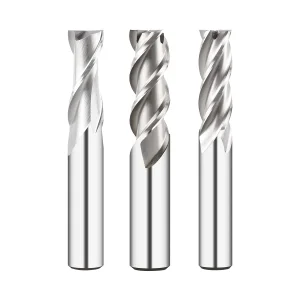
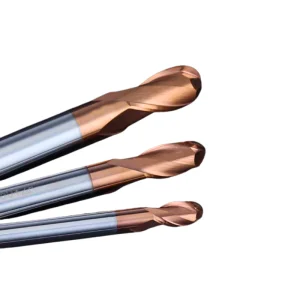
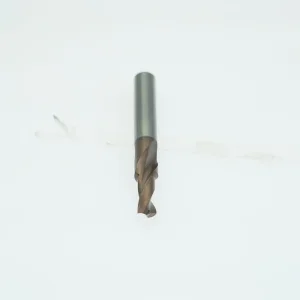
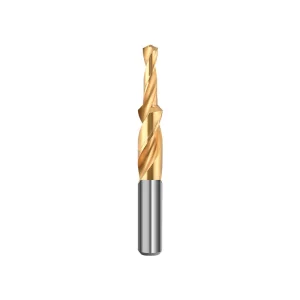
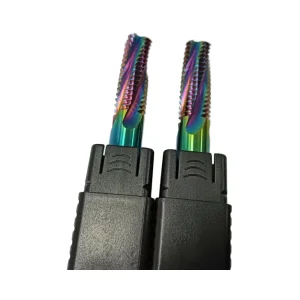
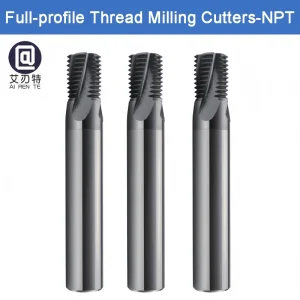
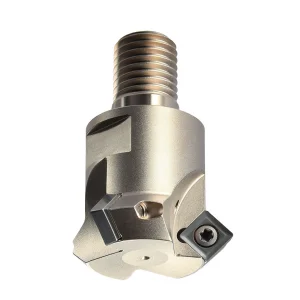
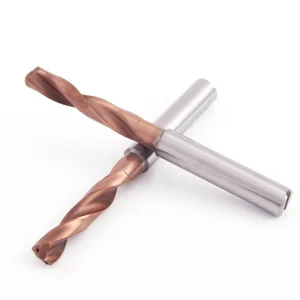
In modern manufacturing ecosystems, precision profiling represents the difference between high-tolerance component alignment and cataclysmic structural assembly failures. At the center of this dynamic is the V Slot Cutter (commonly categorized as V-grooving cutters, chamfer mills, and indexable V-cutters). These specialized rotary tools are engineered to execute exact angular milling, chamfering, countersinking, and profiling on substrates ranging from soft non-ferrous aluminum profiles to highly abrasive aerospace-grade titanium and composite fiberboards.
Across Europe, North America, and the Asia-Pacific region, the demand for precision-engineered V-slot profiles has escalated exponentially. This surge is predominantly driven by the modular automation sector—where T-slot and V-slot aluminum extrusions (such as the standard 2020, 2040, and 4040 profiles) form the skeletal framework for linear motion systems, CNC gantries, 3D printers, and automated pick-and-place robotics. Achieving high-performance linear travel requires the internal angles of these extrusion grooves to be milled to micro-tolerances. Any geometric deviation induces frictional drag, premature wear of delrin wheels, and dimensional inaccuracies in the overall mechanical system.
Simultaneously, the architectural cladding and packaging industries rely heavily on structural V-grooving. Aluminium Composite Materials (ACM) and heavy-duty plastics require clean 90-degree or 135-degree folds. If the V-slot cutter tears the material or leaves microscopic burrs at the base of the groove, the subsequent bending process will compromise the outer skin's tensile integrity, causing visual stress-fractures or structural failure. Consequently, modern industrial procurement is no longer just looking for "cutters" but rather seeking highly engineered tooling solutions capable of delivering consistent surface finish, predictable tool life, and precise dimensional repeatability.
The global tooling supply chain has undergone a massive paradigm shift. Historically, high-end precision cutting tools were solely the domain of boutique Western European suppliers. Today, advanced industrial clusters in China, particularly within Jiangsu province, have bridged the gap by combining high-capital technological investments with unmatched supply chain integration.
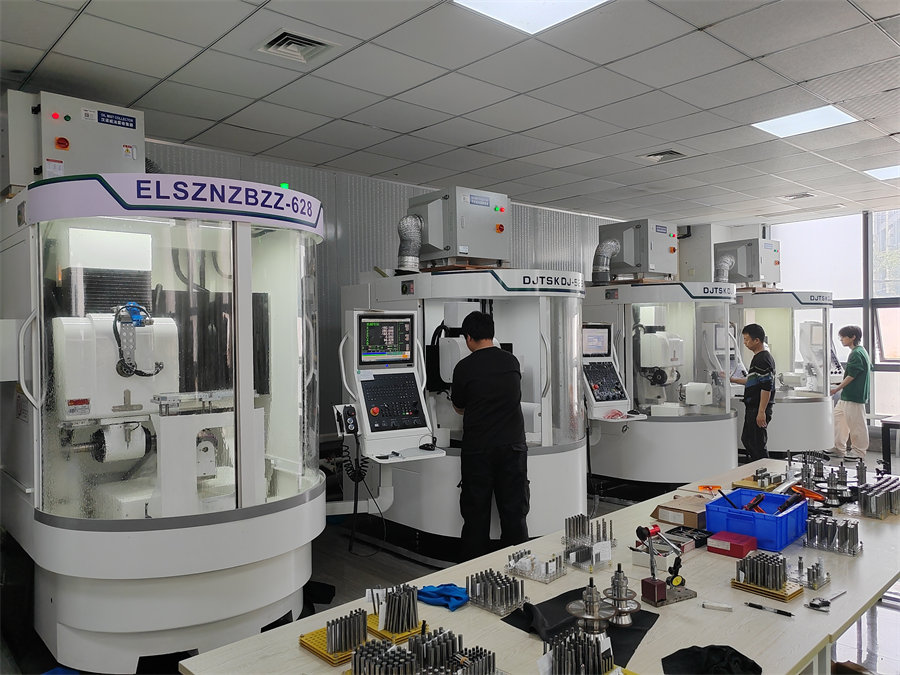
At Suzhou Tier Tool Co., Ltd., this manufacturing synergy translates into a direct cost-to-performance advantage for our international partners. By utilizing imported, state-of-the-art CNC tool grinding systems (such as Walter and ANCA machines) along with precision German Zoller measurement apparatuses, we ensure that every single batch of V-slot cutters and end mills aligns with international DIN standards.
Unlike rigid western tooling setups, Chinese agile manufacturing allows us to process custom configurations (such as non-standard angles, stepped diameters, and specialized shank lengths) within record timeframes.
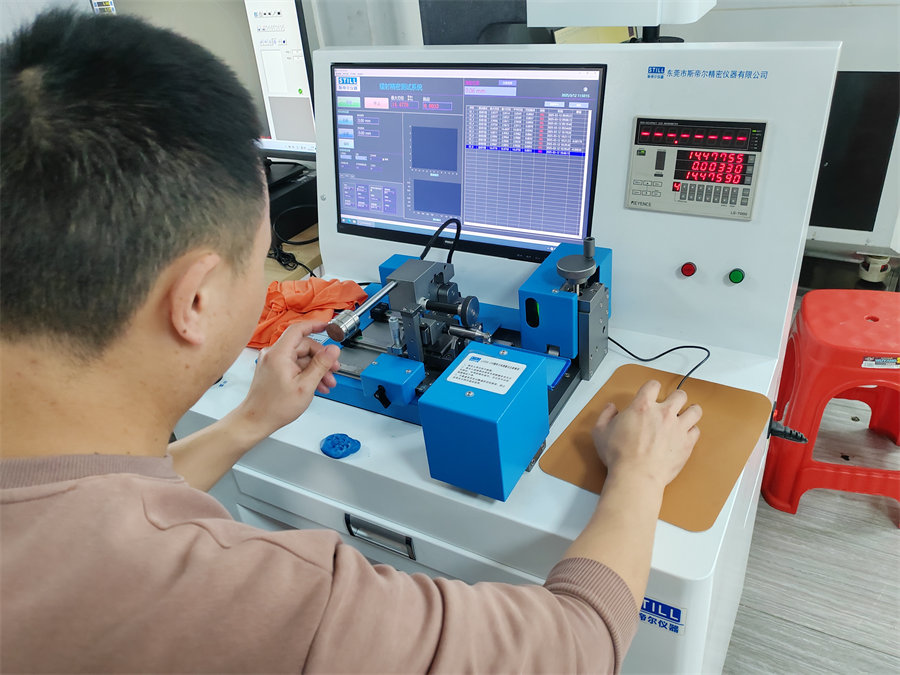
Every tool undergoes dynamic runout tests. A deviation as small as 8 microns can decrease tool longevity by up to 50%; our standards restrict runout to under 5 microns, maximizing feed rate efficiency on the factory floor.
Milling V-slots in tough materials like Ti-6Al-4V titanium and aerospace aluminum alloys requires tools that resist built-up edge (BUE). High-helix V slot cutters coated with TiAlN prevent material welding, ensuring structural parts pass strict crack-detection inspections.
In electronics manufacturing, high-volume printed circuit boards (PCBs) use V-scoring for easy panel separation. Our solid carbide V-groove routers deliver clean cuts without delaminating glass-epoxy (FR4) substrates, preventing micro-short-circuits.
Architectural folding requires 90, 120, or 135-degree V-grooving on composite materials. Standard cutters leave rough edges that crack during folding. Our polished flute geometry ensures clean, clean bends without micro-cracks.
The manufacturing world is moving toward high-speed, dry machining processes to reduce cooling fluid costs and environmental impact. To survive the high thermal stress of dry cutting, modern V slot cutters require nano-composite coatings like TiAlSiN, which form a protective glass-like layer at high temperatures.
Additionally, we are seeing a shift toward smart manufacturing setups where variable helix designs and unequal index spacing are applied to V slot cutters. These design tweaks break up harmonics, reducing chatter during high-depth cuts. This allows operators to run higher feed rates while maintaining a mirror-like surface finish.
Industrial purchasing agents and tool engineers must look beyond basic pricing to assess total cost per part. A cheaper cutter that wears out after 100 cycles costs significantly more in downtime, replacement labor, and scrap than a premium cutter that delivers 1,000 cycles.
| Workpiece Substrate | Recommended Carbide Grade | Coating Selection | Optimal Flute Design |
|---|---|---|---|
| Structural Aluminum Alloys | Micrograin Carbide (10% Co) | Uncoated (Polished Flute) / DLC (Diamond-Like) | 2-Flute, High-Helix (35° to 45°) |
| Stainless Steel (304/316) | Ultra-Micrograin Carbide (12% Co) | AlTiN or TiAlSiN Nano-Composite | 4-Flute, Variable Pitch |
| Abrasive Fiberboard & MDF | Sub-Micrograin Carbide (8% Co) | Diamond Coated (CVD) | Single or Double Flute, Straight / Down-Cut |
At Suzhou Tier Tool, we assist procurement agents in selecting raw materials, coating hardiness, and geometries. We focus on matching dynamic tool life with your machine speed parameters to keep lines running efficiently.
Established in 2008, Suzhou Tier Tool Co., Ltd. is a national high-tech enterprise specializing in the design, manufacturing, and technical support of precision solid carbide cutting tools. We are committed to the precision machining industry, focusing on high-performance, high-efficiency cutting solutions for hole-making, milling, and metalworking applications.
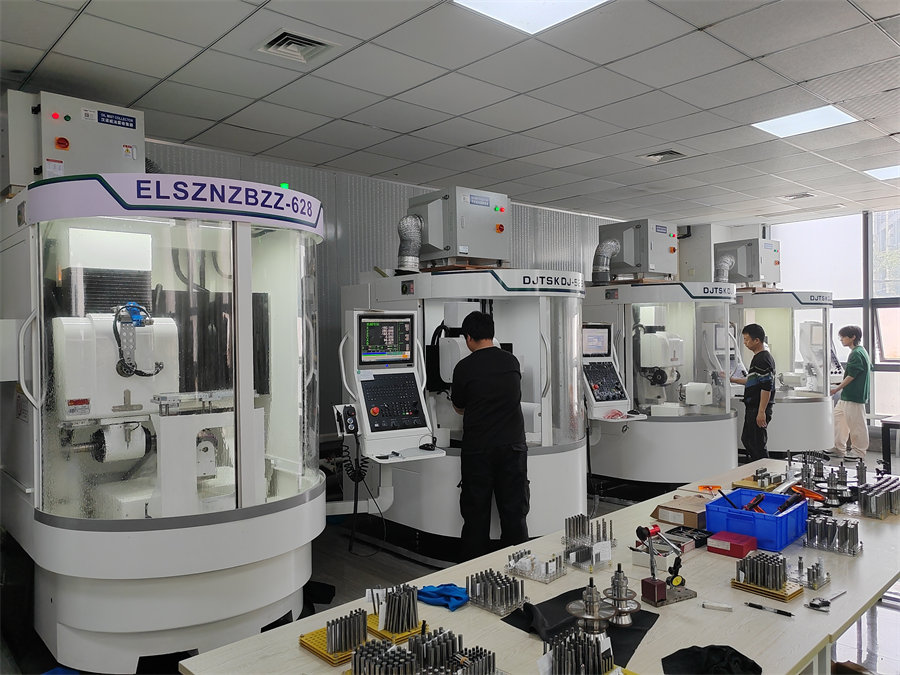
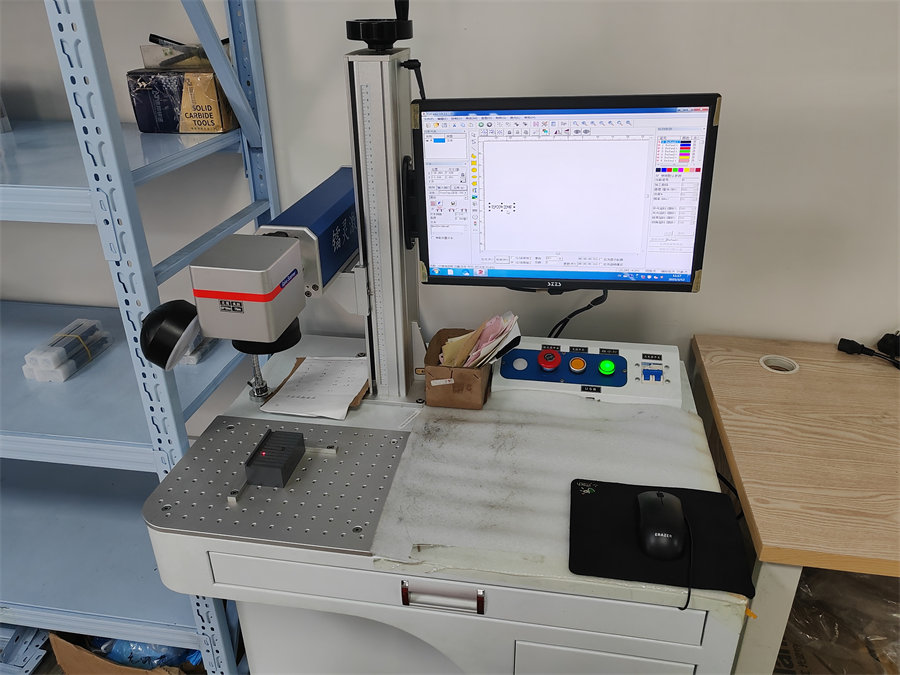
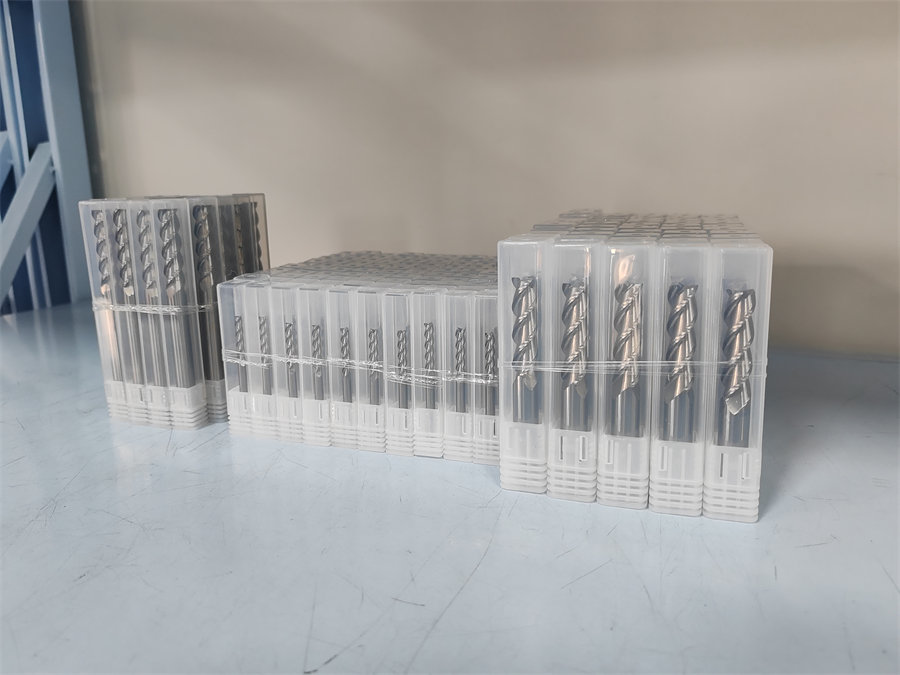
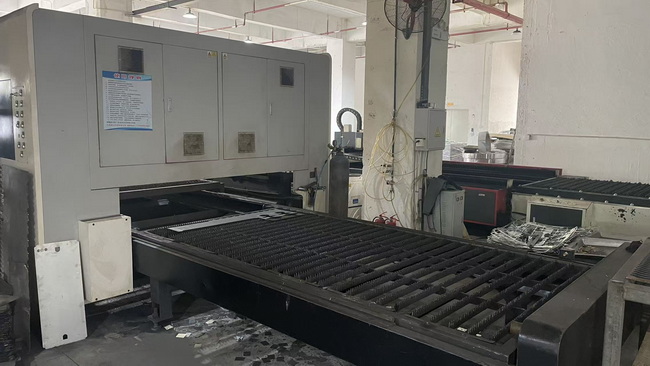
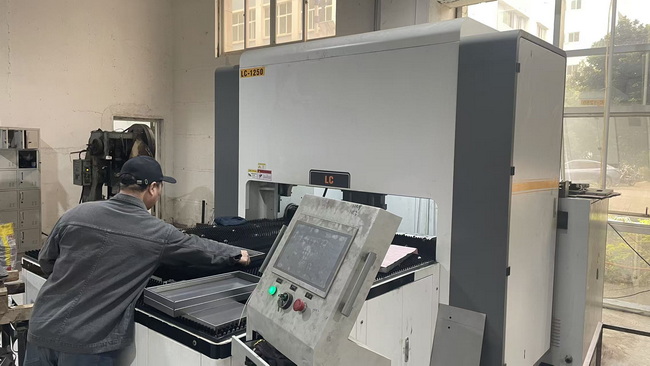
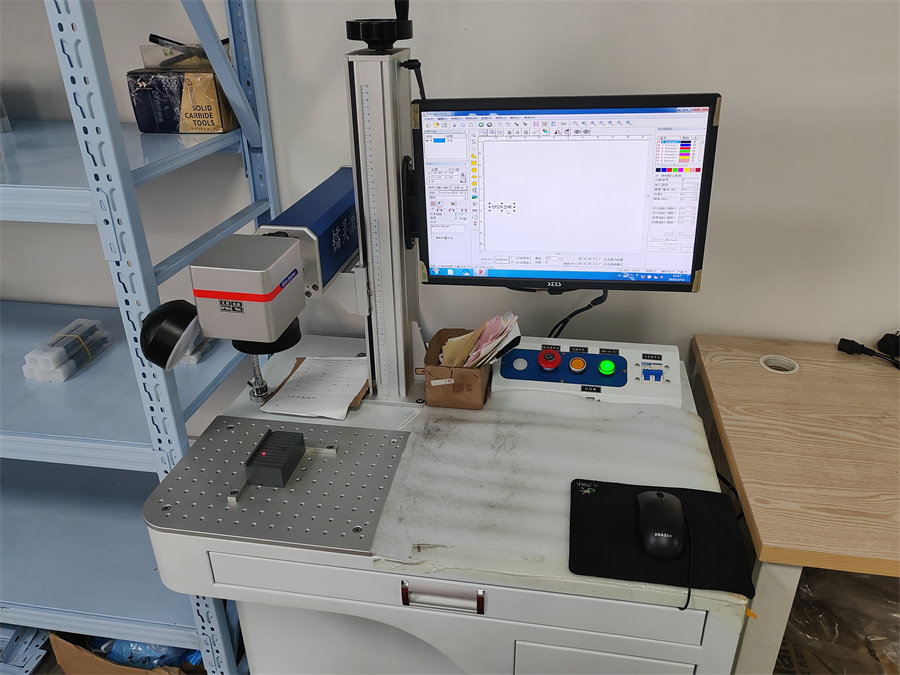
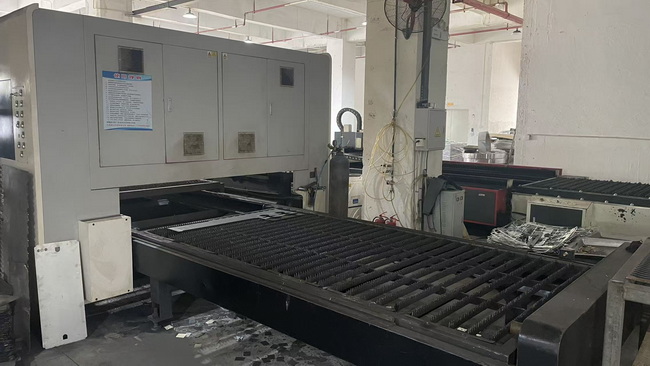
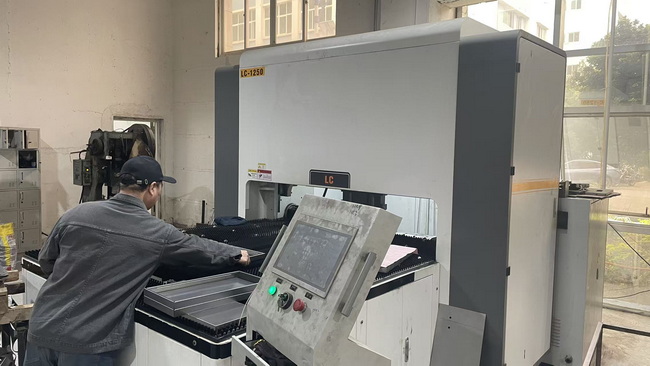
To ensure high accuracy and batch consistency, Tier Tool has invested extensively in advanced manufacturing equipment. The company operates multiple imported CNC grinding machines and precision inspection systems, covering the entire process from tool design and prototyping to small-batch testing and large-scale production.
 Tier Tool