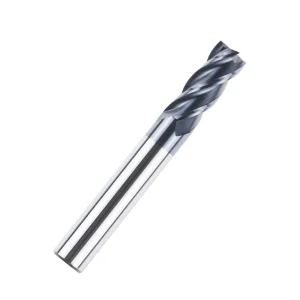
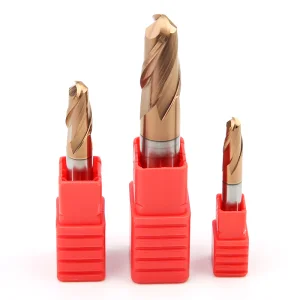
High-performance tooling geometries optimized for gold mining component repair and localized manufacturing operations across Accra, Tema, and Kumasi.
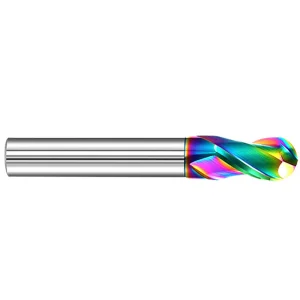
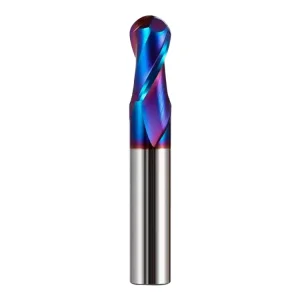
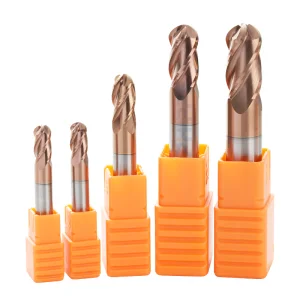
Understanding the technical tooling demands of Ghana's manufacturing corridors, mining hubs, and metal fabrication shops.
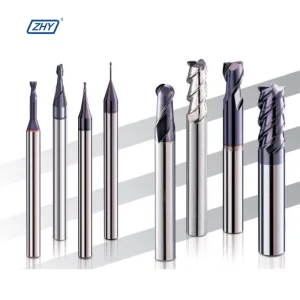
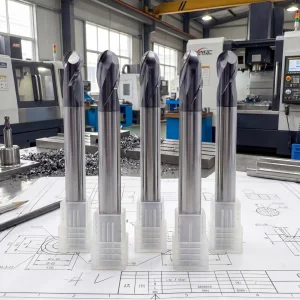
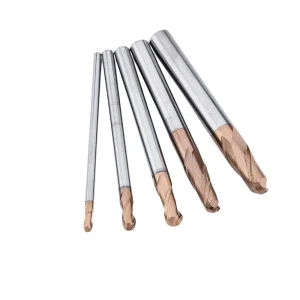
Ghana, representing one of the largest gold producers in Africa, possesses a high concentration of gold mining sites, including major hubs in Obuasi, Tarkwa, and Ahafo. Mining operations run 24/7, exposing processing equipment, drill components, and custom hydraulic valves to extreme physical wear. Replacing imported machine components incurs significant freight costs and downtime. Localized machine shops are increasingly setting up advanced CNC systems to remanufacture and refurbish key steel alloys, manganese castings, and bronze guides. High-durability ball nose mold end mills are essential for profiling complex three-dimensional geometries in these high-strength components.
Agriculture remains a key component of Ghana's domestic economy. From cocoa processing facilities in Tema to rice mills in the northern regions, the need for custom wear parts, blades, and packaging machinery parts is constant. Tooling solutions like HRC55 and HRC65 carbide end mills allow CNC operators in Accra and Tema to machine complex feed screws, extrusion dies, and blade assemblies locally. This localization reduces lead times from weeks to days, helping maintain uninterrupted production schedules across the agricultural supply chain.
Opting for micro-grain tungsten carbide ball nose end mills ensures tool edge stability under high-temperature conditions. This performance level is critical for CNC facilities in tropical climates that may experience fluctuating cooling efficiencies. Precision-engineered tooling minimizes tool breakage, leading to predictable tool life and lower production costs.
Why the chemical composition and mechanical structure of Tier Tool's carbide ball nose end mills outperform standard carbon steels.
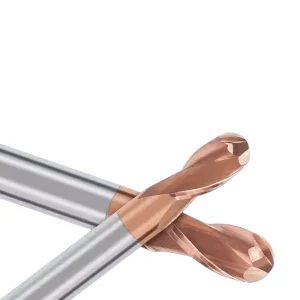
Our tools utilize an ultra-fine grain tungsten carbide substrate blended with 10% to 12% Cobalt binder. This specific formulation balances fracture toughness and abrasive wear resistance. The micro-grain structure limits micro-chipping along the cutting edge, which is vital when profiling hardened tool steels like H13, D2, or P20.
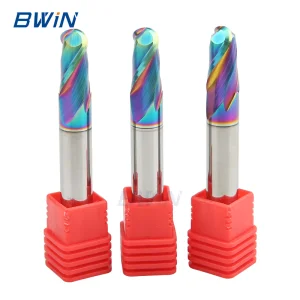
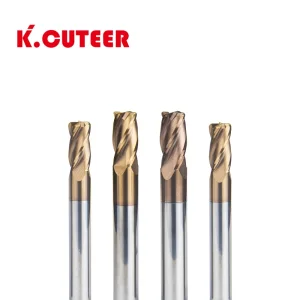
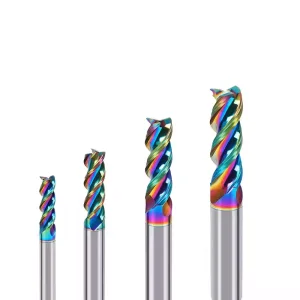
We apply physical vapor deposition (PVD) coatings, such as AlTiN (Aluminum Titanium Nitride) and Nano Blue. These coatings create a high-hardness thermal barrier, allowing the tool to operate at higher feed rates and speeds without burning the cutting edge. AlTiN coatings form an aluminum-oxide layer at elevated temperatures, directing heat into the chips rather than the workpiece.
A 30-degree to 35-degree variable helix angle helps reduce chatter and vibration. In deep-cavity mold milling, this geometric design aids in constant chip evacuation, preventing chip recutting. This is a primary cause of premature tool failure in pocketing operations.
| Workpiece Material | Material Hardness | Recommended Coating | Cutting Speed (Vc m/min) | Feed per Tooth (Fz mm/tooth) | Cooling Type |
|---|---|---|---|---|---|
| Carbon Steel (S45C, 1045) | < 30 HRC | TiAlN / AlTiN | 120 - 180 | 0.02 - 0.08 | Emulsion / Air Blow |
| Pre-Hardened Mold Steel (P20, NAK80) | 30 - 45 HRC | AlTiN / Nano Blue | 80 - 120 | 0.015 - 0.06 | Compressed Air / Mist |
| Hardened Die Steel (H13, D2, SKD61) | 48 - 58 HRC | Nano Blue / DLC | 60 - 90 | 0.01 - 0.04 | Dry Air Blow |
| Aluminum Alloys (6061, 7075) | Soft / Non-Ferrous | Uncoated / DLC | 250 - 400 | 0.03 - 0.12 | Flood Coolant |
A national high-tech enterprise specializing in the design, manufacturing, and technical support of precision solid carbide cutting tools.
Established in 2008, Suzhou Tier Tool Co., Ltd. is a dedicated manufacturer in the precision solid carbide cutting tool industry. Since its foundation, Tier Tool has focused on the precision machining sector, delivering high-performance cutting solutions for hole-making, metalworking, and advanced 3D surface milling applications. Through continuous technological innovation and manufacturing processes, the company has established relationships with customers across global markets, including serving emerging industrial facilities in Ghana and broader West Africa.
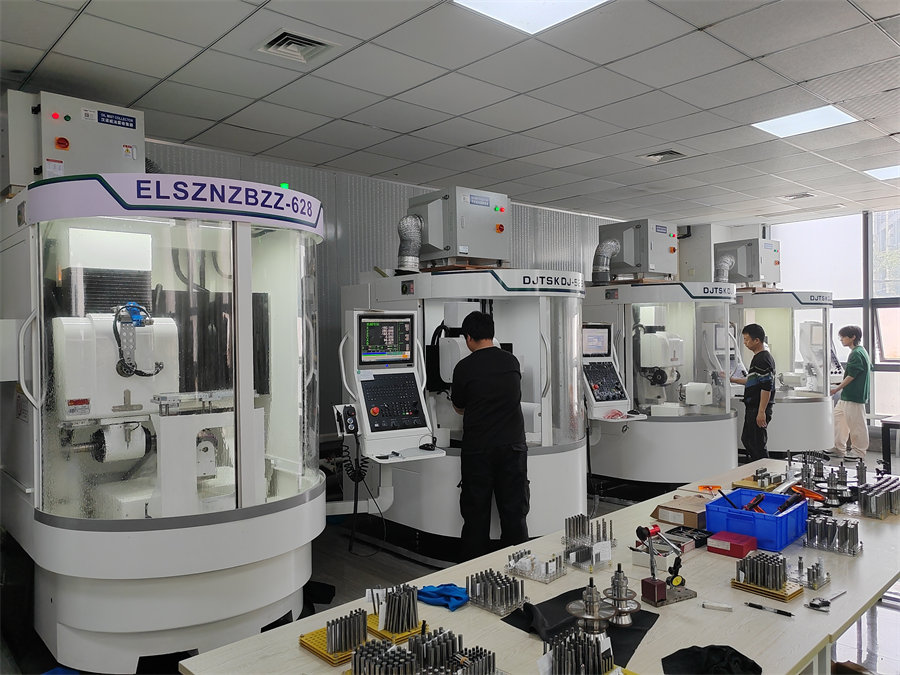
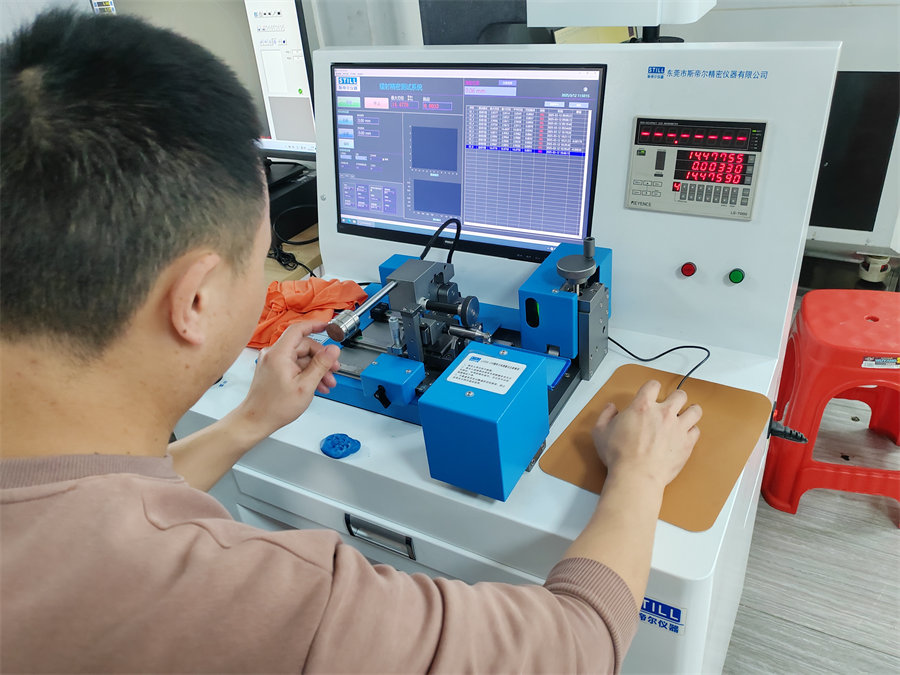
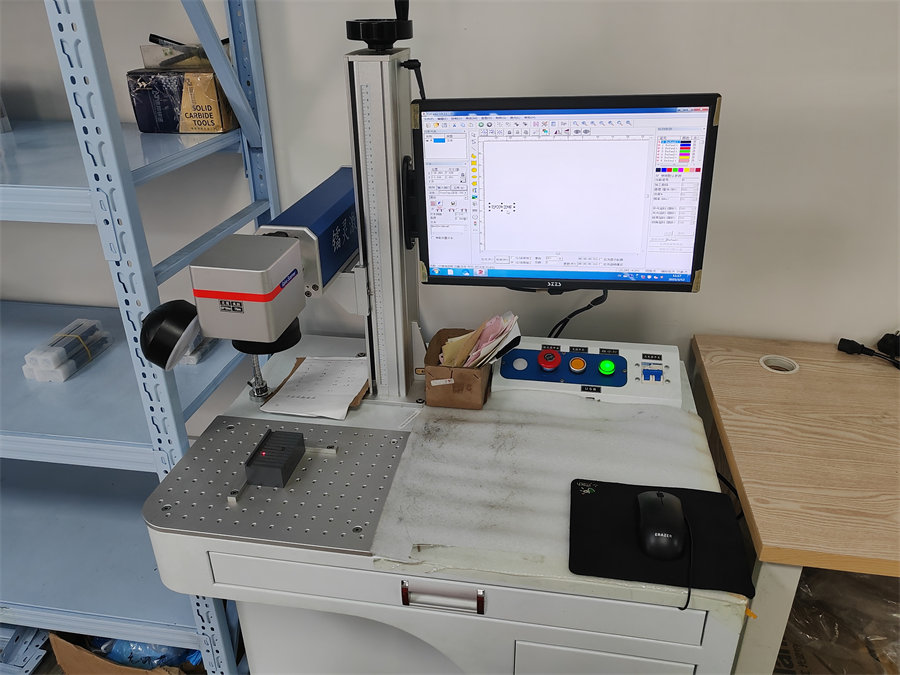
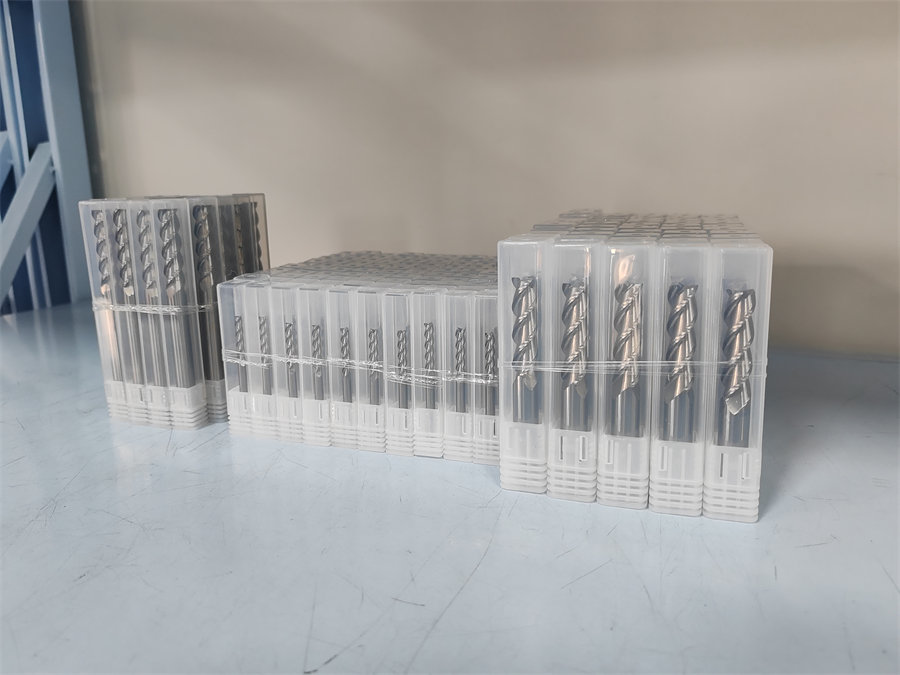
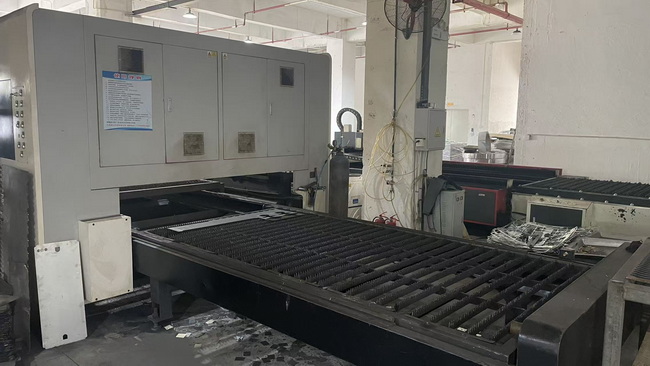
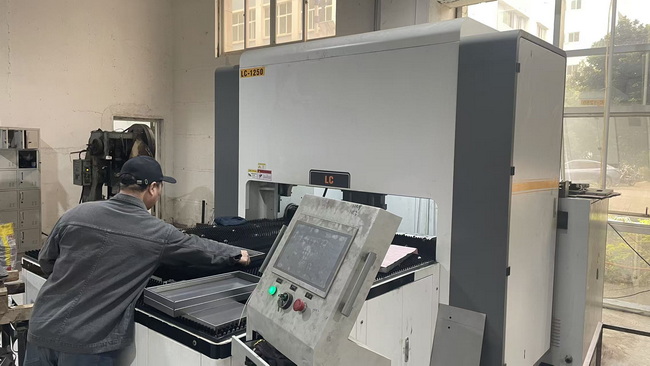
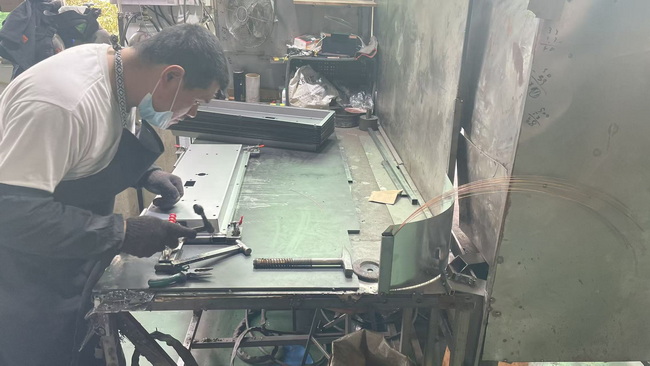
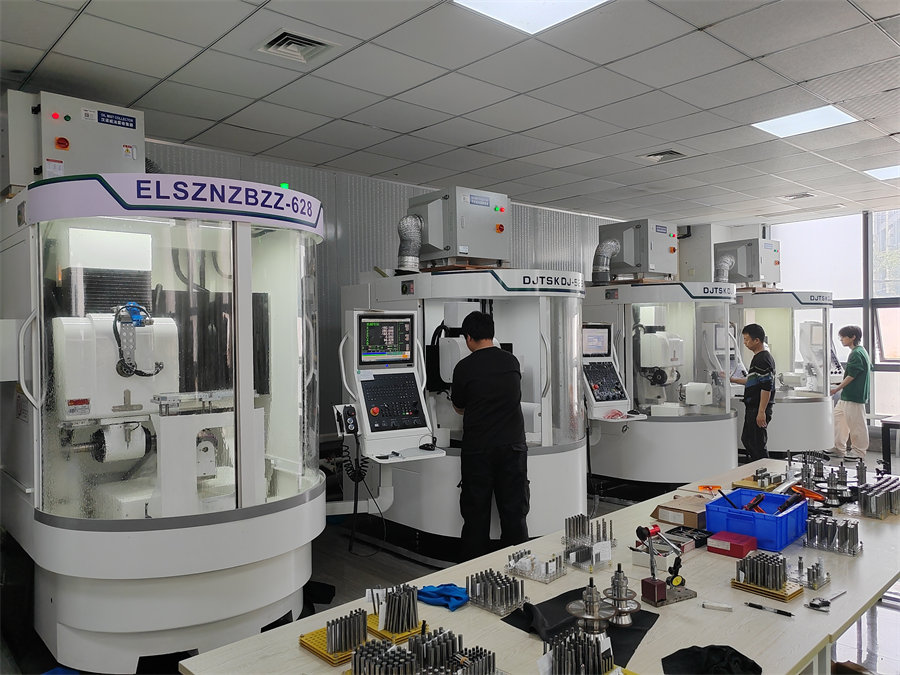
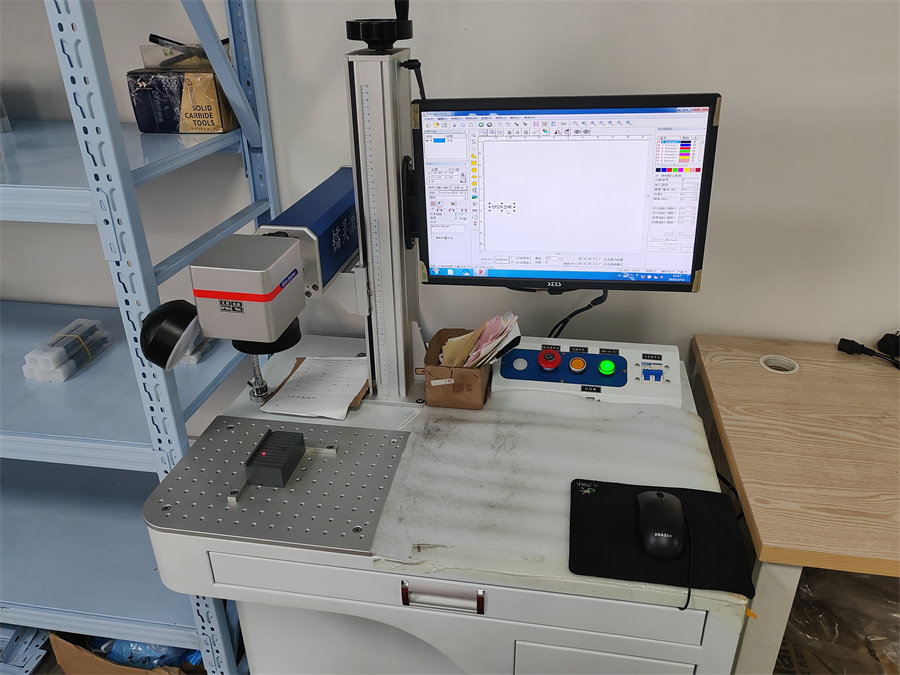
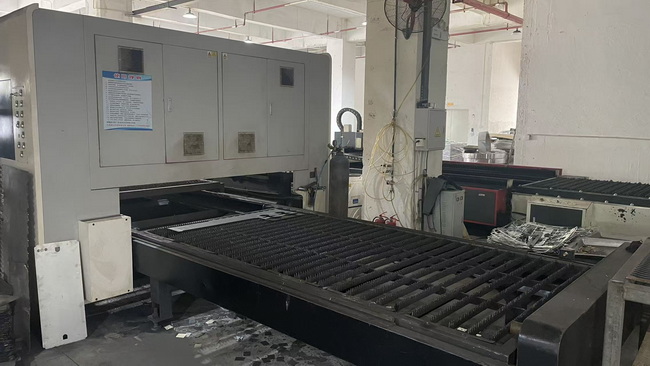
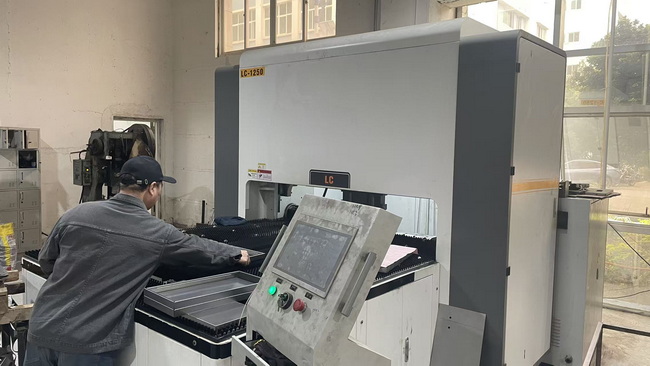
To maintain high standards of precision and consistency, Tier Tool has invested in advanced manufacturing equipment and testing technologies. The company operates multiple imported CNC tool grinding machines alongside precision inspection systems. This setup enables complete in-house capabilities from initial tool design and prototyping to small-batch performance testing and high-volume production. Our quality control system is built upon process control and traceability standards, ensuring repeatability and reliable delivery performance across all product lines.
Streamlining lead times, customs clearance, and local support to ensure reliable tooling supply chains.
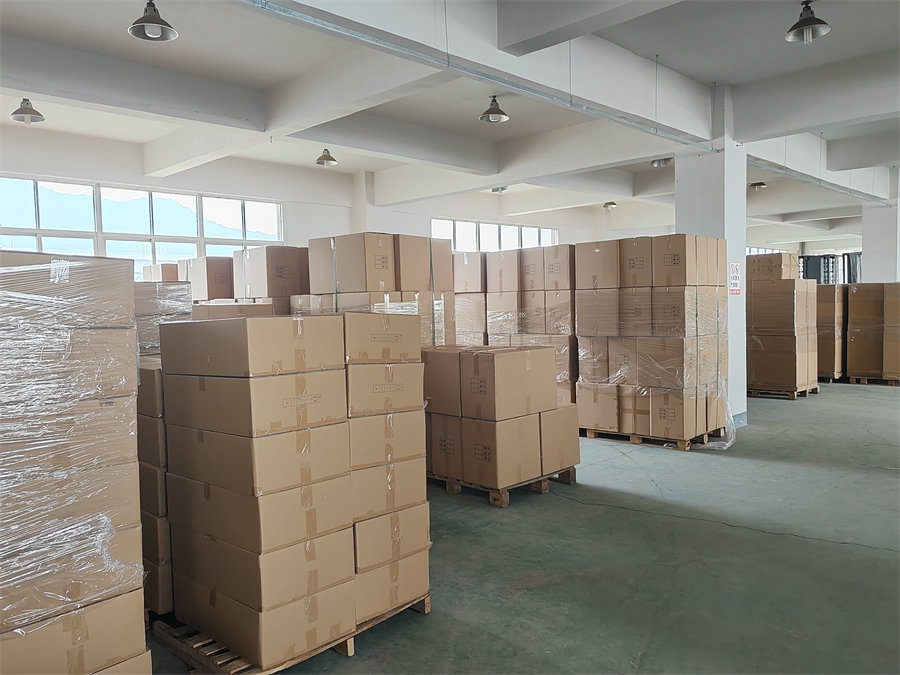
For urgent tooling requirements, we utilize air express services (DHL, FedEx, UPS) to deliver orders to Accra (Kotoka International Airport) in 5 to 7 business days. For stock replenishment orders, sea freight to the Port of Tema offers a cost-effective option for bulk quantities. We handle customs documentation, including HS codes (typically 820770 for milling tools), to support smooth import clearance.
Many tooling requirements call for non-standard lengths, unique neck diameters, or specific corner radii. Our design department can manufacture custom carbide end mills based on your CAD drawings or physical tool samples. Custom manufacturing helps resolve tooling clearance issues when machining complex, hard-to-reach pockets in industrial dies.
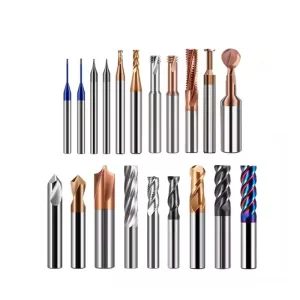
Review our full list of carbide cutting tools and ball nose mills available for shipment to Ghana and worldwide markets.
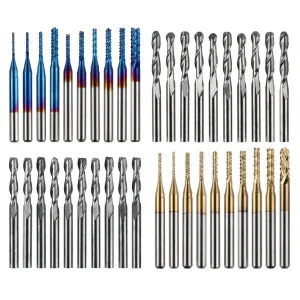
Technical and logistical insights for manufacturing operations and sourcing managers procuring end mills.
Connect with our technical engineering team to receive customized tooling recommendations, detailed catalog specifications, and wholesale pricing for the African market.
 Tier Tool