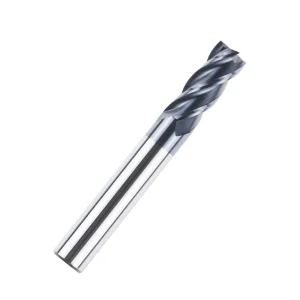
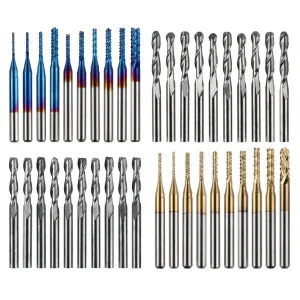
Engineered for extreme performance, precise runout control, and enhanced tool life in Nagoya's die and mold shops.
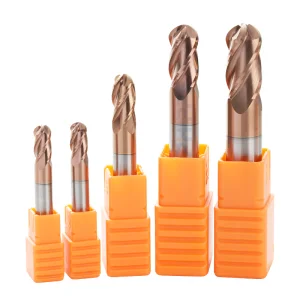
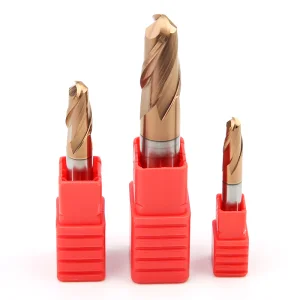
Nagoya, the capital of Japan’s Aichi Prefecture, stands as the central powerhouse of Japanese heavy industries and manufacturing (known globally as Monozukuri). The Chubu region is home to the world's most sophisticated automotive supply chains, aerospace manufacturing consortia, and precision machinery builders. At the heart of this industrial network lies the high-precision die and mold industry. Tooling workshops in Nagoya produce the complex, high-accuracy molds required to stamp out automotive outer body panels, inject high-durability polymer parts, and press carbon-fiber composites for advanced aviation projects.
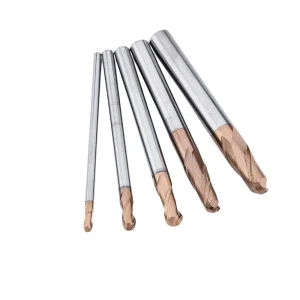
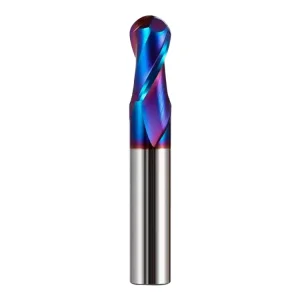
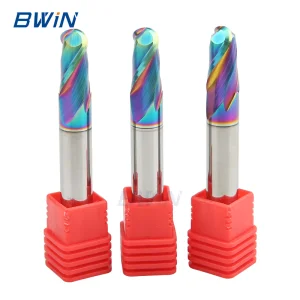
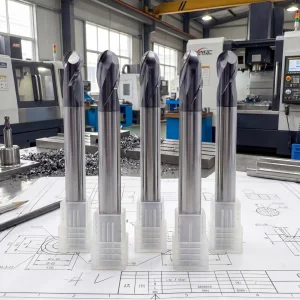
In this high-stakes manufacturing environment, Ball Nose Mold End Mills serve as the foundational tool for creating complex three-dimensional curves, complex mold cavities, and smooth organic contours on hardened tool steels. Achieving the flawless surface finishes demanded by Tier 1 suppliers requires tooling that can withstand hours of continuous milling with negligible tool wear and sub-micron runout accuracy. Standard off-the-shelf end mills fail to meet the rigorous demands of local Nagoya operators, who measure efficiency not only by feed rates but by cycle stability and tool life predictability.
To operate profitably in Nagoya's industrial landscape, factories require strategic tools manufactured under strict metallurgical control. As a premier partner to die, mold, and aerospace enterprises worldwide, Suzhou Tier Tool Co., Ltd. provides specialized solid carbide ball nose end mills designed specifically to interface with Japanese-built high-speed machining centers, such as those from Makino, Yasda, Mazak, and Okuma, optimizing tool paths and achieving superior surface finish (Ra < 0.2 μm) directly out of the machine.
When executing deep cavity contour milling, regenerative vibration (chatter) is the primary enemy of both tool life and surface quality. Our high-performance ball nose end mills feature variable helix angles and unequal indexable flute spacing. This geometry breaks the harmonic frequencies generated during high-speed cutting. By shifting the natural frequencies of the tool body, we suppress resonance, which allows engineers in Nagoya to increase radial depth of cut (Ae) and axial depth of cut (Ap) without sacrificing tool edge integrity.
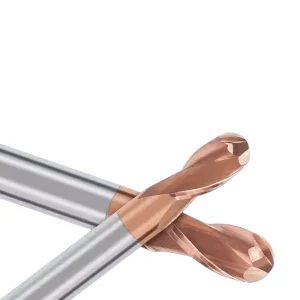
Furthermore, our ball nose geometry incorporates a specialized core-diameter taper. The core diameter gradually increases from the tip towards the shank, maximizing rigidity at the base of the cutting zone while maintaining ample chip pocket volume near the ball nose radius. This design prevents tool deflection when executing steep vertical walls or high-speed climb milling operations in deep mold pockets.
The foundation of cutting tool excellence lies in the grain structure of the base metal. Suzhou Tier Tool utilizes ultra-fine micro-grain tungsten carbide (WC) substrates with a mean grain size ranging from 0.2 μm to 0.5 μm. Sourced from premier global powder suppliers, these substrates blend high cobalt binder content (typically 10% to 12% by weight) with advanced grain growth inhibitors. The result is a material that balances extreme hardness (necessary to resist abrasive wear when cutting materials like NAK80 and SKD61 steels) with high transverse rupture strength, preventing micro-chipping along the cutting edge.
In 3D mold finishing, the cutting speed at the absolute tip center of a ball nose end mill drops to zero. As a result, the tool performs a plowing action rather than shearing. Under high feed-rate conditions, this zero-velocity zone experiences immense localized pressures. Without an ultra-fine grain substrate and specialized tip-gash geometries, micro-welding and mechanical spalling occur almost immediately, causing premature tool failure. Our proprietary ball tip grind profile mitigates this issue by incorporating a variable rake angle at the tip, ensuring clean shearing even at near-zero cutting velocities.
Modern high-speed machining in Nagoya's mold industry utilizes dry or minimal quantity lubrication (MQL) setups to prevent thermal shocking and satisfy environmental compliance. This operational style subjects the cutting edge to extreme temperatures exceeding 900°C. To shield the carbide substrate, advanced physical vapor deposition (PVD) coatings are applied.
Precision tools are only as good as their application. In Nagoya and surrounding industrial corridors, our ball nose end mills are deployed across three critical manufacturing pillars:
Nagoya's automotive supply chain relies on hot-stamping dies made from high-strength tool steels such as SKD61, SKD11, and DAC55. These steels are pre-hardened to HRC 50-62 to withstand production runs of millions of cycles. Milling these tough alloys requires ball nose tools with high-temperature resistance and stable micro-geometries that maintain dimensional tolerances within microns over long 5-axis tool paths.
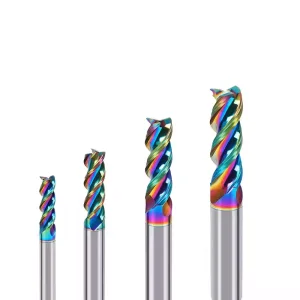
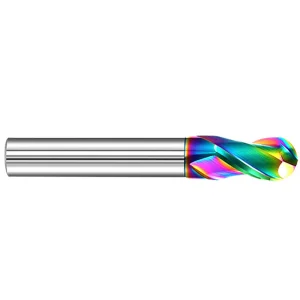
The aerospace cluster in Aichi Prefecture demands the high-speed milling of complex geometries out of solid blocks of aerospace-grade aluminum (7075-T6) and titanium alloys (Ti-6Al-4V). For aluminum, our high-helix 3-flute ball nose end mills (DLC coated) enable maximum metal removal rates (MRR) without clogging the machine's spindle. For titanium, our tools emphasize heat dissipation and cutting-edge toughness to combat the material's low thermal conductivity.
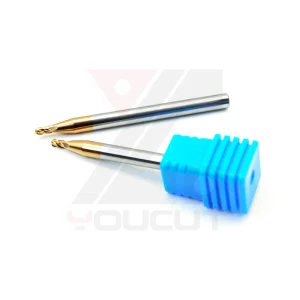
With the rise of autonomous driving sensors and high-frequency communication modules, Nagoya's electronics mold makers require micro-machining capabilities. We supply micro-diameter ball nose end mills (with ball radii down to R0.1) that allow shops to mill optical-grade glass molding cavities and copper semiconductor electrodes with optical-comparator levels of accuracy.
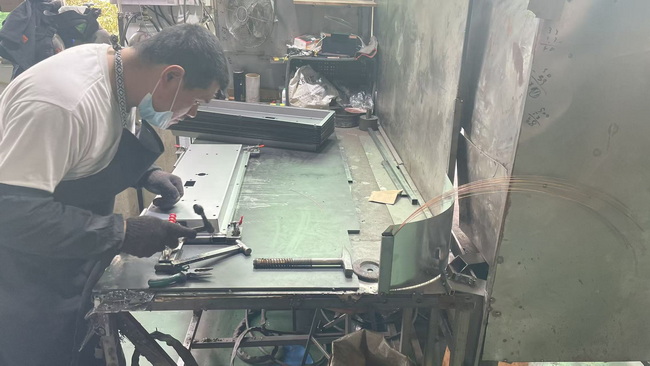
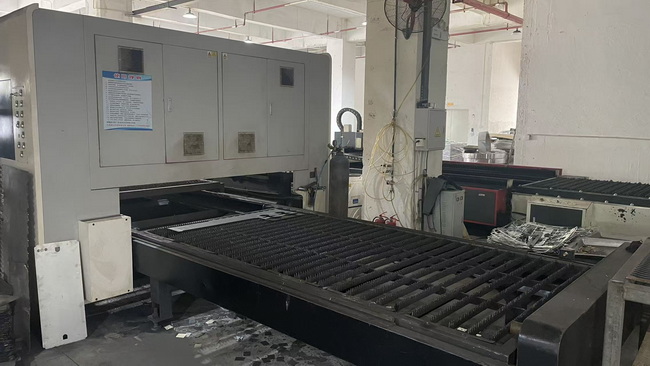
Founded in 2008, Suzhou Tier Tool Co., Ltd. has grown into a leading developer of custom CNC milling solutions. We manage the entire manufacturing cycle under one roof. Our state-of-the-art facility is equipped with automated tool grinding machines and optical inspection platforms, guaranteeing that every ball nose end mill delivered to Japan meets or exceeds OEM expectations.
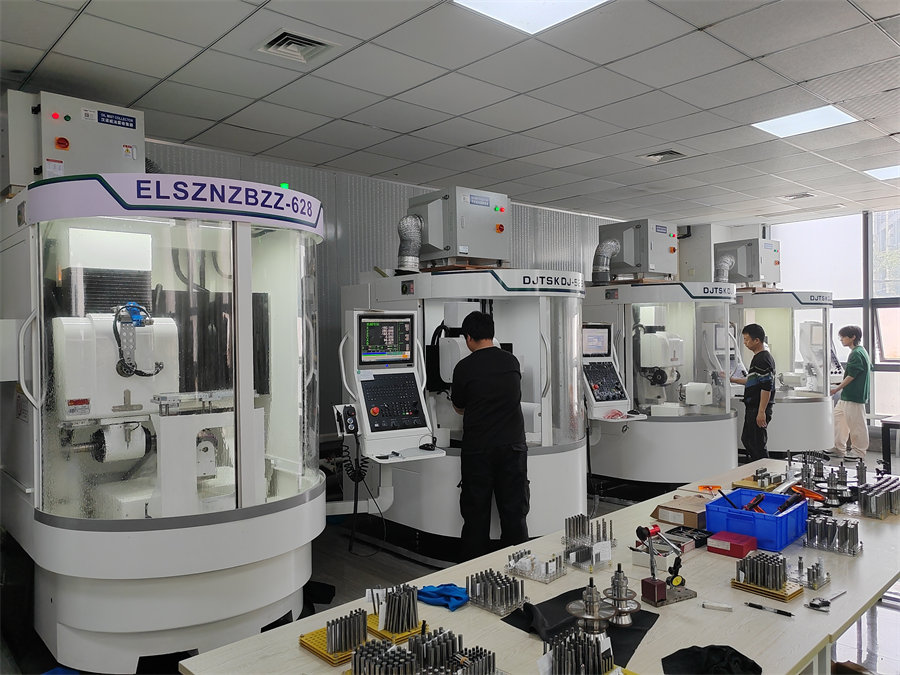
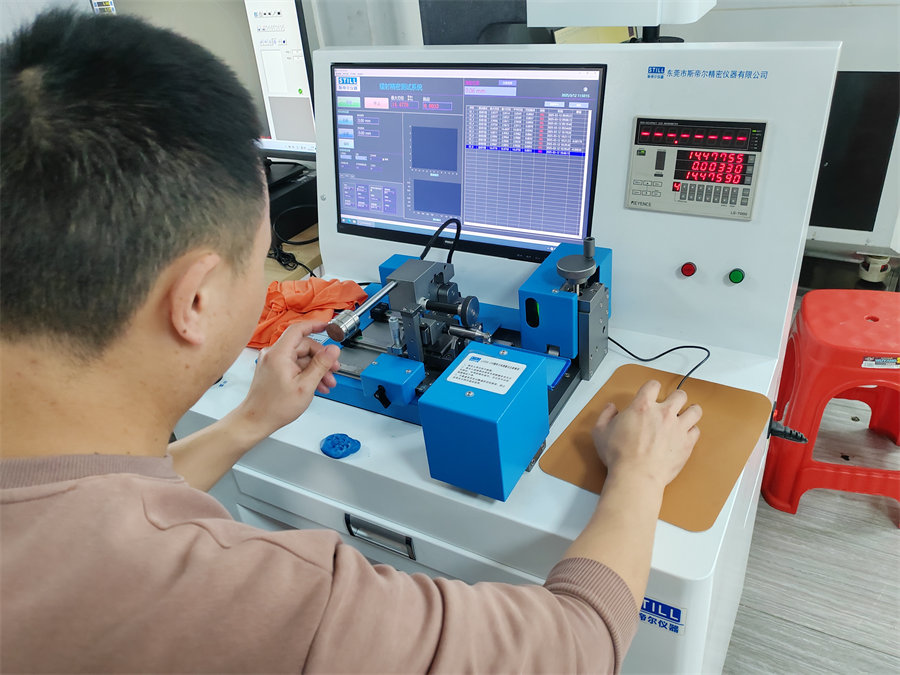
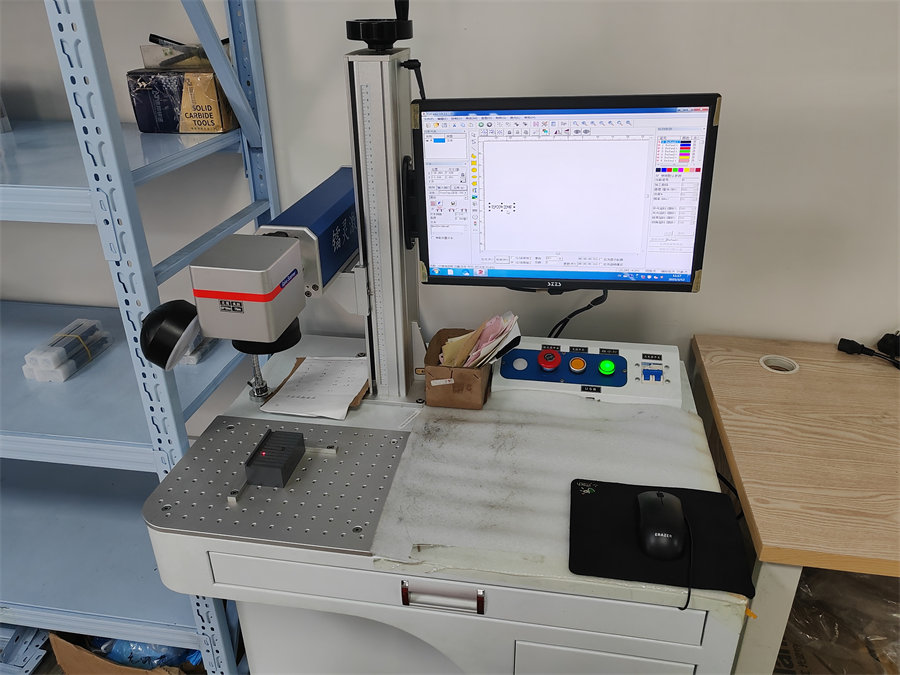
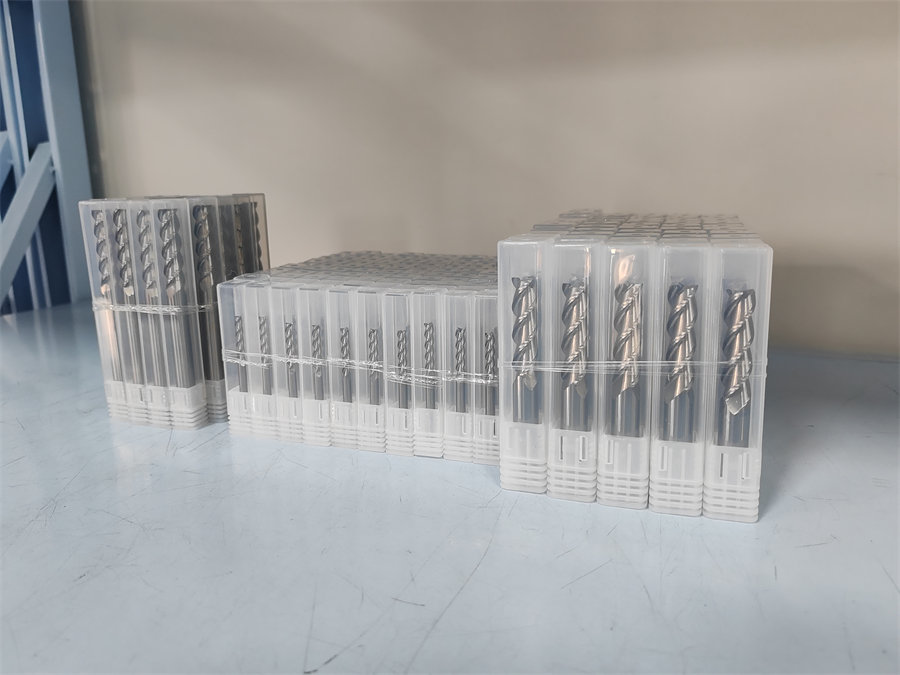
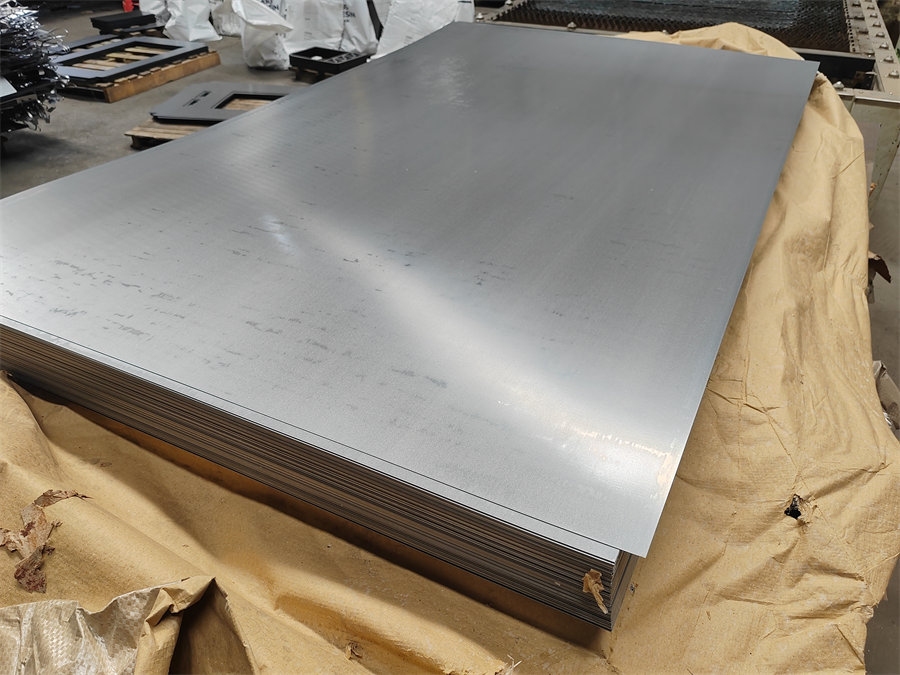
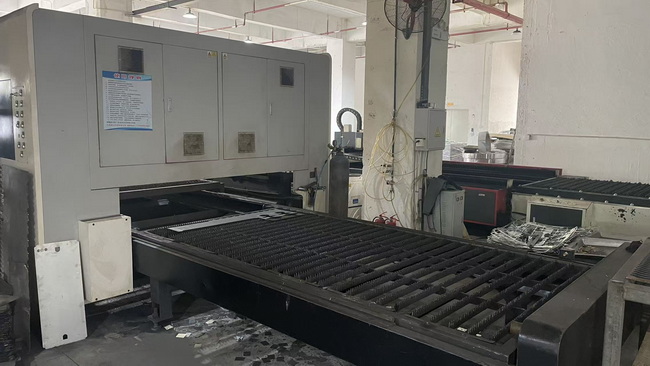
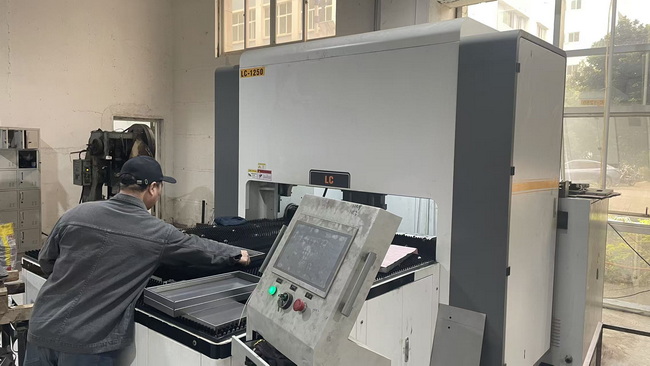

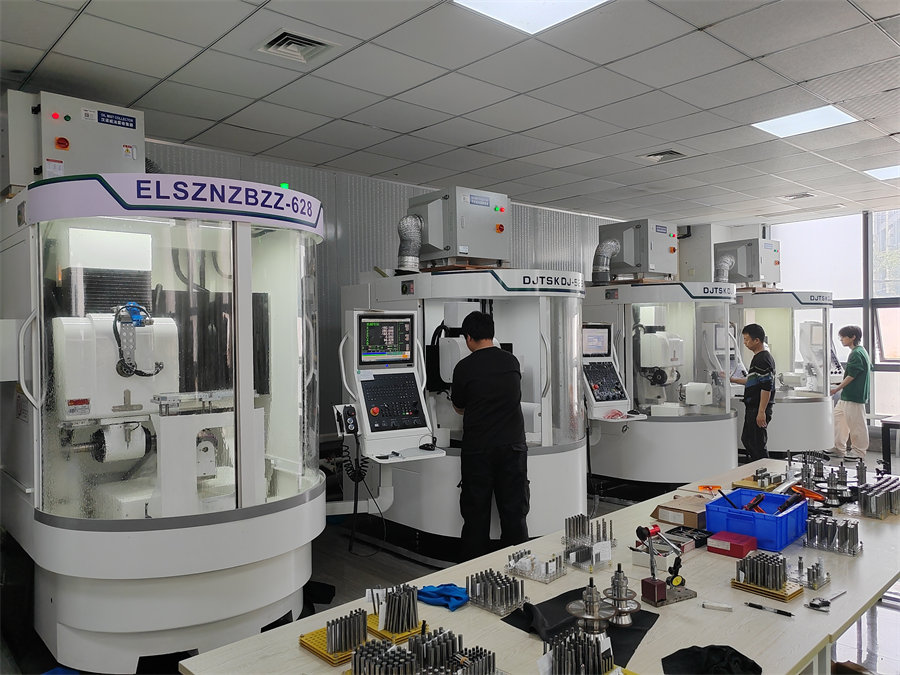
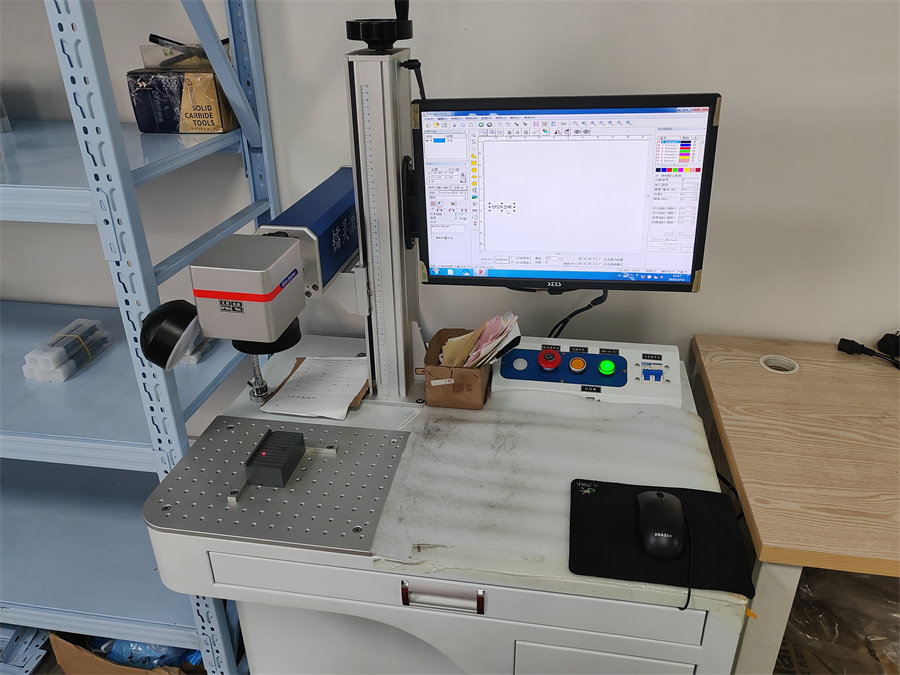
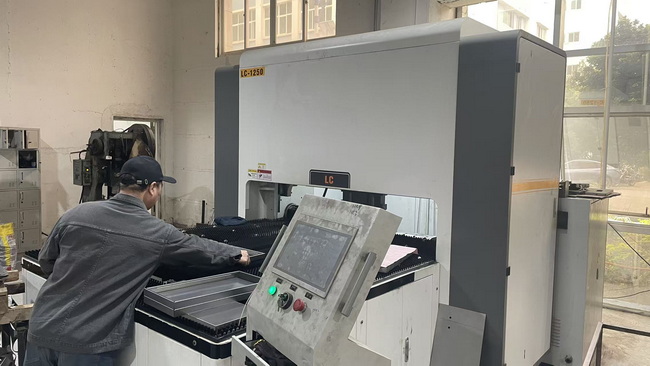
Our Quality Management System complies with ISO 9001:2015. Every manufacturing run is subjected to rigorous optical inspection using CNC non-contact measuring systems, ensuring that cutting edge radius, outer diameter, runout, and coating layer thickness remain within targeted engineering tolerances. This strict process control guarantees that our tools perform reliably on the shop floor, whether used in Nagoya, Tokyo, or global manufacturing hubs.
As the die and mold industry adopts Industry 4.0 standards, Suzhou Tier Tool is aligning its R&D efforts with emerging market demands. Over the next five years, our technological roadmap focuses on three main developments:
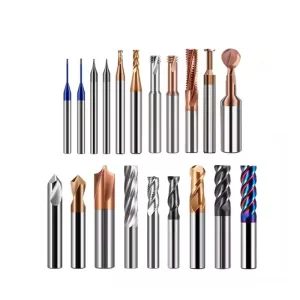
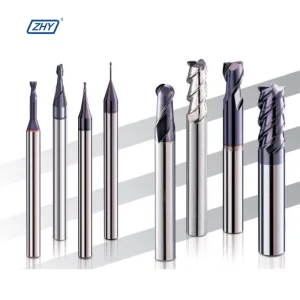
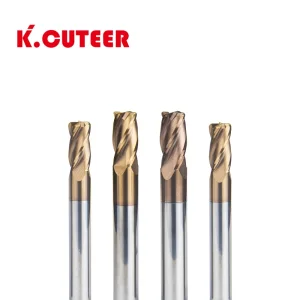
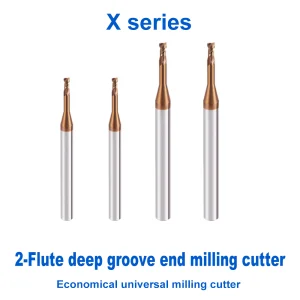
From high-performance square mills to micro-diameter cutters, discover the ideal tool configuration for your machining needs.
 Tier Tool