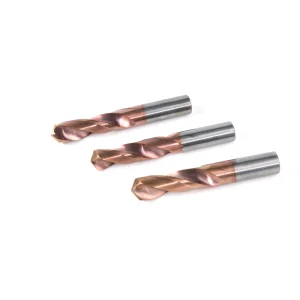
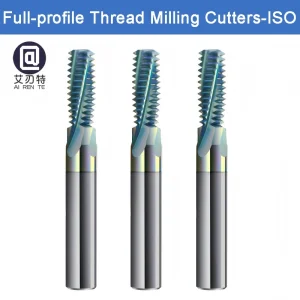
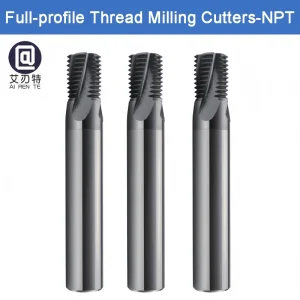
Engineered for high wear resistance and extreme precision in heavy industrial environments.
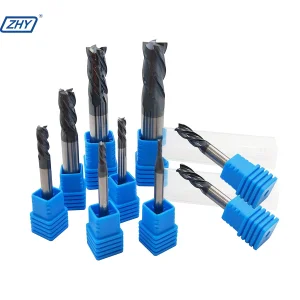
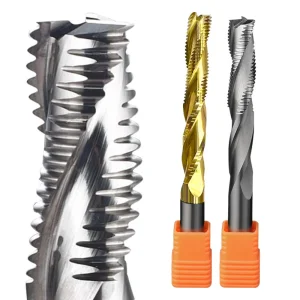
The industrial landscape surrounding Mexico City (CDMX), including major manufacturing corridors in the State of Mexico (Toluca, Naucalpan, Tlalnepantla) and extending north into the Bajío region (Querétaro, Guanajuato, San Luis Potosí), is undergoing a profound structural evolution. Driven by nearshoring trends, the IMMEX program, and the integrated USMCA framework, regional machine shops and Tier-1/Tier-2 automotive and aerospace suppliers are experiencing unprecedented demand for precision component manufacturing. Crucial to this supply chain is the ability to produce clean, high-tolerance threads in challenging materials such as hardened steels, stainless steels, and cast iron.
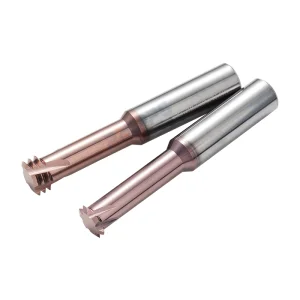
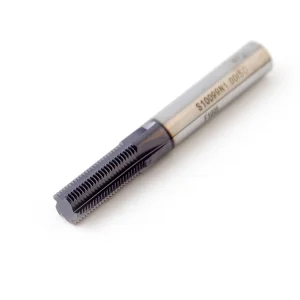
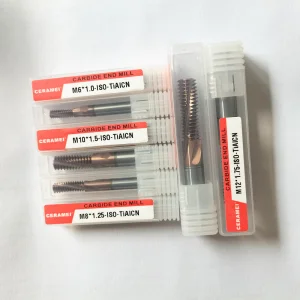
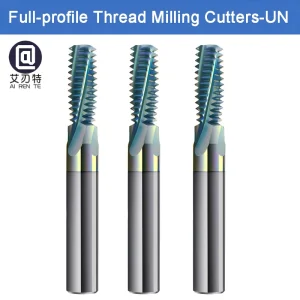
Historically, manufacturers in Mexico City relied heavily on traditional tapping processes. However, as global quality standards stiffen, the demand for **Full Profile Thread Mills** has surged. In contrast to partial profile tools, full profile thread mills finish both the thread crest and root simultaneously in a single, highly controlled circular interpolation pass. This is vital for critical components—such as automotive powertrain castings, specialized oil valves, and aerospace structural elements—where any thread failure or micro-burr can lead to catastrophic assembly rejections.
"For advanced manufacturing centers in Vallejo or Toluca, thread milling represents a shift from reactive tool replacement to predictable, high-yield CNC efficiency. Controlling the thread crest profile minimizes structural stress and guarantees thread conformity to strict ISO and Unified National (UN) tolerances."
Choosing a full profile configuration over partial profile tooling offers crucial engineering advantages:
In high-volume manufacturing facilities throughout Mexico City, mechanical engineers constantly evaluate tooling costs, scrap rates, and cycle times. The table below outlines why high-performance solid carbide full-profile thread milling cutters are increasingly replacing traditional high-speed steel (HSS) taps, especially in demanding materials such as cast iron and abrasive aluminum-silicon alloys:
| Performance Indicator | Solid Carbide Full Profile Thread Mills | Traditional High-Speed Steel (HSS) Taps |
|---|---|---|
| Risk of Tool Breakage | Low. In case of breakage, the tool is smaller than the hole, allowing easy extraction without damaging the workpiece. | High. Broken taps often weld into the component, requiring expensive EDM removal or scrap. |
| Machine Requirements | Requires a CNC machining center with 3-axis helical interpolation capabilities. | Can be used on manual drill presses, basic transfer lines, or standard machines. |
| Tolerance & Depth Control | Extremely precise. Radial adjustments can be programmed to compensate for tool wear over time. | Fixed. Wear directly translates to loss of tolerance, requiring immediate tool replacement. |
| Thread Quality (Crest/Root) | Excellent. Clean cut with zero burrs. Full profile designs cut the complete form. | Moderate. Tapping can push material rather than cutting cleanly, leaving burrs on the crest. |
| Chip Evacuation | Excellent. Helical flutes push chips outward when combined with coolant or compressed air. | Poor in blind holes. Chips can clog the tap, leading to premature tool failure. |
As the industry marches toward Industry 4.0, thread milling technology is advancing along several key development lines:
1. Sub-micron Tungsten Carbide Grade Optimization: Tier Tool utilizes premium raw material with a cobalt content optimized to balance toughness and hardness, ensuring high resistance to chipping in interrupted cuts.
2. Advanced Physical Vapor Deposition (PVD) Coatings: From traditional TiAlN to modern AlTiN and specialized multi-layer Silicon-doped nanocomposite coatings, the goal is to withstand temperatures exceeding 900°C at the cutting zone. For non-ferrous metals like aluminum, DLC (Diamond-Like Carbon) coatings offer a near-zero friction coefficient, preventing material adhesion and built-up edge (BUE).
3. Vibration Damping and Variable Helix Geometry: Implementing staggered tooth configurations and varying helix angles disrupts harmonic frequencies, minimizing chatter in deep hole configurations and enabling higher feeds and speeds.
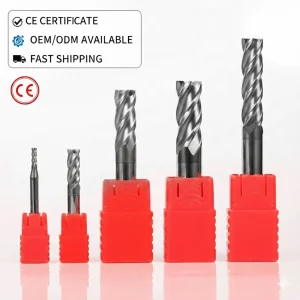
High-efficiency configurations designed for CNC engraving, milling centers, and high-volume machining.
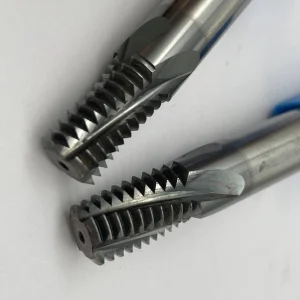
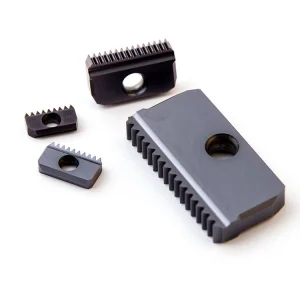
Established in 2008 – A National High-Tech Enterprise
Suzhou Tier Tool Co., Ltd. is a national high-tech enterprise specializing in the design, manufacturing, and technical support of precision solid carbide cutting tools. Since its foundation, Tier Tool has been deeply committed to the precision machining industry, focusing on delivering high-performance, high-efficiency cutting solutions for hole-making and metalworking applications. Through continuous technological innovation and manufacturing excellence, the company has earned the trust of customers across a wide range of industries worldwide.
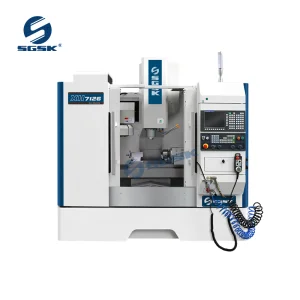
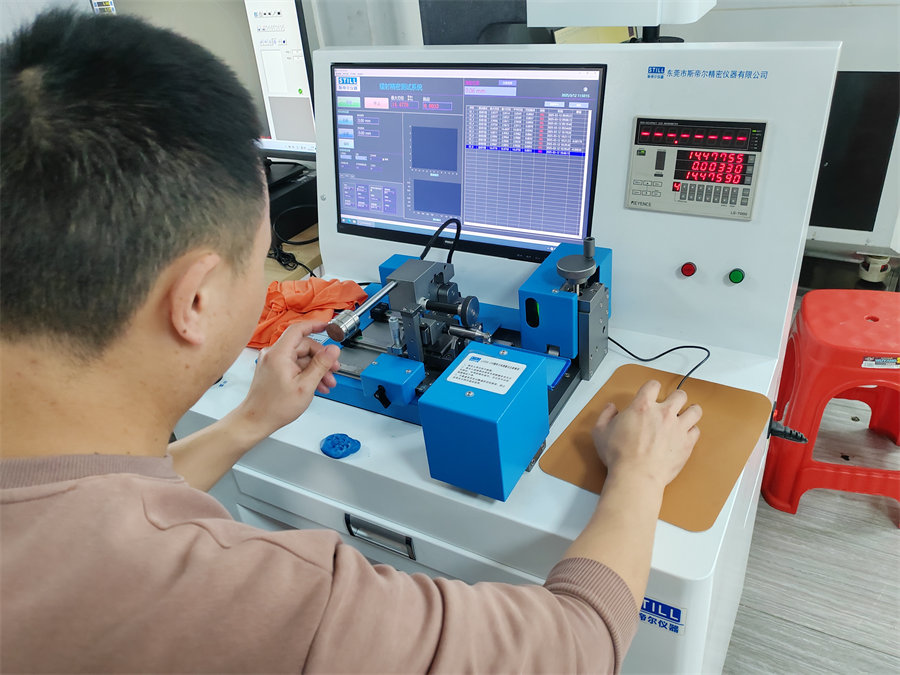
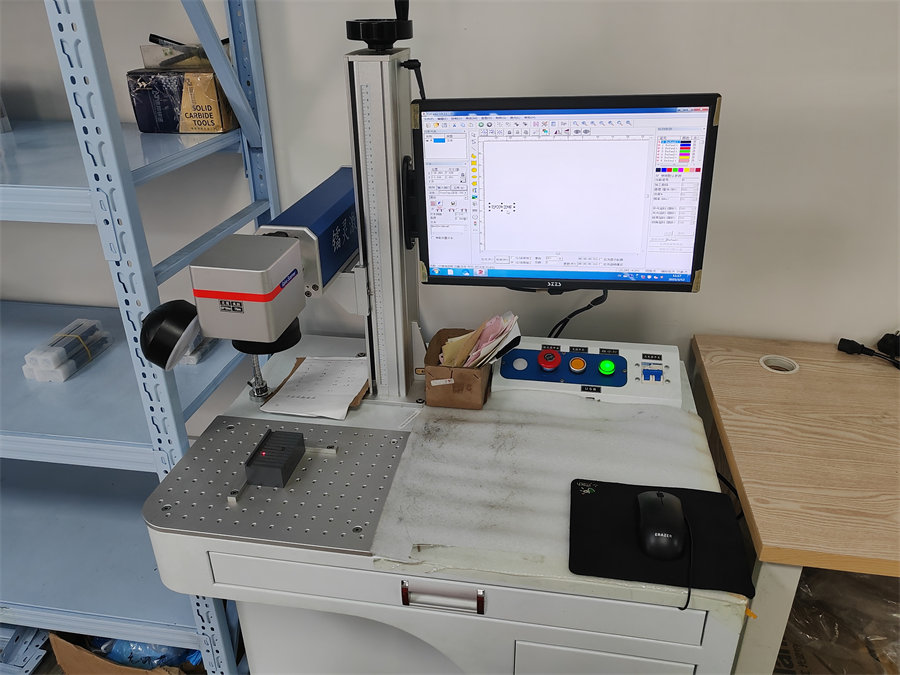
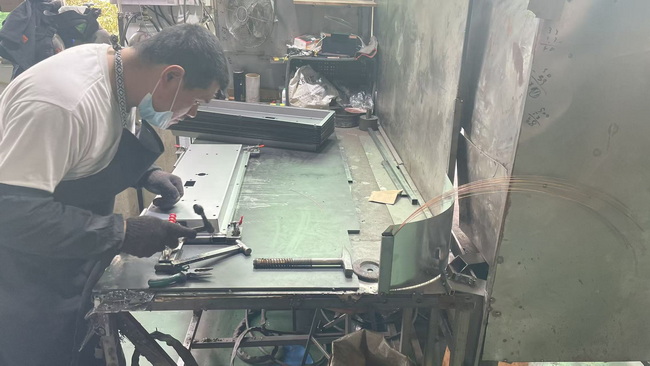
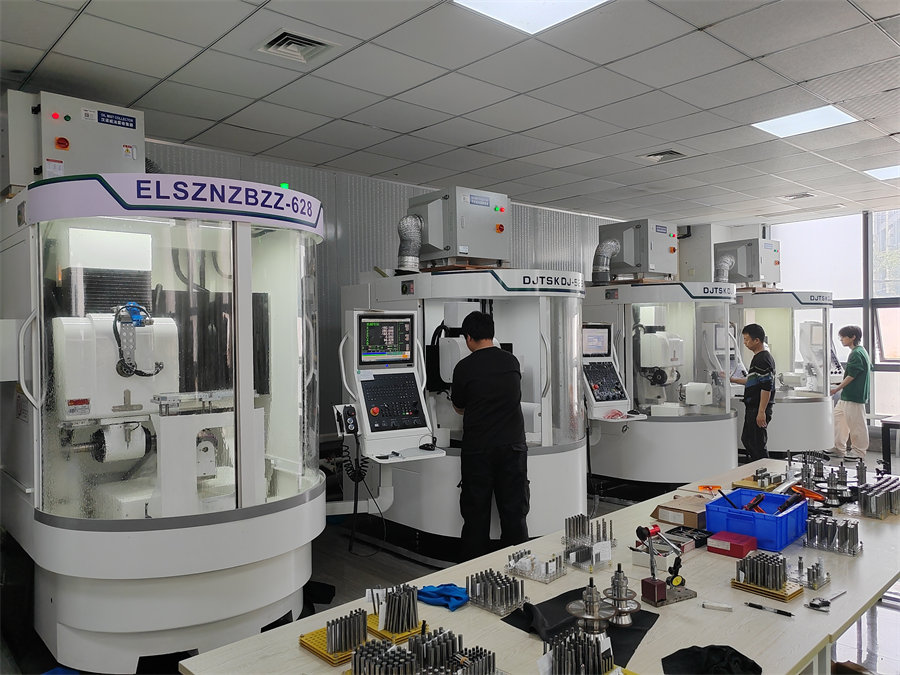
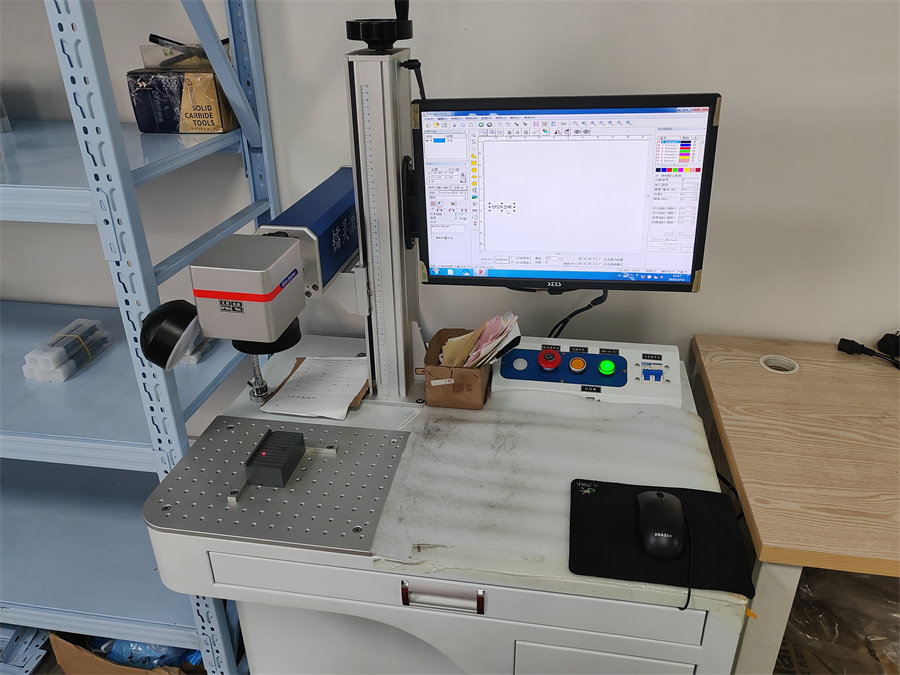
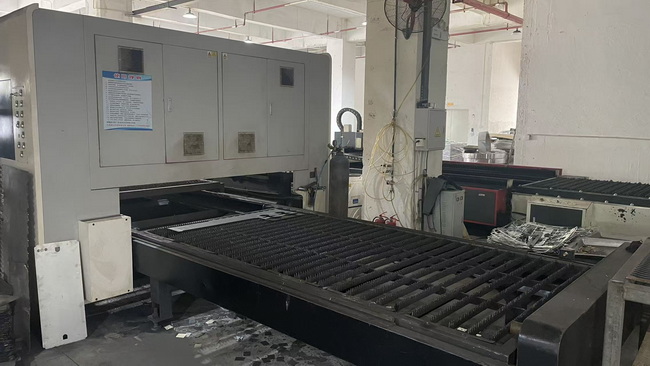
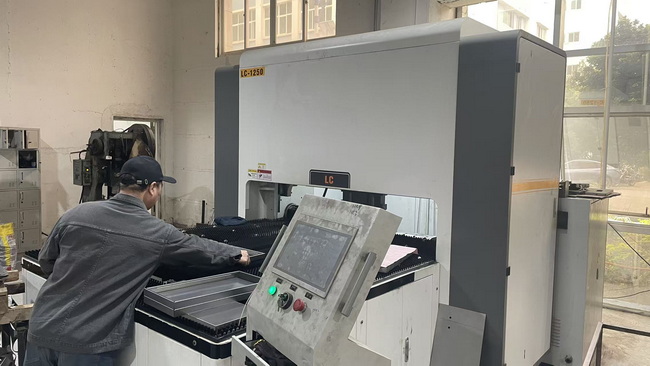
To ensure the highest levels of precision and consistency, Tier Tool has invested extensively in advanced manufacturing equipment and production technologies. The company operates multiple imported CNC tool grinding machines and precision inspection systems, enabling complete in-house capabilities from tool design and prototyping to small-batch testing and large-scale production. Our manufacturing process is built upon strict process control and traceability standards. Every production stage is carefully monitored to ensure repeatability, quality consistency, and reliable delivery performance.
Quality is the foundation of Tier Tool's long-term success. We adhere to the principle of "Quality First, Continuous Improvement", implementing rigorous quality control procedures throughout the entire production cycle. From raw material selection and incoming inspection to final product verification, every tool undergoes comprehensive quality checks to ensure it meets strict dimensional, geometrical, and performance requirements.
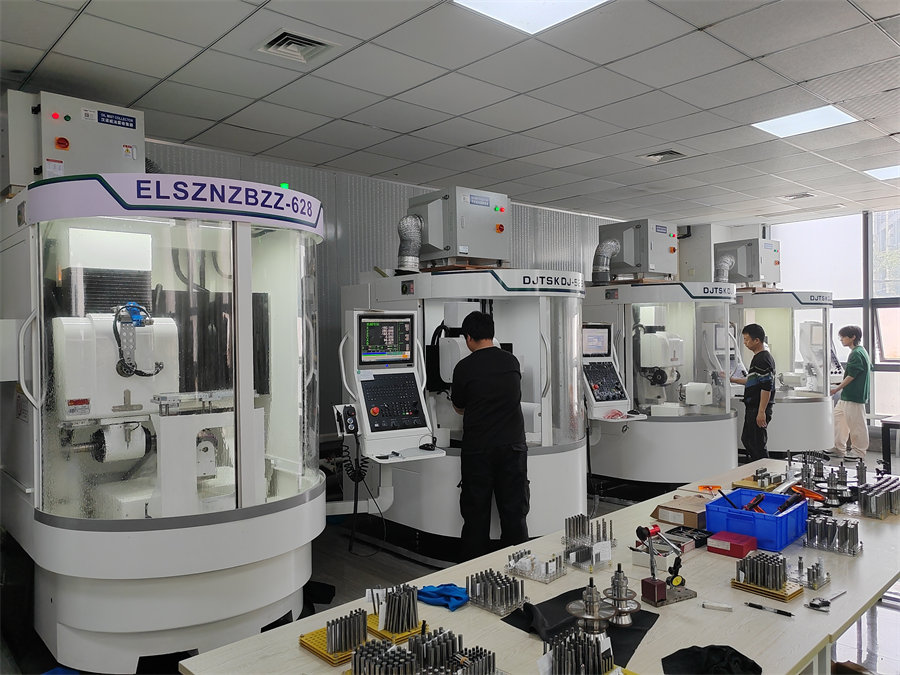
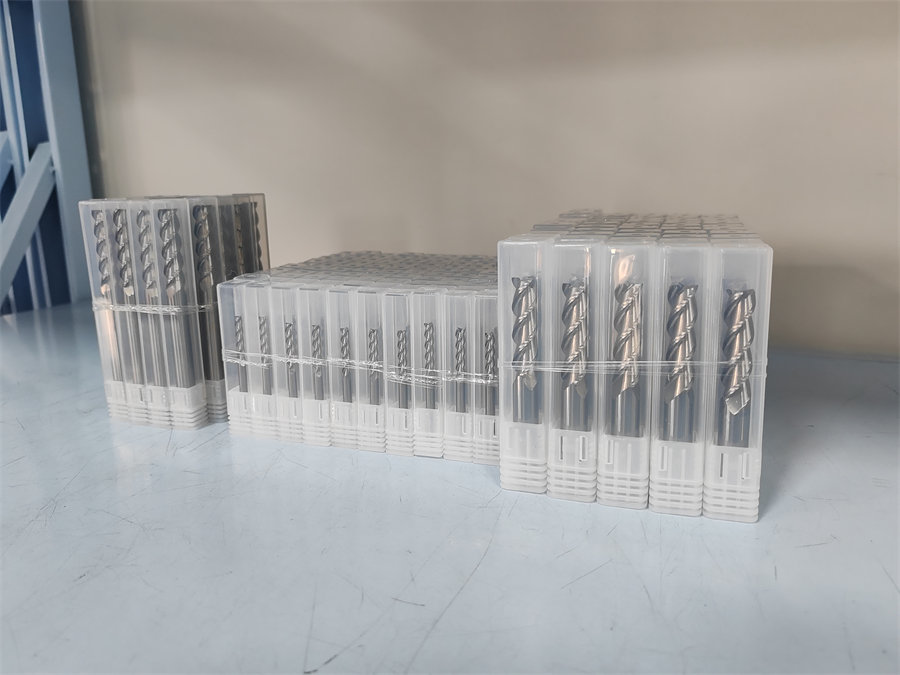
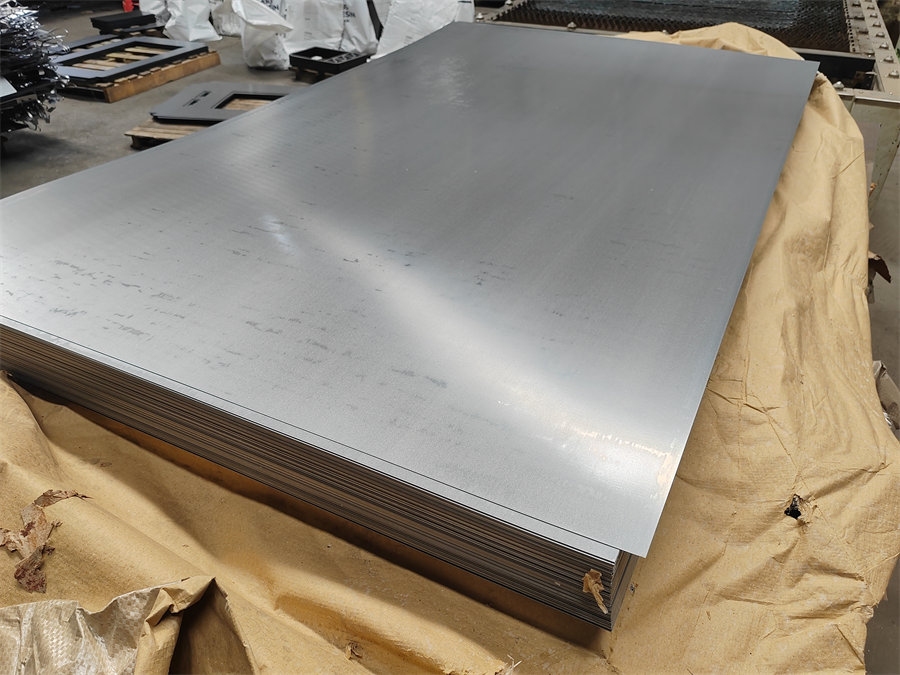
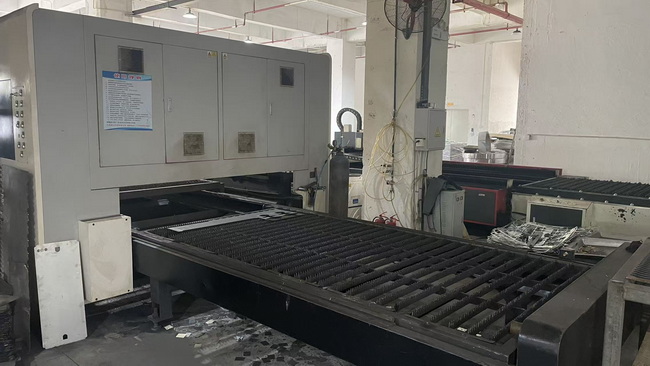
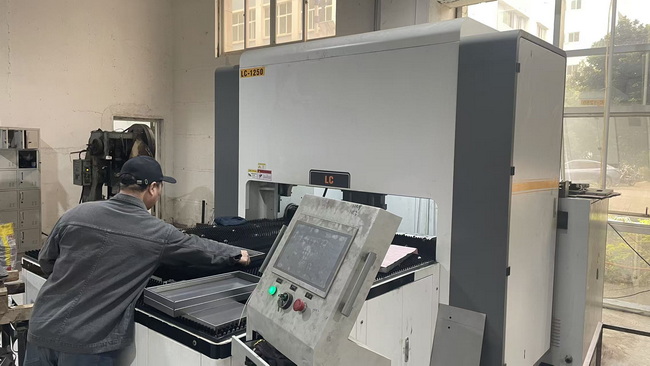

At Tier Tool, we believe that supplying cutting tools is only the beginning of our partnership. Beyond delivering products, we provide comprehensive technical support and application engineering services to assist customers in optimizing their manufacturing processes. Our technical specialists work directly with engineering teams in Mexico City to analyze machining conditions, recommend suitable tooling strategies, and develop solutions that maximize efficiency, reliability, and cost-effectiveness. By understanding our customers' production goals and competitive challenges, we strive to become a trusted long-term manufacturing partner rather than simply a tooling supplier.
Looking ahead, Suzhou Tier Tool Co., Ltd. will continue to focus on the development of high-performance carbide cutting tools and deepen its expertise in automotive, aerospace, precision engineering, and advanced manufacturing industries. Driven by professionalism, innovation, and customer commitment, we are dedicated to creating greater value for our customers through reliable products, flexible services, and advanced manufacturing technologies. Tier Tool will continue to grow as a trusted global partner in precision cutting solutions, helping customers achieve higher productivity, better quality, and stronger competitiveness in an ever-evolving manufacturing world.
Get professional advice and answers to your most pressing thread milling questions.
Explore our complete range of standard and custom-profile thread mills designed for global CNC standards.
 Tier Tool