High-performance tooling optimized for the demands of Southern California's aerospace, automotive, and defense manufacturing ecosystems.
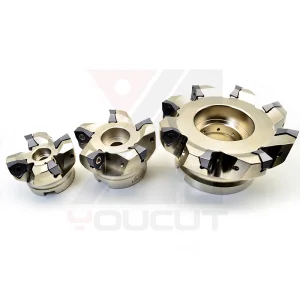

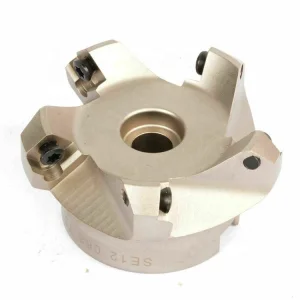
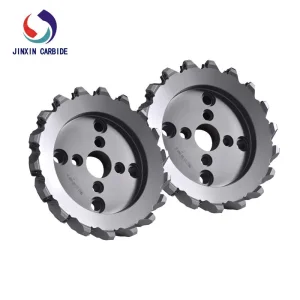
The Greater Los Angeles metropolitan area stands as one of the most prominent manufacturing hubs in the United States. Spanning from the aerospace clusters of El Segundo, Hawthorne, and Torrance, to the defense contractors of Pasadena and the high-tech prototyping startups across the Silicon Beach corridor, the demand for precision machining is relentless. Heavy industries in Southern California require high-feed indexable milling solutions capable of handling hard metals such as Titanium Ti-6Al-4V, Inconel 718, and advanced composites.
In aerospace manufacturing, cycle times and tool replacement costs represent critical metrics. The utilization of high-performance indexable face mills allows local fabricators to increase material removal rates (MRR) by up to 200% compared to standard solid end mills. This improvement is vital for Tier 1 and Tier 2 aerospace component suppliers looking to remain competitive under tight military and commercial contract deadlines.
Furthermore, Los Angeles is seeing an unprecedented rise in private space exploration and satellite manufacturing. These sectors process extremely challenging geometries and rely heavily on CNC machining centers that utilize 5-axis capabilities. Selecting the correct cutter geometry—whether a 45° lead angle for general face milling or a 90° shoulder mill for pocketing—determines the accuracy and structural integrity of critical spacecraft components.
Data-driven performance benchmarks realized through optimized indexable cutting geometries.
Indexable face mills have evolved from simple material removal tools to highly engineered cutting assemblies. Modern production lines require tools that minimize vibration, disperse heat efficiently, and optimize chip formation. Let's analyze the primary design metrics driving productivity today:
By using 45-degree or low lead-angle insert pockets, cutters distribute chip load across a larger cutting edge, allowing higher table feeds and reducing axial forces.
Our tools utilize multi-layer TiAlN, AlTiN, and PCD diamond coatings. These layers provide barrier resistance against friction, heat buildup, and built-up edge (BUE).
Unequal insert spacing disrupts harmonics during high-speed cuts, dampening chatter and protecting the spindle from bearing fatigue.
For applications in Southern California, achieving a high metal removal rate while ensuring tool stabilization is critical. Large industrial gantry mills processing aerospace structural elements depend heavily on indexable shell mills. When selecting an indexable cutter, engineers must evaluate parameters such as the clearance angle, number of pockets, and direct through-coolant capabilities to guarantee reliable performance.
For procurement officers located in Los Angeles and the broader Western United States, procurement decisions balance quality, lead times, and unit economics. Buying face mills from domestic distributors offers localized support but often comes with a markup of 40% to 100%. Sourcing directly from reputable, high-tech manufacturing plants in global production hubs like Suzhou, China provides enterprise customers with optimized cost structures without sacrificing tool quality.
By cutting out intermediate distributors, LA-based machine shops can negotiate custom tool geometries, secure volume-based contract pricing, and build direct channels with tooling engineers. Working with Suzhou Tier Tool Co., Ltd. guarantees adherence to strict raw material standards, utilizing high-quality tungsten carbide substrates sourced from verified global suppliers.
To mitigate supply chain risks, modern procurement requires a dual-track strategy: relying on localized distributors for rapid-response needs, and forming direct relationships with factories for predictable, high-volume production consumables. This ensures that CNC spindles continue running without interruption, even amid global supply chain shifts.
Suzhou Tier Tool Co., Ltd., founded in 2008, is a recognized high-tech enterprise specializing in the design, manufacturing, and technical support of precision solid carbide cutting tools. Over years of development, Tier Tool has served the precision machining industry by providing high-performance tooling systems optimized for hole-making, milling, and custom profiling applications.
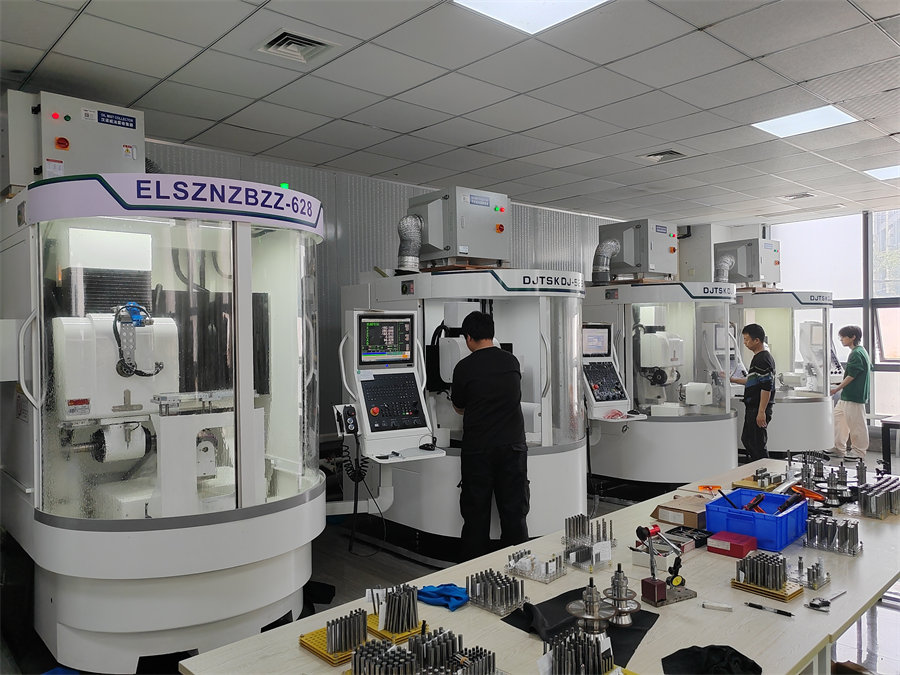
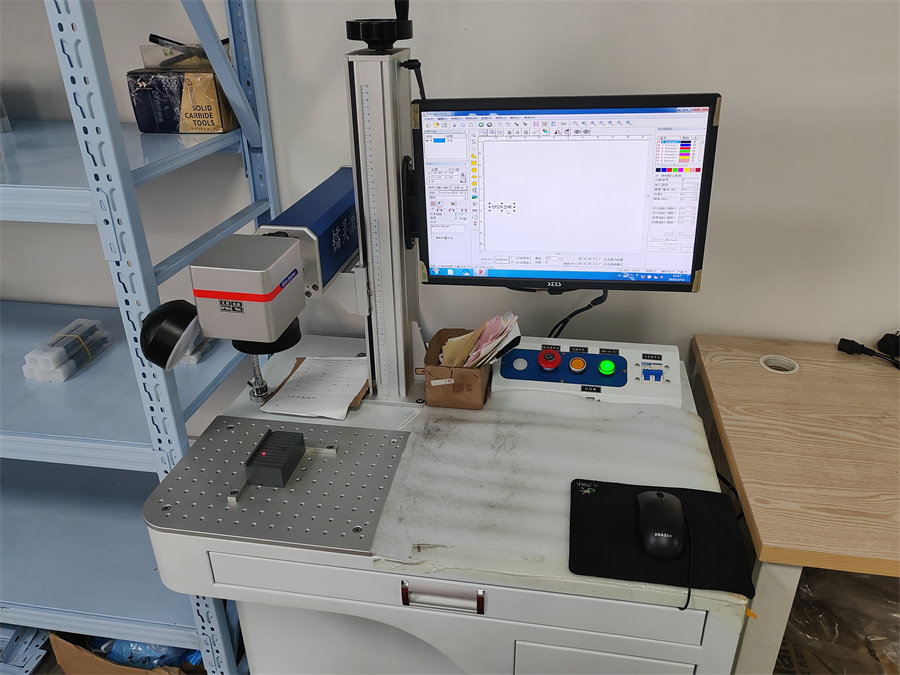
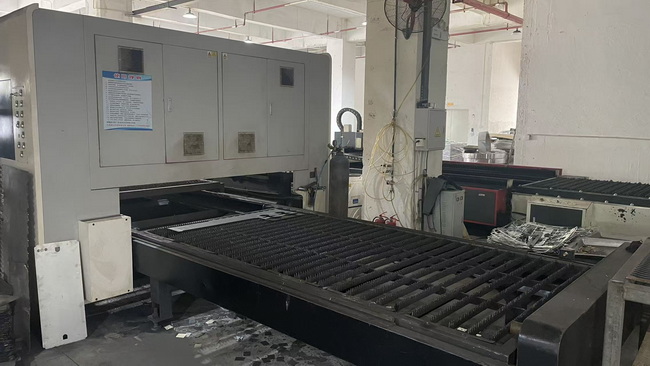
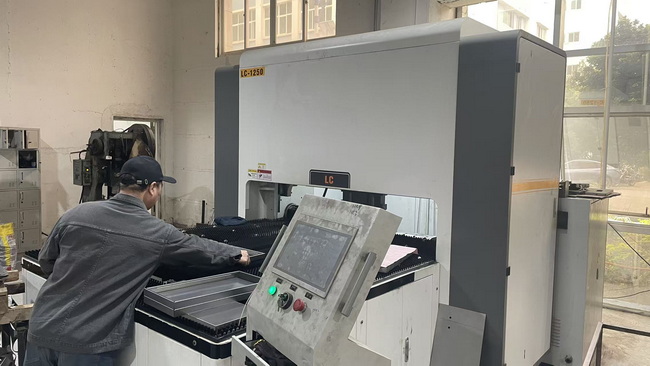
To ensure high precision and consistency, Tier Tool has invested in advanced manufacturing equipment and precision inspection technologies. The company operates multiple imported CNC tool grinding systems and digital measurement setups. These assets support complete in-house control from design and prototyping to small-batch validation and large-scale manufacturing runs.
Quality represents the core of Tier Tool's business philosophy. Under the operating framework of "Quality First, Continuous Improvement", the company implements strict quality control checks throughout the entire manufacturing process. From raw material inspection to final packaging, each tool undergoes detailed inspections to verify its geometric and dimensional accuracy.
Tier Tool also provides comprehensive application engineering support to help clients optimize their production processes. The company's technical engineers work with customers to analyze cutting conditions, optimize spindle parameters, and recommend tool paths that maximize productivity and cost efficiency.
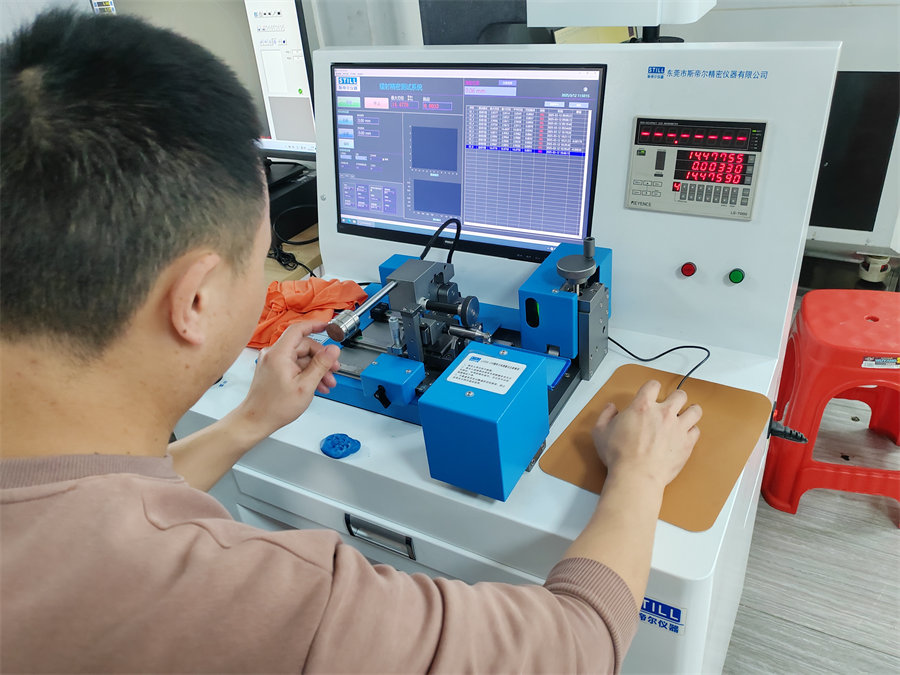
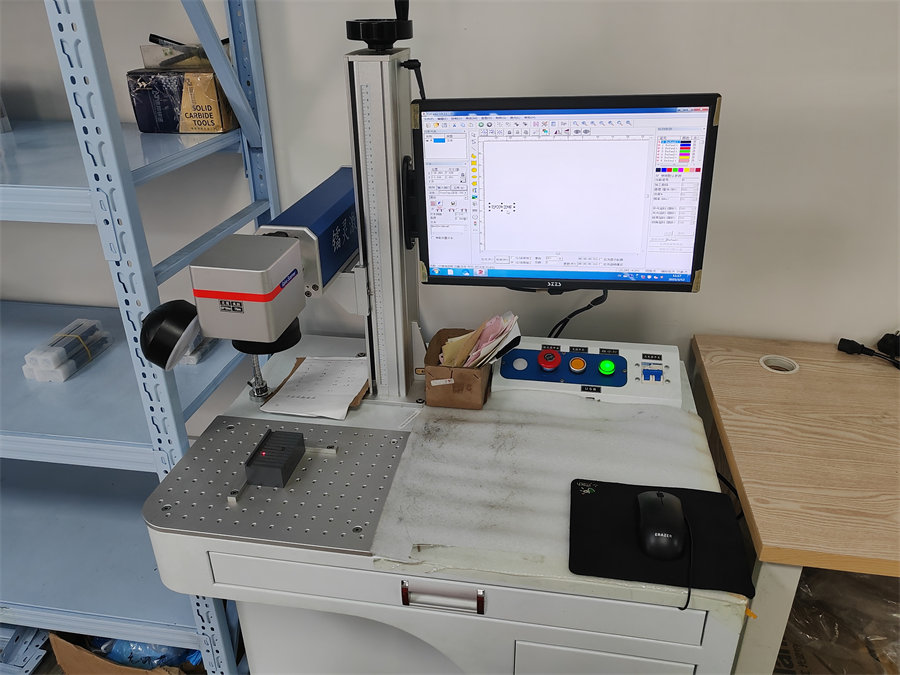
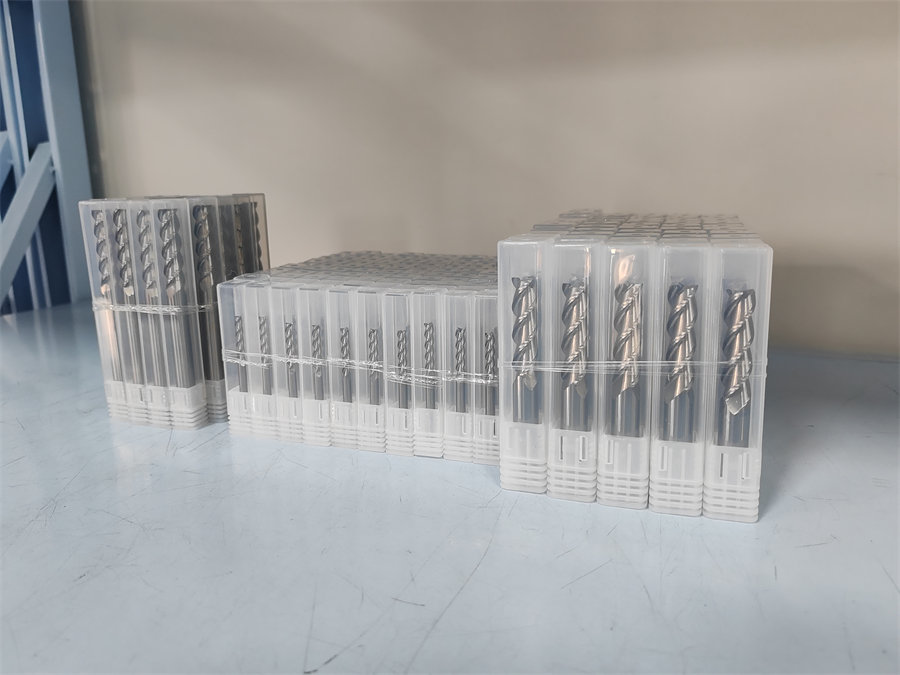
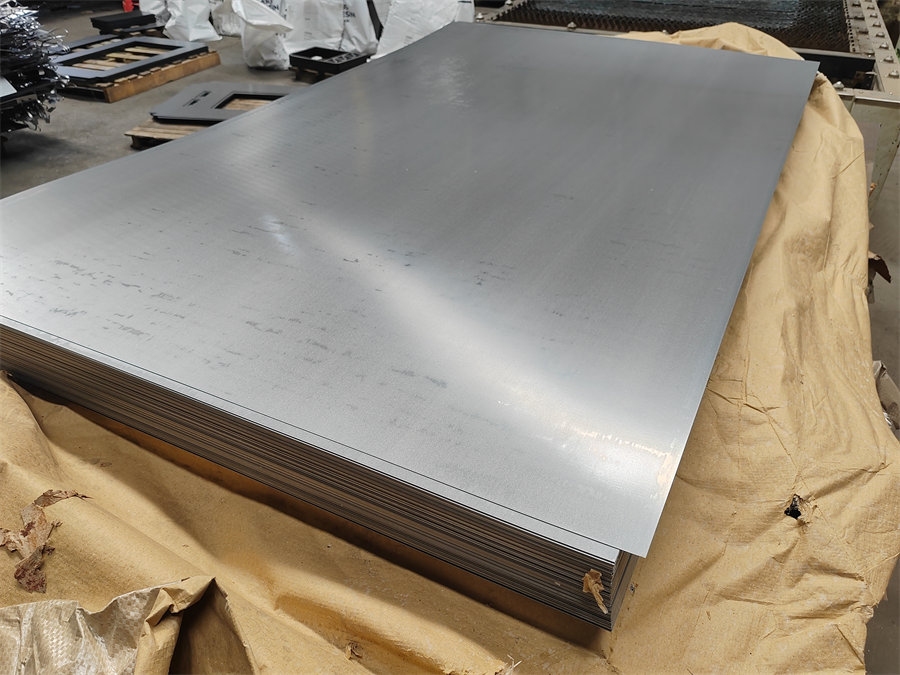
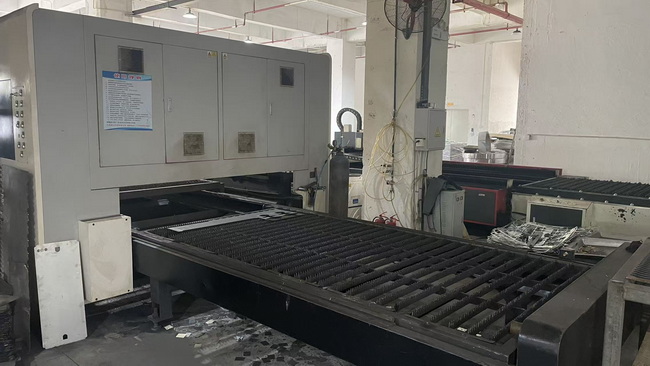
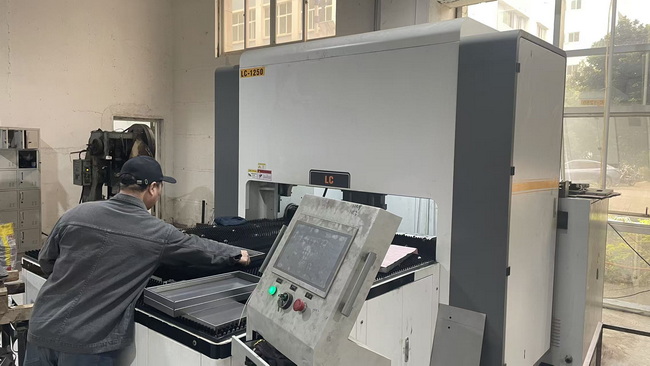
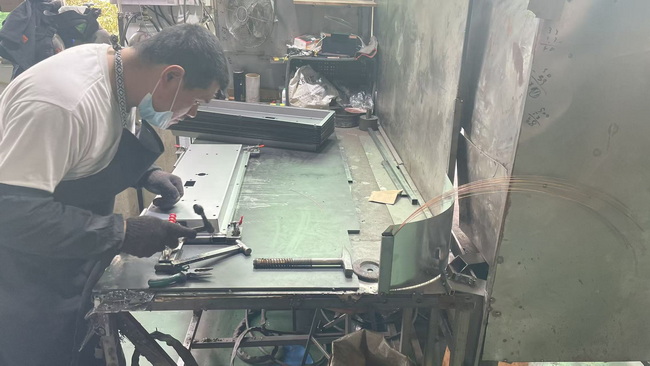

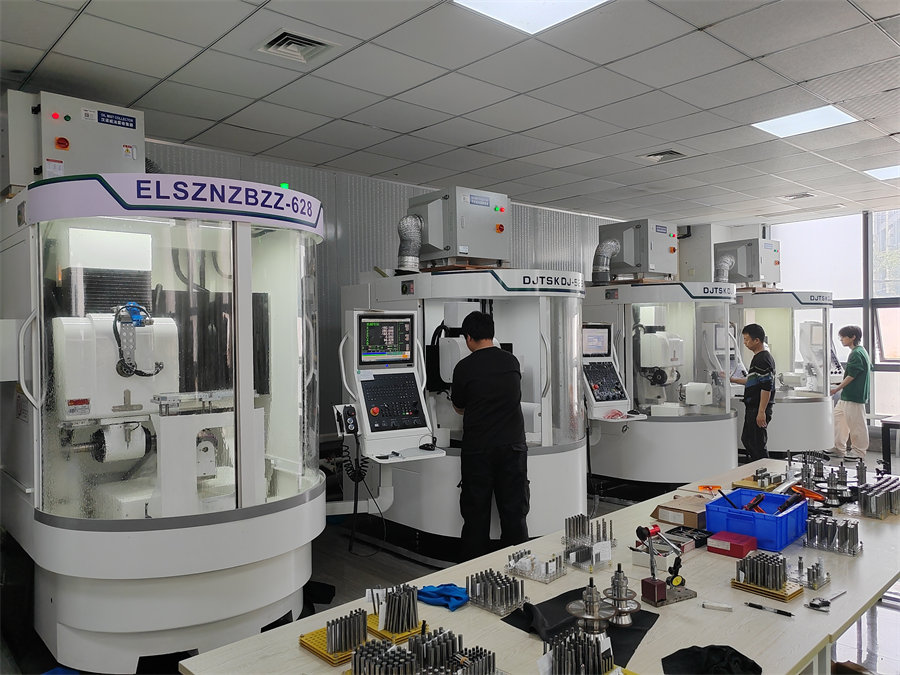
Sourcing tooling systems for safety-critical applications—such as aerospace bulkheads or satellite chassis—requires comprehensive compliance validation. A tooling supplier must prove conformance to exact metallurgical specifications to ensure reliability. CNC operators in Southern California require tools with repeatable performance to avoid workpiece damage or unexpected downtime during deep pocket cuts.
Suzhou Tier Tool Co., Ltd. implements quality control procedures that align with international standards. Tool geometries are verified using high-resolution optical checkers, ensuring that parameters such as runout, rake angles, and relief angles remain within tolerance. This focus on consistency helps factories reduce secondary finishing steps and maintain high-efficiency operations.
The manufacturing sector is trending toward smart automation and digital integration, also known as Industry 4.0. Tooling must adapt to support these shifts. The future roadmap for indexable face mills highlights several key developments:
Frequently asked questions by tooling engineers and CNC programmers regarding face milling optimization.
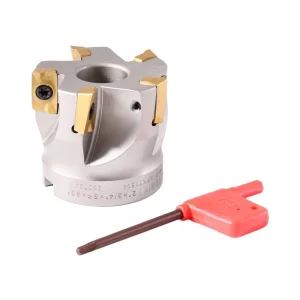
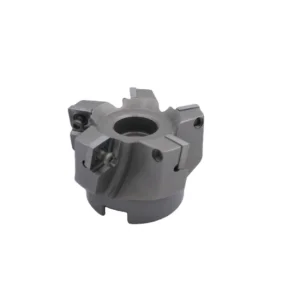
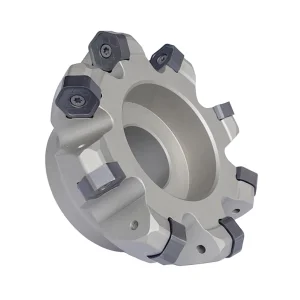
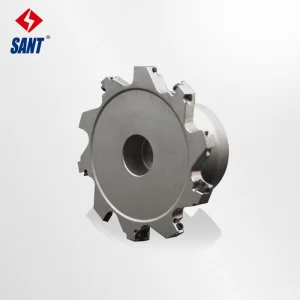
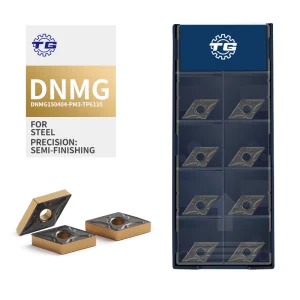
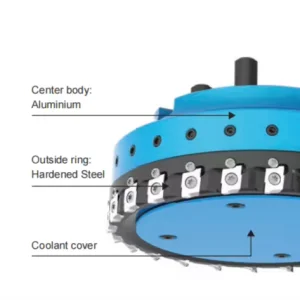
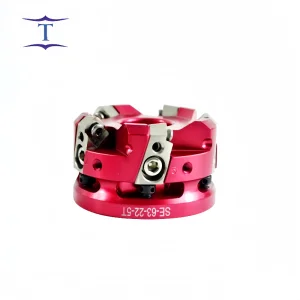
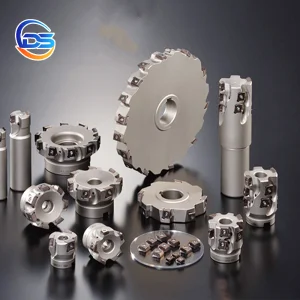
Our comprehensive range of indexable face mills, side cutters, and specialized tooling packages designed for high-feed production.
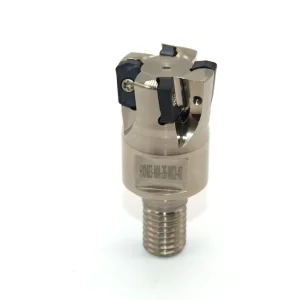
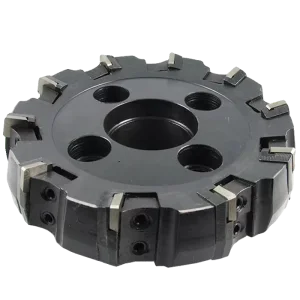
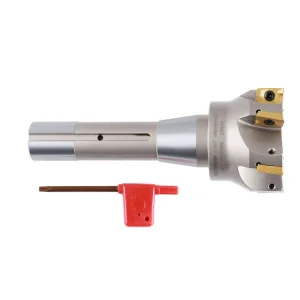
Optimize your feed rates, cycle times, and tooling costs. Send us your requirements for a prompt response and detailed quotation.
Send Inquiry Now Tier Tool