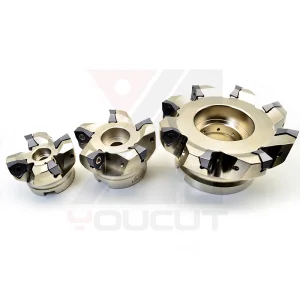

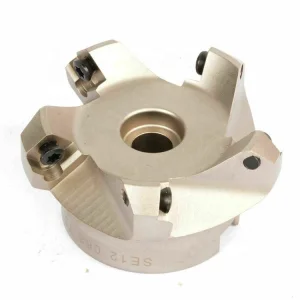
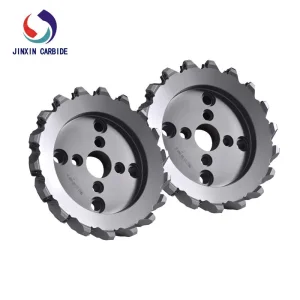
Southern Vietnam, anchored by the rapid expansion of the Ho Chi Minh City (HCMC) industrial corridor, is undergoing a paradigm shift in manufacturing capability. Once characterized by downstream assembly and manual light industrial workshops, HCMC's industrial parks—including the Saigon Hi-Tech Park (SHTP), Tan Thuan Export Processing Zone, and the neighboring VSIP (Vietnam-Singapore Industrial Parks) complexes in Binh Duong and Dong Nai—have transitioned into advanced nodes for global electronics, precision components, mold and die manufacturing, and automotive parts supply chains.
This high-tech pivot demands cutting tools that can withstand harsh machining environments while delivering exceptional Metal Removal Rates (MRR) and high-quality surface finishes (Ra values < 0.4 μm). Among these tools, the indexable face mill serves as the bedrock of major heavy-cutting and surface milling operations. For local manufacturing heads, tooling efficiency is not merely an expense item, but a strategic leverage point determining their global competitiveness.
Due to HCMC's humid tropical climate and varying workshop setups (from modern air-conditioned cleanrooms to open-air precision toolrooms), tool stability and oxidation resistance are key. Indexable face mills with advanced chemical coating processes and specialized toolholder surface treatments (such as black oxide coating and nickel plating) are required to prevent premature stress failure and thermal fatigue.
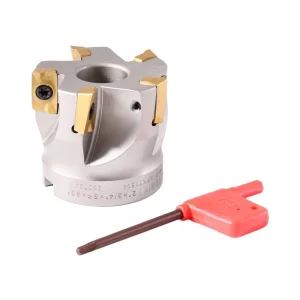
Selecting the correct indexable face mill configuration requires an understanding of structural mechanics and shear force distributions. Depending on the target material—be it SUS304 stainless steel used in food processing machinery, SKD61 die steel for molding factories, or AL6061 for consumer electronics casings—different entry angles and cutter geometries are optimal:
| Cutter Type / Lead Angle | Radial vs. Axial Force Distribution | Chip Thinning Effect | Ideal Application in HCMC Factories |
|---|---|---|---|
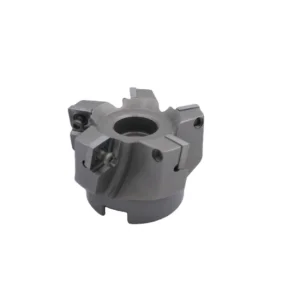
| 45° Indexable Face Mill | Equal distribution of radial and axial cutting forces; low vibration tendencies. | High chip-thinning ratio; permits increased table feed rates (Vf). | General face roughing of cast iron and structural steel frames in Binh Chanh District workshops. |
| 90° Square Shoulder Mill | High radial cutting forces; minimal axial forces. Ideal for thin-walled parts. | Nominal chip thickness equals feed-per-tooth (fz). No chip thinning. | Machining stepped shoulders and thin-walled aluminum housings in District 9 tech hubs. |
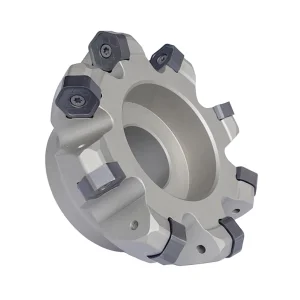
| High Feed Milling Cutter (AJX/HXN) | Predominantly axial force directed straight up into the machine spindle. | Extreme chip thinning. Exceptional metal removal rates at shallow depths of cut. | Deep cavity roughing of SKD11/SKD61 molds and dies in industrial zones. |
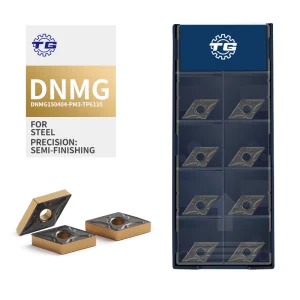
Additionally, insert coatings play a decisive role in tool life. Southern Vietnamese workshops processing stainless steel often experience work-hardening issues. Choosing PVD AlTiN coated inserts provides high thermal barrier protection at cutting zone temperatures exceeding 900°C. For heavy-duty face milling of structural steel, CVD Al2O3 thick coatings offer superior wear resistance against abrasive action, maximizing continuous run times.
For companies operating in Ho Chi Minh City, global sourcing strategies are critical to balancing precision, lead times, and tooling costs. Suzhou Tier Tool Co., Ltd. serves as an essential strategic manufacturing partner, bridging high-end tool manufacturing capabilities in China with rapid local delivery and support networks in Vietnam.
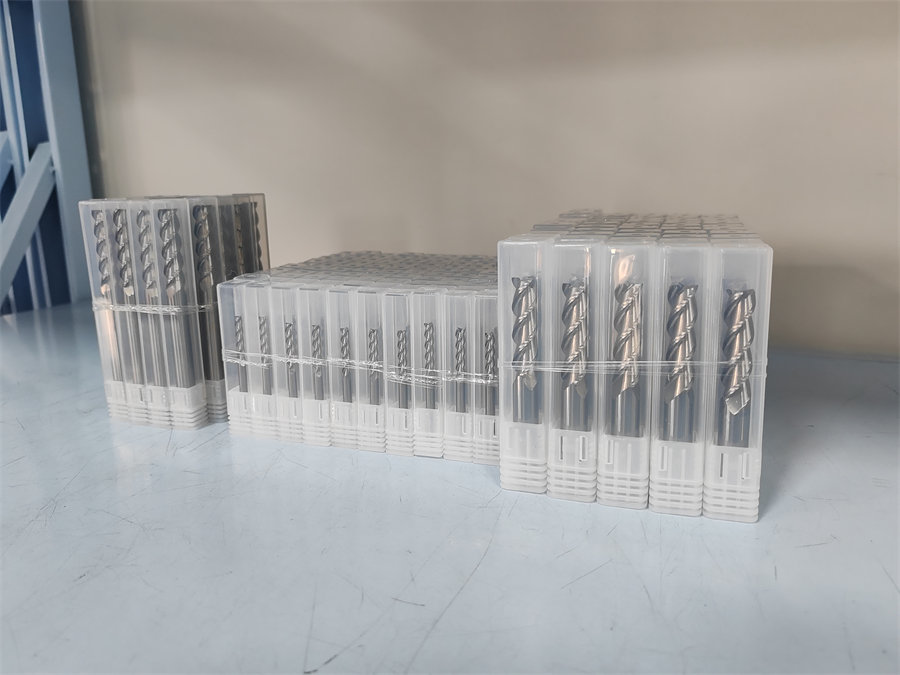
Suzhou Tier Tool Co., Ltd. maintains strict process controls, ensuring that every batch of face mill cutters and carbide inserts matches the precise requirements of high-speed machining centers. By implementing advanced manufacturing operations, Tier Tool delivers CNC indexable tooling solutions that compete with traditional European and Japanese brands, while offering significant cost efficiency.
Suzhou Tier Tool Co., Ltd. was established in 2008 and is a national high-tech enterprise specializing in the design, manufacturing, and technical support of precision solid carbide cutting tools.
Since its foundation, Tier Tool has been deeply committed to the precision machining industry, focusing on delivering high-performance, high-efficiency cutting solutions for hole-making and metalworking applications. Through continuous technological innovation and manufacturing excellence, the company has earned the trust of customers across a wide range of industries worldwide.
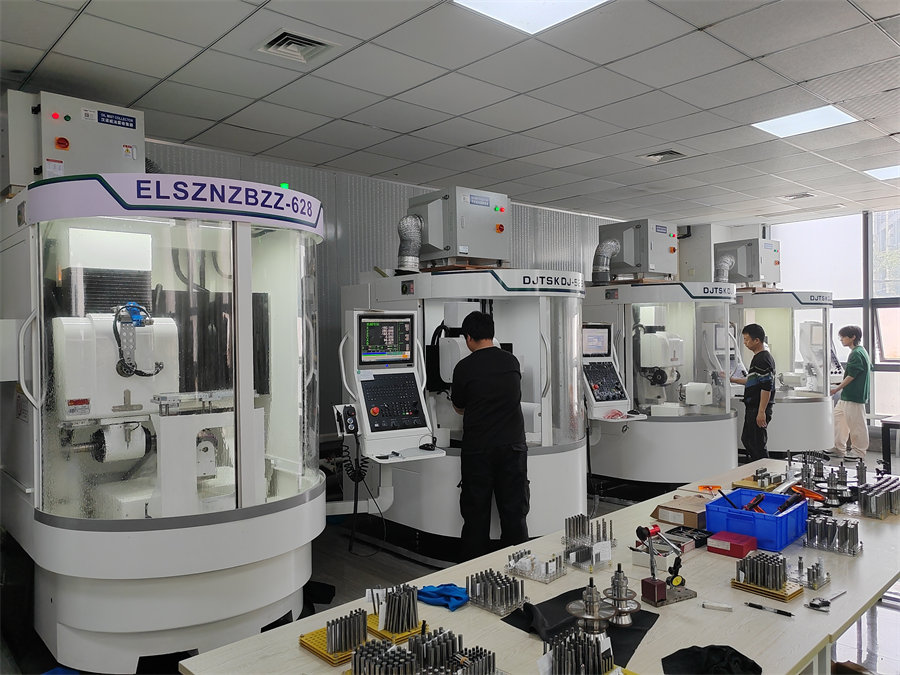
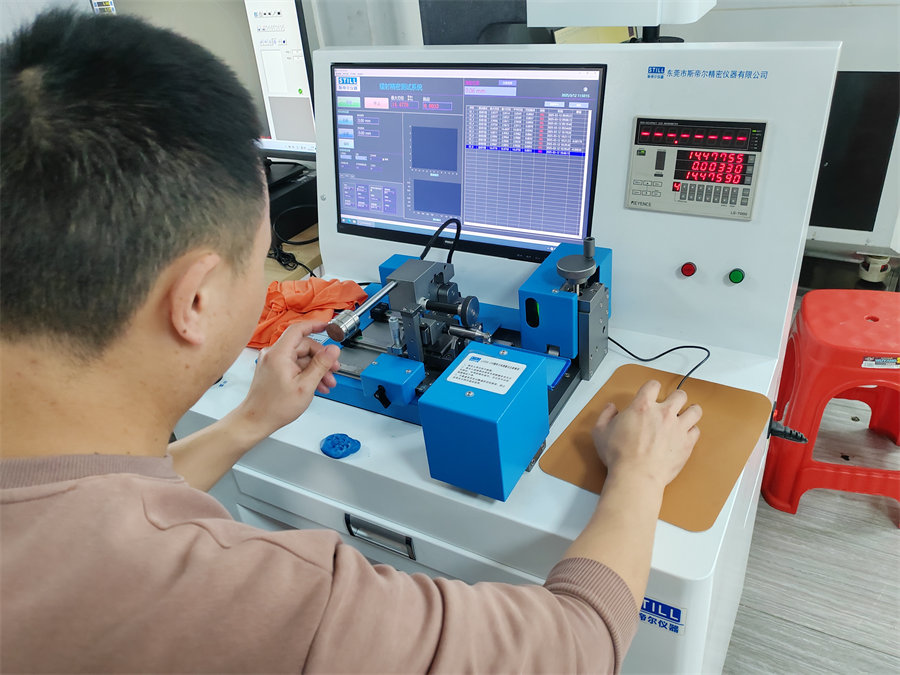
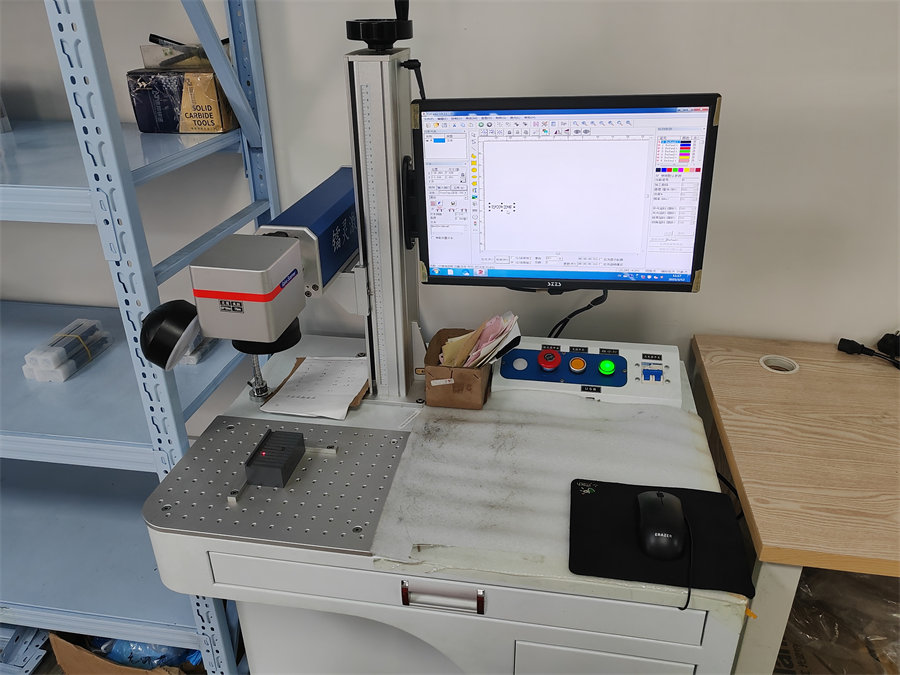
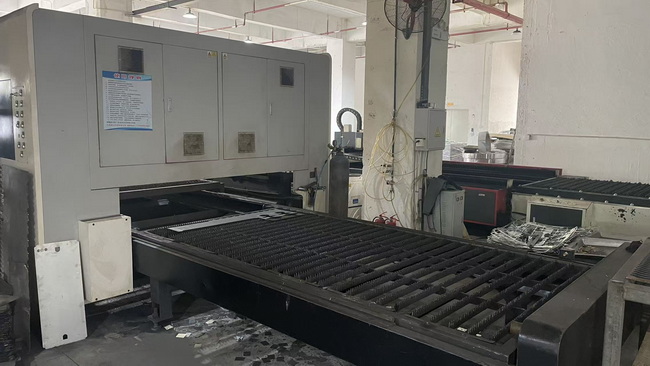
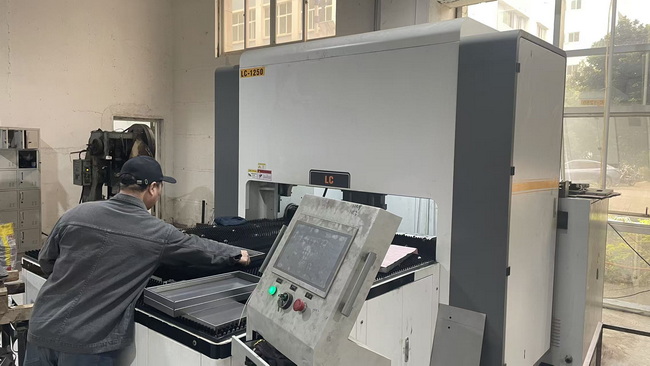
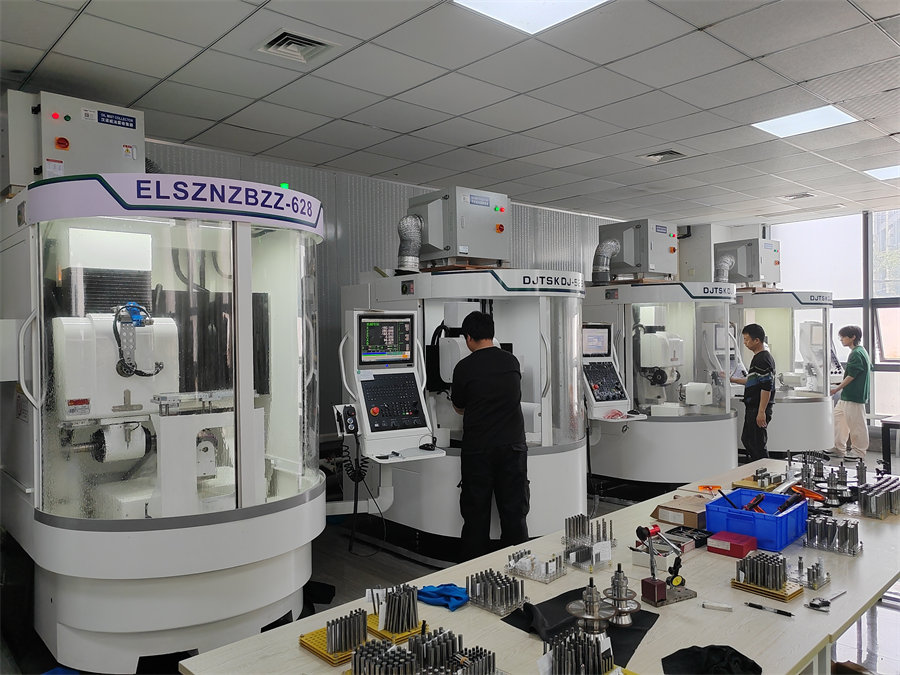
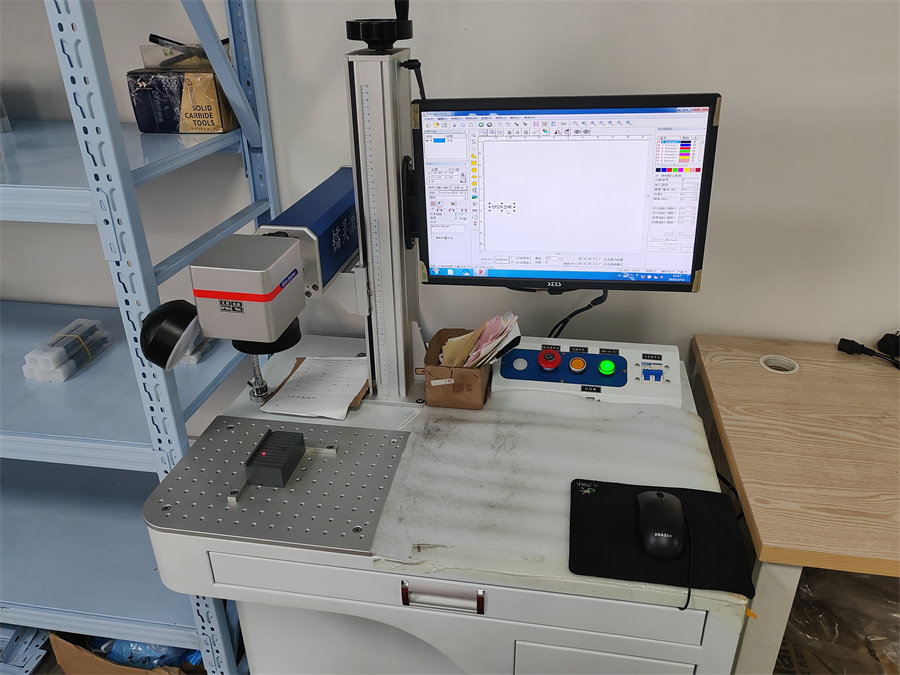
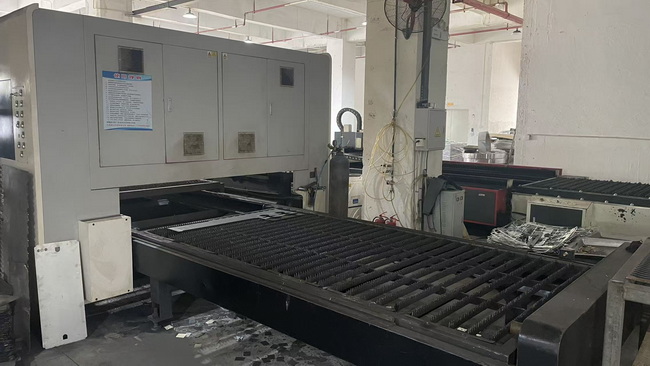
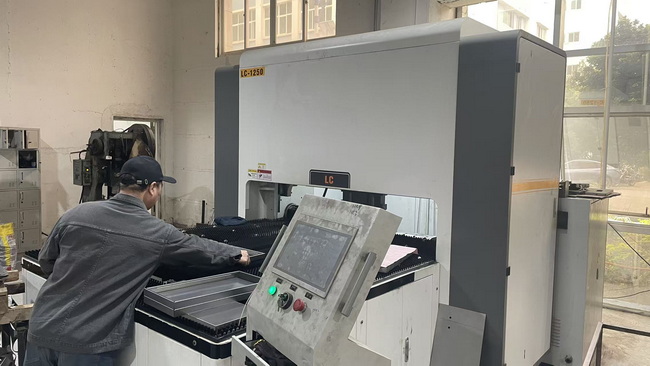
To ensure the highest levels of precision and consistency, Tier Tool has invested extensively in advanced manufacturing equipment and production technologies. The company operates multiple imported CNC tool grinding machines and precision inspection systems, enabling complete in-house capabilities from tool design and prototyping to small-batch testing and large-scale production.
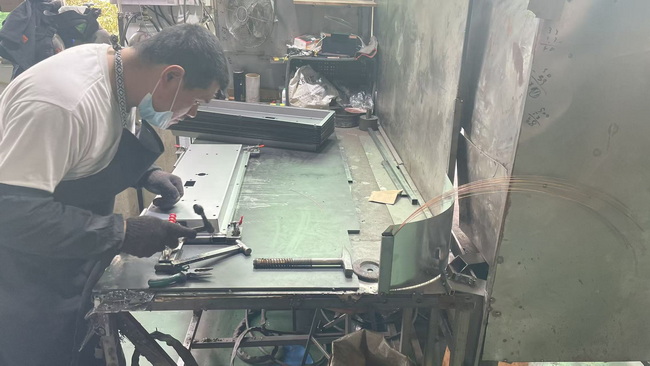
Our manufacturing process is built upon strict process control and traceability standards. Every production stage is carefully monitored to ensure repeatability, quality consistency, and reliable delivery performance. Through systematic process management and standardized operating procedures, Tier Tool has established a robust manufacturing system capable of meeting the demanding requirements of modern precision machining.
Quality is the foundation of Tier Tool's long-term success. We adhere to the principle of "Quality First, Continuous Improvement", implementing rigorous quality control procedures throughout the entire production cycle.
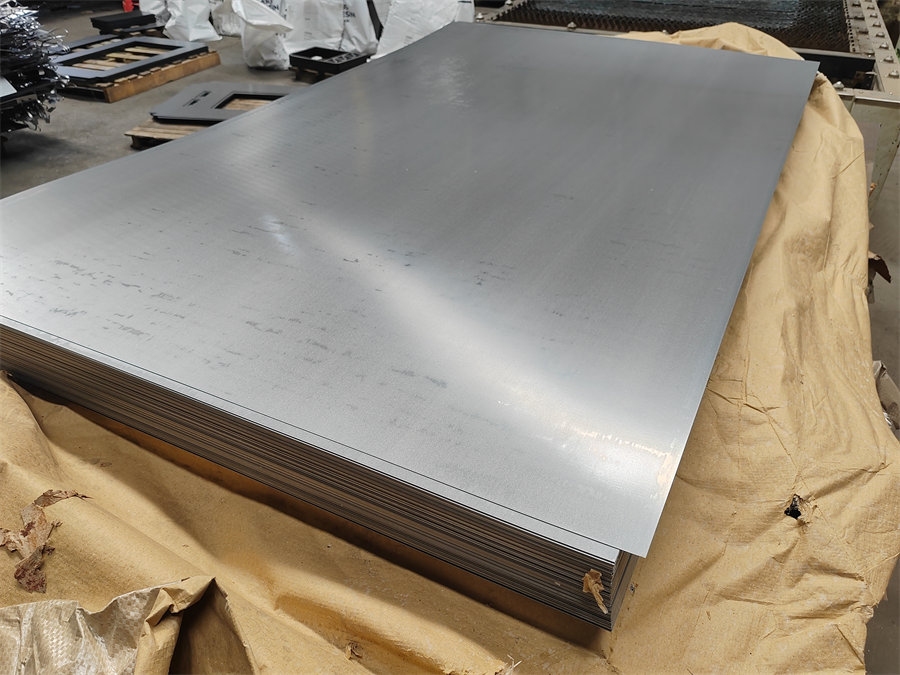
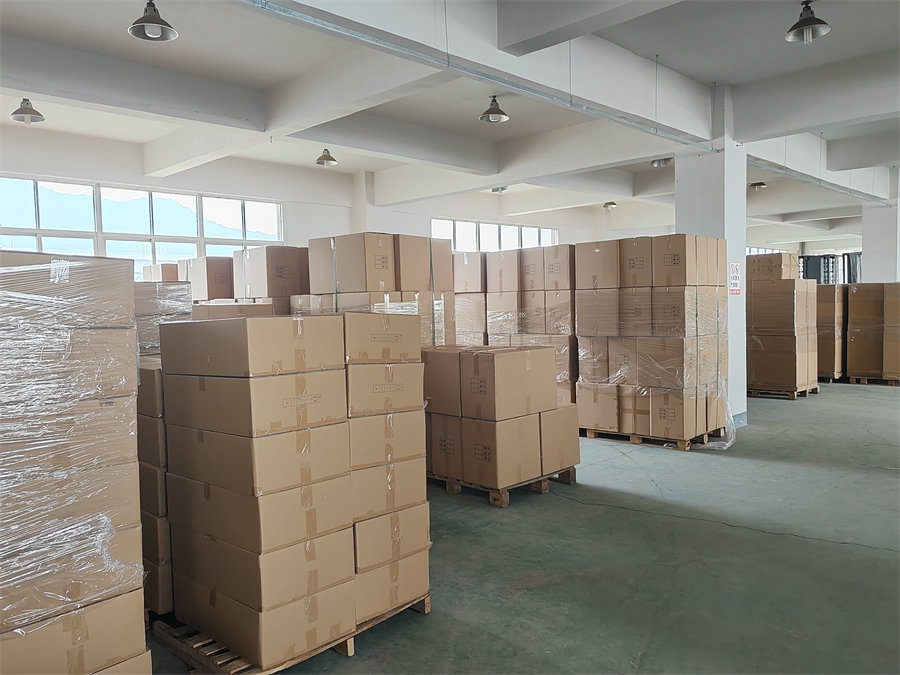
From raw material selection and incoming inspection to final product verification, every tool undergoes comprehensive quality checks to ensure it meets strict dimensional, geometrical, and performance requirements. By continuously optimizing our manufacturing and inspection processes, we deliver products that provide exceptional accuracy, reliability, and consistency in real-world machining applications.
We understand that in precision manufacturing, stable quality is not only a requirement but also the key factor that determines our customers' productivity and competitiveness.
At Tier Tool, we believe that supplying cutting tools is only the beginning of our partnership with customers. Beyond delivering products, we provide comprehensive technical support and application engineering services to assist customers in optimizing their manufacturing processes.
Our technical specialists work directly with customers to analyze machining conditions, recommend suitable tooling strategies, and develop solutions that maximize efficiency, reliability, and cost-effectiveness. By understanding our customers' production goals and competitive challenges, we strive to become a trusted long-term manufacturing partner rather than simply a tooling supplier.
Looking ahead, Suzhou Tier Tool Co., Ltd. will continue to focus on the development of high-performance carbide cutting tools and deepen its expertise in automotive, aerospace, precision engineering, and advanced manufacturing industries.
Driven by professionalism, innovation, and customer commitment, we are dedicated to creating greater value for our customers through reliable products, flexible services, and advanced manufacturing technologies. Tier Tool will continue to grow as a trusted global partner in precision cutting solutions, helping customers achieve higher productivity, better quality, and stronger competitiveness in an ever-evolving manufacturing world.
Machining conditions in Southeast Asian locations like Ho Chi Minh City present distinct operational challenges, including varying ambient humidity and differing levels of machine rigidity. Strategic tooling choices can help address these factors:
Inside Saigon Hi-Tech Park (SHTP), manufacturing plants process 6000 and 7000-series aluminum structural alloys. High-efficiency machining here requires indexable end mills and face mills equipped with uncoated polished inserts or PCD (Polycrystalline Diamond) inserts. These specialized designs minimize built-up edge (BUE) formation, prevent chip welding at high surface speeds (Vc > 800 m/min), and help operators achieve the high-quality surface finishes required for consumer electronics.
Processing facilities in Dong Nai produce pumps, valves, and industrial food packaging machinery. Working with work-hardening alloys like SUS304 and SUS316 requires tools that can manage high cutting temperatures and mechanical load. In these setups, indexable face mills configured with a positive axial rake angle and high-lubricity PVD TiAlN coatings help shear the material cleanly, reduce tool vibration, and control work-hardening.
Plastic injection mold factories frequently rough mill blocks of pre-hardened tool steels (such as NAK80 or H13 equivalent steels). This process relies on high-feed indexable cutters utilizing high feed-per-tooth parameters (fz > 1.2 mm/t) at shallower depths of cut (ap < 1.5 mm). This distribution redirects the cutting forces axially back into the machine spindle, protecting the CNC axis slide mechanisms from excessive wear.
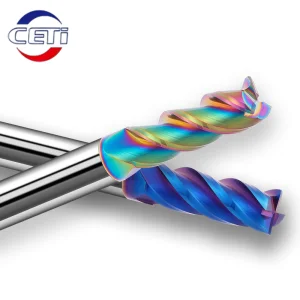
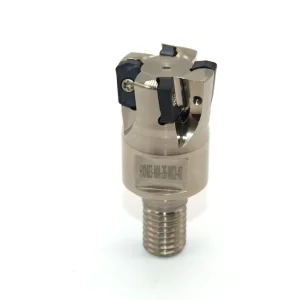
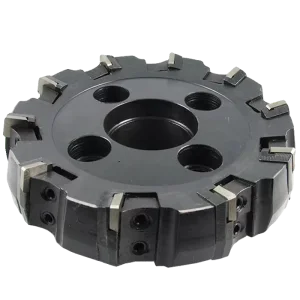
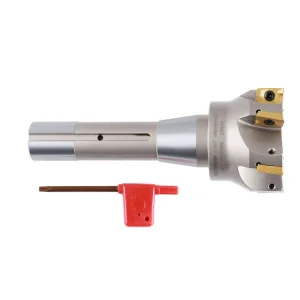
 Tier Tool