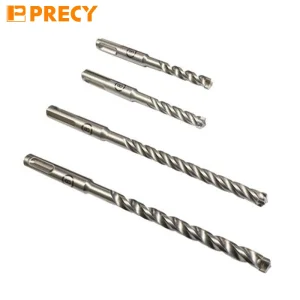
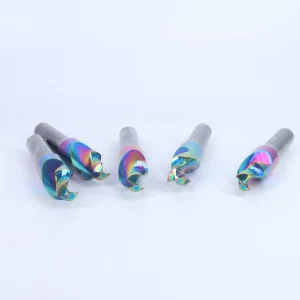
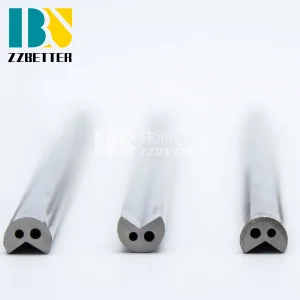
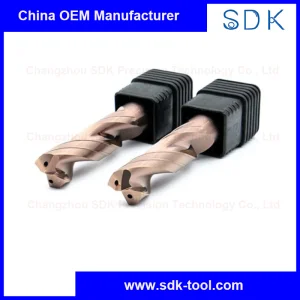
Engineered for extreme wear resistance, high thermal stability, and maximum material removal rates in CNC machining.
In the highly demanding landscape of modern subtractive manufacturing, the limits of traditional tungsten carbide tooling are constantly being pushed by new, high-strength materials. The arrival of heat-resistant superalloys (HRSAs), fiber-reinforced composites, and ultra-hardened steels has necessitated a breakthrough in tool materials science. As a premier **CE Certified Ceramic Cutting Tools Supplier and Exporter**, Suzhou Tier Tool Co., Ltd. is at the forefront of this industrial revolution.
Advanced structural ceramics—including silicon nitride (Si3N4), whisker-reinforced alumina (Al2O3-SiCw), and SiAlON—represent a paradigm shift. Unlike traditional tooling, which experiences catastrophic thermal softening at elevated temperatures, ceramic cutting tools exhibit a unique property: their chemical stability and hardness increase relative to carbides under extreme heat. This enables cutting speeds up to 10 times higher than those of tungsten carbide, dramatically shortening cycle times and raising productivity in high-value industries like aerospace turbine manufacturing, heavy automotive drivetrains, and die & mold fabrication.
"Our mission is to bridge the gap between high-purity material science and cost-effective machine shop productivity. Through precise CE-certified processes, we ensure that every ceramic insert, mill, and drill provides maximum reliability under extreme thermal and mechanical shock."
The global demand for high-speed machining (HSM) is accelerating, driven by the need to lower costs per component and improve surface integrity. Research indicates the advanced cutting tools market is set to expand significantly over the next decade. The transition to electric vehicles (EVs) has introduced complex materials such as high-strength ductile cast irons, hardened gear alloys, and complex composite housings. Standard tooling struggles with the abrasive and thermal demands of these alloys, whereas ceramic cutting tools excel in these settings.
In terms of regional demand, Europe and North America remain leading consumers of whisker-reinforced and SiAlON tools due to their advanced aerospace turbine programs. Simultaneously, the Asia-Pacific region is experiencing rapid growth in advanced industrial manufacturing, micro-machining, and high-precision electronics molds. As an exporter reaching over 40 countries, Suzhou Tier Tool Co., Ltd. addresses localized parameters—matching cutting edge preparation, chamfer designs, and coating formulations to the specific power, torque, and stability of local machine tools.
To understand the application of ceramic cutting tools, we must examine their underlying material properties. Below is a comparative analysis demonstrating why advanced ceramics outperform carbides under high-speed, high-temperature conditions:
| Property Parameter | Micro-Grain Tungsten Carbide (WC-Co) | Silicon Nitride (Si3N4) Ceramics | SiAlON Ceramic Grades | Whisker-Reinforced Alumina (Al2O3-SiCw) |
|---|---|---|---|---|
| Hardness (HV at RT) | 1500 - 1800 | 1600 - 2000 | 1800 - 2100 | 2000 - 2400 |
| Max Operating Temp | 800°C | 1200°C | 1350°C | 1450°C |
| Thermal Shock Resistance | High | Excellent | High to Moderate | Moderate |
| Chemical Inertness | Moderate (prone to diffusion) | High | Very High | Extreme |
| Primary Application Area | General steel, stainless, finishing | Grey Cast Iron, high-temp milling | Nickel-based superalloys, Inconel | Hardened steel, exotic alloys machining |
The table shows that as temperatures exceed 800°C, the cobalt binder in carbide tools begins to soften, leading to rapid plastic deformation and tool collapse. Ceramic tools, however, utilize strong covalent atomic bonds that do not break down at these temperatures, maintaining their cutting-edge integrity. This thermal capacity allows machinists to transition from flood-coolant methods to high-efficiency dry machining, eliminating thermal cracking and reducing ecological impact.
Different manufacturing challenges require targeted solutions. The modern factory floor must tailor tool geometries and material composition to specific parts. We provide customized solutions designed to optimize chip control and surface quality:
Machining components like turbine disks and compressor blades made from Inconel, Waspaloy, or Rene 41 is difficult. Our SiAlON and whisker-reinforced ceramic tools enable cutting speeds up to 1000 m/min, reducing tool-change frequency and ensuring stable processing of critical components.
In heavy duty truck disc brake and engine block production, silicon nitride tools are used for grey cast iron milling. This material configuration provides excellent wear resistance and thermal shock properties, facilitating continuous machining operations.
For cavity milling of steels hardened to over HRC60, traditional carbide tools suffer from rapid flank wear. Advanced ceramic tools allow for roughing of hardened molds with high metal removal rates, minimizing secondary grinding stages.
Established in 2008, Suzhou Tier Tool Co., Ltd. is a high-tech enterprise specializing in the design, manufacturing, and technical support of precision solid carbide and high-performance cutting tools. Over more than a decade of development, we have created an integrated process cycle that spans from structural tool design to large-scale production, backed by rigorous quality assurance systems.
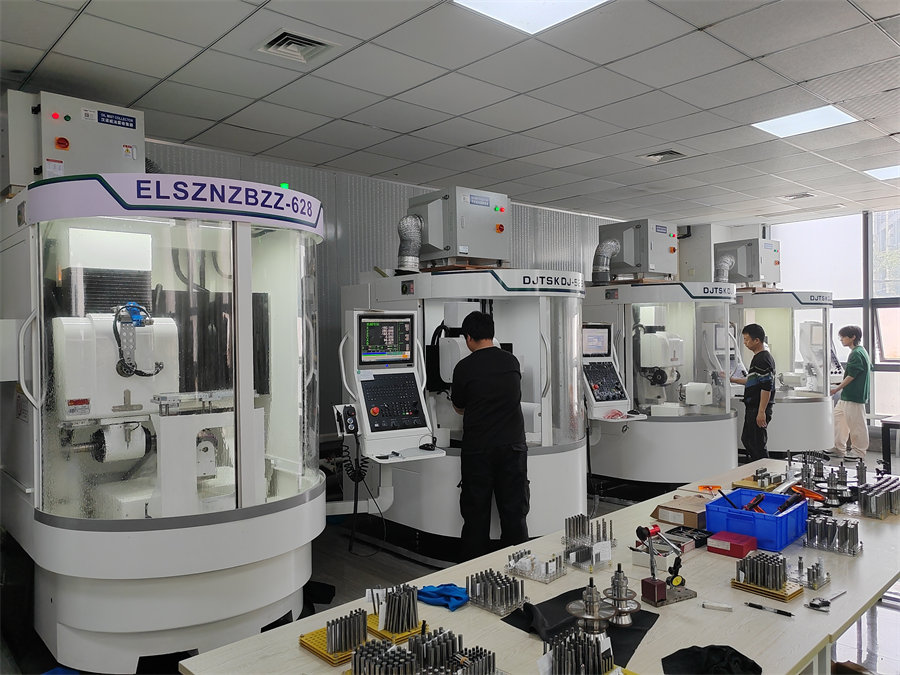
To maintain precision and batch-to-batch consistency, Tier Tool has invested in advanced manufacturing equipment and precision inspection technologies. Operating imported CNC tool grinding units alongside dedicated laser and material treatment setups, we maintain strict process control at every production stage.
Our manufacturing operations utilize advanced technical infrastructure. The facility employs modern machining, automated inspection, laser marking, and high-performance processing systems to support our product quality standards.
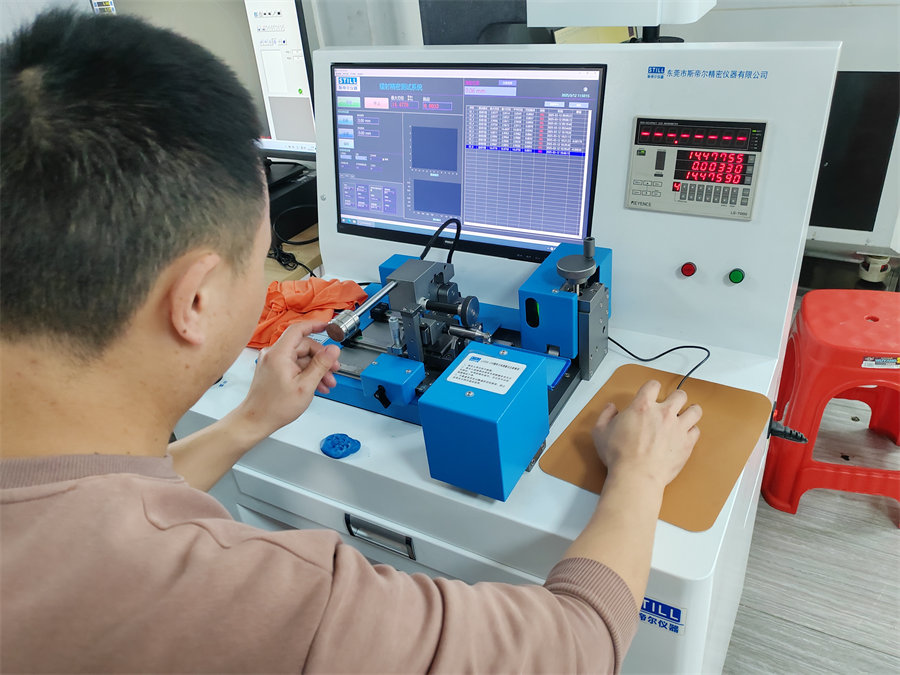
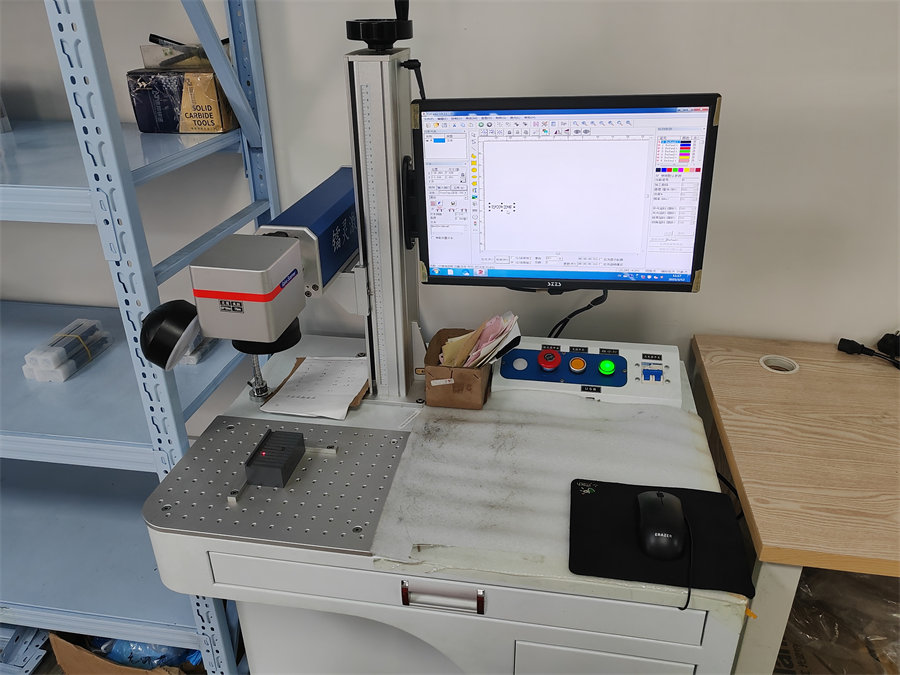
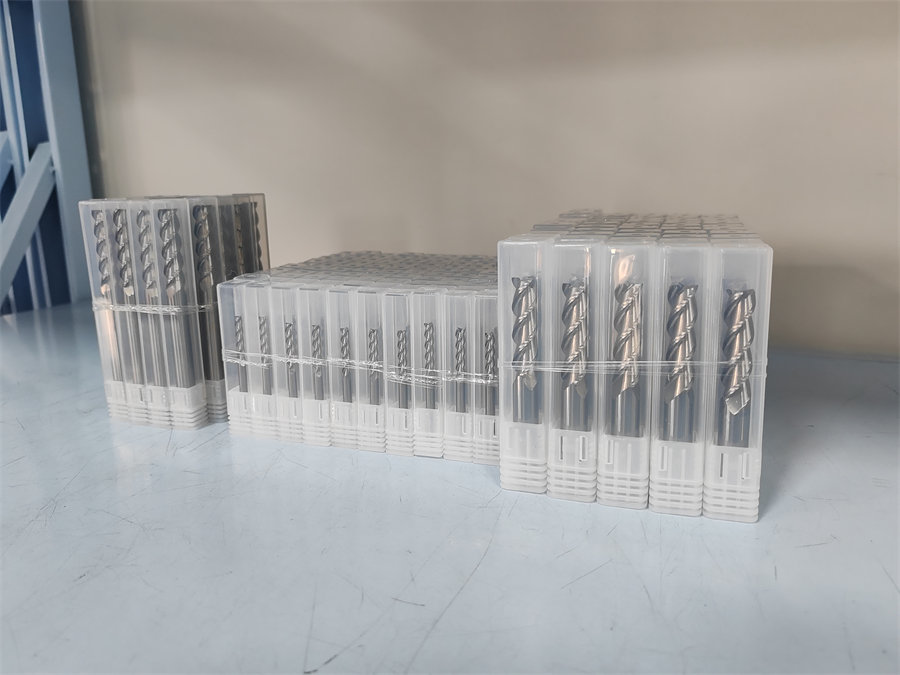
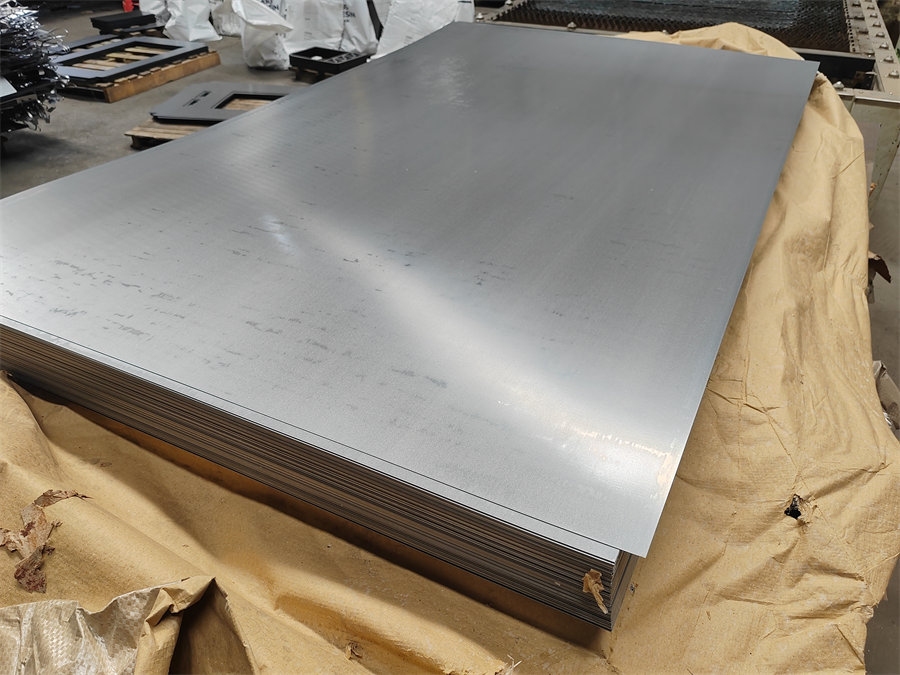
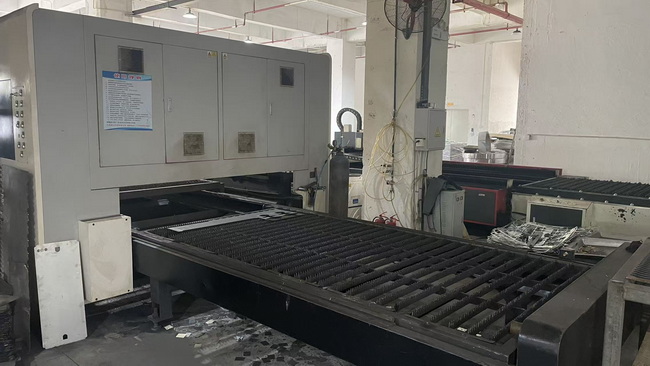
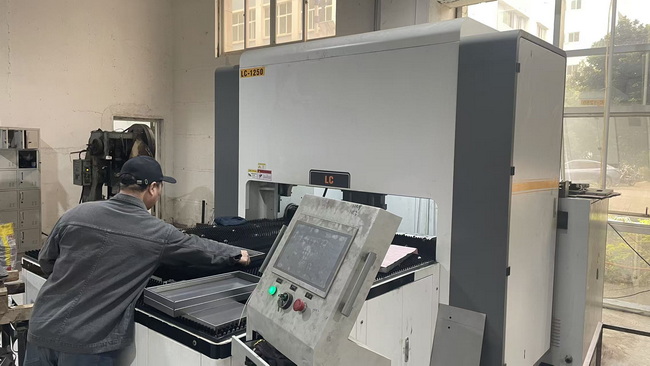
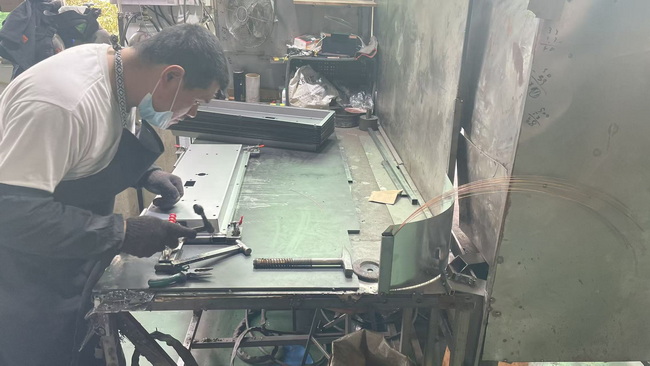
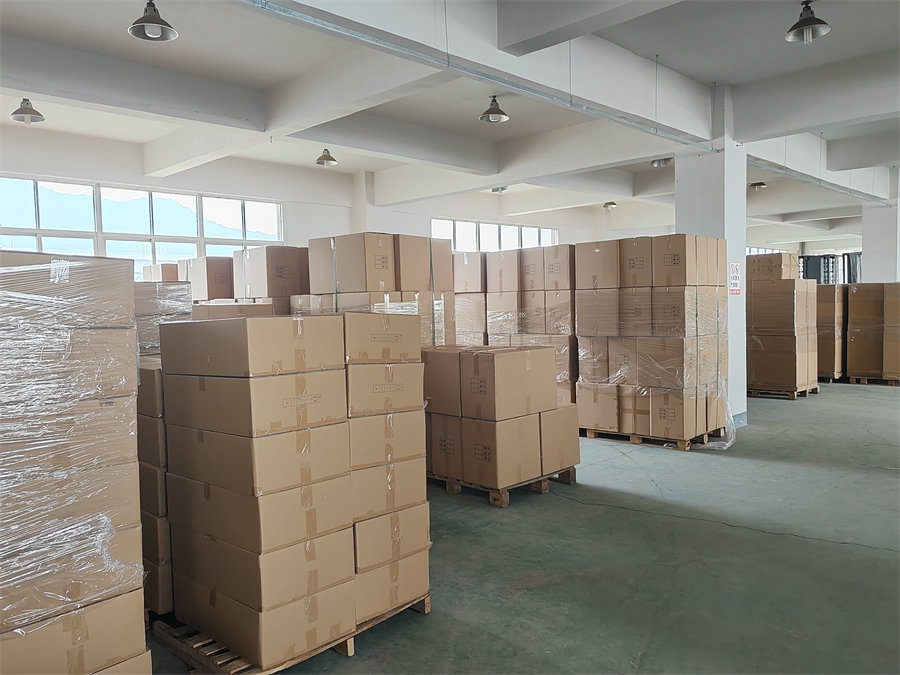
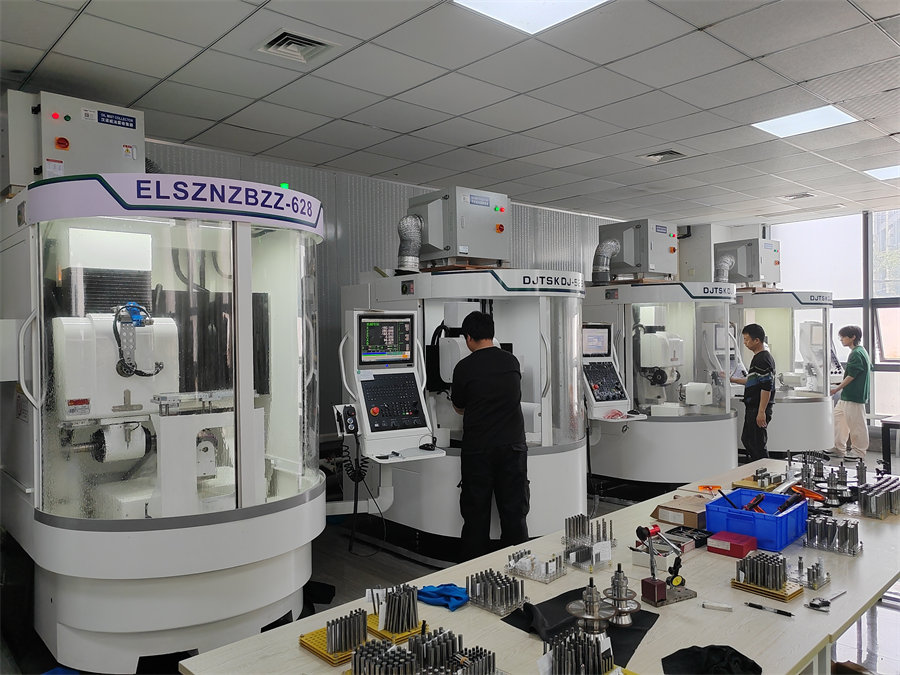
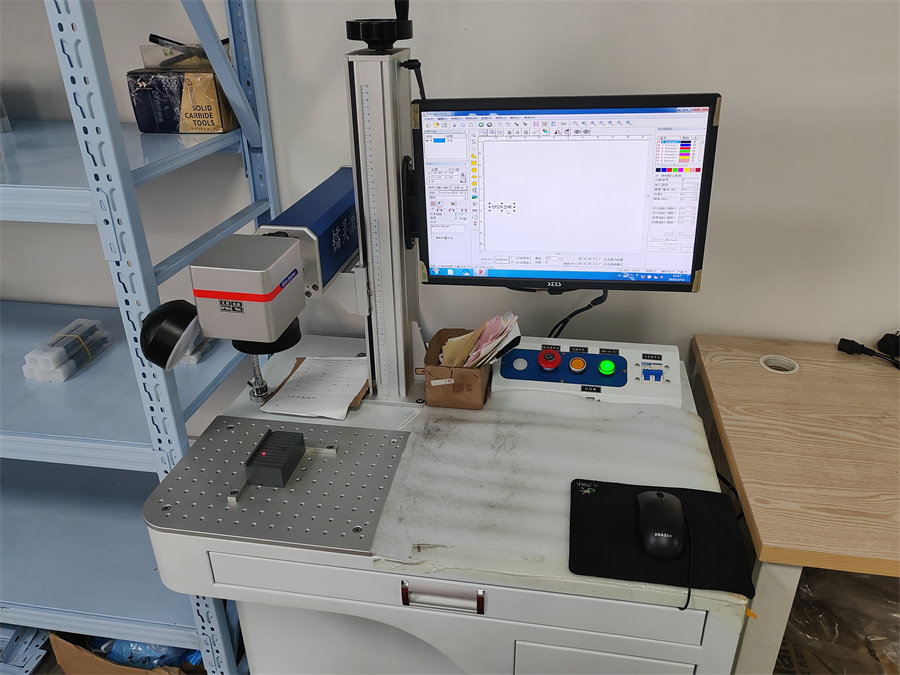
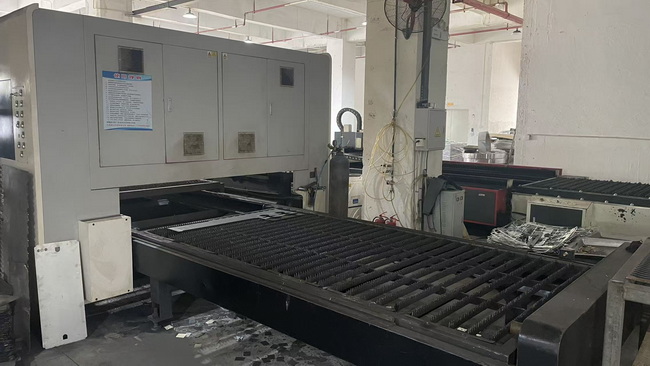
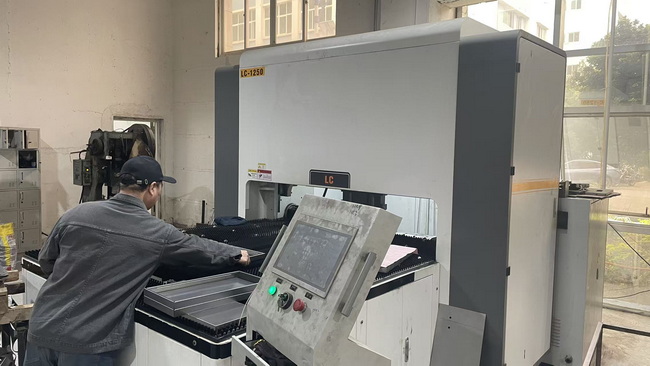
Quality control at Tier Tool starts with raw material selection. Each batch of tungsten carbide and ceramic substrate is tested for density, hardness, transverse rupture strength (TRS), and grain size distribution. We apply a rigorous "Quality First, Continuous Improvement" policy, maintaining detailed documentation for every manufacturing run to support our CE certification.
Tool coatings play a vital role in preventing chemical diffusion and thermal degradation. While ceramic substrates are naturally resistant to heat, cutting edges are exposed to severe friction, chemical interaction, and high speeds. The technology roadmap developed by Tier Tool focuses on several key areas:
In addition to coatings, our engineering team utilizes finite element analysis (FEA) to design specialized micro-geometries, including edge hones, chamfers, and chip breakers. This approach helps control cutting forces and chip formation, preventing micro-chipping in intermittent machining applications.
Choosing the right cutting tools is only the first step in optimizing machining performance. Developing effective process parameters, toolpaths, and holding arrangements is critical to achieving high efficiency. We work directly with customers to evaluate machine stability, spindle capability, and material variables, assisting with tool selection and optimization.
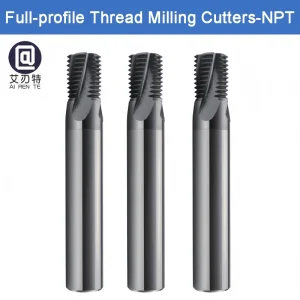
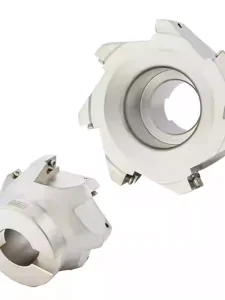
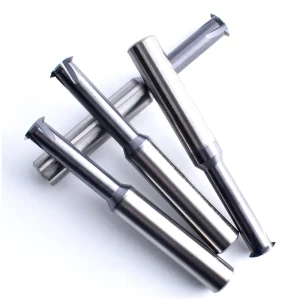
Whether your shop requires custom thread mills for casting setups or standard indexable systems for hardened components, our engineering group provides technical support to help optimize process parameters and improve tool life. We build relationships with clients based on technical alignment and shared performance goals.
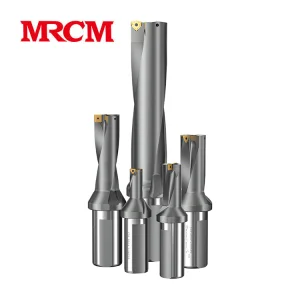
Engineered for precise dimensional control, consistent chip evacuation, and reliable operation in heavy industrial applications.

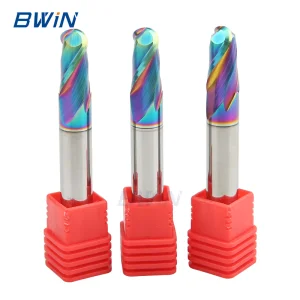
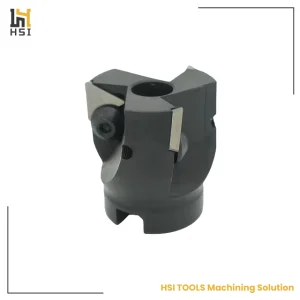
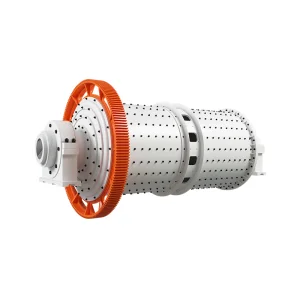
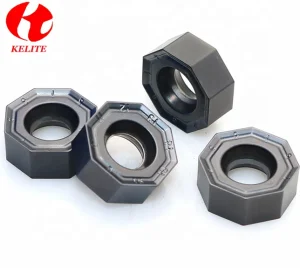
Technical answers to key industry questions about advanced ceramic cutting tools, carbide tooling, and high-performance CNC operations.
 Tier Tool