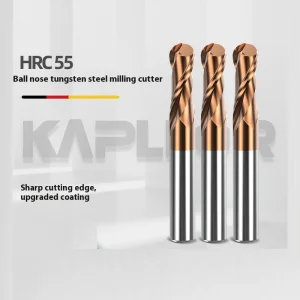
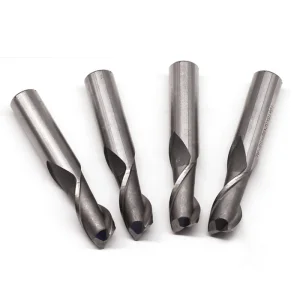
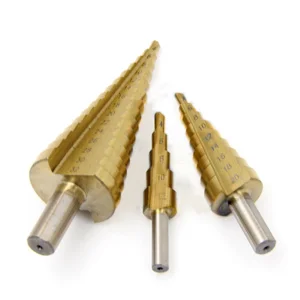
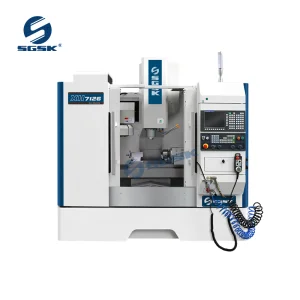
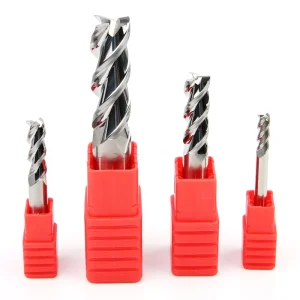
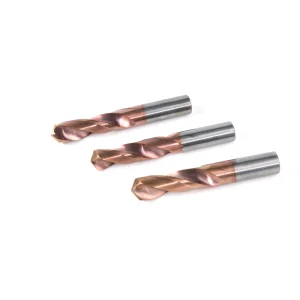
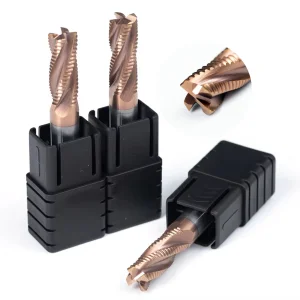
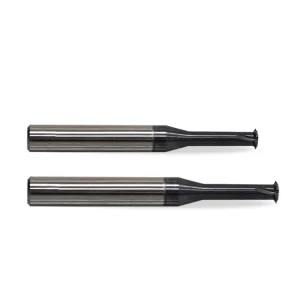
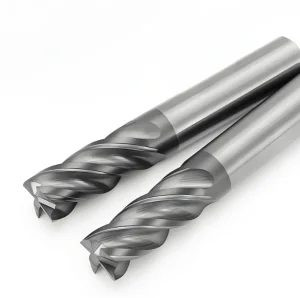
Explore our top-tier solid carbide step drills, high-speed milling equipment, and multi-flute endmills designed for extreme dimensional stability.

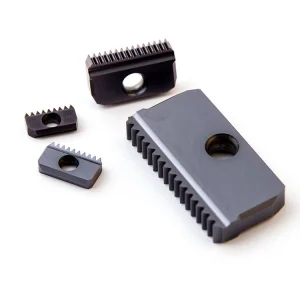
In modern manufacturing, industrial cutting operations have transitioned from simple material parting processes to highly specialized precision steps. At the center of this transformation are solid carbide and carbide-tipped industrial circular saw blades. The global demand for higher feed rates, narrower kerfs, minimal material waste, and impeccable edge finishes has driven metallurgy and engineering to new heights. As a leading manufacturer specializing in carbide tool technologies, Suzhou Tier Tool Co., Ltd. spearheads this evolution by engineering CE-certified slitting saw blades, rotary cutting tools, and custom milling systems that exceed the rigorous expectations of global high-volume producers.
Traditional high-speed steel (HSS) blades, while resilient under flexural stress, fall short in thermal resistance and hardness when subjected to high-speed machining (HSM) environments. Solid carbide tools, characterized by their high cobalt binder formulations and sub-micron grain sizing, offer a structural hardness rating up to 92.5 HRA. This ensures that the cutter geometry remains intact under severe thermal loads, mitigating premature flank wear, micro-chipping, and thermal deformation.
Established in 2008, Suzhou Tier Tool Co., Ltd. is a national high-tech enterprise specializing in the design, manufacturing, and technical support of precision solid carbide cutting tools and custom industrial saws. By focusing on the precision machining industry, we have spent nearly two decades delivering high-performance, high-efficiency cutting solutions for hole-making, metalworking, and slotting applications.
Our factory features advanced manufacturing equipment, operating multiple imported CNC tool grinding machines, precision laser cutting setups, bending stations, and automated inspection arrays. Our complete in-house loop—spanning raw tool design, rapid prototyping, small-batch validation, and large-scale manufacturing—ensures complete process traceability. Here is an inside look at our core processes:
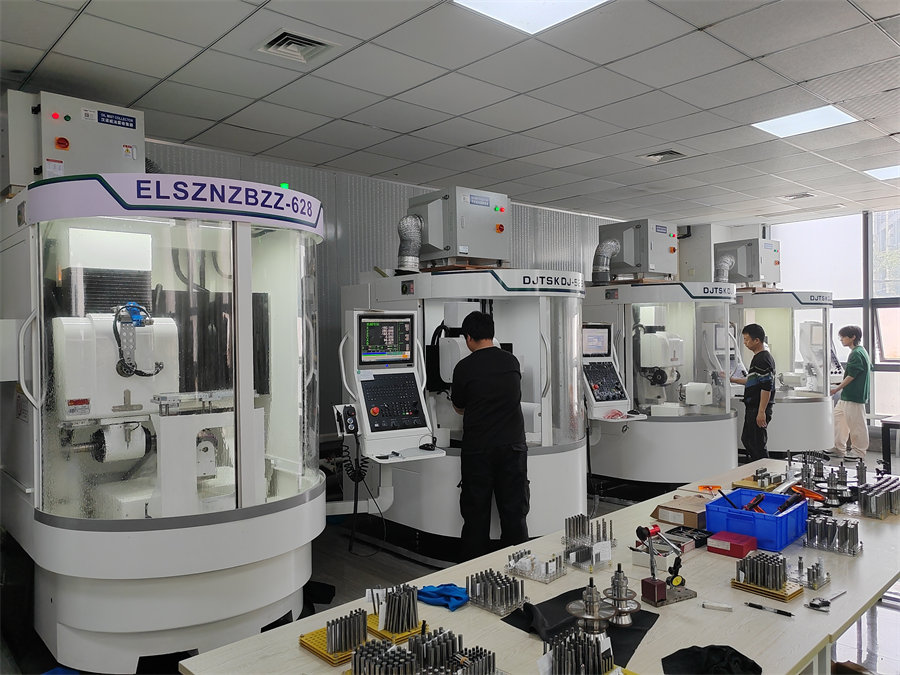
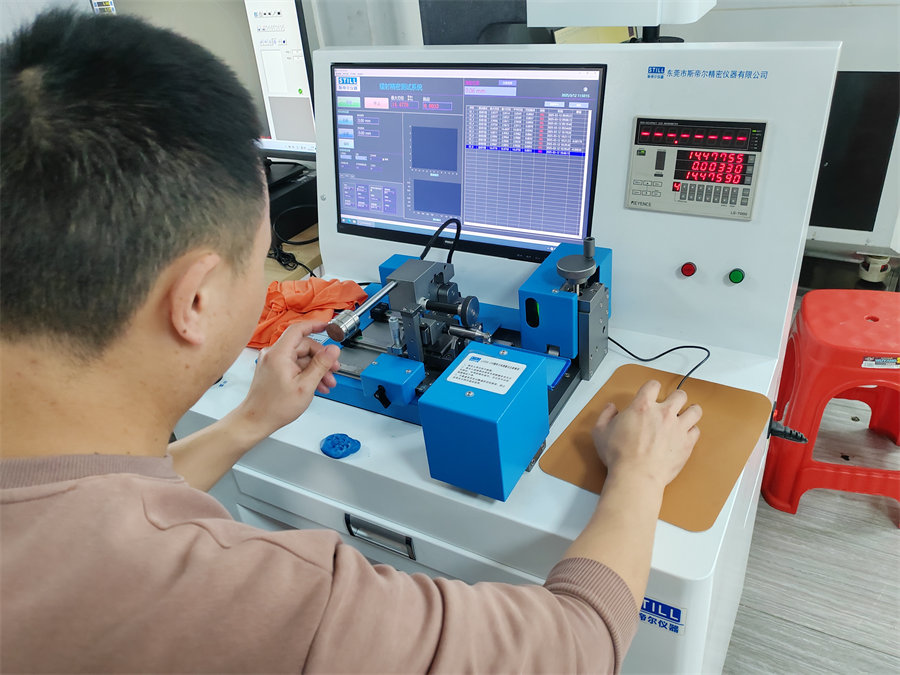
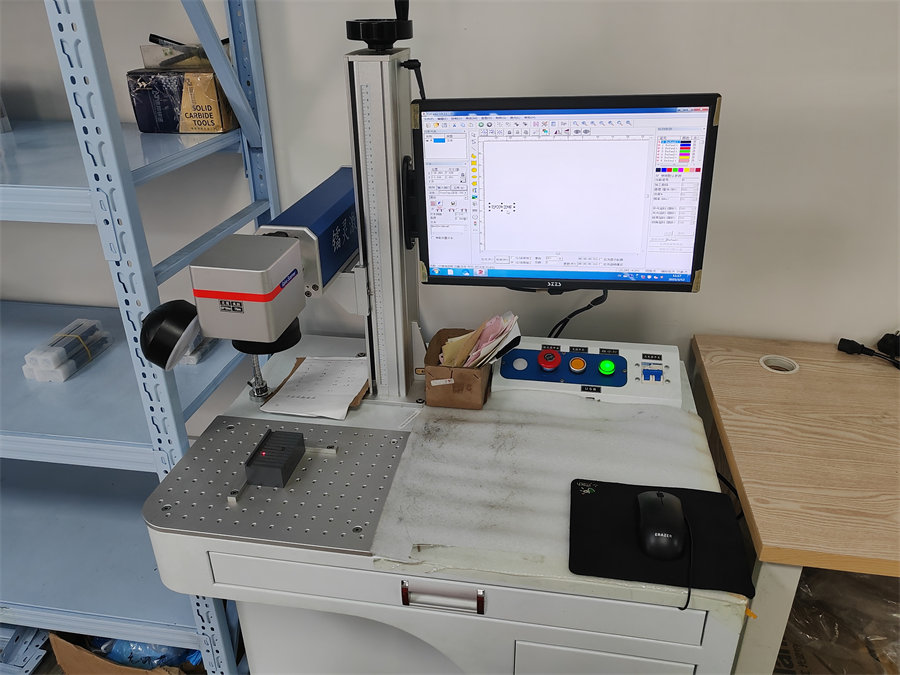
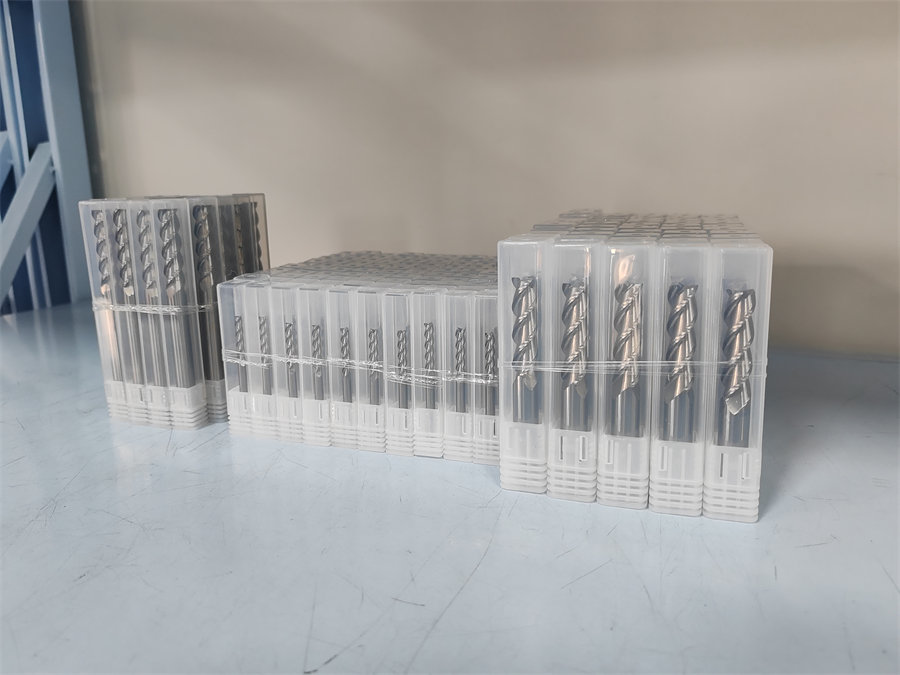
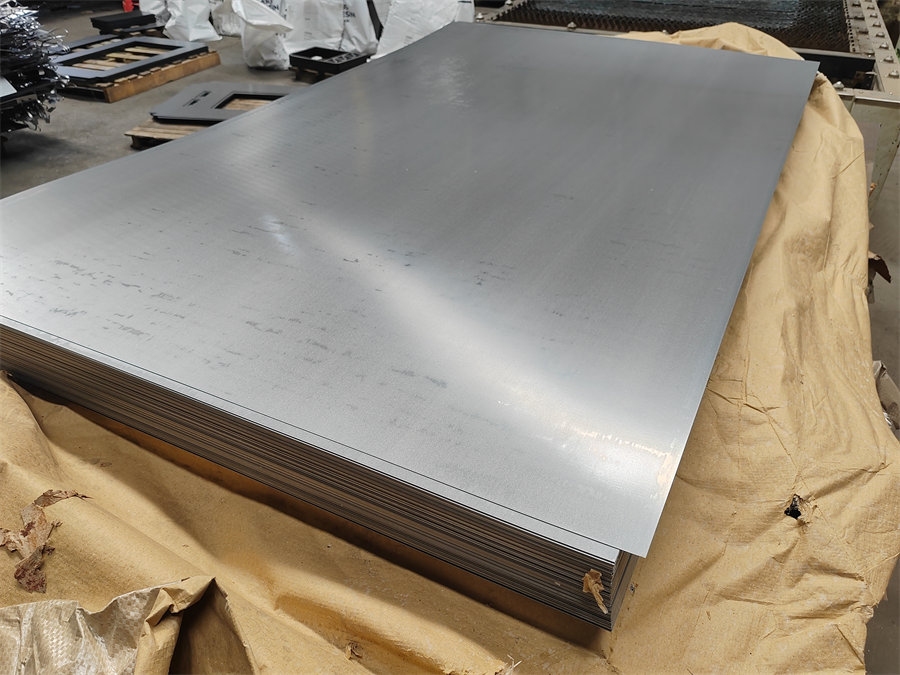
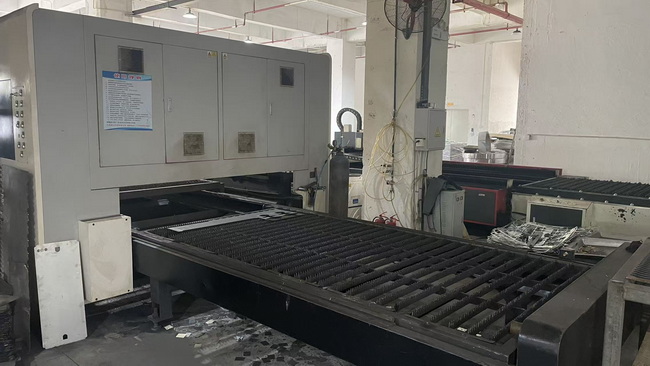
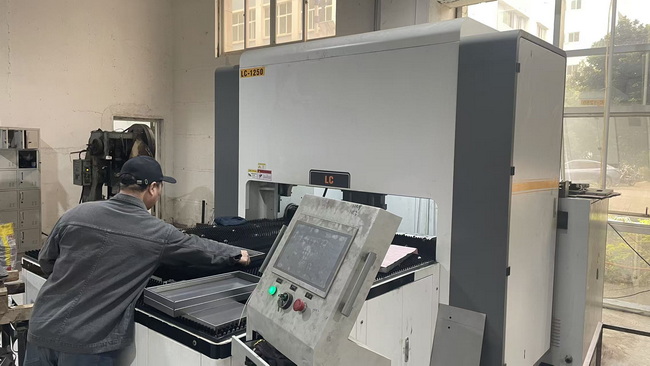
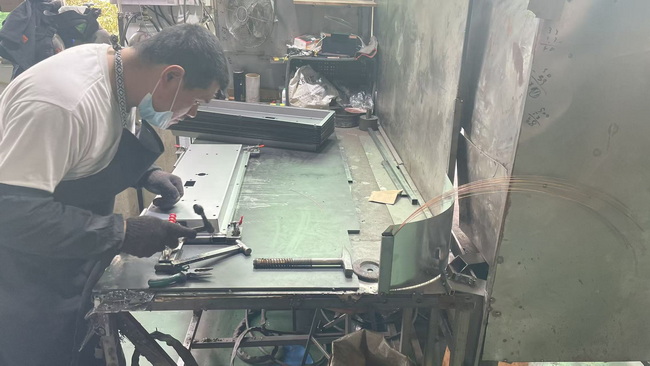

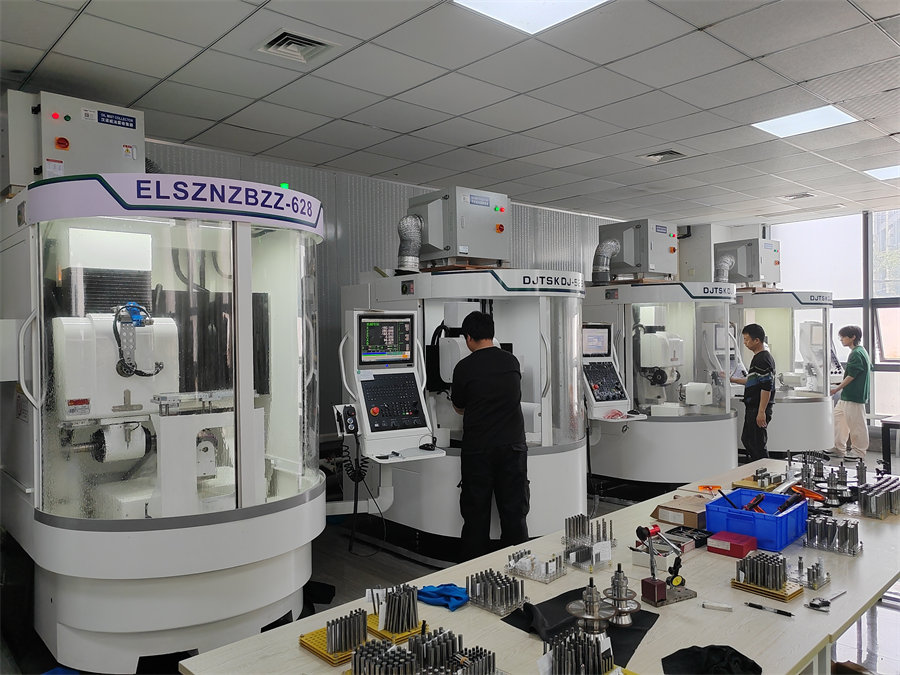
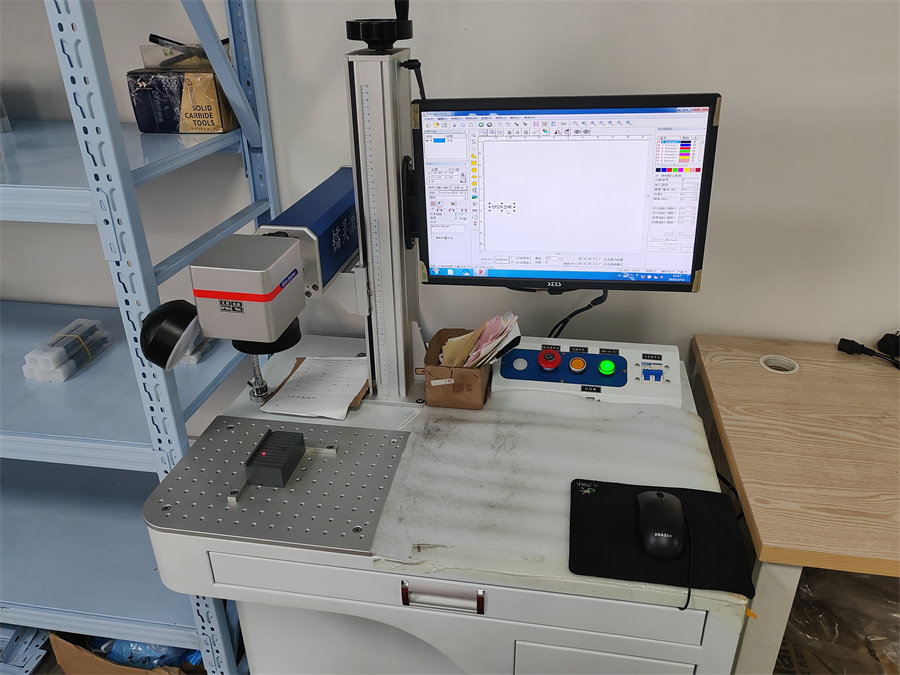
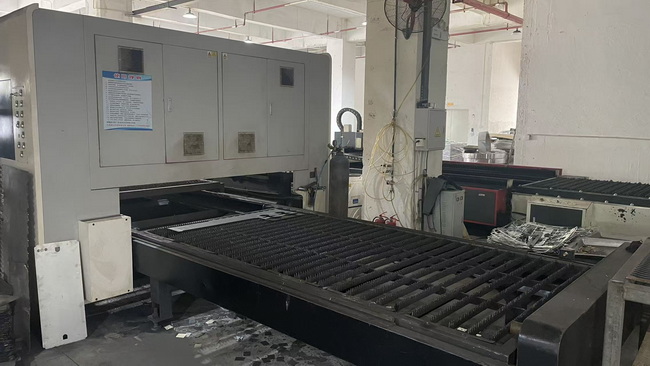
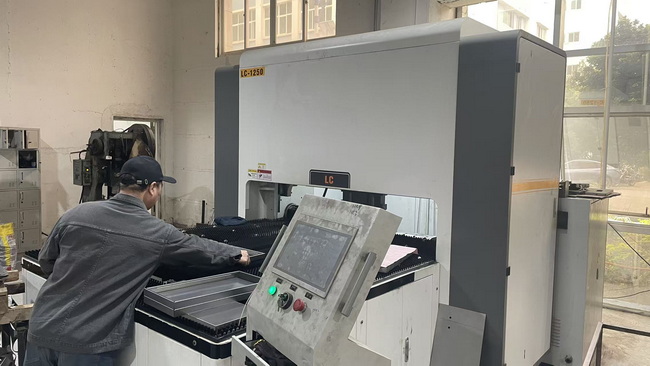
Quality control at Suzhou Tier Tool is governed by our core principle: "Quality First, Continuous Improvement". From raw sub-micron tungsten carbide powder inspection to geometric verification on multi-axis measuring systems, we ensure that every circular blade, step drill, and endmill leaves the factory floor calibrated to tolerances within microns. This rigor prevents vibration during high-speed rotation, which is critical for extending both tool life and machine spindle integrity.
Procurement processes in international aerospace, automotive, and metalworking corporations require strict compliance with key operational metrics. Standard consumer-grade blades do not withstand the mechanical fatigue of automated manufacturing lines. The following parameters highlight the key technical concerns of global procurement divisions:
| Substrate Material Type | Grain Size (μm) | Cobalt Content (%) | Hardness (HRA) | Primary Industrial Use Cases |
|---|---|---|---|---|
| Ultra-Fine Grain Carbide | 0.4 - 0.6 | 6.0 - 8.0 | 91.8 - 93.0 | High-speed slitting saws, medical implants, stainless steel slotting |
| Sub-Micron Grade Carbide | 0.7 - 0.9 | 8.0 - 10.0 | 90.5 - 91.5 | Alloy steel sawing, general profile cutting, high-feed solid mills |
| Medium-Grain Carbide | 1.0 - 1.5 | 10.0 - 12.0 | 88.5 - 90.0 | Heavy-duty structural steel cutting, wood rip-cutting, composites |
| High-Speed Steel (M2/M35) | N/A | Co 0 - 5.0 | 84.0 - 86.5 | Low-speed pipes, general purpose maintenance operations |
To assist manufacturing plants in maximizing throughput, we offer targeted engineering strategies designed for key application areas:
Cutting high-strength structural profiles, aluminum alloy blocks, and cast-iron manifolds requires specialized tooth geometries like Trapeze-Flat Tooth (TCG). This geometry balances cutting forces and prevents heat build-up.
Carbon-fiber-reinforced polymers (CFRP) cause extreme abrasive wear on tool edges. We supply high-clearance diamond-coated (CVD) carbide circular cutters that prevent material delamination and fiber pull-out.
For PCB separating and slotting micro-components, we manufacture ultra-thin solid carbide slitting saws with thicknesses down to 0.2mm, maintaining precise line alignments with zero edge deflection.
The future of precision cutting tools focuses on two key goals: advancing material science and implementing real-time smart monitoring.
Sub-Nanometer Coating Topography: Emerging thin-film coatings, such as chromium aluminum silicon nitride (CrAlSiN), achieve hardness values beyond 35 GPa. These coatings form an amorphous silicon oxide layer when exposed to heat during operation. This layer serves as an effective barrier against oxygen diffusion, allowing cutting speeds to increase by 40% in dry machining environments.
Laser-Processed Chip Breakers on Blade Tips: With femtosecond laser precision, manufacturers can etch micro-grooves onto the carbide tooth face. These micro-grooves modify chip flow and break up long, continuous curls during deep metal slotting, preventing chip nest build-up and tool breakage.
Vibration Damping Composite Inserts: Future saw blade designs will increasingly feature laser-cut expansion slots filled with dampening viscoelastic polymers. These inserts absorb vibration and acoustic waves, leading to cleaner finishes and reduced noise pollution in industrial workshops.
Operating in international industrial markets requires complying with strict quality standards. Our manufacturing processes align with European safety and environmental standards, ensuring compliance across major global markets.
What does CE Certification mean for Saw Blades? In the EU, circular saw blades are classified under high-risk mechanical tools, governed by the EN 847-1 safety standard. This standard defines design criteria, including maximum rotational speeds (RPM), body plate design, tooth connection strength, and minimum projection parameters to prevent kickback. Our factory verifies that every blade design undergoes load simulation testing and rotational stress analysis before full production, minimizing operational safety risks.
Customized Engineering & Localized Support: We collaborate with tooling distributors and regional service centers in Europe, the Americas, and Southeast Asia to offer localized regrinding, recoating, and technical support. This approach ensures high-performance tool performance throughout its operating life.
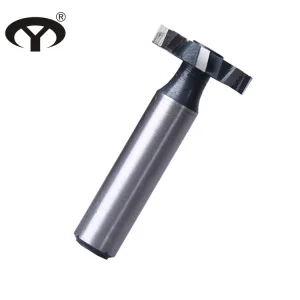
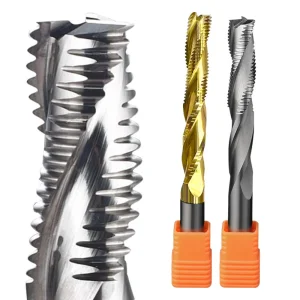
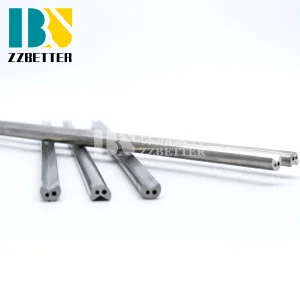
Discover our range of deep-hole carbide gun drills, specialized T-slot cutters, and multi-flute roughing mills engineered for heavy-duty metal removal.

Get answers to technical questions about solid carbide circular saw blades and high-precision slitting tools.
The feed per tooth (fz) is calculated using the formula: fz = vf / (n * z), where vf is the table feed speed (mm/min), n is the spindle speed (RPM), and z is the number of teeth. For solid carbide slitting blades, the fz generally ranges between 0.005mm to 0.05mm per tooth depending on the material hardness. In harder materials like stainless steel (e.g., 316L), fz should be kept low with high coolant pressures to avoid edge chipping. For non-ferrous metals like aluminum, a larger feed per tooth prevents work-hardening and chip packing.
Under standard EN 847-1, saw blades must undergo structural testing to prevent fatigue failure. Specifically, the maximum safe operating RPM (n_max) must be permanently marked on the blade body. The attachment method between carbide tips and the steel core (brazing or laser welding) must withstand shear tests. Additionally, the body plate must maintain precise flatness and tensioning to prevent structural failure at high speeds.
Any axial or radial runout deviation causes uneven load distribution among the teeth. If one tooth projects further than the others, it experiences higher mechanical stress and chips prematurely, initiating a cascade failure. At high rotational speeds, runout also induces vibrational harmonics, causing rough cuts, chatter marks, and accelerated machine spindle wear. We control runout within ≤0.005mm to ensure consistent tool performance.
For wet cutting with synthetic flood coolants, standard TiAlN (Titanium Aluminum Nitride) provides excellent chemical resistance and prevents built-up edge (BUE). For dry cutting, where tool temperatures can exceed 800°C, AlTiN (Aluminum Titanium Nitride) or CrAlSiN are preferred. These coatings oxidize at high temperatures to form a protective surface layer, insulating the underlying carbide substrate from thermal shock.
Yes, high-precision carbide saw blades can be reground on CNC grinding machines. Regrinding restores the original cutting edge geometries by dressing the tooth faces. Typically, a blade can be reground 3 to 6 times, depending on the wear level. To maintain original performance, it is recommended to recoat the blade with PVD after regrinding to restore its thermal and wear resistance.
Micro-chipping is typically caused by three factors: excessive feed-per-tooth, structural vibrations in the machine setup, or thermal shock from inconsistent coolant application. To mitigate this, check for proper blade clamping, increase coolant flow directly to the cut zone, or slightly reduce the feed rate. Transitioning to a sub-micron carbide grade with a higher cobalt binder percentage can also improve edge toughness and reduce chipping.
 Tier Tool