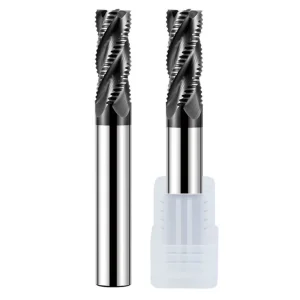
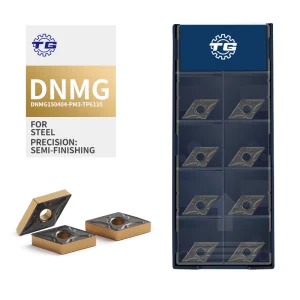
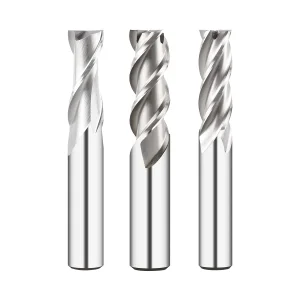
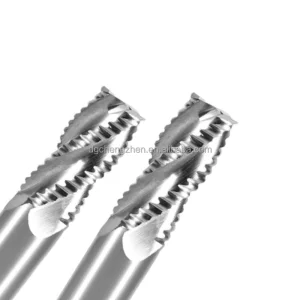
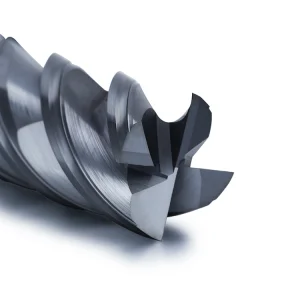
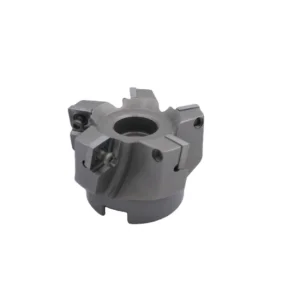
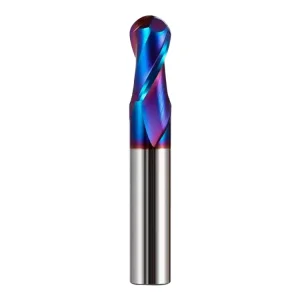
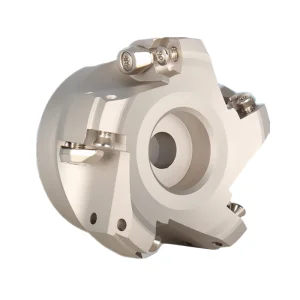
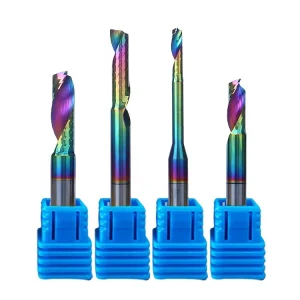
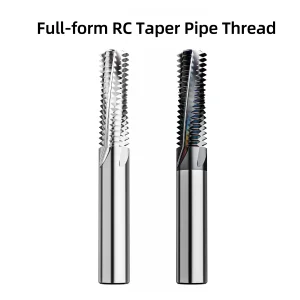
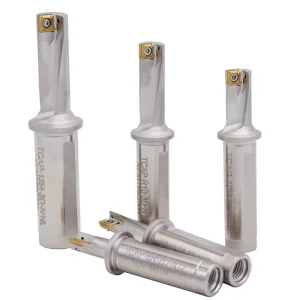
Engineered for extreme wear resistance, micro-geometric accuracy, and high-efficiency chip control across hardened alloys.
Tapping tools represent one of the most critical segments in the metalworking and subtractive manufacturing sectors. Unlike standard milling or turning where surface errors can be corrected in subsequent passes, internal tapping is typically the final operation in precision component manufacturing. A failure in the tapping process often leads to the scrapping of highly valuable, pre-machined components. Consequently, global procurement teams treat the quality, reliability, and precision of industrial taps with paramount importance.
Modern thread manufacturing requires a subtle balance between substrate materials, advanced PVD/CVD coating treatments, and geometric designs engineered for specific chip-evacuation requirements. Over the last decade, the industry has experienced a significant paradigm shift away from general-purpose tools toward application-specific taps (e.g., specialized geometries for titanium alloys, hardened stainless steels, and lightweight composites). This shift has propelled top-tier factories to integrate advanced CNC grinding centers, high-accuracy inspection machines, and rigorous quality management frameworks.
An objective analysis of the industry's leading manufacturers, detailing their technological capabilities, primary target markets, and material specializations.
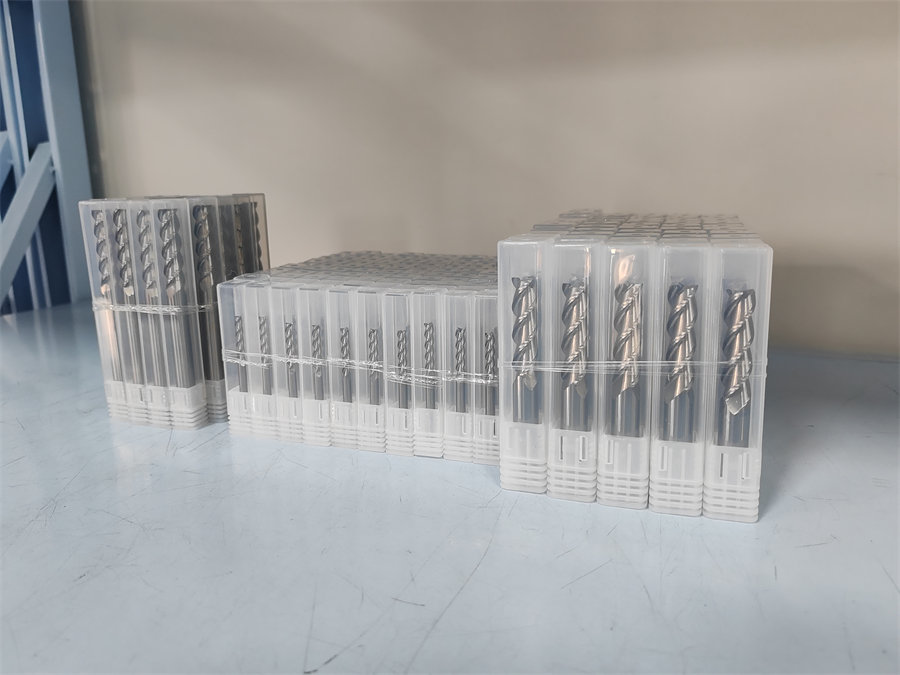
Suzhou Tier Tool Co., Ltd., established in 2008, is an internationally recognized high-tech enterprise specializing in the design, engineering, and manufacturing of precision solid carbide cutting tools. Known for its strong alignment with automotive, aerospace, and medical engineering sectors, Tier Tool utilizes advanced materials to yield high-efficiency and highly reliable hole-making solutions.
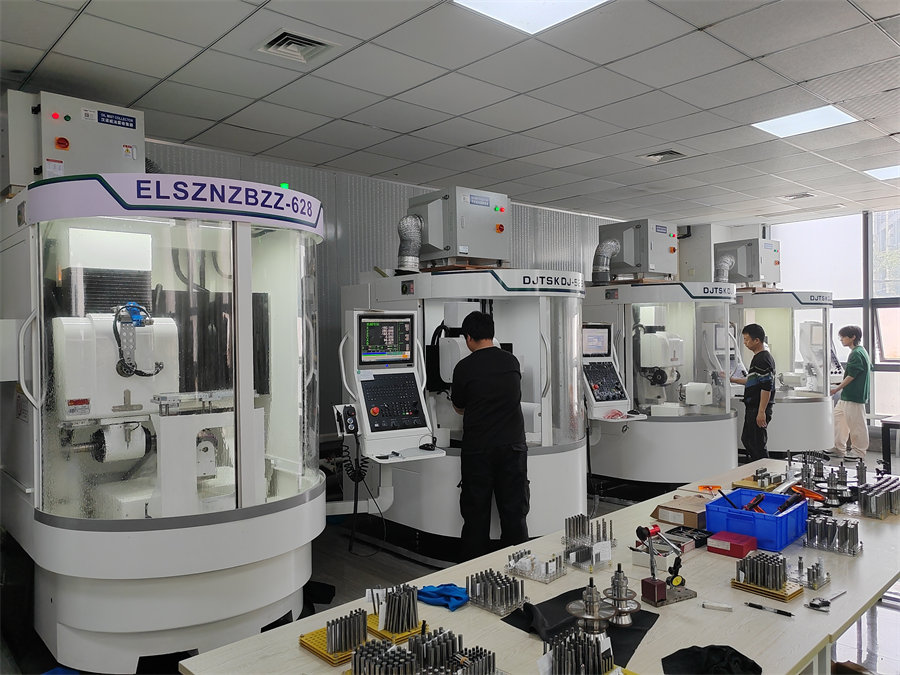
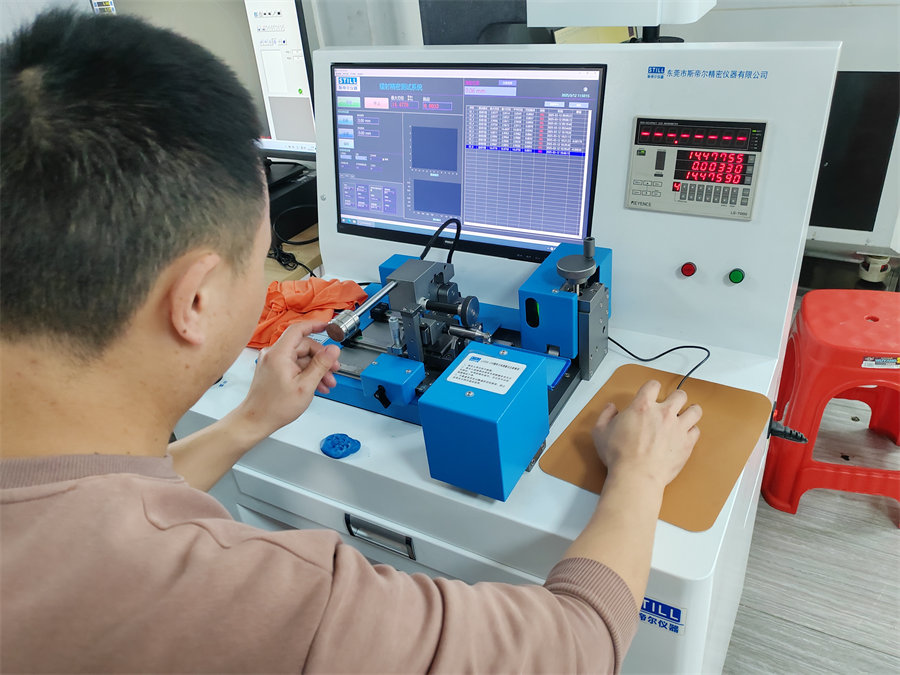
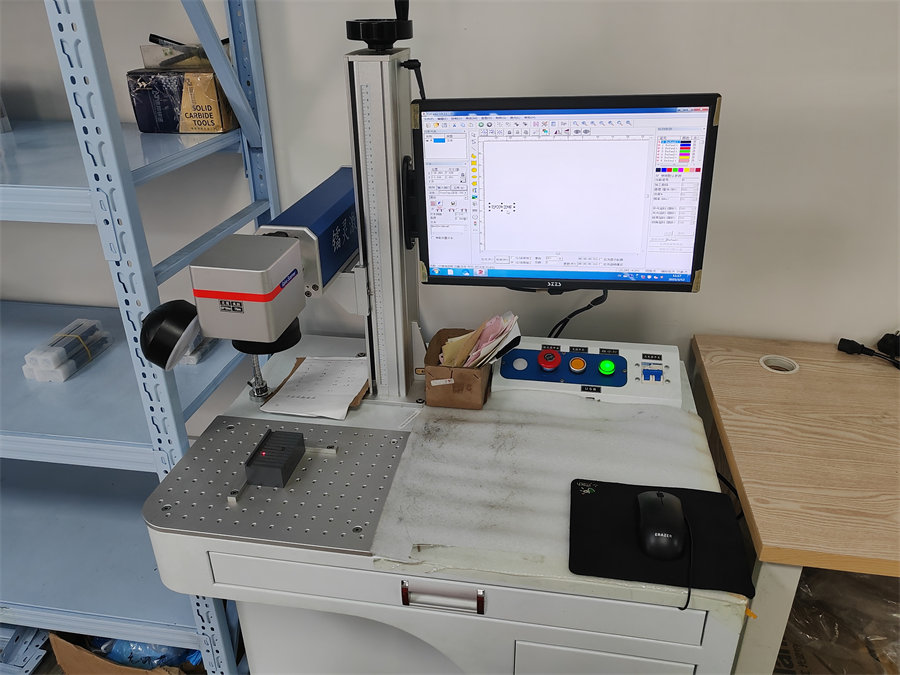
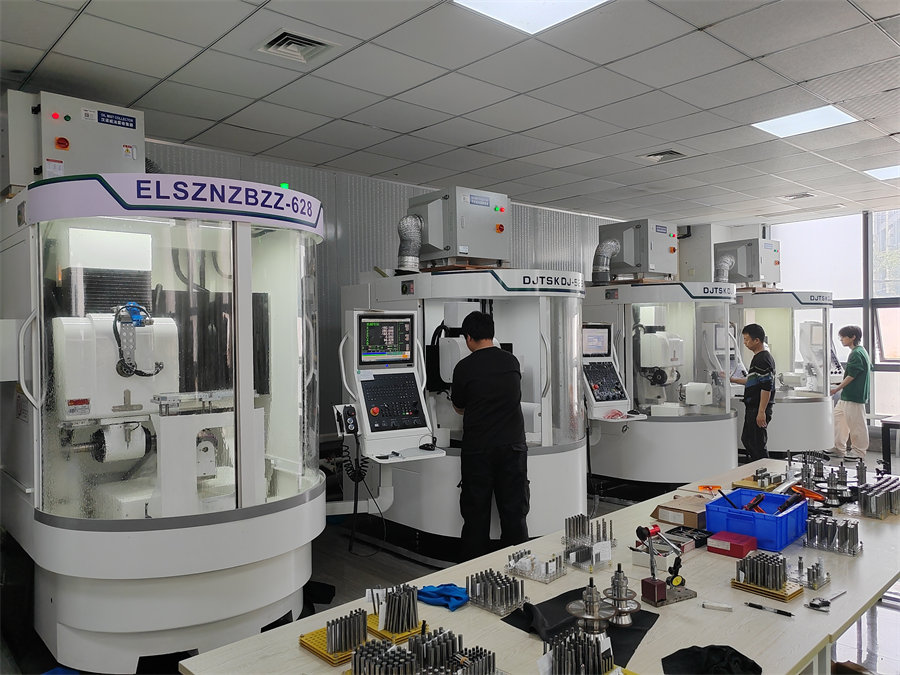
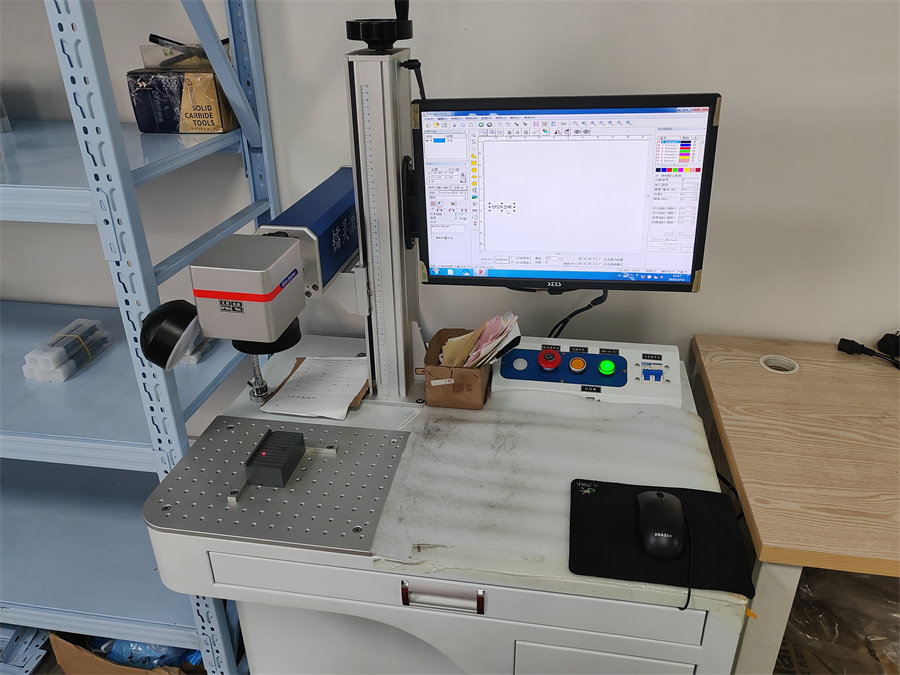
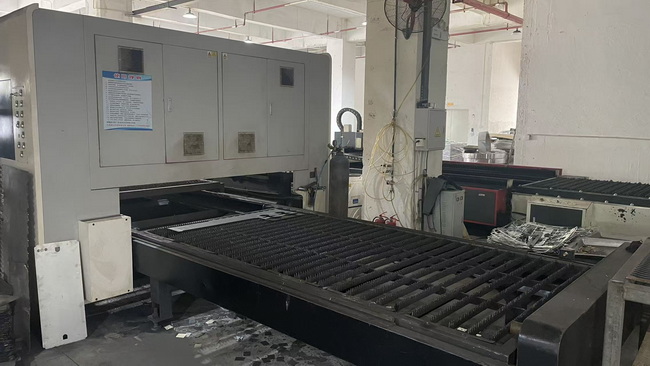
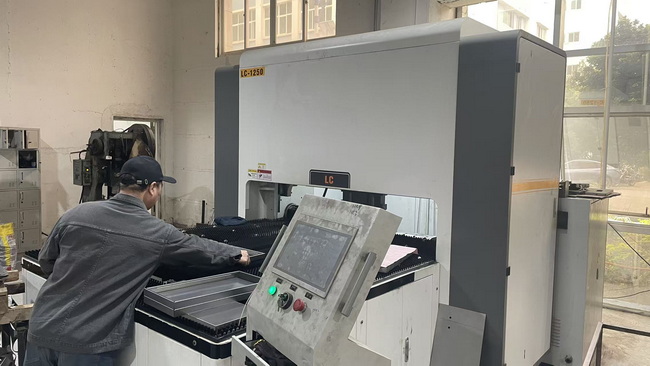
Tier Tool's capability is backed by top-tier CNC grinding centers and advanced quality inspection devices, enabling complete vertical integration from tooling design, micro-geometry prototyping, batch trial runs, to large-scale mass manufacturing. Their strict ISO 9001:2015-certified framework ensures total structural uniformity and reproducibility across all production lots.

OSG is a dominant player in the global threading market. Their expertise lies in the development of highly specialized spiral point and spiral flute taps utilizing proprietary cobalt high-speed steel (HSS-Co) and powder metallurgy substrates. OSG's "A-Tap" series has set a benchmark for multi-material application processing, reducing the need for tooling changeovers in mixed-alloy production lines.
Emuge-Franken has remained at the pinnacle of European threading engineering for over a century. Specializing in high-precision tap geometries, cold forming taps, and thread mills, their systems are engineered specifically for high-volume automotive drivetrains and structural aerospace parts. Emuge's innovative "Punch Tap" technology has radically minimized machining cycles for specific aluminum-silicon alloys by bypassing the helical cutting path entirely.
Guhring is widely recognized for its robust, broad-spectrum tooling program. Their tapping line features advanced powder-metallurgical steels and solid carbide substrates, paired with proprietary in-house coating systems like Signum and Fire. Guhring's high-speed synchronization taps are widely utilized in automatic transfer lines where high process security is mandatory.
As part of the massive Sandvik Group, Sandvik Coromant focuses heavily on smart engineering and digital manufacturing systems. Their "CoroTap" product line is engineered for high-feed rigid tapping cycles, featuring optimized micro-geometries that minimize torque variations. Sandvik excels in providing high-end industrial consultation and tool management software integration alongside physical tools.
Yamawa is globally revered for its uncompromised pursuit of pitch and size consistency. Widely used in the precision electronics and camera manufacturing sectors throughout Asia, Yamawa taps are built to survive tight tolerances where micro-thread profiles must remain absolutely flawless over thousands of cycles.
Under its Walter Prototyp brand, Walter AG delivers premium high-performance tapping and thread milling tools designed for high-feed machining. Walter’s proprietary coatings, such as Supreme and Advance, offer extreme thermal resistance, making them ideal for high-temperature superalloys (Inconel, Hastelloy) used in power generation and aerospace turbine components.
Kennametal is a key partner to North American heavy machinery and defense manufacturers. Their solid carbide and indexable tap collections are engineered to manage extreme machining parameters in structural steels and cast iron. Kennametal focuses heavily on high-pressure coolant-through configurations to optimize chip evacuation in deep blind holes.
YG-1 has rapidly scaled the global tool ranks through its optimization of cost-to-performance metrics. By combining high-grade HSS-EX substrates with modern flank geometry, YG-1 taps provide dependable tool life at price points that appeal to contract manufacturing firms managing tight cost structures.
Formed through the merger of Dormer Tools and Pramet, this global supplier offers an expansive range of rotary tooling. Their tapping portfolio includes standard hand taps for maintenance operations up to high-precision machine taps for CNC mass production, backed by global logistics and distribution networks.
For global procurement managers, sourcing tapping tools from advanced Chinese factories has transitioned from a cost-reduction tactic to a strategic capability program. Leading factories in Chinese industrial clusters (such as the Jiangsu-Zhejiang-Shanghai corridor where Suzhou Tier Tool Co., Ltd. is situated) offer competitive parameters that traditional Western manufacturers struggle to match:
Selecting the optimal tapping tool configuration is determined by three core variables: substrate material, surface coating, and thread-forming geometry. Understanding these parameters is essential for engineering high-performance tooling operations.
| Material Substrate | Recommended Coating | Target Workpiece | Evacuation Geometry |
|---|---|---|---|
| HSS-Co (M35 / M42) | TiN / TiCN (Titanium Carbo-Nitride) | Carbon Steels, Mild Alloys | Spiral Point (Through Holes) |
| Powder Metallurgy HSS (PM-HSS) | AlCrN (Aluminum Chromium Nitride) | Stainless Steels (304/316), Cast Iron | Spiral Flute (Blind Holes) |
| Solid Carbide (Sub-micron) | TiAlN / TiAlSiN (Multilayer Nano) | Hardened Alloys (>50 HRC), Titanium | Straight Flute / Thread Milling |
The direction of chip movement is determined by the tool's flute structure. Standard tapping classifications include:
When executing supply agreements for precision tapping tools, professional buyers must look beyond initial piece price. An evaluation framework must encompass total lifecycle cost (Cost Per Hole) and operational reliability:
Practical insights and troubleshooting guidelines from our senior engineering team to help optimize your machining operations.
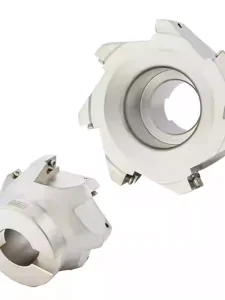
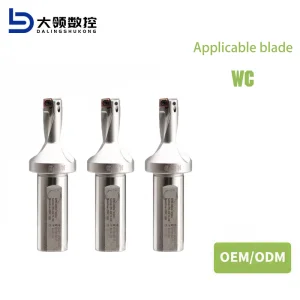
High-performance custom twist drills, indexable face mills, and specialized thread mills engineered for complex metalworking processes.
 Tier Tool