CE Certified Swivel Cutters Factory & Exporter

Advanced Precision Solid Carbide Solutions & Global Industrial Machining Integrity

Global Swivel Cutters & Precision Milling Tool Industry White Paper

An in-depth structural analysis of the manufacturing mechanics, safety standards, and macroeconomic indicators driving the industrial rotating cutting industry.

In modern subtractive manufacturing, the efficiency of rotating and swivel machining technologies determines the competitive speed of downstream global projects. CE Certified Swivel Cutters and solid carbide end mills stand at the intersection of precision design and structural metallurgy. Operating in demanding environments—from high-RPM aerospace tooling paths to dense automotive casting profiles—these components are engineered to minimize material waste, lower frictional heat, and guarantee consistent surface finish characteristics. As global businesses face rising component complexities, the procurement of high-stability cutting solutions has shifted from simple utility acquisition to highly technical system partnerships.
2008
Established Expertise
±0.002mm
Tolerance Precision
HRC65
Maximum Tool Hardness
100%
CE Compliant Manufacturing
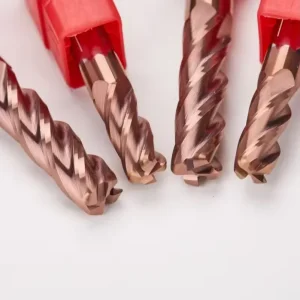
To unlock new vectors of Information Gain, global procurement teams must analyze not just the cost of a cutter, but the complete operational efficiency: tool life spans, cycle time reductions, and the structural integrity of the substrate. Under high-speed machining (HSM) criteria, traditional alloys struggle to maintain cutter edge sharpness. This has catalyzed the widespread adoption of customized tungsten-cobalt carbide tools equipped with advanced physical vapor deposition (PVD) coatings, such as ALC or TiAlN, ensuring durability in extreme operating environments.

Suzhou Tier Tool Co., Ltd. — Corporate Capabilities

Our credentials, quality infrastructure, and long-term vision for advanced high-performance metalworking.

Suzhou Tier Tool Co., Ltd. was established in 2008 and is a national high-tech enterprise specializing in the design, manufacturing, and technical support of precision solid carbide cutting tools.
Since its foundation, Tier Tool has been deeply committed to the precision machining industry, focusing on delivering high-performance, high-efficiency cutting solutions for hole-making and metalworking applications. Through continuous technological innovation and manufacturing excellence, the company has earned the trust of customers across a wide range of industries worldwide.

Advanced Manufacturing

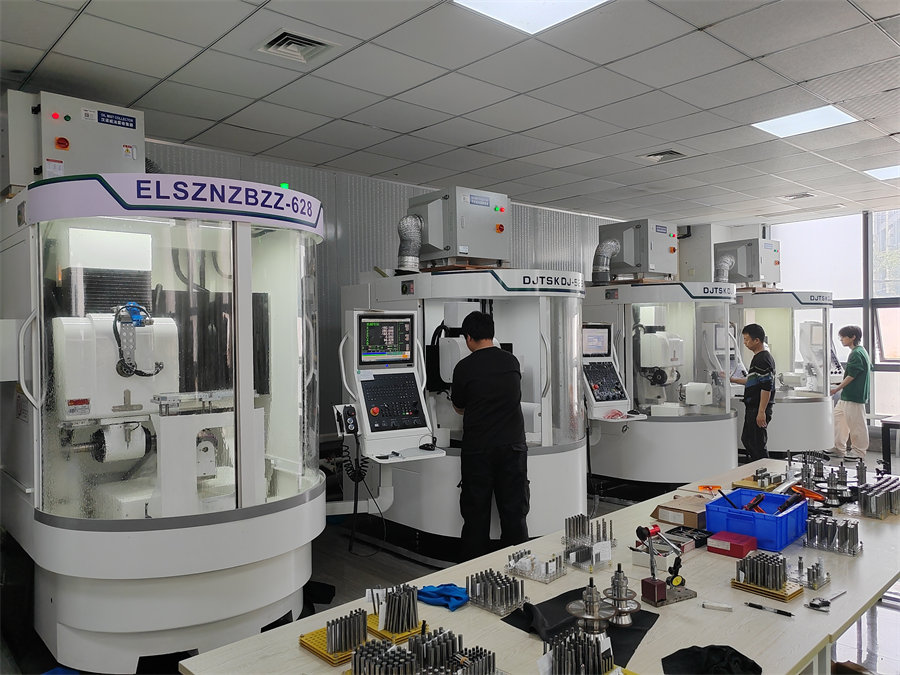
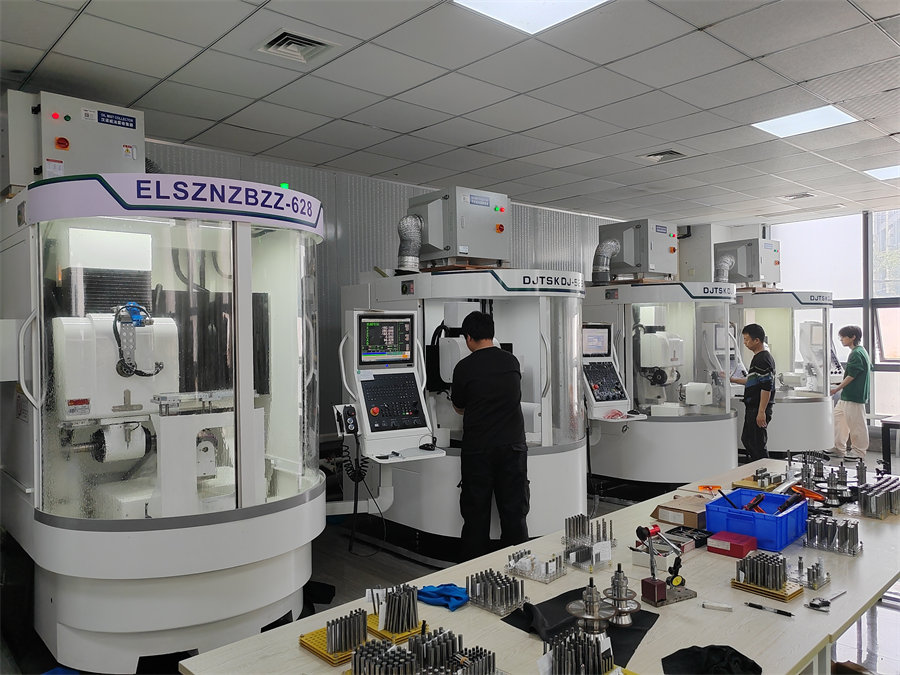
To ensure the highest levels of precision and consistency, Tier Tool has invested extensively in advanced manufacturing equipment and production technologies. The company operates multiple imported CNC tool grinding machines and precision inspection systems, enabling complete in-house capabilities from tool design and prototyping to small-batch testing and large-scale production.

Our manufacturing process is built upon strict process control and traceability standards. Every production stage is carefully monitored to ensure repeatability, quality consistency, and reliable delivery performance. Through systematic process management and standardized operating procedures, Tier Tool has established a robust manufacturing system capable of meeting the demanding requirements of modern precision machining.

Commitment to Quality

Quality is the foundation of Tier Tool's long-term success. We adhere to the principle of "Quality First, Continuous Improvement", implementing rigorous quality control procedures throughout the entire production cycle.

From raw material selection and incoming inspection to final product verification, every tool undergoes comprehensive quality checks to ensure it meets strict dimensional, geometrical, and performance requirements. By continuously optimizing our manufacturing and inspection processes, we deliver products that provide exceptional accuracy, reliability, and consistency in real-world machining applications. Stable quality determines our customers' productivity and competitiveness.

Technical Support & Partnership

At Tier Tool, we believe that supplying cutting tools is only the beginning of our partnership with customers. Beyond delivering products, we provide comprehensive technical support and application engineering services to assist customers in optimizing their manufacturing processes.

Our technical specialists work directly with customers to analyze machining conditions, recommend suitable tooling strategies, and develop solutions that maximize efficiency, reliability, and cost-effectiveness. By understanding our customers' production goals and competitive challenges, we strive to become a trusted long-term manufacturing partner rather than simply a tooling supplier.

China Factory Efficiency Advantages & Localized Applications

How strategic cluster geography, vertical supply chain integration, and regional specialization drive value for global buyers.

Automated Production Scalability

Chinese precision tooling clusters in Jiangsu and nearby industrial zones leverage proximity to domestic high-purity carbide mining and processing plants. This eliminates international raw material transit lags, allowing Suzhou Tier Tool Co., Ltd. to initiate customer prototyping cycles within 48 hours. By utilizing advanced automated grinding lines and high-throughput coating ovens, production capacities match rapid demand surges without compromising geometric tolerances.

Automotive & Heavy Industry Application

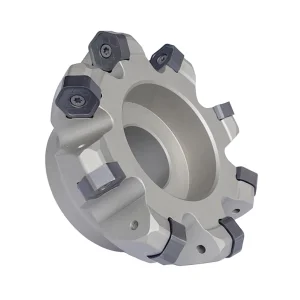
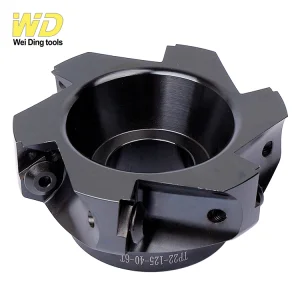
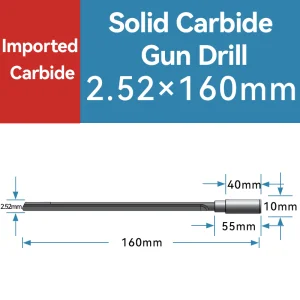
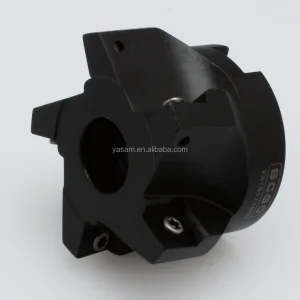
Our tooling lineups target high-stress automotive engine blocks, chassis milling, and crankshaft boring operations. With localized designs that withstand continuous high-torque stresses, our indexable face mills and deep-hole gun drills guarantee high dimensional reproducibility, ensuring minimal downtime for automotive tier-1 suppliers in key European and North American markets.

Advanced Aerospace Alloys Machining

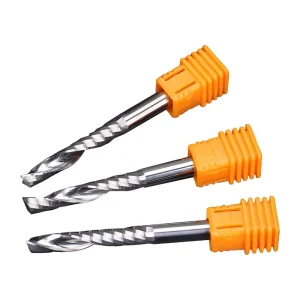
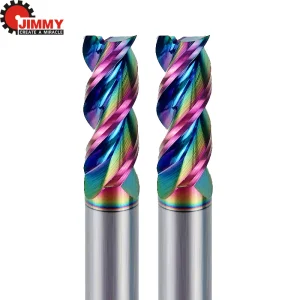
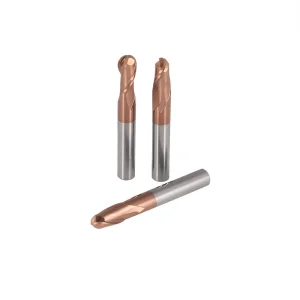
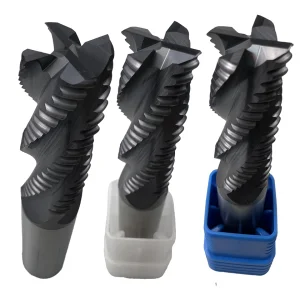
Machining titanium alloys and carbon-fiber-reinforced plastics (CFRP) requires customized edge preparations. The Tier Tool engineering team modifies the helix angle and rake face configurations of our carbide end mills. These localized structural adjustments reduce mechanical friction, suppress heat buildup, and deliver a smooth surface finish in critical aerospace structure milling operations.

Future Trends & Strategic Procurement Protocols

Integrating CE standards, high-end metallurgical processes, and agile global logistic routes.

As factories migrate toward digitalized, lights-out manufacturing and 5G-connected CNC configurations, cutting tools are expected to deliver long, predictable performance lifespans. This has prompted procurement offices to establish new tool-evaluation criteria. Instead of prioritizing initial unit costs, buyers calculate the overall Cost Per Part (CPP) based on tool longevity, cycle efficiency, and quality consistency.
Concurrently, international safety compliance acts as a critical gateway. CE Certification ensures that solid carbide tooling assemblies under stress meet European safety directives (such as Directive 2006/42/EC on machinery safety). As a leading exporter, Suzhou Tier Tool Co., Ltd. implements comprehensive stress tests and quality audits to prevent mechanical structural failure under high pressure, safeguarding automated plant environments.

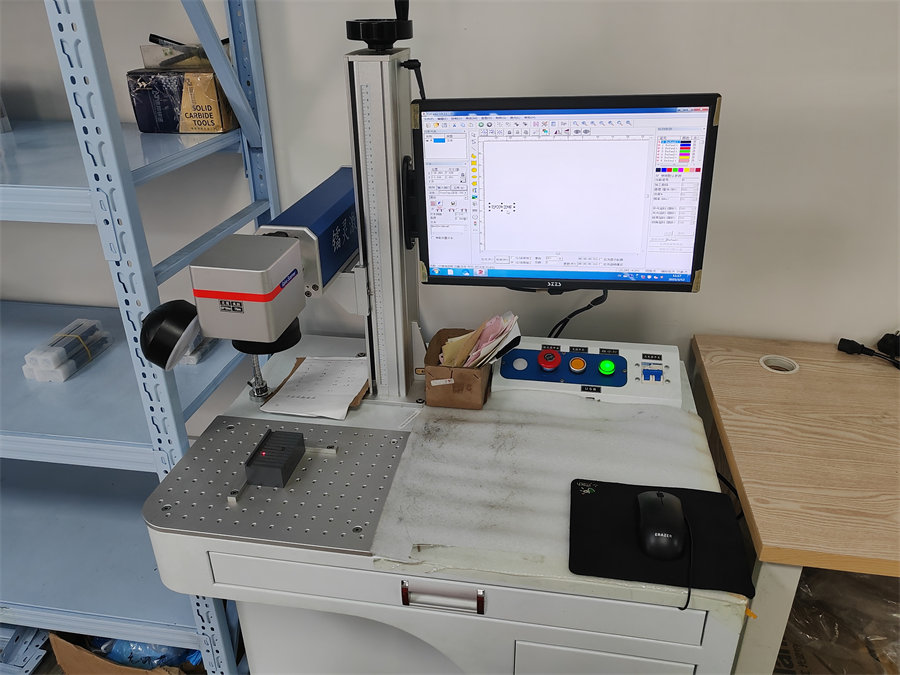
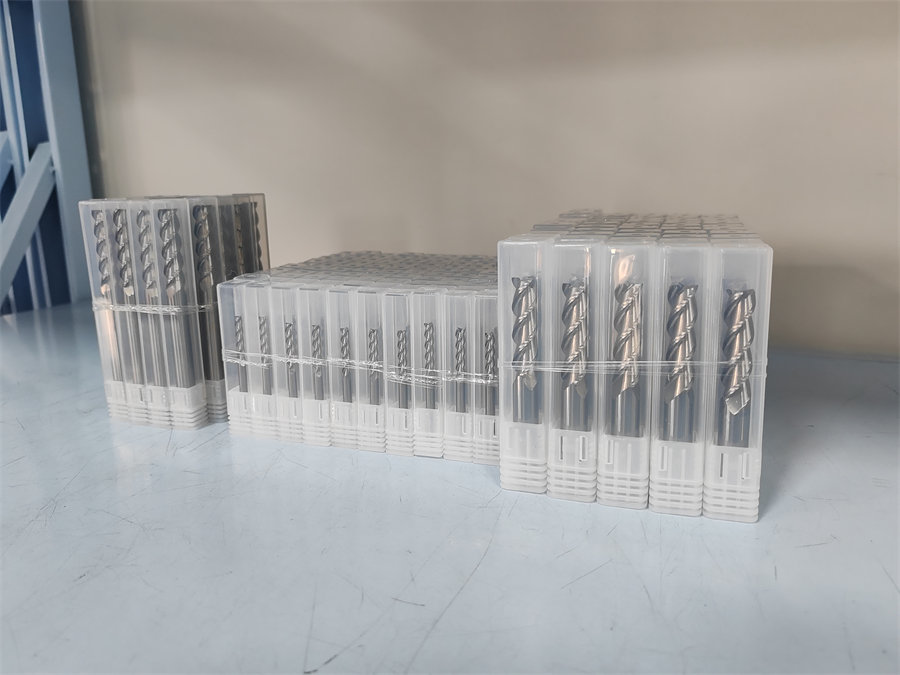
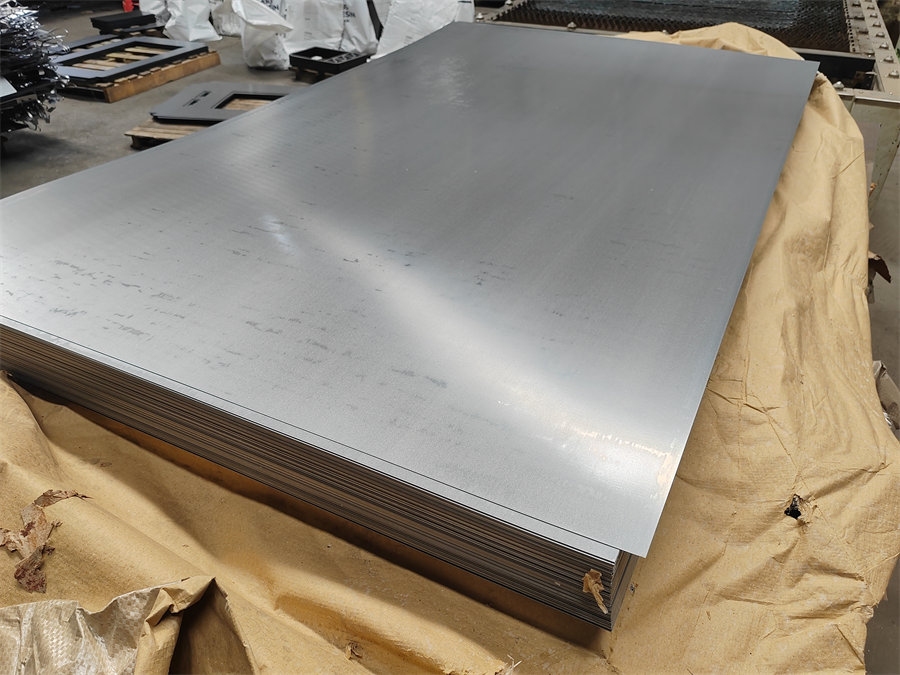
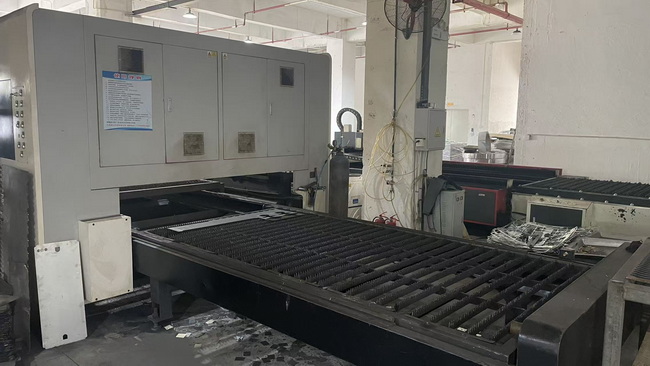
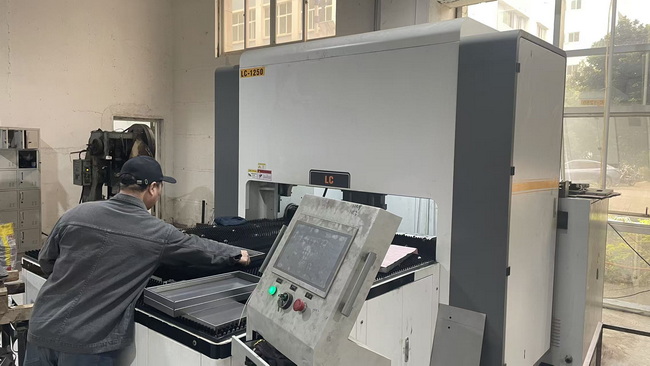
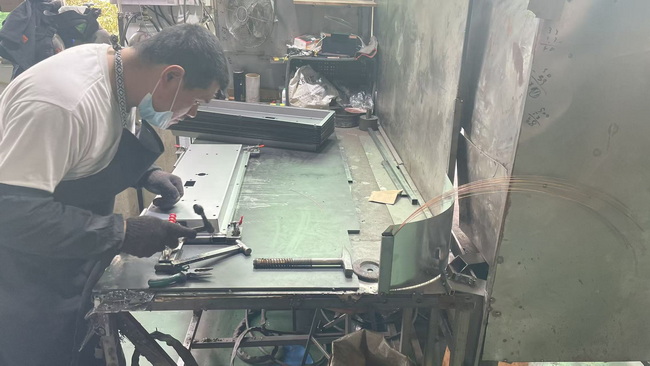
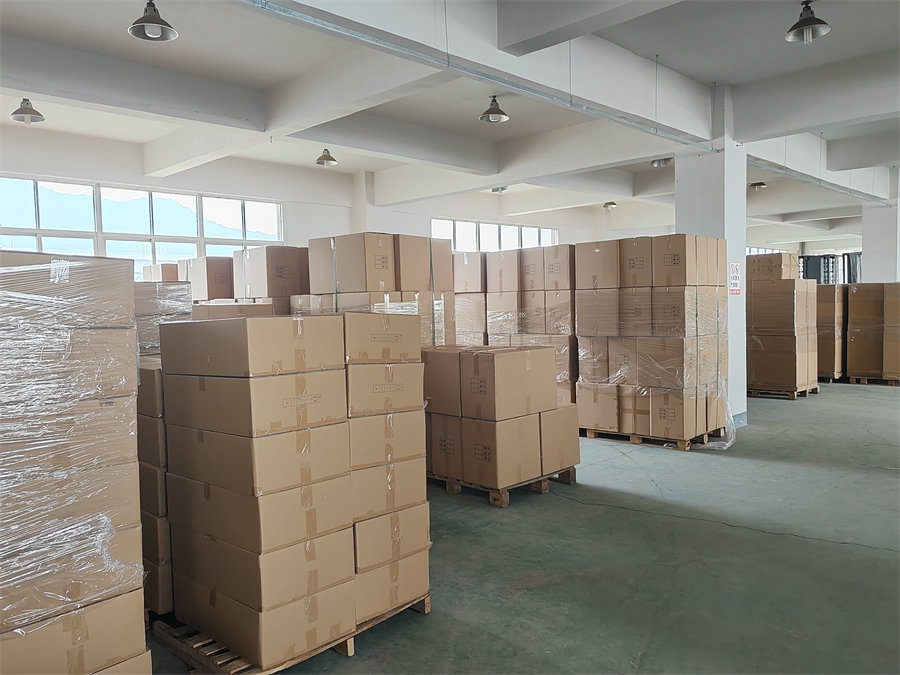
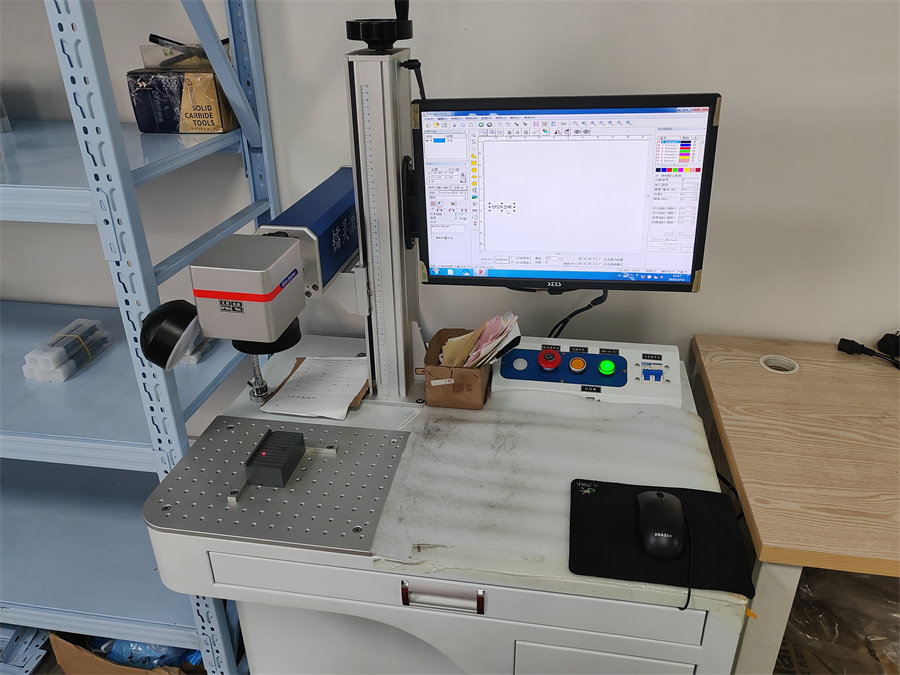
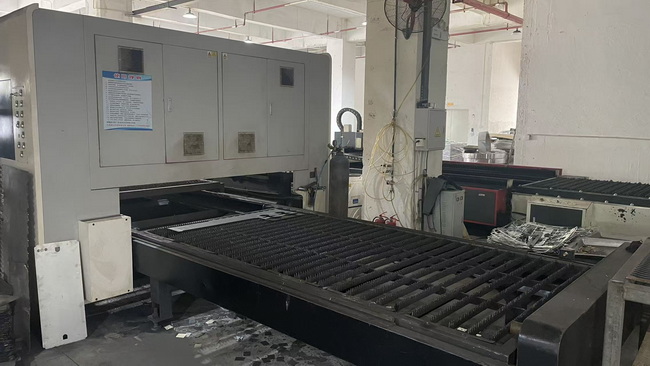
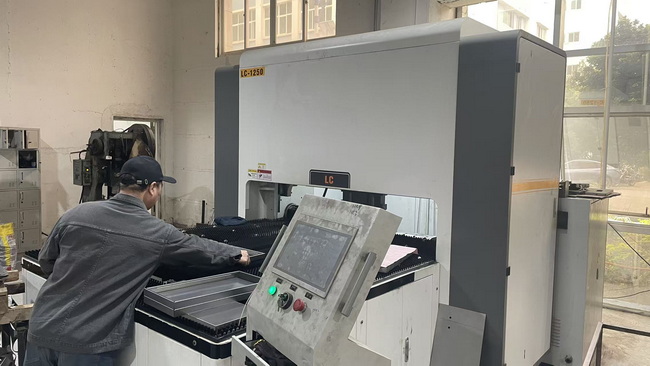
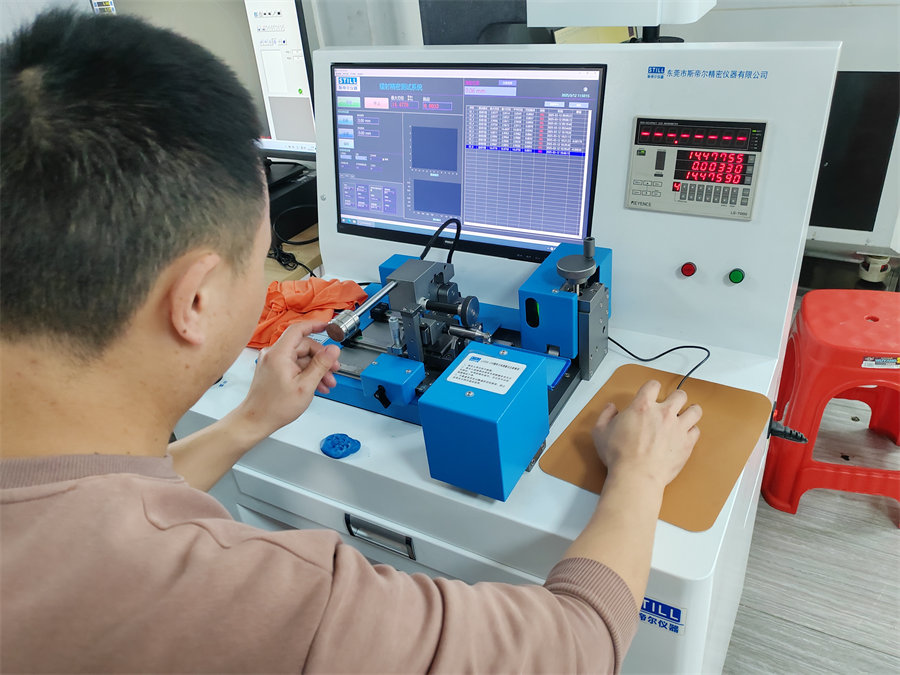
Advanced Manufacturing & Quality Inspection Facility

Direct view inside our ISO 9001-certified factory floors showing production, laser marking, and advanced quality assurance procedures.
Frequently Asked Questions & Technical Insights

Our engineers answer typical questions from global purchasing and technical departments regarding carbide selection, coating technologies, and safety certifications.

Q1: What structural criteria qualify a cutting tool as CE Certified?
To achieve CE certification, rotary cutting tools must undergo rigorous mechanical structural calculations and real-world failure stress tests. Under European Machinery Directives, the tools must prove that they will not undergo sudden brittle fracturing under specified maximum rotational speeds and chip loads. Additionally, manufacturers must provide raw material traceability, structural load ratings, and safety instructions for high-RPM operation.
Q2: What is the primary difference between HSS (High-Speed Steel) and Solid Carbide End Mills?
Solid Carbide provides higher thermal hardness and rigidity compared to HSS. This allows carbide tools to operate at significantly higher cutting speeds and feed rates (often 3 to 4 times faster than HSS) while maintaining dimensional accuracy. While HSS (like the M35 cobalt-containing alloy) offers high fracture toughness and is suitable for less rigid setups, solid carbide is preferred for high-volume automated CNC production due to its high wear resistance.
Q3: How does the ALC coating configuration improve cutting efficiency on HRC55 materials?
ALC (Aluminum Chromium Nitride-based) coatings form an amorphous, hard layer on the cutter surface that provides high heat resistance and thermal stability. During high-speed machining of hardened steel (up to HRC55), the surface temperature can exceed 900°C. The ALC coating generates a protective micro-thin aluminum oxide layer that acts as a thermal barrier, preventing heat transfer into the carbide core and extending the tool's usable lifespan.
Q4: What parameters dictate the selection of a 5D U-Drill versus a standard twist drill bit?
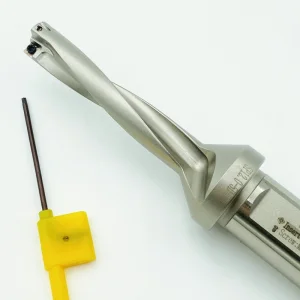
U-drills use indexable carbide inserts, which can be rotated or replaced when worn, avoiding the need for tool regrinding. The 5D designation indicates that the drill can create holes up to 5 times its nominal diameter. U-drills excel at high-speed, high-volume production on lathes and machining centers because they feature internal coolant channels for efficient chip evacuation and thermal control in deep drilling.
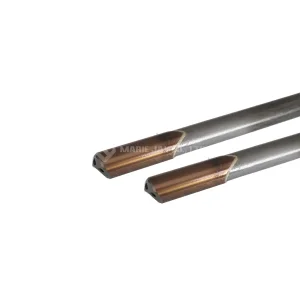
Q5: Why is deep hole precision critical for gun drills, and how does the carbide tip assist?
Deep hole gun drilling relies on high straightness accuracy and smooth surface finishes. The cemented carbide tip provides the wear resistance needed to maintain diameter tolerances over deep tool paths. With high-pressure coolant channels feeding directly through the tool body, chips are forced out through the external V-shaped flute, preventing chip packing and tool breakage in deep cavities.