Engineered for High-Speed Machining, Extended Tool Life, and Strict Geometric Tolerances
In the ultra-precision manufacturing sectors, threading remains one of the most critical and risk-prone machining operations. Unlike milling or turning, where tool failure might only damage a superficial layer, a tap breakage inside a near-finished workpiece can result in catastrophic part scrap. This is where Solid Carbide Taps have revolutionized high-volume and high-precision production lines globally.
Solid carbide taps are manufactured from consolidated sub-micron and nano-grain tungsten carbide (WC) particles bonded with a cobalt (Co) matrix. This specific microstructure offers an exceptional blend of high hardness (up to 1600-1800 HV) and impressive compressive strength. In comparison to traditional High-Speed Steel (HSS) and Cobalt-alloyed HSS-E taps, solid carbide tools maintain their cutting edge integrity at operating temperatures exceeding 800°C.
This thermal stability and wear resistance directly translate to cutting speeds (Vc) that are 3 to 5 times faster than HSS equivalents, enabling modern CNC machining centers to operate at optimal cycle efficiencies. Furthermore, the high modulus of elasticity minimizes deflection, ensuring unparalleled thread pitch accuracy and class-leading tolerance adherence (e.g., 6H, 2B, or custom tight clearances).
As the global center for high-volume precision engineering, China's carbide tool manufacturing sector has evolved from a low-cost supplier into an advanced hub of cutting-edge R&D, material science, and high-tech fabrication. Purchasing solid carbide taps from China offers structural benefits that go far beyond price efficiency.
China controls over 80% of the world's tungsten reserves and processing capacity. This domestic availability of ammonium paratungstate (APT) and tungsten carbide powder provides local manufacturers with direct, insulated access to premium raw materials. Chinese carbide factories can secure high-purity, uniform powder sizes without being subject to international supply chain shocks.
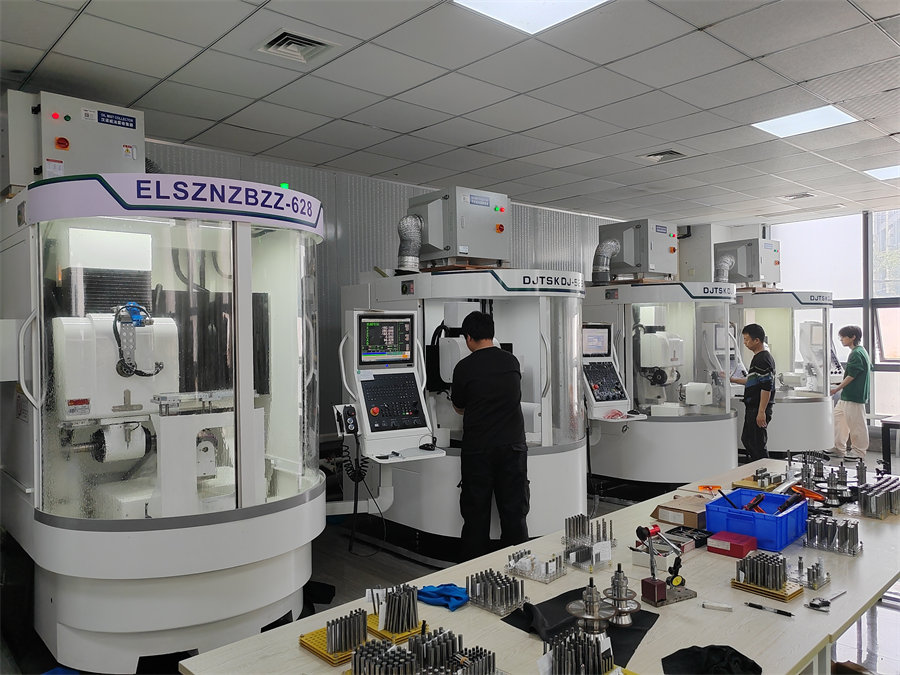
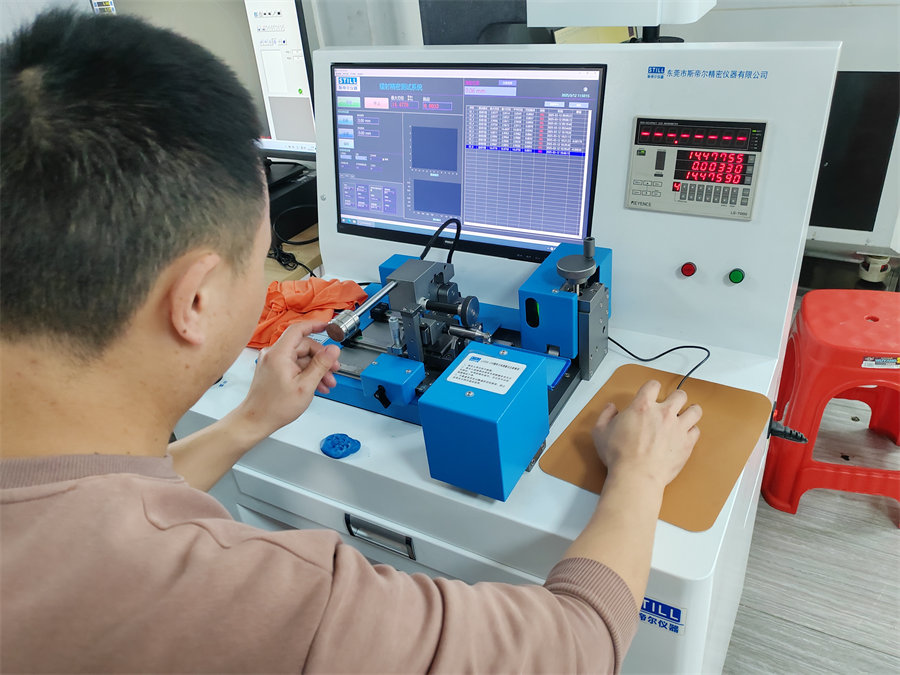
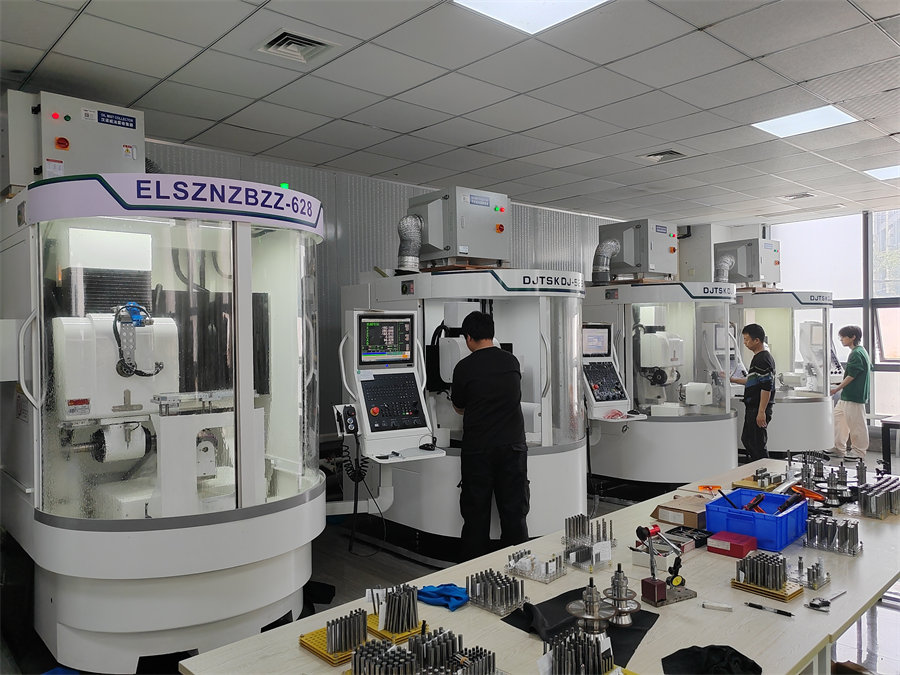
Leading Chinese manufacturers utilize top-tier multi-axis CNC grinding machines from brands like Rollomatic (Switzerland), ANCA (Australia), and Walter (Germany). This advanced equipment is coupled with high-precision inspection technologies, such as Zoller Genius measuring machines, ensuring that every tool coming off the line meets absolute geometric perfection.
Whether a client requires DIN, ANSI, or JIS standard shank configurations, or complex customized geometry for challenging materials like titanium alloys and carbon fiber composites, Chinese manufacturers can rapidly design, prototype, test, and scale production runs within weeks instead of months.
Established in 2008, Suzhou Tier Tool Co., Ltd. is a national high-tech enterprise dedicated to the design, engineering, and global supply of precision solid carbide cutting tools. We specialize in producing tools that maximize throughput and lower overall costs per hole.
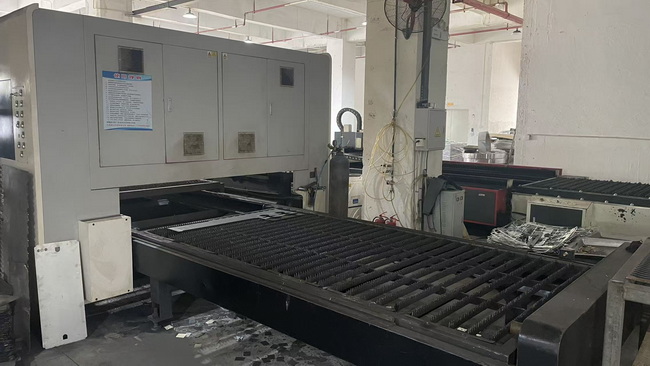
At Tier Tool, quality is structured into every process. We adhere strictly to our manufacturing principle of "Quality First, Continuous Improvement". Our plant houses precision production equipment and testing apparatuses, providing complete traceability from raw carbide rods to finished, packaged products.
Our partnership philosophy extends beyond simply selling a product. We work alongside global engineering departments to analyze machining parameters, design optimal tool paths, and select customized coatings to solve the most demanding manufacturing bottlenecks.
| Attribute | Specification / Capability |
|---|---|
| Year Established | 2008 |
| Core Expertise | Solid Carbide Drills, End Mills, Reamers, and Specialized Taps |
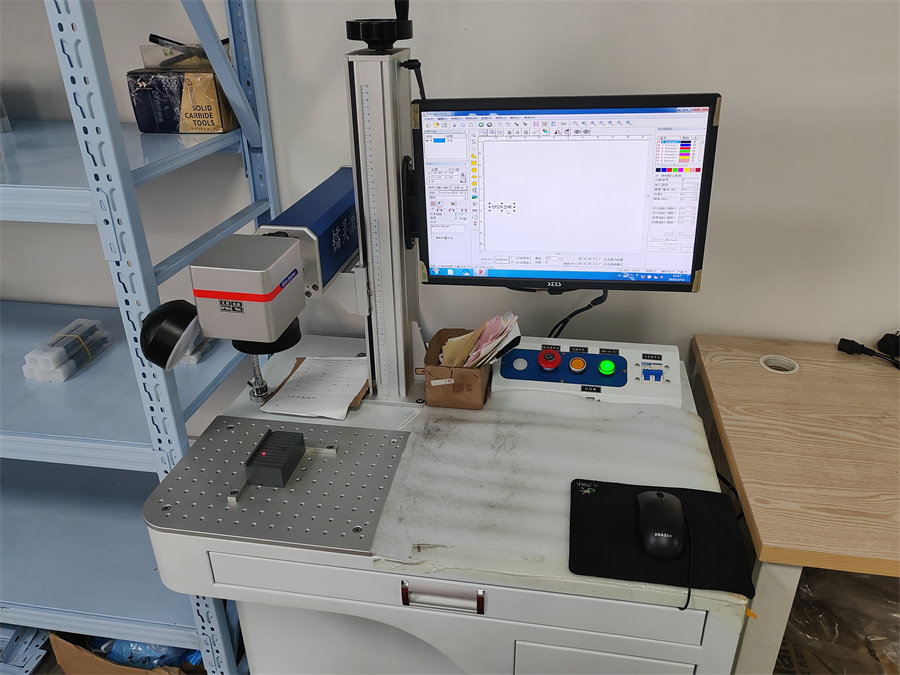
| Machinery | Imported CNC Grinding Centers, Laser Profilers, PVD Coating Chambers |
| Quality Standards | ISO 9001:2015 Registered Quality Management System |
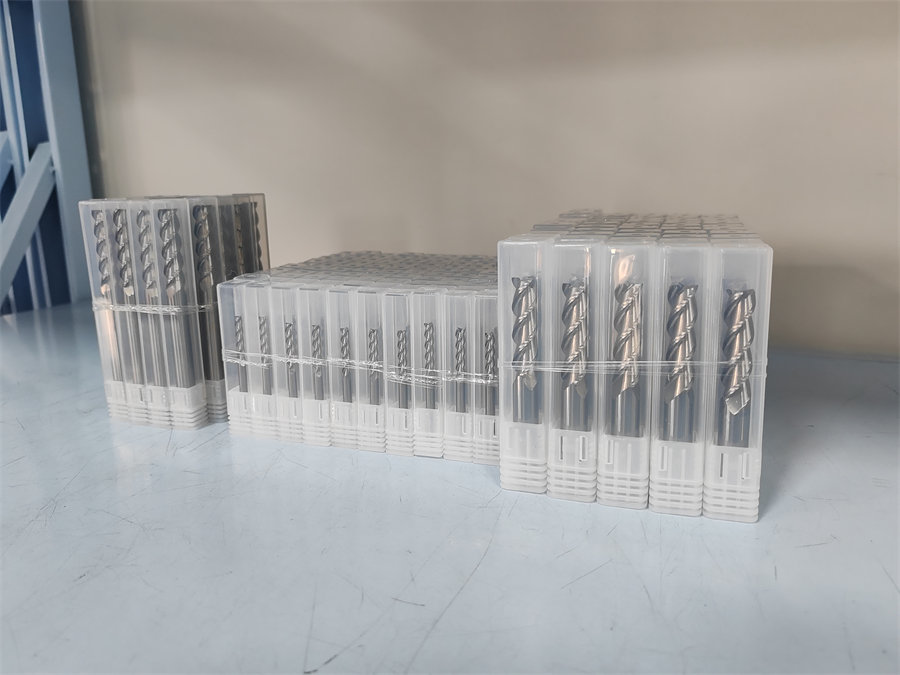
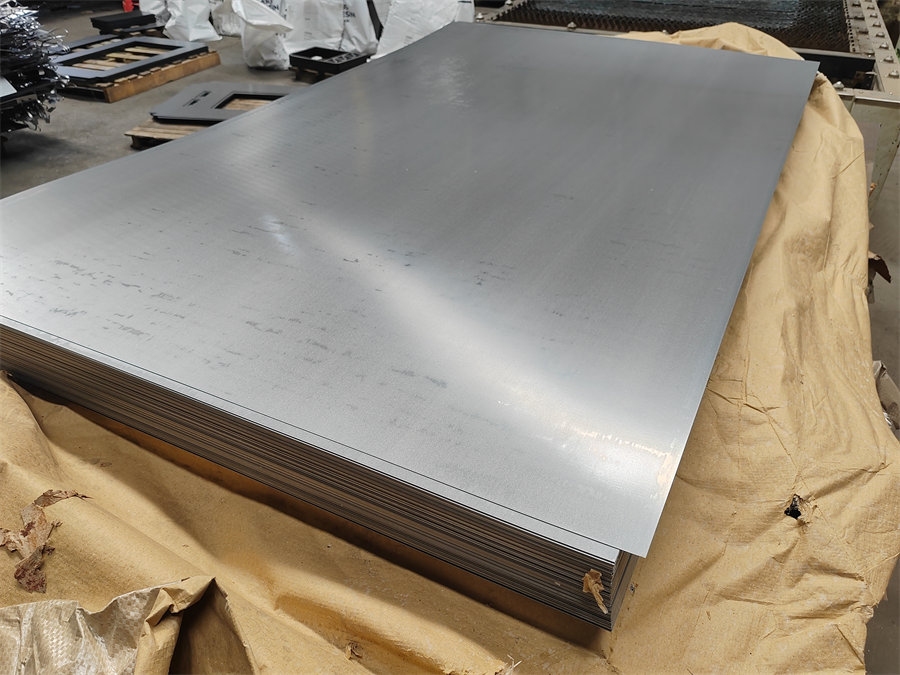
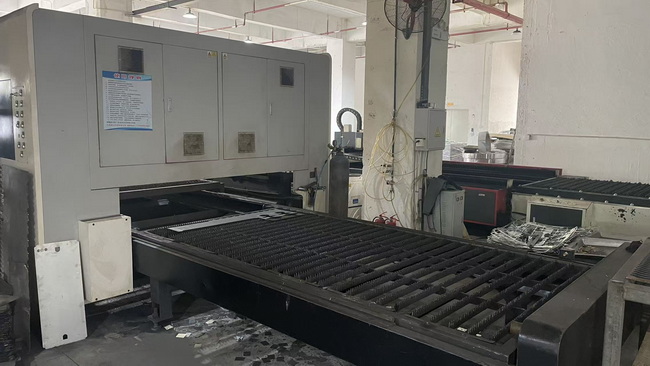
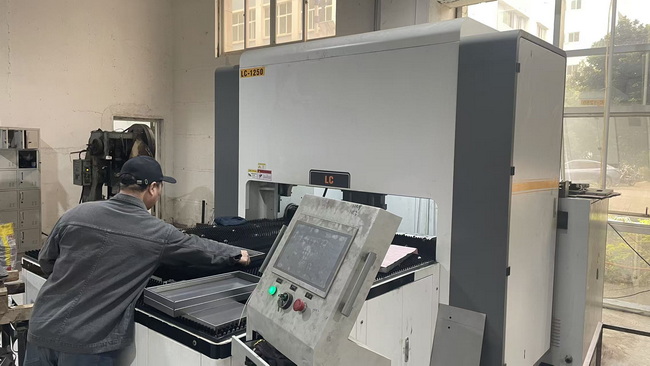
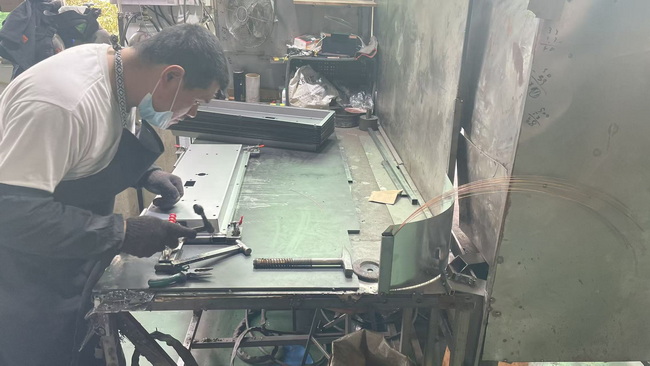

High-precision threading is required in a variety of challenging sectors. Below is an overview of how solid carbide taps are utilized across major global industries:
Threading engine cylinder blocks, crankshaft housings, and EV transmission cases demands high speed and reliable repeatability. Our solid carbide taps handle high-silicon cast aluminum alloys and ductile cast iron, delivering consistent thread quality over long production runs.
Machining heat-resistant superalloys (HRSA) like Inconel, Titanium Ti-6Al-4V, and high-strength stainless steels requires tools that can handle high heat and mechanical stress. Our specialized carbide grades and advanced coatings prevent tool deflection and structural micro-cracking in aerospace components.
As devices become smaller, micro-threading applications (down to M1.0 and smaller) are increasingly common. These applications require high precision to prevent thread stripping in aluminum, brass, and plastics. Our micro-grain carbide taps are engineered specifically to meet these demanding micro-machining tolerances.
Procurement professionals and sourcing directors at multinational corporations prioritize risk mitigation, supply chain stability, and total cost of ownership (TCO) over initial unit cost. Purchasing solid carbide taps requires evaluating manufacturers against strict supply chain criteria:
Traceability and Quality Systems: Reliable global manufacturers maintain material traceability records that trace finished tools back to the specific batch of tungsten carbide powder. This level of traceability is supported by ISO 9001:2015 certifications and systematic quality gates throughout the production process.
Technical Application Support: Leading manufacturers do not just ship tools; they offer engineering support. This includes customized CAD/CAM layouts, FEA (Finite Element Analysis) simulating thermal stress on tool margins, and on-site testing protocols to help customers optimize their machining processes.
Lead Time Predictability: High-volume automated production lines require reliable delivery schedules. Chinese suppliers mitigate logistics risks by keeping raw material safety stock, utilizing automated CNC lines that operate 24/7, and partnering with international freight forwarders to ensure predictable delivery.
Sustainable Production: Modern global manufacturing emphasizes ESG compliance. Leading Chinese carbide tool manufacturers utilize eco-friendly oil mist filtration, carbide recycling programs, and energy-efficient CNC grinders to help customers meet their sustainability targets.
The metalworking industry is evolving rapidly, driven by automation, material advancements, and digitalization. To maintain high efficiency, solid carbide tap manufacturing is adapting to several key technological trends:
Standard TiAlN coatings are being replaced by multilayer nano-composite coatings like TiSiN and AlCrN, which offer high hardness (exceeding 35 GPa) and thermal oxidation barriers up to 1100°C. These coatings protect the underlying carbide substrate from heat and abrasive wear.
Modern CNC machining relies on internal coolant-through configurations to flush chips directly out of blind holes. The industry is adopting optimized multi-channel internal coolant layouts that deliver cutting fluid precisely to the cutting edge, enhancing chip evacuation and cooling.
Forming taps, which displace material plastically to create threads without producing chips, are seeing wider adoption. These tools require high-toughness solid carbide substrates to withstand the high torque generated during thread formation.
Answering common questions about selecting, operating, and optimizing solid carbide taps in precision CNC machining:
Solid carbide taps are recommended for high-volume production runs or when machining hard, abrasive, or difficult-to-cut materials (exceeding HRC 35). While HSS-E taps offer high toughness at a lower price point, solid carbide taps can run at much higher cutting speeds and deliver longer tool life, making them more cost-effective for large-scale operations.
Preventing tap breakage in blind holes relies on three main factors: using internal coolant-through tools to flush chips out, ensuring the pre-drilled hole is at the correct diameter and depth, and employing synchronized/rigid tapping cycles on the CNC machine to eliminate axial tension and compression forces.
Cutting taps create threads by cutting away material to generate chips, making them suitable for most materials. Thread forming taps plastically deform the workpiece material to mold the thread profile. Forming taps do not produce chips, resulting in stronger threads and eliminating chip evacuation issues. However, they are limited to ductile materials with a minimum elongation percentage (e.g., aluminum, low-carbon steel, soft copper).
Yes. Solid carbide taps can be re-sharpened and re-coated to restore their cutting edges. However, maintaining the precise pitch and tolerance profile requires high-end multi-axis tool grinding equipment. Re-sharpened tools should be re-coated with the original PVD coating to ensure consistent tool life and performance.
The coating acts as a thermal and physical barrier. For abrasive materials like cast iron, an AlTiN coating provides high surface hardness. For sticky materials like stainless steel or aluminum, coatings with low friction coefficients (like CrN or DLC) prevent material adhesion and build-up on the cutting edge.
Explore our full range of high-performance cutting tools, indexable inserts, and precision CNC equipment
 Tier Tool