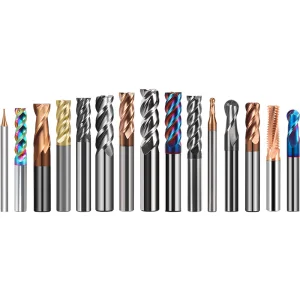
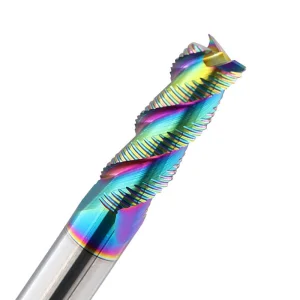
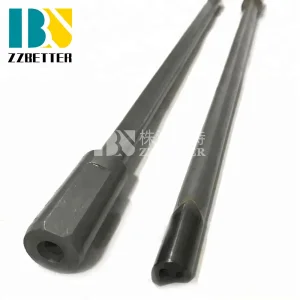
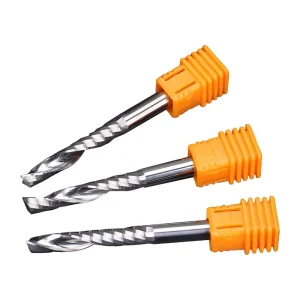
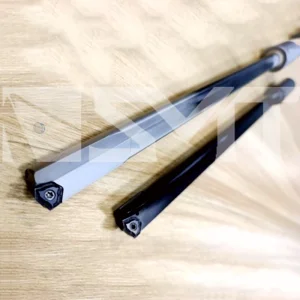
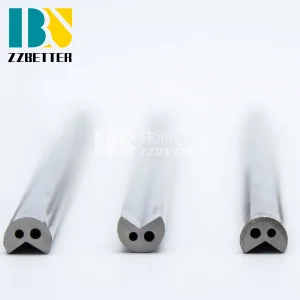
In modern industrial manufacturing, the pursuit of operational efficiency, cost-per-part reduction, and dimensional consistency has driven tooling technology to new heights. At the center of this evolution are reversible inserts—indexable cutting edges engineered for multi-sided utilization. Unlike conventional mono-block tools, reversible carbide inserts offer multiple cutting edges on a single structural substrate. By simply rotating or flipping the insert, machine operators can immediately access a fresh, sharp cutting edge. This design minimizes down-time, drastically reduces material waste, and optimizes tungsten carbide utilization.
As a leading OEM/ODM Reversible Inserts Factory & Supplier, Suzhou Tier Tool Co., Ltd. understands that a premium insert is not merely a consumable; it is a critical variable in the precision engineering equation. Through micro-grain metallurgy, specialized geometries, and advanced vapor deposition coatings, high-performance reversible inserts ensure stable chip formation, thermal dissipation, and structural integrity under high-velocity metalworking conditions.
Information Gain Concept: High-performance indexable cutting tools operate at the intersection of substrate toughness and surface hardness. Modern manufacturing requires customized cutting geometries (such as positive rake angles combined with reinforced chipbreakers) that can adapt to variable metallurgical phases in superalloys and composite woods alike.
Suzhou Tier Tool Co., Ltd. was established in 2008 and is a national high-tech enterprise specializing in the design, manufacturing, and technical support of precision solid carbide cutting tools. Since its foundation, Tier Tool has been deeply committed to the precision machining industry, focusing on delivering high-performance, high-efficiency cutting solutions for hole-making and metalworking applications. Through continuous technological innovation and manufacturing excellence, the company has earned the trust of customers across a wide range of industries worldwide.
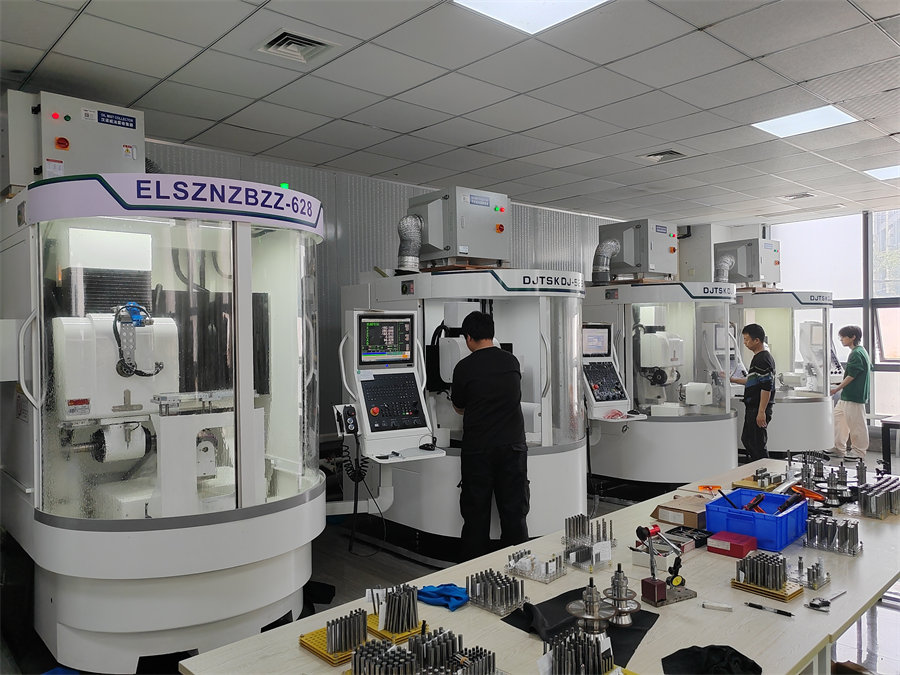
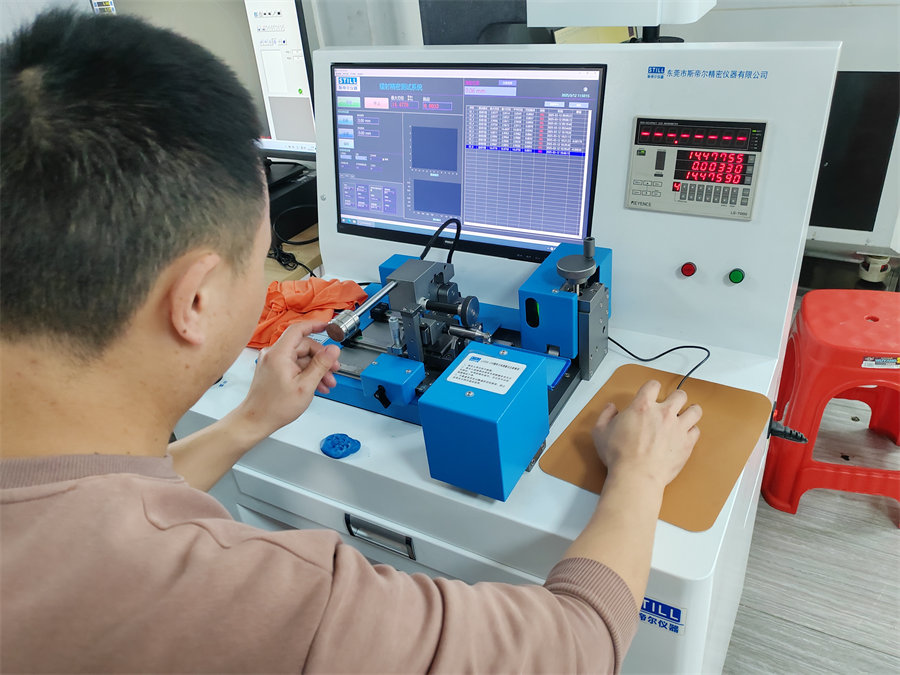
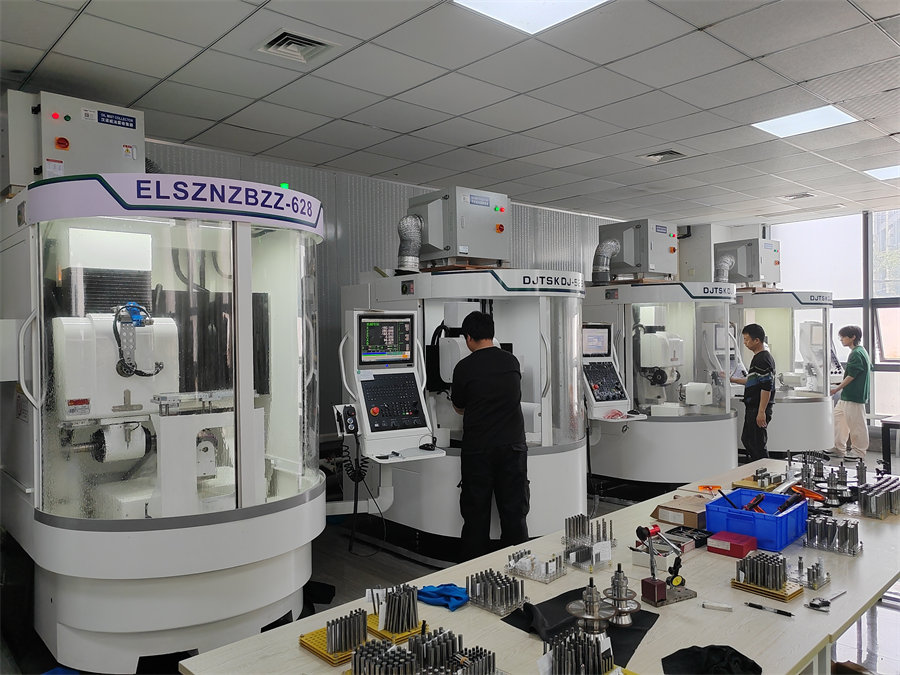
Our state-of-the-art facility features a fully integrated production line that bridges raw material processing with advanced surface finishing. To ensure the highest levels of precision and consistency, Tier Tool has invested extensively in advanced manufacturing equipment and production technologies. The company operates multiple imported CNC tool grinding machines and precision inspection systems, enabling complete in-house capabilities from tool design and prototyping to small-batch testing and large-scale production.
Our manufacturing process is built upon strict process control and traceability standards. Every production stage is carefully monitored to ensure repeatability, quality consistency, and reliable delivery performance. Through systematic process management and standardized operating procedures, Tier Tool has established a robust manufacturing system capable of meeting the demanding requirements of modern precision machining. Our CNC grinding centers run continuously under closed-loop control systems, keeping dimensional deviations to the absolute minimum.
Quality is the foundation of Tier Tool's long-term success. We adhere to the principle of "Quality First, Continuous Improvement", implementing rigorous quality control procedures throughout the entire production cycle. From raw material selection and incoming inspection to final product verification, every tool undergoes comprehensive quality checks to ensure it meets strict dimensional, geometrical, and performance requirements. By continuously optimizing our manufacturing and inspection processes, we deliver products that provide exceptional accuracy, reliability, and consistency in real-world machining applications.
The global cutting tool market has experienced a significant paradigm shift. China is no longer just a high-volume manufacturing hub; it has evolved into a global powerhouse for advanced material science and high-end tooling engineering. When global enterprises source OEM/ODM reversible inserts from China, they leverage distinct economic and technical advantages:
The manufacturing landscapes of automotive, aerospace, and high-end woodworking are shifting toward high-speed, dry-cutting, and ultra-precision processes. To meet these rigorous demands, reversible insert technologies are evolving rapidly along several key technological vectors:
The mechanical performance of a carbide insert is governed by its cobalt content and carbide grain size. The industry trend is moving toward sub-micron and nano-grain carbide substrates (grain size < 0.5 μm). This micro-grain structure offers an optimal balance: high hardness to resist abrasive wear, and superior transverse rupture strength to prevent edge chipping under heavy shock loads.
Coatings act as a thermal and physical barrier between the tool substrate and the workpiece. The application of AlTiN (Aluminum Titanium Nitride), TiAlN, and specialized diamond-like carbon (DLC) coatings via Physical Vapor Deposition (PVD) or Chemical Vapor Deposition (CVD) dramatically reduces the coefficient of friction. These coatings maintain chemical stability and hardness at temperatures exceeding 900°C, enabling dry-machining and high-speed cutting (HSC) operations.
Technical Focus: Advanced AlTiN coatings form an aluminum-oxide (Al2O3) layer on the cutting edge during machining. This layer features extremely low thermal conductivity, forcing the thermal energy generated during shear deformation to dissipate into the chip rather than the tool itself.
Modern indexable inserts are designed using advanced CAD/CAM algorithms to integrate complex 3D chipbreakers on the rake face. These structures force the continuous metal chip to curl rapidly and fracture into small, manageable segments, preventing "bird-nesting" which can mar the surface finish and endanger automated production lines.
Reversible inserts and specialized solid carbide milling tools find critical application across diverse manufacturing fields. Because each material exhibits unique shear properties, thermal conductivity, and abrasiveness, customized tool design is crucial.
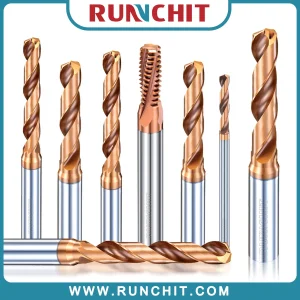
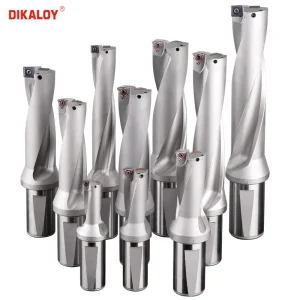
In engine blocks, transmission cases, and turbine housings, materials like grey cast iron and high-strength steels require continuous, reliable milling and boring. Indexable gun drills and multi-flute end mills with specialized coatings provide deep-hole drilling consistency with minimal deviation, maintaining tight cylindrical tolerances over thousands of cycles.
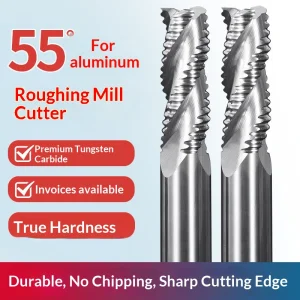
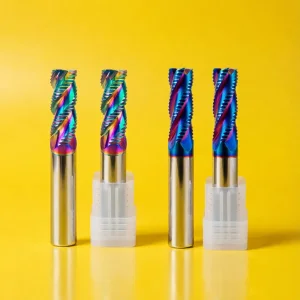
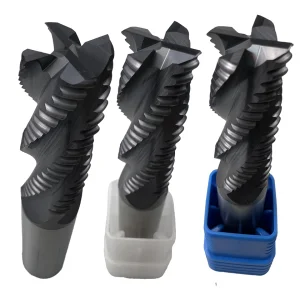
Machining titanium alloys and Inconel presents severe challenges due to high heat concentration and work hardening. Tier Tool's high-rigidity roughing cutters with corrugated wave edges and specialized geometry distribute the cutting forces evenly, avoiding chatter and preventing premature insert failure.
加工中密度纤维板 (MDF)、刨花板以及实木需要刀具具有极高的耐磨损性能。Single flute router bits and reversible profile inserts designed with positive rake angles ensure clean, chip-free edge finishes on abrasive polymers and fibrous composites, eliminating secondary sanding operations.
For fully automated CNC machining lines, tool life predictability is paramount. Our ODM solutions involve customizing insert micro-geometries to match the specific RPM, feed rate, and coolant pressure of the client's automated cell. This predictability allows operators to schedule preventive tool changes, eliminating unexpected tool breakage and costly workpiece scrap.
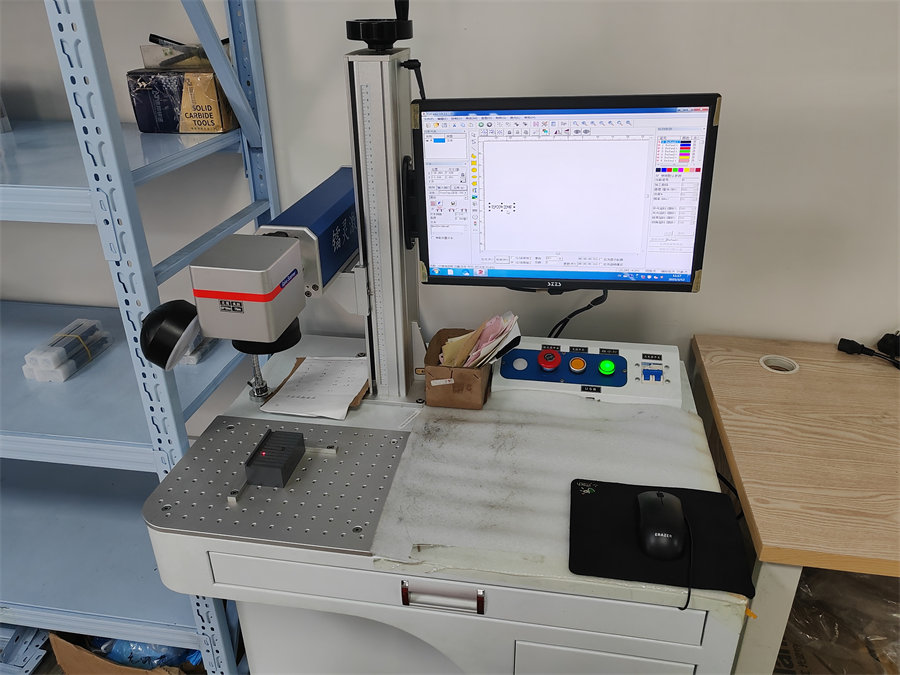
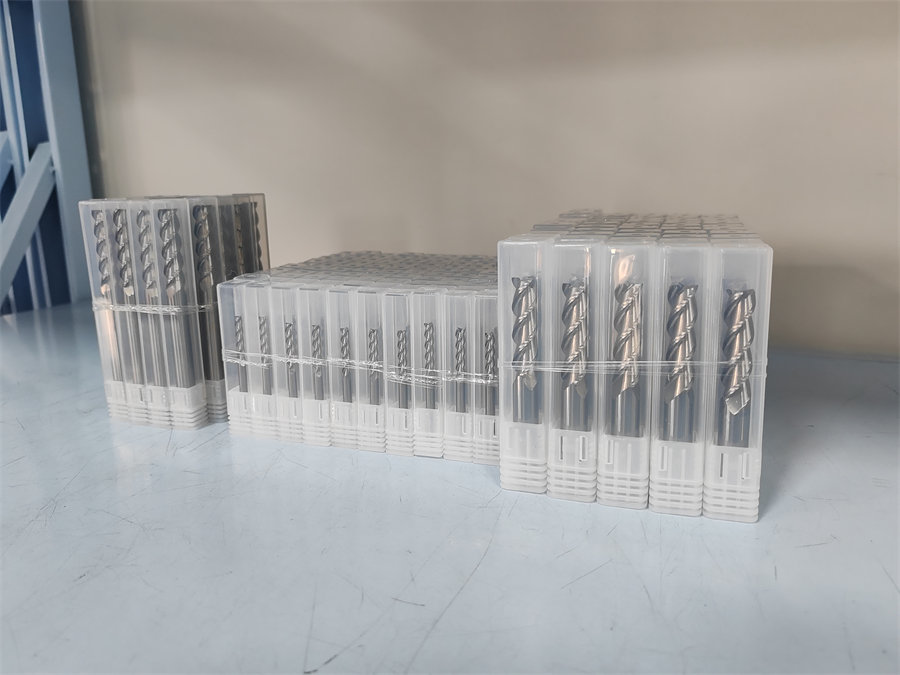
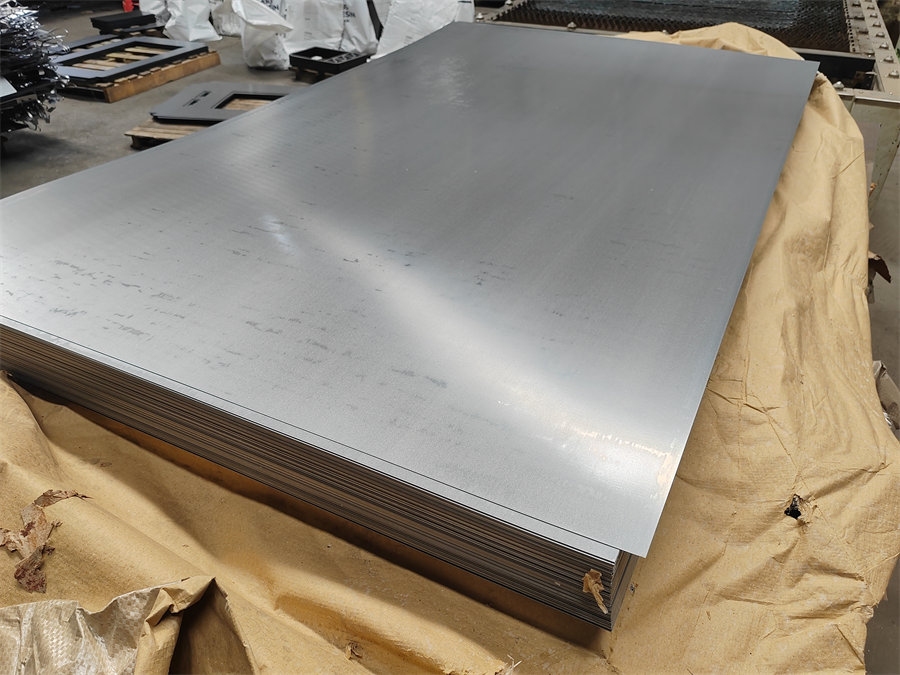
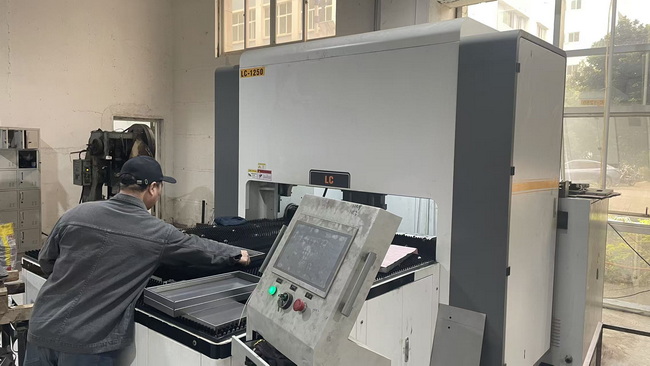
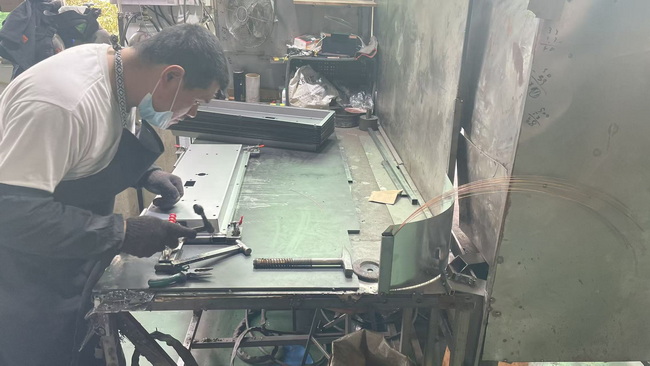
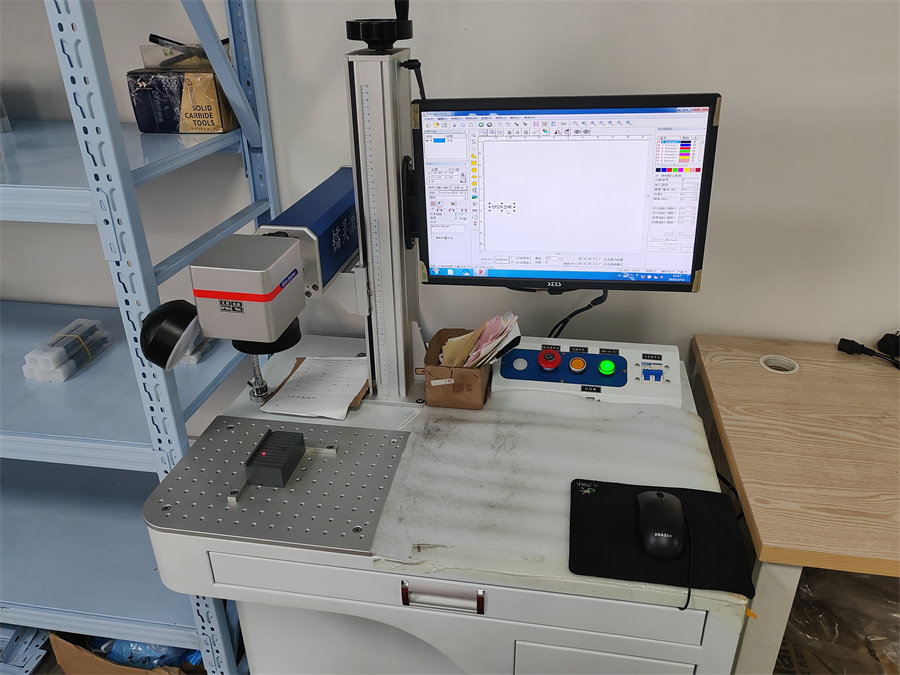
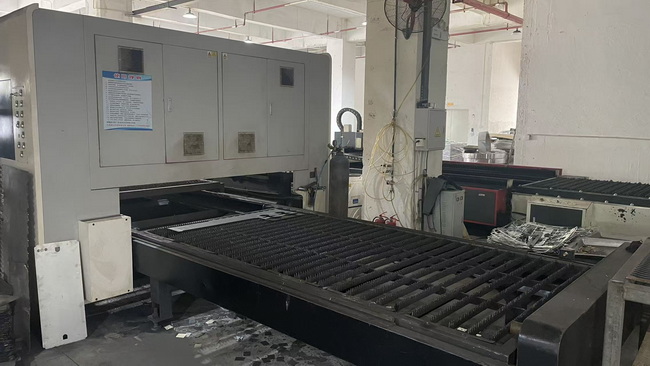
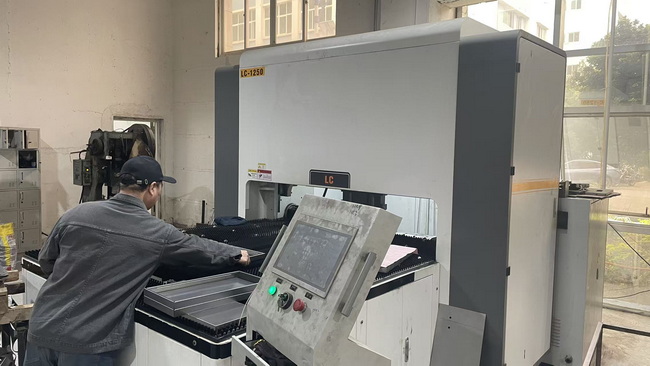
Take an inside look at our advanced manufacturing steps, from laser cutting and bending to ultra-precision machining, marking, and final quality control inspection.


Purchasing directors and tooling engineers in tier-one manufacturing plants look beyond unit cost. They seek strategic partners capable of securing the supply chain and guaranteeing quality consistency over multi-year cycles. Procurement strategies for high-performance reversible inserts and milling tools typically rely on several key criteria:
Industrial CNC operations run with extremely tight margins. A variation of even 5 microns in insert thickness or rake profile can alter the cutting dynamics, leading to premature wear or work hardening. Global procurements require factories to supply comprehensive Material Test Reports (MTR) and dimensional inspect certification for every batch, detailing the grain size, cobalt content, and density of the carbide substrate.
Standard catalog tools often fail to achieve optimal throughput on specialized manufacturing lines. Global enterprises require suppliers with strong ODM capabilities to refine edge preparations, design custom chipbreakers, and configure composite tool holders. Partnering directly with Suzhou Tier Tool allows buyers to co-develop custom tool geometries that match their specific operational goals.
Technical Insight: Establishing a robust tool lifecycle management program involves choosing the correct coating configuration. For instance, dry milling titanium demands coatings that withstand high temperatures, whereas machining aluminum alloys benefits from uncoated, polished carbide tools or DLC coatings to prevent adhesive wear (built-up edge).
Here are detailed answers to key technical questions from procurement departments and CNC engineering teams.
 Tier Tool