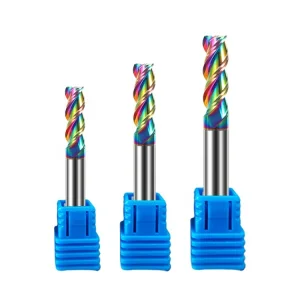
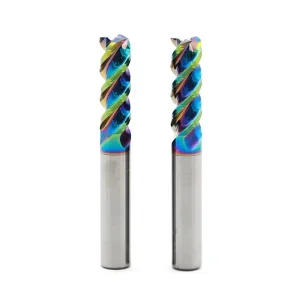
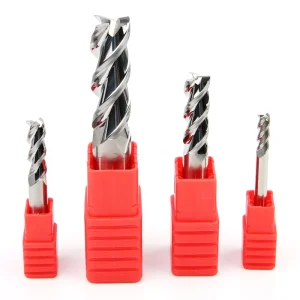
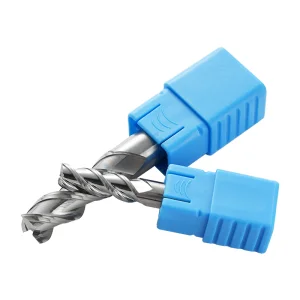
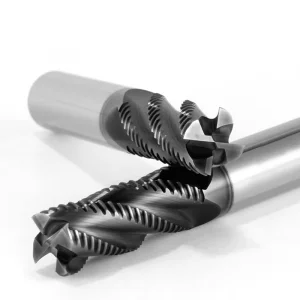
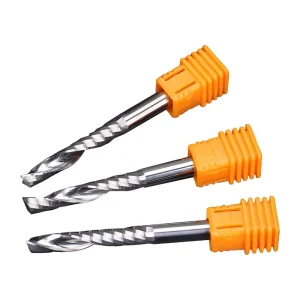
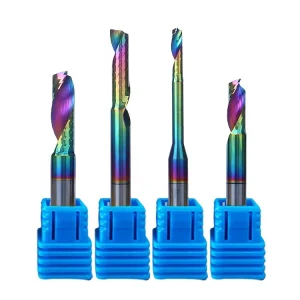
Single Flute Aluminum End Mills Factory & Exporters for the Kenya Market

High-Performance Solid Carbide Engineering Designed for Premium Aluminum Extrusions, Signage Fabrication, and Architectural Cladding in East Africa

The Dynamics of Kenya's Architectural & Industrial Aluminum Expansion

Under the framework of Kenya's industrialization goals and infrastructure development initiatives, urban centers such as Nairobi, Mombasa, Kisumu, and Eldoret are experiencing a substantial surge in localized manufacturing. Key growth areas include the production of architectural aluminum window profiles, structural curtain wall systems, solar panel mounting structures, and retail display components.

Unlike imported finished assemblies, Kenyan fabricators increasingly prefer local extrusion processing. This allows them to dynamically adjust to architectural changes on site, minimize high import duties, and shorten construction lead times. However, this localized processing brings unique technical challenges:

  • High-Speed Processing on Local CNC Routers: Much of Kenya's fabrication sector relies on single-phase or three-phase CNC routers rather than heavy industrial VMCs. These machines require tools that cut efficiently at high RPMs without excessive load.
  • Mitigating Material Adhesion (Galling): Kenyan extrusions, mostly processed from 6061 and 6063 alloys, tend to have high ductility. At elevated temperatures, the aluminum behaves in a "gummy" manner, adhering to the cutting edges of the end mill, leading to instant tool breakage or rough finishes.
  • Dry or MQL Processing Requirements: Due to operational overheads, many workshops in Kenya run CNC tooling dry or with minimal lubrication (MQL). This places extreme thermal stress on the cutting edges.
"For Kenyan CNC operators machining architectural profiles, the single-flute solid carbide end mill represents the optimal balance between cost per part and tool life. By using a single cutting edge with a large chip clearance angle, the risk of built-up edge (BUE) is minimized, allowing dry cutting to yield clean, burr-free surfaces."
24k
Max Spindle RPM
Optimal for single flute performance on soft alloys.
HRC55
Substrate Hardness
Micro-grain tungsten carbide structure.

Technical Roadmap: The Physics of Single Flute Aluminum Milling

Why a single cutting edge outperforms multi-flute designs in high-speed, high-feed processing of non-ferrous alloys.

In standard machining operations, adding flutes (cutting edges) increases material removal rates (MRR) because more cutting edges pass through the material per revolution. However, when machining aluminum, the dynamics change completely. Aluminum has a low melting threshold and forms large, continuous, hot chips. When using a 2-flute or 3-flute cutter at high feed rates, the volume of the chips generated can easily exceed the physical volume of the flutes. This results in chip packing, where the chips clog the tool, weld to the substrate, and cause catastrophic tool failure.

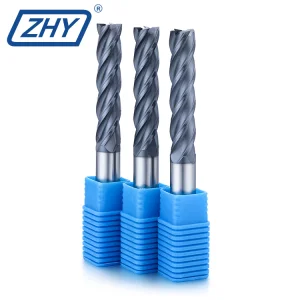
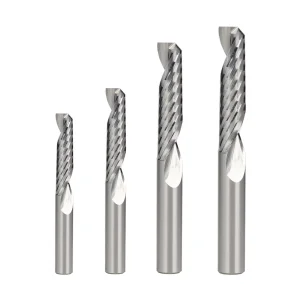
The Single Flute Advantage: A single-flute end mill features 360 degrees of rotation space divided into one cutting edge and one massive chip valley (flute). This design delivers unique advantages:

Maximum Flute Volume

Provides the largest physical channel for chips to escape, preventing recutting of chips and minimizing heat transfer back into the workpiece.

Aggressive Helix Angles

Our tools feature 35-to-45-degree helix angles that actively shear the soft aluminum, acting like an upward pump to pull chips out of deep slots.

Perfect Dynamic Balance

Precision grinding on advanced CNC tool grinders ensures that even with a single flute, the tool remains dynamically balanced at up to 30,000 RPM, preventing spindle vibration.

Application Parameter Uncoated Single Flute DLC Coated (Diamond-Like Carbon) TiAlN / AlTiN Coated (High Temp)
Workpiece Suitability Pure aluminum, soft 6000 series, acrylics, wood Harder aluminum (e.g. 7075), abrasive composite panels Alloy steels, cast iron, rough milling applications
Coefficient of Friction 0.4 - 0.5 0.05 - 0.15 (Ultra-low adhesion) 0.6 - 0.7
Cooling Requirement Recommended (MQL or light air blast) Highly suitable for Dry Machining Flood coolant required for soft alloys
Average Tool Life Expectancy Standard base baseline (1.0x) Extended life (2.5x to 4.0x) Moderate (1.5x in aluminum, high risk of BUE)

Suzhou Tier Tool Co., Ltd. — Factory Overview & Process Traceability

Established in 2008, Suzhou Tier Tool Co., Ltd. is a national high-tech enterprise specializing in precision solid carbide tool engineering, providing reliable export solutions to the Kenyan market.

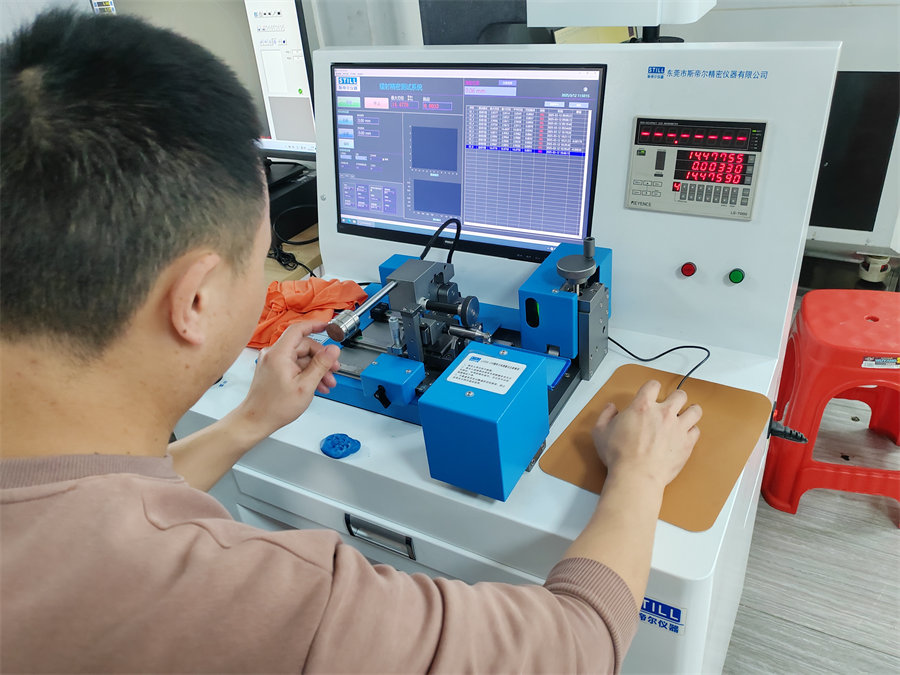
At Suzhou Tier Tool, our manufacturing process integrates raw material sourcing, automated CNC grinding, multi-stage inspection, laser engraving, and secure packaging. We adhere to the core philosophy of "Quality First, Continuous Improvement" to deliver tools that meet the rigorous standards of global supply chains. Our production facilities feature fully imported CNC tool grinding lines and precision metrology equipment to maintain tolerances within ±0.005mm.
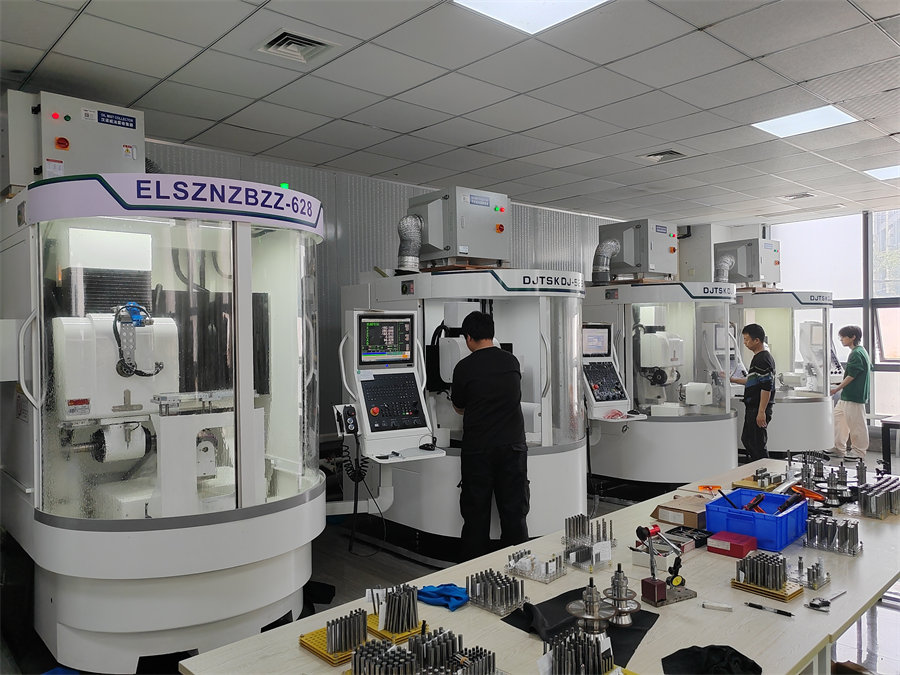
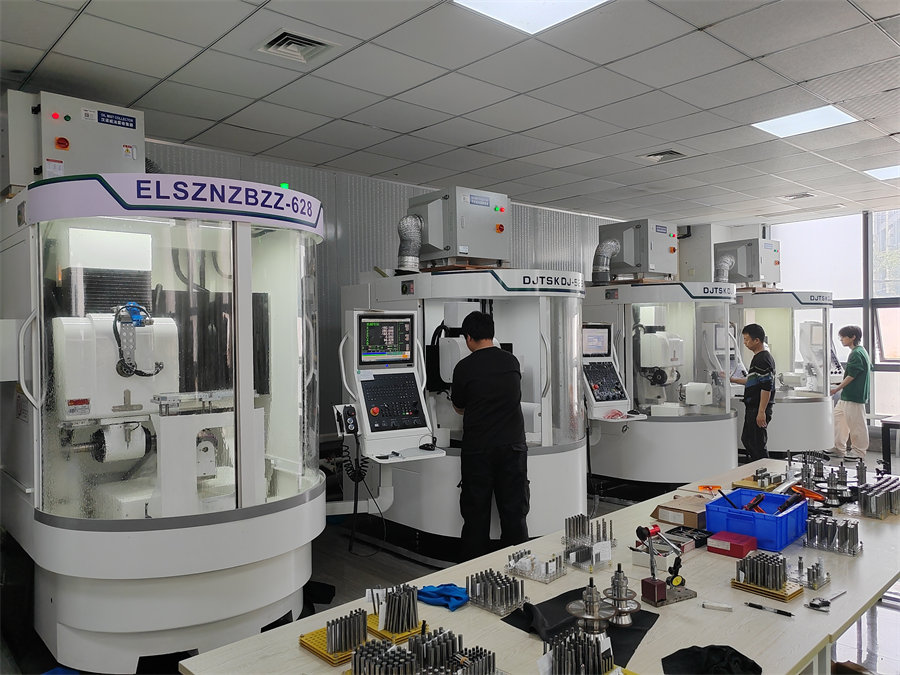
Machining
CNC Machining Center
Inspecting
Precision Inspecting & Metrology
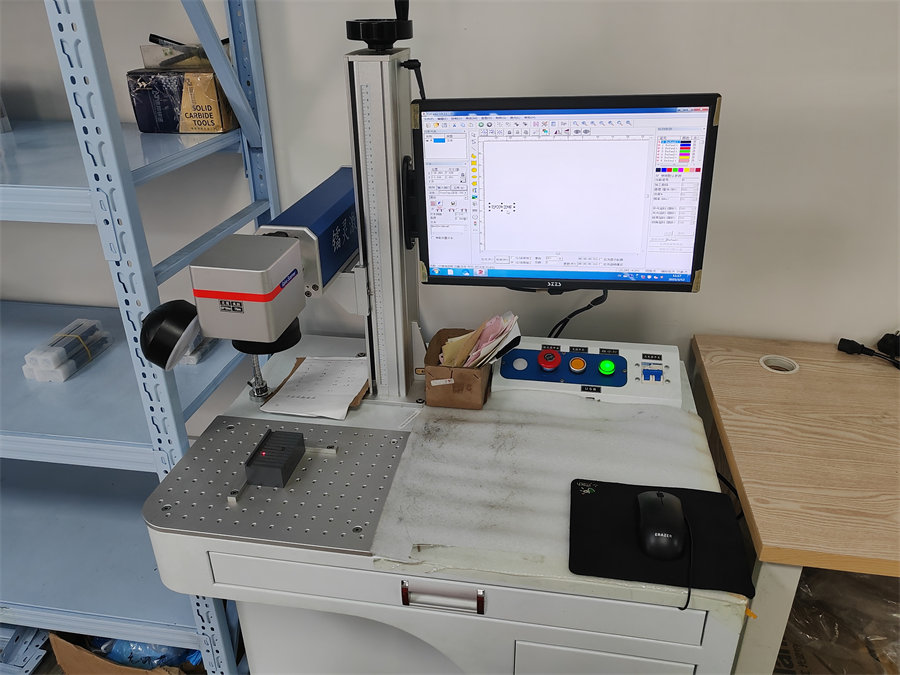
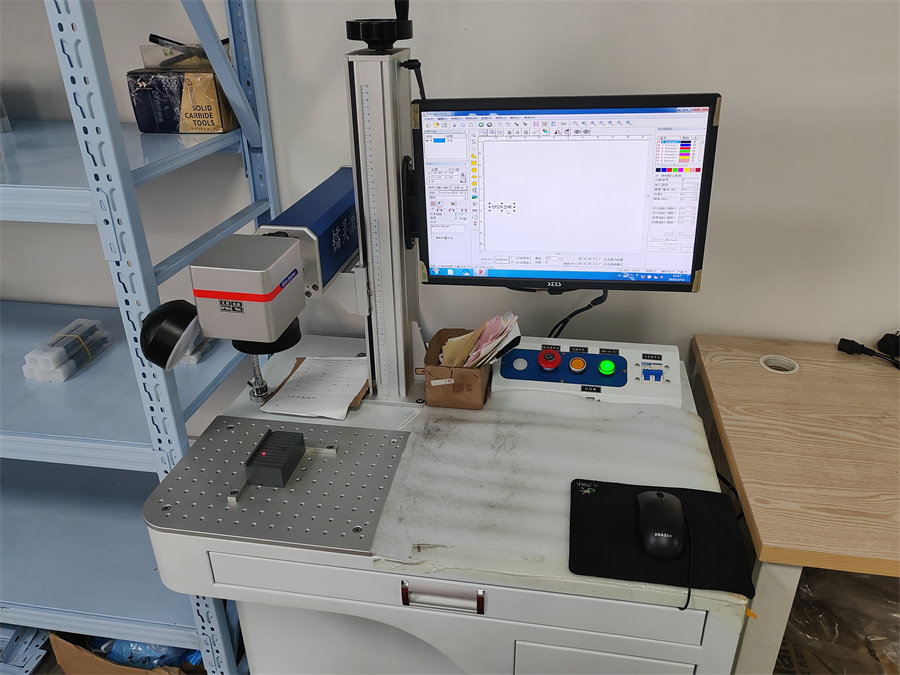
Logo Marking
Logo Marking Machine
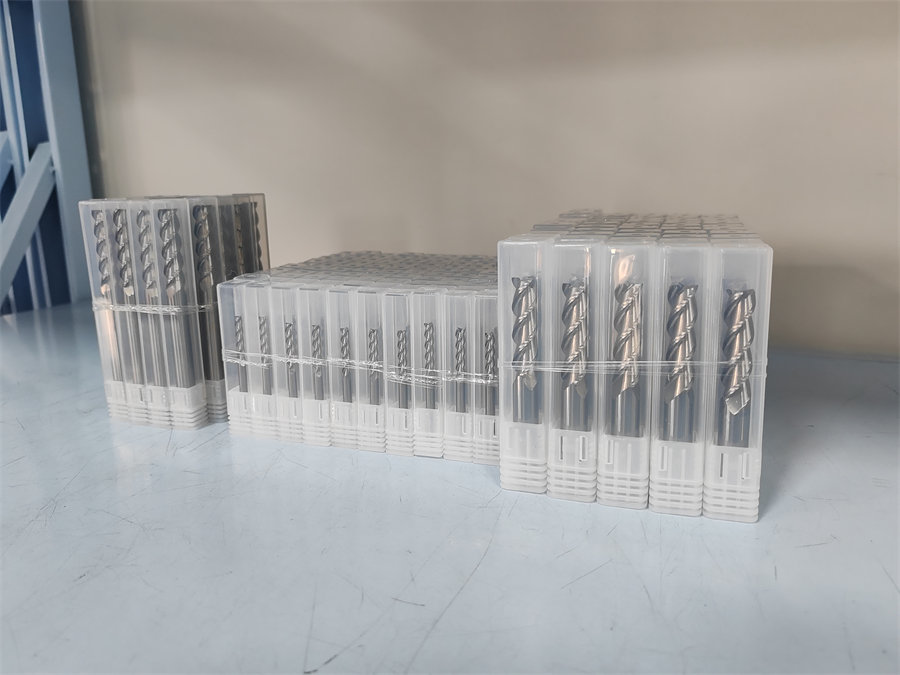
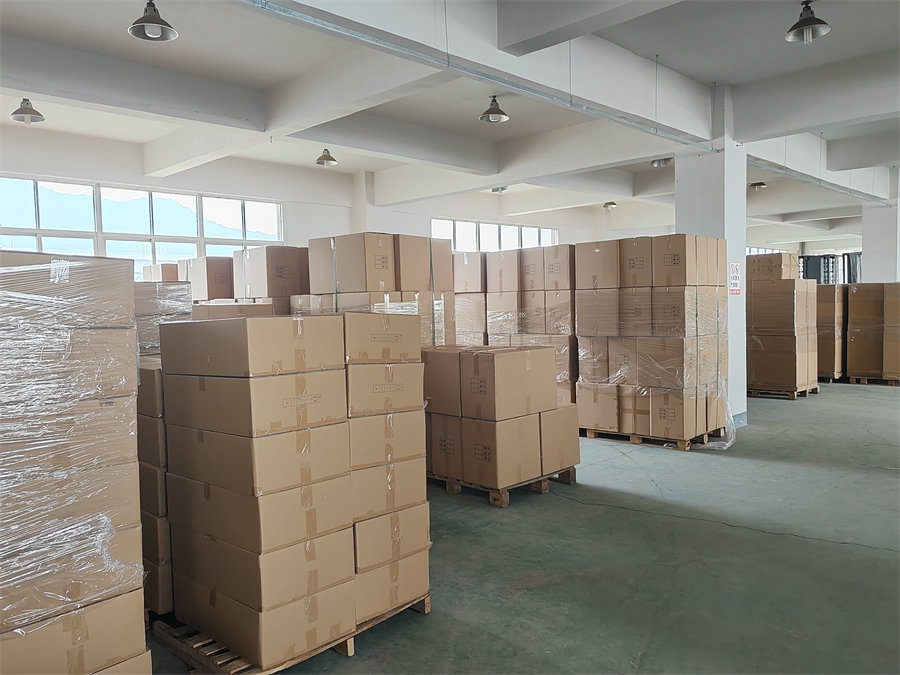
Packaged Products
Packaged Tools Ready for Export
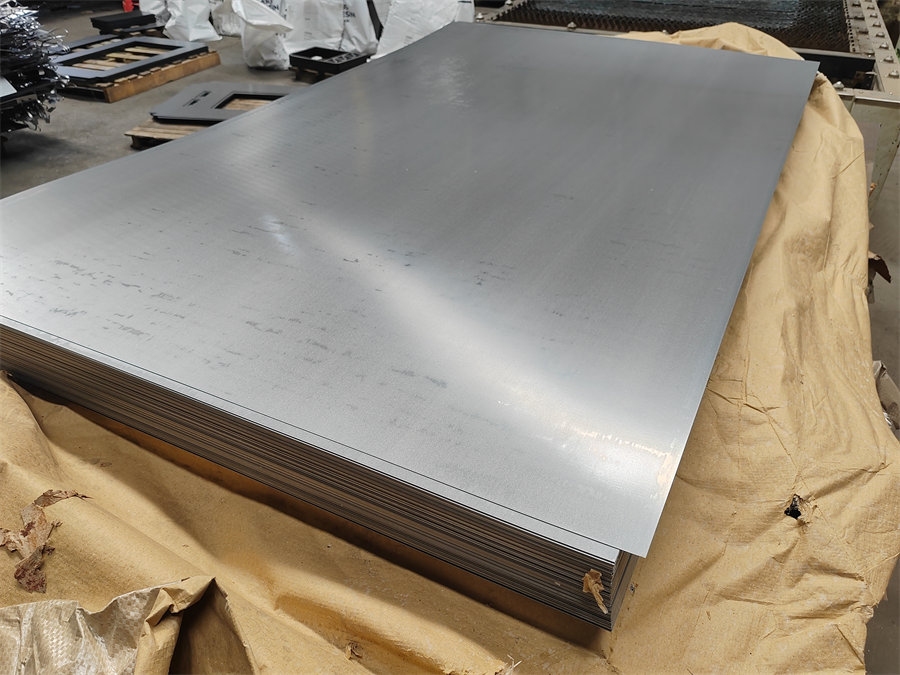
Steel Sheets
Raw Tooling Blanks & Steel Sheets
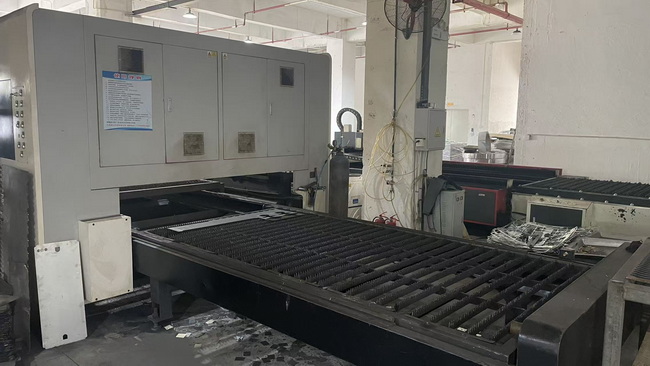
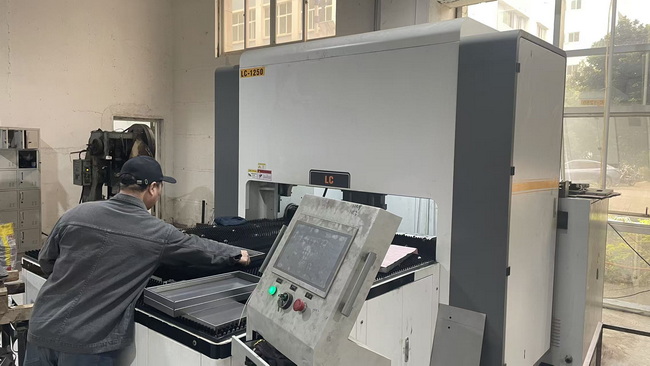
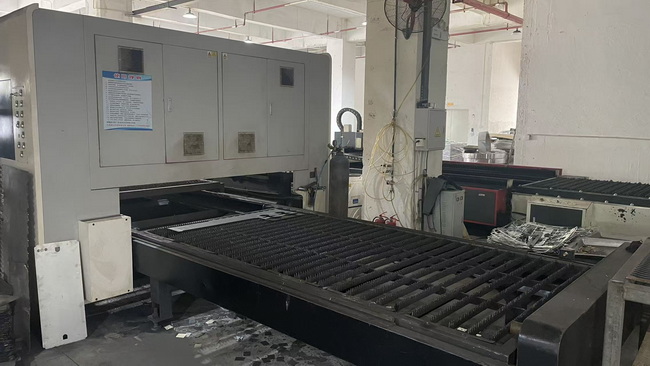
Laser Cutting
Laser Cutting Station
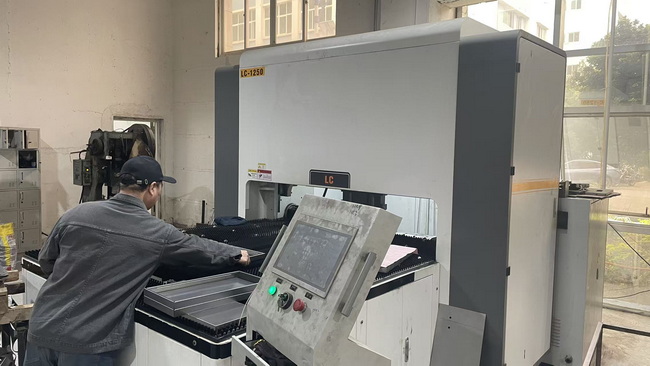
Bending
Precision Metal Bending
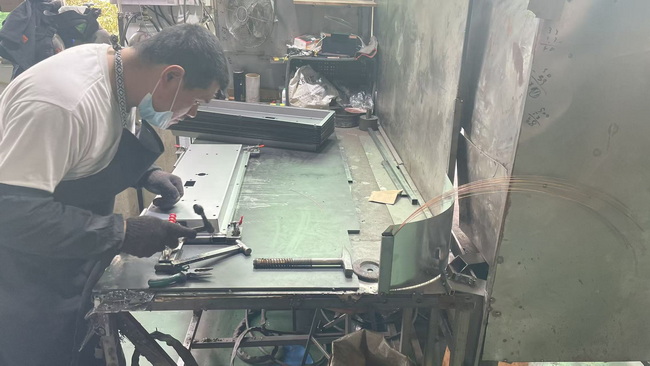
Welding
Structural TIG/MIG Welding
Packaged Products 2
Protective Outer Box Packaging
Machining Machine
Automated CNC Grinding Machine
Logo Marking Machine
Laser Engraving System
Laser Cutting Machine
Industrial Laser Cutter
Bending Machine
CNC Hydraulic Bending Machine

Custom Tooling Project?

We provide OEM and ODM manufacturing services for specialized dimensions and configurations to meet your unique needs.

Send Factory Inquiry

Sourcing Operations & Logistics to Kenya

Procuring industrial tooling from China to Kenya requires streamlined logistics and reliable quality control. As a regular exporter to East Africa, Suzhou Tier Tool has established standardized procedures to ensure transparent shipping, quality verification, and hassle-free customs processing.

Key Sourcing Highlights:

  • Port of Mombasa Sea Freight: Cost-effective solution for high-volume orders. Ideal for regional distributors and large-scale architectural cladding factories in Nairobi.
  • Air Cargo Expediting: We partner with direct air freight services for fast delivery to Jomo Kenyatta International Airport (JKIA) within 5-7 working days.
  • KEBS PVoC Compliance: We provide full testing documentation and certificates of conformity to facilitate smooth clearance at Kenyan ports of entry.
  • Flexible MOQs: Starting from 10 pieces for customized sizes to support local workshops and distributors.

Kenyan Import & Customs Guidance

When importing solid carbide cutting tools, the product falls under HS Code 8207.70.00 (Tools for milling). The import structure typically comprises:

  • Import Declaration Fee (IDF): 3.5% of the customs value.
  • Railway Development Levy (RDL): 2.0% of the customs value.
  • Value Added Tax (VAT): 16% on import valuation.

*Disclaimer: Always verify with your licensed KRA clearing agent for the most up-to-date tariff schedules.*

Frequently Asked Questions & Technical Troubleshooting

Answers to common challenges faced by CNC operators, mechanical workshops, and sourcing directors in the East African market.

Why are my single-flute end mills breaking when machining local 6063-T6 profiles in Kenya?
Tool breakage in 6063-T6 is almost always caused by chip packing or too low of a feed rate. If your feed rate is too low, the tool will rub against the work piece instead of cutting it, generating heat that melts the aluminum onto the flute. Try increasing your feed rate (chip load per tooth) and ensuring your spindle speed matches the tool diameter (e.g., around 18,000–24,000 RPM for a 4mm–6mm single flute tool).
What is the difference between DLC-coated and uncoated end mills for aluminum?
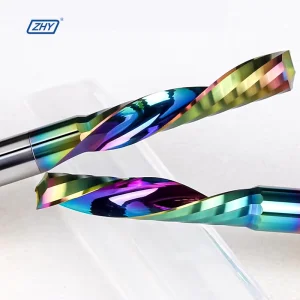
DLC (Diamond-Like Carbon) coatings provide an extremely low coefficient of friction (typically < 0.1) and high hardness. This prevents aluminum from welding to the cutting edge, which is especially useful when dry machining or when using minimal lubrication (MQL). Uncoated tools are more economical and perform well with flood coolant, but have shorter service lives in abrasive materials like aluminum composite panels (ACP).
How do I determine the correct RPM and feed rate for my CNC router?
As a rule of thumb for a 6mm single-flute carbide end mill cutting aluminum: set your spindle to 18,000 RPM and your feed rate to approximately 1,800 mm/min to 2,400 mm/min, with a depth of cut (Ap) of 0.5x to 1x the tool diameter. Adjust based on the rigidity of your machine and workholding.
Does Suzhou Tier Tool support customized dimensions and OEM branding?
Yes. We offer comprehensive OEM/ODM customization services. We can manufacture custom overall lengths, shank diameters, and specialized coatings (including DLC, TiAlN, and TiCN), and can laser-etch your company logo or custom tool codes directly onto the tool shanks.
What payment and delivery terms do you offer for Kenyan buyers?
We accept T/T (Bank Transfer), Western Union, and L/C. For shipping, we can coordinate with your forwarder in Guangzhou/Yiwu, or ship directly via sea freight to Mombasa or air cargo to Nairobi.